
If you've ever found yourself slouched over your desk, you're not alone. Many people underestimate the impact of poor posture on their health and productivity. You might think it's just a minor inconvenience, but unresolved posture issues can lead to chronic pain and decreased efficiency in your work. Seeking professional help can provide you with the insights and tools to correct these habits, but what specific benefits await those who take that step? Understanding the full scope of these advantages could change how you approach your daily routine.
Common Posture Problems
When you spend long hours at a desk, it's easy to develop common posture problems that can lead to discomfort and pain. One of the most frequent issues you might encounter is slouching. When you're hunched over your keyboard, your spine loses its natural curve, putting strain on your back and neck. This poor alignment can cause tension and fatigue, making it hard to focus on your tasks.
Another common posture problem is craning your neck forward. If you find yourself leaning toward your screen, your neck muscles work overtime, which can result in stiffness and headaches. You may not notice it at first, but this habit can become ingrained over time, leading to chronic discomfort.
Additionally, improper chair height can exacerbate your posture issues. If your chair's too high or too low, it can throw your hips and knees out of alignment, contributing to lower back pain. Your feet might dangle or not rest flat on the floor, which can create further strain on your body.
Lastly, crossing your legs while seated can lead to uneven hip alignment. This position can tighten your hip flexors and lead to discomfort in your lower back.
To combat these issues, make an effort to adjust your workspace and take regular breaks to stretch. By being mindful of your posture, you can help prevent these common problems and maintain a healthier, more comfortable work environment.
Health Risks of Poor Posture
Poor posture can lead to a variety of health risks that extend beyond mere discomfort. If you spend long hours sitting at a desk without proper alignment, you might be putting your body at risk for several serious issues. It's crucial to recognize these potential consequences to make necessary changes and improve your overall well-being.
First, you may experience chronic back and neck pain as your muscles are forced to compensate for misalignment. This can lead to tension headaches and further discomfort.
Second, poor posture can negatively impact your respiratory function. Slouching compresses your lungs, making it harder to breathe deeply and effectively.
Third, digestive problems may arise; slumping can put pressure on your internal organs, hindering digestion and leading to issues like acid reflux.
Additionally, you might notice increased fatigue. When your body struggles against poor alignment, it expends extra energy, leaving you feeling drained.
Finally, your mood could be affected. Research has shown a link between posture and mental health; adopting a slouched position can contribute to feelings of anxiety and depression.
To summarize, here are some health risks associated with poor posture:
- Chronic back and neck pain
- Impaired respiratory function
- Digestive issues
- Increased fatigue
- Negative impact on mood
Addressing your posture isn't just about comfort; it's crucial for maintaining your health. By taking steps to improve your desk job posture, you'll be investing in your long-term well-being.
Impact on Productivity
Desk posture plays an essential role in your productivity levels. When you slouch or hunch over your keyboard, it not only affects your comfort but also your ability to focus and perform tasks efficiently. Poor posture can lead to fatigue, making it harder for you to concentrate on your work. If you're constantly shifting in your chair or taking breaks to relieve discomfort, you're losing valuable time that could be spent on completing tasks.
Additionally, maintaining an improper posture restricts your breathing. When you're hunched over, your lungs can't expand fully, which can lead to decreased oxygen flow to your brain. This decrease can impair your cognitive functions, ultimately affecting your decision-making and problem-solving abilities. You might find yourself feeling more sluggish and less motivated to tackle your workload.
Another critical factor is the impact of posture on your energy levels. When you're sitting correctly, your body can move more freely and efficiently. This efficiency translates into higher energy levels, enabling you to stay engaged and productive throughout the day. On the flip side, discomfort and pain from poor posture can make even the simplest tasks seem intimidating.
Lastly, your posture can influence your mood and overall job satisfaction. When you feel good physically, it's easier to maintain a positive attitude and tackle challenges head-on. By prioritizing proper desk posture, you can create an environment that fosters productivity, helping you achieve your goals more effectively.
Benefits of Professional Help
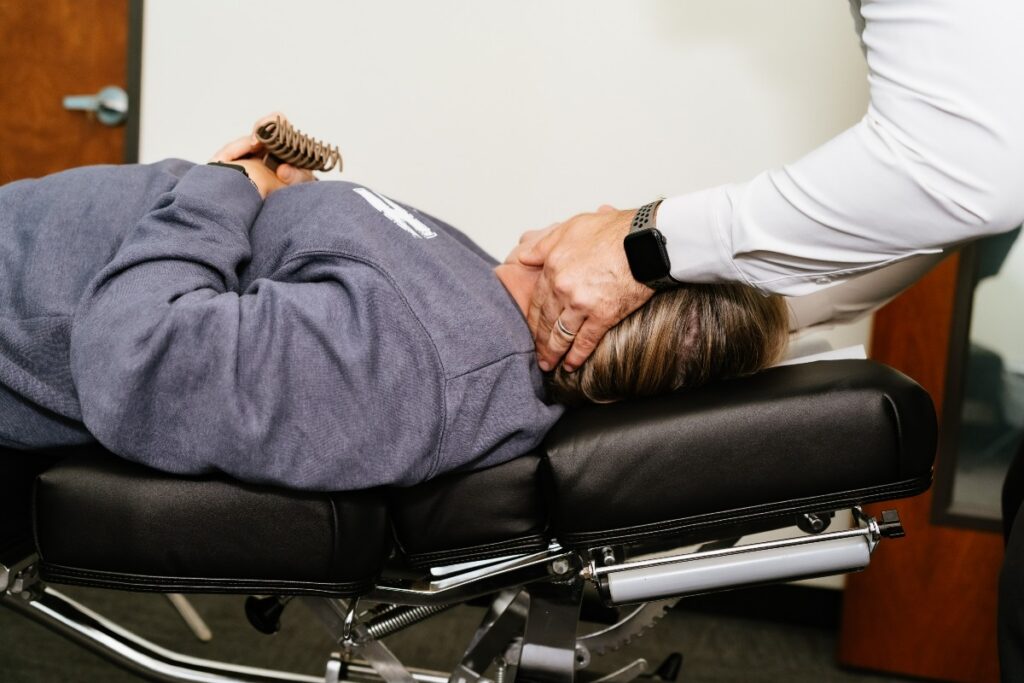
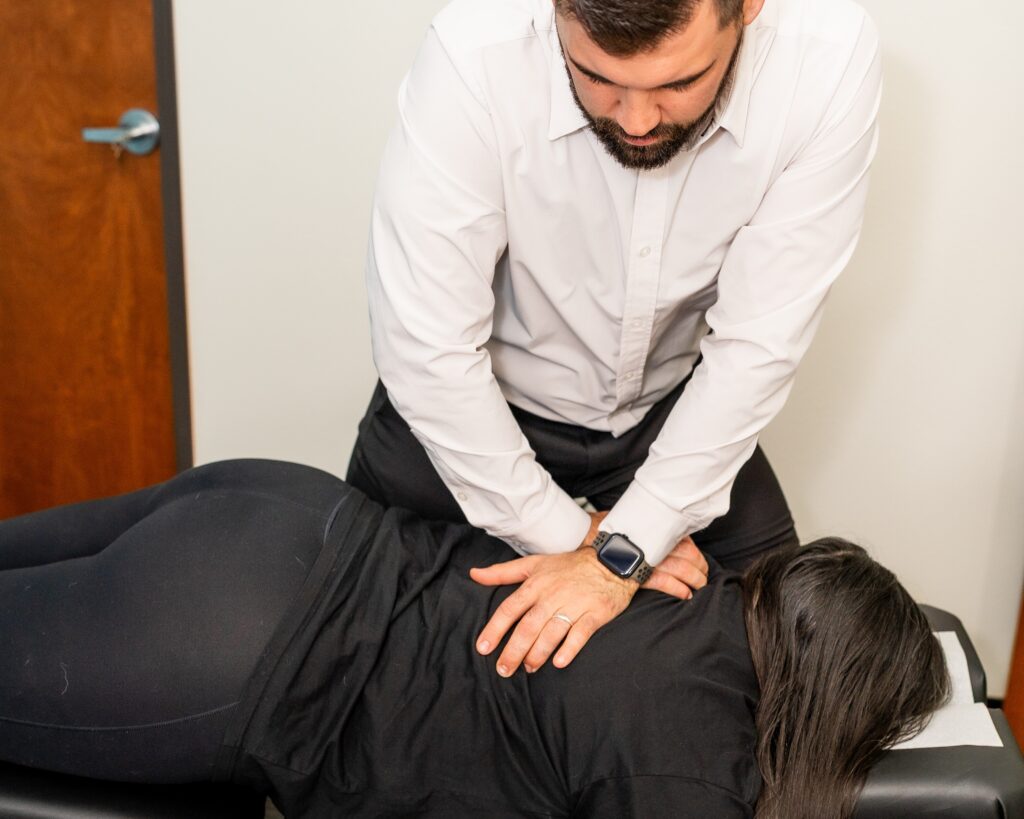
Seeking professional help for posture issues can greatly enhance your work experience and overall well-being. When you consult a specialist, you gain access to tailored strategies and expert knowledge that can markedly improve your posture and reduce discomfort.
Here are some key benefits of seeking professional help:
- Personalized Assessment: A professional can evaluate your specific posture issues and identify the root causes, guaranteeing that you address the right problems.
- Expert Guidance: With their knowledge, professionals can provide you with effective exercises and stretches tailored to your needs, helping you strengthen weak areas and relieve tension.
- Injury Prevention: By addressing posture issues early, you can prevent more serious health problems down the line, reducing the risk of chronic pain or injuries.
- Improved Productivity: Better posture leads to increased comfort, which can enhance your focus and efficiency at work, allowing you to perform at your best.
- Long-term Solutions: Professionals can teach you sustainable habits and techniques that guarantee you maintain good posture even when you're not in their presence.
Investing in professional help isn't just about fixing your posture; it's about fostering a healthier work environment and enhancing your quality of life.
Ergonomic Solutions
How can ergonomic solutions transform your workspace and alleviate posture-related issues? By making simple adjustments and investing in the right tools, you can create a more comfortable and supportive environment.
Start with an ergonomic chair that promotes good posture. Look for one with adjustable seat height, lumbar support, and armrests to keep your back aligned and reduce strain on your neck and shoulders.
Next, consider your desk setup. A height-adjustable desk can be a game-changer, allowing you to alternate between sitting and standing throughout the day. If a new desk isn't feasible, add a monitor stand to position your screen at eye level. This prevents you from craning your neck or slumping forward, which often leads to discomfort over time.
Don't forget about your keyboard and mouse placement. Keep them at the same level as your elbows, allowing your arms to rest comfortably at your sides. Using a wrist rest can further enhance comfort and prevent repetitive strain injuries.
Finally, invest in accessories like footrests or ergonomic mats to provide additional support and cushioning. These small changes can greatly improve your overall workspace ergonomics.
Exercises for Better Posture
Improving your posture doesn't just rely on ergonomic adjustments; incorporating specific exercises into your routine can make a significant difference. Regularly practicing posture-focused exercises not only strengthens key muscle groups but also increases your awareness of body alignment.
Here are some effective exercises you can integrate into your daily routine:
- Wall Angels: Stand with your back against a wall, arms raised in a "W" position. Slowly slide your arms up while keeping them in contact with the wall, then lower them back down. This helps open up your chest and improve shoulder mobility.
- Chest Stretch: Stand tall and clasp your hands behind your back. Gently pull your shoulders back and down while lifting your arms slightly. This stretch counters the forward slouch caused by prolonged sitting.
- Cat-Cow Stretch: Get on all fours and alternate between arching your back (cat) and lowering your belly (cow). This dynamic movement enhances spinal flexibility and relieves tension.
- Seated Torso Twist: While seated, place one hand on the back of your chair and twist your torso gently to one side, holding for a few breaths. Switch sides. This exercise improves spinal mobility and helps relieve tightness.
- Plank: Lie face down and lift your body off the ground, balancing on your forearms and toes. Keep your body straight and engage your core. This strengthens your core and stabilizes your spine.
Importance of Regular Breaks
Taking regular breaks throughout your workday is essential for maintaining both physical and mental well-being. When you sit for prolonged periods, your muscles can become tense, and your posture may suffer. By stepping away from your desk, even briefly, you give your body a chance to relax and reset. This can prevent discomfort and help you maintain better posture when you return to work.
Moreover, taking breaks helps you clear your mind. Continuous focus on tasks can lead to mental fatigue, reducing your productivity and creativity. A short walk or a few minutes of stretching can invigorate your mind, allowing you to tackle challenges with renewed focus and energy. You'll find that when you take breaks, you're often more efficient in completing tasks.
Incorporating regular breaks into your routine also encourages movement. Whether it's a quick stroll around the office or some simple stretches, these activities promote blood circulation and can counteract the negative effects of prolonged sitting.
You might even consider setting a timer to remind yourself to step away every hour or so.
Long-Term Effects of Neglect
Neglecting proper posture and movement over time can lead to serious long-term consequences for your health. You mightn't notice the effects right away, but as the days turn into months and years, the toll on your body can accumulate greatly.
Poor posture can result in chronic pain, reduced mobility, and even long-lasting structural changes to your spine.
If you don't address these issues, you might face several debilitating health problems, including:
- Chronic Back Pain: Years of slouching can lead to herniated discs and ongoing discomfort.
- Reduced Flexibility: Tight muscles and joints can limit your range of motion, making everyday tasks more challenging.
- Poor Circulation: Sitting improperly can restrict blood flow, leading to numbness or tingling in your extremities.
- Increased Risk of Injury: Weak muscles and imbalances may make you more susceptible to strains and sprains.
- Mental Health Issues: Chronic pain and discomfort can contribute to anxiety and depression, impacting your overall well-being.
Ignoring these signs won't make them go away; instead, they'll only worsen over time.
Creating a Supportive Workspace
Creating a supportive workspace is vital for maintaining good posture and overall health, especially if you spend long hours at a desk. Your environment plays an important role in how your body feels during and after work.
Start with your chair; it should provide adequate lumbar support to help maintain the natural curve of your spine. Adjust the height so that your feet rest flat on the floor and your knees are at a 90-degree angle.
Next, consider your desk setup. Position your computer monitor at eye level, about an arm's length away. This helps reduce eye strain and keeps your neck aligned. If you're using a laptop, invest in a stand or an external keyboard and mouse to achieve better ergonomics.
Don't forget about your wrists; they should be straight and not bent while typing.
Lighting is another factor that impacts your workspace. Make sure your area is well-lit to avoid squinting and straining your eyes. Natural light is ideal, but if that's not possible, use adjustable desk lamps.
Lastly, make it a habit to take regular breaks. Stand up, stretch, and walk around every hour to keep your blood flowing and muscles active.
Conclusion
In summary, addressing desk job posture issues is essential for your overall health and productivity. Seeking professional help can make a significant difference, guiding you toward better habits and effective exercises. By creating an ergonomic workspace and taking regular breaks, you can prevent long-term problems and enhance your well-being. Don't wait until discomfort becomes chronic—take action now to foster a healthier, more productive work environment that benefits both your body and mind.