
Back pain is one of the most common complaints we hear about here in Castle Hills, TX — and for good reason. It can sneak up on you after a long day at a desk, flare up after lifting something heavy, or just become a constant, nagging presence that never quite goes away. Most people chalk it up to a “bad back” and try to push through it. But sometimes, what feels like ordinary back pain is actually something more specific: a herniated disk. Knowing the difference could be the key to finally getting real relief — and at Castle Hills Chiropractic, that’s exactly what we’re here to help you figure out.
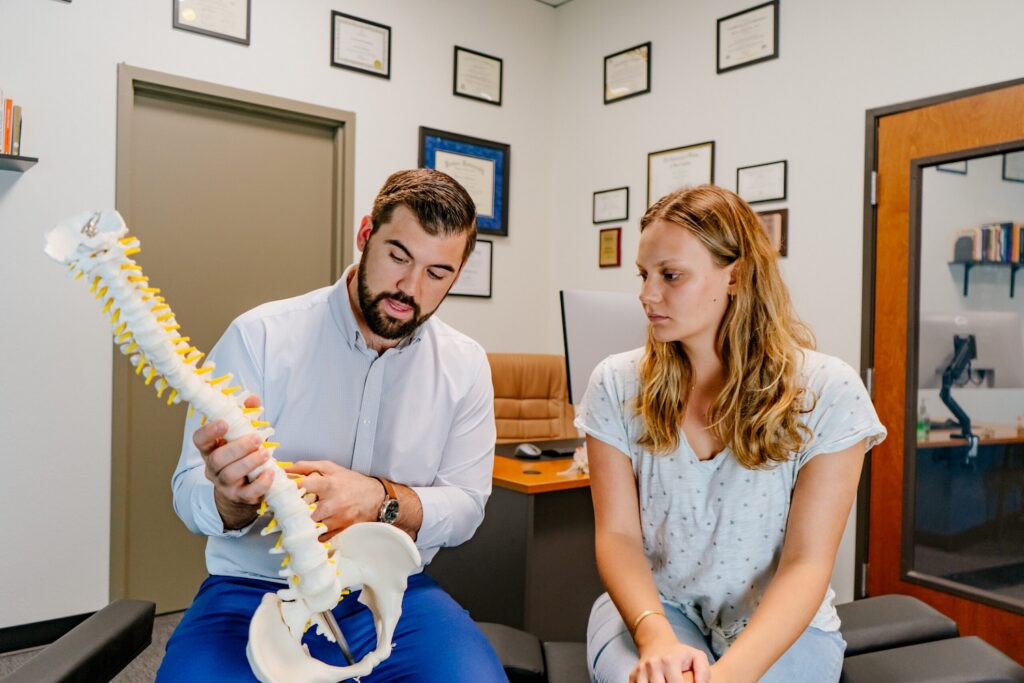
What is a herniated disk? A herniated disk occurs when the soft, gel-like center of a spinal disk pushes through a crack in its tougher outer layer. This can irritate nearby nerves and cause pain, numbness, or weakness in the back, legs, or arms — depending on where in the spine the herniation occurs.
Sign #1: Pain That Travels Down Your Leg or Arm
One of the most telling signs that your back pain may be more than just muscle soreness is when the pain doesn’t stay put. If you’re feeling discomfort that radiates from your lower back down through your buttock, thigh, calf, or even into your foot, that’s a pattern that chiropractors and spine specialists recognize immediately. This kind of traveling pain is called radiculopathy — or, when it follows the sciatic nerve, most people know it as sciatica.
A herniated disk in the lower spine can press against a nerve root, sending pain signals along the entire path of that nerve. It can feel like a sharp, electric shock, a deep burning sensation, or even a dull ache that moves. Similarly, if a disk in the cervical spine (your neck) is herniated, that traveling pain may shoot down through your shoulder, arm, and into your fingers.
Here in Castle Hills, Dr. Brent Johnson sees this pattern frequently in patients who come in convinced they’ve just “pulled something.” When the pain maps along a nerve pathway rather than staying localized to one spot, that’s an important signal worth investigating further.
Sign #2: Numbness or Tingling in Specific Areas
Generalized back muscle soreness doesn’t usually come with numbness or tingling. So if you’re noticing that your foot, toes, fingers, or a specific patch of skin on your leg feels strange — like it’s fallen asleep or has pins and needles — that’s a neurological symptom, and it deserves attention.
When a herniated disk compresses or irritates a nerve, it can disrupt the normal signals that nerve sends to different parts of your body. The result is often that strange, buzzing numbness in a very specific region — not a vague all-over sensation, but a localized area that corresponds to the nerve being affected. Physicians and chiropractors use something called a “dermatome map” to identify which specific nerve root may be involved based on where symptoms appear on the body.
This is actually one of the more diagnostically useful signs. If your numbness or tingling follows a predictable nerve pathway, it gives our team at Castle Hills Chiropractic valuable information about what might be happening in your spine, and it helps guide a more focused and effective care plan for you.
Sign #3: Muscle Weakness You Can’t Explain
This one often catches people off guard. You might notice that your grip isn’t as strong as it used to be, that you’re stumbling slightly when you walk, or that one of your legs just feels heavier or less responsive. When this kind of weakness shows up without an obvious injury or overexertion, it’s a significant clue.
Nerves don’t just carry sensation — they also control muscle function. When a herniated disk puts sustained pressure on a motor nerve, it can interfere with how effectively your brain communicates with your muscles. Over time, this can lead to noticeable weakness in the muscles that nerve supplies. In the lower back, this might show up as difficulty lifting your foot (a condition sometimes called “foot drop”), weakness in the calf or thigh, or instability when climbing stairs. In the neck region, it could present as arm weakness or difficulty with fine motor tasks.
Muscle weakness associated with nerve compression is something Dr. Brent Johnson takes seriously at Castle Hills Chiropractic. It’s not just a comfort issue — it can affect your safety and your ability to go about daily life in Castle Hills and beyond.
Sign #4: Pain That Gets Worse in Certain Positions
Pure muscle strain tends to feel fairly consistent — achy, stiff, and responsive to rest. But herniated disk pain has a particular quality to it: it reacts strongly to specific positions and movements. Many patients describe their pain getting dramatically worse when they sit for extended periods, cough, sneeze, or strain during a bowel movement. These activities all briefly increase pressure inside the spinal canal, which can amplify nerve irritation.
On the flip side, some people with a herniated disk find that lying down in a specific position — often on their side with knees bent — brings some relief. Others notice that walking actually feels better than sitting still. These positional clues are meaningful. They reflect how changes in spinal loading affect an already-irritated nerve or disk.
If you’ve noticed that your back pain seems to have a “personality” — flaring with certain activities and calming with others — that pattern is worth mentioning when you come in for an evaluation. At Castle Hills Chiropractic, Dr. Brent Johnson uses a thorough orthopedic and neurological assessment to understand exactly how your symptoms behave and why.
Sign #5: Pain That’s Mostly on One Side
Generalized muscle tension or postural fatigue tends to spread across the back fairly evenly, or at least shift sides. But herniated disk pain is often distinctly one-sided. That’s because the herniation typically protrudes in one direction, compressing a nerve root on either the left or right side of the spinal column.
You might notice that your right leg is the only one that hurts, or that your left shoulder and arm carry all the discomfort while your right side feels completely fine. This asymmetry is a meaningful clinical finding. It suggests that a specific, localized structure — not just general muscle tightness — may be the source of the problem.
Of course, one-sided pain alone doesn’t confirm a herniated disk. But combined with the other signs described in this article, it paints a much clearer picture. Many residents of Castle Hills, TX come to us with this exact presentation — pain that just won’t quit on one side — and find real answers through a proper spinal evaluation.
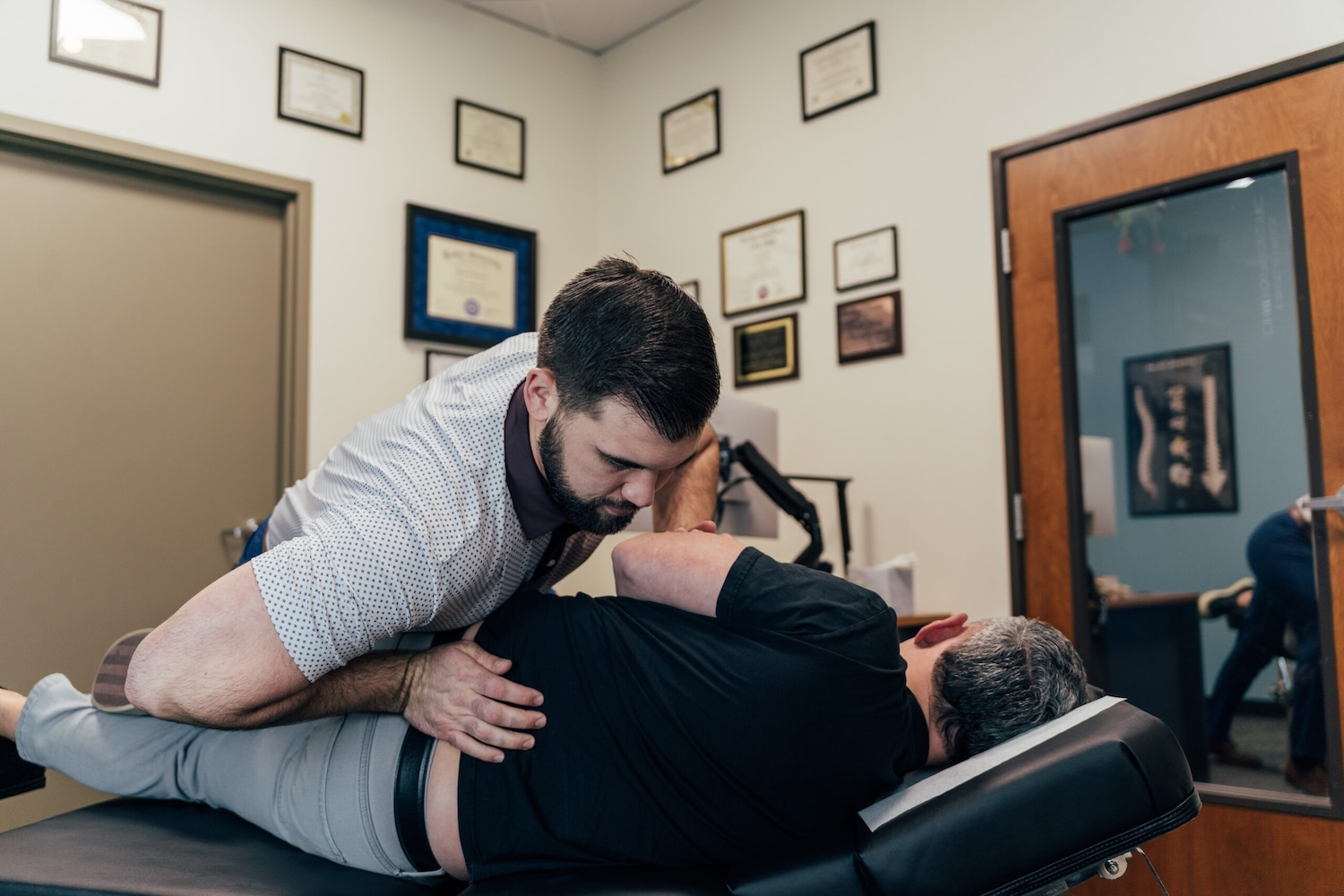
How Chiropractic Care Fits In
One of the most common questions we hear at Castle Hills Chiropractic is: “Can a chiropractor actually help with a herniated disk?” The short answer is yes — for many patients, chiropractic care is a highly appropriate, non-invasive first step in managing herniated disk symptoms. Evidence from organizations like the American College of Physicians (ACP) and the National Institutes of Health (NIH) consistently supports conservative care — including chiropractic — as a first-line approach for many forms of back pain before considering surgical intervention.
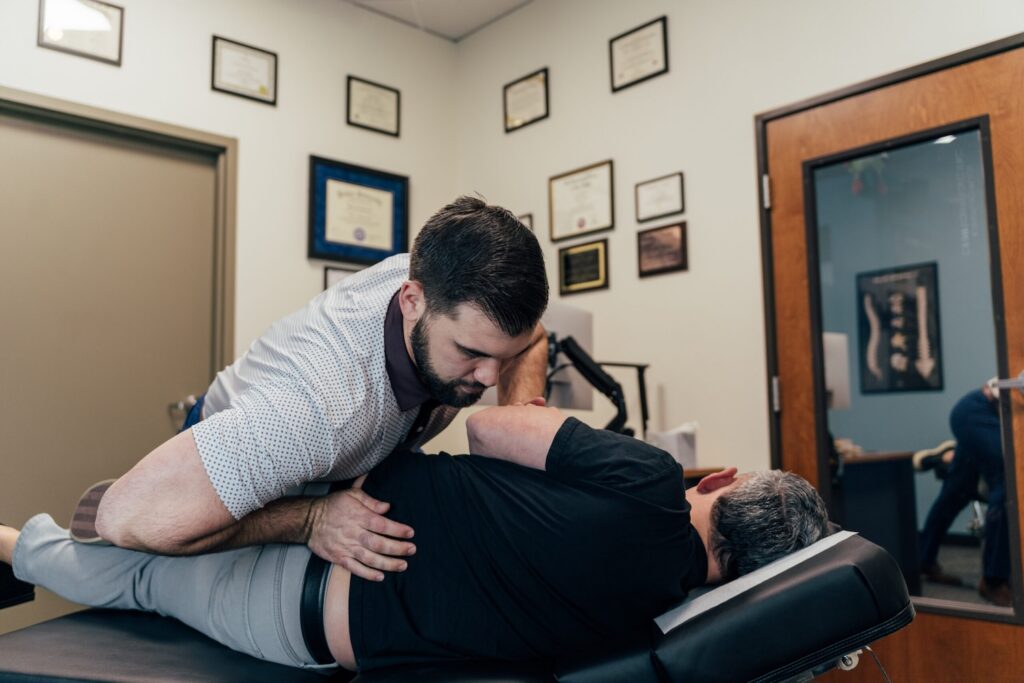
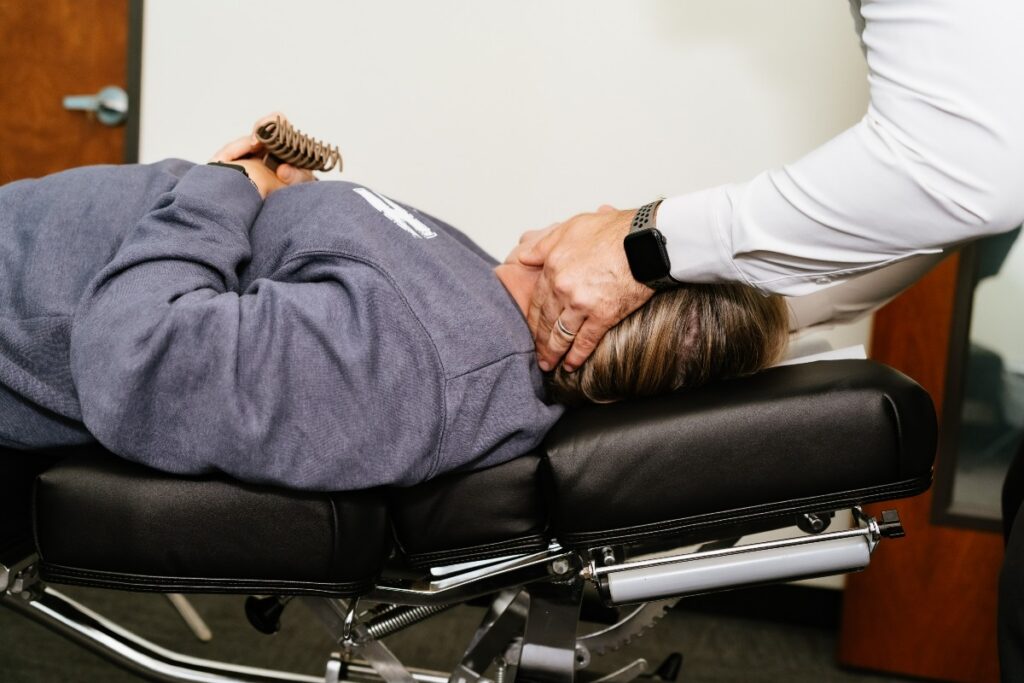
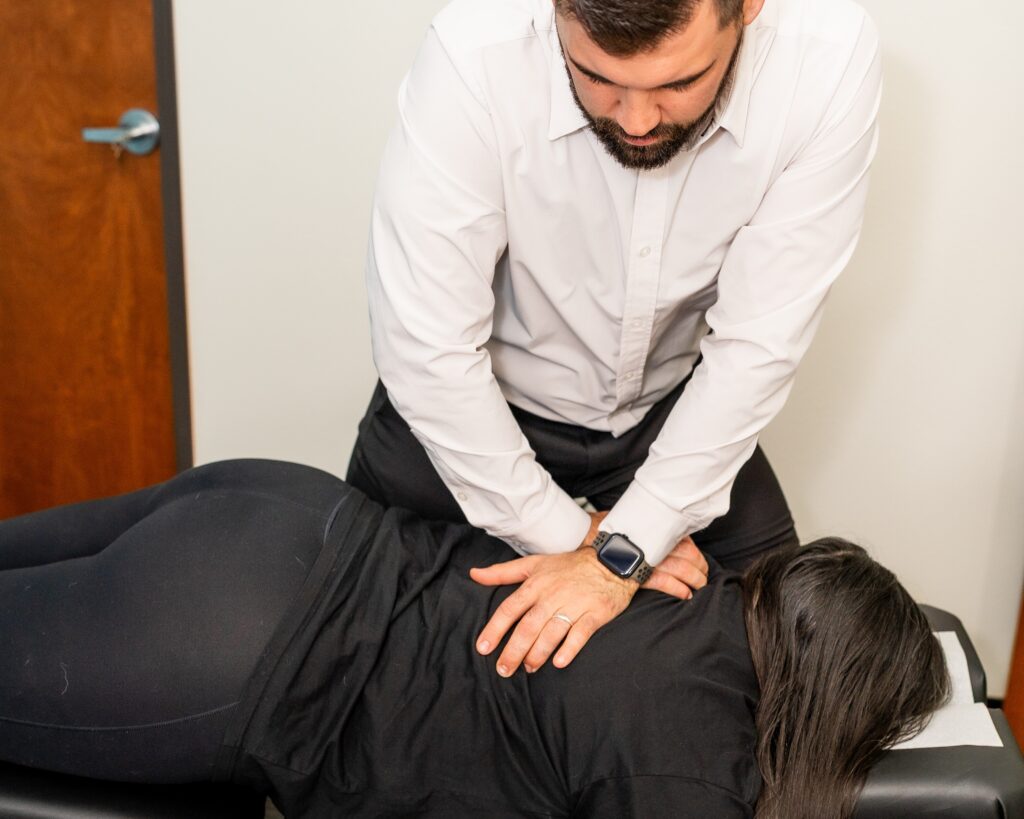
Dr. Brent Johnson approaches each herniated disk case individually. Rather than applying a one-size-fits-all technique, he conducts a thorough evaluation to understand the severity and location of the herniation, your neurological symptoms, and your overall spinal health. From there, care may include gentle spinal adjustments to reduce pressure on affected nerves, soft tissue therapy to relax surrounding muscles, and movement guidance to support healing.
It’s important to be clear: chiropractic care doesn’t “push the disk back in.” What it can do is help restore better spinal alignment and mechanics, reduce inflammation around the affected area, and relieve nerve irritation — all of which can meaningfully reduce your symptoms and help you recover more comfortably. Castle Hills Chiropractic is committed to honest, evidence-informed care that puts your health first.
Practical Tips to Protect Your Spine
Whether you’ve been diagnosed with a herniated disk or you’re simply trying to prevent one, there are real, practical habits that can make a difference in your spinal health. These aren’t complicated — they’re small, consistent changes that add up over time.
Posture during sitting matters enormously. Many Castle Hills residents spend long hours at desks or in cars, and prolonged sitting increases pressure inside spinal disks significantly. Supporting your lower back with a lumbar roll or adjusting your chair so your hips are at a 90-degree angle can help distribute that pressure more evenly. Try to stand, stretch, or take a brief walk every 30 to 45 minutes if your work keeps you seated for long periods.
When lifting — whether it’s groceries, a child, or a box at work — always bend at your knees and keep the load close to your body. Bending at the waist while lifting dramatically increases disk pressure in the lumbar spine, and this is one of the most common triggers for disk herniations. Strengthening your core muscles through low-impact exercise also provides better support for your spine during everyday movements.
Sleep position can also play a role. Sleeping on your side with a pillow between your knees helps keep your spine in a neutral alignment and reduces unnecessary strain on the lumbar disks overnight. These habits may seem small, but they’re exactly the kind of sustainable changes that support long-term spinal wellness.
When to See a Chiropractor
If you’ve recognized one or more of the five signs described in this article, it’s a good idea to schedule an evaluation sooner rather than later. Herniated disk symptoms that go unaddressed don’t always resolve on their own — and in some cases, delayed care can allow nerve irritation to worsen over time. Early evaluation gives you more options and typically leads to better outcomes.
You should seek chiropractic care if your symptoms have lasted more than a few days without improvement, if the pain is affecting your sleep or daily function, or if you’re relying on over-the-counter pain relief just to get through the day. Dr. Brent Johnson and the Castle Hills Chiropractic team are well-equipped to evaluate these concerns and help you understand what’s actually happening in your spine.
However, there are certain red flags that require immediate medical attention rather than chiropractic care. If you experience loss of bladder or bowel control, sudden and severe weakness in both legs, or rapidly worsening neurological symptoms, please go to an emergency room right away. These are rare but serious signs that require urgent medical evaluation. Castle Hills Chiropractic is always committed to guiding you toward the right care — even when that care is outside our office.
Muscle Strain vs. Herniated Disk: Key Differences
|
Feature |
Muscle Strain |
Herniated Disk |
|---|---|---|
Pain Location |
Usually localized to the back |
Often radiates into leg, arm, or foot |
Numbness/Tingling |
Rarely present |
Common — follows nerve pathways |
Muscle Weakness |
Rare without direct injury |
Possible if nerve compression is present |
Symptom Pattern |
Even, consistent achiness |
Positional — worse sitting, coughing, sneezing |
Sides Affected |
Often both sides or generalized |
Frequently one-sided |
Typical Onset |
After overexertion or sudden movement |
Can be gradual or sudden; triggered by posture |
Response to Rest |
Usually improves with rest |
May not improve with rest alone |
Myths vs. Facts About Herniated Disks
Myth: A herniated disk always requires surgery.
Fact: The vast majority of herniated disk cases resolve with conservative, non-surgical care. Research suggests that most people with herniated disks improve significantly with approaches like chiropractic care, physical therapy, and activity modification. Surgery is typically reserved for cases where severe neurological deficits are present or when conservative care has failed over an extended period.
Myth: If you have a herniated disk, you should stop moving entirely.
Fact: Rest has its place in the early stages of acute pain, but prolonged bed rest is generally not recommended. Gentle, appropriate movement supports circulation, reduces stiffness, and helps the body’s natural healing process. At Castle Hills Chiropractic, Dr. Brent Johnson helps patients identify which movements are safe and therapeutic for their specific situation.
Myth: Herniated disks only happen to older people.
Fact: While disk degeneration does become more common with age, herniated disks can occur at any stage of adult life. Young adults and even teenagers can experience disk herniations — particularly after injury, repetitive strain, or due to poor posture habits developed early in life.
Myth: If you’re not in excruciating pain, it can’t be a herniated disk.
Fact: Herniated disk symptoms exist on a wide spectrum. Some people experience debilitating pain, while others may have relatively mild back discomfort accompanied by nerve symptoms like tingling or weakness. Pain intensity alone is not a reliable indicator of whether a disk is herniated. A proper clinical evaluation is the only way to know for sure.
Myth: Chiropractic adjustments are dangerous for herniated disks.
Fact: When performed by a qualified, licensed chiropractor who has thoroughly evaluated your condition, chiropractic care for herniated disks is considered safe and appropriate for many patients. Dr. Brent Johnson at Castle Hills Chiropractic uses techniques that are selected based on each patient’s individual presentation — ensuring that care is both gentle and targeted.
Final Thoughts from Castle Hills Chiropractic
Living with back pain in Castle Hills, TX doesn’t have to be your normal. Whether you’ve been brushing it off as just a “bad back” for months or you’ve recently noticed new symptoms that worry you, the team at Castle Hills Chiropractic is here to help you get real answers. Dr. Brent Johnson takes the time to truly listen, evaluate, and explain what’s happening in your spine — without unnecessary complexity or pressure.
Understanding your body is the first step toward healing it. If any of the five signs in this article sound familiar to you, please don’t wait to have them evaluated. Herniated disk symptoms are very treatable, especially when addressed early. Our community here in Castle Hills deserves care that’s honest, thorough, and genuinely focused on your well-being — and that’s exactly what we strive to provide every single day.
Frequently Asked Questions
Can a chiropractor diagnose a herniated disk?
A chiropractor can perform a thorough clinical evaluation — including orthopedic and neurological testing — that strongly suggests a herniated disk. However, a definitive diagnosis typically requires imaging such as an MRI. If Dr. Brent Johnson at Castle Hills Chiropractic suspects a herniated disk, he will refer you for appropriate imaging when necessary.
How long does it take to recover from a herniated disk with chiropractic care?
Recovery timelines vary depending on the severity of the herniation, the nerve involvement, and how long symptoms have been present. Many patients begin to notice improvement within a few weeks of consistent care, though full recovery can take longer. Every case is unique, and Dr. Brent Johnson will give you a realistic picture based on your individual evaluation.
Is it safe to exercise with a herniated disk?
Gentle, appropriate movement is generally encouraged — but not all exercises are safe for every herniated disk. High-impact activities, heavy lifting, and exercises that increase spinal compression should typically be avoided until your condition is properly assessed. A chiropractor can guide you toward movements that support healing without worsening symptoms.
What’s the difference between a herniated disk and a bulging disk?
A bulging disk means the disk has extended slightly beyond its normal boundary, but the outer layer is still intact. A herniated disk involves a rupture or tear in that outer layer, allowing the inner material to push through. Both can cause nerve irritation, but herniations are generally considered more severe and may produce stronger neurological symptoms.
Can stress make herniated disk symptoms worse?
Yes — stress can contribute to muscle tension that places additional pressure on an already-irritated nerve or disk. Emotional and psychological stress is also known to heighten the perception of pain. Managing stress through movement, sleep, and mindfulness can be a helpful complement to hands-on chiropractic care.
Do herniated disks heal on their own?
Research suggests that many herniated disks do improve over time, as the body can gradually reabsorb portions of the herniated material. However, “waiting it out” isn’t the right approach for everyone — especially when neurological symptoms are present. Conservative care like chiropractic can support and accelerate the healing process while helping manage symptoms in the meantime.
TL;DR — Key Takeaways
-
A herniated disk can feel like ordinary back pain but often comes with distinct signs: radiating pain, numbness or tingling, unexplained muscle weakness, position-dependent pain, and one-sided symptoms.
-
These signs follow nerve pathways and reflect pressure on specific spinal nerve roots — not just general muscle soreness.
-
Chiropractic care is a well-supported, non-surgical option for managing herniated disk symptoms and is often recommended as a first-line conservative treatment.
-
Certain red flags — like loss of bladder or bowel control — require immediate emergency care, not chiropractic evaluation.
-
Dr. Brent Johnson at Castle Hills Chiropractic in Castle Hills, TX offers thorough evaluations to help you understand what’s truly behind your back pain and create a care plan that’s right for you.