
If you’ve ever stood up too quickly and felt the room spinning around you, you know how unsettling that sensation can be. Vertigo is one of those symptoms that can stop you in your tracks — sometimes literally. It’s more than just feeling dizzy. It can make simple daily tasks feel overwhelming, and for many people, it seems to come out of nowhere. Here in Castle Hills, TX, Dr. Brent Johnson at Castle Hills Chiropractic works with patients who experience vertigo and wants to help you understand what’s really going on — and what you can actually do about it.
What causes vertigo? Vertigo is most often caused by a disruption in the inner ear or a problem in the cervical spine (the neck region). The sensation of spinning or imbalance occurs when the brain receives confusing signals from the inner ear, eyes, or joints. Understanding the root cause is the key to finding lasting relief.
- What Is Vertigo?
- Common Causes of Vertigo
- Signs and Symptoms to Watch For
- The Cervical Spine Connection
- How Chiropractic Care May Help
- Practical Tips for Managing Vertigo
- When to See a Chiropractor
- Myths vs. Facts About Vertigo
- Final Thoughts
What Is Vertigo?
Vertigo is not a diagnosis on its own — it’s a symptom. It’s the feeling that you, or the environment around you, is spinning or moving when you’re actually still. Many people confuse it with general dizziness or lightheadedness, but vertigo has a very specific quality to it. It often comes with a strong sense of rotation that can leave you gripping the nearest surface for balance.
There are two main categories of vertigo: peripheral and central. Peripheral vertigo originates in the inner ear or the vestibular nerve that connects the inner ear to the brain. Central vertigo is less common and originates in the brain or brainstem itself. The vast majority of vertigo cases fall into the peripheral category, which is good news — because peripheral vertigo tends to be very responsive to conservative, non-surgical care.
Vertigo affects people of all ages, though it becomes more common as we get older. At Castle Hills Chiropractic, Dr. Brent Johnson sees patients ranging from active adults to older community members who are dealing with recurring bouts of this disorienting condition. The goal is always to find the underlying cause rather than simply masking the symptom.
Common Causes of Vertigo
Understanding what causes vertigo starts with understanding the systems responsible for your sense of balance. Your balance depends on three main inputs: your inner ear (vestibular system), your eyes (visual system), and your joints and muscles (proprioceptive system). When any of these systems send conflicting signals to the brain, vertigo can result.
The most common cause of vertigo is a condition called Benign Paroxysmal Positional Vertigo, or BPPV. This occurs when tiny calcium carbonate crystals, called otoliths or “ear rocks,” become dislodged from their proper place in the inner ear and migrate into the semicircular canals. When you move your head, these crystals shift and create the sensation of spinning. BPPV is often triggered by lying down, rolling over in bed, tilting your head back, or bending forward.
Other common causes of vertigo include:
- Labyrinthitis or Vestibular Neuritis: Inflammation of the inner ear, often following a viral infection, that disrupts normal vestibular function.
- Ménière’s Disease: A chronic inner ear condition involving fluid buildup that causes episodes of vertigo, ringing in the ears (tinnitus), and hearing changes.
- Cervicogenic Vertigo: Dizziness or vertigo caused by dysfunction in the cervical spine (neck), often related to joint restriction, muscle tension, or nerve irritation in the upper neck.
Cervicogenic vertigo is especially relevant in a chiropractic context. The upper cervical spine has a rich network of sensory receptors that send information about head and neck position to the brain. When these joints are restricted or irritated — whether from poor posture, an old injury, or degenerative changes — the brain can receive distorted positional signals. This mismatch between what the neck is reporting and what the eyes and inner ear are sensing can trigger that familiar spinning sensation.
It’s also worth noting that head or neck injuries — including whiplash from a car accident — can set off vertigo that lingers for weeks or even months after the original injury. If you’ve been in an auto accident and are experiencing dizziness, this connection is worth discussing with Dr. Brent Johnson at Castle Hills Chiropractic.
Signs and Symptoms to Watch For
Vertigo isn’t always dramatic. For some people it’s a brief, mild spinning sensation. For others, it can be severely disabling. Knowing what to look for can help you describe your symptoms accurately when you seek care — and that description matters a great deal in guiding the right approach.
The core symptom is, of course, the sensation of spinning or movement when you’re stationary. But vertigo often comes with a cluster of related symptoms. Nausea and vomiting are common, especially during severe episodes. You may notice your eyes making involuntary, rapid movements — a clinical sign called nystagmus. Balance problems, difficulty walking, and a general feeling of being “off” are also typical.
With BPPV specifically, episodes tend to be short — lasting anywhere from a few seconds to a minute — and are triggered by specific head movements. With Ménière’s disease, episodes can last for hours and may be accompanied by a sense of fullness in the ear. With cervicogenic vertigo, the dizziness often correlates closely with neck position or movement and may be accompanied by neck pain or stiffness.
Headaches can also accompany vertigo, particularly when the upper cervical spine is involved. If you’re also dealing with recurring headaches alongside your vertigo, exploring headache and migraine treatment options alongside vertigo care may be worthwhile.
The Cervical Spine Connection
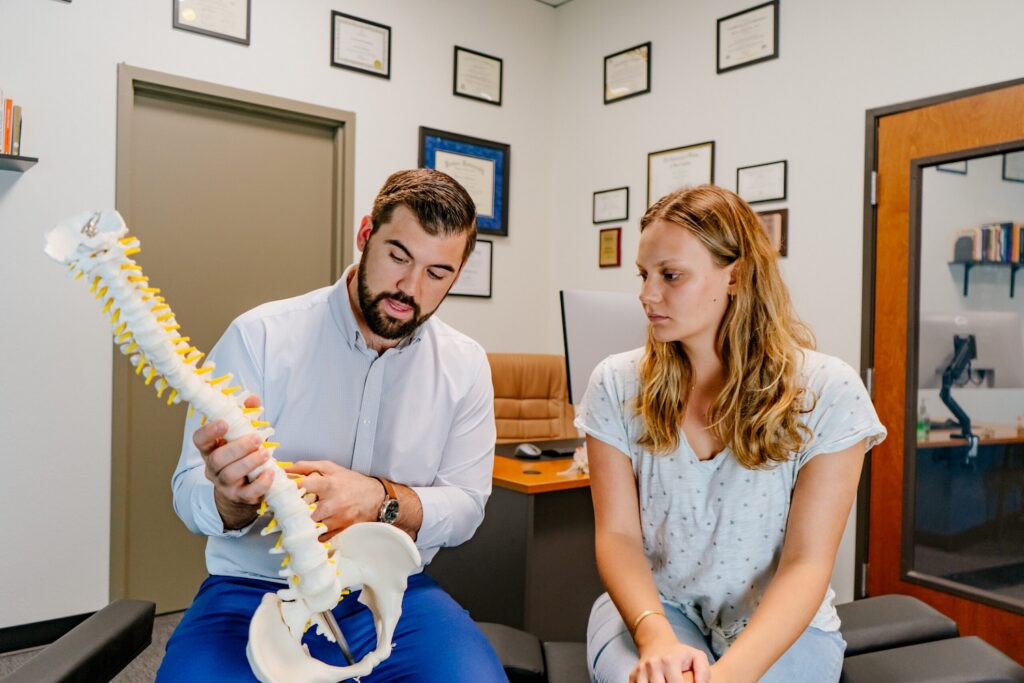
One of the most important — and often overlooked — contributors to what causes vertigo is the cervical spine. The top two vertebrae in your neck, called the atlas (C1) and axis (C2), sit right at the base of the skull and play a critical role in balance and spatial orientation. These joints are packed with sensory receptors that constantly feed information to the brainstem about where your head is in space.
When these joints are misaligned, restricted, or irritated — a condition chiropractors often refer to as a subluxation — the quality of that sensory feedback can become distorted. The brain then struggles to reconcile conflicting signals from the neck, inner ear, and eyes. The result can be dizziness, imbalance, and vertigo.
Poor posture is one of the most common modern contributors to upper cervical dysfunction. Many Castle Hills residents spend long hours looking down at phones or hunching over desks, which places significant strain on the upper neck. Over time, this can contribute to joint restriction and muscular tension that disrupts normal cervical mechanics. The connection between the neck and the vestibular system is well-recognized in the research, and chiropractic care that addresses upper cervical alignment may help reduce the frequency and severity of cervicogenic vertigo.
Additionally, if a disc injury or herniation in the cervical region is contributing to nerve irritation, this can further complicate vestibular signaling. If you’re curious about how disc-related issues in the neck or spine are connected to various symptoms, our detailed resource on chiropractic care for disc injuries may provide some helpful context.
How Chiropractic Care May Help
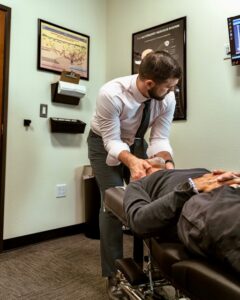
Chiropractic care is a non-invasive, drug-free approach that may offer meaningful relief for certain types of vertigo — particularly BPPV and cervicogenic vertigo. At Castle Hills Chiropractic, Dr. Brent Johnson begins with a thorough evaluation to determine what’s actually driving your symptoms. There is no one-size-fits-all approach here. Care is individualized based on your history, the nature of your vertigo, and your overall spinal health.
For BPPV, one of the most effective treatments is a specific series of head movements known as the Epley Maneuver. This repositioning technique is designed to guide the displaced calcium crystals back to their proper location in the inner ear. Research published in sources including the Cochrane Library has indicated that canalith repositioning maneuvers like the Epley are highly effective for BPPV, often producing significant improvement within one to three sessions.
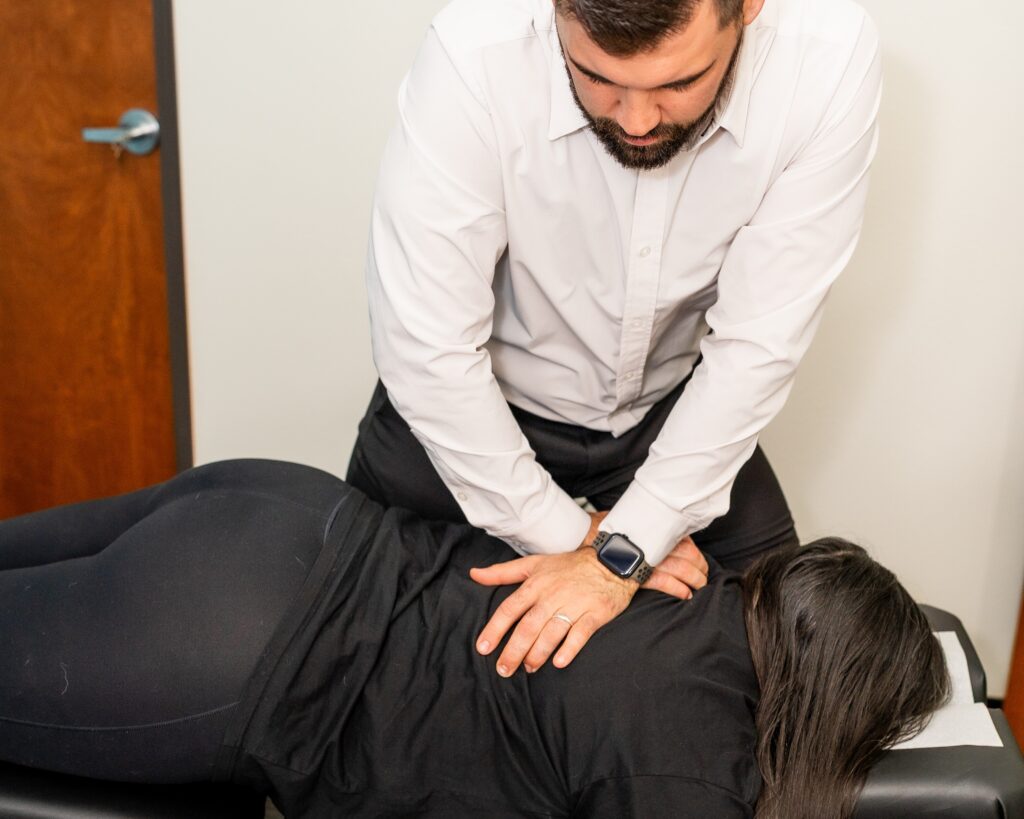
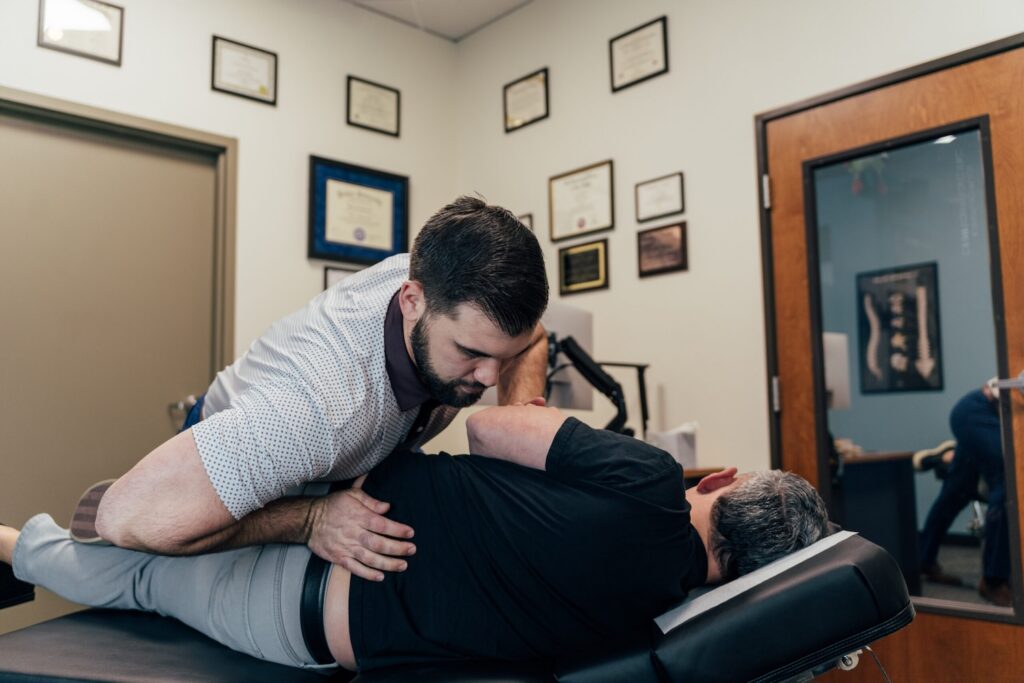
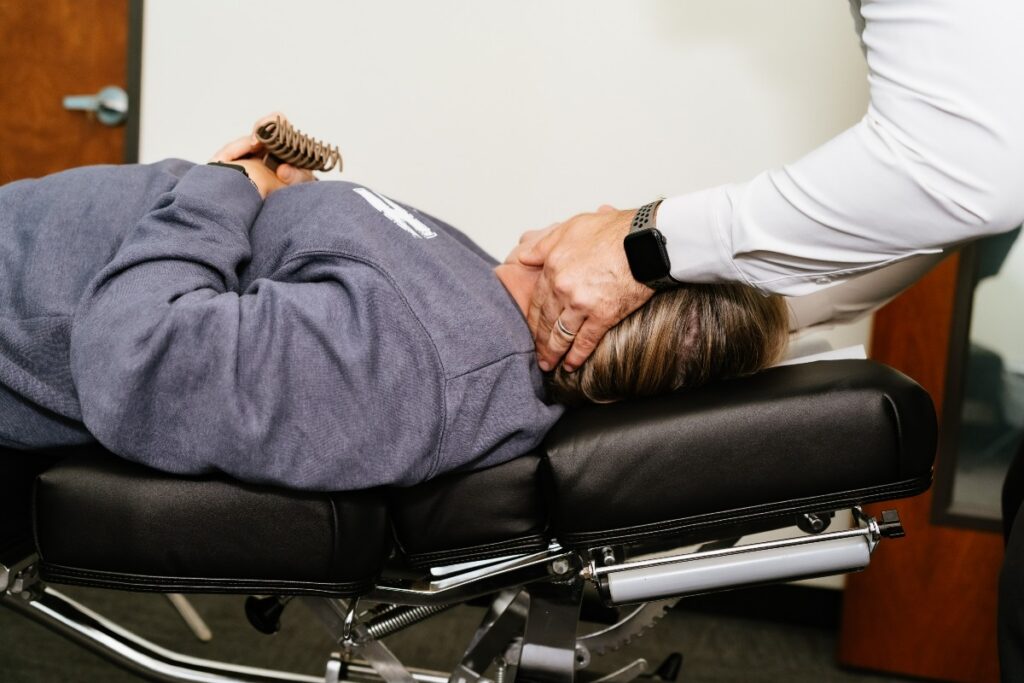
For cervicogenic vertigo, chiropractic adjustments targeting the upper cervical spine can help restore proper joint motion and reduce the sensory disturbances contributing to dizziness. Gentle, specific adjustments to the C1 and C2 vertebrae may normalize the proprioceptive signals coming from the neck and reduce vestibular confusion. Soft tissue work, therapeutic exercise, and postural retraining may also be part of a comprehensive care plan.
In some cases, combining chiropractic care with physical therapy can accelerate recovery. Vestibular rehabilitation exercises are a well-established approach for training the brain to compensate for vestibular dysfunction. Dr. Brent Johnson at Castle Hills Chiropractic takes an integrative approach, helping patients find the right combination of therapies for their specific situation.
You can also learn more about the full scope of what Dr. Johnson and the team offer by visiting our vertigo treatment page. If other musculoskeletal concerns are contributing to your condition — such as hip pain affecting your gait and balance — those may need to be addressed as well. Our hip pain treatment resources can help connect those dots.
Practical Tips for Managing Vertigo
While professional care is the most reliable path to recovery, there are practical steps you can take at home to support your healing and reduce the frequency of episodes.
First, pay attention to your head position. Many BPPV episodes are triggered by specific movements — tilting your head back, rolling over in bed, or bending forward. Until you’ve been evaluated and treated, move your head more slowly and deliberately, especially when transitioning positions. Sit on the edge of the bed for a moment before standing up in the morning.
Second, address your neck posture. If you spend a lot of time looking at a screen, make sure your monitor is at eye level so your neck isn’t constantly flexed forward. Take regular movement breaks to reduce muscle tension and joint stiffness in the upper cervical spine. Simple neck mobility exercises — when cleared by your chiropractor — can help maintain joint health.
Third, stay hydrated. Dehydration can affect inner ear fluid balance and exacerbate vestibular symptoms. This is especially relevant in our warm Texas climate here in Castle Hills. Aim for consistent water intake throughout the day.
Fourth, reduce caffeine and sodium if Ménière’s disease is a concern. Both can influence fluid regulation in the inner ear, and dietary modifications are often recommended as part of a conservative management plan for this condition.
Finally, prioritize sleep and stress management. Fatigue and elevated stress levels can lower your threshold for vestibular symptoms. A consistent sleep schedule and relaxation practices can provide meaningful support during recovery.
When to See a Chiropractor
If you’ve experienced more than one episode of vertigo, or if your symptoms are interfering with your daily life, it’s time to seek a professional evaluation. Many people wait far too long, assuming vertigo will resolve on its own — and sometimes it does — but untreated underlying causes can mean repeated episodes and an increased risk of falls.
See Dr. Brent Johnson at Castle Hills Chiropractic if your vertigo is triggered by head movement, if it’s accompanied by neck pain or stiffness, or if you’ve recently experienced a whiplash-type injury. These are all signals that the cervical spine may be playing a role, and chiropractic care may be well-suited to help.
However, certain warning signs require immediate medical attention rather than chiropractic care. Seek emergency care right away if your vertigo is accompanied by sudden severe headache, difficulty speaking or swallowing, double vision, weakness or numbness in the arms or legs, or loss of consciousness. These may indicate a central cause of vertigo, such as a stroke or brainstem issue, which requires urgent medical evaluation.
A good chiropractor will always refer out when appropriate. Dr. Brent Johnson’s priority is your safety and well-being, and that sometimes means coordinating with your medical doctor or a specialist to make sure you’re getting the right level of care.
Vertigo Types: Triggers, Duration, and Care Approaches
| Type of Vertigo | Common Triggers | Typical Duration | Conservative Care Options |
|---|---|---|---|
| BPPV | Head position changes, rolling in bed, looking up | Seconds to 1 minute per episode | Epley Maneuver, chiropractic repositioning |
| Cervicogenic Vertigo | Neck movement, poor posture, prior neck injury | Variable; often tied to neck position | Upper cervical adjustments, soft tissue therapy, postural rehab |
| Vestibular Neuritis | Viral illness, infection | Days to weeks (acute phase) | Vestibular rehab exercises, rest, physical therapy |
| Ménière’s Disease | Stress, excess sodium/caffeine, fluid imbalance | 20 minutes to several hours | Dietary changes, stress management, vestibular therapy |
Myths vs. Facts About Vertigo
Myth: Vertigo is just another word for being dizzy.
Fact: Vertigo and dizziness are related but distinct. Dizziness is a broad term for feeling unsteady or lightheaded. Vertigo specifically involves a false sensation of spinning or rotational movement. The distinction matters because they can have very different causes and require different approaches to care.
Myth: There’s nothing you can do — you just have to wait it out.
Fact: Many cases of vertigo, especially BPPV, respond very well to specific treatment techniques like the Epley Maneuver. Cervicogenic vertigo often improves with upper cervical chiropractic care and postural correction. Waiting without seeking care can allow the underlying problem to persist or worsen.
Myth: Vertigo is always caused by an inner ear problem.
Fact: While the inner ear is the most common source, the cervical spine is also a recognized contributor to vertigo. Neck joint dysfunction, muscular tension, and nerve irritation in the upper cervical region can all produce vestibular-like symptoms. A thorough evaluation helps distinguish the actual source.
Myth: Chiropractic adjustments are risky if you have vertigo.
Fact: When performed by a trained chiropractor who has evaluated your specific condition, gentle chiropractic care is considered a safe and appropriate option for many types of vertigo. Dr. Brent Johnson at Castle Hills Chiropractic performs a careful assessment before recommending any adjustments, and care is always tailored to the individual.
Myth: Vertigo only affects elderly people.
Fact: While vertigo does become more common with age, it can affect people at any stage of life. Younger adults who work at desks, look at screens frequently, or have experienced neck injuries are also at risk — particularly for cervicogenic vertigo. Castle Hills Chiropractic sees patients of all ages dealing with this condition.
Final Thoughts
Vertigo can be a frightening and disruptive experience, but it doesn’t have to define your daily life. Understanding what causes vertigo — whether it’s displaced inner ear crystals, an inflamed vestibular nerve, or dysfunction in the upper cervical spine — is the first step toward getting real, lasting relief. The good news is that many of the most common causes respond well to conservative, non-invasive care.
Here at Castle Hills Chiropractic in Castle Hills, TX, Dr. Brent Johnson is committed to helping patients in our community find answers and feel better. Whether your vertigo is a new development or something you’ve been dealing with for years, a thorough evaluation can shed light on what’s driving it and what can actually be done. You deserve to feel steady, grounded, and confident in your own body — and that’s exactly what we’re here to help you achieve.
If vertigo is affecting your quality of life, we encourage you to reach out to Castle Hills Chiropractic. Dr. Brent Johnson and the team are here to listen, evaluate, and build a care plan tailored specifically to you. The Castle Hills community has trusted us with their health, and we take that responsibility seriously.
Frequently Asked Questions About Vertigo
Can a chiropractor actually treat vertigo?
Yes, chiropractors can address certain types of vertigo — particularly BPPV and cervicogenic vertigo. Techniques like the Epley Maneuver and upper cervical adjustments are commonly used and are supported by evidence as part of a conservative care approach. A proper evaluation is necessary to determine whether chiropractic care is appropriate for your specific case.
How long does it take for vertigo to go away with treatment?
This varies depending on the cause. BPPV often improves significantly within one to three sessions of repositioning maneuvers. Cervicogenic vertigo may take several weeks of consistent care to resolve fully. Conditions like Ménière’s disease are managed long-term rather than cured outright.
What causes vertigo to come and go?
Intermittent vertigo is often caused by BPPV, where crystals in the inner ear become dislodged with certain movements and then settle again. Cervicogenic vertigo can also fluctuate based on neck position and muscle tension. Ménière’s disease is characterized by episodic attacks separated by periods of relative normalcy.
Is vertigo related to neck problems?
Yes, it can be. Cervicogenic vertigo is a recognized condition in which dysfunction in the cervical spine — particularly the upper neck — contributes to dizziness and imbalance. This is especially common in people with poor posture, prior neck injuries, or restricted joint mobility in the C1–C2 region.
Should I go to the ER for vertigo?
Most cases of vertigo are not emergencies, but certain accompanying symptoms warrant immediate medical attention. Seek emergency care if you experience sudden severe headache, vision changes, difficulty speaking, numbness or weakness in the limbs, or loss of consciousness alongside your vertigo. These could indicate a serious neurological issue.
Can stress or anxiety make vertigo worse?
Yes. Stress and anxiety can heighten sensitivity to vestibular signals and lower your threshold for experiencing vertigo episodes. Stress also contributes to muscle tension in the neck and shoulders, which can aggravate cervicogenic vertigo. Managing stress is an important part of a well-rounded approach to vertigo care.
TL;DR
- Vertigo is not just general dizziness — it’s a specific sensation of spinning most often caused by inner ear dysfunction or cervical spine problems.
- The most common cause is BPPV, where displaced crystals in the inner ear disrupt normal balance signals; cervicogenic vertigo from upper neck dysfunction is also a significant contributor.
- Chiropractic care, including repositioning maneuvers and upper cervical adjustments, may provide effective relief for BPPV and cervicogenic vertigo.
- Practical steps like improving posture, moving slowly during position changes, staying hydrated, and reducing stress can support recovery.
- Dr. Brent Johnson at Castle Hills Chiropractic in Castle Hills, TX offers individualized evaluation and conservative care to help patients find lasting relief from vertigo.