
When you experience back pain, it can feel overwhelming, especially when standard treatments don't seem to help. You might wonder why personalized back pain plans are essential in addressing your unique situation. These tailored strategies take into account your medical history, lifestyle, and daily habits, leading to more effective solutions. But what exactly makes these personalized approaches more beneficial than generic options? Understanding the nuances of your pain could reveal critical insights that change your recovery journey. Let's explore how these individualized plans can transform your experience with back pain.
Understanding Back Pain
Back pain is a common issue that affects millions of people each year, often stemming from various causes like muscle strain, herniated discs, or poor posture. Understanding the nature of your back pain is vital for effective treatment and management.
You might notice that pain can range from a dull ache to sharp discomfort, often fluctuating in intensity. Identifying the specific type of pain you experience can help you determine its origin.
You may find that acute back pain, which lasts a few days to weeks, often results from injuries or sudden movements. Chronic back pain, on the other hand, lasts for three months or longer, often indicating an underlying condition. It's important to pay attention to how your pain presents itself, as different causes require different approaches.
Additionally, consider factors like your daily activities, work environment, and even stress levels, as these can greatly impact your back. For example, if you sit for long periods without proper lumbar support, you might strain your back muscles or spine. Conversely, engaging in heavy lifting without proper technique can lead to injuries.
Recognizing these elements not only helps in understanding your back pain but also empowers you to take proactive steps. By pinpointing the cause, you can seek appropriate solutions, whether through lifestyle changes, physical therapy, or specialized treatments designed to address your unique needs.
Understanding your back pain is the first step toward effective relief.
Limitations of Generic Treatments
Generic treatments for back pain often fall short because they don't account for your unique situation.
What works for one person mightn't work for you, especially since everyone experiences pain differently.
Additionally, these one-size-fits-all approaches can miss underlying conditions that need specific attention.
One-Size-Fits-All Ineffectiveness
When you're dealing with back pain, it's frustrating to realize that a one-size-fits-all approach often misses the mark. Many treatments marketed as solutions overlook the unique factors contributing to your discomfort. You might find yourself trying generic pain relievers, physical therapy routines, or even lifestyle changes that simply don't work for you.
These generic treatments often fail to address the root causes of your pain. They might provide temporary relief but don't offer long-term solutions. For example, if your back pain stems from a specific injury or posture issue, a generalized exercise program won't help you heal effectively.
Moreover, the side effects of common medications can vary from person to person. What works for one individual may lead to adverse reactions in another, leaving you feeling discouraged and frustrated.
You deserve a tailored approach that considers your unique situation, lifestyle, and preferences. Instead of settling for treatments that don't resonate with your needs, seek out personalized plans that target your specific concerns.
This way, you can start on a path toward true relief and recovery, rather than wandering in circles with ineffective solutions.
Individual Pain Variability
Often, pain varies considerably from person to person, making it challenging to rely on generic treatments. What works for one individual mightn't work for another, leading to frustration and prolonged suffering. You might experience sharp, shooting pain in your lower back, while someone else feels a dull, constant ache. These differences stem from various factors, including your unique body mechanics, lifestyle, and even emotional state.
When you rely on a one-size-fits-all treatment approach, you risk overlooking the specific nature of your pain. Generic medications may dull the discomfort temporarily, but they don't address the root cause. You might find that physical therapy routines are ineffective if they're not tailored to your specific needs and limitations.
Additionally, generic advice on posture or exercise may not align with your body's unique requirements. This inconsistency can lead to setbacks and a cycle of trial and error.
Recognizing that individual pain variability exists is vital for developing an effective treatment plan. By seeking personalized strategies, you can target your specific pain and improve your chances of finding lasting relief.
Overlooked Underlying Conditions
Many people underestimate how overlooked underlying conditions can contribute to back pain. When you experience discomfort, it's easy to assume it's just a strain or bad posture. However, issues like herniated discs, spinal stenosis, or even infections can silently exacerbate your pain.
Generic treatments often fail to address these specific conditions, leading to frustration and prolonged suffering. If you're relying on one-size-fits-all solutions, you're missing out on the chance to identify and treat the root cause of your pain.
For instance, a simple muscle relaxant may ease symptoms but won't resolve an underlying issue like scoliosis or arthritis. Without a tailored approach, you might find yourself stuck in a cycle of temporary relief and recurring pain.
Recognizing these underlying conditions requires a deeper understanding of your body. This is where personalized back pain plans shine. By focusing on your unique situation, these plans help pinpoint the exact cause of your discomfort, allowing for effective and targeted treatments.
Don't settle for generic solutions; take the time to explore the underlying factors influencing your back pain, and you'll be on the path to lasting relief.
Benefits of Personalization
Personalized back pain plans offer significant advantages, especially since they address your unique needs and circumstances. When you tailor a plan specifically for you, it takes into account your medical history, lifestyle, and daily activities. This customization guarantees that the approach is relevant, making it far more effective than generic treatments.
One of the main benefits of personalization is that it allows you to target the root cause of your pain. Instead of using a one-size-fits-all method, you can focus on what's actually causing your discomfort. This leads to more precise interventions, whether that's physical therapy exercises, medication, or lifestyle changes.
Moreover, personalized plans often lead to quicker recovery times. By addressing your specific issues and incorporating strategies that resonate with your routine, you'll likely see improvements sooner rather than later. You'll also feel more engaged in the process, which can boost your motivation to follow through with the plan.
Additionally, personalized plans can enhance your quality of life. When you see tangible results, like reduced pain and increased mobility, it encourages you to stay committed to your treatment. You may find yourself more willing to adopt healthy habits that contribute to long-term wellness.
Lastly, having a personalized approach fosters a stronger relationship with your healthcare provider. Open communication and trust lead to better advice and support, guaranteeing you're not just another number but a valued individual in your recovery journey.
Factors Influencing Pain
Understanding your pain involves recognizing various factors that influence it. Every person's experience with back pain is unique, shaped by a combination of physical, emotional, and environmental elements. By identifying these factors, you can better manage your pain and tailor your approach to relief.
Several key influences can affect your back pain:
- Physical Health: Your overall fitness level, posture, and any pre-existing conditions play a significant role in how your body reacts to pain. Weak muscles or poor alignment can exacerbate discomfort.
- Emotional State: Stress, anxiety, and depression can heighten your perception of pain. When you're feeling down or overwhelmed, your body may respond more intensely to discomfort, making it essential to address your mental health alongside physical symptoms.
- Lifestyle Choices: Your daily habits, such as diet, sleep patterns, and activity levels, can either contribute to or alleviate pain. For instance, a sedentary lifestyle may lead to muscle stiffness, while regular exercise can help keep your back strong and flexible.
Components of a Personalized Plan
Creating an effective back pain plan involves several key components that work together to address your unique needs.
First, you should assess your pain levels, identifying when and where you feel discomfort. This self-reflection helps you understand patterns and triggers, laying the groundwork for your personalized approach.
Next, consider your physical activity levels. Incorporating specific exercises tailored for your back can strengthen muscles and improve flexibility. You might want to include low-impact activities like swimming or yoga, which can be gentle yet effective.
Another critical component is your daily habits. Evaluate how your posture, sleeping position, and ergonomics affect your back pain. Small changes, like using an ergonomic chair or adjusting your sleep environment, can make a significant difference.
Nutrition also plays a role in managing pain. A balanced diet rich in anti-inflammatory foods can aid recovery and overall well-being. Hydration is equally important, as it supports spinal health.
Lastly, incorporate stress management techniques. Chronic stress can exacerbate pain, so practices like mindfulness, meditation, or deep breathing exercises can be beneficial.
Role of Healthcare Professionals
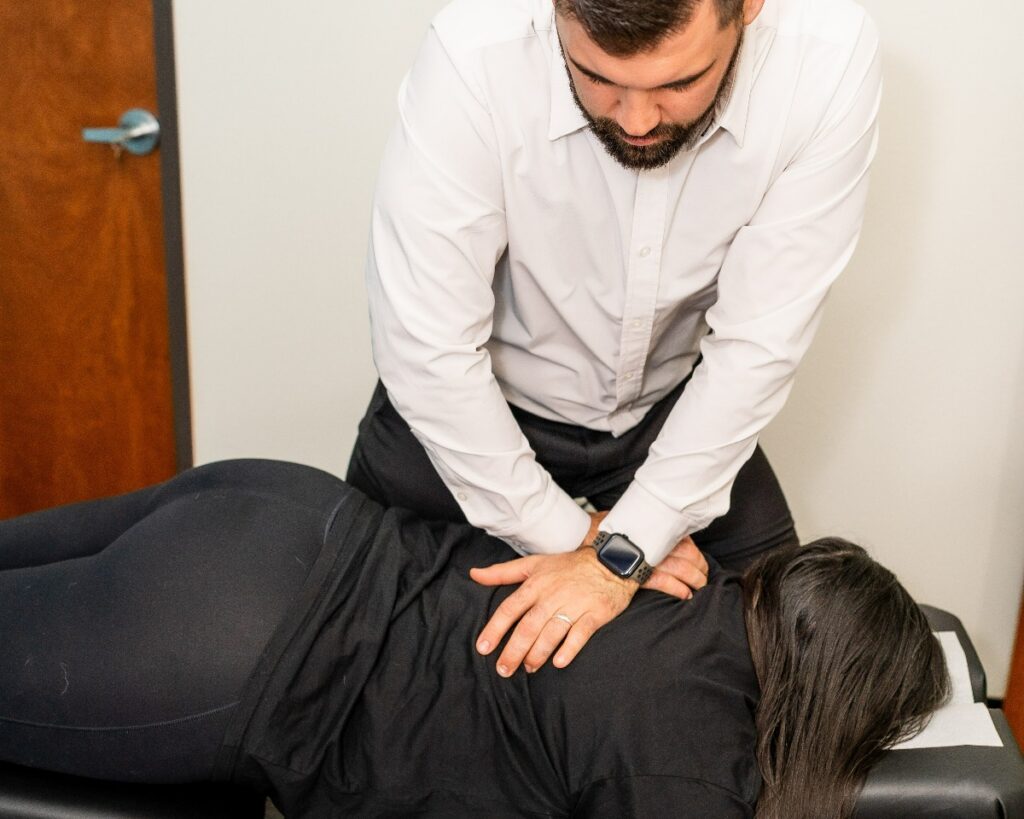
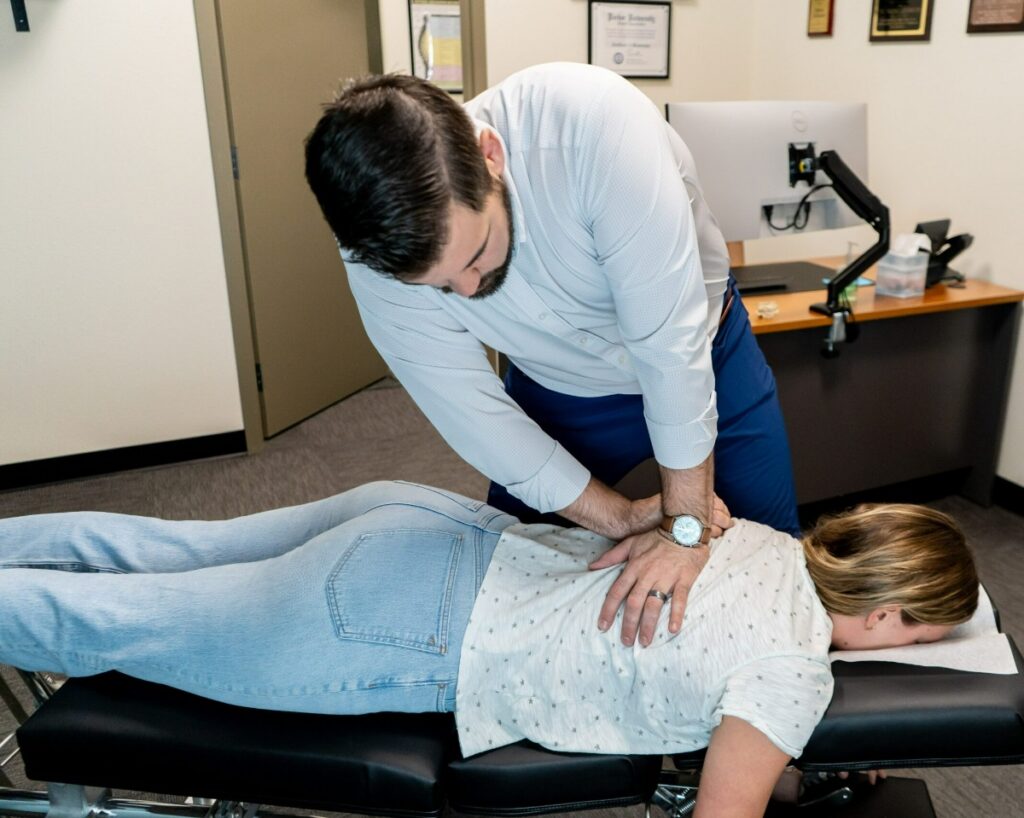
Healthcare professionals play an essential role in developing and implementing your back pain management plan. They're your partners in maneuvering the complexities of your condition, offering expertise that's vital for effective treatment. By understanding your specific needs, they can tailor a plan that addresses your symptoms and lifestyle.
First, your healthcare provider assesses your individual situation, considering factors like your medical history, lifestyle, and the nature of your pain. This personalized evaluation helps them identify the most effective interventions.
Next, they guide you in choosing appropriate therapies, whether it's physical therapy, medication, or alternative treatments. Their knowledge guarantees you're not just following a one-size-fits-all approach but rather a plan that's uniquely suited to you.
Finally, they monitor your progress and make adjustments as needed. Back pain management isn't static; it requires ongoing evaluation and adaptation based on how you respond to treatment.
Key roles of healthcare professionals include:
- Assessment: Conducting thorough evaluations to understand the root cause of your pain.
- Guidance: Recommending tailored therapies that align with your specific needs.
- Monitoring: Regularly checking your progress and modifying your plan as necessary.
Success Stories and Case Studies
Many individuals have transformed their lives through personalized back pain plans, showcasing the power of tailored approaches in achieving relief.
Take, for instance, Sarah, a 35-year-old graphic designer. For years, she struggled with chronic lower back pain, which affected her work and personal life. After undergoing a thorough assessment by a healthcare professional, she received a customized plan that included targeted exercises, ergonomic adjustments at her workstation, and mindfulness practices. Within weeks, Sarah noticed considerable improvements, allowing her to return to her favorite activities.
Then there's Mark, a 50-year-old construction worker. After a severe injury, he faced debilitating pain that kept him from working. By opting for a personalized back pain plan, he worked closely with a physical therapist who designed a regimen focusing on strength-building and flexibility. Within months, Mark regained his mobility and confidence, returning to work and even taking on new challenges.
These success stories highlight how individualized plans can address specific needs and preferences. You can relate to their journeys, understanding that everyone's experience with back pain is unique.
When you find a tailored approach that resonates with you, the potential for relief and recovery increases considerably. These case studies prove that with the right guidance and commitment, you too can overcome back pain and reclaim your life.
Your story could be next, showing how a personalized plan can lead to lasting change and improved well-being.
Taking Action for Your Health
Taking control of your health is the next step after hearing those inspiring success stories.
You've seen how personalized back pain plans have transformed lives, and now it's your turn to take action. Your journey to relief and recovery starts with understanding what your body needs and how to address it effectively.
First, recognize that every individual's back pain is unique. What works for one person may not work for you. That's why creating a personalized plan is essential.
Here's how you can begin:
- Consult a healthcare professional: Seek advice from a doctor or physical therapist who can assess your specific situation and recommend tailored strategies.
- Establish a routine: Consistency is key. Develop a daily routine that includes exercises, stretches, and any other therapeutic activities that are suitable for your condition.
- Monitor your progress: Keep track of how you feel as you follow your plan. This will help you identify what works and what needs adjustment.
Taking action means being proactive about your health. Don't wait for the pain to dictate your life.
By committing to a personalized back pain plan, you're investing in your well-being. Remember, it's not just about alleviating pain; it's about reclaiming your life.
Conclusion
To summarize, personalized back pain plans are essential for your recovery and well-being. By addressing your unique experiences and underlying causes, these tailored strategies can lead to more effective treatments and quicker relief. You deserve a plan that considers your medical history, lifestyle, and daily habits. So, take action for your health—work with healthcare professionals to create a personalized approach that helps you regain mobility and manage pain effectively for a better quality of life.