
If you’ve been living with persistent back or neck pain, you’ve likely wondered if there’s something more you could be doing to feel better. Many patients here in Castle Hills, TX, come to our practice after trying various approaches on their own, often wishing they’d explored conservative care options sooner. Degenerative disc disease is one of those conditions that can significantly impact your quality of life, but the good news is that there are effective, non-surgical treatments that can help you manage symptoms and improve function. In this article, we’ll explore five treatments that our patients at Castle Hills Chiropractic consistently say they wish they’d tried earlier in their journey.
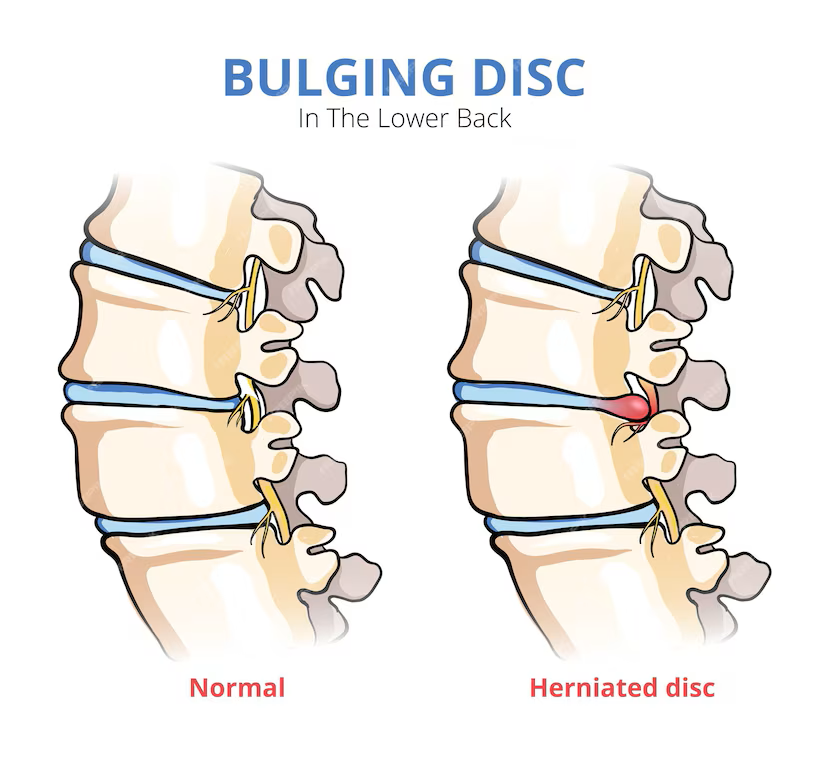
What is Degenerative Disc Disease? Degenerative disc disease is a condition where the intervertebral discs in your spine gradually wear down over time, losing hydration and height. This natural aging process can lead to pain, stiffness, reduced mobility, and sometimes nerve irritation as the space between vertebrae decreases.
Table of Contents
- Understanding Degenerative Disc Disease in Castle Hills Patients
- Treatment #1: Targeted Spinal Adjustments and Chiropractic Care
- Treatment #2: Spinal Decompression Therapy
- Treatment #3: Therapeutic Exercise and Rehabilitation
- Treatment #4: Lifestyle and Ergonomic Modifications
- Treatment #5: Multimodal Conservative Care Approach
- When to Seek Professional Care for Degenerative Disc Disease
- Myths vs. Facts About Degenerative Disc Disease
- Final Thoughts from Castle Hills Chiropractic
Understanding Degenerative Disc Disease in Castle Hills Patients
Before we dive into the treatments, it’s important to understand what’s actually happening in your spine. Your intervertebral discs act as cushions between the bones of your spine, absorbing shock and allowing for smooth movement. These discs have a tough outer layer and a gel-like center. As we age, these discs naturally lose water content, becoming thinner and less flexible.
For many people here in Castle Hills, this is simply a normal part of aging and causes no symptoms at all. For others, however, degenerative disc disease can lead to significant discomfort. The condition can affect any part of the spine but is most common in the lower back (lumbar spine) and neck (cervical spine).
What makes degenerative disc disease particularly frustrating is that the pain often comes and goes. You might have periods where you feel perfectly fine, followed by flare-ups that make everyday activities challenging. Understanding this pattern helps us develop more effective treatment strategies.
The degenerative process itself cannot be reversed, but that doesn’t mean you’re destined for a life of pain. Research indicates that many patients with degenerative disc disease can find significant relief through conservative care approaches. The key is addressing the condition comprehensively rather than just masking symptoms.
Treatment #1: Targeted Spinal Adjustments and Chiropractic Care
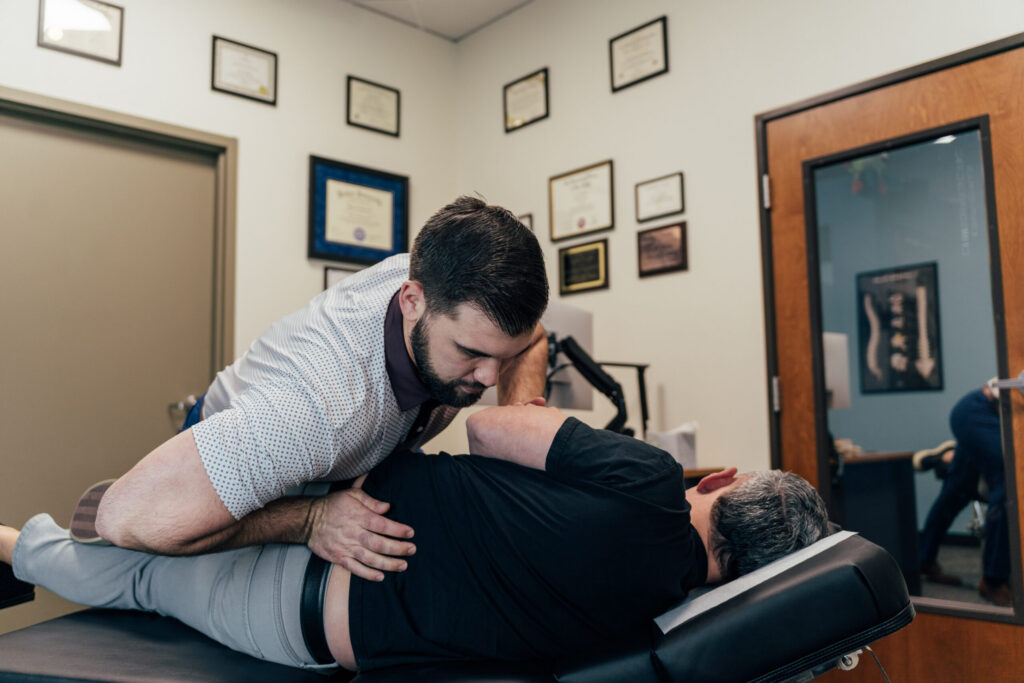
This is often the treatment that patients tell us they wish they’d tried years earlier. At Castle Hills Chiropractic, we see countless patients who spent months or even years managing pain with medication alone, not realizing that chiropractic care could offer meaningful relief.
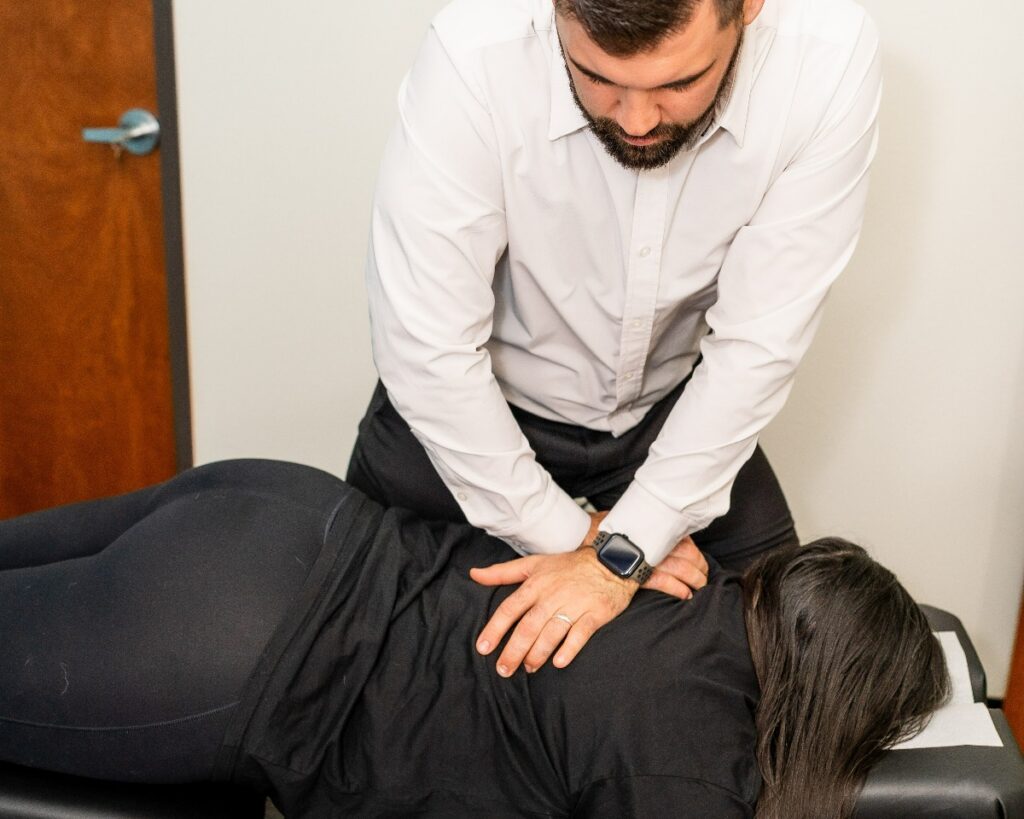
Spinal adjustments work by restoring proper motion to spinal joints that have become restricted or misaligned due to disc degeneration. When discs lose height, it can affect the alignment and movement patterns of the entire spinal segment. This creates compensatory stress on surrounding joints, muscles, and ligaments.
Through gentle, specific adjustments, we can help reduce mechanical stress on the affected disc and surrounding structures. This doesn’t regenerate the disc itself, but it can significantly reduce pain and improve function by optimizing how your spine moves as a whole.
For patients with degenerative disc disease, we modify our approach based on your specific presentation. We avoid forceful manipulation in areas of significant disc degeneration and instead use gentler techniques that are equally effective but more appropriate for your condition. Many patients report reduced pain, improved mobility, and better overall function within the first several weeks of care.
Evidence suggests that spinal manipulation can be an effective component of treatment for lower back pain related to disc issues. The American College of Physicians guidelines recommend non-pharmacologic treatments, including spinal manipulation, as a first-line approach for chronic low back pain.
Treatment #2: Spinal Decompression Therapy
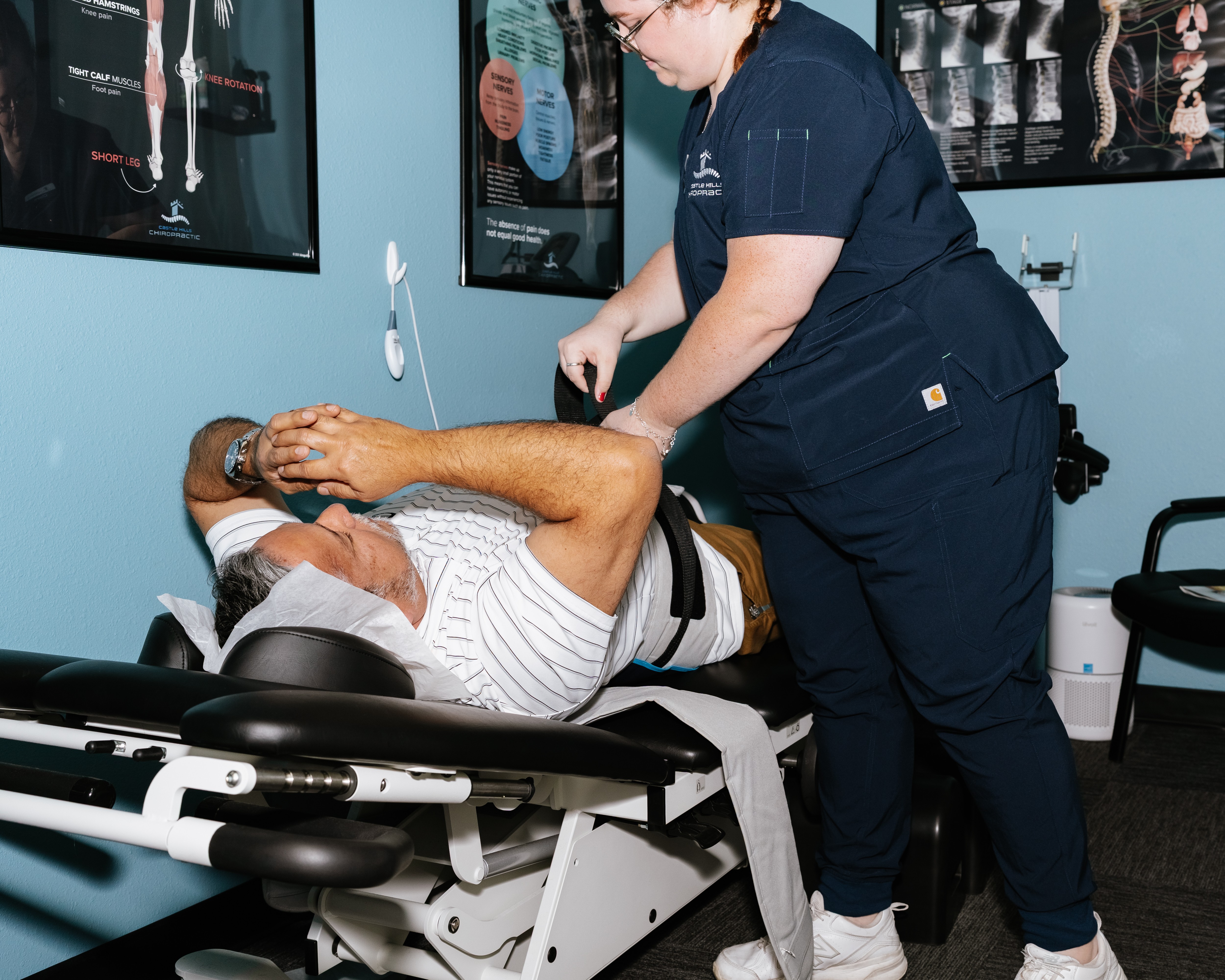
Spinal decompression is a treatment that many Castle Hills patients discover later in their journey and immediately wish they’d known about sooner. This gentle, non-surgical approach uses controlled traction to create negative pressure within the disc space.
During decompression therapy, you lie comfortably on a specialized table that applies gentle pulling forces to your spine. This creates a vacuum effect that may help draw nutrients and hydration back into the degenerated disc. It also reduces pressure on nerves that may be compressed due to disc height loss.
What makes decompression particularly valuable for degenerative disc disease is its ability to address the mechanical component of the condition. By temporarily increasing disc space, we can reduce stress on surrounding structures and create an environment more conducive to healing.
Many patients experience significant pain relief during and after decompression sessions. The treatment is comfortable, and most people find it quite relaxing. Sessions typically last 15-30 minutes, and a series of treatments is usually recommended for optimal results.
While decompression therapy has shown promise in clinical practice for certain disc-related conditions, it’s important to note that not every patient is a candidate. We conduct thorough evaluations to determine if this approach is appropriate for your specific situation.
Treatment #3: Therapeutic Exercise and Rehabilitation
This is perhaps the most underutilized treatment among patients when they first develop symptoms. Many people assume they should rest and avoid movement when dealing with degenerative disc disease, but research suggests that appropriate exercise is actually one of the most effective long-term strategies.
At Castle Hills Chiropractic, we design individualized rehabilitation programs that focus on strengthening the muscles that support your spine. When the discs lose some of their shock-absorbing capacity, strong muscles become even more critical for protecting your spine during daily activities.
Core strengthening exercises are particularly important. Your core muscles act like a natural brace for your spine, reducing stress on the discs themselves. We teach exercises that target not just your abdominal muscles but also your back extensors, obliques, and hip muscles that all work together to support spinal health.
Flexibility exercises are equally important. As discs degenerate, people often develop compensatory movement patterns and muscle tightness. Gentle stretching and mobility work help maintain range of motion and reduce strain on affected areas.
The beauty of therapeutic exercise is that it empowers you to take an active role in your own care. Once you learn the proper techniques, you can continue these exercises at home, giving you tools to manage symptoms long-term. Many of our Castle Hills patients report that their dedicated exercise program has been transformative, reducing both pain frequency and intensity.
Evidence from multiple sources, including guidelines from the National Institute for Health and Care Excellence (NICE), supports exercise as an effective intervention for chronic low back pain, including that related to disc degeneration.
Treatment #4: Lifestyle and Ergonomic Modifications
This treatment doesn’t involve hands-on therapy or equipment, but it’s one of the most powerful tools available. The lifestyle choices you make every day either support your spine or contribute to ongoing problems. Many patients here in Castle Hills discover that simple modifications make a dramatic difference in their symptoms.
Ergonomic improvements are often the quickest wins. If you sit at a desk for work, proper chair height, monitor positioning, and lumbar support can reduce constant stress on degenerated discs. We help patients evaluate their workspace setup and make adjustments that support neutral spine alignment throughout the day.
Sleep position and mattress quality also play significant roles. Sleeping on a mattress that’s too soft or too firm can aggravate symptoms. We provide guidance on optimal sleep positions for your specific condition and recommendations for pillow support that maintains proper spinal alignment.
Body mechanics during daily activities matter tremendously. Learning how to lift properly, how to get in and out of your car without twisting, and how to perform household tasks with spine-friendly techniques can prevent flare-ups and reduce cumulative stress on your discs.
Maintaining a healthy weight is another critical factor. Every extra pound of body weight translates to several pounds of additional force on your spinal discs, particularly in the lower back. Even modest weight loss can significantly reduce mechanical stress on degenerated discs.
Hydration also plays a role in disc health. While drinking water won’t reverse disc degeneration, staying well-hydrated supports the overall health of spinal tissues and helps your body manage inflammation more effectively.
Treatment #5: Multimodal Conservative Care Approach
The fifth treatment that patients wish they’d tried sooner isn’t actually a single treatment at all—it’s the combination of multiple conservative approaches working together. At Castle Hills Chiropractic, we’ve found that degenerative disc disease responds best to a comprehensive strategy rather than any single intervention.
A multimodal approach might include spinal adjustments combined with decompression therapy, therapeutic exercises, and lifestyle modifications all working in concert. We might also incorporate other modalities such as therapeutic ultrasound, electrical stimulation, or soft tissue work to address muscle tension and inflammation around the affected area.
The reason this comprehensive approach is so effective is that degenerative disc disease is a multifaceted problem. There’s the mechanical issue of reduced disc height, the inflammatory response from irritated tissues, muscle guarding and tension, compensatory movement patterns, and often a nervous system that has become sensitized to pain.
By addressing all these components simultaneously, we can achieve better outcomes than targeting any single factor alone. This approach aligns with current evidence-based guidelines for managing chronic spinal conditions, which emphasize the value of combining different conservative treatments.
One advantage of the multimodal approach is that it can be adjusted over time as your condition improves. We might start with more passive treatments like decompression and manual therapy when pain is acute, then gradually shift emphasis toward active rehabilitation as you progress. This flexibility allows us to meet you where you are in your healing journey.
Many Castle Hills patients tell us that the comprehensive nature of this approach gave them hope when previous single-treatment strategies had failed. It’s not about finding one magic solution but rather creating a personalized care plan that addresses your unique presentation.
When to Seek Professional Care for Degenerative Disc Disease
Knowing when to seek care can make a significant difference in your outcome. Many people wait until their symptoms become severe before consulting a professional, but early intervention often leads to better results and prevents the development of chronic pain patterns.
Consider seeking care if you experience persistent back or neck pain that lasts more than a few weeks, even if it’s mild. Early evaluation allows us to identify degenerative changes and implement preventive strategies before symptoms worsen.
If you notice pain that radiates into your arms or legs, this may indicate nerve involvement and warrants prompt evaluation. While some nerve irritation is common with disc degeneration, it’s important to assess the severity and implement appropriate treatment.
Stiffness that’s worse in the morning or after periods of inactivity is another sign that professional care may be beneficial. This pattern often indicates inflammatory processes that can be addressed through conservative treatment.
You should seek care sooner rather than later if you experience any of the following red flags: progressive weakness in your arms or legs, loss of bowel or bladder control, unexplained weight loss, severe pain that doesn’t improve with rest, or pain accompanied by fever. These symptoms may indicate more serious conditions requiring immediate medical evaluation.
Even if your symptoms don’t fall into the red flag category, there’s value in getting evaluated if pain is affecting your quality of life. You don’t have to live with constant discomfort or significantly limit your activities because of degenerative disc disease. Conservative care options exist that can help you function better and feel more comfortable.
At Castle Hills Chiropractic, we conduct thorough examinations to understand your specific situation. If we determine that your condition is outside the scope of chiropractic care or would benefit from co-management with another healthcare provider, we’ll make appropriate referrals to ensure you receive the most effective care possible.
| Treatment Approach | Primary Benefit | Best For |
|---|---|---|
| Spinal Adjustments | Restores joint mobility and reduces mechanical stress | Patients with restricted spinal movement and joint dysfunction |
| Spinal Decompression | Reduces disc pressure and creates space for healing | Those with nerve compression or significant disc height loss |
| Therapeutic Exercise | Strengthens supporting muscles and improves long-term stability | All patients, particularly for long-term management |
| Lifestyle Modifications | Reduces daily stress on spine and prevents flare-ups | Everyone with degenerative disc disease |
| Multimodal Care | Addresses multiple aspects of the condition simultaneously | Patients with complex or chronic presentations |
Myths vs. Facts About Degenerative Disc Disease
Myth: Degenerative Disc Disease Means Your Spine is Degenerating
Fact: Despite the alarming name, degenerative disc disease is primarily a condition of disc wear rather than progressive degeneration of your entire spine. Many people with disc changes visible on imaging have no symptoms at all. The condition often stabilizes over time rather than continuously worsening.
Myth: If You Have Degenerative Disc Disease, You Need Surgery
Fact: The vast majority of people with degenerative disc disease manage their condition successfully with conservative care. Surgery is typically reserved for severe cases with specific indications such as progressive neurological deficits. Most Castle Hills patients we see find significant relief through non-surgical approaches.
Myth: Rest is the Best Treatment for Disc Problems
Fact: While short periods of modified activity may be helpful during acute flare-ups, prolonged rest can actually worsen outcomes. Movement and appropriate exercise help maintain disc nutrition, prevent muscle deconditioning, and reduce pain sensitivity. Staying active within your tolerance is generally more beneficial than extended bed rest.
Myth: Pain Level Indicates the Severity of Disc Degeneration
Fact: There’s often poor correlation between the degree of disc degeneration visible on imaging and the amount of pain someone experiences. Some people with severe degenerative changes have minimal symptoms, while others with mild changes experience significant pain. Pain is influenced by many factors beyond just structural changes.
Myth: Once a Disc is Degenerated, Nothing Can Help
Fact: While disc degeneration itself cannot be reversed, the symptoms associated with it can absolutely be improved. Conservative treatments can reduce inflammation, improve spinal mechanics, strengthen supporting muscles, and help your body adapt to the structural changes, leading to significant symptom relief and improved function.
Final Thoughts from Castle Hills Chiropractic
Living with degenerative disc disease doesn’t mean accepting a life of pain and limitation. The five treatments we’ve discussed represent effective, evidence-informed approaches that help countless patients right here in Castle Hills, TX, manage their symptoms and maintain active lifestyles.
The most common regret we hear from patients is that they didn’t seek conservative care sooner. Many spend years managing symptoms with pain medication alone or simply accepting discomfort as inevitable, not realizing that targeted treatment could make such a difference. If you’re experiencing back or neck pain and suspect degenerative disc disease might be the cause, don’t wait to explore your options.
At Castle Hills Chiropractic, we’re committed to providing thorough evaluations and personalized treatment plans that address your unique needs. We believe in empowering our patients with education, effective treatment, and practical tools for long-term wellness. Degenerative disc disease is a manageable condition, and with the right approach, most people can continue doing the activities they love.
If you’re in Castle Hills or the surrounding San Antonio area and would like to learn more about how these treatments might help you, we’d be honored to meet with you. Your journey toward better spinal health and reduced pain can start today. The sooner you begin addressing degenerative disc disease with comprehensive conservative care, the sooner you can experience the relief so many of our patients wish they’d found earlier.
Frequently Asked Questions
Can degenerative disc disease be prevented?
While age-related disc changes are natural and cannot be completely prevented, you can reduce your risk of symptomatic degenerative disc disease through regular exercise, maintaining good posture, avoiding smoking, staying at a healthy weight, and using proper body mechanics. Early intervention when symptoms first appear can also prevent progression to more severe problems.
How long does it take to see improvement with conservative treatment?
Most patients at Castle Hills Chiropractic notice some improvement within the first 2-4 weeks of care, though significant improvement typically takes 6-12 weeks of consistent treatment. The timeline varies based on the severity of degeneration, how long symptoms have been present, and your consistency with home exercises and lifestyle modifications.
Will degenerative disc disease get worse over time?
Not necessarily. While discs naturally lose some hydration with age, the condition often stabilizes rather than continuously progressing. Many people find that symptoms actually improve over time with appropriate care, even though the structural changes remain. The key is managing inflammation, maintaining strength, and preventing compensatory problems.
Is chiropractic care safe for degenerative disc disease?
Yes, chiropractic care is generally safe for degenerative disc disease when provided by a qualified practitioner who understands your condition. We modify our techniques based on your specific presentation, using gentler approaches when appropriate. Serious complications from chiropractic care are extremely rare, and many professional guidelines now recommend spinal manipulation as a conservative treatment option for chronic back pain.
Can I exercise if I have degenerative disc disease?
Absolutely, and you should. Exercise is one of the most important components of long-term management for degenerative disc disease. The key is choosing appropriate exercises and using proper form. Low-impact activities like walking, swimming, and cycling are generally well-tolerated, while high-impact activities may need modification. We can guide you toward exercises that strengthen your spine without aggravating your symptoms.
Do I need an MRI to diagnose degenerative disc disease?
Not always. We can often identify degenerative disc disease through clinical examination, your symptom history, and sometimes basic X-rays. MRI is helpful when symptoms are severe, when nerve involvement is suspected, or when conservative care isn’t producing expected results. We’ll recommend imaging when it will meaningfully change your treatment approach, but it’s not always necessary for initial evaluation and care.
TL;DR – Key Takeaways
- Degenerative disc disease is a common age-related condition that causes pain for some people but can be effectively managed with conservative care—most patients don’t need surgery.
- Five treatments that Castle Hills patients wish they’d tried sooner include targeted spinal adjustments, spinal decompression therapy, therapeutic exercise, lifestyle modifications, and a comprehensive multimodal approach combining multiple strategies.
- Early intervention leads to better outcomes, so don’t wait until symptoms become severe before seeking professional evaluation and treatment.
- Exercise and movement are essential for long-term management, despite what many people assume—rest and inactivity often worsen outcomes rather than improving them.
- Conservative chiropractic care can significantly reduce pain and improve function even though it doesn’t reverse disc degeneration itself, by addressing inflammation, improving spinal mechanics, and strengthening supporting structures.