
If you’ve ever experienced a sharp, shooting pain that travels from your lower ba
ck down through your buttock and into your leg, you’re not alone. This distinctive type of discomfort affects millions of people each year, and here in Castle Hills, TX, we see patients nearly every week who are struggling with this exact problem. The connection between sciatica and disc herniation is one of the most important relationships to understand when it comes to lower back and leg pain. While these two terms are often used interchangeably, they’re actually describing different—but closely related—aspects of the same painful condition. Understanding how a herniated disc can lead to sciatic nerve pain is the first step toward finding real relief and getting back to the activities you love.
What is the connection between sciatica and disc herniation? Sciatica is a symptom—specifically, pain that radia
tes along the path of the sciatic nerve from the lower back through the hips and down each leg. A herniated disc is one of the most common causes of sciatica, occurring when the soft inner material of a spinal disc pushes through a crack in its tougher outer layer and irritates or compresses the nearby sciatic nerve roots.
Table of Contents
- Understanding Disc Herniation: What’s Actually Happening
- The Sciatic Nerve Explained
- How a Herniated Disc Causes Sciatica
- Common Symptoms You Shouldn’t Ignore
- How Chiropractic Care Fits In
- Practical Tips for Managing and Preventing Flare-Ups
- When to See a Chiropractor
- Myths vs. Facts
- Final Thoughts
Understanding Disc Herniation: What’s Actually Happening
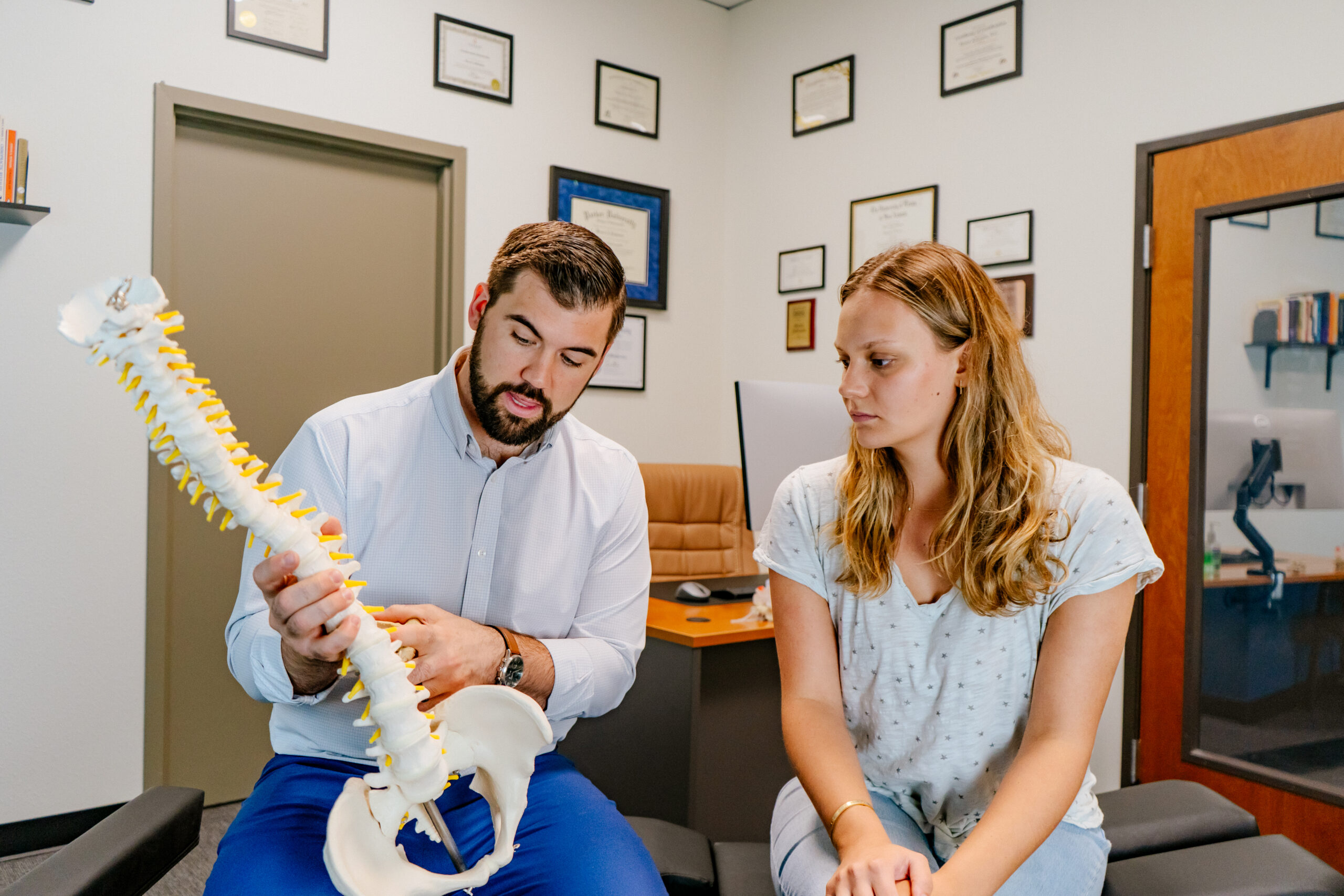
Your spine is made up of 33 individual bones called vertebrae, stacked one on top of another. Between most of these vertebrae sit cushion-like structures called intervertebral discs. Think of these discs as small jelly donuts—they have a tough, fibrous outer ring (the annulus fibrosus) and a soft, gel-like center (the nucleus pulposus).
A disc herniation occurs when the outer ring develops a tear or weakness, allowing the inner gel-like material to bulge out or completely rupture through. This process doesn’t happen overnight. Usually, discs begin to degenerate naturally as we age, becoming less flexible and more prone to tearing or rupturing with even minor strains or twists.
When this herniated disc material pushes out into the spinal canal, it can press against nearby nerve roots. In the lower back—specifically the lumbar spine—this often means pressure on the nerve roots that form the sciatic nerve. That’s where the connection between disc herniation and sciatica becomes painfully clear.
Several factors can contribute to disc herniation. Age-related wear and tear is common, but so are repetitive lifting with poor form, sudden heavy lifting, twisting motions, obesity that increases stress on the lower back discs, and even genetics that predispose some people to weaker disc structure. Sometimes a specific incident triggers the herniation, but often it’s the culmination of years of gradual degeneration.
The Sciatic Nerve Explained
The sciatic nerve is the longest and widest nerve in your entire body. It’s formed by nerve roots that exit the spinal cord at the L4, L5, and S1-S3 levels of your lower spine. These roots come together to form the sciatic nerve, which then travels from your lower back through your buttocks and down the back of each leg, eventually branching into smaller nerves that reach your feet.
Because this nerve is so long and travels through so much territory, sciatic nerve pain can manifest anywhere along its path. Some people feel it primarily in the lower back and buttock. Others experience the worst pain in the thigh or calf. Still others have numbness, tingling, or burning sensations that radiate all the way down to the toes.
The sciatic nerve carries both motor signals (which control muscle mo
vement) and sensory signals (which relay information about touch, temperature, and pain). This dual function explains why sciatica can cause both pain and weakness. When a herniated disc compresses the nerve roots that form the sciatic nerve, it disrupts these crucial signals traveling between your brain and your lower extremities.
Here at Castle Hills Chiropractic, we explain to patients that irritation of this nerve is like putting pressure on a garden hose. When you step on a hose, water can’t flow properly. Similarly, when a herniated disc compresses the nerve, signals can’t transmit normally, lea
ding to pain, numbness, tingling, or weakness in the areas that nerve serves.
How a Herniated Disc Causes Sciatica
The mechanism by which a herniated disc triggers sciatic pain involves both mechanical compression and chemical irritation. When disc material protrudes into the spinal canal or the intervertebral foramen (the opening where nerve roots exit the spine), it can physically press against the nerve root. This mechanical compression alone can cause significant pain and neurological symptoms.
But there’s more to the story. Research suggests that herniated disc material also releases inflammatory chemicals that irritate the nerve root even without direct contact. These inflammatory mediators can cause the nerve root to swell, further narrowing the available space and intensifying symptoms. This inflammatory response helps explain why some patients with relatively small disc herniations experience severe pain, while others with larger herniations may have milder symptoms.
The location of the herniation matters tremendously. The most common sites for lumbar disc herniation
are at the L4-L5 level (between the fourth and fifth lumbar vertebrae) and the L5-S1 level (between the fifth lumbar vertebra and the sacrum). Herniations at these levels most frequently affect the L5 and S1 nerve roots, which are key contributors to the sciatic nerve.
The direction of the herniation also plays a role. A posterolateral herniation (which extends toward the back and side of the disc) is more likely to compress a nerve root than a central herniation. The size, consistency, and exact position of the herniated material all influence whether and how severely sciatica develops.
Not everyone with a herniated disc develops sciatica, and not all sciatica is caused by disc herniation. Other conditions like spinal stenosis, piriformis syndrome, or even pregnancy can cause sciatic n
erve irritation. However, disc herniation remains one of the most common underlying causes, especially in people under age 50.
Common Symptoms You Shouldn’t Ignore
Recognizing the symptoms of sciatica caused by disc herniation is important for seeking appropriate care early. The hallmark symptom is pain that radiates from your lower back or buttock down the back of your leg. This pain often follows the path of the sciatic nerve and may extend below the knee, sometimes reaching the foot and toes.
The quality of the pain varies from person to person. Some describe it as a sharp, shooting, or electric sensation. Others experience a constant ache or burning feeling. The intensity can range from mild discomfort to debilitating pain that makes it difficult to stand, walk, or even sit.
Beyond pain, many patients experience numbness or tingling along the affected nerve pathway. This “pins and needles” sensation might affect specific areas of the leg or foot, depending on which nerve root is compressed. Some people notice that certain areas of their leg feel “different” to the touch or less sensitive than normal.
Muscle weakness is another concerning symptom. You might notice difficulty lifting your foot (foot drop), standing on your toes, or controlling muscles in your leg or foot. This weakness occurs because the compressed nerve can’t properly transmit motor signals to your muscles.
Many patients report that their symptoms worsen with certain positions or activities. Sitting for prolonged periods often aggravates sciatic pain because it increases pressure on the lumbar discs. Coughing, sneezing, or bearing down can also tempora
rily intensify symptoms by increasing pressure within the spinal canal. Conversely, some people find that lying down or walking provides relief.
In Castle Hills and throughout Texas, we often see patients who’ve been dealing with these symptoms for weeks or months before seeking care, hoping the pain would resolve on its own. While some cases do improve spontaneously, many benefit significantly from conservative chiropractic care.
How Chiropractic Care Fits In
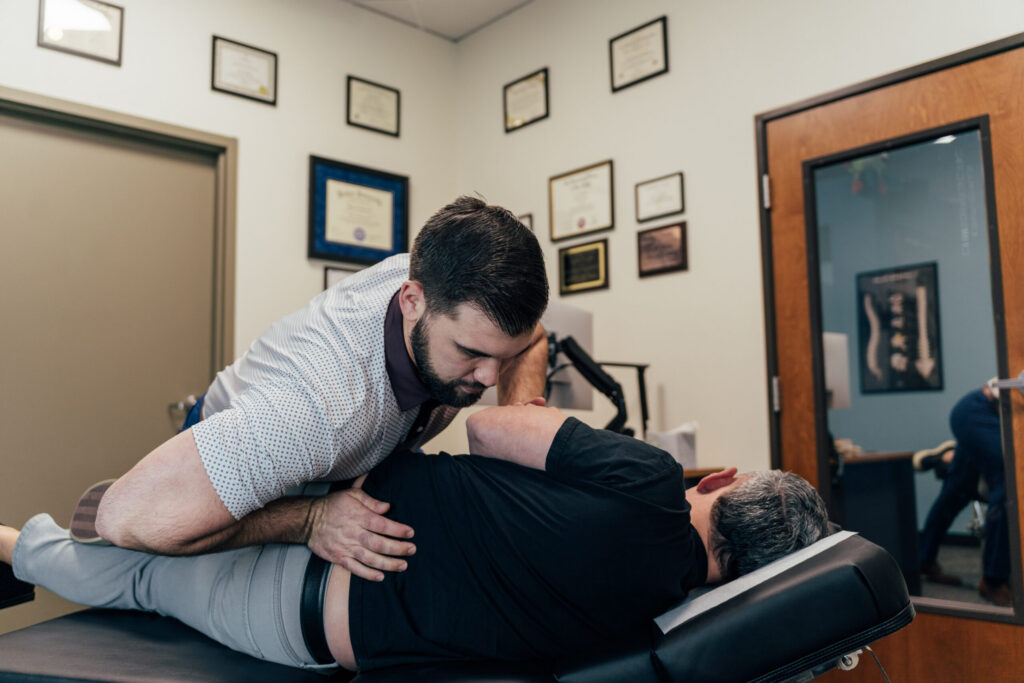
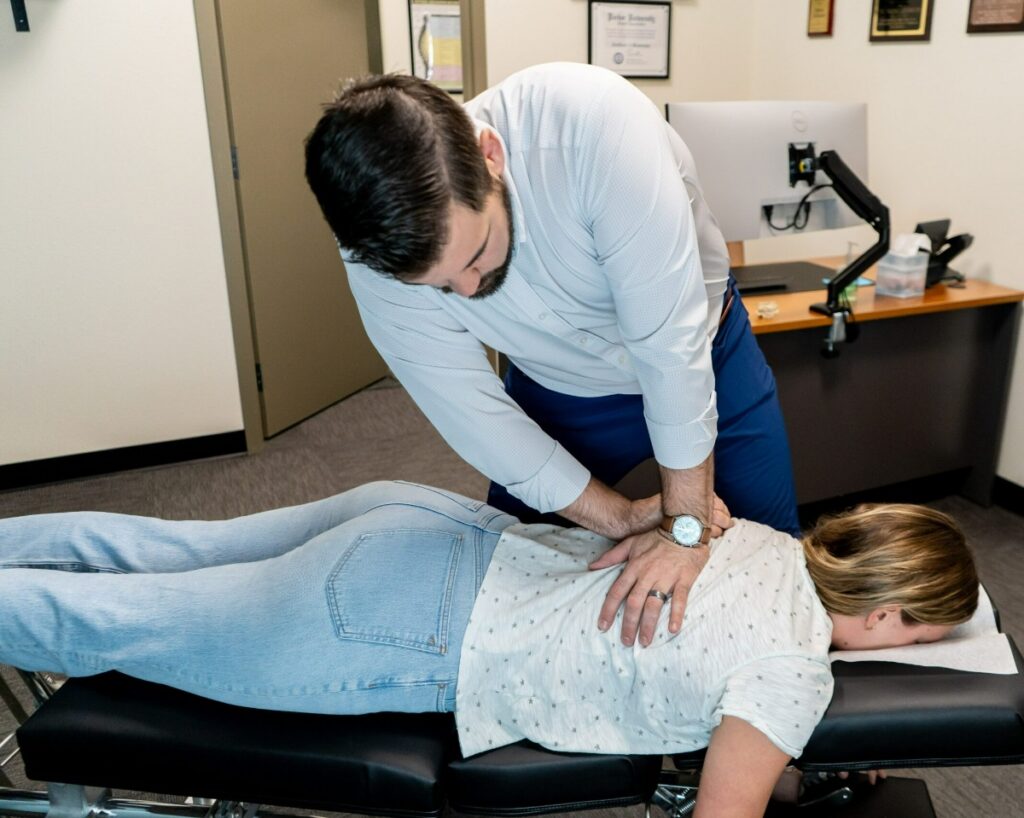
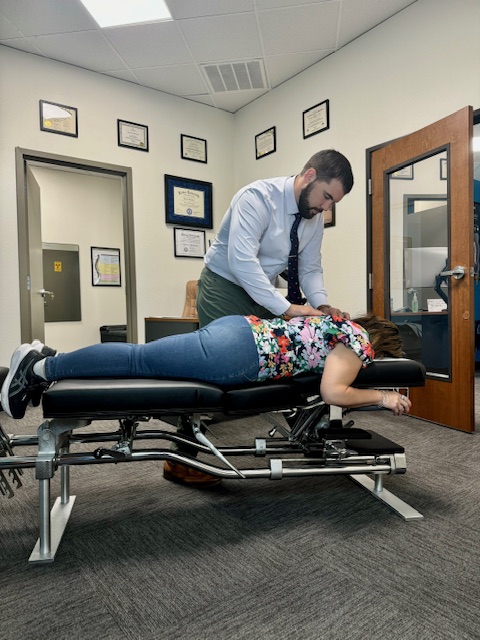
Chiropractic care offers a conservative, non-surgical, drug-free approach to managing sciatica caused by disc herniation. At Castle Hills Chiropractic, we focus on addressing the underlying biomechanical issues that contribute to disc stress and nerve irritation while supporting your body’s natural healing processes.
The first step in any chiropractic treatment plan is a thorough examination. We assess your posture, spinal alignment, range of motion, and neurological function. We may also review any imaging studies you’ve had, such as MRI scans, which can confirm the presence and location of a disc herniation. This comprehensive evaluation helps us determine whether chiropractic care is appropriate for your specific condition and allows us to develop an individualized treatment approach.
Chiropractic adjustments, when appropriate, aim to improve spinal alignment and reduce nerve interference. Specific techniques may be used depending on the location and severity of your herniation. These adjustments are gentle and precise, designed to restore proper motion to restricted spinal segments and reduce pressure on affected nerve roots.
It’s important to understand that chiropractic care for disc-related sciatica isn’t about “pushing the disc back in.” Rather, the goal is to create optimal conditions for healing by improving spinal mechanics, reducing inflammation, and decreasing nerve irritation. Evidence indicates that many patients with lumbar disc herniation and sciatica experience significant improvement with conservative chiropractic management.
Beyond spinal adjustments, we incorporate complementary therapies that support recovery. These might include specific stretching and strengthening exercises to improve core stability and reduce stress on the lower back, postural education to minimize daily activities that aggravate the condition, and lifestyle modifications that support spinal health.
Treatment frequency and duration vary based on the severity of your condition and how your body responds. Some patients notice improvement within a few visits, while others with more significant herniations require a longer course of care. We closely monitor your progress and adjust your treatment plan as needed.
Practical Tips for Managing and Preventing Flare-Ups
While professional chiropractic care is important, there’s much you can do at home to support your recovery and prevent future episodes. These practical strategies can make a real difference in your day-to-day comfort.
Mind Your Sitting Posture: Prolonged sitting increases disc pressure significantly. If you work at a desk, use a chair that supports the natural curve of your lower back. Your feet should rest flat on the floor, and your knees should be at or slightly below hip level. Take standing breaks every 30-45 minutes to relieve pressure on your discs.
Practice Safe Lifting Techniques: Always bend at your knees and hips, not your waist, when lifting objects. Hold items close to your body and avoid twisting while carrying loads. If something is too heavy, ask for help or use proper equipment. These principles matter whether you’re lifting a laundry basket or helping someone move furniture.
Maintain a Healthy Weight: Excess body weight places additional stress on your lumbar discs, increasing the risk of herniation and worsening existing disc problems. Even modest weight loss can significantly reduce lower back stress and improve symptoms.
Stay Active Within Your Limits: While severe sciatica may require temporary rest, prolonged inactivity usually makes things worse. Gentle movement helps maintain flexibility, reduces stiffness, and promotes healing. Walking is often well-tolerated and beneficial. Swimming and water exercises are excellent options because the buoyancy reduces spinal stress while allowing movement.
Apply Heat or Ice Appropriately: In the acute phase following a flare-up, ice can help reduce inflammation and numb sharp pain. After the first few days, many people find that heat therapy—using heating pads or warm baths—helps relax muscles and improve circulation. Experiment to see which works best for you, and never apply either directly to skin.
Sleep in Supportive Positions: Your sleeping position affects spinal alignment and disc pressure throughout the night. If you sleep on your back, place a pillow under your knees to maintain your spine’s natural curve. Side sleepers should use a pillow between their knees to keep hips aligned. Avoid sleeping on your stomach, which can strain your lower back.
Strengthen Your Core: Strong abdominal and back muscles provide crucial support for your spine, reducing stress on your discs. Once acute symptoms improve, incorporating core-strengthening exercises into your routine can help prevent future problems. Ask your chiropractor for specific exercises appropriate for your condition.
Stay Hydrated: Your spinal discs are composed largely of water. Proper hydration helps maintain disc height and elasticity. Aim to drink adequate water throughout the day to support overall spinal health.
When to See a Chiropractor
Knowing when to seek professional help is crucial for preventing a minor problem from becoming a major issue. Here in Castle Hills, we encourage patients to schedule an evaluation if they experience persistent lower back pain with leg symptoms that last more than a few days. Early intervention often leads to better outcomes and faster recovery.
You should definitely seek chiropractic care if you notice pain that radiates down your leg below the knee, numbness or tingling in your leg or foot that doesn’t quickly resolve, weakness in your leg or difficulty lifting your foot, or symptoms that interfere with daily activities like walking, working, or sleeping.
The duration and intensity of your symptoms matter. If your pain is progressively worsening rather than improving, or if you’ve been managing symptoms on your own for more than a week or two without improvement, it’s time to get professional help. Some patients wait until their pain is unbearable before seeking care, but earlier intervention typically means a shorter recovery period.
Certain “red flag” symptoms warrant immediate medical attention rather than routine chiropractic care. These include loss of bladder or bowel control, which could indicate cauda equina syndrome—a serious condition requiring emergency care. Progressive weakness in both legs, sudden onset of severe symptoms following trauma, or numbness in the saddle area (inner thighs and buttocks) are also medical emergencies.
If you experience severe pain accompanied by unexplained weight loss, fever, or a history of cancer, you should seek medical evaluation to rule out serious underlying conditions. While chiropractic care is safe and effective for most cases of disc-related sciatica, we always refer patients to appropriate medical specialists when indicated.
At Castle Hills Chiropractic, we take a thorough health history and perform appropriate examinations to ensure chiropractic care is right for your situation. Your safety and well-being are always our top priorities.
Understanding Your Symptoms: A Comparison
| Symptom Type | Disc Herniation Without Nerve Involvement | Disc Herniation With Sciatica |
|---|---|---|
| Pain Location | Primarily localized to lower back | Radiates from lower back through buttock and down leg, often below knee |
| Pain Quality | Dull ache or stiffness in back | Sharp, shooting, burning, or electric sensation along nerve path |
| Neurological Symptoms | Typically absent | Numbness, tingling, or weakness in leg or foot |
| Affected Side | Central back pain, may be bilateral | Usually unilateral (one side), following specific nerve distribution |
| Aggravating Factors | Bending, lifting, twisting movements | Sitting, coughing, sneezing; certain positions or movements |
| Impact on Function | May limit back movement and flexibility | Can significantly affect walking, standing, and leg function |
Myths vs. Facts
Myth: Surgery is the only real solution for a herniated disc causing sciatica
Fact: The majority of people with herniated discs and sciatica improve with conservative care, including chiropractic treatment, physical therapy, and lifestyle modifications. Research from the American College of Physicians suggests that conservative approaches should be tried before considering surgery. Most patients experience significant improvement within weeks to months without surgical intervention. Surgery is typically reserved for cases with severe neurological compromise or those that don’t respond to appropriate conservative care.
Myth: If you have a herniated disc, you should avoid all physical activity and stay in bed
Fact: While severe symptoms may require brief rest periods, prolonged bed rest actually delays recovery and can make symptoms worse. Gentle movement, within tolerable limits, helps maintain flexibility, prevents muscle weakness, and promotes healing. The key is finding the right balance—avoiding activities that significantly aggravate symptoms while remaining as active as possible. Your chiropractor can guide you on appropriate activity levels for your specific situation.
Myth: Chiropractic adjustments will make a herniated disc worse
Fact: When performed by a trained, licensed chiropractor who properly evaluates your condition, chiropractic care is safe for most cases of disc herniation with sciatica. Chiropractors use specific techniques appropriate for disc-related conditions and avoid approaches that would be contraindicated. Evidence indicates that chiropractic manipulation can be effective for lumbar disc herniation with radiculopathy when applied appropriately. We always modify our techniques based on your examination findings and response to care.
Myth: Once you have a herniated disc, it never heals
Fact: Many herniated discs do heal over time through a process called resorption, where the body gradually breaks down and reabsorbs the herniated material. Studies using follow-up MRI scans have documented this healing process, showing that disc herniations can reduce in size or even disappear completely. While some disc changes are permanent, this doesn’t necessarily mean ongoing symptoms. Many people who had herniated discs visible on imaging become completely symptom-free and return to full activity.
Myth: If you’re not in pain, your herniated disc must be healed
Fact: Pain reduction doesn’t always correlate perfectly with anatomical healing. Some people with visible disc herniations on MRI have no symptoms at all, while others with minor herniations experience significant pain. This disconnect happens because pain involves both mechanical factors and inflammatory responses. Decreased pain typically means reduced nerve irritation and inflammation, which is clinically significant even if the disc hasn’t fully healed anatomically. The goal is pain-free function, not necessarily perfect imaging studies.
Final Thoughts
Understanding the connection between sciatica and disc herniation empowers you to make informed decisions about your care and recovery. While the pain can be intense and concerning, it’s important to remember that most people with disc-related sciatica improve significantly with appropriate conservative care and time. The journey from painful flare-up to comfortable function isn’t always quick, but it is achievable for the vast majority of patients.
Here at Castle Hills Chiropractic in Castle Hills, TX, we’re committed to helping our community members understand their spinal health and navigate conditions like disc herniation and sciatica with confidence. We believe in treating the whole person, not just the symptoms, and partnering with you to create a personalized care plan that addresses your unique needs and goals.
If you’re dealing with lower back pain that radiates down your leg, don’t suffer in silence or assume surgery is your only option. Conservative chiropractic care offers a safe, effective pathway to relief for many people experiencing disc-related sciatica. We’re here to answer your questions, perform a thorough evaluation, and provide the individualized care you deserve.
Remember, your spine supports you in everything you do. Taking care of it through proper posture, safe movement patterns, appropriate exercise, and professional care when needed is one of the best investments you can make in your long-term health and quality of life. We’re honored to serve the Castle Hills community and help patients reconnect the dots between their symptoms and effective solutions.
Frequently Asked Questions
How long does it take for sciatica from a herniated disc to heal?
Recovery time varies significantly depending on the severity of the herniation, the degree of nerve involvement, and individual factors like overall health and adherence to treatment recommendations. Many patients experience noticeable improvement within 4-6 weeks of appropriate conservative care, though complete resolution may take several months. Some cases improve more quickly, while others require longer management. Consistent care and patience are key to optimal outcomes.
Can a herniated disc heal on its own without treatment?
Some herniated discs do improve spontaneously as the body’s natural healing processes reduce inflammation and reabsorb herniated material. However, appropriate care—including chiropractic treatment, specific exercises, and lifestyle modifications—typically accelerates healing, provides pain relief, and helps prevent future problems. Even if symptoms improve on their own, addressing underlying biomechanical issues reduces the risk of recurrence.
Is sciatica always caused by a herniated disc?
No, while disc herniation is one of the most common causes of sciatica, other conditions can irritate the sciatic nerve. These include spinal stenosis, piriformis syndrome, spondylolisthesis, degenerative disc disease, and even pregnancy. Proper examination and sometimes imaging studies are needed to determine the specific cause of your sciatic symptoms so appropriate treatment can be provided.
Will I need an MRI to diagnose my sciatica?
Not always. Many cases of sciatica can be diagnosed clinically through a thorough history and physical examination, including neurological testing. MRI imaging is typically reserved for cases where symptoms persist despite appropriate conservative care, when red flag symptoms are present, or when surgery is being considered. Your chiropractor can help determine whether imaging is necessary for your specific situation.
Can I exercise if I have sciatica from a herniated disc?
Gentle exercise is usually beneficial once acute symptoms begin to settle. Activities like walking and specific therapeutic exercises can support healing and prevent deconditioning. However, you should avoid high-impact activities, heavy lifting, and movements that significantly increase symptoms during the acute phase. Your chiropractor can recommend appropriate exercises based on your current condition and gradually progress your activity as you improve.
What’s the difference between a bulging disc and a herniated disc?
A bulging disc involves the outer disc layer expanding outward symmetrically, like a hamburger that’s too big for its bun. A herniated disc involves the inner gel-like material actually breaking through a tear in the outer layer. Herniated discs are more likely to cause nerve compression and sciatica because the protruding material can directly contact nerve roots. Both conditions can cause symptoms, but herniations tend to be more symptomatic.
TL;DR – Key Takeaways
- Sciatica is a symptom of nerve irritation, while disc herniation is one of its most common causes—occurring when inner disc material pushes through the outer layer and compresses sciatic nerve roots
- Symptoms include radiating leg pain, numbness, tingling, and sometimes weakness that follows the path of the sciatic nerve from the lower back down through the leg
- Most cases improve with conservative chiropractic care, lifestyle modifications, and appropriate exercises—surgery is rarely necessary
- Proper posture, safe lifting techniques, core strengthening, and maintaining a healthy weight can help prevent disc problems and reduce sciatica risk
- Seek chiropractic care if symptoms persist beyond a few days or interfere with daily function, but seek immediate medical attention for red flag symptoms like loss of bladder control or progressive weakness in both legs