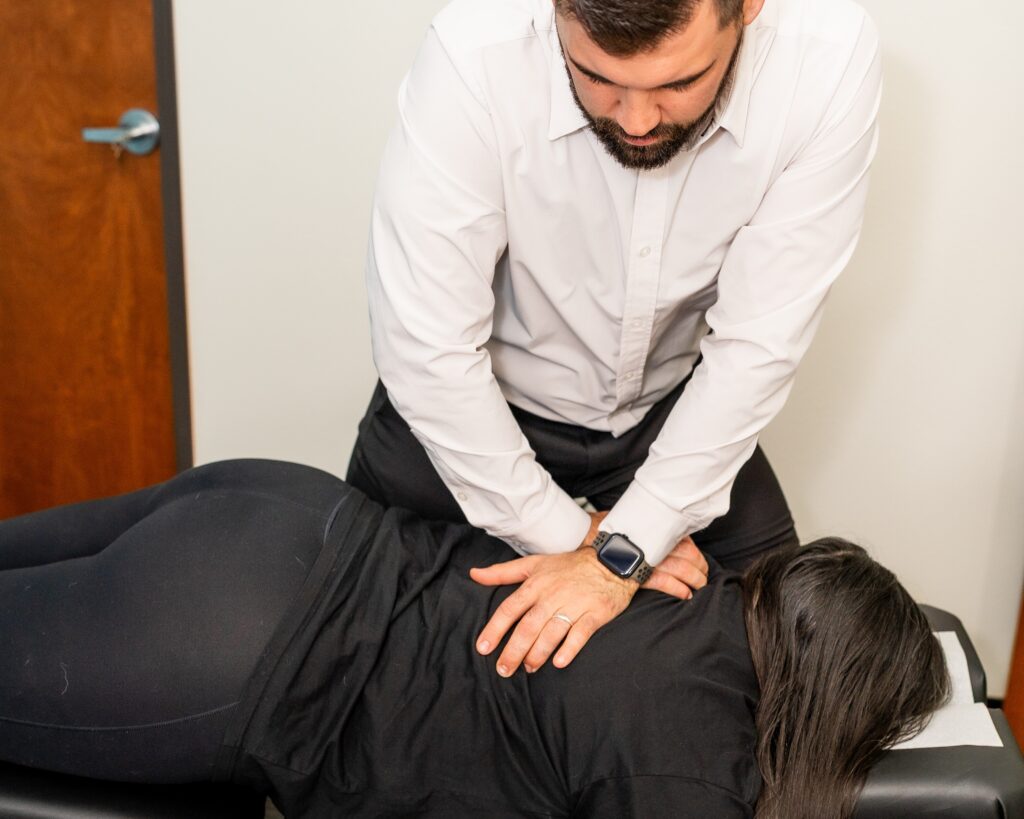

As a local chiropractor, I want to share some important insights on preventing neck pain, especially for those who may not be familiar with chiropractic care and natural healing. It’s crucial to understand that your neck health is influenced by various factors, including posture, ergonomics, and even stress. Many people don’t realize how these elements can contribute to discomfort in the neck area.
By making simple adjustments in your daily habits and incorporating specific practices into your routine, you can significantly alleviate and prevent neck pain. For instance, maintaining good posture while sitting and standing can help align your spine properly. Likewise, ensuring that your workspace is ergonomically designed can prevent unnecessary strain on your neck. Additionally, managing stress through relaxation techniques can also have a positive impact on your neck health.
So, what specific strategies can you implement to support your neck? Let’s dive into some effective methods that can make a real difference in your overall well-being. Remember, taking these proactive steps is key to maintaining a healthy neck and preventing discomfort in the future.
Understanding the Anatomy of Neck Pain
As your local chiropractor, I want to help you understand the anatomy of neck pain and how it relates to your overall health. Your neck, also known as the cervical spine, is made up of seven vertebrae, intervertebral discs, muscles, and ligaments—all of which work together to support your head and enable movement.
The vertebrae play a crucial role in protecting your spinal cord and providing structural integrity, while the discs serve as shock absorbers, cushioning your movements to reduce impact.
The muscles in your neck are essential for stability and mobility, but when they become strained or injured, they can lead to pain and discomfort. Ligaments, which offer additional support, can also become tight or inflamed, further contributing to your discomfort.
By understanding how these components interact, you can begin to see how everyday habits—such as improper lifting techniques or spending long hours in front of a screen—can result in neck pain.
As we work together, I’ll guide you in recognizing the signs of neck strain and how to address them naturally.
By educating yourself about your neck’s anatomy and function, you can take proactive steps to prevent pain and maintain a healthy, flexible neck.
Together, we can develop a personalized plan that focuses on natural healing and improving your overall well-being.
The Impact of Posture on Neck Health
As your local chiropractor, I want to emphasize the crucial connection between your posture and your neck health.
Maintaining proper alignment in your body is key to minimizing strain and discomfort in the neck area. Many people may not realize that simple adjustments to your workspace ergonomics can significantly benefit your neck.
By creating a supportive environment that encourages good posture, you can help prevent pain and promote overall well-being.
Proper Alignment Importance
As a local chiropractor, I want to emphasize the importance of good posture in maintaining your neck health. When you align your head, shoulders, and spine properly, you significantly reduce strain on your neck muscles and joints. Proper alignment helps distribute weight evenly, which prevents muscle fatigue and tension that many of you may experience.
If you find yourself slouching or leaning forward, it can lead to discomfort and potentially long-term issues, as this posture places extra pressure on your neck and upper back.
By being mindful of your posture—whether you’re sitting at a desk or standing during daily activities—you can improve blood flow and decrease the risk of injury.
I encourage you to make it a habit to check in with your posture throughout the day. Not only will you feel more comfortable, but you’ll also lower your chances of developing chronic neck pain.
Prioritizing proper alignment is crucial for a healthier neck and overall well-being. Remember, chiropractic care is here to support you in achieving and maintaining that alignment!
Ergonomics and Workspace Design
As a local chiropractor, I want to highlight the crucial role your workspace design plays in maintaining your neck health. Many people underestimate how their environment can impact their well-being.
When you’re seated at your desk, the way you position yourself can significantly affect the strain on your neck. It’s important to ensure that your monitor is at eye level to prevent craning your neck. This simple adjustment can make a world of difference.
Additionally, your chair should provide adequate support for your lower back, and your feet should rest flat on the floor. If you find yourself on calls often, consider using a headset. This can help you avoid awkward neck positions that may lead to discomfort.
Your keyboard and mouse should be easily accessible to prevent unnecessary stretching that can result in strain. Regular breaks to stretch and move around are also essential; they can help alleviate tension and keep your body feeling good.
The Role of Ergonomics in Preventing Discomfort
As a local chiropractor, I want to emphasize the importance of ergonomics in preventing discomfort, especially for those of you who spend long hours at a desk. Understanding how to set up your workspace correctly can significantly reduce the strain on your neck and promote better posture, which is crucial for your overall well-being.
Start by adjusting your chair height so that your feet rest flat on the floor. This simple adjustment can make a big difference. Your monitor should be positioned at eye level to prevent you from craning your neck, which can lead to pain and discomfort over time.
I also recommend using a chair that offers adequate lumbar support to help maintain the natural curve of your spine, which is vital for preventing back issues.
Another key point is to keep frequently used items within arm’s reach to avoid excessive stretching, which can lead to strain on your muscles. It’s also important to take regular breaks—stand up, move around, and stretch your neck muscles. This practice helps to prevent stiffness and promotes better circulation.
Consider investing in ergonomic tools like a keyboard and mouse designed to minimize upper body strain. By creating a workspace that prioritizes your comfort, you’re not only making it easier to maintain a healthy posture throughout your workday, but you’re also significantly reducing the risk of neck pain and other musculoskeletal issues.
Stress Management Techniques for Neck Relief
As a local chiropractor, I often see patients who struggle with stress and its physical effects, particularly tension in the neck.
When stress accumulates, it can manifest as tightness and discomfort in this area. To alleviate this tension, I recommend incorporating deep breathing exercises and mindfulness meditation into your daily routine.
These techniques not only promote relaxation but also help to release the tightness that stress can create. By integrating these practices into your lifestyle, you can experience significant relief and support a healthier neck.
Let’s delve into these methods together and explore how they can enhance your overall well-being.
Deep Breathing Exercises
As a local chiropractor, I want to share with you the benefits of deep breathing exercises, especially for those experiencing neck pain. Many of my patients are surprised to learn that stress and tension can significantly contribute to their discomfort. Deep breathing is a simple yet effective tool to help alleviate this tension.
When you take the time to focus on your breath, you activate your parasympathetic nervous system, which encourages relaxation throughout your entire body. To begin, find a comfortable seated or lying position. Inhale deeply through your nose for a count of four, then gently exhale through your mouth for a count of six. Repeat this process for several minutes, allowing your shoulders to drop and your neck to unwind.
By incorporating deep breathing exercises into your daily routine, you can enhance your overall well-being and foster a sense of calm. Managing stress effectively is crucial, as it can help you prevent neck pain and lead to a more comfortable life.
Mindfulness Meditation Practices
As a local chiropractor, I often see patients who struggle with neck pain and stress. One effective approach that I recommend is incorporating mindfulness meditation into your daily routine. This practice allows you to focus on the present moment, helping you become more aware of any tension that may be building in your neck and shoulders.
To get started, it’s important to create a calm and quiet environment where you can meditate without distractions. You don’t need to commit to long sessions; even just a few minutes each day can be beneficial. Concentrate on your breath, and allow any intrusive thoughts to simply drift away. With each exhale, visualize the tension in your neck and shoulders easing away.
As you continue this practice, you may begin to notice the specific stress triggers that affect your body throughout the day. Over time, mindfulness meditation can lead to enhanced relaxation, improved posture, and greater body awareness—all of which are essential for relieving neck pain.
The Benefits of Regular Stretching and Strengthening
As your local chiropractor, I want to share the significant benefits of incorporating regular stretching and strengthening exercises into your routine, particularly when it comes to neck health. Many people don’t realize that these simple practices can significantly reduce neck pain and improve overall mobility.
Stretching is a key component in loosening tight muscles, enhancing flexibility, and boosting blood circulation. When you engage in regular stretching, you can effectively alleviate discomfort in your neck and shoulders.
You’ll likely notice a decrease in stiffness and tension, allowing for smoother everyday movements.
On the other hand, strengthening exercises are crucial for building the muscles that support your neck. By focusing on your upper back and shoulder muscles, you can achieve better stability and alignment.
This is vital for maintaining a balanced posture, which ultimately helps prevent strain on your neck.
Incorporating both stretching and strengthening into your routine not only addresses existing pain but also serves as a proactive approach to avoid future issues.
I encourage you to set aside some time each week to prioritize your neck health through these practices.
By doing so, you’re likely to experience lasting benefits that enhance your daily activities and overall well-being.
Lifestyle Changes to Support Neck Wellness
As a local chiropractor, I want to share with you some simple yet effective lifestyle changes that can significantly improve your neck wellness.
Many of my patients are surprised to learn how small adjustments in their daily routines can lead to a noticeable reduction in neck strain and an increase in overall comfort.
Here are some practical tips to consider:
– Optimize your workstation: It’s crucial to ensure that your computer screen is at eye level. This helps to prevent unnecessary strain on your neck.
Also, make sure your chair provides good support for your lower back, which can help maintain proper alignment.
– Maintain good posture: Whether you’re sitting or standing, aim to keep your spine straight and your shoulders relaxed.
This alignment not only supports your neck but also contributes to overall body health.
– Prioritize hydration and nutrition: Staying well-hydrated and eating a balanced diet are essential for muscle health.
Proper nutrition can help minimize stiffness and support your body’s natural healing processes.
By incorporating these changes into your daily life, you can take proactive steps towards better neck health and overall wellness.
If you have any questions or would like to learn more about how chiropractic care can support your journey to improved health, feel free to reach out!
Conclusion
As a local chiropractor, I want to help you understand how to protect your neck and prevent pain. It’s essential to be aware of the anatomy of your neck and the role that good posture and ergonomics play in your overall health. By incorporating stress management techniques and engaging in regular stretching, you can not only relieve discomfort but also strengthen and increase the flexibility of your neck.
Moreover, making small adjustments to your daily routine—like optimizing your workstation—can significantly enhance your neck health. I encourage you to embrace these tips for pain prevention and overall well-being. Remember, taking care of your neck is an investment in your health, and your body will thank you for it!