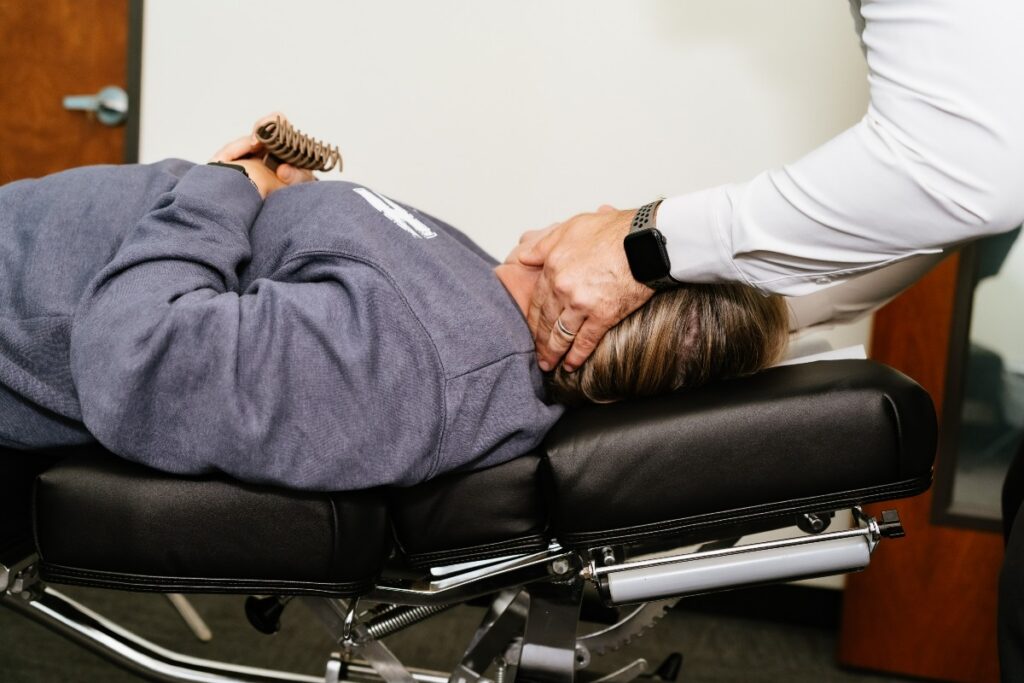

If you frequently suffer from tension headaches, it’s crucial to understand techniques that target their root causes. While over-the-counter pain relievers may provide temporary relief, they often overlook the real issues at play, such as muscle tension, poor posture, or stress. Instead, consider exploring nonpharmacologic methods, especially chiropractic care, which addresses these underlying factors to promote holistic healing.
Chiropractic care focuses on aligning your spine and improving your overall well-being. Regular adjustments can help relieve muscle tension, enhance your posture, and reduce stress, ultimately leading to fewer and less intense headaches. Imagine making simple lifestyle changes, like practicing proper ergonomics at your workstation or incorporating relaxation techniques, that can significantly impact your headache frequency and severity.
Here are a few practical tips you can start implementing today:
- Maintain Good Posture: Be mindful of your posture while sitting and standing. Keeping your spine aligned helps reduce unnecessary strain on your muscles.
- Stay Hydrated: Dehydration can trigger headaches. Ensure you’re drinking enough water throughout the day.
- Incorporate Stretching: Gentle neck and shoulder stretches can alleviate tension. Consider adding these into your daily routine.
- Practice Stress Management: Techniques such as deep breathing, meditation, or yoga can significantly lower stress levels, which might be contributing to your headaches.
- Regular Chiropractic Visits: Regular check-ups with your chiropractor can help maintain spinal health and prevent tension headaches from developing.
By embracing these natural approaches to wellness and making chiropractic care a part of your routine, you can pave the way to a healthier, headache-free life. Your body deserves the best care, and chiropractic is here to help you achieve optimal health!
Key Takeaways
- Techniques for tension headache relief focus on addressing the underlying causes rather than just covering up the symptoms with medications. As a chiropractor, I believe in treating the root issues to promote long-lasting relief.
- Incorporating relaxation and mindfulness practices, such as deep breathing or gentle stretching, can effectively reduce muscle tension and anxiety, which are often contributors to tension headaches. These practices not only help in managing headaches but also enhance your overall well-being.
- Chiropractic care is a fantastic way to promote proper spinal alignment, which can help alleviate the issues that trigger tension headaches. By focusing on your spine’s health, you can experience improved wellness and a decrease in headache frequency.
- Making simple lifestyle adjustments, like maintaining good posture while sitting and taking regular breaks during work, can go a long way in preventing the onset of tension headaches. Remember to stand up, stretch, and move around every so often!
- Emphasizing natural techniques and holistic wellness is key to maintaining long-term health. By reducing your reliance on over-the-counter pain relievers and embracing chiropractic care, you can achieve a healthier lifestyle and find sustainable relief from tension headaches.
Understanding Tension Headaches: Causes and Symptoms
When you experience a tension headache, it’s essential to understand the causes and symptoms to find effective relief. These headaches often arise from muscle tension in your neck, shoulders, and scalp, typically triggered by stress, poor posture, or long hours spent at a computer. You might feel a dull, aching pain that seems like a tight band around your head, often accompanied by tenderness in the scalp, neck, or shoulder muscles.
The symptoms can vary, but you may also experience mild sensitivity to light or sound. Unlike migraines, tension headaches usually don’t lead to nausea or vomiting. By recognizing these signs early, you can take proactive steps to manage your discomfort.
Understanding the underlying causes of tension headaches can empower you to alleviate them naturally. As a chiropractor, I emphasize the importance of spinal health in preventing and relieving these headaches. Simple changes like taking regular breaks, improving your posture, and practicing relaxation techniques can significantly enhance your well-being.
Chiropractic care is a natural and effective way to address the root causes of tension headaches. Regular adjustments can help relieve muscle tension, improve spinal alignment, and promote overall health. By prioritizing your spinal health, you can’t only find relief from tension headaches but also improve your quality of life. Remember, making small adjustments to your daily routine can lead to significant improvements in how you feel!
The Limitations of Over-the-Counter Pain Relievers
While over-the-counter pain relievers can offer quick relief for tension headaches, it’s important to recognize their limitations. Relying on these medications frequently may lead to rebound headaches, where the pain returns once the medication wears off. This can create a frustrating cycle of dependency, where you find yourself needing more pills for the same level of relief.
Furthermore, these medications often simply mask the symptoms without addressing the root causes of your tension headaches. This means that some individuals may still experience pain despite taking them.
Overuse of these pain relievers can also lead to unwanted side effects, such as stomach irritation, liver damage, or allergic reactions. If you notice that you’re reaching for these medications too often, it might be a good time to explore more natural and effective solutions, such as chiropractic care.
Chiropractic adjustments can help alleviate tension in your spine and neck, which are common contributors to headaches. By addressing these underlying issues, chiropractic care not only provides relief but also promotes long-term wellness. Additionally, incorporating regular exercise, staying hydrated, and practicing stress-reducing techniques like yoga or meditation can further enhance your overall health and well-being.
Understanding the limitations of over-the-counter pain relievers empowers you to seek more sustainable solutions. Chiropractic care is a safe and effective way to achieve optimal health and relieve tension headaches without relying on medications.
Benefits of Relaxation Techniques for Stress Relief
Relaxation techniques can truly be transformative in managing stress, and as a chiropractor, I want to emphasize how they can complement your journey to optimal health. By incorporating relaxation methods into your daily routine, you can experience enhanced muscle relaxation, improved mental clarity, and reduced anxiety levels. These benefits are particularly valuable as they not only help alleviate tension headaches but also contribute to your overall well-being.
In addition to relaxation techniques, chiropractic care plays a crucial role in maintaining a healthy spine and nervous system, which is vital for managing stress. Regular chiropractic adjustments can help alleviate physical tension in your body, allowing you to feel more relaxed and focused.
Here are some practical tips you can incorporate into your daily life:
- Deep Breathing Exercises: Take a few minutes each day to practice deep breathing. Inhale deeply through your nose, hold for a moment, and exhale slowly through your mouth. This simple technique can help calm your mind and body.
- Stretching: Gentle stretching can relieve muscle tension and improve your flexibility. Just a few minutes of stretching each day can make a significant difference in how you feel.
- Mindfulness and Meditation: Spend time each day practicing mindfulness or meditation. This can help clear your mind and reduce anxiety, making it easier to manage stress.
- Regular Chiropractic Visits: Schedule regular appointments with your chiropractor to keep your spine aligned and your body functioning optimally. This can enhance your overall health and help you cope better with stress.
Enhanced Muscle Relaxation
As a local chiropractor, I understand that enhanced muscle relaxation can play a crucial role in relieving tension headaches. By integrating relaxation techniques into your daily routine, you can significantly reduce muscle tightness and support your overall well-being. When your muscles are relaxed, the pressure on your head eases, helping to alleviate discomfort.
Here’s a simple overview of effective relaxation techniques and how they can benefit you:
| Technique | Benefits | Duration |
|---|---|---|
| Deep Breathing | Reduces anxiety, increases oxygen flow | 5-10 minutes |
| Progressive Relaxation | Relieves muscle tension | 10-20 minutes |
| Yoga | Enhances flexibility, calms the mind | 20-30 minutes |
| Meditation | Promotes inner peace, reduces stress | 10-30 minutes |
| Gentle Stretching | Improves circulation, eases tightness | 5-15 minutes |
Incorporating these methods into your daily life can greatly enhance your muscle relaxation, making it easier to combat those pesky headaches. Remember, chiropractic care can also be a powerful ally in achieving optimal health and wellness. A well-aligned spine can contribute to better muscle function, reducing tension and promoting relaxation naturally.
Here are some general tips to consider:
- Stay Hydrated: Drink plenty of water throughout the day to support muscle health.
- Maintain Good Posture: Be mindful of your posture at work and home to prevent unnecessary strain.
- Regular Chiropractic Visits: Regular check-ups can help keep your spine aligned and your muscles relaxed.
- Create a Relaxation Routine: Set aside time each day for relaxation techniques to make them a habit.
Improved Mental Clarity
When you incorporate relaxation techniques into your daily routine, you not only relieve physical tension but also promote mental clarity, which is essential for overall wellness. As a chiropractor, I recommend practices like deep breathing, meditation, and progressive muscle relaxation. These techniques help to reduce distractions and improve your focus, making it easier to process information and think creatively.
A calm mind is a powerful tool. When you feel relaxed, you can approach daily tasks with greater efficiency, enhancing your productivity and decision-making skills. You’ll also notice an improvement in your ability to retain information, which can make learning feel much easier.
By prioritizing relaxation, you create a mental space where clarity can flourish. This mental clarity not only empowers you to tackle challenges with confidence but also complements the benefits of chiropractic care. Regular chiropractic adjustments can help align your spine, reduce pain, and enhance your body’s natural healing abilities, allowing you to fully embrace these relaxation techniques.
To help you on your wellness journey, here are some simple tips:
- Practice Deep Breathing: Take a few minutes each day to focus on your breath. Inhale deeply through your nose, hold for a moment, and exhale slowly through your mouth. This helps to calm your nervous system.
- Meditate Daily: Even a few minutes of meditation can clear your mind. Find a quiet space, sit comfortably, and focus on your breath or a positive affirmation.
- Incorporate Stretching: Gentle stretching can relieve tension in your body and mind. Consider adding simple stretches to your morning routine.
- Stay Hydrated: Drinking enough water is essential for cognitive function and overall health. Aim for at least 8 glasses a day.
- Schedule Regular Chiropractic Visits: Regular adjustments can help keep your spine aligned and your body functioning at its best, supporting your relaxation efforts.
Embrace these techniques alongside chiropractic care, and watch as your mental sharpness and overall well-being improve. Remember, a healthy mind and body work together to create a happier, more fulfilling life.
Reduced Anxiety Levels
Managing anxiety is crucial for maintaining overall health and wellness, and as a chiropractor, I believe in a holistic approach to achieving a balanced life. One of the most effective ways to manage anxiety is by incorporating relaxation techniques into your daily routine. Simple practices such as deep breathing, meditation, and even progressive muscle relaxation can significantly reduce your anxiety levels.
When you engage in these techniques, you activate your body’s relaxation response, which helps counteract the stress that often leads to tension in the spine and muscles. This not only calms your mind but also alleviates the physical discomfort that can accompany anxiety. As you become more skilled in these techniques, you’ll find it easier to navigate daily stressors, promoting a more peaceful state of mind.
In addition to relaxation methods, regular chiropractic care can play a vital role in reducing anxiety. By ensuring that your spine is aligned and your nervous system is functioning optimally, chiropractic adjustments can help improve your body’s overall stress response.
This natural form of healing supports your body’s ability to cope with anxiety and promotes a sense of well-being.
To get started on your path to reduced anxiety and better health, consider the following tips:
- Practice Deep Breathing: Take a few minutes each day to focus on your breath. Inhale deeply through your nose, hold for a few seconds, and exhale slowly through your mouth.
- Incorporate Stretching: Gentle stretches can help release tension in your muscles and improve your posture, which is essential for both physical and mental well-being.
- Schedule Regular Chiropractic Visits: Regular adjustments can help keep your spine aligned and your nervous system functioning optimally, reducing the physical symptoms of anxiety.
- Create a Relaxation Space: Designate a calming area in your home where you can meditate, practice yoga, or simply unwind.
- Stay Active: Regular physical activity not only keeps your body healthy but also releases endorphins, which can improve your mood and reduce anxiety.
The Importance of Ergonomics in Preventing Headaches
When it comes to preventing headaches, your desk setup plays a crucial role in your overall health and wellness. As a chiropractor, I often see how improper ergonomics can lead to muscle tension and discomfort, resulting in tension headaches. One of the simplest adjustments you can make is to ensure your screen is at eye level. This minor change can significantly reduce neck strain, allowing your spine to maintain a more natural alignment.
Creating an ergonomic workspace not only enhances your productivity but also supports your natural healing processes. Remember to take regular breaks to stretch and move around, which can help alleviate tension in your muscles. Simple exercises, like shoulder rolls or neck stretches, can be incredibly beneficial in keeping those headaches at bay.
Chiropractic care is an excellent way to address any underlying issues related to your posture and spinal alignment. Regular adjustments can help maintain a healthy spine, promoting better overall wellness. By prioritizing your workspace ergonomics and considering chiropractic care, you’re taking proactive steps toward a healthier, headache-free life.
Proper Desk Setup
Creating an ergonomic desk setup is vital for maintaining a healthy spine and preventing tension headaches, which can significantly impact your well-being. By thoughtfully arranging your workspace, you can reduce strain on your body, enhance productivity, and support your overall health.
Here are four key elements to consider for an optimal desk setup:
- Chair: Select a chair that offers lumbar support to maintain the natural curve of your spine. Adjust the chair so that your feet are flat on the floor, which promotes better posture and reduces stress on your back.
- Desk Height: Ensure your desk is at the right height to allow your elbows to form a 90-degree angle. This position helps to keep your spine aligned and minimizes the risk of discomfort or injury.
- Keyboard and Mouse: Place your keyboard and mouse close enough to your body to avoid reaching. This helps keep your wrists straight while typing, reducing tension in your arms and neck, and promoting a healthier posture.
- Lighting: Utilize proper lighting to minimize glare and eye strain. Good lighting makes it easier to focus on your tasks and helps prevent headaches, allowing you to maintain productivity throughout the day.
By implementing these simple adjustments, you can create a workspace that not only keeps you comfortable but also supports your spinal health. Remember, regular chiropractic care can help address any existing pain and enhance your overall wellness, ensuring you can work and live your best life.
Prioritizing your health in your workspace is a step towards a happier, healthier you!
Screen Height Adjustment
Adjusting your screen height is crucial for your overall health and well-being, especially if you spend long hours working at a computer. As a chiropractor, I often see patients who experience tension headaches and neck pain due to improper screen positioning. When your screen is set up correctly, it not only reduces strain on your neck and eyes but also helps you maintain better focus throughout the day.
For optimal comfort, position the top of your screen at or just below eye level and keep it about an arm’s length away. This simple adjustment can make a significant difference in how you feel.
Here’s a quick guide on how screen height affects your body:
| Position | Effects on Headaches |
|---|---|
| Too Low | Strains your neck and increases tension, leading to discomfort. |
| Too High | Causes eye strain and neck pain, making it difficult to concentrate. |
| Correct Height | Promotes comfort and reduces strain, allowing for better productivity and focus. |
| Improper Angle | Leads to awkward posture and discomfort, which can exacerbate pain. |
Mindfulness Practices: A Holistic Approach to Pain Management
Practicing mindfulness can significantly improve your ability to manage tension headaches, and when combined with chiropractic care, the results can be even more remarkable.
By being more aware of your body and thoughts, you can help alleviate stress and promote relaxation, which is essential for optimal spinal health. Here are four mindfulness techniques that you can easily incorporate into your daily routine, alongside regular chiropractic adjustments:
1. Deep Breathing: Take a moment to focus on your breath. Inhale deeply through your nose, allowing your abdomen to expand, and then exhale slowly through your mouth.
Visualize each breath washing away tension, particularly in your neck and shoulders, where stress often accumulates.
2. Body Scan: Lie down in a comfortable position and mentally scan your body from head to toe. Pay special attention to areas that may feel tense or sore.
As you breathe, imagine these areas softening and relaxing, which can complement the relief you receive from your chiropractic sessions.
3. Guided Imagery: Close your eyes and picture a peaceful place, such as a calm beach or a quiet forest. Engage your senses, imagining the sights, sounds, and smells.
This practice can help reduce muscle tension and create a sense of calm, enhancing the benefits of your chiropractic care.
4. Mindful Walking: Take a leisurely walk, focusing on each step. Feel the ground under your feet and notice the rhythm of your body as you move.
This not only helps clear your mind but also supports your spine by encouraging proper posture and alignment.
By integrating these mindfulness practices into your life, you can greatly reduce the frequency and intensity of your headaches.
Lifestyle Changes That Can Reduce Headache Frequency
Making simple lifestyle changes can significantly reduce the frequency of tension headaches, and as a chiropractor, I believe these adjustments can also enhance your overall well-being. One key area to focus on is hydration. Drinking plenty of water throughout the day keeps you hydrated and helps prevent dehydration, a common trigger for headaches.
Another essential aspect is quality sleep. Aim for 7-9 hours of restful sleep each night. Good sleep allows your body to recover and rebalance, which is crucial for reducing headache occurrences.
Incorporating regular physical activity into your day is also vital. Even gentle exercises like walking or yoga can help relieve stress and tension, making a big difference in how often you experience headaches. Be mindful of your posture, especially if you’re at a desk for long periods. Simple ergonomic adjustments can greatly reduce strain on your neck and shoulders, which are often related to headache pain.
Managing stress is equally important. Techniques such as deep breathing or meditation can help you find calm and reduce tension. Additionally, pay attention to your diet; eating regular meals with balanced nutrition helps keep your blood sugar levels stable, which can prevent headaches.
Creating a Personalized Plan for Tension Headache Relief
When dealing with tension headaches, it’s important to create a personalized plan that focuses on natural healing and overall wellness. As a chiropractor, I believe that understanding your body and addressing the root causes can lead to significant relief. Here’s a straightforward approach to guide you:
- Identify Triggers: Keep a headache diary to track patterns related to stress, lack of sleep, or poor posture. Noticing these triggers can help you make lifestyle adjustments that promote better health.
- Incorporate Relaxation Techniques: Engage in deep breathing exercises, meditation, or gentle yoga to alleviate stress and tension. These practices can help reduce muscle tightness and promote relaxation, which is vital for preventing headaches.
- Schedule Regular Breaks: Whether you’re at work or engaged in tasks at home, it’s crucial to take short breaks. Use this time to stretch, reset your posture, and relieve any tension that may be building up in your neck and shoulders.
- Explore Natural Remedies: Consider using heat therapy, such as warm compresses or heating pads, to soothe tense muscles. Essential oils like peppermint or lavender can also provide a calming effect. Remember, these natural methods are great complements to chiropractic adjustments.
- Chiropractic Care: Regular chiropractic adjustments can help align your spine, reduce tension in your muscles, and improve your overall function. A well-aligned spine can alleviate the frequency and intensity of tension headaches.
By focusing on these natural strategies and incorporating chiropractic care into your wellness routine, you can take control of your health and reduce the impact of tension headaches on your life.
Embrace a healthier lifestyle and enjoy the benefits of natural healing!
Conclusion
Incorporating nonpharmacologic techniques for tension headache relief is a powerful way to address the underlying causes of your discomfort. As a chiropractor, I believe in the importance of focusing on relaxation, improving your posture, and adopting mindful practices to help alleviate headaches and enhance your overall well-being.
Creating a personalized wellness plan that fits your lifestyle is key. This might include regular chiropractic adjustments to ensure your spine is properly aligned, which can alleviate tension and improve your body’s natural healing abilities. Simple practices like stretching, staying hydrated, and practicing deep breathing can also make a big difference in managing headache frequency and intensity.
Embrace these holistic approaches and take charge of your health. By making chiropractic care a part of your routine, you can free yourself from the cycle of pain and reduce your reliance on medications. Remember, you’re not just treating symptoms—you’re investing in a healthier, more vibrant life.