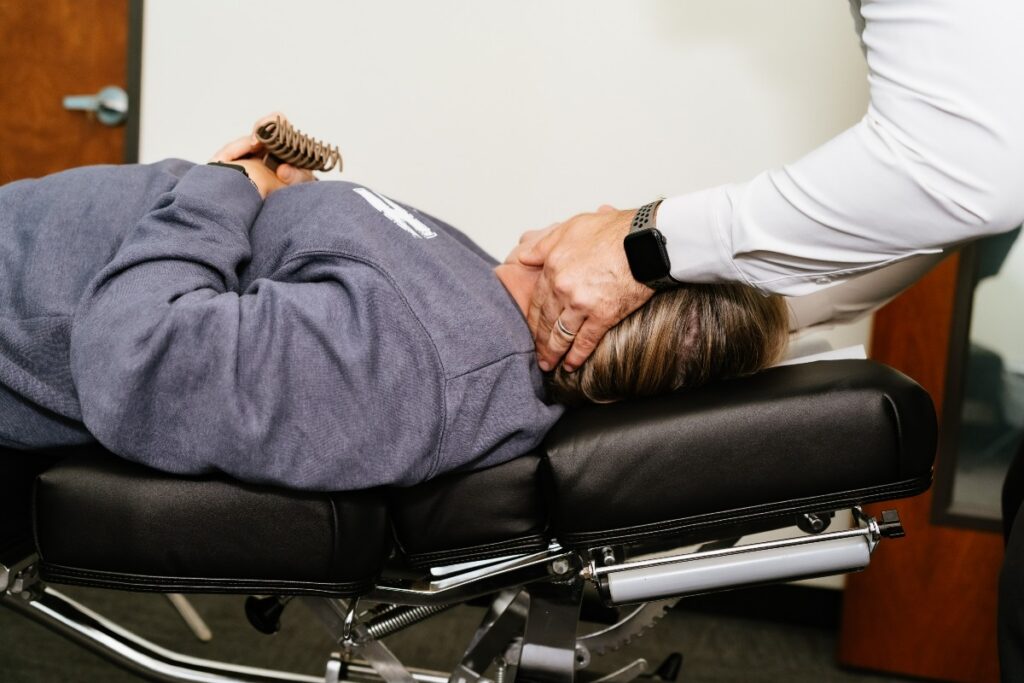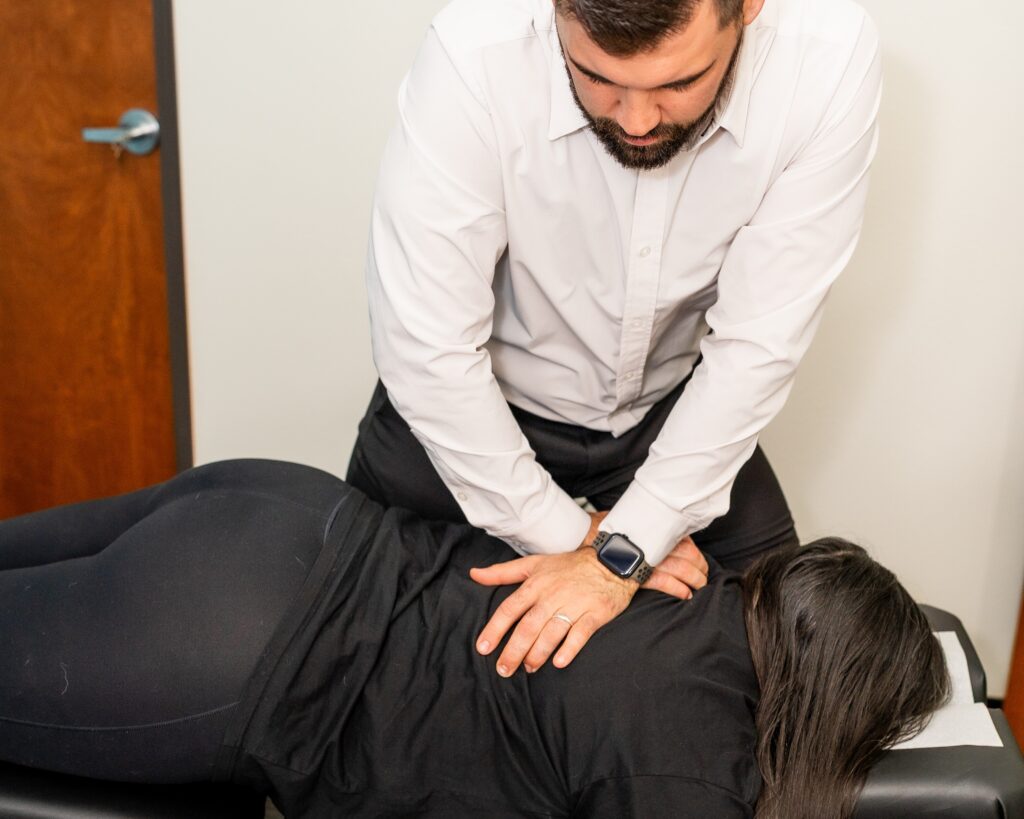

As a local chiropractor, I often see patients struggling with back pain, and I want to emphasize how important it is to reassess your daily habits. Many people don’t realize that small adjustments in your posture, exercise routine, and workspace setup can lead to significant improvements in your spinal health. It’s also crucial to understand how stress and diet impact your overall well-being.
In my practice, I’ve seen firsthand the positive changes that can occur when individuals adopt effective strategies for back care. Here are some practical steps you can take to help protect your back and enhance your quality of life:
- Posture Awareness: Be mindful of your posture throughout the day. Whether you’re sitting at a desk or standing, maintaining a neutral spine can alleviate unnecessary strain on your back.
- Regular Exercise: Incorporate a balanced exercise routine that includes strengthening and stretching exercises for your core and back muscles. This can help provide support for your spine and prevent pain.
- Workspace Ergonomics: Make sure your workspace is set up to promote good posture. Your chair, desk, and computer screen should be positioned to reduce strain on your back and neck.
- Stress Management: Practice stress-reducing techniques such as deep breathing, meditation, or yoga. Managing stress can have a positive impact on your overall health, including your back.
- Healthy Diet: Pay attention to your diet, as nutrition plays a key role in maintaining a healthy spine. Aim for a balanced diet rich in anti-inflammatory foods to support your body’s healing process.
By making these lifestyle changes and being proactive about your spinal health, you can significantly reduce the risk of back pain. If you’d like to learn more about how chiropractic care can help you on this journey, don’t hesitate to reach out for more information. Your back deserves the best care possible!
Understanding the Causes of Back Pain
As a local chiropractor, I want to help you understand the various causes of back pain so you can take proactive steps toward prevention and better health. Back pain can arise from many sources, and recognizing these can empower you to make informed choices.
One common cause of discomfort is muscle strain, which often occurs from lifting heavy objects or making sudden movements. If you lead a sedentary lifestyle, this can also contribute to back pain, as weak muscles and poor flexibility increase your risk of injury.
Spending long hours sitting without proper support can put additional strain on your back, leading to discomfort. Sports injuries or accidents can result in acute back pain, while conditions such as arthritis or herniated discs may lead to chronic issues that persist over time.
Additionally, stress can play a significant role in back pain; it often causes muscle tension that exacerbates discomfort. By identifying these factors in your daily life, you can make changes that not only reduce your risk of future pain but also enhance your overall well-being.
Being mindful of your activities and habits is crucial. As a chiropractor, I encourage you to seek natural healing methods that can support your back health, such as proper posture, stretching, and chiropractic adjustments. Together, we can work towards a healthier, pain-free future.
Importance of Proper Posture
As a local chiropractor, I want to emphasize the importance of maintaining proper posture for your overall health, particularly in preventing back pain. Your posture plays a crucial role in the alignment of your spine and the amount of strain placed on your muscles. When you adopt good posture—whether you’re sitting, standing, or walking—you help distribute your body weight evenly, which significantly alleviates unnecessary pressure on your back.
To achieve this, I recommend keeping your shoulders back and your head in line with your spine. When seated, ensure that your feet are flat on the ground. If you spend a lot of time at a desk, consider investing in an ergonomic chair that provides support for your lower back.
It’s also helpful to make a habit of regularly checking your posture throughout the day, especially if you find yourself sitting for extended periods. Being mindful of your posture during your daily activities can greatly reduce discomfort and help prevent future back pain.
Remember, even small adjustments can lead to significant long-term benefits for your spine and overall well-being. Taking these steps seriously will safeguard your back’s health and enhance your quality of life.
If you have any questions about posture or how chiropractic care can support your journey to better health, feel free to reach out!
Benefits of Regular Exercise
As a local chiropractor dedicated to your health and wellness, I want to emphasize the importance of incorporating regular exercise into your routine. Not only does it enhance your physical fitness, but it also significantly reduces the risk of back pain. When you engage in activities such as walking, swimming, or cycling, you strengthen your back and core muscles, providing essential support for your spine. This improved support helps alleviate strain on your back during everyday activities, making it easier for you to move freely and comfortably.
Additionally, exercise promotes better blood circulation, which is crucial for delivering essential nutrients to your muscles and joints. This process aids in recovery and reduces stiffness, allowing you to feel more agile. Maintaining a healthy weight through regular physical activity is also vital, as it minimizes the stress placed on your back.
One of the wonderful benefits of exercising is the release of endorphins—your body’s natural painkillers. This not only elevates your mood but also helps diminish the perception of pain, making you feel more at ease both physically and mentally.
By prioritizing exercise in your life, you’re not just addressing back pain; you’re making a valuable investment in your long-term health and well-being.
Stretching and Flexibility Techniques
As a local chiropractor, I want to emphasize the importance of incorporating stretching and flexibility techniques into your routine for optimal health and well-being. Regular exercise is essential, but when paired with proper stretching, it can significantly enhance the benefits and protect your back from injury.
By improving your range of motion, you not only reduce the risk of injury but also alleviate muscle tension, which is vital for maintaining a healthy spine.
Before your workouts, consider engaging in dynamic stretches to warm up your body. Simple movements like arm circles and leg swings can prepare your muscles and joints for activity.
Once you’ve finished exercising, it’s equally important to focus on static stretches, such as hamstring and hip flexor stretches, to aid in your recovery process.
I recommend stretching at least three times a week, holding each stretch for 15 to 30 seconds. It’s crucial not to overlook your back in this process; gentle twists and cat-cow stretches can greatly enhance spinal flexibility and overall health.
Additionally, yoga is a fantastic way to improve both flexibility and strength, making it a complementary practice to chiropractic care.
As you develop a consistent stretching routine, you’ll likely notice improvements in your posture and a reduction in discomfort. This not only promotes a more active lifestyle but also helps protect your back from pain.
Remember, your spine is the foundation of your overall health, and taking proactive steps to care for it can lead to long-term benefits.
If you have any questions or need guidance on proper techniques, feel free to reach out. Your health is our priority!
Weight Management and Its Impact
As a local chiropractor, I want to emphasize the critical role that weight management plays in preventing back pain. Excess weight can significantly strain your spine and surrounding muscles, leading to discomfort and potential injuries.
When you carry extra pounds, it can contribute to poor posture, which further exacerbates back issues. By maintaining a healthy weight, you can reduce the pressure on your back and promote better spinal alignment, which is essential for alleviating discomfort and preventing future pain.
To effectively manage your weight, I encourage you to focus on a balanced diet combined with regular exercise. Incorporating strength training and cardiovascular activities into your routine is vital; these not only help build muscle but also boost your metabolism.
Additionally, being mindful of portion sizes and choosing nutrient-dense foods can help fuel your body without adding unnecessary calories. Remember, taking care of your weight is an important step towards achieving overall wellness and supporting your spinal health.
Ergonomic Workspace Setup
As a local chiropractor, I want to emphasize that maintaining a healthy weight is just one aspect of preventing back pain; the way you set up your workspace is equally important.
It’s essential to start with your chair—make sure it provides adequate lumbar support to help maintain the natural curve of your spine. Adjust the height so that your feet rest flat on the floor and your knees are level with your hips.
Your desk height should allow your elbows to form a 90-degree angle while typing, which helps keep your wrists in a neutral position. This alignment is crucial in preventing strain on your back and wrists over time.
Position your computer screen at eye level, about an arm’s length away, to avoid unnecessary neck strain. If you’re using a keyboard and mouse, keep them close to your body to minimize reaching. This promotes better posture and reduces the risk of injury.
I also encourage you to consider using a standing desk or incorporating regular breaks into your day to stretch and move around.
These small adjustments in your workspace can significantly reduce strain on your back, helping you stay comfortable and productive. Remember, your workspace setup plays a vital role in your overall spinal health, and making these changes can lead to a more enjoyable work experience.
Stress Management and Relaxation Techniques
As a local chiropractor, I want to emphasize how crucial stress management can be for your overall back health. Many of my patients may not realize that high stress levels can lead to muscle tension, which often exacerbates back pain.
By integrating relaxation techniques into your daily routine, you can alleviate this tension and enhance your overall well-being. Here are three effective methods I recommend:
- Deep Breathing: I encourage you to dedicate a few minutes each day to focus on your breath. Inhale deeply through your nose, hold for a moment, and then exhale slowly through your mouth. This simple practice can calm your mind and help relax your body, making a significant difference in how you feel.
- Mindfulness Meditation: Incorporating mindfulness into your daily routine can be transformative. Find a quiet space, sit comfortably, and focus on the present moment. Observe your thoughts without judgment. This practice can significantly reduce your stress levels and improve your mental clarity, which is vital for maintaining a healthy spine.
- Gentle Stretching: I recommend incorporating gentle stretching or yoga into your lifestyle. These activities not only help relieve muscle tension but also enhance flexibility and reduce the risk of injury. A well-stretched body is less prone to pain and discomfort, especially in the back.
By adopting these techniques, you can take proactive steps towards managing stress and supporting your spinal health.
Nutrition for a Healthy Spine
As a local chiropractor, I want to emphasize the critical role that good nutrition plays in maintaining a healthy spine. Many of you may not be familiar with how dietary choices can directly impact your spinal health, so let’s break it down.
First and foremost, a balanced diet rich in essential vitamins and minerals is crucial for supporting your spine. I recommend incorporating plenty of leafy greens, colorful fruits, and whole grains into your meals. These foods are packed with antioxidants that can help reduce inflammation—an important factor in alleviating back pain.
It’s also important to pay attention to your protein intake. Foods like lean meats, fish, beans, and nuts are fantastic sources that contribute to muscle strength. Strong muscles provide better support for your spine, which can improve your overall posture and reduce discomfort.
Additionally, don’t overlook healthy fats. Incorporating sources such as avocados and olive oil into your diet is vital for maintaining joint health, which plays a significant role in your spinal well-being.
Hydration is another key factor. Drinking enough water is essential for keeping your spinal discs well-lubricated and functioning optimally. Proper hydration can make a noticeable difference in how your spine feels.
Lastly, let’s talk about calcium and vitamin D, which are fundamental for bone health. Consuming dairy products, fortified foods, and ensuring you get adequate sunlight can help keep your bones strong, providing a solid foundation for your spine.
The Role of Sleep in Back Health
As your local chiropractor, I want to emphasize how crucial your sleep position is for your back health.
It’s essential to find a supportive way to rest that promotes proper spinal alignment. A high-quality mattress is key in achieving this, as it can significantly impact how well your spine is supported throughout the night.
Moreover, the duration of your sleep plays a vital role in your overall recovery and well-being.
Prioritizing restorative rest isn’t just about quantity, but also about quality. When you sleep well, your body has the opportunity to heal and rejuvenate, which is particularly important for maintaining a healthy spine.
Sleep Position Matters
As a local chiropractor dedicated to helping you achieve optimal back health, I want to emphasize how your sleep position plays a crucial role in your overall well-being. Proper spinal alignment during sleep can significantly impact your comfort and reduce the risk of pain.
Here are some practical tips to consider:
- Sleep on your side: This position is one of the best for maintaining proper spinal alignment. To enhance support, I recommend placing a pillow between your knees. This simple adjustment can alleviate pressure on your hips and lower back.
- Opt for back sleeping: If this is your preferred position, consider placing a small pillow under your knees. This technique helps preserve the natural curve of your spine, promoting relaxation and reducing discomfort.
- Avoid stomach sleeping: I advise against this position as it can place unnecessary strain on both your neck and back, leading to pain and discomfort. If you find it hard to break this habit, try using a thin pillow or even no pillow at all to minimize strain on your spine.
By being mindful of your sleep position, you can support your body’s natural healing processes and enhance your overall health.
If you have any questions or would like personalized advice, don’t hesitate to reach out to my office. Your journey to better health starts with proper care!
Mattress Quality Importance
As a local chiropractor, I want to emphasize the crucial role that your mattress plays in maintaining your back health. While many individuals concentrate on sleep positions, the quality of your mattress is equally important. A mattress that’s too soft can lead to your spine sagging, while one that’s excessively firm might create uncomfortable pressure points. It’s essential to find the right balance for optimal spinal alignment and overall comfort.
When choosing a mattress, consider materials such as memory foam or latex. These options are designed to adapt to your body shape while still providing the necessary support your spine needs.
Additionally, it’s important to regularly replace an old mattress, as doing so can help prevent discomfort and reduce the risk of back pain.
I encourage you to test out different mattresses to determine which one best supports your back. Remember, investing in a high-quality mattress is an investment in your health.
Your sleep environment has a direct impact on your back health, so prioritizing it will help you achieve better rest and recovery. If you have any questions about how your sleep setup may be affecting your back health, feel free to reach out. I’m here to help you on your journey to natural healing and improved well-being.
Sleep Duration Effects
As a local chiropractor, I want to emphasize the vital role that sleep plays in your overall health, particularly when it comes to maintaining a healthy back. Many people may not realize how the duration of their sleep can significantly affect their spine’s well-being.
Let me share three important ways that sleep impacts your back health:
- Muscle Recovery: When you get enough sleep, your muscles have the opportunity to recover. This recovery process is crucial for reducing tension and strain on your back, which can prevent discomfort and injury.
- Inflammation Reduction: Quality sleep is essential for lowering inflammation levels in your body. High levels of inflammation can contribute to back pain, and restorative sleep helps combat this issue, promoting a healthier spine.
- Pain Tolerance: A well-rested body has an increased tolerance for pain. When you’re well-rested, you’re less likely to feel discomfort from daily activities or previous injuries, making it easier to stay active and engaged in life.
By prioritizing your sleep, you not only enhance your mood and energy levels but also support the health of your back.
I encourage you to aim for 7-9 hours of quality sleep each night. Taking care of your sleep is a key component of maintaining a happy and healthy spine, and as your chiropractor, I’m here to support you in your journey to better health through natural healing practices.
Conclusion
As a local chiropractor, I want to share some important lifestyle changes that can help prevent back pain and improve your overall well-being. It’s crucial to focus on maintaining good posture throughout your day—whether you’re sitting at a desk or lifting objects. Regular exercise is another key factor; it strengthens your muscles and supports your spine.
Creating an ergonomic workspace can make a significant difference in how your body feels during and after work hours. Pay attention to your stress levels, as stress can contribute to muscle tension and pain. Incorporating relaxation techniques, such as deep breathing or meditation, can effectively manage this.
Additionally, a balanced diet plays a vital role in supporting spinal health, so aim to nourish your body with nutritious foods. Don’t underestimate the power of quality sleep; it’s essential for recovery and maintaining a healthy back.
By integrating these habits into your daily routine, you can help keep your back healthy and enjoy a more comfortable, active lifestyle. Remember, your spine is a critical component of your overall health, and taking care of it is essential. If you have any questions or want to learn more about how chiropractic care can support these changes, feel free to reach out!