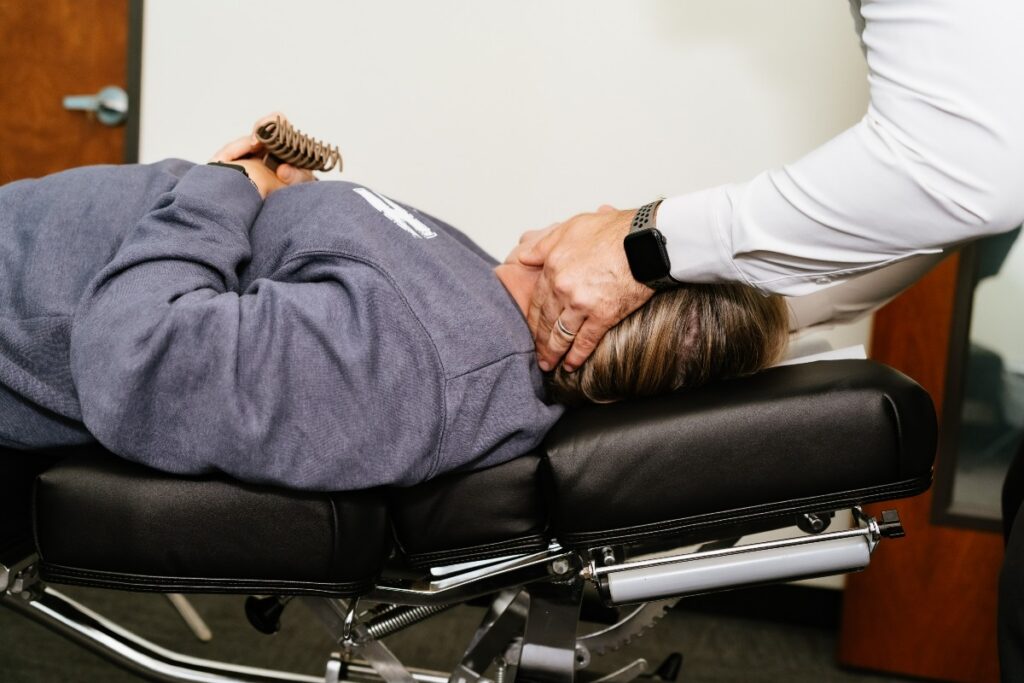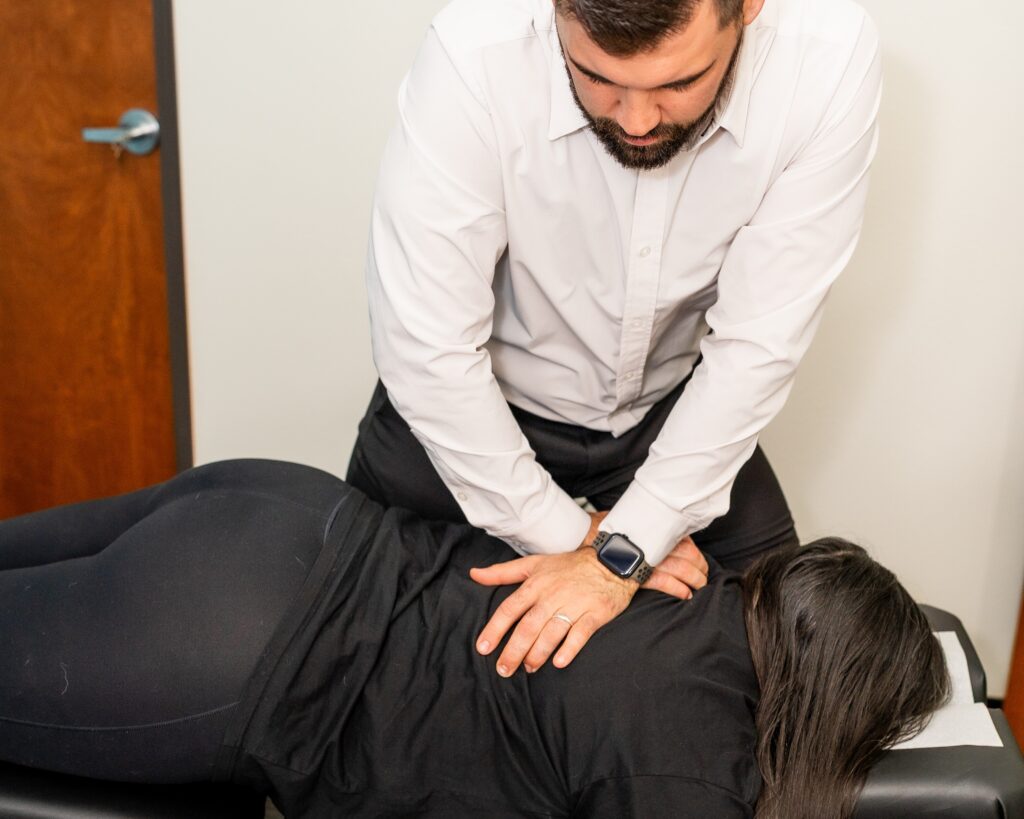

As a local chiropractor dedicated to helping you achieve optimal health, I want to emphasize the importance of exercise in preventing back pain. The right combination of strengthening, stretching, and low-impact activities is crucial for maintaining a healthy spine. Strengthening your core is vital, but let’s not overlook the significance of flexibility in your routine.
Have you ever thought about how your daily habits may affect your back health? It’s essential to recognize that the way we move and care for our bodies can make a significant difference in our overall well-being. I encourage you to explore exercises that not only support your spine but also help reduce discomfort over time. By incorporating these practices into your lifestyle, you can foster a healthier back and improve your quality of life. If you have any questions or need guidance on specific exercises, don’t hesitate to reach out!
Understanding the Causes of Back Pain
As a local chiropractor, I want to help you understand the various causes of back pain and how we can address them through natural healing methods. Many people experience discomfort due to poor posture, which can strain your muscles and ligaments over time.
It’s crucial to be mindful of how you sit, stand, and move, as improper lifting techniques can lead to injuries and acute pain that may persist longer than expected.
If you find yourself sitting for extended periods without the right support, you might notice stiffness and tension in your back. This is a common issue, and it’s important to incorporate breaks and stretches into your routine to alleviate this discomfort.
Moreover, certain medical conditions such as arthritis or herniated discs can contribute to chronic pain. Stress is another factor that can affect your back health. When we’re stressed, we often tense our muscles without realizing it, which can lead to further problems.
Additionally, a lack of flexibility and weakness in the surrounding muscles can intensify back issues. By recognizing these contributing factors, we can work together to develop a proactive plan to reduce your risk of back pain.
Chiropractic care focuses on aligning your spine and improving your overall well-being, empowering you to lead a more active lifestyle. Remember, awareness is the first step toward a healthier back, and I’m here to guide you on this journey to natural healing.
The Importance of Core Strength for Back Health
As a local chiropractor dedicated to your well-being, I want to emphasize the crucial role that core strength plays in maintaining a healthy back. Your core, which comprises your abdominal, back, and pelvic muscles, serves as your body’s stabilizer. When these muscles are strong, they provide essential support to your spine and help distribute weight evenly, significantly reducing strain on your back.
Incorporating core-strengthening exercises into your daily routine can dramatically lower your risk of experiencing back pain. Simple activities such as planks, bridges, and abdominal crunches are excellent ways to engage these muscles, promoting stability and balance.
A strong core not only enhances your posture but is also vital for maintaining back health during your everyday activities. Don’t overlook the importance of building a strong core; it truly is the foundation for all movement.
Stretching Exercises to Improve Flexibility
As a chiropractor, I often emphasize the importance of incorporating regular stretching exercises into your routine to enhance flexibility and prevent back pain. Stretching not only increases blood flow to your muscles but also improves your overall range of motion, which is crucial for maintaining a healthy spine.
I recommend starting with gentle stretches such as the cat-cow and child’s pose to warm up your spine effectively. Another beneficial stretch is the seated forward bend, which specifically targets your hamstrings and lower back, areas that can often become tight.
When you practice these stretches, aim to hold each position for about 15 to 30 seconds, and remember to breathe deeply. This deep breathing helps relax your muscles and allows for a more effective stretch.
Additionally, don’t overlook the value of side stretches and torso twists; they’re excellent for releasing tension in your back and promoting overall spinal health.
Consistency is essential. I encourage you to incorporate stretching into your routine at least three times a week. As you do this, pay close attention to how your body feels. If any stretch causes discomfort, it’s important to ease off and listen to your body’s signals.
Strengthening Exercises for the Back
As your local chiropractor, I want to emphasize the importance of strengthening your back for preventing pain and improving your overall posture. Incorporating specific exercises into your routine can significantly enhance your back’s muscle support and promote natural healing.
One effective exercise is the bird-dog. Begin on all fours, then extend one arm and the opposite leg while maintaining a stable core. Hold this position for a moment before switching sides. This movement not only engages your core but also helps stabilize your back, which is crucial for spinal health.
Another beneficial exercise is the superman. Lie face down on the floor and simultaneously lift your arms and legs off the ground. Hold this position for a few seconds before gently releasing. This exercise effectively targets your lower back and glutes, both of which play vital roles in supporting your spine.
Planks are also an excellent addition to your routine. Aim to hold a plank position for 30 seconds to a minute, ensuring that your body forms a straight line from head to heels. This exercise strengthens your core and back muscles, contributing to better posture.
Lastly, consider incorporating rows using resistance bands or weights. This exercise targets your upper back, helping to improve strength and alignment. Consistency in performing these exercises can greatly enhance your back strength and help prevent future pain.
Remember, a strong back is key to maintaining a healthy spine and overall well-being. If you have any questions or need guidance on how to perform these exercises safely, feel free to reach out during your next visit.
Your journey to optimal health starts with understanding and caring for your back!
Low-Impact Aerobic Activities for Spinal Health
As your local chiropractor, I want to emphasize the importance of low-impact aerobic activities in supporting your spinal health. Engaging in these exercises can significantly enhance your overall fitness while also lowering your chances of experiencing back pain.
Allow me to guide you through the benefits of these activities, some effective options to consider, and how frequently you should incorporate them into your routine for optimal results.
Low-impact aerobics are gentle on your joints and spine, making them an excellent choice for individuals of all fitness levels. By participating in these exercises regularly, you can improve flexibility, strengthen your core muscles, and promote better posture—all of which are vital for a healthy spine.
Some recommended low-impact activities include walking, swimming, cycling, and using an elliptical machine. These exercises not only improve cardiovascular health but also help alleviate tension in the back, contributing to overall spinal wellness.
To maximize the benefits, aim to engage in low-impact aerobic activities at least 150 minutes each week. This can be broken down into manageable sessions, making it easier to fit into your busy schedule.
Remember, consistency is key to maintaining your spinal health and preventing discomfort.
If you have any specific concerns or questions about how to safely incorporate these activities into your routine, please feel free to reach out. I’m here to help you achieve a healthier spine through natural healing and informed choices.
Benefits of Low-Impact Aerobics
As a local chiropractor, I want to share with you the incredible benefits of low-impact aerobics for your spine and overall health. If you’re dealing with back pain or simply want to support your spinal health, incorporating activities such as walking, swimming, or cycling into your routine can be a transformative choice.
These low-impact exercises strengthen your core muscles, which play a crucial role in supporting your spine, all while minimizing any unnecessary strain on your back. Improved cardiovascular fitness from these activities increases blood flow to the spine, which is essential for healing and reducing inflammation.
Moreover, maintaining a healthy weight is vital for spinal health, and low-impact aerobics can help you achieve that by burning calories without overexerting yourself. You’ll also notice improvements in your flexibility and balance, making everyday movements easier and more efficient.
Additionally, engaging in regular low-impact aerobic activities can work wonders for your mental well-being, helping to boost your mood and alleviate stress.
All of these factors contribute positively to your spinal health. So, I encourage you to lace up your sneakers and start moving for the sake of your back. Your spine will thank you!
Recommended Activities and Exercises
As a local chiropractor dedicated to your health and wellness, I want to highlight the importance of incorporating specific activities into your routine to enhance the benefits of low-impact aerobics, especially for your spine. Engaging in activities such as swimming, cycling, or walking can significantly promote cardiovascular fitness while minimizing strain on your back.
Swimming is particularly beneficial because the buoyancy of the water helps alleviate pressure on your spine and joints, providing a gentle workout that supports your body’s natural alignment.
Cycling, whether you choose a stationary bike or hit the trails outdoors, is excellent for strengthening your legs and core without the jarring impacts that can come from other forms of exercise.
Walking is an accessible and effective way to maintain mobility and flexibility, making it a great addition to your daily routine.
Additionally, I encourage you to explore classes like yoga or Pilates. These disciplines focus on core strength and flexibility, which are crucial for maintaining spinal health.
Not only do these activities support your back, but they also contribute to your overall physical well-being, making them excellent choices to integrate into your lifestyle.
Frequency and Duration Guidelines
As a local chiropractor, I want to emphasize the importance of maintaining optimal spinal health through regular physical activity. Ideally, you should aim for at least 150 minutes of moderate-intensity, low-impact aerobic activities each week. Activities like brisk walking, cycling, or swimming are excellent choices.
To effectively support your spine, it’s beneficial to spread these sessions throughout the week, targeting at least 30 minutes of activity on most days.
If you’re new to exercise, don’t worry! You can start with shorter segments of 10-15 minutes and gradually increase the duration as your fitness level improves. Consistency is vital; incorporating these activities into your daily routine can make a significant difference.
In addition to aerobic exercises, I encourage you to include strength and flexibility routines into your regimen. These exercises not only support your spine but also contribute to your overall well-being.
Proper Posture and Body Mechanics
As a local chiropractor, I want to emphasize the importance of maintaining proper posture and body mechanics to help prevent back pain.
It’s crucial to understand how your body works and how to care for it effectively. By being mindful of your posture while sitting, standing, and moving, you can significantly reduce your risk of discomfort and enhance your overall well-being.
Here are three essential tips to keep in mind:
- Sit correctly: Choose a chair that provides adequate support for your lower back. Make sure your feet are flat on the floor and avoid slumping, as this can lead to misalignments and pain.
- Stand tall: When standing, distribute your weight evenly across both feet. Keep your shoulders back and engage your core. This not only helps you maintain balance but also supports your spine.
- Lift properly: Always bend at your knees instead of your waist when lifting objects. Hold items close to your body and use your leg muscles to lift, rather than straining your back. This technique helps prevent injuries and promotes better spinal health.
By incorporating these practices into your daily routine, you can support your body and prevent issues before they arise.
Incorporating Balance and Stability Training
As a local chiropractor, I want to emphasize the importance of incorporating balance and stability training into your daily routine to prevent back pain. Many people aren’t aware that strengthening your core and improving your balance can significantly enhance your posture and overall spinal health.
Exercises that focus on core strength, dynamic balance movements, and even using a stability ball can be very beneficial. These techniques not only help in building a stronger back but also promote better alignment and support for your spine.
Core Strengthening Exercises
As a local chiropractor, I want to share with you the importance of strengthening your core—not only for building muscle but also for enhancing your balance and stability.
These are crucial elements in preventing back pain and maintaining overall spinal health. A strong core supports your spine, allowing you to maintain proper posture and reduce the strain you may feel during daily activities.
To help you effectively target your core while also improving your balance, I recommend incorporating the following exercises into your routine:
- Plank Variations: These exercises engage your entire core while promoting stability. Holding a plank position can be a fantastic way to strengthen those essential core muscles.
- Bird-Dogs: This exercise is excellent for promoting balance. By extending opposite arms and legs while keeping your core stable, you can improve coordination and strength.
- Side Leg Raises: When lying on your side, lifting one leg at a time strengthens your obliques and enhances hip stability, which is vital for your overall balance.
Incorporating these exercises into your weekly regimen can lead to noticeable improvements in your stability and back health.
Dynamic Balance Movements
As a local chiropractor, I want to share an important aspect of health that goes beyond simply standing still: dynamic balance movements. Many people don’t realize that balance plays a crucial role in our daily lives and can significantly affect our overall well-being, especially when it comes to preventing back pain.
Dynamic balance movements involve maintaining your equilibrium while in motion, which is essential for everyday activities. By engaging in exercises such as lunges, single-leg stands, or side shuffles, you can enhance your coordination and build strength.
These movements challenge your body in a way that static balance cannot, helping to stabilize the spine and reduce the risk of injury.
I encourage you to incorporate dynamic movements into your routine. Activities like yoga or tai chi are excellent choices, as they naturally promote balance and fluid motion.
As you develop your dynamic balance, you’ll find it easier to navigate uneven surfaces and perform daily tasks, ultimately alleviating strain on your back.
Stability Ball Benefits
As a local chiropractor dedicated to your well-being, I want to introduce you to the benefits of incorporating a stability ball into your exercise routine. This remarkable tool can significantly enhance your balance and stability training while promoting overall spinal health.
Here are three key benefits of using a stability ball that I believe can support your journey towards better health:
- Core Engagement: Utilizing a stability ball encourages the activation of your core muscles. This is essential for providing better support for your spine and improving your overall stability, which can help mitigate discomfort and promote better posture.
- Improved Balance: Regularly engaging with a stability ball challenges your balance in a fun and effective way. This enhanced balance not only benefits your workouts but also carries over into daily activities and sports, making you feel more stable and confident.
- Flexibility Enhancement: The unique, dynamic movements associated with stability ball exercises can lead to increased flexibility throughout your body. This is crucial for reducing the risk of strains and injuries, helping you to maintain a healthy and active lifestyle.
By integrating a stability ball into your routine, you can support your body’s natural healing processes and enhance your overall quality of life.
If you have any questions or need guidance on how to incorporate this tool effectively, feel free to reach out!
Tips for Maintaining a Consistent Exercise Routine
As a local chiropractor, I’m here to emphasize the importance of maintaining a consistent exercise routine not just for your overall health, but specifically for spinal health and natural healing.
First and foremost, it’s crucial to set realistic goals that align with your lifestyle. Take a moment to assess how much time you can realistically dedicate to physical activity each week. Whether that’s 15 minutes a day or an hour three times a week, it’s important to stick to what’s achievable for you.
Engaging in activities you genuinely enjoy is vital; this will make exercising feel less like a chore and more like a rewarding experience. Consider mixing up your workouts to keep things fresh—yoga, swimming, or strength training can’t only enhance your fitness level but also promote flexibility and strength that supports your spine.
I recommend scheduling your workouts as you’d any other important appointment. Consistency is key for maintaining a healthy spine, so aim to exercise at the same time each day. Tracking your progress can also be motivating; it helps you see how far you’ve come and encourages you to keep pushing forward.
Above all, listen to your body. If you’re feeling fatigued or experiencing pain, it’s essential to allow yourself time to rest and recover. A balanced approach to exercise is the best way to stay committed to your routine and prevent issues like back pain.
Conclusion
As your local chiropractor, I want to share some valuable insights on preventing back pain. It’s crucial to incorporate a mix of core-strengthening, stretching, and low-impact aerobic exercises into your daily routine. Understanding the underlying causes of back discomfort is key to prioritizing your spinal health. By enhancing your flexibility and stability, you can significantly improve your overall well-being.
Remember, maintaining proper posture is vital, as it greatly influences your spinal alignment and health. Additionally, don’t overlook the benefits of balance training; it plays a significant role in preventing injuries. Consistency is key—stick with your exercise routine, and you’ll not only safeguard your back but also lead a healthier, more active lifestyle. Trust me, your back will truly appreciate the care you provide!