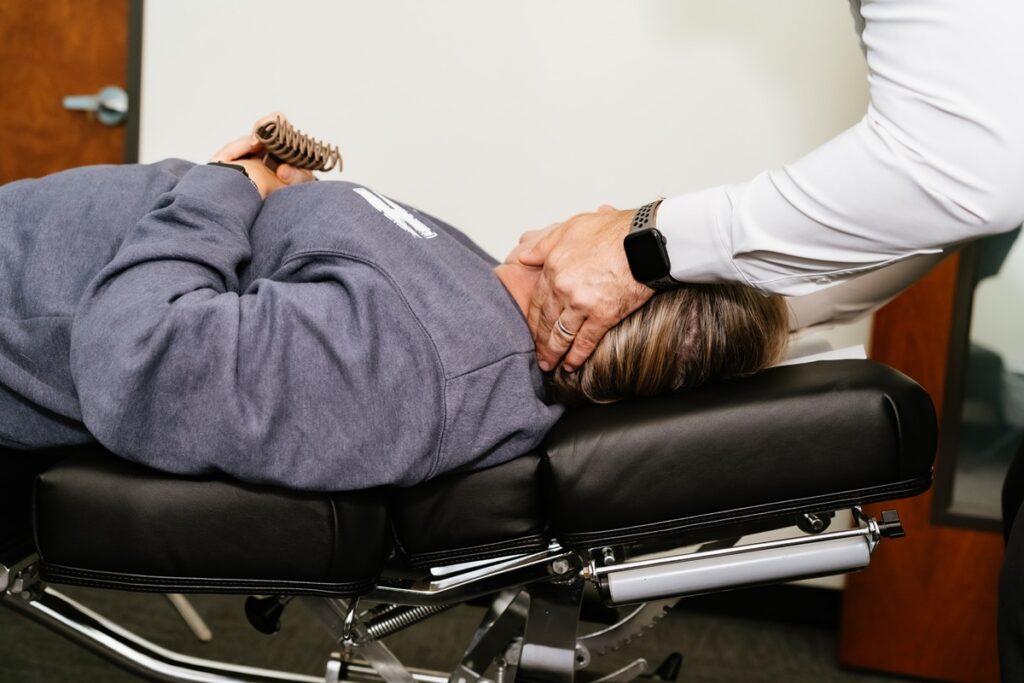
As a local chiropractor, I often see patients who are experiencing nagging discomfort in their upper back, and I want you to know that you're not alone in this struggle. Many individuals face similar challenges, often stemming from common activities such as sitting at a desk for long hours or lifting objects without proper technique. It's crucial to understand the underlying causes of your pain, as this knowledge can empower you to make effective changes.
In my practice, I've witnessed how simple adjustments in posture and targeted exercises can lead to significant relief. You might be surprised to learn that the solutions to your discomfort may be more accessible than you think. Chiropractic care focuses on holistic healing and can help unlock the secrets to your comfort.
Let's delve into some practical techniques that can transform your daily experience. From improving your workstation ergonomics to incorporating stretches and strengthening exercises, I'm here to guide you on your journey to a pain-free life. Remember, a few mindful changes can make a world of difference in alleviating your upper back pain.
Understanding Upper Back Pain
As a local chiropractor, I want to help you understand upper back pain and how it can affect your daily life. Many people experience discomfort in this area, and it's often due to a combination of factors such as poor posture, overuse, or even stress. It's essential to recognize how these elements contribute to your pain so we can find effective ways to relieve it.
If you find yourself spending long hours hunched over a desk or leaning forward to check your phone, this can put significant strain on your muscles and spine. Over time, this strain can lead to tension in your upper back, resulting in discomfort and pain.
Additionally, overuse from repetitive activities, like lifting heavy items incorrectly or performing the same physical tasks without taking breaks, can fatigue your muscles. This fatigue makes them more vulnerable to injury and discomfort. You might be surprised to learn that emotional stress can also have a physical impact, causing your muscles to tighten and intensifying upper back pain.
Being mindful of your daily habits is crucial. If you're not incorporating regular stretching or strengthening exercises into your routine, your muscles can weaken, which may prevent them from adequately supporting your spine.
Furthermore, evaluating the ergonomics of your workspace is key. Simple adjustments, such as changing your chair height, screen angle, or posture, can significantly improve your comfort.
By recognizing these factors, you can take proactive steps to alleviate your upper back pain. Small changes in your routine and lifestyle can lead to substantial improvements in your upper back health and overall well-being.
Understanding the underlying causes of your discomfort empowers you to take control and pursue effective relief through natural healing methods, including chiropractic care. Let's work together to create a personalized plan that addresses your unique needs and promotes your overall health.
Common Causes of Discomfort
As a local chiropractor, I want to share some insights that may surprise you about the habits that can lead to upper back pain.
Many of my patients often overlook the impact of poor posture, muscle strain, and a sedentary lifestyle on their overall well-being. These common factors can significantly contribute to your discomfort.
By understanding how these elements affect your body, you can take proactive steps to alleviate your pain.
Chiropractic care focuses on natural healing and can be a valuable resource in addressing these issues, helping you regain balance and improve your quality of life.
Poor Posture Habits
As a local Chiropractor, I often see patients who are struggling with upper back pain, and I want to shed light on a common culprit: poor posture habits.
In our modern, sedentary lifestyles, many individuals find themselves sitting for extended periods—often at a desk—leading to slouching or hunching over devices. This misalignment can place significant strain on your spine and the surrounding muscles, which may lead to discomfort that you mightn't even be aware of.
If you frequently catch yourself leaning forward or rounding your shoulders, these habits can intensify your upper back pain. Additionally, using your phone or laptop without the proper ergonomic support can make matters worse. It's essential to remain aware of your posture throughout the day.
I encourage you to make a conscious effort to sit up straight, keeping your shoulders back and your head aligned with your spine. Taking regular breaks to stretch can work wonders in alleviating the tension that builds up from poor posture.
By addressing these habits, you can significantly reduce your risk of developing upper back pain and enhance your overall comfort.
Remember, small adjustments can lead to substantial improvements in your posture and well-being. As your Chiropractor, I'm here to help guide you on this journey toward better posture and natural healing.
Let's work together to make positive changes that benefit your health!
Muscle Strain Factors
As a local chiropractor, I want to help you understand one of the most common issues that can lead to upper back discomfort: muscle strain. This often arises from overexertion or repetitive movements, which many of us experience in our daily lives. You may notice this discomfort after lifting heavy objects, participating in strenuous activities, or even after spending long hours typing at your desk.
These common actions can cause your muscles to stretch beyond their limits, resulting in inflammation and soreness.
An important factor to consider is the technique you're using during physical activities. If you're not maintaining proper form while exercising or performing manual tasks, you're significantly increasing your risk of injury.
Even seemingly simple daily activities, such as gardening or shoveling snow, can lead to muscle strains if you push yourself too hard without adequate warm-ups or breaks.
Additionally, sudden movements or awkward postures can catch your muscles by surprise, leading to pulls or tears. You might feel this discomfort as a sharp pain or a dull ache, which can limit your range of motion and make everyday tasks more challenging.
To help prevent muscle strain and the associated discomfort, it's essential to listen to your body. Take regular breaks, and ensure you're employing proper techniques in all your activities.
By doing so, you can significantly reduce your chances of experiencing upper back pain. Remember, chiropractic care can also provide natural healing options to help you recover and maintain a healthy spine.
Let's work together to keep you feeling your best!
Sedentary Lifestyle Impact
As a local chiropractor, I often see patients who are struggling with discomfort in their upper back, largely due to our modern sedentary lifestyles. Many of us spend extended hours sitting at desks or lounging on couches, which can have a significant negative impact on our upper back health. This lifestyle can lead to muscle tension, poor posture, and stiffness, often resulting in the discomfort you may be experiencing.
Here are some key contributors to that discomfort related to a sedentary lifestyle:
- Poor Posture: Slouching or leaning forward while sitting can put undue strain on your upper back muscles, leading to pain.
- Weak Core Muscles: If your core isn't strong, it can create imbalances that negatively affect your back.
- Prolonged Sitting: Sitting for long periods can restrict blood flow to your muscles and joints, which often results in stiffness.
To effectively relieve upper back pain, it's essential to integrate regular movement into your daily routine. Make it a habit to stand up, stretch, or take short walks every hour.
Setting reminders to change your position or engage in light exercises can be very beneficial. Additionally, investing in an ergonomic chair or desk setup can help support better posture while you work.
By addressing these lifestyle factors, you can't only prevent discomfort but also promote a healthier back. Remember, even small adjustments can lead to significant improvements in your overall upper back health!
If you have further questions or need personalized advice, don't hesitate to reach out to our office. We're here to help you on your journey to wellness through chiropractic care and natural healing.
Importance of Good Posture
As your local chiropractor, I want to emphasize the crucial role that good posture plays in relieving upper back pain. When you practice proper alignment while sitting, standing, or moving, you significantly reduce the strain on your muscles and spine. This not only helps to alleviate discomfort but also supports your overall health and well-being.
On the other hand, poor posture can lead to increased tension in your back, shoulders, and neck, which may result in chronic pain that interferes with your daily activities.
You may not be aware, but your posture greatly influences your body's biomechanics. Slouching or leaning forward places unnecessary pressure on your upper back, leading to muscle imbalances where some muscles become overworked while others weaken.
By consciously correcting your posture, you can achieve a neutral spine position, enabling your muscles to function more efficiently and decreasing the risk of pain.
To cultivate good posture, start by being mindful of your body's alignment. When you're seated, ensure your feet are flat on the floor, your back is straight, and your shoulders are relaxed.
If you're standing, distribute your weight evenly on both feet, aligning your ears, shoulders, and hips.
Effective Stretching Techniques
As a local chiropractor, I want to emphasize the importance of good posture as the foundation for a healthier back. However, to truly enhance your upper back relief, incorporating effective stretching techniques into your routine can be extremely beneficial.
Stretching not only improves flexibility but also helps to alleviate muscle tension and boost circulation. By regularly practicing these stretches, you can significantly reduce discomfort and support your overall well-being.
Here are three effective stretching techniques that I encourage you to try:
- Cat-Cow Stretch: This dynamic stretch is excellent for mobilizing the spine and relieving tension in the upper back. Begin on all fours, arch your back upwards like a cat (this is the "cat" position), then gently dip your back down while lifting your head and tailbone (the "cow" position). Repeat this sequence several times to enhance spinal flexibility.
- Child's Pose: This gentle stretch offers a wonderful way to relax and elongate your spine. Kneel on the floor, then sit back on your heels, stretching your arms forward on the ground. Hold this position for about 30 seconds while focusing on deep, calming breaths. This can help release tension in your back and promote relaxation.
- Doorway Stretch: To open up your chest and stretch your upper back, find a sturdy doorway. Stand in the doorway and place your arms at a 90-degree angle against the frame. Lean slightly forward until you feel a gentle stretch in your chest and shoulders. Hold this position for 15-30 seconds for optimal benefits.
Incorporating these stretching techniques into your daily routine can dramatically improve your upper back relief. It's important to listen to your body and ease into each stretch—you should never push yourself into discomfort.
Consistency is key; dedicating just a few minutes each day to stretching can yield noticeable benefits in your overall back health. If you have any questions or need assistance in integrating these stretches, feel free to reach out to me for guidance.
Strengthening Upper Back Muscles
As a local chiropractor, I want to emphasize the importance of strengthening your upper back muscles for both pain prevention and improved posture. When the muscles in your upper back, such as the trapezius and rhomboids, are strong, they provide essential support to your spine and help keep your shoulders aligned. This alignment not only minimizes your risk of discomfort but also enhances your overall physical performance.
To effectively build strength in these muscles, I recommend incorporating some specific exercises into your routine. For example, rows are a fantastic way to engage your upper back. You can use a set of dumbbells or a resistance band for this exercise. Begin by bending slightly at your hips while maintaining a straight back, and pull the weights toward your torso. Make sure to focus on squeezing your shoulder blades together as you lift. Aim for three sets of 10-15 repetitions to build strength.
Another excellent exercise to consider is the reverse fly. Stand with your feet shoulder-width apart and hinge at your hips while holding dumbbells. With a slight bend in your elbows, lift the weights out to your sides until your arms are parallel to the ground. Remember to squeeze your shoulder blades together during this movement as well, and aim for three sets of 10-15 repetitions.
If you have access to a gym, lat pulldowns are also a great option. Using a cable machine, grip the bar with a wide hold and pull it down to your chest while engaging your upper back muscles. This exercise can be performed for three sets of 10-12 repetitions.
Consistency is vital when it comes to strengthening your upper back. I encourage you to incorporate these exercises into your weekly routine, aiming for at least two to three sessions. By focusing on strengthening these muscles, you can alleviate pain and support your long-term wellness.
Ergonomic Workspace Setup
As a local chiropractor, I often emphasize the importance of an ergonomic workspace and how it can significantly enhance your daily comfort and productivity.
When your workspace is thoughtfully designed with ergonomics in mind, you're not only taking steps to protect your physical health, but you're also setting the stage for improved efficiency in your daily tasks. An ergonomic setup encourages a neutral posture, which can help alleviate strain on your upper back and promote better focus throughout your day.
Here are some essential elements to consider for creating an ergonomic workspace:
- Chair Height: It's crucial that your chair provides adequate support for your lower back. Make sure it's adjusted so that your feet can rest flat on the floor, and your knees form a 90-degree angle. This simple adjustment can significantly reduce discomfort and prevent long-term issues.
- Monitor Position: Position your monitor at eye level, approximately an arm's length away. This arrangement helps to prevent neck strain and allows your upper back to stay relaxed, which is vital for maintaining a healthy posture during long hours of work.
- Keyboard and Mouse Placement: Your keyboard and mouse should be placed close enough that your elbows remain at your sides, allowing your wrists to stay straight. This positioning not only enhances comfort but also reduces the risk of repetitive strain injuries.
By incorporating these ergonomic principles into your workspace, you can support your body's natural alignment and function, paving the way for a healthier and more productive day.
Role of Stress Management
As a local chiropractor, I want to help you understand the connection between stress and physical discomfort, particularly upper back pain.
Stress can lead to muscle tension, which often manifests as pain in the upper back area. One effective way to manage this stress and alleviate discomfort is through mindfulness techniques and breathing exercises.
Incorporating these strategies into your daily routine not only promotes relaxation but also helps release the tension that builds in your muscles. By learning to focus on your breath and being present in the moment, you can significantly reduce stress levels and, in turn, help relieve that nagging pain.
Let's dive deeper into how these natural healing methods can benefit you and support your overall well-being.
Taking a proactive approach to managing stress is essential for a healthier, pain-free lifestyle.
Stress and Muscle Tension
As a local chiropractor, I often see patients who are unaware of how stress can significantly affect their bodies, particularly when it comes to muscle tension in the upper back.
Many people don't realize that when you experience stress, your body naturally responds by tightening your muscles. This can lead to discomfort and pain, creating a cycle where pain increases stress, which then exacerbates muscle tension.
To help you manage stress and relieve upper back pain, I recommend the following strategies:
– Regular Exercise: Engaging in regular physical activity is crucial. It not only helps your body release endorphins—natural chemicals that help combat stress—but also promotes muscle relaxation.
Even simple activities like walking or stretching can make a big difference.
- Deep Breathing Techniques: Taking a few moments each day to focus on your breath can have a profound effect on your stress levels. Deep breathing encourages relaxation and can help ease tension throughout your body, including the upper back.
- Adequate Sleep: Never underestimate the power of a good night's sleep! Prioritizing restful sleep is essential for your body's recovery and can significantly reduce overall stress.
This, in turn, helps to lessen muscle tension.
By incorporating these strategies into your daily routine, you can better manage stress and improve your overall well-being.
If you're experiencing persistent pain or tension, don't hesitate to reach out for a chiropractic consultation. Together, we can explore natural healing options tailored to your needs.
Mindfulness Techniques Benefits
As a local chiropractor, I want to share with you the incredible benefits of incorporating mindfulness techniques into your daily routine, especially when it comes to managing stress and promoting a healthier back. By focusing on the present moment, you can significantly reduce the anxiety and tension that often contribute to upper back pain.
Mindfulness encourages you to observe your thoughts and feelings without judgment. This practice can help you identify stress triggers and respond to them more effectively, which is crucial for maintaining not only your mental well-being but also your physical health.
When you practice mindfulness, you cultivate a deeper awareness of your body, allowing you to recognize areas of tension. This awareness is key in identifying when you need to take breaks or adjust your posture—habits that can often lead to discomfort if ignored.
Regular mindfulness practice can also enhance your emotional resilience, making it easier to navigate stressful situations without letting them affect your body negatively.
In addition, techniques such as meditation or mindful walking can promote relaxation, which is essential in reducing the muscle tension that often accompanies stress. When you learn to quiet your mind, you may find it easier to let go of worries that contribute to physical discomfort, ultimately supporting your overall health.
The great news is that incorporating these mindfulness practices into your life doesn't require a significant time commitment. Even dedicating just a few minutes each day can lead to noticeable improvements in your stress levels and overall well-being.
This, in turn, paves the way for a healthier, pain-free back, which is a fundamental goal of chiropractic care. So, I encourage you to explore mindfulness techniques as a complementary approach to your chiropractic treatment for better health outcomes.
Breathing Exercises for Relief
As a local chiropractor, I want to highlight how mindfulness can significantly impact your physical health, particularly when it comes to managing discomfort like upper back pain. One effective technique that I often recommend to my patients is breathing exercises. Focusing on your breath can be a powerful way to alleviate stress and tension, which often contribute to pain in the upper back.
Here are some benefits you can gain by incorporating breathing exercises into your routine:
- Reduces muscle tension: Engaging in deep, controlled breathing can relax the tight muscles in your back, helping to ease discomfort.
- Improves posture: Practicing breathing exercises increases your awareness of body alignment, which is crucial for maintaining good posture and preventing pain.
- Enhances relaxation: By calming your breath, you activate your body's natural relaxation response, reducing stress levels overall.
To get started, find a comfortable position where you can sit or lie down, and gently close your eyes. Take a deep breath in through your nose, allowing your abdomen to rise, and then exhale slowly through your mouth.
It's important to find a rhythm that feels comfortable for you—repeat this process for several minutes. Many of my patients report an immediate sense of calm after just a few breaths, which can help alleviate pain.
By integrating these breathing exercises into your daily routine, you can find relief from upper back discomfort and cultivate a more mindful approach to managing stress.
Alternative Therapies to Consider
As a local chiropractor, I want to share how exploring alternative therapies can make a significant difference in alleviating your upper back pain. These approaches can complement traditional treatments and potentially lead to substantial relief.
One of the most effective options is chiropractic care. My practice focuses on hands-on adjustments to align your spine and enhance mobility. Many cases of upper back pain are due to misalignments or tension in the muscles and joints, and chiropractic adjustments can address these issues directly.
It's essential to choose a chiropractor who understands your specific needs and can tailor their approach to you.
Acupuncture is another therapy worth considering. This ancient practice involves inserting thin needles into specific points on your body to stimulate healing and reduce pain. Many of my patients find acupuncture to be surprisingly relaxing and an excellent complement to chiropractic adjustments.
Massage therapy is also beneficial in managing upper back pain. Regular massages can alleviate muscle tension and improve circulation, which may help ease your discomfort.
There are various techniques available, such as deep tissue, Swedish, or trigger point massage, and finding the right one for you can lead to noticeable improvements.
Incorporating practices like yoga and Pilates can further strengthen and stretch your upper back. Both focus on posture and body awareness, which can help you avoid future pain. Additionally, they promote relaxation, reducing the stress that can contribute to muscle tension.
Lastly, consider adding herbal remedies and supplements to your regimen. Natural options like turmeric, ginger, and omega-3 fatty acids have anti-inflammatory properties that could help reduce pain and stiffness.
While these alternative therapies can be effective, it's essential to approach them with realistic expectations. I encourage you to experiment and find what works best for you, and remember that consistency is key to achieving lasting relief.
If you have any questions or would like to learn more about your options, feel free to reach out; I'm here to help you on your journey to better health.
When to Seek Professional Help
As a local chiropractor, I want to emphasize how crucial it's to recognize when to seek professional help for upper back pain. Your body communicates important signals, and understanding them can greatly influence your recovery. Ignoring persistent pain may lead to more severe issues, making it essential to be proactive about your health.
Here are key indicators that it's time to consult with a chiropractor:
- Pain lasting longer than a week: If your upper back pain persists beyond a few days despite self-care measures, it's a clear sign that you should seek professional evaluation.
- Numbness or tingling: Symptoms such as numbness, tingling, or weakness in your arms or legs could suggest nerve involvement, which is something that requires immediate attention from a healthcare professional.
- Pain following an injury: If your discomfort arises after a fall or any other injury, it's vital to get a chiropractic assessment to rule out fractures or more serious conditions.
A qualified chiropractor can thoroughly evaluate your symptoms, identify the root cause of your pain, and develop a personalized treatment plan. This may include spinal adjustments, exercises, or other natural healing methods tailored to your specific needs.
Long-Term Prevention Strategies
As a local chiropractor, I want to share some valuable insights on how to prevent upper back pain effectively. It's essential to adopt long-term prevention strategies that can significantly enhance your well-being.
One of the first steps is to create an ergonomic workstation. This means setting up your chair, desk, and computer in a way that supports your spine and promotes good posture.
In addition to your workspace setup, incorporating a regular exercise routine tailored to your needs can be incredibly beneficial. Activities that strengthen your back and improve flexibility can help protect against pain and discomfort.
By making these simple yet impactful adjustments, you not only safeguard your back but also enhance your overall health.
Ergonomic Workstation Setup
As a local chiropractor, I often see patients who experience discomfort from prolonged hours spent at their desks.
It's essential to establish an ergonomic workstation that not only supports your body but also helps prevent upper back pain. A well-organized workspace can lead to enhanced comfort and improved productivity.
Here are some important factors to consider:
- Chair Height: Make sure to adjust your chair so that your feet are flat on the floor, with your knees forming a 90-degree angle. This position helps maintain proper spinal alignment.
- Monitor Position: Your monitor should be positioned at eye level and approximately an arm's length away. This setup minimizes strain on your neck and upper back, promoting a healthier posture throughout your workday.
- Keyboard and Mouse: It's important to keep your keyboard and mouse close enough that your elbows remain at your sides and your wrists stay straight. This alignment reduces the risk of repetitive strain injuries and encourages a more natural posture.
By making these adjustments, you can create a workspace that supports your physical health and reduces discomfort.
Regular Exercise Routine
As your local chiropractor, I want to emphasize the importance of incorporating a regular exercise routine into your daily life. This practice can significantly help reduce the risk of upper back pain over time. Engaging in physical activity not only strengthens the muscles that support your spine but also enhances your posture and flexibility, which are crucial for overall spinal health.
I recommend a balanced approach that includes cardiovascular exercises, strength training, and stretching to keep your upper body well-conditioned. Focus on exercises that specifically target your upper back, shoulders, and core. Activities such as rows, pull-ups, and resistance band workouts are excellent for building strength in these key areas.
Additionally, don't underestimate the power of stretching; incorporating yoga and Pilates into your routine can greatly improve flexibility and alleviate tension.
Aim for at least 150 minutes of moderate aerobic activity each week, alongside strength training at least twice a week. Consistency is vital for seeing results, so I encourage you to set specific days and times for your workouts to establish a routine.
Listen to your body as you embark on this journey. It's important to adjust the intensity of your workouts according to your comfort level. If you're new to exercising, start slowly and gradually increase your intensity and duration.
Conclusion
As a local chiropractor, I want to share some essential insights for alleviating upper back pain, especially if you're new to chiropractic care and natural healing. It's crucial to take an active role in your health. Start by focusing on maintaining good posture throughout your daily activities—this can significantly reduce strain on your back.
Incorporating both stretching and strengthening exercises into your routine is also vital. These movements can help improve flexibility and support the muscles that keep your spine aligned. Additionally, don't overlook the importance of managing stress; it can contribute to muscle tension and exacerbate pain.
Exploring alternative therapies, such as chiropractic adjustments, can also provide significant relief by addressing misalignments in your spine and promoting overall wellness. Remember, if your pain persists or worsens, seeking professional help is key. Your well-being is my priority, and together, we can uncover the secrets to a healthier, pain-free upper back.