
Back pain is one of the most common reasons people visit a healthcare provider — and unfortunately, it’s also one of the most misunderstood. If you’ve been dealing with persistent back pain in the San Antonio area, you may have already heard someone suggest surgery as a solution. Maybe a friend had a procedure done, or perhaps a specialist mentioned it as an option during a consultation. It’s easy to feel overwhelmed, anxious, or confused about what that actually means for you. The good news? Surgery is far less often necessary than many people believe, and understanding when it’s truly warranted — versus when conservative care can do the job — can save you from an unnecessary procedure.
What Is Back Surgery, and When Is It Actually Necessary?
Back surgery refers to a range of surgical procedures performed on the spine to address structural problems causing significant pain, neurological symptoms, or loss of function. While surgery can be genuinely life-changing for a small subset of patients, the overwhelming consensus in the medical and chiropractic communities is that most back pain resolves — or significantly improves — with non-surgical, conservative care. Surgery should generally be considered only after conservative treatments have been thoroughly explored.
How Common Is Back Pain in San Antonio?
Back pain doesn’t discriminate. It affects people of all ages, fitness levels, and occupations. Here in the San Antonio community, our team at Castle Hills Chiropractic sees patients from all walks of life — from office workers who sit at desks all day, to construction workers whose jobs demand heavy lifting, to active retirees who are dealing with decades of wear and tear on their spine.
Globally, back pain is one of the leading causes of disability, according to the World Health Organization. In the United States, it’s one of the most common reasons people miss work and seek medical attention. Despite how prevalent it is, back pain is frequently mismanaged — either undertreated with nothing but rest, or overtreated with aggressive interventions that carry significant risk.
Understanding your pain — where it’s coming from, what’s driving it, and what your real options are — is the first and most important step toward recovery. That’s something Dr. Brent Johnson and the team at Castle Hills Chiropractic in Castle Hills, TX are deeply committed to helping San Antonio patients navigate.
Why Surgery Isn’t Always the Answer
It might seem logical that if something is wrong with your spine, fixing it surgically would solve the problem. But the spine is incredibly complex, and pain doesn’t always have a simple structural cause that a surgeon can “fix.” In fact, research published in well-respected journals like the Spine Journal has consistently found that many people walking around with what appears to be significant spinal abnormalities on imaging — like disc bulges or degenerative changes — experience little to no pain at all. Meanwhile, others with relatively modest imaging findings can have debilitating pain.
This tells us something important: a structural finding on an MRI or X-ray doesn’t automatically equal a surgical problem. Pain is influenced by inflammation, muscle imbalances, nervous system sensitivity, posture, lifestyle habits, stress, and much more. Addressing those underlying contributors is often far more effective — and far safer — than jumping to a surgical solution.
The American College of Physicians (ACP) actually recommends that patients with acute and chronic low back pain first try non-pharmacologic, non-surgical treatments before escalating to more invasive options. That includes chiropractic care, physical rehabilitation, exercise, and other conservative approaches. This is well-established guidance that many San Antonio patients simply haven’t been told about.
Types of Back Surgery You Might Hear About
If surgery has been mentioned to you, it helps to understand what’s actually being proposed. There are several types of spinal surgeries, each designed to address different structural problems.
Discectomy involves removing part of a herniated disc that is pressing on a nerve. It’s one of the more common spinal surgeries and may be appropriate when nerve compression causes severe, unrelenting leg pain (sciatica) that hasn’t improved with conservative care.
Spinal Fusion is a procedure that permanently joins two or more vertebrae together to eliminate motion between them. It’s typically performed for conditions like degenerative disc disease, spondylolisthesis, or spinal instability. Recovery is lengthy, and outcomes can vary considerably depending on the individual and the underlying condition.
Laminectomy involves removing part of the bone (the lamina) that forms the back of the spinal canal. This is often done to relieve pressure on spinal nerves caused by spinal stenosis — a narrowing of the spinal canal that can cause pain, numbness, or weakness in the legs.
Artificial Disc Replacement is a newer alternative to fusion in some cases, where a damaged disc is replaced with an artificial one. It’s less commonly performed and is typically reserved for specific candidates.
Each of these comes with real risks — infection, nerve damage, failed surgery syndrome, and prolonged recovery — which is exactly why exploring every conservative option first makes so much sense.
True Surgical Indicators: When an Operation May Be Warranted
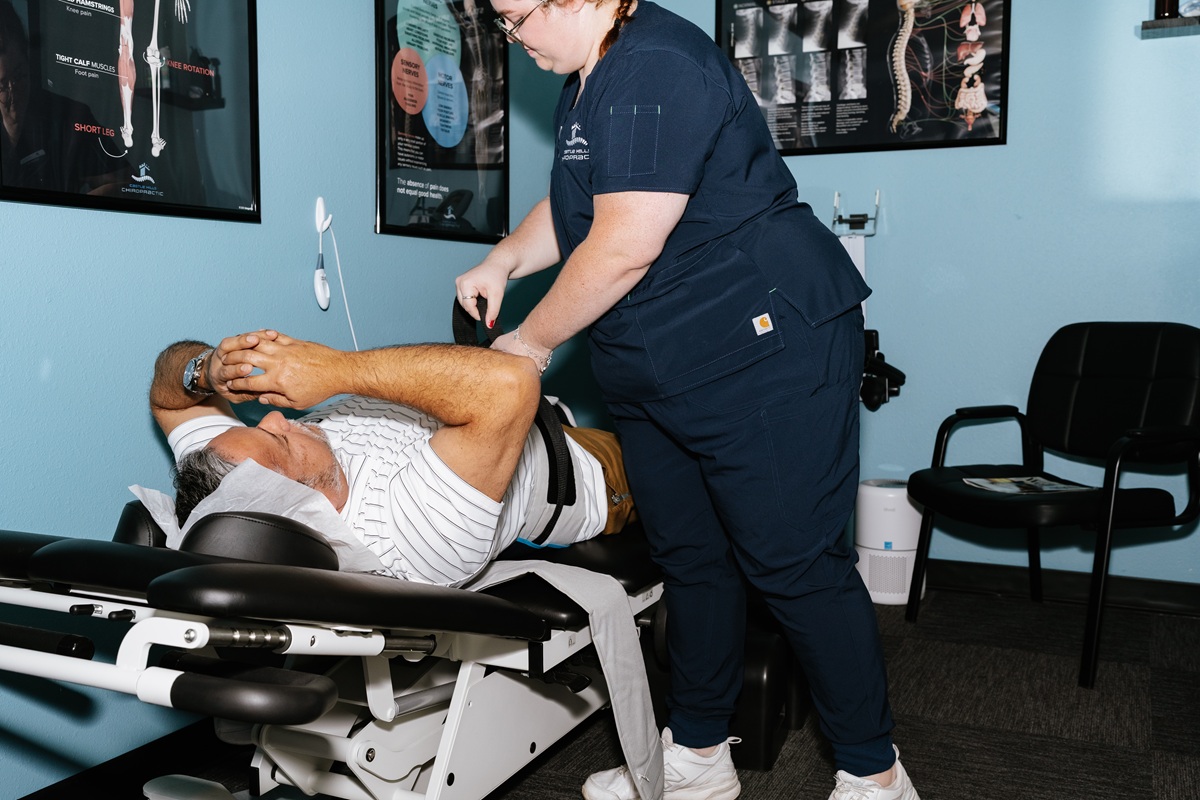
To be absolutely clear: surgery does have its place. There are situations where delaying or avoiding surgery could genuinely harm a patient. Dr. Brent Johnson always emphasizes this with patients at Castle Hills Chiropractic — the goal is never to avoid surgery at all costs, but to make sure it’s truly the right call before pursuing it.
Here are the most well-recognized indicators that surgery deserves serious consideration:
Cauda Equina Syndrome is a medical emergency. It occurs when a large disc herniation compresses the nerve roots at the base of the spine, causing loss of bladder or bowel control, numbness in the groin or inner thighs, and progressive leg weakness. This requires immediate surgical intervention. If you experience these symptoms, go to an emergency room right away — do not wait for a chiropractic or medical appointment.
Progressive Neurological Deficits are another red flag. If you’re experiencing worsening weakness, numbness, or loss of coordination in your legs or arms — and it’s getting worse rather than better — that warrants urgent specialist evaluation and potentially surgical intervention to prevent permanent nerve damage.
Severe Structural Instability following trauma (like a car accident or fall), or in cases of significant spinal deformity, may require surgical stabilization when conservative care cannot safely manage the problem.
Failure of Comprehensive Conservative Care is often cited as a threshold. If a patient has genuinely committed to several months of evidence-based conservative care — including chiropractic adjustments, physical rehabilitation, and lifestyle modifications — and is still experiencing debilitating, function-limiting pain with a clearly identified structural cause, surgical consultation becomes a reasonable next step.
How Chiropractic Care Fits Into Back Pain Treatment
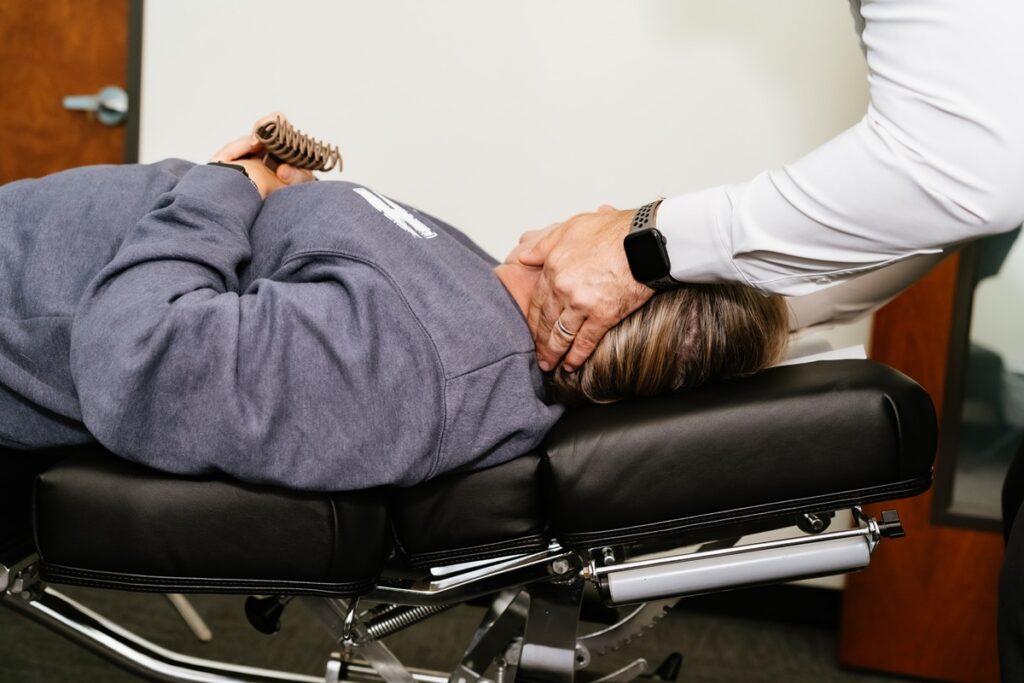
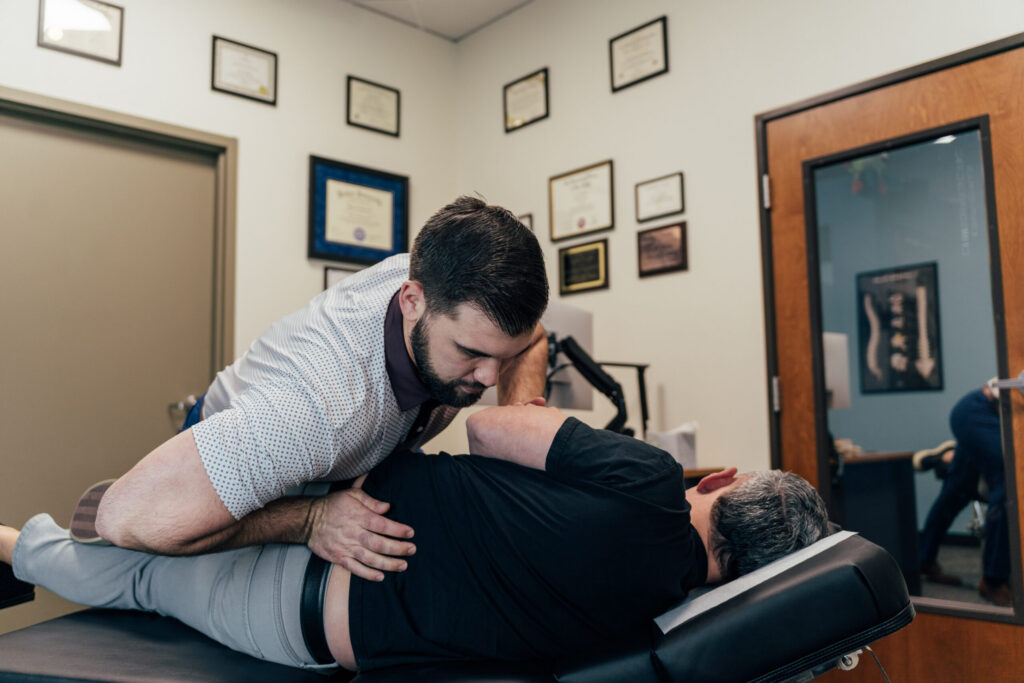
For the vast majority of San Antonio back pain patients, chiropractic care is a highly appropriate and effective first-line approach. It’s non-invasive, drug-free, and focused on identifying and addressing the root mechanical causes of your pain rather than masking symptoms.
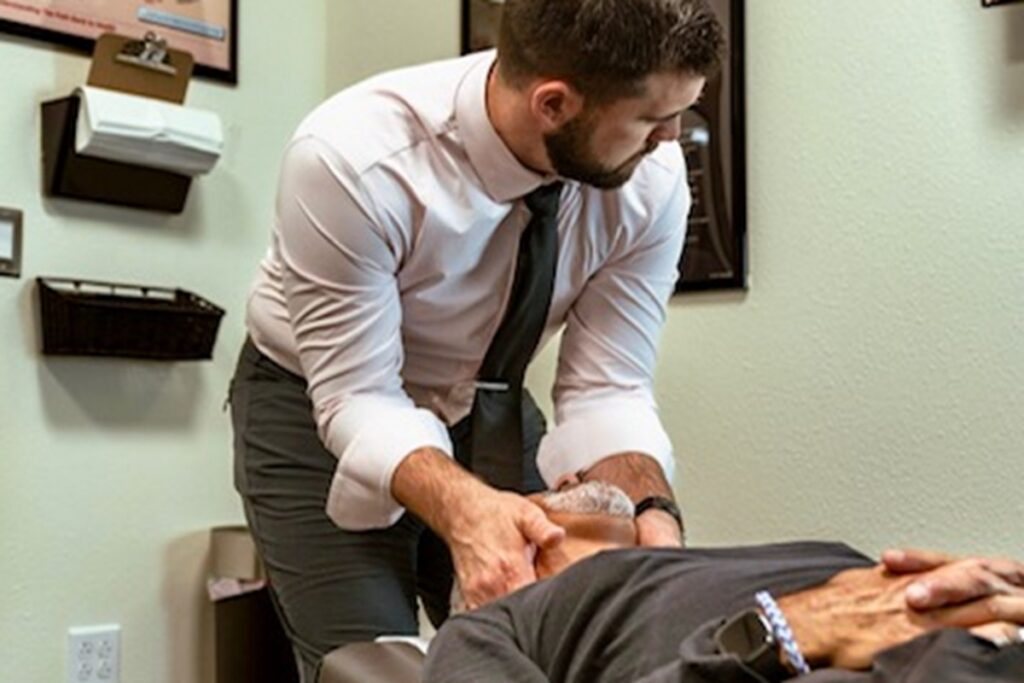
At Castle Hills Chiropractic, Dr. Brent Johnson takes a thorough, individualized approach to every patient. That means a comprehensive evaluation of your spine, posture, movement patterns, and history — not just a quick look at where it hurts. From there, a personalized care plan is developed that may include spinal adjustments, soft tissue work, corrective exercises, and lifestyle guidance.
Chiropractic spinal adjustments work by restoring proper movement and alignment to joints that have become restricted or misaligned. When joints don’t move the way they’re designed to, surrounding muscles compensate, nerves can become irritated, and the local tissue environment becomes inflamed. Restoring that motion can have a meaningful impact on pain and function — and evidence from organizations like the National Center for Complementary and Integrative Health (NCCIH) suggests that spinal manipulation is a beneficial option for many types of back pain.
Chiropractic care can also be a valuable part of post-surgical recovery, helping patients regain mobility and function — but the goal at Castle Hills Chiropractic is always to help San Antonio patients avoid getting to that point in the first place when surgery isn’t truly necessary.
Practical Tips for Managing Back Pain Without Surgery
Whether you’re in the early stages of back pain or dealing with a recurring issue, there are meaningful steps you can take right now to support your recovery and reduce the likelihood that your condition will escalate.
Keep moving. One of the most outdated pieces of advice for back pain is complete bed rest. Current evidence strongly supports staying gently active. Walking, light stretching, and low-impact movement help maintain circulation, reduce stiffness, and support tissue healing. Of course, this should be done within your comfort zone and guided by a professional if you’re unsure what’s appropriate for your specific condition.
Pay attention to your ergonomics. If you work at a desk in the San Antonio area — whether at home or in an office — how you sit matters more than you might think. Your monitor should be at eye level, your lower back should be supported, and your feet should rest flat on the floor. Taking short movement breaks every 30–45 minutes can do wonders for reducing spinal stress throughout the day.
Strengthen your core consistently. The muscles of the abdomen and low back work together to support the spine. When they’re weak or imbalanced, the spine takes on more stress than it should. Gentle, consistent core strengthening — under the guidance of a qualified professional — is one of the most effective long-term strategies for back pain management.
Manage stress actively. This often surprises people, but stress has a real, measurable impact on back pain. Chronic stress increases muscle tension, heightens nervous system sensitivity, and contributes to inflammation. Incorporating stress management practices — like diaphragmatic breathing, gentle yoga, or mindfulness — can genuinely help reduce pain perception.
When to See a Chiropractor First
If you’re dealing with back pain in San Antonio and you haven’t experienced any of the surgical red flags mentioned above, scheduling an evaluation with a chiropractor is a smart, low-risk first step. You don’t need a referral in Texas, and getting a proper assessment early can help you understand what’s actually going on — and get you on the right path before the problem becomes more entrenched.
Consider reaching out to a chiropractor sooner rather than later if your pain has lasted more than a week or two without improving, if it’s affecting your sleep or daily activities, if you’re noticing pain traveling down your leg or arm, or if you’ve had recurring episodes of back pain that keep coming back. The sooner you address the root cause, the better your outcome is likely to be.
However, there are certain symptoms that require immediate medical attention rather than a chiropractic visit. If you experience loss of bladder or bowel control, sudden severe weakness in your legs, pain following significant trauma, or symptoms of a serious systemic illness (like unexplained weight loss or fever alongside back pain), please seek emergency or urgent medical care right away. Dr. Brent Johnson and the team at Castle Hills Chiropractic will always refer patients to the appropriate provider when a situation calls for it — patient safety is always the top priority.
|
Situation |
Recommended First Step |
Notes |
|---|---|---|
|
Mild to moderate back pain lasting less than 6 weeks |
Chiropractic evaluation |
Most cases resolve with conservative care; imaging often not needed initially |
|
Back pain with radiating leg pain (sciatica) |
Chiropractic evaluation |
Chiropractic care may provide significant relief; monitor neurological signs |
|
Back pain with slowly progressing weakness or numbness |
Medical evaluation + imaging |
May require specialist co-management; chiropractic can often complement care |
|
Back pain after conservative care for 6+ weeks without improvement |
Specialist consultation |
Surgical evaluation may be appropriate depending on imaging and diagnosis |
|
Cauda equina symptoms (bowel/bladder loss, saddle numbness) |
Emergency room immediately |
This is a surgical emergency — do not delay |
|
Back pain following major trauma |
Emergency or urgent care |
Rule out fracture or instability before any manual treatment |
Myths vs. Facts About Back Surgery and Back Pain
Myth: “If my MRI shows a disc herniation, I need surgery.”
Fact: Disc herniations are incredibly common and frequently cause no pain at all. Many people with herniations identified on imaging recover fully with conservative care, including chiropractic treatment, exercise, and time. An MRI finding alone is not an indication for surgery.
Myth: “Surgery is a permanent fix for back pain.”
Fact: Surgery can be very effective for the right patient with the right condition, but it is not a guaranteed cure. Failed back surgery syndrome — where pain persists or returns after an operation — is a well-documented phenomenon. Many patients require additional care and rehabilitation even after a successful procedure.
Myth: “Chiropractic care isn’t safe if you have a herniated disc.”
Fact: Chiropractic care, when properly applied after a thorough evaluation, is considered safe for many patients with disc herniations. Dr. Brent Johnson carefully assesses every patient before determining an appropriate treatment approach. Chiropractic is not a one-size-fits-all treatment, and a skilled chiropractor will modify or refer when necessary.
Myth: “Back pain that’s been going on for years can’t get better without surgery.”
Fact: Chronic back pain can absolutely improve with conservative care. While it may take longer and require a more comprehensive approach than acute pain, many San Antonio patients experience meaningful, lasting relief through chiropractic care, rehabilitative exercise, and lifestyle changes — even after dealing with pain for years.
Myth: “Rest is the best treatment for a bad back.”
Fact: Extended rest is actually associated with worse outcomes for most types of back pain. Current evidence supports staying active within a comfortable range, as movement promotes circulation, reduces stiffness, and supports the healing process. A chiropractor can guide you on what types of movement are appropriate for your specific situation.
Final Thoughts From Castle Hills Chiropractic
Back pain can be frightening — especially when surgery is being discussed. But here in the San Antonio community, our message at Castle Hills Chiropractic is this: you have options, and most of the time, those options don’t involve going under the knife.
Dr. Brent Johnson has helped countless patients in the Castle Hills and greater San Antonio area find real, lasting relief from back pain through conservative, individualized chiropractic care. The goal is never to keep you coming in forever — it’s to help you understand your body, address the root cause of your pain, and get back to living the life you love.
If you’re navigating a back pain diagnosis and wondering whether surgery is truly your only option, we’d encourage you to start with a thorough evaluation. Knowledge is the first step toward healing, and you deserve to make informed decisions about your own health.
Frequently Asked Questions
Can chiropractic care in San Antonio help me avoid back surgery?
For many patients, yes — chiropractic care can address the underlying mechanical causes of back pain in a way that makes surgery unnecessary. However, every case is different, and there are situations where surgery is genuinely the right option. A proper evaluation at Castle Hills Chiropractic can help clarify what’s driving your pain and what your best options are.
How long should I try conservative care before considering surgery?
Most guidelines suggest that patients with non-emergency back pain try at least six to twelve weeks of evidence-based conservative care before surgical consultation. This varies depending on the diagnosis, severity, and how you respond to treatment. Dr. Brent Johnson will monitor your progress and communicate openly if a referral becomes appropriate.
Is it safe to see a chiropractor if I’ve already been told I need surgery?
In most cases, yes — and getting a second opinion through a chiropractic evaluation can be very informative. Exceptions include surgical emergencies like cauda equina syndrome or significant spinal instability, where manual treatment is contraindicated. Always disclose your full medical history so your care team can make the safest recommendation.
What types of back pain respond best to chiropractic care?
Chiropractic care is particularly well-suited for mechanical back pain — pain caused by joint dysfunction, muscle imbalances, disc issues, and postural problems. Conditions like lumbar strain, facet joint syndrome, mild to moderate disc herniations, and sciatica often respond well. Evidence from organizations like NCCIH supports spinal manipulation as a beneficial option for these types of conditions.
Does chiropractic care hurt?
Most patients find chiropractic adjustments to be comfortable or even relieving. Some people experience mild soreness in the hours following an adjustment — similar to how muscles feel after a workout — but this typically resolves quickly. Dr. Brent Johnson tailors the approach to each patient’s comfort level and condition.
Do I need a referral to see a chiropractor in San Antonio?
No referral is needed in Texas. You can schedule directly with a chiropractor, making it a highly accessible first step for anyone dealing with back pain. Early evaluation often leads to better outcomes, so there’s no reason to wait.
TL;DR — Key Takeaways
-
Most back pain does not require surgery and responds well to conservative care like chiropractic treatment, exercise, and lifestyle modifications.
-
Surgery is warranted in specific situations — including cauda equina syndrome, progressive neurological deficits, and failure of comprehensive conservative care — but these are less common than many people realize.
-
Finding a disc herniation or degeneration on imaging does not automatically mean surgery is needed; many people with these findings improve without any operation.
-
Dr. Brent Johnson at Castle Hills Chiropractic in the San Antonio area offers thorough, individualized evaluations to help patients understand their back pain and explore every appropriate conservative option first.
-
If you’re unsure whether surgery is truly necessary, getting a chiropractic evaluation is a safe, low-risk, and informative starting point.