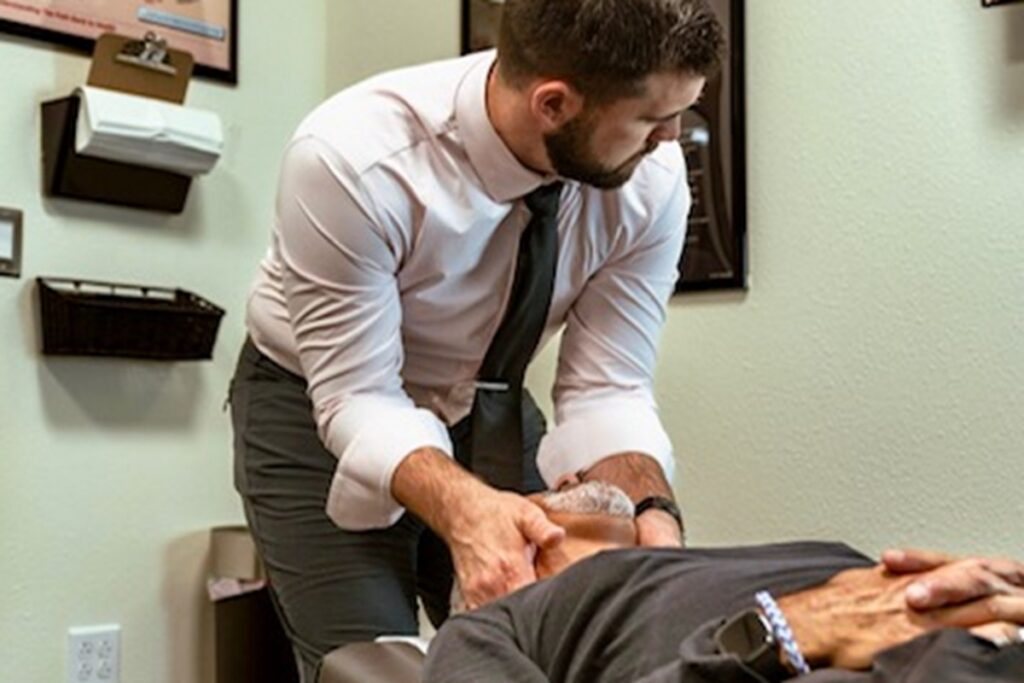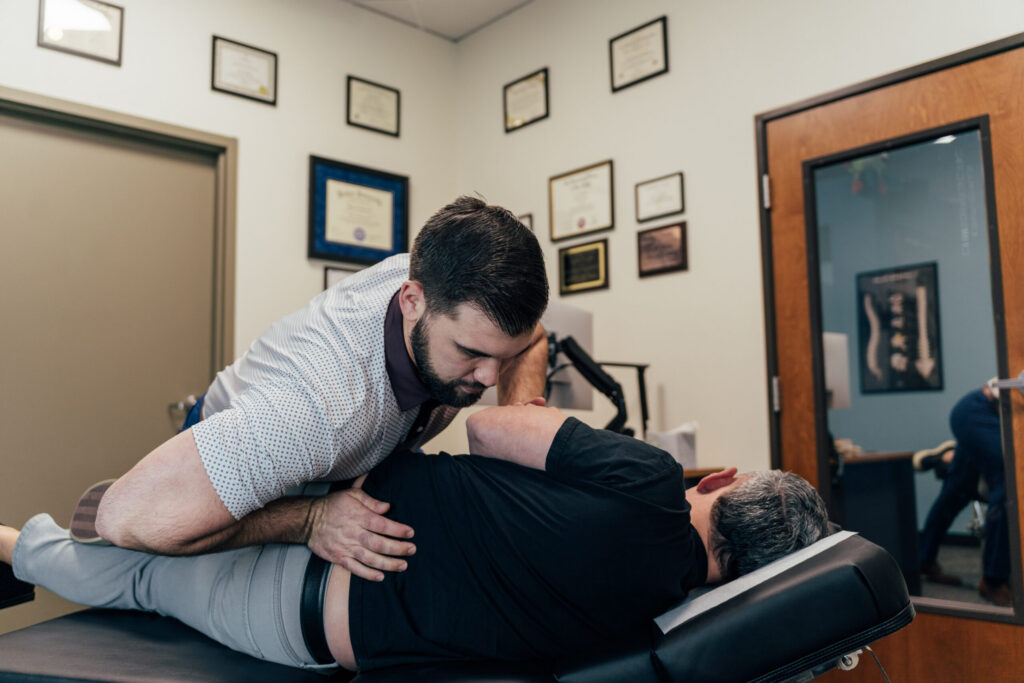
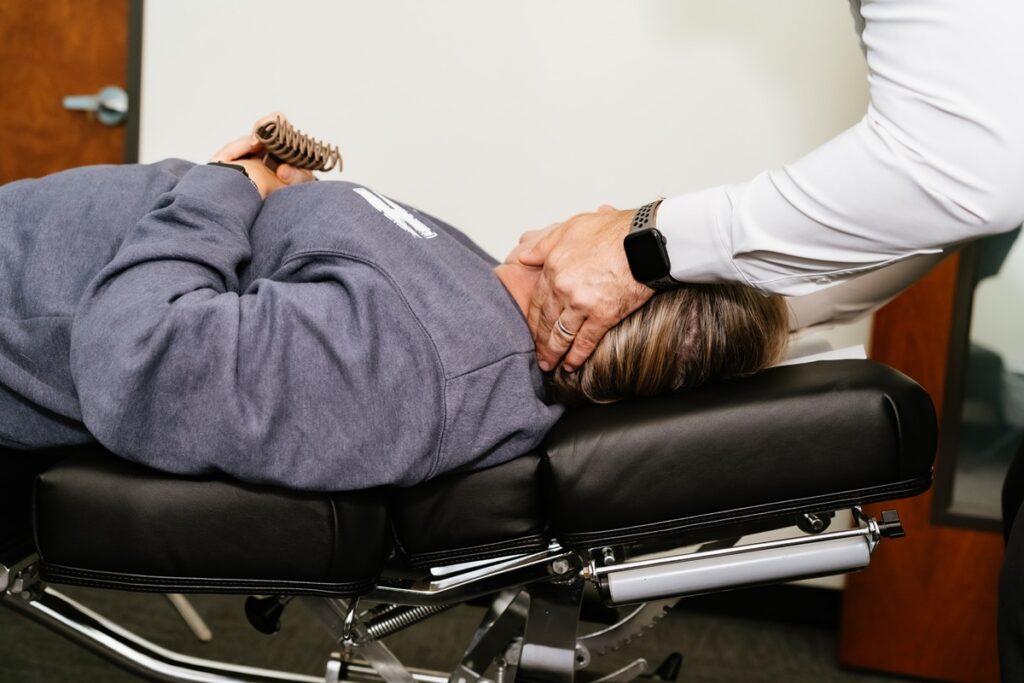

Back pain is one of the most common reasons people miss work, skip activities they love, and find themselves lying awake at night uncomfortable. If you’ve ever thrown your back out reaching for something on a shelf, or noticed that your neck aches after a long day at the desk, you’re far from alone. Here in the San Antonio area, Dr. Brent Johnson and the team at Castle Hills Chiropractic see patients every week who are dealing with the consequences of poor spinal health and posture habits that have built up over months or even years. The good news? Most back pain is preventable — or at least significantly manageable — with the right education and consistent daily habits. This article is designed to give you exactly that.
What is Spinal Health, and Why Does Posture Matter for Back Pain Prevention?
Spinal health refers to the structural integrity, alignment, and functional movement of the spine — the column of bones, discs, nerves, and supporting muscles that runs from your skull to your tailbone. Posture is how you hold your body in space, and when posture is consistently poor, it places uneven stress on the spine. Over time, that stress accumulates and can lead to chronic back pain, disc problems, and nerve irritation.
Understanding Your Spine and Why Alignment Matters
Your spine is a remarkable structure. It supports your entire body weight, protects your spinal cord, and allows you to bend, twist, and move in countless directions. It’s made up of 33 vertebrae stacked on top of one another, separated by soft, cushion-like discs that absorb shock and allow movement. Running through the center of this column is your spinal cord — the main highway of your nervous system, connecting your brain to virtually every organ and muscle in your body.
When your spine is properly aligned, load is distributed evenly across the vertebrae and discs. But when alignment is compromised — whether from an injury, poor posture, muscle imbalances, or repetitive stress — that load shifts. Certain areas of the spine end up doing more work than they should, and over time, this uneven stress can lead to disc degeneration, muscle strain, joint irritation, and nerve compression. This is why spinal alignment isn’t just about standing up straight — it’s about long-term health and function.
The spine has three natural curves: a forward curve in the neck (cervical lordosis), a backward curve in the mid-back (thoracic kyphosis), and a forward curve in the lower back (lumbar lordosis). These curves work together like a spring system to absorb impact. Poor posture tends to flatten or exaggerate these curves, disrupting the entire system. At Castle Hills Chiropractic, Dr. Brent Johnson often explains to patients that restoring and maintaining these natural curves is one of the most important things you can do for your long-term spinal health.
Common Causes of Back Pain in San Antonio Residents
San Antonio is a vibrant, active city — and that means the causes of back pain here are as varied as the community itself. Whether you’re sitting at a computer in a downtown office, working a physically demanding job, playing sports on the weekends, or chasing after kids in the Castle Hills neighborhood, your spine is under stress throughout the day. Understanding the most common causes can help you be more proactive.
Prolonged sitting is one of the biggest culprits. When you sit for long periods — especially with poor posture — the lumbar spine loses its natural curve, the hip flexors tighten, and the core muscles that support the spine become underactive. Office workers and remote employees often fall into this pattern without realizing it. The discs in the lower back are under significantly more pressure when you’re seated than when you’re standing, which is why lower back pain is so prevalent among desk workers.
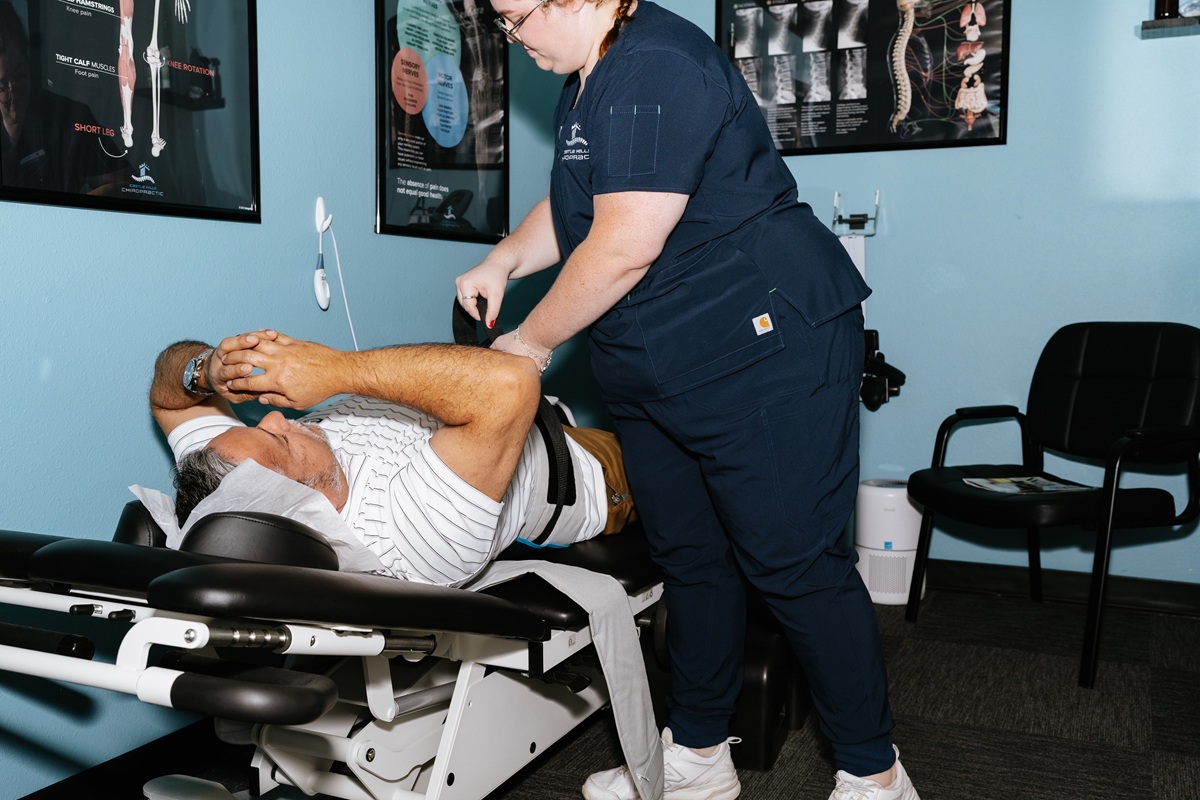
Repetitive movements and improper lifting techniques are also major contributors. Whether you’re a tradesperson, warehouse worker, or simply someone who regularly picks up children or heavy grocery bags without engaging proper mechanics, these repeated micro-stresses add up. A single awkward lift can cause acute injury, but more often it’s the accumulation of hundreds of small, poorly-executed movements over time that leads to breakdown. Sedentary lifestyle, lack of core strength, excess body weight, and high stress levels are additional factors that Dr. Brent Johnson sees contributing to back pain in San Antonio patients on a regular basis.
8 Practical Tips for Preventing Back Pain and Protecting Your Posture
Prevention is always better than treatment. These eight tips are grounded in solid biomechanical principles and are the kind of guidance Dr. Brent Johnson regularly shares with patients at Castle Hills Chiropractic. They’re not complicated, but they do require consistency.
1. Be Mindful of Your Sitting Posture
When seated, your feet should rest flat on the floor, your knees should be at roughly a 90-degree angle, and your lower back should be supported — either by the chair’s lumbar support or a small rolled towel. Your computer screen should be at eye level so you’re not constantly looking down or craning your neck upward. Ears should stack over shoulders, and shoulders should stack over hips. Sounds simple, but most people spend the majority of their sitting time in positions that slowly stress the spine.
2. Take Regular Movement Breaks
No matter how good your posture is, staying in any one position for too long creates problems. Research suggests that getting up and moving for even two to three minutes every 30 to 45 minutes can significantly reduce spinal loading and muscle fatigue. Set a timer on your phone if you need the reminder. A brief walk to the kitchen, a few shoulder rolls, or some gentle neck stretches can make a meaningful difference over the course of a workday.
3. Strengthen Your Core — Not Just Your Abs
Your “core” is much more than a six-pack. It’s a cylinder of muscles surrounding your spine — including the deep abdominals, pelvic floor, diaphragm, and back extensors — that acts as a natural brace for your lumbar spine. When these muscles are weak or poorly coordinated, the spine is left to carry loads it wasn’t designed to handle alone. Low-impact exercises like walking, swimming, Pilates, and specific stabilization exercises can help build a strong, functional core without putting unnecessary strain on an already vulnerable spine.
4. Learn Proper Lifting Mechanics
The old advice — “lift with your legs, not your back” — is still fundamentally sound. When picking something up, hinge at the hips and bend at the knees, keeping the object close to your body. Avoid twisting your spine while lifting. Engage your core before you initiate the movement. These simple mechanics reduce shear force on the lumbar discs significantly. This applies whether you’re lifting a heavy box or picking up a toddler multiple times a day.
5. Sleep in a Spine-Friendly Position
Sleep is when your body recovers, and your sleeping position can either support that recovery or undermine it. Sleeping on your back with a pillow under your knees or on your side with a pillow between your knees are generally the most spine-friendly positions. Sleeping on your stomach tends to force your neck into rotation for extended periods and can compress the lumbar spine — most chiropractors, including Dr. Brent Johnson, advise patients to avoid this position whenever possible.
6. Pay Attention to Your Footwear
Your feet are the foundation of your entire musculoskeletal system. Footwear that lacks proper arch support, or that alters your gait, can send compensatory stress all the way up the chain — through the knees, hips, and into the lower back. High heels, in particular, shift the center of gravity forward and increase lumbar lordosis beyond its healthy range. Choosing supportive, well-fitted footwear is a small but meaningful way to protect your spine from the ground up.
7. Stay Hydrated
The intervertebral discs in your spine are largely made of water. Throughout the day, as you move and bear weight, fluid is slowly squeezed out of these discs. With adequate hydration, they can reabsorb fluid and maintain their height and cushioning capacity. Chronic dehydration can contribute to disc degeneration over time. Drinking enough water throughout the day — a general guideline often cited is around eight glasses — supports not just overall health but the structural integrity of your spine.
8. Manage Stress Proactively
There is a well-established relationship between psychological stress and back pain. When you’re under stress, your body tends to tense up — particularly in the neck, shoulders, and lower back. Chronic stress can lead to persistent muscle tension that contributes to pain and reduces your pain threshold. Finding healthy outlets for stress — whether that’s regular exercise, mindfulness practices, time in nature, or social connection — is part of a complete approach to spinal wellness. In a busy city like San Antonio, this kind of intentional self-care is more important than ever.
If you’d like a visual summary of some of these key concepts, the video below offers helpful context on posture and spinal health that many of our Castle Hills Chiropractic patients have found useful:
How Chiropractic Care Supports Spinal Health
Even with the best daily habits, the spine can still develop restrictions, misalignments, and areas of dysfunction — especially if there’s a history of injury, long-term postural stress, or degenerative changes. This is where chiropractic care becomes a valuable part of the picture. Chiropractic is a non-invasive, drug-free approach to restoring and maintaining spinal function, and it’s one of the most widely recommended forms of conservative care for back pain.
At Castle Hills Chiropractic, Dr. Brent Johnson uses a thorough evaluation process to understand each patient’s unique history, lifestyle, and spinal patterns. This might include postural assessment, orthopedic testing, range-of-motion evaluation, and in some cases imaging referrals. The goal is never to treat a symptom in isolation but to understand the root cause of the problem and address it appropriately.
Chiropractic adjustments — also called spinal manipulation — work by applying controlled, targeted force to specific joints in the spine that are restricted in movement. This helps restore normal joint motion, reduce local inflammation, decrease muscle tension, and support better nerve function. Evidence from respected organizations including the American College of Physicians (ACP) and the National Center for Complementary and Integrative Health (NCCIH) supports spinal manipulation as an effective conservative option for acute and chronic low back pain.
Beyond adjustments, chiropractic care at Castle Hills Chiropractic may also include soft tissue therapy, rehabilitative exercise guidance, ergonomic coaching, and lifestyle recommendations — a comprehensive, whole-person approach that helps San Antonio patients not just feel better, but function better long-term.
Posture Mistakes vs. Corrections
Common Posture Mistake | What It Causes | The Correction |
|---|---|---|
Head forward / chin jutting out | Neck strain, cervicogenic headaches, upper back tension | Ears aligned over shoulders; gentle chin tuck awareness |
Rounded shoulders / hunched upper back | Thoracic kyphosis, shoulder dysfunction, mid-back pain | Shoulder blades gently retracted; chest open and lifted |
Slouching lumbar spine while seated | Increased disc pressure, lumbar muscle fatigue, lower back pain | Lumbar support maintained; hips at 90 degrees or slightly open |
Crossing legs while seated | Pelvic imbalance, SI joint stress, hip flexor tightening | Both feet flat on floor; weight evenly distributed through sit bones |
Looking down at phone (tech neck) | Cervical flattening, neck pain, increased spinal load | Raise phone to eye level; take frequent breaks from screen time |
Locking knees while standing | Lower back compression, joint stress, fatigue | Soft bend in knees; weight evenly distributed across both feet |
Myths vs. Facts About Back Pain and Posture
Myth: Back pain always means something is seriously wrong with your spine.
Fact: The vast majority of back pain episodes are musculoskeletal in nature — meaning they involve muscles, joints, and soft tissues rather than serious structural pathology. While it’s always wise to have persistent or severe pain evaluated professionally, most back pain responds well to conservative care like chiropractic treatment, movement, and postural correction. Fear-avoidance of movement can actually make back pain worse over time.
Myth: If you have back pain, you should rest and avoid all movement.
Fact: While acute injury may warrant short-term rest, prolonged inactivity is generally not recommended for back pain. Evidence consistently shows that staying gently active, within a comfortable range of motion, supports faster recovery and reduces the risk of pain becoming chronic. Dr. Brent Johnson often encourages patients to keep moving — carefully and with guidance — rather than remaining sedentary.
Myth: Chiropractic adjustments are dangerous or can worsen back problems.
Fact: When performed by a licensed chiropractor after a thorough assessment, spinal adjustments are considered a safe and effective treatment for appropriate candidates. Serious adverse events are rare. Organizations like the World Health Organization (WHO) recognize chiropractic care as a legitimate, evidence-informed healthcare discipline. A qualified chiropractor will always screen for contraindications before proceeding with care.
Myth: Good posture means holding yourself perfectly stiff and upright at all times.
Fact: Good posture is actually about dynamic alignment — being able to move through various positions with minimal strain, rather than rigidly holding one “perfect” position. In fact, holding any single position for too long, even a technically correct one, will lead to muscle fatigue and discomfort. The goal is postural awareness and variety, not rigid stillness.
Myth: Back pain is just a normal part of aging that you have to accept.
Fact: While it’s true that some degenerative changes in the spine occur with age, significant or debilitating back pain is not an inevitable consequence of getting older. Many older adults in San Antonio maintain excellent spinal health and quality of life through consistent movement, strength training, chiropractic care, and smart lifestyle habits. Aging doesn’t have to mean suffering.
When to See a Chiropractor for Back Pain
Many people wait far too long before seeking help for back pain — often hoping it will resolve on its own, or unsure whether chiropractic care is appropriate for their situation. As a general guideline, if your back pain has persisted for more than a few days without improvement, is recurring, or is affecting your ability to perform daily activities, a chiropractic evaluation is a reasonable and sensible next step.
Chiropractic care is particularly well-suited for musculoskeletal back pain — the kind caused by postural strain, muscle imbalances, joint restrictions, and mechanical dysfunction. It’s also appropriate as a preventive measure, even when you’re not currently experiencing significant pain. Many San Antonio residents visit Castle Hills Chiropractic on a maintenance basis to keep their spine functioning optimally and to catch small problems before they become big ones.
However, there are certain symptoms that warrant prompt medical attention rather than — or in addition to — chiropractic care. These include back pain accompanied by loss of bladder or bowel control, pain following significant trauma (such as a car accident or fall), unexplained weight loss alongside back pain, severe pain that does not change with position, or pain accompanied by fever. These can be signs of conditions that require urgent medical evaluation, and Dr. Brent Johnson will always refer patients appropriately when these red flags are present.
Final Thoughts from Castle Hills Chiropractic
Living with back pain doesn’t have to be your normal. Whether you’re dealing with a nagging ache that’s been with you for months, recovering from a flare-up, or simply wanting to be proactive about your spinal health, there are real, actionable steps you can take starting today. The eight tips outlined in this article are a great place to begin — and none of them require expensive equipment or major lifestyle overhauls.
Here in the Castle Hills community and throughout the greater San Antonio area, Dr. Brent Johnson and the team at Castle Hills Chiropractic are committed to helping patients understand their bodies, address the root causes of pain, and build habits that support lasting spinal wellness. Chiropractic care isn’t about quick fixes — it’s about empowering you to live better, move better, and feel better over the long term.
If you’ve been thinking about getting your spine checked, or if you have questions about how chiropractic care might fit into your health goals, we’d love to hear from you. Castle Hills Chiropractic is conveniently located for residents across San Antonio and the surrounding communities. Your spine works hard for you every single day — it deserves the same care and attention you give the rest of your health.
Frequently Asked Questions
How often should I see a chiropractor for back pain in San Antonio?
The frequency of chiropractic visits depends on your specific condition, severity of symptoms, and health goals. Acute pain may require more frequent visits initially, while maintenance care is often scheduled monthly. Dr. Brent Johnson will recommend a care plan tailored to your individual needs after a thorough evaluation.
Can chiropractic care help with both upper and lower back pain?
Yes. Chiropractic care addresses the entire spine, including the cervical (neck), thoracic (mid-back), and lumbar (lower back) regions. Whether your pain is in your upper back from postural strain or your lower back from disc stress, a chiropractor can assess the source and develop an appropriate plan of care.
Is back pain from sitting at a desk treatable without surgery?
In the vast majority of cases, yes. Desk-related back pain is typically musculoskeletal and responds well to conservative treatments like chiropractic adjustments, ergonomic corrections, core strengthening, and postural re-education. Surgery is rarely indicated for this type of back pain and is generally considered only after conservative care has been exhausted.
How long does it take to see results from chiropractic care for back pain?
Results vary depending on the nature and duration of the problem, but many patients notice some improvement within the first few visits. Chronic or long-standing conditions may take longer to respond. Chiropractic care works best as part of a consistent, comprehensive approach that includes lifestyle habits and home exercises.
What’s the difference between a chiropractor and a physical therapist for back pain?
Both chiropractors and physical therapists are trained to help with musculoskeletal conditions, including back pain. Chiropractors focus heavily on spinal alignment, joint function, and the relationship between the spine and the nervous system, often using spinal manipulation as a primary tool. Physical therapists tend to emphasize exercise rehabilitation and movement retraining. In many cases, collaborative care between the two disciplines produces excellent outcomes.
Are there any exercises I can do at home to relieve back pain?
Gentle movement is generally encouraged for most types of back pain. Low-impact activities like walking, gentle yoga, and core stabilization exercises can be helpful. However, it’s important to have your condition properly evaluated before beginning any exercise program, as certain movements may be contraindicated depending on the underlying cause of your pain. Castle Hills Chiropractic can provide personalized guidance based on your specific situation.
TL;DR — Key Takeaways
Back pain is largely preventable through consistent posture awareness, regular movement, core strengthening, proper lifting mechanics, and stress management.
The spine has natural curves that need to be supported and maintained — poor posture disrupts these curves and leads to cumulative stress and pain over time.
Chiropractic care from a qualified provider like Dr. Brent Johnson at Castle Hills Chiropractic is a safe, evidence-supported, non-invasive option for addressing and preventing back pain in San Antonio.
Staying active — not resting indefinitely — is generally the best approach for most types of back pain.
Seek professional evaluation if your pain is persistent, worsening, or accompanied by neurological symptoms or other red flags.