
If you’re an athlete — whether you’re playing weekend basketball leagues, running trails around San Antonio, or competing in organized sports — a herniated disc diagnosis can feel like the floor just dropped out from under you. Your first question is probably the same one most active people ask: can I play sports with a herniated disc? It’s a fair question, and the honest answer is: it depends. The good news is that a herniated disc doesn’t automatically mean the end of your athletic life. With the right guidance, conservative care, and a smart return-to-activity plan, many people get back to doing what they love.
At Castle Hills Chiropractic, serving the Castle Hills and greater San Antonio community, Dr. Brent Johnson works with active patients every day who are navigating this exact challenge. This article is designed to give you real, practical information about herniated discs and sports so you can make informed decisions about your health and your game.
What Is a Herniated Disc?
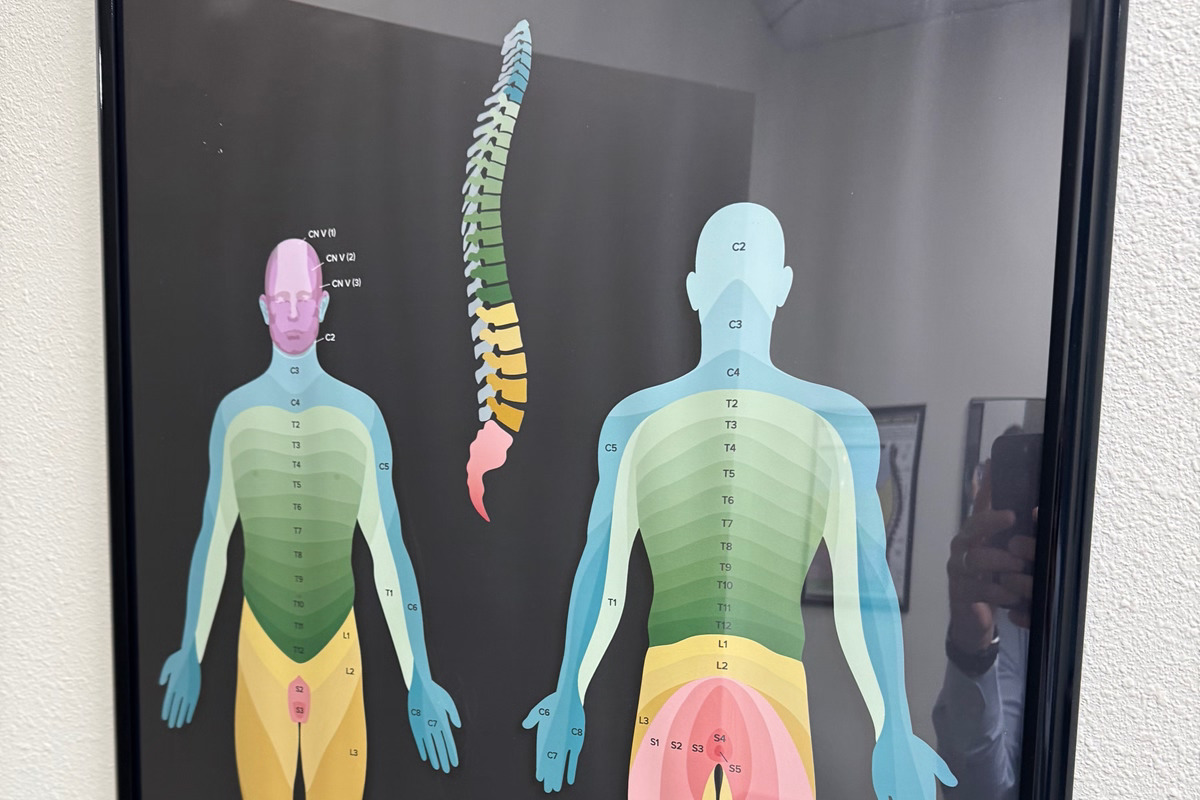
A herniated disc occurs when the soft, gel-like center of a spinal disc pushes through a crack in its tougher outer layer, potentially irritating nearby nerves. This can cause pain, numbness, tingling, or weakness in the back, neck, or down into the arms and legs, depending on where in the spine the herniation occurs. It is one of the most common spinal conditions affecting active adults.
What Happens to Your Spine During Athletic Activity
Your spine is a remarkably engineered structure. The discs that sit between your vertebrae act as shock absorbers, distributing the forces placed on your spine during movement. When you run, jump, swing, or twist, those discs are doing constant, dynamic work. Under normal circumstances, that’s exactly what they’re designed to handle.
When a disc is herniated, that shock-absorbing capacity is compromised. High-impact movements, sudden rotations, or heavy axial loading — think running on pavement, swinging a golf club, or lifting a barbell — can place additional stress on an already irritated disc. Depending on the severity of the herniation and its location, these forces can worsen inflammation around nearby nerve roots, intensifying symptoms or slowing the healing process.
That said, movement itself is not the enemy. The spine needs healthy circulation and muscle support to heal. Complete inactivity, sometimes called “bed rest,” has largely fallen out of favor in modern conservative care because it can allow supporting muscles to weaken, which puts even more pressure on the disc over time. The goal isn’t to stop moving; it’s to move smarter.
Signs and Symptoms to Watch for During Sports
Not all herniated discs are created equal. Some people experience dramatic pain and neurological symptoms, while others have a herniated disc that barely registers in their day-to-day life. When it comes to sports participation, the severity and nature of your symptoms matter enormously.
Pain that radiates down the leg — commonly called “sciatica” when it occurs in the lumbar spine — is one of the most telling signs that a disc herniation is affecting a nerve root. If you notice sharp, shooting pain traveling from your lower back into your buttocks, thigh, calf, or foot during or after athletic activity, that is your body sending a clear signal. Similarly, numbness and tingling in the extremities, or any sense of muscular weakness in your legs or arms, deserve prompt professional attention.
Here in San Antonio, many of Dr. Brent Johnson’s patients initially try to push through these warning signs because they don’t want to sit on the sidelines. While that determination is admirable, playing through significant neurological symptoms can delay recovery and, in some cases, worsen the underlying condition. Paying attention to what your body is telling you is not weakness; it’s strategy.
Which Sports Are Higher or Lower Risk With a Herniated Disc
The short answer to “can I play sports with a herniated disc” often comes down to which sport you’re asking about. Not all athletic activities place the same demands on the spine, and that distinction is worth understanding clearly.
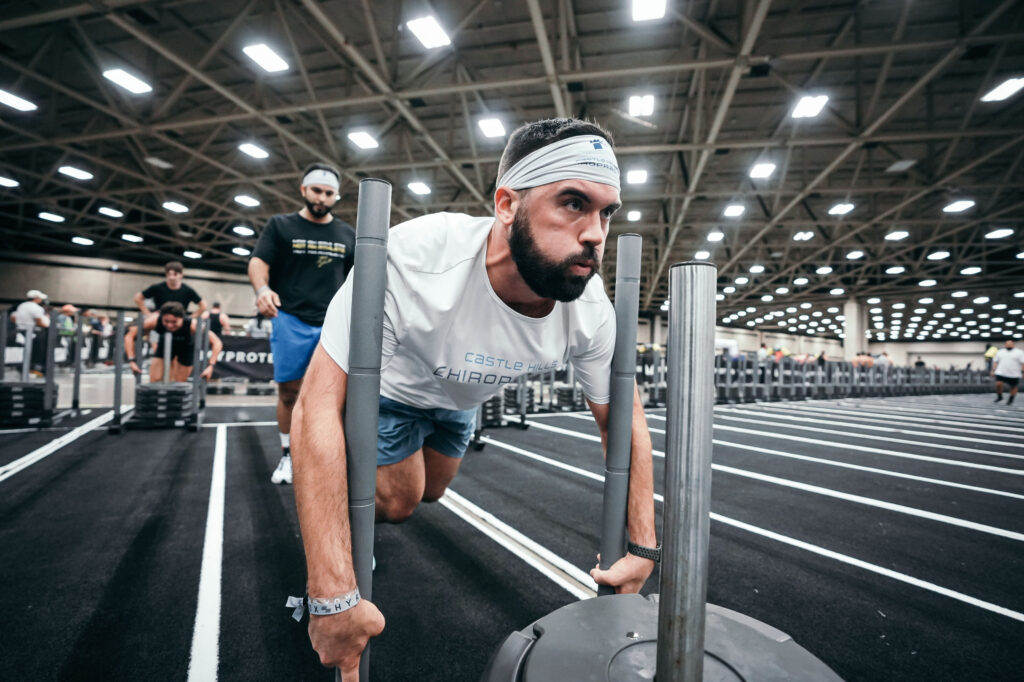
Higher-impact, high-rotation sports tend to carry more risk during the acute phase of a herniation. Football, contact sports, heavy powerlifting, gymnastics, and high-speed running sports place significant compressive and shear forces on spinal structures. These aren’t necessarily off the table forever, but they typically require a more gradual and supervised return-to-play process.
On the lower-risk end of the spectrum, activities like swimming, walking, cycling (with proper bike fit), and carefully guided yoga or Pilates can often be continued or even used therapeutically during recovery. These activities support circulation and muscle conditioning without overloading the disc. Water-based exercise, in particular, is frequently recommended for people managing disc-related pain because buoyancy reduces spinal load dramatically.
Golf and tennis — both popular in the San Antonio area — fall somewhere in the middle. The rotational demands of a golf swing or a tennis serve can stress the lumbar discs significantly. However, many golfers and tennis players with herniated discs do return to their sports with modifications to their swing mechanics, warm-up protocols, and overall spinal health management. It requires patience, but it’s achievable for many people.
How Chiropractic Care Can Help Athletes With a Herniated Disc
One of the most common misconceptions patients bring into Castle Hills Chiropractic is that chiropractic care and herniated discs don’t mix — that an adjustment might somehow make things worse. In reality, chiropractic care is one of the most well-studied conservative approaches for managing disc-related pain and dysfunction, and it is frequently recommended by organizations like the American College of Physicians as a first-line, non-invasive option before considering more aggressive interventions.
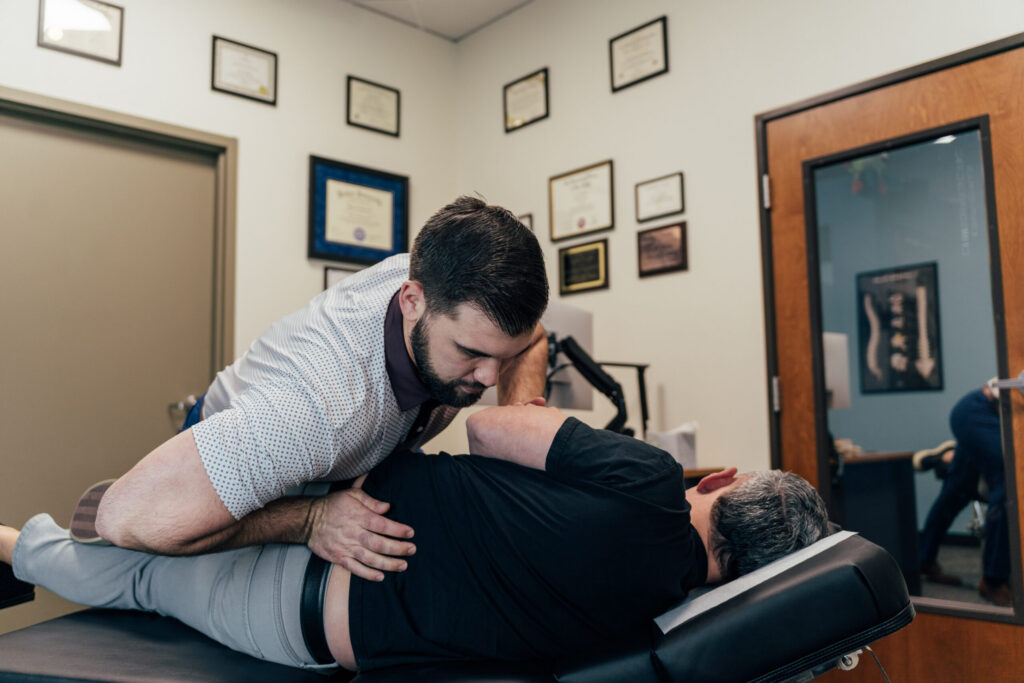
Dr. Brent Johnson approaches herniated disc cases with individualized, thorough evaluation. The goal isn’t to simply crack something into place, but to assess the entire musculoskeletal picture, reduce nerve irritation, restore joint mobility, and support the body’s natural healing process. Chiropractic adjustments for disc conditions are typically gentle and carefully selected based on the patient’s specific presentation, symptoms, and activity goals.
Beyond spinal adjustments, chiropractic care for active patients often includes soft tissue work, spinal decompression techniques, postural correction, and targeted guidance on which movements to prioritize and which to temporarily avoid. For athletes in San Antonio who want to return to their sport, that roadmap is invaluable. Rather than being handed a vague “rest and see how it feels” response, you get a structured, progressive plan designed around your body and your goals.
Research published in outlets like the Spine Journal and reviewed by the Cochrane Library suggests that manual therapy and supervised active care can be effective components of herniated disc management, particularly for patients experiencing pain and functional limitation. Evidence indicates that patients who pursue conservative care early often experience better outcomes than those who delay treatment.
Practical Tips for Staying Active With a Herniated Disc
There are several things you can do right now to support your recovery and stay as active as safely possible. These aren’t magic fixes, but they are smart, evidence-aligned habits that make a real difference.
First, prioritize core stability. The muscles of your core, including the deep stabilizers like the transverse abdominis and multifidus, act as a natural brace for your spine. Strengthening these muscles can reduce the load placed on your discs during athletic movement. A physical therapist or chiropractor can guide you toward the right exercises, since not all “core” exercises are disc-friendly. Crunches and heavy loaded flexion movements, for example, can increase disc pressure in the lumbar spine.
Second, don’t skip your warm-up. A proper dynamic warm-up prepares your spinal muscles and surrounding tissues for the demands of your sport. Cold, stiff tissues are far more vulnerable to strain. Even five to ten minutes of deliberate preparation can make a meaningful difference in how your spine responds to athletic loading.
Third, be honest about your pain levels. A general guideline in conservative care is that mild discomfort during activity may be tolerable, but sharp, radiating, or worsening pain is a signal to stop. If your symptoms flare significantly after a session, that’s feedback worth paying attention to and discussing with Dr. Brent Johnson at your next visit.
When to See a Chiropractor in San Antonio for a Herniated Disc
If you’re dealing with back or neck pain that you suspect might be disc-related, sooner is almost always better than later. Early conservative care tends to yield better results and helps prevent the kind of compensatory movement patterns that develop when people guard around pain for too long.
You should consider scheduling an evaluation at Castle Hills Chiropractic if you are experiencing persistent back or neck pain that hasn’t improved after a week or two, pain that radiates down your arm or leg, numbness or tingling in your extremities, or stiffness and loss of range of motion that is affecting your daily activities or athletic performance.
There are also situations that require more urgent medical attention. If you experience sudden loss of bladder or bowel control, progressive weakness in your legs, or severe unrelenting pain, please seek emergency medical care immediately. These symptoms can indicate a more serious neurological condition that is beyond the scope of conservative care alone. Dr. Brent Johnson takes red flags seriously and will always refer patients to the appropriate specialist when the situation warrants it.
Comparing Sports Activity Levels With a Herniated Disc
Activity Type | Spinal Demand | General Guidance During Recovery |
|---|---|---|
Swimming / Water Aerobics | Low compressive load | Often safe and therapeutic; frequently encouraged |
Walking / Light Hiking | Low to moderate | Generally appropriate; watch for symptom flare |
Cycling (properly fitted) | Low to moderate | Often tolerated well; posture is critical |
Golf / Tennis | Moderate rotational stress | May be possible with modification; professional guidance advised |
Running / Trail Running | Moderate to high impact | Requires gradual return; surface and footwear matter |
Weightlifting / CrossFit | High compressive load | High-risk movements should be avoided during acute phase |
Contact Sports / Football | High impact and collision | Full clearance required; discuss return-to-play with provider |
Myths vs. Facts About Herniated Discs and Sports
Myth: A Herniated Disc Means You’ll Never Play Sports Again
Fact: Many people with herniated discs successfully return to sports — including competitive ones — with appropriate care and rehabilitation. A herniation is a diagnosis, not a life sentence. The path back to activity looks different for everyone, but it exists for most people who pursue it with the right support.
Myth: You Should Rest Completely Until the Pain Goes Away
Fact: Extended bed rest is no longer considered best practice for most disc-related conditions. While rest is appropriate in the acute, most painful phase, prolonged inactivity weakens the muscles that support the spine. Gentle, guided movement is typically a key part of recovery.
Myth: Chiropractic Adjustments Are Dangerous for Herniated Discs
Fact: When performed by a licensed, experienced chiropractor like Dr. Brent Johnson, chiropractic care for disc conditions is considered safe and evidence-supported for appropriate patients. Evaluation is always performed first to determine which techniques are suitable for your specific case.
Myth: If the Pain Goes Away, the Disc Is Healed and You Can Go Back to Full Activity Immediately
Fact: Pain resolution does not automatically mean the underlying condition has fully resolved or that your spine is ready for full athletic loading. Rushing back too quickly is one of the most common reasons for re-injury. A structured, progressive return-to-activity plan is important even when you’re feeling good.
Myth: Surgery Is the Only Real Solution for a Herniated Disc
Fact: The vast majority of herniated disc cases respond well to conservative care and do not require surgery. Organizations like the American College of Physicians recommend non-invasive approaches, including manual therapy and exercise, as first-line treatment before surgical options are explored.
Final Thoughts From Castle Hills Chiropractic
Dealing with a herniated disc when you’re an active person is genuinely frustrating. Sports and movement are often tied to your identity, your stress relief, your community — and being sidelined, even temporarily, takes a real toll. Here in Castle Hills and across the greater San Antonio area, Dr. Brent Johnson understands that. The mission at Castle Hills Chiropractic isn’t just to reduce your pain. It’s to help you get back to the life and the activities that matter most to you.
The question “can I play sports with a herniated disc” doesn’t have one universal answer, but it almost always has a more hopeful answer than people fear. With accurate diagnosis, a thoughtful care plan, and a willingness to respect the healing process, many athletes in San Antonio have navigated this challenge successfully. You deserve that same chance.
If you’re in the San Antonio area and you’re ready to get real answers about your spine, Castle Hills Chiropractic is here to help you take that next step. Reach out, schedule an evaluation, and let’s figure out the right path forward together.
Frequently Asked Questions
Can I play sports with a herniated disc if I’m not in severe pain?
Mild to moderate symptoms don’t automatically disqualify you from all sports, but activity level should still be guided by a professional evaluation. Participating without understanding the severity of your herniation and its proximity to nerve structures can lead to worsening symptoms, even if current pain is manageable.
How long does it take to return to sports after a herniated disc?
Recovery timelines vary widely depending on the location and severity of the herniation, the type of sport, and how well an individual responds to conservative care. Some people begin modified activity within a few weeks; others require several months. Consistent care and following a structured return-to-activity plan significantly influences timeline.
Is chiropractic care safe for athletes with a herniated disc in San Antonio?
Yes. For appropriately screened patients, chiropractic care is considered a safe and effective conservative approach. Dr. Brent Johnson at Castle Hills Chiropractic evaluates each patient thoroughly before determining which techniques are appropriate for their specific condition and activity goals.
What is the difference between a bulging disc and a herniated disc?
A bulging disc occurs when the disc expands beyond its normal boundary without rupturing, while a herniated disc involves the inner gel material actually breaking through the outer wall. Both can cause pain and nerve irritation, but herniations are generally considered more acute in nature. Your chiropractor can help differentiate between the two based on your symptoms and examination findings.
Should I stop running if I have a herniated disc?
Not necessarily, but running should be approached with care. Impact, running surface, footwear, and your current symptom level all play a role. Many people with lumbar disc herniations can eventually return to running with the right progressions. A chiropractic evaluation in San Antonio can help determine where you stand and what modifications might allow you to keep running safely.
Can a chiropractor help with sciatica caused by a herniated disc?
Research suggests that chiropractic care can be beneficial for sciatic nerve pain related to lumbar disc herniation. Gentle spinal manipulation, soft tissue techniques, and guided movement can help reduce nerve irritation and restore function. Results vary by individual, and a proper evaluation is always the first step.
TL;DR — Key Takeaways
Whether you can play sports with a herniated disc depends on the severity of the herniation, your symptoms, and the type of sport involved. It is not a one-size-fits-all answer.
Playing through significant neurological symptoms like radiating pain, numbness, or weakness can slow recovery and should be evaluated promptly by a professional.
Lower-impact activities like swimming and walking are often safer during recovery, while high-impact and contact sports require a more gradual, supervised return.
Chiropractic care, including spinal adjustments, soft tissue work, and activity modification guidance, is a well-supported conservative approach for managing herniated disc pain in active patients.
Dr. Brent Johnson at Castle Hills Chiropractic in the San Antonio area is available to help you develop an individualized plan to protect your spine and get you back to the sports you love.