
You might not realize how routine care can greatly enhance your mobility and overall well-being. By prioritizing regular check-ups and personalized treatment plans, you can identify potential issues before they escalate. Engaging in physical therapy and making simple lifestyle adjustments can lead to lasting improvements in your daily function. But what specific strategies can you implement to truly reveal your potential? The answers might surprise you, as they could change the way you approach your health and mobility.
Importance of Routine Care
Many people overlook the significance of routine care, but it plays an integral role in maintaining mobility and overall health. When you prioritize regular check-ins with your healthcare provider, you're actively taking steps to guarantee your body functions at its best.
Routine care allows you to catch potential issues before they escalate, making it easier to address them effectively. Think about it: when you stay on top of your routine care, you're more likely to manage chronic conditions, reduce the risk of injury, and maintain your physical capabilities.
This proactive approach helps you to identify any changes in your health early on, so you can make informed decisions about your lifestyle and treatment options. Moreover, routine care often includes essential screenings and preventative measures.
These might seem minor, but they're significant for spotting problems like high blood pressure, diabetes, or even early signs of arthritis. By regularly monitoring your health, you can adapt your exercise and nutrition plans accordingly, guaranteeing that you stay as mobile as possible.
In addition to physical health, routine care can positively impact your mental well-being. Feeling secure in your health status can reduce anxiety and boost your confidence in your ability to engage in daily activities.
Benefits of Regular Check-Ups
Regular check-ups offer an essential opportunity to stay on top of your health and well-being. By scheduling these visits, you can catch potential issues before they escalate into more serious problems. Early detection can lead to more effective treatment, saving you time, money, and stress down the road.
During a check-up, your healthcare provider evaluates your overall health, monitors crucial signs, and discusses any concerns you might have. This proactive approach helps establish a baseline for your health, making it easier to identify changes that may need attention. You'll also receive personalized advice on lifestyle choices, such as diet, exercise, and stress management, tailored to your unique needs.
Regular check-ups can also strengthen your relationship with your healthcare provider. Being familiar with your medical history and health goals allows them to provide better care. You'll feel more comfortable discussing any symptoms or concerns, which can lead to more accurate diagnoses and effective treatment plans.
Furthermore, check-ups often include necessary screenings and vaccinations, keeping you protected against various diseases. These preventive measures can greatly reduce your risk for chronic conditions, ensuring you maintain a high quality of life as you age.
In addition, knowing you're taking an active role in your health can boost your confidence and motivation. You'll feel empowered to make informed decisions about your care, ultimately leading to a healthier, more mobile life.
Regular check-ups are a crucial investment in your future well-being, so don't hesitate to prioritize them.
Role of Physical Therapy
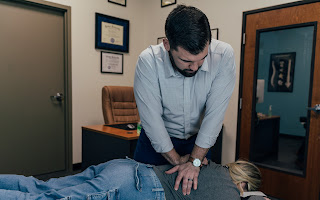
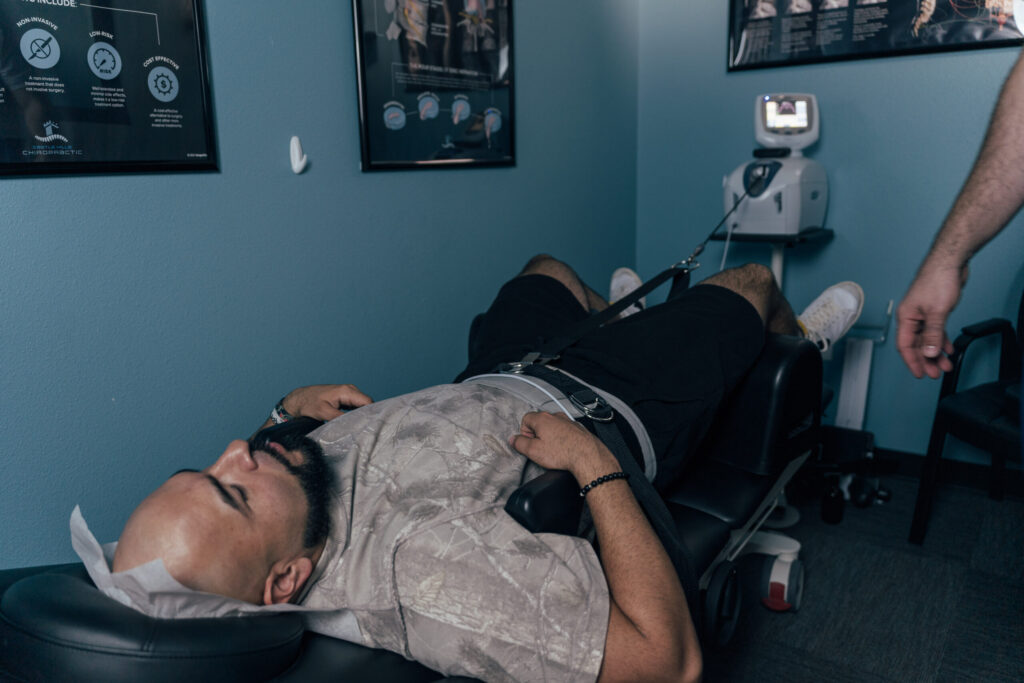
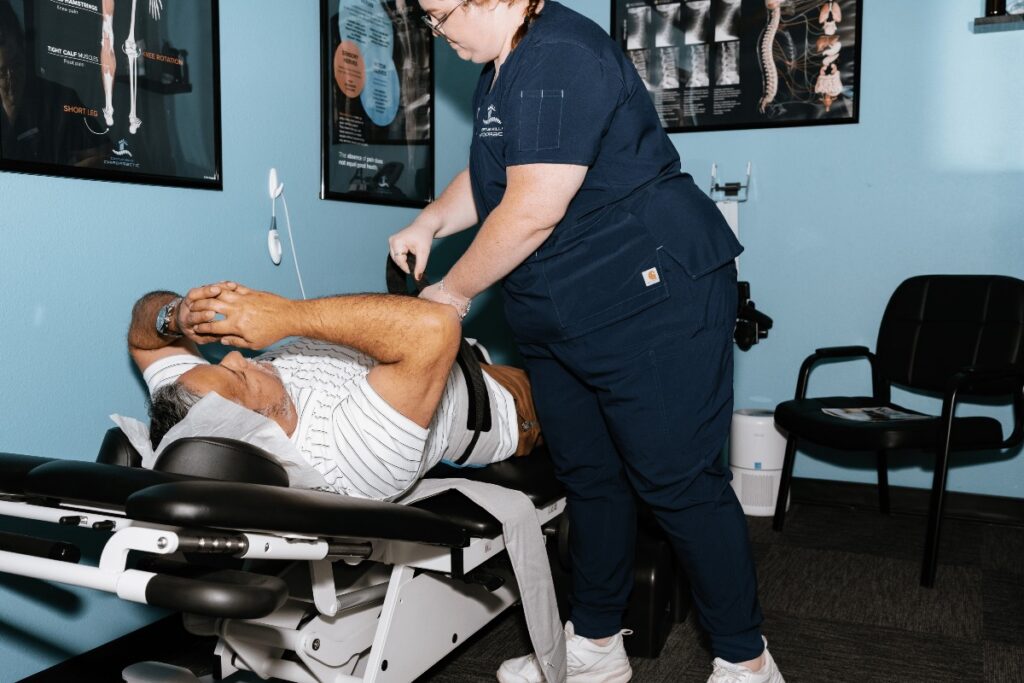
Physical therapy plays an essential role in enhancing mobility and restoring functionality after injury or surgery. When you engage in physical therapy, you're not just treating symptoms; you're working towards long-term recovery and improved movement.
A skilled physical therapist will assess your specific needs and develop a personalized treatment plan to help you regain strength, flexibility, and balance.
Here are some key benefits you can expect from physical therapy:
- Pain Management: Therapists employ various techniques to alleviate pain, making daily activities more manageable.
- Injury Prevention: You'll learn proper body mechanics and exercises that reduce the risk of future injuries.
- Improved Strength: Targeted exercises help rebuild muscles, promoting greater stability and mobility.
- Enhanced Coordination: Therapists focus on improving your coordination, which is crucial for daily functioning.
- Personalized Care: Your therapist tailors the program to fit your unique condition and goals, ensuring effective progress.
Lifestyle Changes for Mobility
Incorporating lifestyle changes can greatly enhance your mobility and overall well-being. One of the most effective ways to do this is by staying active. Regular physical activity, such as walking, swimming, or cycling, strengthens your muscles and improves flexibility. Aim for at least 150 minutes of moderate exercise each week. You can break this down into manageable sessions, making it easier to fit into your daily routine.
Nutrition also plays an essential role in mobility. Eating a balanced diet rich in fruits, vegetables, whole grains, and lean proteins can help maintain a healthy weight, reducing stress on your joints. Don't forget to stay hydrated; water is essential for keeping your joints lubricated and functioning properly.
Additionally, pay attention to your posture. Maintaining good posture while sitting, standing, or walking helps prevent strain on your muscles and joints. You might also consider incorporating stretching exercises into your daily routine. Stretching can improve flexibility, decrease stiffness, and enhance your range of motion.
Don't underestimate the power of rest. Adequate sleep allows your body to recover and regenerate, ensuring you're energized for daily activities.
Finally, be mindful of ergonomics in your workspace and home. Adjusting your environment to support your body can prevent unnecessary strain and injury.
Long-Term Strategies for Success
Establishing long-term strategies can greatly enhance your mobility and overall quality of life. By focusing on sustainable habits, you'll not only improve your physical capabilities, but you'll also foster a mindset geared toward success. Here are some key strategies to reflect on:
- Regular Exercise: Engage in a balanced routine that includes strength training, flexibility, and cardiovascular activities. Aim for at least 150 minutes of moderate activity each week.
- Healthy Nutrition: Fuel your body with nutrient-rich foods. A well-balanced diet supports muscle strength and joint health, which are essential for maintaining mobility.
- Consistent Routine: Create a daily schedule that incorporates your mobility exercises and routines. Consistency builds habits that stick.
- Monitor Progress: Keep track of your improvements, whether it's through a journal or an app. Seeing your progress can motivate you to stay on track.
- Seek Professional Guidance: Think about working with a physical therapist or a personal trainer. They can tailor a program specifically for your needs and help you navigate challenges.
These strategies require commitment, but the rewards are worth it. By integrating these practices into your life, you'll notice enhanced mobility, reduced pain, and improved overall health.
Conclusion
Incorporating routine care into your life is essential for gaining greater mobility and overall well-being. By prioritizing regular check-ups, engaging in physical therapy, and making lifestyle changes, you're setting yourself up for long-term success. These proactive steps not only help you manage health issues but also empower you to lead a more active, confident life. Embrace these strategies today, and you'll notice the positive impact on your mobility and quality of life for years to come.