
Hip pain and sciatica are two of the most common complaints we hear about here at Castle Hills Chiropractic. They can sneak up gradually — a dull ache after a long day at work, or a sharp, shooting sensation that travels from your lower back all the way down your leg. Whether you’re dealing with one or both of these issues, the discomfort they cause can seriously disrupt your daily life. The good news is that there are non-invasive, drug-free approaches that can genuinely help — and spinal decompression treatment is one of the most effective tools in our care toolkit.
If you’ve been searching for answers about hip pain and sciatica near Castle Hills, TX, you’re in the right place. Dr. Brent Johnson has helped many members of our local community find meaningful relief without surgery or medication. In this article, we’ll walk you through everything you need to know — from what causes these conditions, to how spinal decompression works, to practical steps you can take starting today.
What Is Spinal Decompression Treatment?
Spinal decompression treatment is a non-surgical therapy that gently stretches the spine to relieve pressure on compressed discs and nerve roots. This approach is designed to create negative pressure within the disc space, which may help retract herniated or bulging disc material and encourage better nutrient and fluid flow into the affected disc. It is commonly used to address conditions like sciatica and related hip pain.
Table of Contents
Understanding Hip Pain and Sciatica
Hip pain and sciatica are often talked about as if they’re completely separate problems, but the truth is they’re frequently connected at the root. Sciatica refers specifically to pain that originates from irritation or compression of the sciatic nerve — the longest nerve in the human body. This nerve runs from the lower lumbar spine, through the buttocks, and down each leg. When it becomes irritated, the resulting pain can radiate through the hip, buttock, and leg in ways that feel very different from ordinary muscle soreness.
Hip pain on its own can stem from joint issues, muscle imbalances, or referred pain from the lumbar spine. Many patients in Castle Hills, TX come to us convinced they have a hip problem, only to discover through evaluation that the true source of their discomfort is actually in the lower back or sacral region. This is why a thorough assessment by a qualified chiropractor like Dr. Brent Johnson is so important before jumping to conclusions or treatments.
Understanding the relationship between your spine, hips, and nervous system is the first step toward finding lasting relief. These structures don’t operate in isolation — they work together as part of a complex, interconnected system. When one area is under stress, others often compensate, which can create a cycle of dysfunction and discomfort that gradually worsens over time.
Common Causes of Hip Pain and Sciatica
There are several well-established reasons why someone might develop sciatica or hip pain, and many of them are rooted in the spine. One of the most frequent culprits is a herniated or bulging disc in the lumbar spine. When the soft inner material of a spinal disc pushes outward, it can press directly against the sciatic nerve roots, causing the telltale radiating pain, tingling, or numbness that sciatica is known for.
Spinal stenosis — a narrowing of the spinal canal — is another common cause, particularly in older adults. As the canal narrows, it can place pressure on nearby nerves, including the sciatic nerve. Piriformis syndrome is a condition in which the piriformis muscle, located deep in the buttock, irritates or compresses the sciatic nerve as it passes nearby. This one is especially tricky because it can mimic classic lumbar sciatica almost perfectly.
Poor posture, prolonged sitting, and sedentary lifestyles are increasingly common contributors in today’s world. Here in Castle Hills and the greater San Antonio area, many of our patients spend long hours seated at desks or in vehicles — habits that place significant compressive loads on the lumbar discs over time. Degenerative disc disease, joint dysfunction, and sacroiliac joint issues can also play a role in generating both hip pain and sciatic nerve irritation.
Signs and Symptoms to Watch For
Sciatica and hip pain can present in a wide variety of ways, which sometimes makes them difficult to self-identify. The classic sciatica presentation includes a sharp or burning pain that starts in the lower back or buttock and travels down one leg — sometimes as far as the foot. Many people also describe a sensation of electric shock, deep aching, or pins-and-needles along the path of the nerve.
Hip pain that originates from the spine may feel like a deep ache in the groin, outer hip, or buttock area. It can worsen with prolonged sitting, standing, or walking. Some patients notice their pain is worse in the morning, while others find it flares up toward the end of a long day. Weakness or difficulty lifting the leg, reduced range of motion, and even bladder or bowel changes in severe cases are all signs that warrant prompt professional attention.
It’s worth noting that not every case of hip or leg pain is sciatica. True sciatica involves nerve-related symptoms, not just localized muscle discomfort. This is another reason why getting an accurate diagnosis from Dr. Brent Johnson at Castle Hills Chiropractic is so valuable — proper identification of the problem allows for a more targeted, effective treatment plan.
How Spinal Decompression Treatment Can Help
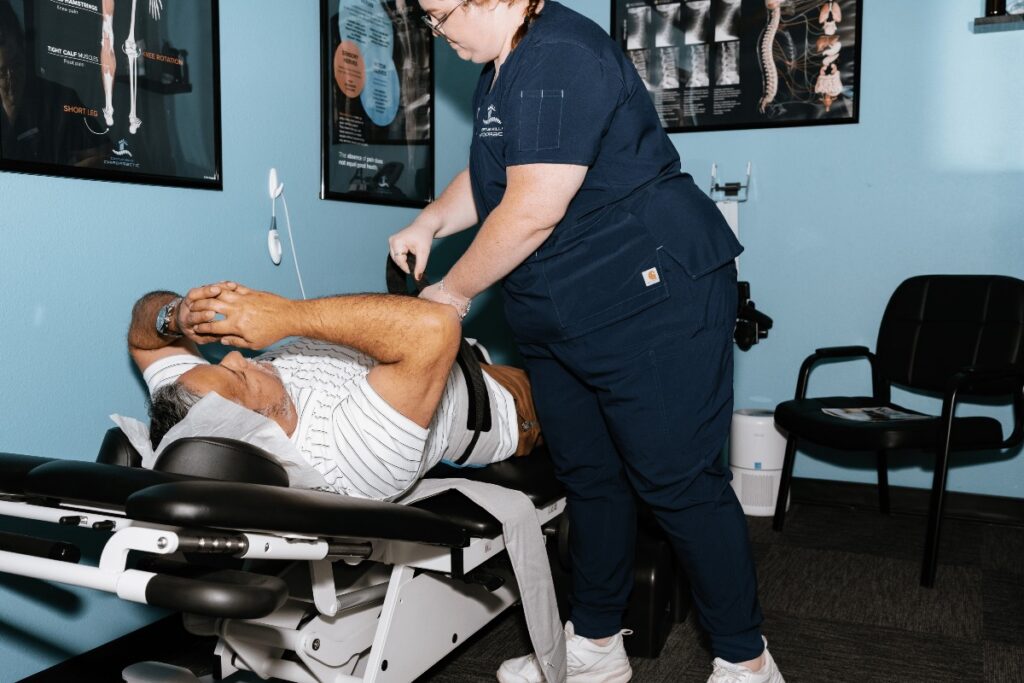
Spinal decompression treatment works by gently and precisely taking tension off the compressed structures in the spine that are contributing to your symptoms. Using a specialized motorized table, the therapy applies a carefully controlled traction force to the lumbar spine. This creates a negative intradiscal pressure — essentially a gentle pulling apart of the vertebrae — which may help draw a herniated disc back toward its normal position and reduce pressure on irritated nerve roots.
For patients dealing with sciatica caused by disc herniation or disc degeneration, this reduction in nerve pressure can be a real turning point. Research suggests that non-surgical spinal decompression can help reduce pain and improve function in appropriate candidates. The therapy also encourages the movement of oxygen, water, and nutrients back into the affected disc, which supports the disc’s natural healing process over time.
What makes spinal decompression especially appealing to many of our Castle Hills patients is that it is gentle, comfortable, and does not require downtime. Sessions are typically conducted while the patient lies fully clothed on the decompression table. The process is gradual and controlled, and most patients find the treatment relaxing rather than uncomfortable. Dr. Brent Johnson carefully evaluates each patient before recommending decompression to ensure it’s appropriate for their specific condition and health history.
It’s important to understand that spinal decompression is not a one-size-fits-all solution, and it works best as part of a broader, individualized care plan. It is often paired with chiropractic adjustments, soft tissue work, and rehabilitative exercises to maximize results and support long-term spinal health.
How Chiropractic Care Fits Into Your Recovery
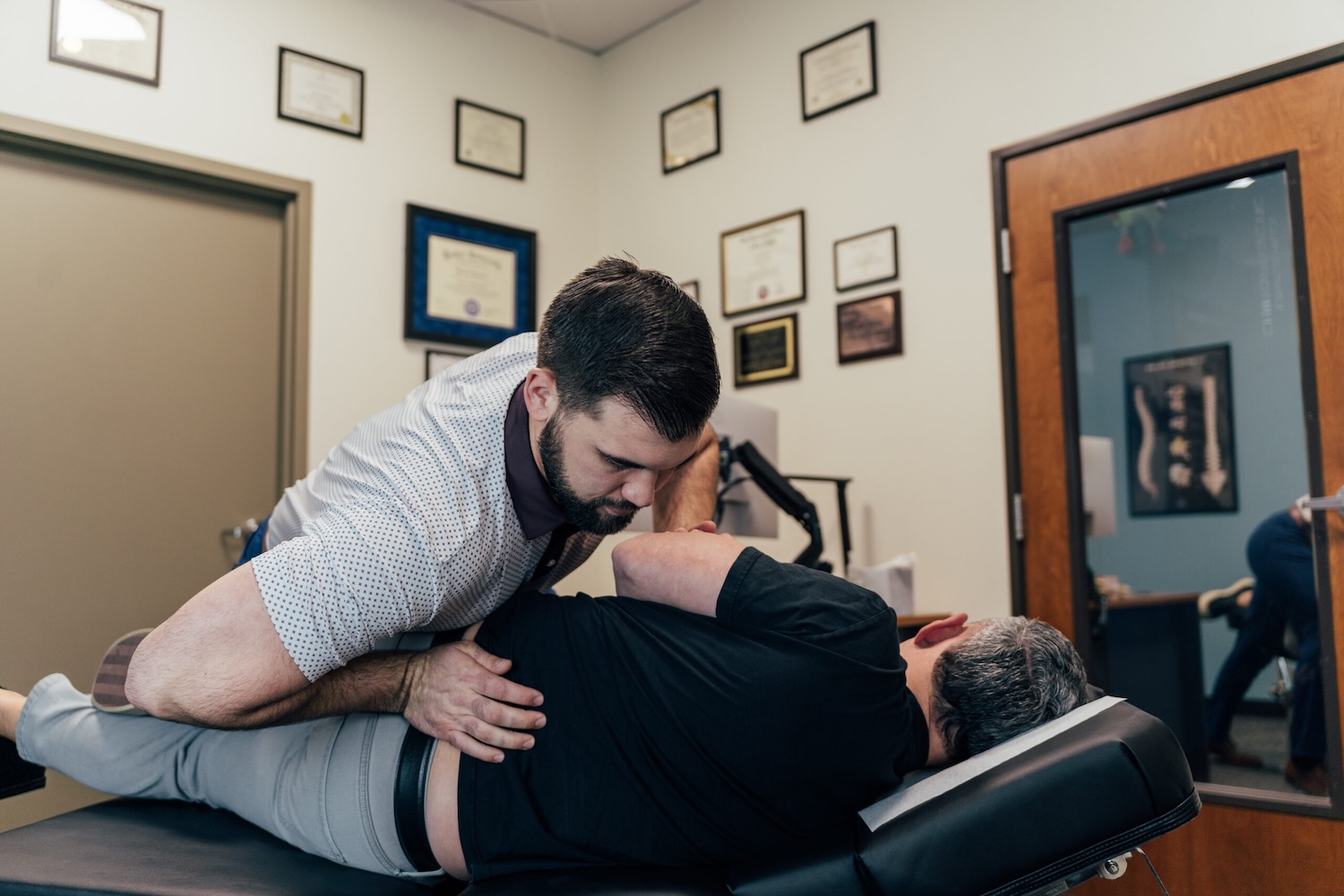
Chiropractic care and spinal decompression complement each other naturally. Chiropractic adjustments focus on restoring proper alignment and motion to the spinal joints, which can reduce mechanical stress on the discs and nerves. When the spine is moving the way it should, the surrounding muscles, tendons, and ligaments can function more efficiently — reducing the strain that often perpetuates hip pain and sciatica.
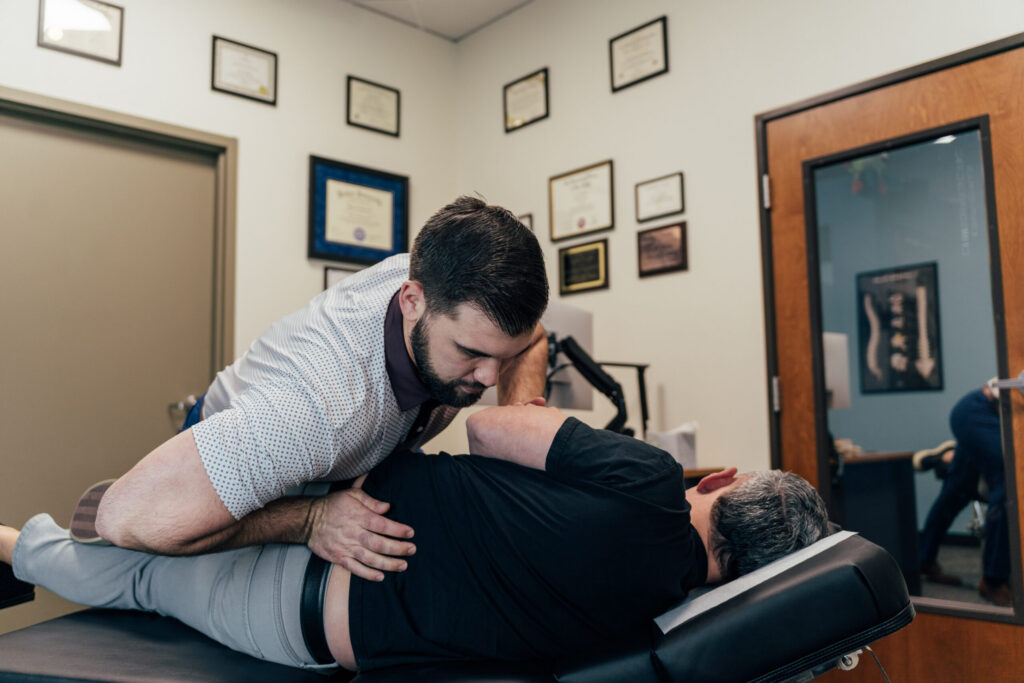
At Castle Hills Chiropractic, Dr. Brent Johnson takes a comprehensive approach to care. Rather than treating symptoms in isolation, the goal is to identify the underlying biomechanical issues contributing to your discomfort and address them at the source. This might include spinal decompression, manual adjustments, targeted exercises, and personalized lifestyle guidance — all working together toward a common goal.
Chiropractic care is also focused on empowering patients with knowledge and self-care strategies. Understanding how your posture, movement habits, and daily routines affect your spine gives you real, actionable tools to protect yourself between visits. Many patients in the Castle Hills, TX community have found that combining professional care with consistent self-care habits produces results that are more lasting and satisfying than any single treatment approach alone.
Practical Tips to Support Your Recovery
Recovery from hip pain and sciatica doesn’t happen only in the treatment room — it’s also shaped by the choices you make throughout your day. One of the most impactful things you can do is be mindful of how long you sit without moving. Prolonged sitting compresses the lumbar discs and tightens the piriformis muscle, both of which can aggravate sciatic symptoms. Aim to stand up and move around for a few minutes every 45 to 60 minutes if your job keeps you seated.
When you do sit, pay attention to your posture. Slouching forward puts uneven pressure on the lumbar discs and can gradually worsen disc-related problems. Using a supportive chair with proper lumbar support, keeping your feet flat on the floor, and positioning your screen at eye level can all make a meaningful difference over time. These ergonomic adjustments are simple but genuinely important for spinal health.
Gentle movement and stretching — done appropriately for your specific condition — can also support recovery. Walking at a comfortable pace, gentle hip flexor stretches, and core stabilization exercises are often recommended as part of a conservative care approach. That said, always check with Dr. Brent Johnson before starting any new exercise routine when you’re dealing with active sciatic pain, as some movements can make certain conditions worse before they get better.
Sleep position matters too. Sleeping on your side with a pillow between your knees can help reduce pressure on the sciatic nerve and keep the pelvis in a more neutral position during the night. Staying hydrated is also beneficial for disc health, as spinal discs rely on adequate fluid intake to maintain their height and shock-absorbing properties.
When to See a Chiropractor
If your hip pain or sciatic symptoms have lasted more than a week or two without improvement, it’s a good time to seek a professional evaluation. Mild, occasional discomfort might resolve on its own with rest and movement, but persistent or worsening pain is a signal that something in your spine or musculoskeletal system needs attention.
You should see a chiropractor sooner rather than later if your pain is severe enough to limit your daily activities, if you’re noticing weakness or numbness in your leg or foot, or if the pain woke you from sleep. These signs suggest a more significant level of nerve involvement that benefits from prompt care.
There are also red flags that warrant immediate medical attention rather than chiropractic care. These include loss of bladder or bowel control, significant weakness in both legs, or pain following a serious traumatic injury. In those cases, please go to an emergency room without delay. For the vast majority of hip pain and sciatica cases, however, conservative chiropractic care — including spinal decompression — is a well-supported first line of treatment that can make a real difference.
Hip Pain vs. Sciatica: Key Differences at a Glance
Feature |
Hip Pain (Structural) |
Sciatica (Nerve-Related) |
|---|---|---|
Primary Location |
Groin, outer hip, lateral thigh |
Lower back, buttock, leg, sometimes foot |
Pain Quality |
Deep aching, stiffness |
Burning, electric, shooting, tingling |
Common Triggers |
Walking, weight-bearing, hip rotation |
Prolonged sitting, bending, coughing/sneezing |
Radiating Symptoms |
Usually localized |
Travels down one leg along nerve path |
Common Causes |
Bursitis, arthritis, muscle strain, SI joint |
Disc herniation, stenosis, piriformis syndrome |
Chiropractic Relevance |
High — often linked to spinal alignment |
High — spinal decompression often beneficial |
Myths vs. Facts About Spinal Decompression and Sciatica
Myth: Sciatica always requires surgery to resolve.
Fact: The large majority of sciatica cases respond well to conservative, non-surgical care. Evidence-based guidelines from organizations like the American College of Physicians support trying conservative approaches — including chiropractic care and spinal decompression — before considering surgical options. Surgery is typically only considered when conservative care has been exhausted or when there is a serious neurological emergency.
Myth: Spinal decompression is painful and risky.
Fact: Spinal decompression is a gentle, controlled therapy that most patients find comfortable and relaxing. It is non-invasive and does not involve needles, incisions, or anesthesia. Like any treatment, it is not appropriate for every person or every condition, which is why Dr. Brent Johnson carefully screens each patient to confirm candidacy before beginning care.
Myth: If you rest completely, sciatica will go away faster.
Fact: Complete bed rest is generally not recommended for sciatica. Research consistently shows that staying gently active tends to support better recovery outcomes than prolonged inactivity. Appropriate movement, guided by your chiropractor, keeps circulation flowing, reduces stiffness, and prevents the muscle weakening that can worsen long-term outcomes.
Myth: Hip pain in older adults is always just arthritis.
Fact: While arthritis is a real and common contributor to hip discomfort in older populations, it is far from the only cause. Lumbar disc degeneration, sacroiliac joint dysfunction, piriformis syndrome, and muscle imbalances can all produce hip pain in adults of any age. A proper chiropractic evaluation can help identify what’s truly driving the discomfort.
Myth: Chiropractic care is only for back pain.
Fact: Chiropractic care addresses the entire musculoskeletal system, including the hips, pelvis, and nervous system. Conditions like sciatica, hip dysfunction, and related leg symptoms are well within the scope of chiropractic evaluation and treatment. At Castle Hills Chiropractic, we assess the whole person — not just the site of pain.
Final Thoughts from Castle Hills Chiropractic
Living with hip pain or sciatica doesn’t have to be your new normal. Here in Castle Hills, TX, we understand how much these conditions can interfere with the things you love — whether that’s keeping up with your kids, staying active, doing your job well, or simply sleeping through the night without waking up in pain. You deserve real answers and a care plan that’s built around your specific needs.
At Castle Hills Chiropractic, Dr. Brent Johnson is passionate about helping patients in our community understand what’s happening in their bodies and what they can do about it. Spinal decompression treatment is one of the most powerful non-surgical options available for disc-related hip pain and sciatica, and it’s offered as part of a thoughtful, personalized approach to care — not a one-size-fits-all quick fix.
If you’re in the Castle Hills area and you’ve been living with hip pain, sciatic symptoms, or nagging lower back discomfort, we’d love the opportunity to evaluate your situation and talk through your options. You don’t have to figure this out alone, and you don’t have to jump straight to medication or surgery. Conservative, compassionate chiropractic care is often exactly what the body needs to begin healing — and we’re here to support you every step of the way.
Frequently Asked Questions
How many spinal decompression sessions does it take to see results?
The number of sessions needed varies based on the individual’s condition, the severity of disc involvement, and how their body responds to care. Some patients begin to notice improvement within the first several sessions, while others may require a more extended course of care. Dr. Brent Johnson will develop a personalized plan and reassess your progress along the way.
Can spinal decompression help if I’ve had sciatica for years?
Chronic sciatica can sometimes respond to spinal decompression, though results vary by individual and the underlying cause of symptoms. A thorough evaluation at Castle Hills Chiropractic will help determine whether decompression is appropriate for your situation. Long-standing cases often benefit from a multi-faceted approach that combines decompression with other supportive therapies.
Is spinal decompression the same as traction?
They share some similarities, but spinal decompression is a more precise and computer-controlled form of therapy compared to traditional manual traction. Decompression equipment is programmed to vary the force and angle of pull in a way that targets specific spinal levels and reduces the muscle guarding response that can occur with older traction methods.
Can hip pain come from the spine even if my hip itself feels fine?
Absolutely — this is called referred pain, and it is quite common with lumbar spine conditions. The sciatic nerve and other lumbar nerve roots can generate pain sensations that feel like they’re coming from the hip, buttock, or thigh, even when the hip joint itself is structurally sound. This is one reason why a comprehensive spinal evaluation is so valuable when hip pain is present.
Is chiropractic care safe for older adults with sciatica?
Chiropractic care, including spinal decompression, can be adapted to suit patients of varying ages and health statuses. Dr. Brent Johnson takes a careful, individualized approach that accounts for bone density, overall health, and any other relevant factors before recommending a specific course of care. Age alone is not a barrier to receiving conservative chiropractic treatment.
What should I expect during my first visit at Castle Hills Chiropractic?
Your first visit will typically involve a thorough health history review, a discussion of your symptoms, and a physical examination to assess your spine, posture, range of motion, and neurological signs. Dr. Brent Johnson may also recommend imaging if needed. Based on these findings, a personalized care plan will be discussed with you before any treatment begins.
TL;DR Summary
-
Hip pain and sciatica are often connected to spinal issues, particularly disc herniation, nerve compression, or joint dysfunction in the lumbar spine.
-
Spinal decompression treatment is a gentle, non-surgical therapy that reduces pressure on compressed discs and irritated nerve roots, making it a helpful option for many sciatica and disc-related hip pain cases.
-
At Castle Hills Chiropractic in Castle Hills, TX, Dr. Brent Johnson combines spinal decompression with chiropractic adjustments and personalized care plans for a comprehensive approach to recovery.
-
Simple daily habits — like reducing prolonged sitting, improving posture, staying hydrated, and sleeping in a supported position — can meaningfully support your recovery between visits.
-
If your hip pain or sciatic symptoms have lasted more than a week or two, are worsening, or are limiting your daily life, it’s time to seek a professional chiropractic evaluation.