
If you’ve ever felt a sharp, burning pain shoot from your lower back down through your leg, you already know how disruptive sciatica can be. It can make sitting uncomfortable, standing unbearable, and sleeping nearly impossible. Here at Castle Hills Chiropractic in Castle Hills, TX, we see patients dealing with sciatica on a regular basis — and the good news is that there are effective, non-invasive ways to manage it. Dr. Brent Johnson and our team are committed to helping you understand what’s happening in your body and what your options are for finding real relief.
What Is Sciatica?
Sciatica refers to pain that travels along the path of the sciatic nerve, which runs from the lower back through the hips and buttocks and down each leg. It typically affects one side of the body and can range from a mild ache to a sharp, jolting sensation. Sciatica is a symptom — not a diagnosis in itself — meaning it’s caused by an underlying issue affecting the sciatic nerve.
What Causes Sciatica?
Sciatica doesn’t just appear out of nowhere. There’s almost always an underlying structural issue that’s putting pressure on the sciatic nerve or one of the nerve roots that contribute to it. Understanding the root cause is one of the first steps Dr. Brent Johnson takes before recommending any course of care.
The most common cause is a herniated or bulging disc in the lumbar spine. When the soft inner material of a spinal disc pushes outward and presses against a nearby nerve root, it can trigger that telltale radiating pain down the leg. Bone spurs — small calcium deposits that develop on vertebrae — can also narrow the spaces through which nerves travel, leading to irritation and compression.
Piriformis syndrome is another contributor worth knowing about. The piriformis is a small muscle located deep in the buttock, and when it becomes tight or inflamed, it can press directly on the sciatic nerve. This is sometimes called “wallet sciatica” in people who sit with a wallet in their back pocket for long periods. Degenerative disc disease, spinal stenosis, and even prolonged poor posture can all play a role in sciatic nerve irritation as well.
Here in Castle Hills, TX, many of our patients work desk jobs or spend long hours commuting, which means extended periods of sitting that place significant pressure on the lumbar spine. Over time, this can contribute to the spinal changes that lead to sciatica.
Recognizing the Symptoms of Sciatica
Sciatica has a fairly recognizable pattern, though it can present differently from person to person. The hallmark symptom is pain that radiates from the lower back or buttock down the back of one leg — sometimes all the way to the foot. It often follows a specific path because the sciatic nerve itself has a defined route through the body.
Beyond the radiating pain, people with sciatica often describe sensations like tingling, numbness, or a pins-and-needles feeling along the leg. Some patients experience muscle weakness in the affected leg, making it feel heavy or difficult to control. In certain cases, the pain worsens when sneezing, coughing, or sitting for extended periods.
It’s important to understand that the intensity of sciatica symptoms doesn’t always reflect the severity of the underlying issue. Some people have significant disc changes but mild symptoms, while others have intense pain from relatively minor nerve irritation. Either way, getting a proper evaluation is the right first step — which is exactly what Dr. Brent Johnson provides at Castle Hills Chiropractic.
How Chiropractic Care Can Help with Sciatica
Chiropractic care is widely recognized as a conservative, drug-free approach to managing musculoskeletal conditions — and sciatica is one of the conditions it is most commonly sought out for. The American College of Physicians (ACP) includes spinal manipulation among its recommended first-line treatments for low back pain, which is often the root source of sciatic symptoms.
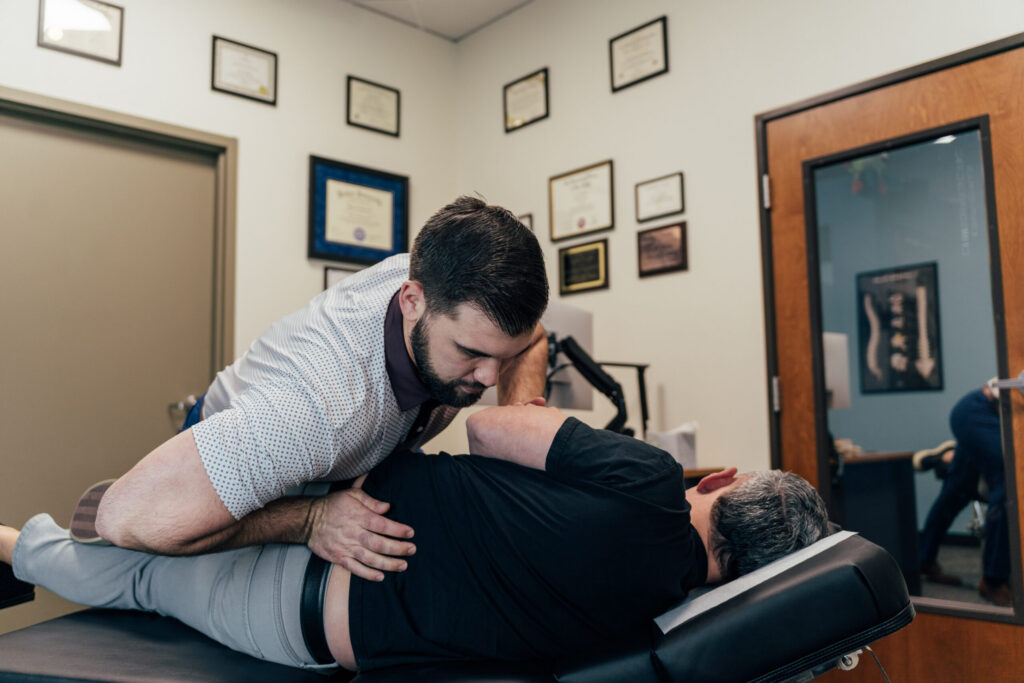
The core of chiropractic care for sciatica involves spinal adjustments — carefully applied, controlled movements to the vertebrae of the lumbar spine. When vertebrae are misaligned or not moving properly, they can contribute to disc irritation and nerve compression. By restoring proper alignment and joint mobility, chiropractic adjustments aim to reduce that nerve pressure and allow the body’s natural healing processes to work more effectively.
Research published in peer-reviewed journals and referenced by organizations like the National Center for Complementary and Integrative Health (NCCIH) suggests that spinal manipulation can be beneficial for reducing pain and improving function in people with low back-related conditions. While results vary from person to person, many patients report meaningful relief after a course of chiropractic care.
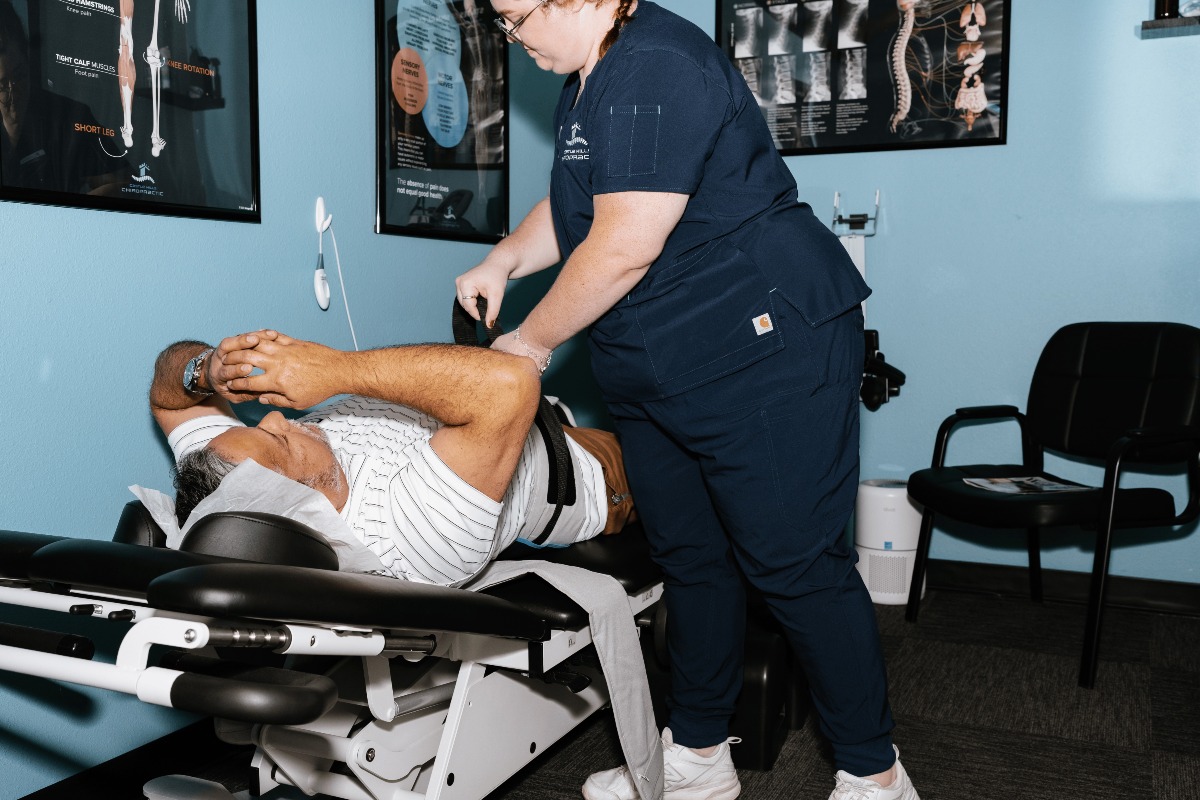
Beyond adjustments, chiropractic care can incorporate soft tissue therapy, therapeutic exercises, and posture coaching — all of which address the bigger picture of why sciatica developed in the first place. At Castle Hills Chiropractic, Dr. Brent Johnson takes an individualized approach because no two cases of sciatica are exactly the same.
What to Expect During Chiropractic Treatment for Sciatica
Walking into a chiropractic office for the first time — especially when you’re in pain — can feel intimidating. It doesn’t need to be. Here’s a straightforward look at what the process typically involves so you can feel prepared and confident.
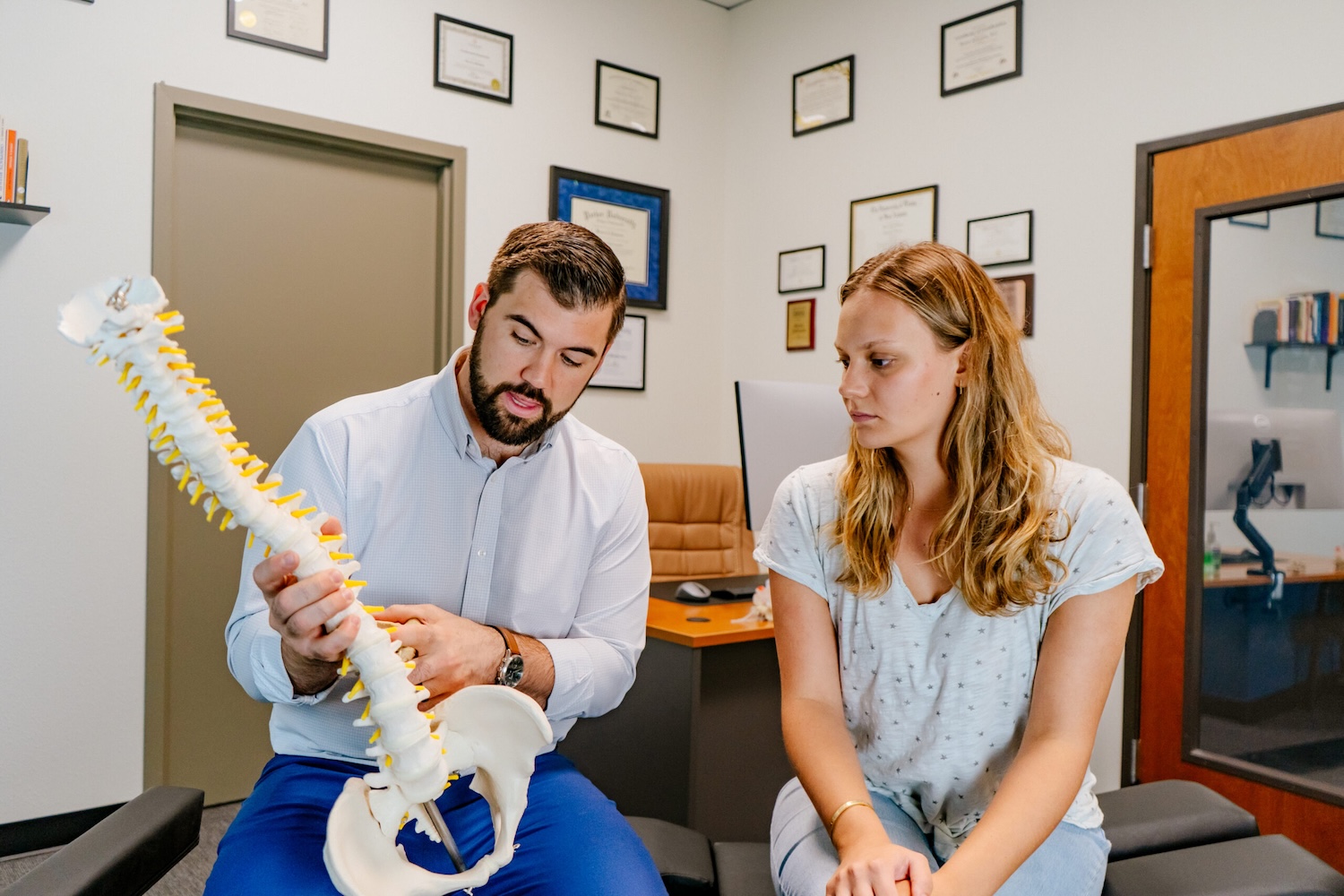
Your first visit with Dr. Brent Johnson at Castle Hills Chiropractic will begin with a thorough consultation and health history review. He’ll ask about your symptoms, when they started, what makes them better or worse, and what your daily life looks like. This conversation matters because sciatica is complex, and the details help shape the right care plan for you specifically.
From there, a physical and orthopedic examination will help identify where the nerve irritation is coming from. Depending on your situation, imaging such as X-rays may be recommended to get a clearer picture of your spinal structure. Once there’s a clear understanding of the underlying cause, Dr. Brent Johnson will walk you through his findings and recommendations in plain, understandable language.
Treatment sessions themselves are typically calm and methodical. Adjustments are applied with precision, and most patients find them comfortable — sometimes even relieving during the session itself. It’s normal to experience some mild soreness after the first few visits, similar to how muscles feel after a workout. This typically resolves quickly as your body adapts and starts to heal.
Progress is monitored consistently throughout your care. If something isn’t working as expected, the approach is adjusted. Chiropractic care is a partnership, and open communication with your care team is always encouraged.
Practical Tips for Managing Sciatica at Home
Chiropractic adjustments are an important piece of the puzzle, but what you do between visits also matters a great deal. There are several safe, practical strategies that can support your recovery and help reduce flare-ups.
Movement is generally better than rest when it comes to sciatica. Prolonged bed rest can actually worsen symptoms by allowing muscles to tighten and reducing circulation to the affected area. Gentle walking, which keeps the spine mobile and muscles active, is often well-tolerated and beneficial. Think of movement as medicine — in small, consistent doses.
Pay attention to how you’re sitting. If you spend hours at a desk, make sure your chair supports your lower back, your feet rest flat on the floor, and your screen is at eye level. Crossing your legs while seated can rotate the pelvis in ways that aggravate sciatic symptoms. A lumbar support cushion can be a simple but meaningful improvement for people in Castle Hills, TX who work long hours at a computer.
-
Apply ice during the first 48 hours of a flare-up to reduce inflammation, then switch to heat to relax surrounding muscles.
-
Avoid sitting or standing in one position for longer than 30-40 minutes at a time — micro-breaks make a real difference.
-
Sleep on your side with a pillow between your knees to keep the pelvis neutral and reduce pressure on the lower back.
Gentle stretching of the piriformis and hip flexors can also provide relief, especially if muscle tightness is contributing to nerve compression. Dr. Brent Johnson can show you specific movements appropriate for your case — it’s always better to learn the right technique rather than guess at home.
When to See a Chiropractor for Sciatica
Many people wait far too long before seeking care for sciatica, hoping the pain will simply go away on its own. While mild cases can resolve with rest and basic self-care, symptoms that persist beyond a few weeks deserve professional attention. Early evaluation and intervention can help prevent the condition from becoming chronic.
You should consider scheduling an evaluation at Castle Hills Chiropractic if your leg pain is affecting your ability to work, sleep, or move through your day normally. If you’ve noticed increasing weakness in your leg, or if pain is traveling further down toward the foot and toes, those are signs that the nerve involvement may be progressing and warrants prompt assessment.
There are some red flags that indicate you should seek immediate medical attention rather than wait for a chiropractic appointment. These include loss of bladder or bowel control, sudden severe weakness in both legs, or pain following a significant trauma like a fall or accident. These situations require urgent medical evaluation, and Dr. Brent Johnson will always refer patients appropriately when a situation falls outside the scope of chiropractic care.
Sciatica Triggers vs. Aggravating Factors
|
Underlying Cause |
Common Aggravating Factors |
What May Help |
|---|---|---|
|
Herniated lumbar disc |
Prolonged sitting, bending forward, coughing/sneezing |
Spinal adjustments, gentle extension movements |
|
Piriformis syndrome |
Deep hip rotation, prolonged sitting, climbing stairs |
Soft tissue therapy, piriformis stretching |
|
Spinal stenosis |
Extended walking or standing, backward bending |
Flexion-based movements, spinal decompression |
|
Bone spurs / degenerative changes |
Repetitive movement, poor posture over time |
Postural correction, mobility exercises |
|
Sacroiliac joint dysfunction |
Uneven weight-bearing, standing on one leg |
SI joint adjustments, gait correction |
Myths vs. Facts About Sciatica and Chiropractic Care
Myth: Sciatica always requires surgery to get better.
Fact: The vast majority of sciatica cases resolve with conservative, non-surgical care. Chiropractic treatment, physical therapy, and lifestyle modifications are recommended as first-line approaches by major medical organizations before surgery is ever considered. Surgery is typically reserved for severe cases that haven’t responded to months of conservative care, or when there is significant neurological compromise.
Myth: You should stay in bed and rest until sciatica goes away.
Fact: Complete bed rest is generally not recommended for sciatica. Evidence suggests that gentle movement and staying active — within your comfort level — actually supports recovery better than prolonged inactivity. Staying still for too long can increase stiffness and prolong healing time.
Myth: Chiropractic adjustments are dangerous for sciatica patients.
Fact: When performed by a licensed, trained chiropractor like Dr. Brent Johnson, spinal adjustments are considered safe for the majority of sciatica cases. A thorough examination is always conducted first to identify any contraindications. Chiropractic care is a well-established conservative treatment option recognized by leading health organizations worldwide.
Myth: If the pain goes down your leg, it must be coming from your leg.
Fact: Referred pain is a well-understood phenomenon in musculoskeletal care. The pain you feel in your calf or foot is actually originating from nerve irritation higher up — in the lumbar spine or along the course of the sciatic nerve. Treating the source rather than just the location of the pain is what makes chiropractic care effective for sciatica.
Myth: Once you have sciatica, you’ll have it forever.
Fact: Many people recover fully from sciatica, especially when the underlying cause is identified and addressed early. Even in cases where some structural changes are permanent, symptoms can be significantly reduced and managed with the right ongoing care and lifestyle habits.
Final Thoughts from Castle Hills Chiropractic
Sciatica is genuinely one of the more challenging pain conditions people experience — not just because of the physical discomfort, but because of how much it can take away from everyday life. The moments you spend wincing getting out of a chair or bracing yourself before a sneeze add up, and they deserve to be addressed thoughtfully and professionally.
Here at Castle Hills Chiropractic in Castle Hills, TX, Dr. Brent Johnson approaches every sciatica case as unique. There’s no one-size-fits-all solution, and that’s exactly why a thorough evaluation is always the starting point. The goal is never just to manage pain temporarily — it’s to understand the root cause, address it as effectively as possible, and equip you with the knowledge to support your own health going forward.
If you’re living with sciatic pain in the Castle Hills area and wondering whether chiropractic care might be right for you, we’d encourage you to reach out and have that conversation. You deserve to feel like yourself again — and taking the first step toward care is often the hardest part. We’re here to make that step feel as comfortable and informed as possible.
Frequently Asked Questions About Sciatica and Chiropractic Care
How many chiropractic visits does it take to relieve sciatica?
The number of visits varies depending on the severity of the condition, the underlying cause, and how long symptoms have been present. Some patients notice meaningful improvement within a few visits, while others with more complex cases may require a longer course of care. Dr. Brent Johnson will give you a realistic expectation during your initial evaluation.
Is chiropractic care safe if I have a herniated disc causing my sciatica?
In most cases, yes. Chiropractic care for disc-related sciatica is generally considered safe and effective when tailored appropriately to your specific condition. Certain techniques are specifically designed to address disc-related nerve compression without aggravating the disc further. A thorough examination helps determine which approaches are appropriate for your situation.
Can sciatica come back after chiropractic treatment?
It can, particularly if the underlying lifestyle factors — like prolonged sitting, poor posture, or weak core muscles — aren’t addressed alongside treatment. Chiropractic care often includes guidance on habits and exercises that help reduce the likelihood of recurrence. Maintenance care can also play a supportive role for some patients.
Will chiropractic adjustments hurt if I’m already in pain?
Adjustments are designed to be gentle and targeted — most patients find them relieving rather than painful. You may experience some mild soreness in the treated area afterward, especially in the first few visits, but this typically resolves within a day or two. Dr. Brent Johnson always works within your comfort level and adjusts techniques based on your feedback.
Is sciatica the same as regular back pain?
Not exactly. While sciatica often originates from the lower back, its defining feature is nerve-related pain that radiates into the buttock and leg — which sets it apart from general low back pain that stays localized. The presence of leg symptoms suggests nerve involvement, which is why evaluation by a professional is important for accurate identification and care.
Can I continue working while receiving chiropractic treatment for sciatica?
For most people, yes — especially if your work doesn’t involve heavy physical labor. Dr. Brent Johnson may offer ergonomic guidance to help make your work environment more comfortable during recovery. Staying active and mobile is generally encouraged, with specific limitations based on your individual situation.
TL;DR — Key Takeaways
-
Sciatica is nerve-related pain that radiates from the lower back down one leg and is caused by underlying spinal or muscular issues — not a condition in itself.
-
Chiropractic care, including spinal adjustments and soft tissue therapy, is a recognized, conservative approach for managing sciatic pain without drugs or surgery.
-
Dr. Brent Johnson at Castle Hills Chiropractic in Castle Hills, TX conducts thorough evaluations to identify the root cause before recommending individualized treatment.
-
Home strategies like gentle movement, posture improvements, and proper sleep positioning can meaningfully support your recovery between visits.
-
Early evaluation leads to better outcomes — if your symptoms have lasted more than a few weeks or are affecting daily function, it’s time to seek professional care.