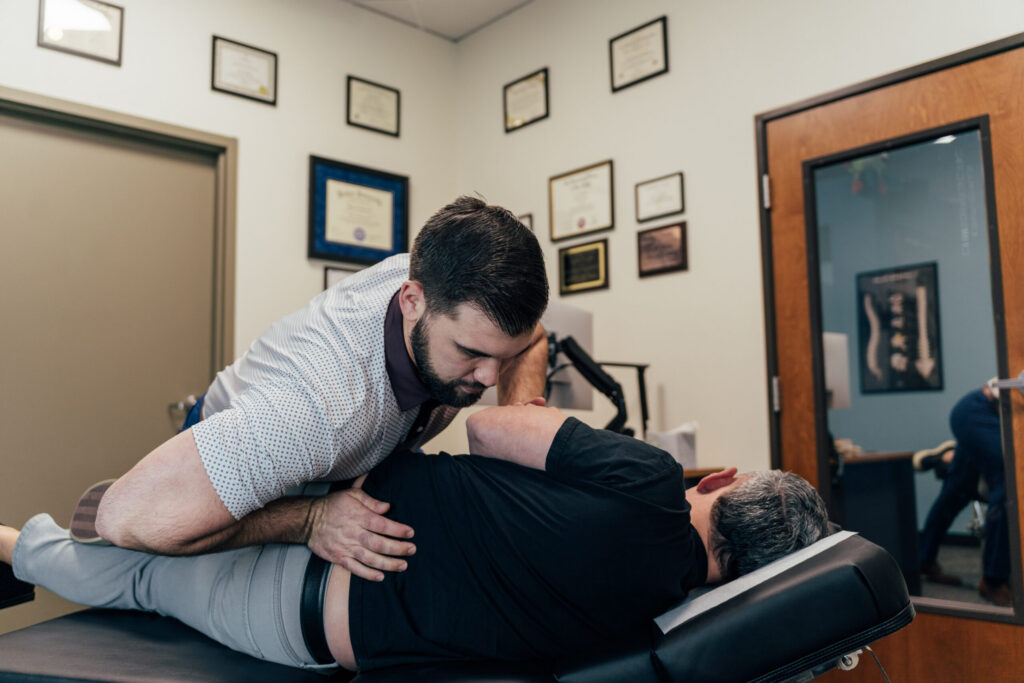
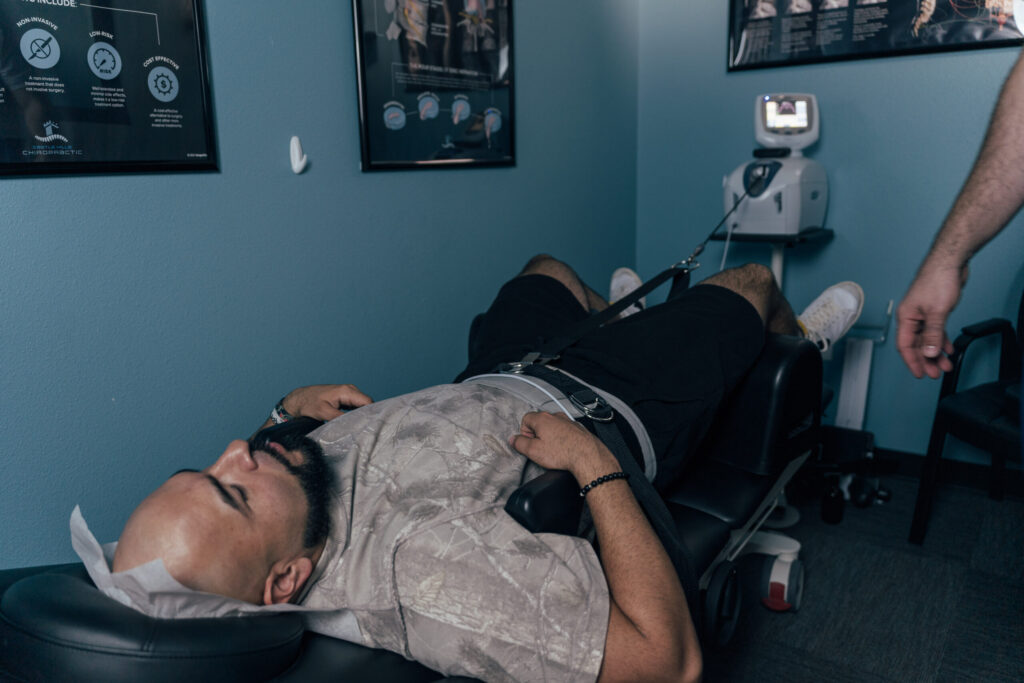

Back pain is one of the most common reasons people visit a healthcare provider — and disc injuries are among the most frustrating causes of that pain. If you’ve recently been told you have a bulging disc, herniated disc, or disc degeneration, you may be wondering whether surgery is your only option. The good news is that for many people, it isn’t. Here in Castle Hills, TX, patients come to Castle Hills Chiropractic seeking conservative, non-surgical solutions for disc-related pain — and many of them find meaningful relief without ever going under the knife.
What Is a Disc Injury?
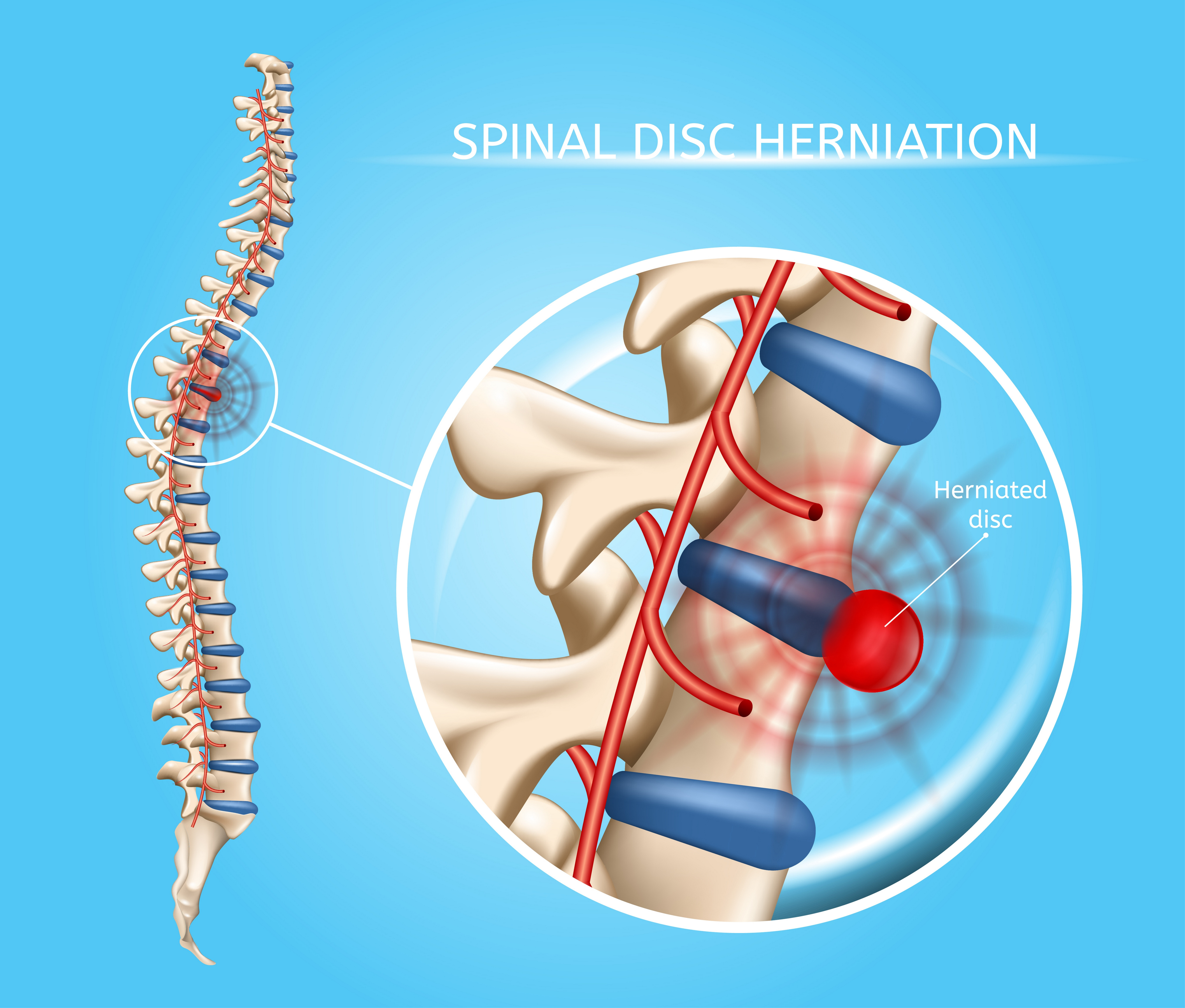
A disc injury refers to damage or dysfunction in the intervertebral discs — the soft, cushion-like structures that sit between the bones of your spine. These discs act as shock absorbers and allow your spine to move freely. When a disc is damaged, it can press on nearby nerves, cause localized pain, and limit your range of motion. Disc injuries can affect people of all ages and activity levels, and they don’t always require surgery to heal.
Types of Disc Injuries and What Causes Them
Not all disc injuries are the same, and understanding the differences can help you make sense of your diagnosis. The most common types include bulging discs, herniated discs, and degenerative disc disease. Each of these involves a slightly different kind of structural change in the disc, but they can all cause similar pain and discomfort depending on where the injury is located along your spine.
A bulging disc occurs when the outer layer of the disc extends beyond its normal boundary but hasn’t actually ruptured. Think of it like a slightly overinflated tire — the disc is still intact, but it’s pressing into areas where it shouldn’t be. A herniated disc, sometimes called a slipped or ruptured disc, happens when the inner gel-like material of the disc pushes through a crack in its outer shell. This is typically more painful because the inner material can directly irritate nearby spinal nerves.
Degenerative disc disease isn’t actually a disease in the traditional sense — it’s a term used to describe age-related wear and tear on the discs. Over time, discs can lose their height, moisture, and flexibility, which can lead to chronic stiffness and pain. While this is a natural part of aging for some people, it doesn’t have to be a life sentence of pain.
Common causes of disc injuries include repetitive bending and lifting, prolonged sitting, poor posture, sudden trauma (like a car accident or sports injury), and the natural aging process. Here in Castle Hills, TX, Dr. Brent Johnson sees a wide range of patients — from desk workers who’ve developed disc problems from years of sedentary work to active individuals who pushed their bodies a little too hard.
Signs and Symptoms of a Disc Injury
One of the tricky things about disc injuries is that the symptoms can vary quite a bit from person to person. Some people have visible disc changes on imaging but experience little to no pain. Others have significant symptoms even with what appears to be a minor disc issue. This variability is part of why a thorough, individualized evaluation is so important.
That said, there are some common signs that may point to a disc injury. Sharp or aching pain in the lower back or neck is perhaps the most well-known symptom. But when a disc presses on a nerve, it can also cause radiating pain — meaning the discomfort travels down an arm or leg. This is often described as a burning, tingling, or electric-shock sensation. In the lower back, this radiating pain is frequently associated with a condition called sciatica.
Other symptoms may include muscle weakness in an arm or leg, numbness or a “pins and needles” feeling, and pain that worsens with certain movements like bending forward, sitting for long periods, or coughing and sneezing. If you’re experiencing any combination of these symptoms, it’s worth getting evaluated — especially before assuming that surgery is your only path forward.
How Chiropractic Care May Help Disc Injuries
Chiropractic care takes a conservative, drug-free approach to musculoskeletal health. Rather than masking symptoms with medication or removing tissue through surgery, chiropractic focuses on restoring proper alignment, reducing nerve irritation, and supporting the body’s own healing process. Research suggests that conservative care — including chiropractic — can be an effective first-line approach for many types of disc-related pain.
The American College of Physicians (ACP) recommends that patients with back pain try non-pharmacological, non-invasive treatments before resorting to more aggressive interventions. Chiropractic care fits squarely within that recommendation. Evidence indicates that spinal manipulation and related chiropractic techniques can help reduce pain, improve mobility, and decrease reliance on pain medications for patients dealing with disc injuries.
One of the key ways chiropractic care may help is by reducing the mechanical stress placed on a compromised disc. When spinal joints are restricted or misaligned, they can place uneven pressure on the surrounding discs. By addressing these restrictions through gentle, targeted adjustments, a chiropractor can help distribute load more evenly across the spine — which may reduce compression on an injured disc and give it a better environment in which to heal.
It’s also worth noting that chiropractic care addresses the muscles, ligaments, and surrounding structures — not just the bones. Soft tissue work, therapeutic stretching recommendations, and postural correction all play a role in taking pressure off the disc and supporting long-term recovery. Dr. Brent Johnson at Castle Hills Chiropractic integrates this kind of whole-spine approach when working with patients who have disc injuries.
What Chiropractic Care Looks Like at Castle Hills Chiropractic
If you come to Castle Hills Chiropractic in Castle Hills, TX with a disc injury, the first step is always a thorough evaluation. Dr. Brent Johnson takes the time to understand your history, your symptoms, and what may have contributed to the injury in the first place. This isn’t a one-size-fits-all situation — every spine is different, and every patient deserves a personalized plan.
Depending on your specific diagnosis and the severity of your symptoms, care may include spinal adjustments using low-force or instrument-assisted techniques, which can be particularly appropriate for more sensitive disc conditions. For acute disc injuries, the approach tends to be gentle and gradual, with the goal of reducing inflammation and nerve irritation before progressing to more involved mobility work.
Patients are also educated about their condition — because understanding what’s happening in your body is genuinely empowering. Knowing why certain movements aggravate your disc and how to modify your daily habits can make a real difference in your recovery timeline. Dr. Brent Johnson believes that an informed patient is an empowered patient, and that philosophy shapes the care experience at Castle Hills Chiropractic from day one.
Practical Tips for Supporting Your Spine at Home
Chiropractic care doesn’t start and stop at the office. What you do at home between visits plays a significant role in how well and how quickly you recover from a disc injury. Here are some practical, evidence-informed habits worth adopting.
Pay close attention to how you sit. Prolonged sitting is one of the biggest aggravators of disc injuries, especially in the lower back. If your job requires you to sit for extended periods, aim to stand or walk briefly every 30 to 45 minutes. Use a chair that supports the natural curve of your lower back, and keep your feet flat on the floor rather than crossed or tucked under your chair.
Be mindful of how you lift objects. Bending at the waist while lifting — even for something relatively light — places a tremendous amount of force on your lumbar discs. Instead, bend your knees, keep the object close to your body, and let your legs do the heavy lifting. This one habit change can make a meaningful difference in your disc health over time.
Staying gently active is generally more beneficial than complete rest. While it’s important to avoid movements that provoke sharp pain, total inactivity can actually slow recovery by reducing circulation to the affected area. Walking is often one of the safest and most beneficial forms of movement for people with disc injuries. Ask Dr. Brent Johnson about appropriate activity levels based on your specific situation.
When to See a Chiropractor for a Disc Injury
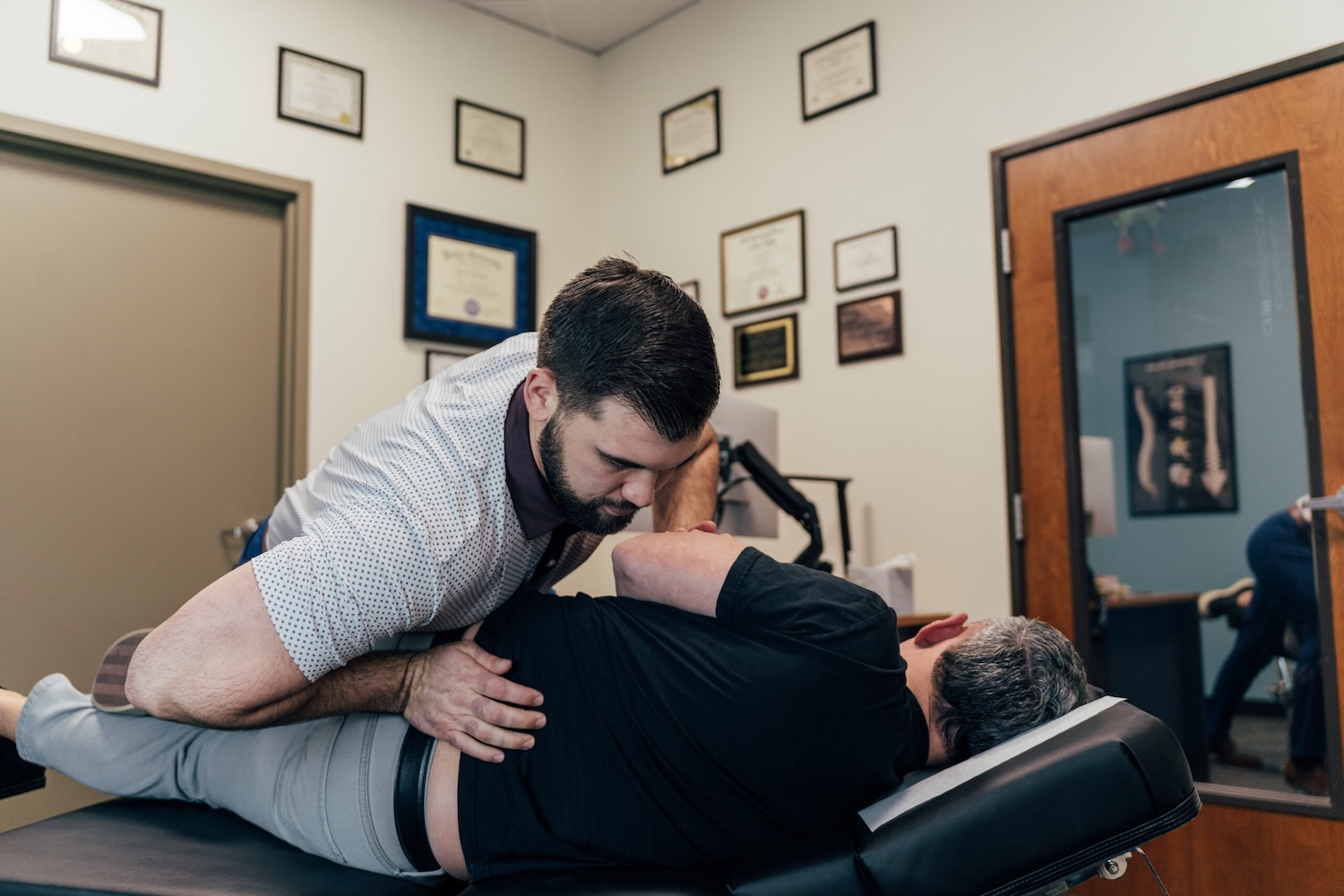
If your back or neck pain has been present for more than a few days, is limiting your daily activities, or is accompanied by radiating pain or numbness into an arm or leg, it’s a good idea to seek professional evaluation. Many people wait far too long before getting help — and in the meantime, they’re often reaching for over-the-counter pain medications that address symptoms without addressing the underlying cause.
Chiropractic care is generally appropriate for disc injuries that are causing mechanical pain — meaning pain that changes with position, movement, or activity. Dr. Brent Johnson and the team at Castle Hills Chiropractic can help determine whether your symptoms are consistent with a disc issue and whether conservative care is the right path for you.
However, there are certain red flags that warrant immediate medical attention rather than a chiropractic visit. These include loss of bladder or bowel control, severe progressive weakness in your legs, numbness in the groin or inner thigh area (sometimes called “saddle anesthesia”), or severe pain that is constant and not affected by position or movement at all. These symptoms may indicate a more serious neurological emergency and should be evaluated in an emergency setting without delay.
|
Symptom or Situation |
Appropriate Next Step |
Notes |
|---|---|---|
|
Mild to moderate low back pain lasting more than a few days |
Schedule a chiropractic evaluation |
Conservative care is a recommended first step |
|
Radiating leg pain (sciatica-like symptoms) |
See a chiropractor for assessment |
May indicate nerve involvement from disc pressure |
|
Neck pain with arm numbness or tingling |
Chiropractic evaluation with possible imaging |
Cervical disc issues often respond well to conservative care |
|
Pain worsened by sitting or bending forward |
Postural and chiropractic assessment |
Classic pattern associated with disc injuries |
|
Loss of bladder or bowel control |
Go to the emergency room immediately |
Possible serious neurological emergency — do not delay |
|
Progressive leg weakness or saddle-area numbness |
Seek emergency medical evaluation |
May indicate cauda equina syndrome — a medical emergency |
Myths vs. Facts About Disc Injuries and Chiropractic Care
Myth: A herniated disc always requires surgery.
Fact: The majority of herniated disc cases resolve or significantly improve with conservative care over time. Surgery is generally considered only when conservative options have been exhausted or when there are serious neurological complications. Research and clinical guidelines consistently support trying non-surgical approaches first.
Myth: Chiropractic adjustments will make a disc injury worse.
Fact: When performed by a trained, licensed chiropractor, spinal manipulation is generally considered safe for disc injuries. Chiropractors are trained to recognize which techniques are appropriate and which to avoid based on the nature and severity of the injury. A thorough evaluation guides the entire care plan.
Myth: If you have a disc problem on an MRI, you’ll always be in pain.
Fact: Imaging findings don’t always correlate with pain levels. Studies have consistently shown that a significant portion of adults with no back pain at all have disc bulges or herniations visible on MRI. The presence of a structural finding doesn’t automatically mean it’s the source of your symptoms.
Myth: Bed rest is the best treatment for a disc injury.
Fact: Prolonged bed rest is no longer recommended for most disc injuries. Evidence indicates that staying gently active — within the limits of your pain — is generally more beneficial than immobilization. Movement promotes circulation, reduces stiffness, and supports recovery.
Myth: Disc injuries only happen to older people.
Fact: While disc degeneration does become more common with age, herniated and bulging discs can and do occur in younger adults and even teenagers. Physical demands, poor posture, repetitive strain, and traumatic injury can all contribute to disc problems at any age.
Final Thoughts from Castle Hills Chiropractic
Living with a disc injury can feel overwhelming — especially when surgery feels like the only thing being offered to you. But for many people, conservative care is not just a reasonable option — it’s an effective one. The spine is remarkably resilient, and with the right support, many disc injuries improve significantly without invasive intervention.
At Castle Hills Chiropractic, serving the Castle Hills, TX community and surrounding San Antonio area, Dr. Brent Johnson is committed to helping patients understand their condition, make informed decisions, and pursue the most conservative effective path to recovery. Whether you’ve just been diagnosed with a disc injury or you’ve been dealing with back pain for years, you don’t have to navigate it alone.
If you’re searching for disc injury care near Castle Hills, TX, we encourage you to reach out and schedule an evaluation. A conversation costs nothing, and understanding your options is always worth it.
Frequently Asked Questions
Can chiropractic care actually heal a herniated disc?
Chiropractic care doesn’t directly “heal” a herniated disc in the sense of repairing tissue, but it can reduce nerve irritation, improve spinal mechanics, and create a better environment for the body’s natural healing process. Many patients experience significant symptom relief through chiropractic care, even when imaging still shows disc changes.
How long does it take to recover from a disc injury with chiropractic care?
Recovery timelines vary depending on the severity of the injury, the patient’s overall health, and how consistently they follow their care plan. Some patients notice improvement within a few weeks, while others with more complex injuries may need several months of consistent care. Dr. Brent Johnson will give you a realistic picture after your initial evaluation.
Is it safe to get a chiropractic adjustment with a herniated disc?
In most cases, yes — when performed by a qualified chiropractor who has evaluated your specific condition. Chiropractors are trained to use modified, lower-force techniques when working with patients who have disc injuries, and they will refer you out if your condition falls outside the appropriate scope of chiropractic care.
What’s the difference between a bulging disc and a herniated disc?
A bulging disc extends beyond its normal space but the outer layer remains intact. A herniated disc means the inner material has pushed through a crack in the outer wall, which can more directly irritate nearby nerves. Both can cause pain, though herniated discs tend to produce more intense or radiating symptoms.
Should I get an MRI before seeing a chiropractor for a disc injury?
Not necessarily. Many chiropractors can clinically assess your condition and begin appropriate care without imaging for most presentations. If your symptoms suggest something more complex, or if you’ve had prior imaging, your chiropractor may request records or refer you for updated imaging before beginning treatment.
Does Castle Hills Chiropractic treat disc injuries without surgery?
Yes. Dr. Brent Johnson at Castle Hills Chiropractic in Castle Hills, TX offers non-surgical, conservative chiropractic care for patients with disc injuries. After a thorough evaluation, a personalized care plan is developed to address your specific condition and goals.
TL;DR — Key Takeaways
-
Disc injuries — including bulging discs, herniated discs, and degenerative disc disease — are common causes of back and neck pain, but surgery is not always necessary.
-
Chiropractic care offers a conservative, non-invasive approach that may help reduce pain, restore mobility, and support the body’s natural healing process.
-
Dr. Brent Johnson at Castle Hills Chiropractic in Castle Hills, TX provides individualized disc injury care tailored to each patient’s condition and symptoms.
-
Red flags like loss of bladder or bowel control or severe progressive weakness require emergency medical evaluation — not chiropractic care.
-
Simple daily habits — like improving your sitting posture, lifting with your legs, and staying gently active — can significantly support your recovery alongside professional care.