
Lower back pain can be a frustrating and limiting issue that many individuals encounter. As a local chiropractor, I want to emphasize that understanding the causes and recognizing the symptoms of back pain is crucial for effective relief. One of the best ways to address this discomfort is through chiropractic care, which focuses on natural healing and spinal health.
Improving your posture plays a significant role in alleviating lower back pain. Simple adjustments to how you sit, stand, and move can make a big difference. Additionally, incorporating specific stretches and exercises tailored to your needs can help strengthen the muscles supporting your spine. However, if these methods don’t provide the relief you’re seeking, it’s essential to explore more comprehensive strategies that prioritize your overall well-being.
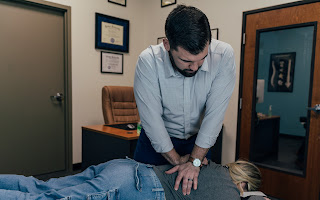
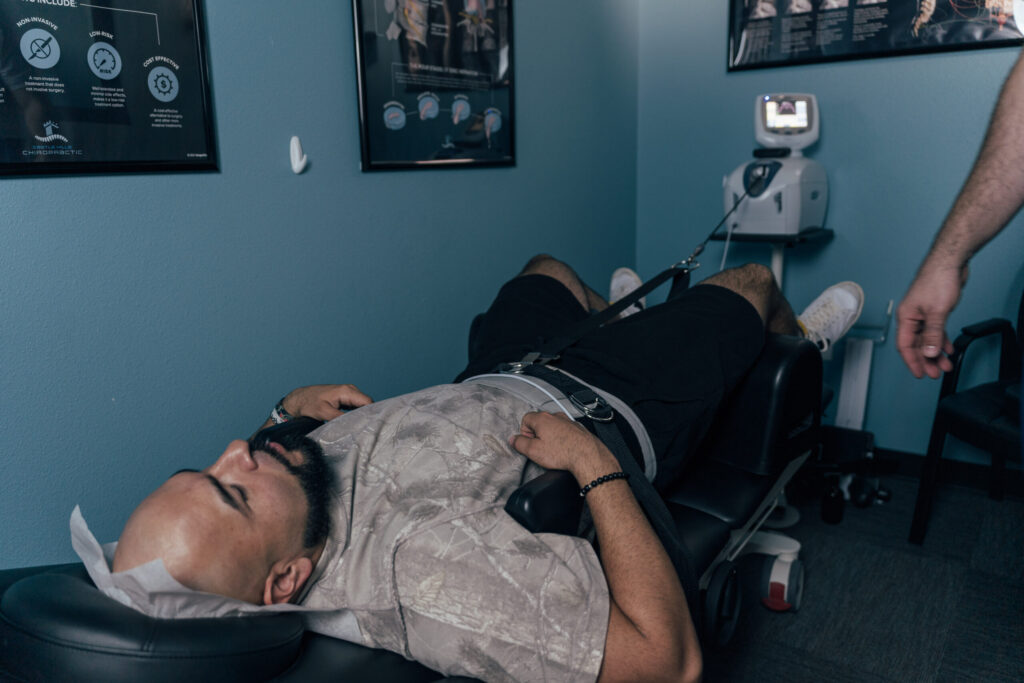
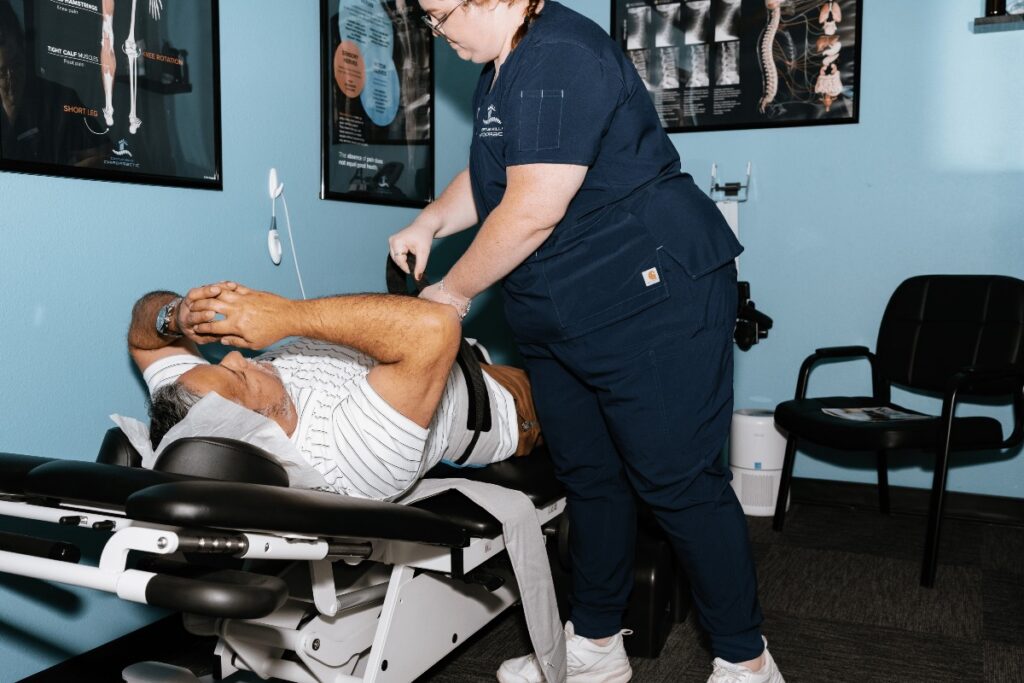
Chiropractic care is a fantastic option for those looking to achieve lasting relief. Through gentle adjustments, we can realign the spine, improve mobility, and reduce tension in the lower back. This natural approach not only helps to alleviate pain but also promotes a healthier lifestyle by enhancing the body’s ability to heal itself.
Here are some general tips to keep in mind for managing lower back pain:
- Stay Active: Gentle movement can help keep your back flexible. Aim for daily activities like walking or swimming.
- Practice Good Posture: Be mindful of how you sit and stand. Use ergonomic furniture and take breaks to stretch if you sit for long periods.
- Incorporate Stretching: Gentle stretches can help relieve tension. Focus on stretches that target your lower back and hamstrings.
- Stay Hydrated: Drinking plenty of water helps to keep your discs hydrated and functioning well.
- Consult with a Chiropractor: Regular chiropractic visits can help maintain spinal health and prevent future pain.
By choosing chiropractic care as your primary option for pain relief and wellness, you’re taking a proactive step toward a healthier back and a more vibrant life. Remember, your spine is the foundation of your overall health, and caring for it naturally will set you on a path to optimal well-being.
Key Takeaways
- Understanding the causes of lower back pain is essential for effective relief. Common culprits include muscle strain, herniated discs, and arthritis. By identifying the root cause, we can better tailor relief strategies through chiropractic care.
- If you’re experiencing severe pain, ongoing discomfort, numbness, or weakness, it’s crucial to seek professional chiropractic care. A chiropractor can assess your condition and create a personalized treatment plan that addresses your specific needs.
- For a holistic approach to relief, consider integrating chiropractic adjustments with stretching and strengthening exercises, as well as practices like yoga and massage therapy. This comprehensive strategy not only alleviates pain but also promotes overall wellness.
- Pay attention to your posture and ergonomics at your workstation. Maintaining good posture reduces strain on your lower back during daily activities and is a simple yet effective way to support spinal health.
- Incorporate daily stretching routines into your life. Gentle movements like the Cat-Cow stretch and Reclined Spinal Twists can enhance flexibility and relieve tension. These practices complement chiropractic care and help maintain a healthy spine.
Remember, chiropractic care is a powerful tool for achieving optimal health and alleviating pain naturally. By embracing these tips and incorporating chiropractic into your wellness routine, you can take significant steps toward a healthier, pain-free life.
Understanding Lower Back Pain: Causes and Symptoms
When you experience lower back pain, it’s important to understand the potential causes and how you can take charge of your health.
Many factors can lead to discomfort in your lower back, with muscle strain being a common culprit—often from heavy lifting or sudden movements.
You might also be facing issues like herniated discs, which can exert pressure on nearby nerves, or other conditions such as arthritis or scoliosis that can contribute to ongoing pain.
Symptoms can vary widely, from a dull ache to sharp, stabbing sensations.
You may feel stiffness, especially if you’ve been sitting for long periods.
If the pain radiates down your legs, this could indicate nerve involvement.
It’s crucial to observe how your pain behaves—does it worsen with certain activities or ease when you rest?
Understanding these patterns can be a key step in finding relief.
Chiropractic care is a natural and effective approach to addressing lower back pain.
Chiropractors focus on spinal alignment and overall wellness, helping to restore balance to your body.
Regular adjustments can alleviate pain, improve mobility, and enhance your body’s natural healing abilities.
Here are some general tips to help you manage your lower back pain and promote a healthier lifestyle:
- Stay Active: Gentle exercises and stretches can strengthen your back and improve flexibility. Activities like walking, swimming, or yoga can be beneficial.
- Mind Your Posture: Pay attention to how you sit and stand. Good posture can reduce strain on your back. Consider using ergonomic furniture if you spend long hours at a desk.
- Use Proper Lifting Techniques: When lifting heavy objects, bend at the knees and keep the load close to your body to minimize strain on your back.
- Incorporate Rest: While staying active is essential, don’t forget to give your body time to rest. Short breaks during long periods of sitting can help alleviate stiffness.
- Stay Hydrated and Eat Well: Proper nutrition and hydration support your body’s overall health, including your spine.
If you’re struggling with lower back pain, consider visiting a chiropractor.
They can work with you to develop a personalized plan that focuses on natural healing and optimal wellness.
Your journey to a pain-free back starts with understanding your body and seeking the right care!
Importance of Proper Posture
Maintaining proper posture is essential for preventing and alleviating lower back pain, and as a chiropractor, I want to share how you can achieve this for better overall health.
When you sit, stand, or move with good posture, you help distribute your body weight evenly, which reduces strain on your back muscles and spine. On the other hand, slouching or hunching can lead to muscle fatigue and discomfort, making it harder to stay active and enjoy life.
To improve your posture, start by paying attention to your alignment. Keep your shoulders back, your head level, and your spine straight. If you sit for long periods—like at work or while watching TV—make sure your chair offers support for your lower back. An ergonomic setup is vital; adjust your workstation so your feet can rest flat on the floor and your knees are at a right angle.
Regularly checking your posture can make a significant difference in how you feel. Simple reminders throughout the day, like taking breaks to stretch or adjusting your seating position, can help you maintain a healthier alignment.
By prioritizing proper posture, you’re not just preventing pain; you’re also promoting better overall health and wellness. Chiropractic care can play a vital role in this journey by helping to restore proper spinal alignment and function.
Simple Stretches for Immediate Relief
If you’re seeking quick relief from lower back pain, incorporating simple stretches into your routine can be incredibly beneficial. As a chiropractor, I encourage you to explore movements like the Gentle Cat-Cow Stretch, Seated Forward Bend, and Reclined Spinal Twist.
These stretches not only help ease tension but also enhance flexibility, making them a perfect addition to your daily regimen for overall wellness.
While these stretches can provide immediate comfort, remember that chiropractic care plays a crucial role in addressing the root causes of your pain. Regular visits to a chiropractor can help align your spine, improve your posture, and promote natural healing throughout your body.
As you practice these stretches, keep a few tips in mind:
- Breathe Deeply: Focus on your breath while stretching to promote relaxation and increase the effectiveness of each movement.
- Listen to Your Body: If a stretch feels painful or uncomfortable, back off slightly and modify the movement to suit your comfort level.
- Stay Consistent: Incorporate these stretches into your daily routine for the best results. Consistency is key to maintaining flexibility and reducing tension.
Gentle Cat-Cow Stretch
Gentle Cat-Cow Stretch for Spinal Health
If you’re seeking relief for your lower back, the Gentle Cat-Cow Stretch is an excellent addition to your wellness routine. This gentle movement not only warms up your spine but also enhances flexibility and reduces tension, making it a perfect complement to chiropractic care.
To perform the Cat-Cow Stretch, start by getting on all fours. Make sure your wrists are directly under your shoulders and your knees are aligned with your hips. As you inhale deeply, arch your back while lifting your head and tailbone towards the ceiling—this is known as the Cow position. This motion encourages a natural curve in your spine, promoting spinal health.
Next, as you exhale, gently round your spine by tucking your chin and tailbone—this is the Cat position. This part of the stretch helps to release tension in your back and promote relaxation.
Repeat this flowing movement for several breaths, transitioning slowly between the two poses. With each round, you’ll likely feel your lower back loosening up, which can enhance circulation and contribute to your overall well-being.
Incorporating the Cat-Cow Stretch into your daily routine can significantly improve your comfort and mobility. Remember, while these stretches are beneficial, regular chiropractic care can further help you achieve optimal spinal health and alleviate discomfort naturally.
By focusing on your spine’s alignment and overall wellness, you can enhance your quality of life without the need for surgeries or medications.
Take the time to listen to your body and combine these stretches with professional chiropractic adjustments for the best results. Your journey to a healthier, pain-free life starts with simple, mindful movements like the Gentle Cat-Cow Stretch!
Seated Forward Bend
The Seated Forward Bend is an excellent stretch that can provide immediate relief for lower back discomfort, making it a great addition to your wellness routine. To perform this stretch, start by sitting on the floor with your legs extended straight in front of you.
Take a deep breath in, reaching your arms overhead to help elongate your spine. As you exhale, gently hinge at your hips and fold forward, aiming to reach toward your feet. Remember, it’s perfectly fine if you can’t touch your toes—just go as far as you comfortably can.
Hold this position for 20 to 30 seconds while continuing to breathe deeply. You’ll likely feel a gentle stretch along your spine and hamstrings, which can help alleviate tension in your lower back. This stretch is a fantastic way to complement your chiropractic care, as it promotes flexibility and relaxation in your muscles, supporting your spine’s health.
As you practice this stretch, always listen to your body. Avoid any movements that cause pain or discomfort, and remember that gradual progress is key. Incorporating stretches like the Seated Forward Bend into your daily routine can enhance your overall well-being and support the natural healing process your body undergoes during chiropractic adjustments.
For optimal health, consider regular chiropractic care to keep your spine aligned and functioning at its best.
Reclined Spinal Twist
While experiencing lower back discomfort can be frustrating, one effective way to relieve tension and enhance flexibility is through the Reclined Spinal Twist. As a chiropractor, I encourage you to try this simple stretch as part of your daily routine to promote natural healing and spinal health.
To begin, lie comfortably on your back with your arms stretched out to the sides, creating a “T” shape. Gently pull your knees toward your chest, then lower them to one side, ensuring that your shoulders remain flat against the ground. As you do this, turn your head in the opposite direction. Hold this position for about 30 seconds, and you should feel a gentle stretch in your lower back and hips. Afterward, switch sides and repeat the stretch.
This exercise not only helps alleviate pain but also encourages spinal mobility, which is essential for overall health. Regularly incorporating the Reclined Spinal Twist can significantly improve your lower back comfort and flexibility.
Remember, chiropractic care is a natural and effective approach to maintaining wellness and addressing pain. By focusing on spinal health through exercises like the Reclined Spinal Twist, you can work towards achieving optimal health without the need for medications or surgeries.
Strengthening Exercises for Long-Term Support
To build a strong foundation for your lower back, it’s essential to incorporate targeted strengthening exercises that not only support your spine but also enhance your overall well-being. A strong core is your best ally; it provides stability and reduces strain on your back, helping to prevent discomfort and promote a healthy spine.
Start with planks, a fantastic exercise that engages multiple muscle groups. Begin by holding a plank for 20-30 seconds, and as you become stronger, gradually increase your time. Don’t forget about side planks, which effectively target your obliques and help stabilize your lower back.
Another great exercise is the glute bridge. Lying on your back with your knees bent, lift your hips toward the ceiling while squeezing your glutes at the top. Aim for 10-15 repetitions. This exercise not only strengthens your lower back but also activates your glutes, which play a crucial role in supporting your spine.
Bird-dogs are also an excellent addition to your routine. Start on all fours, extending one arm and the opposite leg. Hold for a moment, then switch sides. This exercise improves coordination and strengthens your core, which is vital for spinal health.
Lastly, consider adding back extensions. Lying face down, gently lift your upper body while keeping your hips grounded. This movement specifically targets your lower back muscles, helping to build strength and resilience.
Remember, consistency is key. Aim to perform these exercises 2-3 times a week for lasting support. Additionally, regular chiropractic care can enhance the benefits of your exercise routine by ensuring your spine is aligned and functioning optimally. By combining these exercises with chiropractic adjustments, you can achieve a holistic approach to pain relief and long-term wellness.
Always listen to your body and consult with your chiropractor for personalized recommendations that align with your health goals. Together, we can work towards a healthier, pain-free life!
Lifestyle Changes to Prevent Recurrence
Incorporating strengthening exercises into your routine is a great start on your journey to better back health, but making some lifestyle changes is equally crucial in preventing lower back pain from making a comeback. One of the first steps you can take is to maintain a healthy weight. Carrying extra pounds can put unnecessary strain on your back, so focus on nourishing your body with wholesome foods.
Paying attention to your posture is another key factor. Whether you’re sitting, standing, or lifting, practice good posture habits. Investing in ergonomic furniture can make a significant difference, and being aware of how you move can protect your spine.
Staying active is essential for your overall well-being. Engage in low-impact activities such as walking, swimming, or cycling. These activities help keep your back muscles flexible and strong, which is vital for preventing pain. If you smoke, consider quitting; smoking can restrict blood flow and slow down the healing process.
Another often-overlooked aspect of wellness is stress management. High stress can lead to muscle tension that can worsen back pain. Techniques like yoga or meditation can be beneficial in reducing stress and promoting relaxation.
How to Choose the Right Mattress and Chair
Choosing the right mattress and chair is crucial for maintaining a healthy spine and promoting lower back health. As a chiropractor, I often see how the right support can help alleviate discomfort and enhance overall wellness.
When selecting a mattress, consider its firmness level. A mattress that’s too soft may not provide the necessary support for your spine, while one that’s too firm can create pressure points. Look for a medium-firm mattress that keeps your spine aligned while still allowing for some cushioning. Remember, your mattress should be a supportive partner in your journey towards better health.
For your chair, ergonomic features are key. A chair with proper lumbar support can help maintain the natural curve of your spine, reducing strain on your back. Make sure your chair allows you to sit with your feet flat on the floor and your knees at a 90-degree angle.
If you’re working at a desk for extended periods, consider taking regular breaks to stand up, stretch, and move around – this is vital for spinal health.
Additionally, pay attention to the materials used in both your mattress and chair. Natural materials can be beneficial for your overall wellness. Avoid products with harmful chemicals that can affect your health in the long run.
By making informed choices about your mattress and chair, you can significantly reduce discomfort and enhance your daily comfort. Remember, chiropractic care is an excellent avenue for achieving optimal health and wellness. Regular adjustments can help maintain spinal alignment, alleviate pain, and promote natural healing.
Always prioritize your spine’s health, and consider incorporating chiropractic care into your wellness routine for lasting relief and improved quality of life.
Mattress Firmness Selection
When it comes to alleviating lower back pain, choosing the right mattress firmness is crucial for enjoying a restorative night’s sleep. As a chiropractor, I often recommend medium-firm mattresses as they strike a harmonious balance between comfort and proper spinal alignment.
If you tend to sleep on your back, opting for a firmer surface can help support your natural posture, which is essential for a healthy spine. For those who sleep on their sides, a slightly softer mattress can ease pressure on your hips and shoulders, promoting better alignment.
It’s also important to consider your body weight when selecting a mattress. Heavier individuals generally require a firmer mattress to ensure adequate support, while lighter individuals might find comfort in a softer option. I encourage you to try out different mattresses in-store when possible—spend a few minutes lying down and become aware of how your body responds.
Ergonomic Chair Features
Finding the right ergonomic chair is crucial for your overall comfort and productivity, especially if you spend long hours sitting. As a chiropractor, I emphasize that proper seating can play a significant role in maintaining spinal health and preventing discomfort. Look for a chair that offers adjustable features, such as seat height, backrest angle, and armrest position. These adjustments allow you to maintain proper posture, which is vital for reducing strain on your back and neck.
One of the key features to consider is lumbar support. A chair with good lumbar support helps to support the natural curve of your spine, which can alleviate pressure and discomfort. Remember, the right support can make a world of difference in your daily comfort and can even contribute to better spinal health.
Additionally, a seat made from breathable fabric can help keep you cool during extended use, which is especially important for those long work hours. A stable base and smooth-rolling casters are also important for easy movement, allowing you to stay active and engaged without straining your back.
Finally, make sure the chair fits your body size. A well-fitted chair enhances ergonomic benefits and keeps you comfortable throughout your workday, reducing the risk of developing chronic pain.
In addition to choosing the right chair, remember to take breaks to stand, stretch, and move around. Simple stretches can help keep your spine flexible and reduce tension. Incorporating regular chiropractic care into your routine can also support your spine’s health, ensuring that you move comfortably and maintain your well-being. By making these small changes, you can create a healthier work environment that promotes natural healing and wellness.
Material Considerations
In your journey towards better health and comfort, selecting the right chair and mattress plays a significant role in supporting your spine and overall well-being. As a chiropractor, I encourage you to consider how different materials can enhance your comfort and promote a healthier posture.
When it comes to mattresses, look for options that incorporate memory foam or latex. These materials are designed to contour to your body, providing essential support for your lower back while helping to alleviate pressure points. A medium-firm mattress is often ideal as it strikes a balance between comfort and support, helping to maintain proper spinal alignment during sleep.
For chairs, prioritize high-density foam or ergonomic mesh materials. These choices not only promote airflow to keep you cool but also help maintain their shape while providing necessary support for your spine. Steer clear of overly soft chairs, as they can contribute to poor posture and discomfort over time. Be sure to test various materials to find what feels best for your body—your comfort is key!
Professional Treatments: When to Seek Help
If your lower back pain continues even after trying home remedies, it may be a good idea to consult a chiropractor. Knowing when to seek help is crucial for your recovery and overall wellness. Here are some signs that indicate it’s time to reach out for professional care:
| Symptoms | When to Seek Help | Chiropractic Treatments |
|---|---|---|
| Severe pain | If it interferes with your daily life | Chiropractic adjustments, massage therapy |
| Pain lasting over a week | If it doesn’t show signs of improvement | Spinal manipulation, personalized care plans |
| Numbness or tingling | If it spreads to your legs | Comprehensive assessments, targeted therapies |
| Weakness | If you notice any loss of strength | Wellness strategies, rehabilitative exercises |
A chiropractor can offer you personalized advice and natural treatment options to help you feel better. Remember, your lower back health is essential, and seeking chiropractic care can lead to effective relief and improved wellbeing. Consider incorporating these general tips into your routine:
- Practice good posture while sitting and standing.
- Engage in regular gentle stretching exercises.
- Use heat or cold packs to soothe discomfort.
- Stay active with low-impact activities like walking or swimming.
Don’t hesitate to reach out for help; achieving optimal health is within your reach, and chiropractic care can be the key to your recovery journey!
Holistic Approaches: Yoga, Massage, and More
While professional chiropractic care is essential for addressing severe cases of lower back pain, holistic approaches like yoga and massage can complement your recovery and support overall wellness. Chiropractic adjustments focus on aligning your spine and improving your body’s function, which can significantly alleviate discomfort.
Practicing yoga can also be beneficial for your back. It helps stretch and strengthen your muscles, which improves flexibility and posture. Additionally, yoga can aid in reducing stress—an important factor that often worsens pain. Start with gentle poses like Child’s Pose or Cat-Cow to help ease tension in your back.
Massage therapy is another effective method to relieve discomfort. It promotes blood flow to the affected area, helping to relax tight muscles and reduce inflammation. While it’s great for temporary relief, regular chiropractic adjustments will help maintain your mobility and overall spinal health.
Incorporating mindfulness techniques, such as meditation, can further enhance your recovery. By focusing on your breath and being present in the moment, you may experience reduced anxiety and improved pain management.
Conclusion
Incorporating chiropractic care into your daily routine can significantly relieve lower back pain and enhance your overall well-being. It’s essential to prioritize good posture, engage in regular stretches, and perform strengthening exercises that support your spine. Making mindful lifestyle choices, such as staying active and maintaining a healthy weight, can also contribute to your back health.
If your pain persists, consider visiting a chiropractor who can provide personalized care and tailored solutions to address your specific needs. Chiropractic adjustments not only help alleviate pain but also promote natural healing and improve your body’s function. By taking these proactive steps, you’re not just managing discomfort; you’re investing in a healthier, more active life.
Start your journey to wellness today, and take the first step towards reclaiming your comfort with chiropractic care!