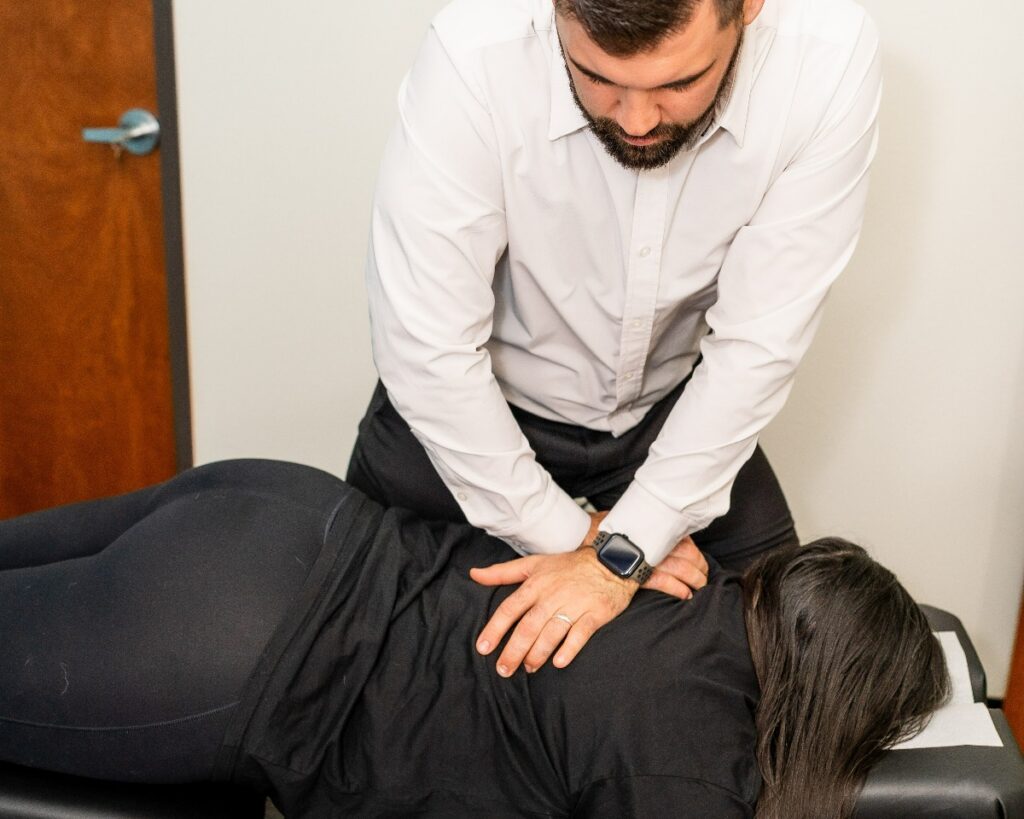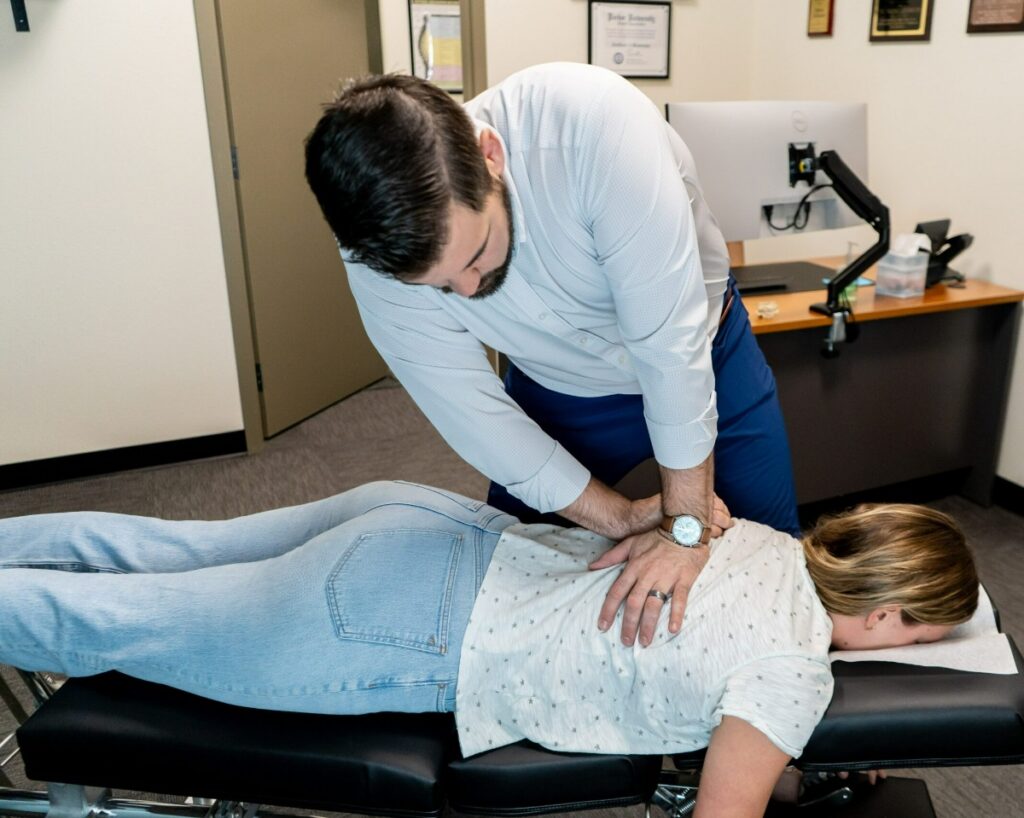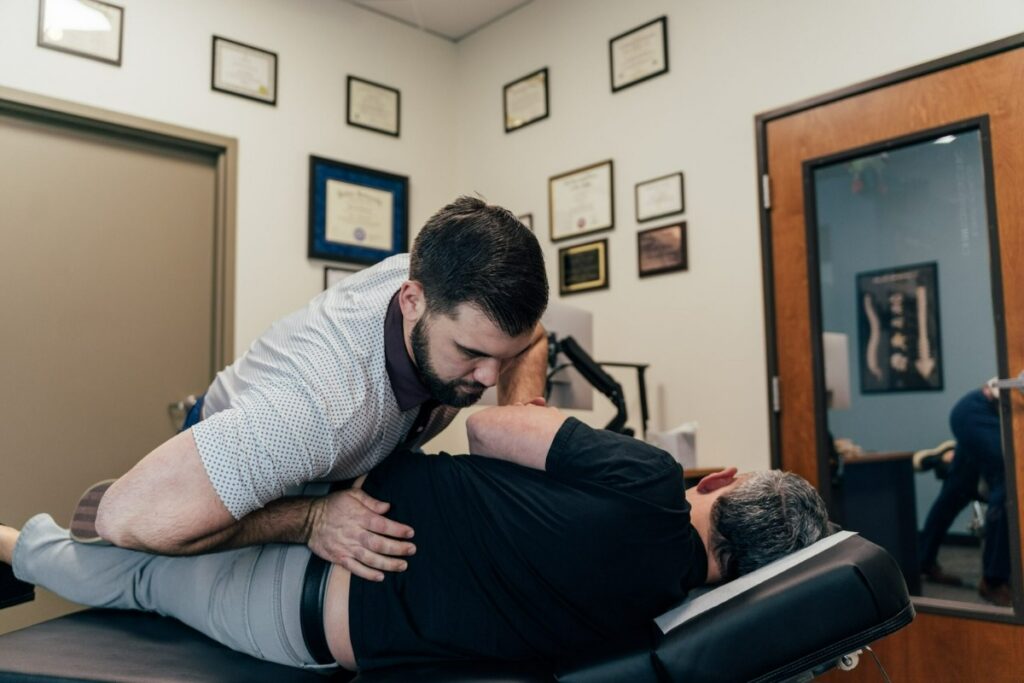

As a local chiropractor, I often see how back pain can disrupt daily life, impacting everything from work responsibilities to enjoying leisure activities. Many people are unaware that small changes can lead to significant improvements in their well-being. By paying attention to your posture, incorporating specific exercises, and even adjusting your sleeping habits, you can proactively manage and reduce discomfort in your back. Are you interested in learning more about effective strategies to support a healthy back? Let’s delve into these practical tips together, and I’ll guide you through how chiropractic care and natural healing can play a role in your journey to better back health.
Maintain Good Posture
As a local chiropractor, I want to emphasize the importance of maintaining good posture for your overall health and well-being. Proper alignment is crucial for preventing back pain and ensuring a healthy spine.
Whether you’re sitting, standing, or walking, keeping your body aligned helps to minimize stress on your spine and prevents discomfort.
When you sit, it’s vital to use a chair that offers support for your lower back, and make sure your feet are flat on the ground. Keeping your shoulders back, head up, and ears aligned with your shoulders can make a significant difference.
Avoid slouching or leaning forward, especially during long hours at a desk. If you spend time working on a computer, adjust the screen to eye level to avoid straining your neck.
Another important aspect of good posture is how you lift objects. Always bend at your knees instead of your back to maintain proper alignment and avoid injury.
By being mindful of your posture throughout the day, you can reduce your risk of back pain and enhance your overall comfort and productivity.
Remember, even small adjustments can lead to significant improvements in your spinal health.
As a chiropractor, I’m here to support you on your journey to better health through natural healing and proper alignment.
Let’s work together to help you feel your best!
Stay Active and Exercise Regularly
As a local chiropractor, I want to emphasize the importance of staying active to prevent back pain. Engaging in regular physical activity is crucial for maintaining a healthy spine.
Incorporating stretching routines and focusing on strengthening your core muscles can significantly enhance how your back feels. Not only does regular exercise improve your overall health, but it also plays a vital role in supporting a strong, pain-free back.
Incorporate Stretching Routines
As a local chiropractor, I want to emphasize the importance of incorporating stretching routines into your daily life to help prevent back pain. Many people may not realize how beneficial stretching can be for your overall health, but it plays a crucial role in improving flexibility and increasing blood flow to your muscles. This, in turn, helps alleviate tension and stiffness that can lead to discomfort.
I encourage you to dedicate some time each day to stretches that target your back, hips, and legs. Simple movements like the cat-cow pose, hamstring stretches, and gentle spinal twists can make a significant difference in how you feel.
It’s vital to listen to your body during these stretches—avoid pushing yourself too hard. Aim to hold each stretch for about 15-30 seconds, and remember to breathe deeply to promote relaxation.
By making stretching a regular part of your routine, you not only enhance your overall well-being but also build a strong foundation for a healthier, pain-free back.
As you explore chiropractic care and natural healing, remember that these practices can complement each other beautifully in supporting your journey to wellness.
Strengthen Core Muscles
As a local chiropractor, I want to emphasize the importance of building a strong core for your overall health and well-being. A strong core is vital not just for preventing back pain, but also for maintaining stability and proper posture.
When you strengthen your core muscles, you provide essential support for your spine, which can significantly reduce the risk of discomfort and injury.
I encourage you to incorporate simple exercises into your routine, such as planks, bridges, and bicycle crunches. These exercises effectively engage your abdominal muscles, obliques, and lower back, contributing to a balanced and resilient core.
Aim for at least two to three dedicated core workouts each week.
Additionally, remember that core strengthening should be complemented by regular cardiovascular exercise and flexibility training. Staying active not only enhances your strength but also builds endurance, making daily activities easier and more enjoyable.
Taking these steps to prioritize your core workouts can play a crucial role in protecting your back and improving your overall health.
If you have any questions or need guidance on safe and effective exercises, feel free to reach out. Your journey to better health starts with understanding the importance of a strong core!
Use Ergonomic Furniture
As a local chiropractor, I want to emphasize the importance of using ergonomic furniture to maintain a healthy back.
It’s crucial to choose a chair that has an adjustable height so that your feet can rest flat on the floor, which promotes proper posture. Additionally, the design of your desk should prioritize your comfort to help prevent strain on your body during long hours of sitting.
One key aspect that many overlook is the positioning of your monitor. Placing it at eye level can significantly reduce strain on your neck and back, which is vital for your overall spinal health.
By making these adjustments in your workspace, you can support your body’s natural alignment and minimize discomfort, ultimately contributing to your well-being.
Chair Height Adjustment
As a chiropractor, I want to emphasize the importance of adjusting your chair height for maintaining proper posture and preventing back pain.
It’s crucial to ensure that when you’re seated, your feet rest flat on the floor, and your knees are at a 90-degree angle or slightly lower than your hips. This position supports a neutral spine, which is vital for reducing strain on your back.
If your chair is too low, you may find yourself slouching, leading to discomfort and potential long-term issues. Conversely, a chair that’s too high can cause your legs to dangle, increasing pressure on your thighs and lower back.
I encourage you to take a few moments to adjust your chair to the correct height before settling in for extended periods. Proper alignment can make a significant difference in how you feel, and your back will certainly appreciate it!
Desk Design Importance
As a local chiropractor, I often see patients who are unaware of how crucial desk design is for their overall well-being. Many people don’t realize that using ergonomic furniture can have a profound impact on preventing back pain. A well-designed desk not only supports proper posture but also minimizes strain on your back, which is vital for maintaining spinal health.
When selecting a desk, aim for one that allows you to keep your elbows at a 90-degree angle and your feet flat on the floor. If possible, consider investing in an adjustable desk that lets you alternate between sitting and standing. This flexibility promotes movement throughout your day and helps to alleviate pressure on your spine, which can lead to discomfort over time.
Additionally, it’s important to arrange your workspace thoughtfully. Place frequently used items within arm’s reach to avoid unnecessary twisting and straining.
Monitor Positioning Tips
As your local chiropractor, I want to emphasize the importance of a proper desk setup, particularly when it comes to monitor positioning. This is crucial for preventing back pain and maintaining overall spinal health.
First and foremost, ensure that your monitor is at eye level. This prevents you from having to tilt your head up or down, which can strain your neck and lead to discomfort. Keeping your neck in a neutral position is essential for spinal alignment.
The distance between your eyes and the screen should be about an arm’s length. This helps reduce eye strain and encourages you to maintain good posture throughout your workday.
Additionally, tilting your monitor back slightly—between 10 to 20 degrees—can help minimize glare and enhance your comfort while working.
If you utilize multiple monitors, arrange them so you can easily shift your gaze without twisting your torso, which can lead to strain on your back and neck.
Lastly, position your monitor directly in front of you. This alignment helps reduce the risk of slumping or leaning, which can contribute to discomfort over time.
Practice Proper Lifting Techniques
As a local chiropractor dedicated to your health and well-being, I want to emphasize the importance of proper lifting techniques to help you avoid back pain and injury.
When lifting any object, it’s crucial to bend at your knees rather than your waist. This simple adjustment helps protect your spine. Stand with your feet shoulder-width apart to establish a stable base.
Before you lift, position yourself close to the object to minimize strain on your body. Ensure you grip the item firmly with both hands. As you lift, engage your core muscles and push through your legs—this technique utilizes your strongest muscles rather than putting unnecessary pressure on your back.
Be mindful to avoid twisting your body while lifting; instead, pivot your feet to change direction. If the load feels too heavy, please don’t hesitate to seek assistance or utilize tools such as dollies or lifts.
When you set the object down, remember to reverse the process: bend your knees and keep your back straight.
By following these proper lifting techniques, you not only protect your spine but also significantly reduce your risk of injury.
Stretch and Strengthen Your Back
As a local chiropractor, I want to emphasize the importance of regularly stretching and strengthening your back to maintain a healthy spine and prevent pain. Many people may not realize how crucial it’s to incorporate simple stretches into their daily routines. Movements like the cat-cow stretch and child’s pose can significantly enhance your flexibility and relieve tension in your back. These exercises are designed to improve your range of motion, which is vital for overall spinal health.
To build strength in your back, I recommend focusing on exercises such as bridges and planks. These movements effectively target your core and lower back, providing the stability and support that your spine needs. Aim to engage in these strengthening exercises at least two to three times a week, and gradually increase the intensity as your body adapts.
It’s essential to listen to your body during these exercises. If you ever feel discomfort, don’t hesitate to modify the movement or reduce the intensity.
Remember, consistency is key. Making stretching and strengthening a regular part of your life not only helps reduce the risk of pain but also enhances your overall posture and mobility.
Prioritizing your back health is vital, and by adopting these practices, you’ll be investing in your well-being for years to come. If you have any questions about how chiropractic care can further support your journey to a healthier back, feel free to reach out to me.
Manage Stress Effectively
As a local chiropractor, I want to emphasize the importance of managing stress effectively for maintaining a healthy back. Many people may not realize that stress can lead to muscle tightness and discomfort in the spine. Incorporating relaxation techniques into your daily routine can make a significant difference in your overall well-being and spinal health.
One of the simplest yet most powerful methods is deep breathing exercises. When you feel overwhelmed, take a moment to pause and focus on your breath. Inhale deeply through your nose, allowing your abdomen to expand, and then exhale slowly through your mouth. This practice not only calms your mind but also helps relax the muscles surrounding your spine.
Regular physical activity is another crucial component of stress management. Exercise releases endorphins, which are natural mood boosters, and it also helps alleviate muscle tension that may be affecting your back. Whether you prefer walking, swimming, or yoga, aim for at least 30 minutes of activity each day. Choose something you enjoy, as this will make it easier to stick with it.
Lastly, I encourage you to reach out for support when needed. Sharing your feelings with friends or consulting a professional can provide valuable perspective and help you navigate stress more effectively.
Get Adequate Sleep and Rest
As a local chiropractor, I can’t stress enough the importance of getting adequate sleep and rest for your overall health and specifically for preventing back pain.
While it may be tempting to sacrifice sleep for other commitments, your body requires sufficient time to recover and heal, particularly after long days filled with physical activity or stress. When you’re lacking sleep, it can lead to muscle tension and joint discomfort, increasing your susceptibility to pain.
I recommend aiming for 7-9 hours of quality sleep each night. Establishing a consistent sleep schedule is crucial; try to go to bed and wake up at the same time every day.
Your sleep environment plays a significant role in how well you rest—make sure your bedroom is dark, cool, and quiet. Additionally, investing in a supportive mattress and pillows that properly align your spine can make a substantial difference.
If you find it difficult to drift off to sleep, consider incorporating relaxation techniques such as deep breathing exercises or meditation into your bedtime routine.
Prioritizing your sleep isn’t just beneficial for your back; it enhances your overall health and well-being. So, please, don’t overlook the importance of rest—it’s a vital element in preventing back pain and supporting your body’s natural healing process.
Conclusion
As your local chiropractor, I want to share with you seven reliable tips that can help you prevent back pain and maintain a healthy spine. First and foremost, it’s essential to maintain good posture in your daily activities. This simple adjustment can have a significant impact on your back health. Staying active is also crucial; regular movement keeps your muscles strong and flexible, reducing the risk of injury.
Investing in ergonomic furniture can further support your body while you work or relax. When lifting objects, always remember to use proper techniques—bend at the knees and keep the load close to your body to avoid straining your back. Incorporating stretching and strengthening exercises into your routine is another key element; these activities help keep your spine aligned and reduce tension.
Moreover, managing stress is vital, as it can contribute to muscle tension and discomfort. Lastly, never underestimate the power of quality sleep; prioritizing restorative rest is essential for overall well-being and recovery. By following these tips, not only can you prevent back pain, but you will also enhance your overall health and quality of life. Start implementing these strategies today, and give your back the care it truly deserves! If you have any questions or need personalized advice, feel free to reach out to me.