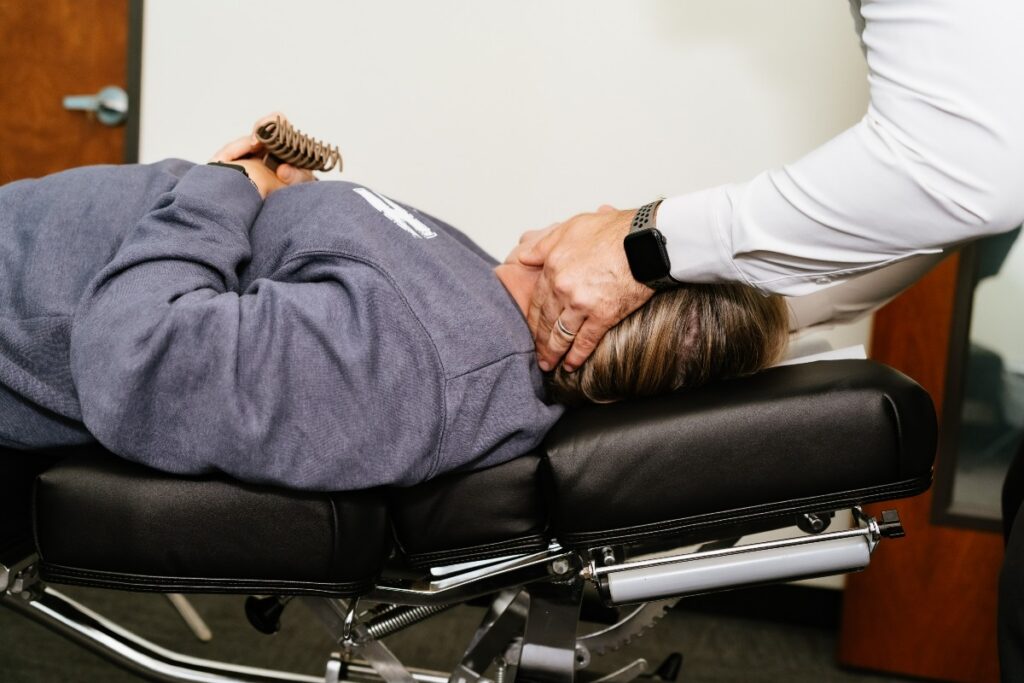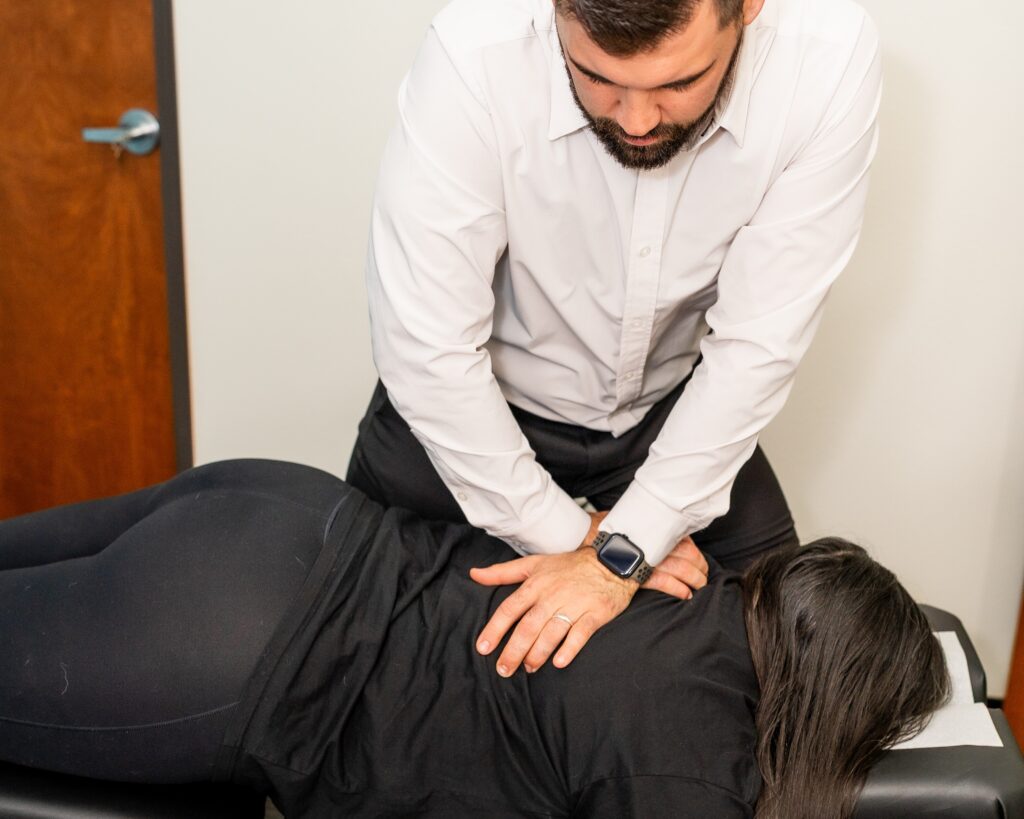

Managing pain can often feel daunting, especially with so many options available. As a local chiropractor, I want to help demystify the process and show you how natural healing methods can provide relief tailored to your individual needs. Chiropractic care focuses on aligning the spine and improving overall body function, which can significantly reduce pain and enhance your well-being.
In addition to spinal adjustments, we incorporate complementary techniques such as physical therapy exercises and mindfulness practices to support your healing journey. But how do you know which techniques will be most effective for you? It’s important to understand the specific benefits of chiropractic care and how it addresses your unique discomforts.
Together, we can craft a personalized pain management plan that aligns with your lifestyle and health goals. Let’s delve into these holistic approaches and discover the best path to relief for you.
Understanding Pain and Its Impact
Pain is more than just a physical sensation; it’s a multifaceted experience that affects your body, emotions, and mental health. As a chiropractor, I want to help you understand that while you may feel discomfort in a specific area, that pain can also lead to feelings of anxiety, depression, or frustration. Recognizing this connection is crucial for your overall wellness.
When pain strikes, it can disrupt your daily life, hinder your relationships, and diminish your quality of life. You might find yourself avoiding certain movements or social gatherings, which can intensify feelings of isolation or negativity.
It’s important to understand how pain can influence your thoughts and emotions, as this awareness allows us to develop effective strategies to cope with it.
In chiropractic care, we focus on treating the root causes of your pain, rather than just masking the symptoms. Acknowledging your pain is vital, but it shouldn’t define who you are. Your mindset plays a significant role in your pain experience.
By engaging in positive activities and seeking the support of professionals like myself, you can diminish the impact of pain on your life.
The Role of Physical Therapy in Pain Management
When dealing with discomfort, finding effective ways to manage it is crucial for enhancing your everyday life. Chiropractic care plays a vital role in pain management by addressing the underlying issues that contribute to your pain and facilitating the body’s natural healing processes.
As a local chiropractor, my goal is to evaluate your condition thoroughly, develop a personalized treatment plan, and guide you through techniques that promote spinal alignment, support muscle strength, and enhance overall mobility.
Utilizing targeted methods, such as spinal adjustments and other hands-on therapies, chiropractic care can help reduce inflammation and alleviate pain.
Additionally, I’ll teach you valuable strategies to prevent future injuries and empower you to manage your pain independently. Through our collaborative efforts, you can regain control of your health and improve your quality of life naturally.
Mindfulness and Meditation Techniques
As a local chiropractor, I want to share how mindfulness and meditation techniques can significantly support your pain management journey.
By incorporating practices such as focused breathing exercises, guided imagery, and body scans into your routine, you can learn to direct your thoughts and alleviate discomfort.
These techniques not only help in managing pain but also contribute to your overall health and well-being.
Let’s delve into how integrating these natural healing methods can offer you relief and enhance your quality of life.
Breathing Exercises Overview
As a local chiropractor, I want to share with you how breathing exercises can be invaluable in managing pain and promoting overall wellness. These techniques are simple yet powerful, helping you to cultivate a sense of calm and focus in your daily life. By integrating breathing exercises into your routine, you can effectively manage stress and diminish your perception of pain.
To get started, try practicing deep, slow breaths. Inhale deeply through your nose, allowing your abdomen to expand fully, and then exhale slowly through your mouth. This straightforward practice not only encourages relaxation but also helps ground you in the present moment. I recommend setting aside a few minutes each day to focus solely on your breathing.
As you become more comfortable with this practice, consider exploring variations such as 4-7-8 breathing or box breathing. These methods can enhance your mindfulness and empower you to take control over your body’s responses to discomfort.
Guided Imagery Benefits
As your local chiropractor, I want to introduce you to an effective tool that can complement your chiropractic care: guided imagery.
Building on the sense of calm you may experience from our breathing exercises, guided imagery is a powerful technique for managing pain and reducing stress. It involves visualizing serene and peaceful scenes, which helps redirect your attention from discomfort and creates a mental sanctuary for relaxation.
Here are some key benefits of guided imagery that can enhance your healing journey:
- Reduces anxiety: By visualizing calming images, you can significantly lower your stress levels, making it easier to cope with everyday challenges.
- Enhances emotional well-being: Uplifting imagery can foster a positive mindset, which is crucial for overall health and recovery.
- Improves pain tolerance: Engaging your imagination can empower you to manage pain more effectively, allowing you to focus on healing rather than discomfort.
- Encourages relaxation: This practice stimulates your body’s natural relaxation response, helping to ease physical tension and promote a sense of well-being.
Incorporating guided imagery into your daily routine can greatly enhance your pain management strategy alongside chiropractic care.
Together, we can work on holistic approaches to improve your health and quality of life.
Body Scan Practice
As a local chiropractor, I want to introduce you to a simple yet effective practice called the body scan, which can significantly enhance your overall sense of well-being. This technique allows you to connect with your body and become more aware of any areas that may be holding tension or discomfort.
To begin, find a comfortable position lying down and gently close your eyes. Start by directing your attention to your toes, paying close attention to any sensations you might feel. Gradually work your way up through your feet, legs, torso, and head, spending a few breaths on each area. This focused awareness can help you uncover any tension that may be contributing to discomfort.
If you encounter tightness or discomfort, take a deep breath and visualize that tension melting away with each exhale. This practice not only helps you identify physical discomfort but also promotes relaxation and mindfulness.
Incorporating the body scan into your routine can be a valuable tool for managing pain and improving your daily life. By understanding and listening to your body, you can make more informed decisions about your health and well-being, complementing the benefits of chiropractic care and natural healing.
The Benefits of Exercise and Movement
As a local chiropractor, I want to emphasize that exercise isn’t solely focused on fitness; it can play a crucial role in alleviating pain.
Engaging in regular movement helps to elevate your mood and enhances your mental well-being. By incorporating physical activity into your routine, you can harness its power as an effective strategy for managing pain naturally.
Understanding this connection between movement and pain relief is essential for your overall health, and I’m here to guide you on this journey toward better wellness through chiropractic care and natural healing practices.
Physical Activity Reduces Pain
As a local chiropractor, I often encounter patients who believe that pain is a signal to rest. However, I want to share that engaging in physical activity can actually provide substantial relief from discomfort.
Regular movement not only helps reduce stiffness but also enhances circulation, which can significantly alleviate pain. You don’t need to run a marathon; even gentle, low-impact activities can make a world of difference.
Here are some key benefits of incorporating exercise into your routine:
- Endorphin Release: When you engage in physical activity, your body releases endorphins, which are natural pain relievers. This can help you feel better both physically and emotionally.
- Strengthening Muscles: By building muscle strength, you provide better support for your joints. This can help reduce strain and, in turn, diminish pain levels.
- Improved Flexibility: Engaging in stretching and movement exercises enhances your flexibility, which can lower the risk of injury and improve your overall mobility.
- Increased Energy: Regular exercise boosts your energy levels, making everyday tasks feel easier and less painful.
I encourage you to consider these benefits and incorporate more movement into your daily life. It’s a natural way to help manage pain and improve your overall well-being.
If you have any questions about how chiropractic care can further support your journey to better health, feel free to reach out!
Enhances Mental Well-being
As a local chiropractor, I want to share with you the incredible benefits of physical activity for both your body and mind. Engaging in regular exercise not only alleviates physical discomfort but significantly enhances your mental well-being.
When you move your body, whether through a brisk walk, a dance class, or a workout at the gym, your body releases endorphins—those natural chemicals that elevate your mood and help reduce stress.
Incorporating movement into your routine can clear your mind and improve your focus, which is essential for your overall health. You may notice that as you increase your physical activity, your sleep patterns improve, leading to higher energy levels throughout the day.
Plus, as you set and achieve fitness goals, you’ll likely experience a boost in confidence, creating a positive cycle of well-being.
Remember, you don’t have to engage in long workouts to see results. Even short bursts of activity can make a significant difference in your mental health.
Nutritional Approaches to Alleviate Pain
As a chiropractor, I often emphasize the importance of a holistic approach to managing pain. One effective way to enhance your comfort and support your healing process is through the foods you eat.
By incorporating anti-inflammatory foods into your diet, you can significantly reduce pain levels and improve your overall well-being.
Here are some food options that can be beneficial for your health:
- Fatty fish like salmon and mackerel are excellent sources of omega-3 fatty acids, which can help decrease inflammation in the body.
- Leafy greens such as spinach and kale are packed with antioxidants that support your body’s natural defense mechanisms.
- Turmeric, particularly its active compound curcumin, is renowned for its potent anti-inflammatory effects, making it a great addition to your meals.
- Berries, including blueberries and strawberries, aren’t only delicious but also rich in vitamins and fiber that promote overall health.
By making these dietary choices, you can complement the chiropractic care you receive and empower your body to heal more effectively.
If you have any questions about how nutrition can play a role in your pain management, feel free to ask during your next visit!
Alternative Therapies: Acupuncture and Massage
As a local chiropractor, I want to emphasize the importance of incorporating alternative therapies like acupuncture and massage into your pain management plan. These natural healing methods can work alongside chiropractic care to enhance your overall well-being.
Acupuncture involves the gentle insertion of thin needles at specific points on your body. This practice can stimulate the release of endorphins and improve blood circulation, which many patients find beneficial for chronic pain, headaches, and stress relief.
Often, individuals notice positive changes after just a few sessions, making it a valuable addition to your healthcare routine.
Massage therapy, on the other hand, focuses on manipulating the soft tissues of your body to relieve tension and discomfort. It’s an excellent way to reduce muscle tightness, enhance circulation, and promote a deep sense of relaxation.
Whether you opt for deep tissue, Swedish, or trigger point massage, it’s crucial to communicate your specific pain areas to your therapist so they can tailor their approach to your needs.
Both acupuncture and massage can beautifully complement your chiropractic care, providing you with a holistic approach to pain management.
Pharmacological Options and Considerations
As a chiropractor dedicated to helping you understand the various avenues for pain management, I want to highlight the importance of both natural therapies and pharmacological options. While treatments like chiropractic adjustments, acupuncture, and massage can provide significant relief, it’s also essential to be aware of medications that might aid in your healing process.
Being informed about these options allows you to make educated decisions about your care.
Here are some common pharmacological options you may encounter:
- Nonsteroidal Anti-Inflammatory Drugs (NSAIDs): These are commonly used to reduce inflammation and alleviate pain, especially for conditions like arthritis or muscle strains.
- Opioids: These stronger pain relievers are typically prescribed for severe pain. However, it’s crucial to recognize that they can carry a risk of addiction, so they should be used cautiously and under close supervision.
- Antidepressants: Interestingly, some types of antidepressants can help manage chronic pain by influencing neurotransmitters in the brain, offering a dual benefit for those experiencing both depression and pain.
- Topical Analgesics: These are creams or patches that you apply directly to the skin, providing localized relief for conditions like joint pain or muscle soreness.
Each of these options has its own set of benefits and possible side effects, which is why I encourage open discussions with your healthcare provider.
Tailored advice from a qualified professional can make a significant difference in your pain relief journey. Together, we can explore the best approach that suits your individual needs, combining the strengths of chiropractic care with other pain management strategies.
Your wellness is our priority, and we’re here to help you every step of the way!
Developing a Personalized Pain Management Plan
As a local chiropractor, I want to help you understand the various pain management options available, particularly through chiropractic care and natural healing methods.
The first step in creating a personalized plan is to assess the intensity and location of your pain, as well as identifying any triggers that may be exacerbating your discomfort. This self-awareness is essential in determining the right approach for you.
Consulting with a chiropractor can provide valuable insights tailored to your individual needs. We often recommend a holistic approach that may include spinal adjustments, physical therapy exercises, and complementary therapies such as massage or acupuncture to promote healing and relieve pain.
In addition to chiropractic treatment, incorporating lifestyle changes can significantly enhance your pain management plan. Regular exercise, a nutritious diet, and effective stress management techniques are key components that support your overall well-being.
I also encourage keeping a pain diary to help monitor your symptoms and assess the effectiveness of the treatments we implement together.
It’s important to regularly review and adjust your pain management plan based on your experiences and what’s most effective for you.
Remember, managing pain is an ongoing journey, and being proactive about your healthcare can greatly improve your quality of life.
Let’s work together to find the best solutions for you!
Conclusion
As a local chiropractor, I’m here to help you understand how trusted techniques from licensed experts can significantly improve your pain management journey. By incorporating chiropractic care alongside physical therapy, mindfulness practices, exercise, and alternative therapies, we can develop a holistic approach that caters specifically to your needs.
It’s essential to recognize the role of nutrition in your healing process, as well as maintaining open lines of communication with your healthcare provider. Together, we can create a personalized plan to address your unique pain concerns. Remember, managing pain is not a quick fix—it’s a journey. With the right strategies in place, including chiropractic adjustments and natural healing methods, you can regain control over your well-being and enhance your quality of life.