
Lower back pain can be a frustrating experience, but remember, you’re not alone in facing it. Understanding the causes of your discomfort and exploring trusted approaches can make a significant difference in your well-being. Here at our chiropractic practice, we believe that proper posture, effective stretching, and strengthening exercises are essential strategies for alleviating pain and promoting a healthier lifestyle.
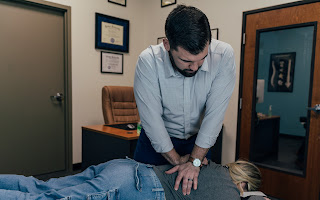
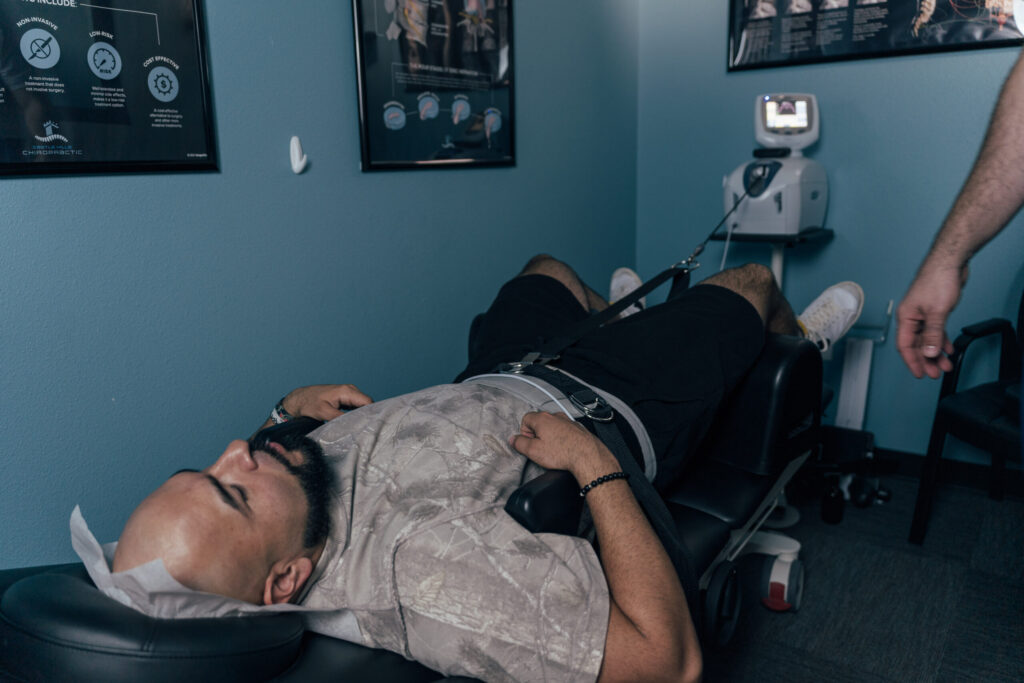
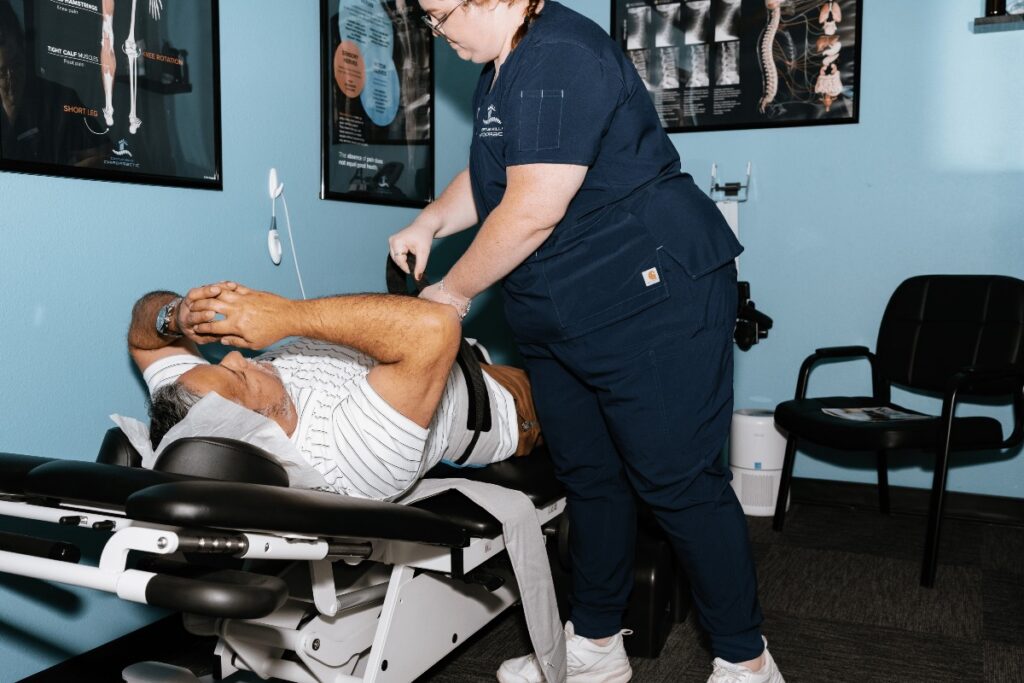
One of the best ways to address lower back pain is through chiropractic care. Our trained professionals focus on aligning your spine to relieve pressure on nerves and improve overall function. Regular adjustments can help reduce pain, enhance mobility, and support your body’s natural healing processes.
In addition to chiropractic adjustments, incorporating simple exercises into your daily routine can be incredibly beneficial. Stretching your hamstrings and hip flexors can relieve tension in your lower back, while strengthening your core muscles provides essential support for your spine.
Remember, taking breaks to adjust your posture and move around during long periods of sitting can also make a significant difference in your comfort levels. And don’t forget the importance of maintaining a healthy weight and staying hydrated!
If you’re curious about how to combine these methods for ideal relief, keep exploring the options available at our chiropractic office. We are here to help you lead a more comfortable and active life without the need for medications or invasive procedures. Embrace the journey towards natural wellness and let chiropractic care guide you to optimal health.
Key Takeaways
- If you have persistent lower back pain that lasts for more than a few weeks or is accompanied by concerning symptoms, it’s important to seek an evaluation from a chiropractor. We can help identify the underlying issues and provide tailored treatment to get you back to feeling your best.
- One of the most effective ways to relieve lower back pain is through chiropractic spinal adjustments. These gentle, hands-on techniques align your spine and promote healing without the need for medication. By restoring proper alignment, we can alleviate pain and enhance your overall well-being.
- Incorporating daily stretching routines into your day can also make a significant difference. Simple stretches like Cat-Cow and Child’s Pose are excellent for promoting flexibility and reducing tension in your lower back. These stretches can help you feel more comfortable and support your chiropractic care.
- Strengthening your core muscles is essential for spinal stability and injury prevention. Exercises like planks and bridges are fantastic for building strength in your core, which in turn supports your spine and helps prevent future discomfort.
- Good posture is key to minimizing strain on your lower back during everyday activities. Paying attention to your posture at work and home can make a big difference. Utilize ergonomic practices, such as adjusting your chair and workstation, to ensure you’re supporting your spine properly throughout the day.
By focusing on these natural, holistic approaches, you can achieve optimal health and wellness. Chiropractic care is designed to support your body’s natural healing processes, and we’re here to guide you every step of the way.
Understanding Lower Back Pain
When you experience lower back pain, it can feel overwhelming, especially if you’re unsure about its causes. Lower back pain can arise from various factors, such as muscle strain, injury, or prolonged periods of sitting. Everyday activities like lifting heavy objects or making sudden movements can trigger discomfort. In some cases, issues like herniated discs or arthritis may contribute to your pain. Recognizing these signs is crucial for finding relief.
Listening to your body’s signals is essential; they can help you identify the source of your discomfort. If your pain lingers, seeking advice from a chiropractor can be incredibly beneficial. Chiropractors specialize in understanding the spine and its role in overall health. They can provide a thorough assessment to uncover any underlying issues and develop a personalized treatment plan focused on natural healing.
Chiropractic care offers a range of techniques to alleviate pain and enhance your well-being, including spinal adjustments, therapeutic exercises, and lifestyle advice. By addressing the root causes of your lower back pain, chiropractic care empowers you to take proactive steps toward recovery, helping you return to your daily activities pain-free.
In addition to seeking chiropractic care, there are general tips you can incorporate into your routine for better spinal health. Maintaining good posture, practicing gentle stretching exercises, staying active, and using proper lifting techniques can all contribute to preventing lower back pain. Embracing a healthy lifestyle is key to achieving optimal wellness, and chiropractic care is a vital part of that journey.
Importance of Proper Posture
Your posture is crucial in preventing lower back pain, especially if you find yourself sitting or standing for long periods at work. As a chiropractor, I want to emphasize that maintaining proper ergonomic alignment can lead to significant improvements in your overall health and comfort.
Simple adjustments to your posture can’t only alleviate pain but also promote better spinal health.
Here are some practical tips to help you maintain good posture throughout your day:
- Sit Smart: When sitting, ensure your feet are flat on the ground and your knees are at a right angle. Use a chair that supports your lower back, and keep your shoulders relaxed but not slouched.
- Stand Tall: If you’re standing, distribute your weight evenly on both feet. Keep your shoulders back and your head aligned with your spine. This can help reduce strain on your back.
- Take Breaks: Regularly take short breaks to stretch and move around. This helps relieve tension and keeps your spine flexible.
- Adjust Your Workspace: Position your computer screen at eye level to avoid straining your neck. Ensure your desk and chair are set up to promote a neutral spine position.
- Listen to Your Body: Pay attention to how you feel. If you notice discomfort, make adjustments to your posture or take a moment to reset.
Chiropractic care is an excellent way to support your posture and overall wellness. Regular adjustments can help align your spine and improve your body’s natural healing abilities, leading to lasting relief from pain and discomfort.
Ergonomics at Work
Proper ergonomics at work is essential for maintaining a healthy spine and preventing lower back pain, which is something we often see in our chiropractic practice. When you create an ergonomic workspace, you help reduce the strain on your back and promote better posture.
Make sure your chair provides adequate support for your lower back, allowing your spine to maintain its natural curve. Your feet should rest flat on the floor or on a footrest to promote good circulation and reduce tension in your legs. It’s also important to position your computer screen at eye level to prevent the need to lean forward, which can lead to neck and back strain.
While typing, keep your elbows close to your body and bent at about a 90-degree angle. This position helps minimize stress on your shoulders and wrists. If you find yourself sitting for long periods, remember to take breaks! Stand up, stretch, and move around every hour to encourage blood flow and relieve tension in your body.
Using ergonomic tools, such as a keyboard or mouse specifically designed to reduce strain, can also be beneficial. These tools can help you work comfortably and support your overall well-being.
Sitting vs. Standing
Creating an ergonomic workspace is essential for promoting overall health and wellness, and it opens up a broader discussion about how we sit and stand throughout our daily routines. Proper posture is crucial in preventing lower back pain, which is a common issue that many people face.
When sitting, aim to keep your feet flat on the floor, ensuring your knees form a 90-degree angle. Your back should rest against the chair, supporting your natural spinal curve. This alignment not only helps prevent discomfort but also encourages a healthier spine.
If you prefer to stand, be sure to distribute your weight evenly across both feet and avoid locking your knees, as this can lead to tension and imbalance. Engaging your core muscles will provide added stability and support your spine.
One of the best tips for maintaining spinal health is to regularly alternate between sitting and standing. This shift helps reduce strain on your back and promotes better circulation. Always stay mindful of your posture, as small adjustments can significantly impact your comfort and overall spinal health.
Effective Stretching Exercises
As a local chiropractor, I understand how debilitating lower back pain can be. Incorporating effective stretching exercises into your daily routine can significantly alleviate discomfort and enhance your overall well-being. By targeting tight muscles and improving flexibility, these stretches can complement your chiropractic care, helping you achieve optimal health naturally.
Let’s explore a simple daily stretching routine that you can easily integrate into your lifestyle. Remember, stretching should feel good, so listen to your body and never push yourself to the point of pain.
- Cat-Cow Stretch: Start on your hands and knees, with your wrists aligned under your shoulders and your knees under your hips. Inhale as you arch your back (Cow), lifting your head and tailbone. Exhale as you round your spine (Cat), tucking your chin and pelvis. Repeat this sequence 5-10 times to promote spinal mobility.
- Child’s Pose: From the hands-and-knees position, sit back on your heels, reaching your arms forward and resting your forehead on the ground. This gentle stretch helps release tension in your lower back and promotes relaxation.
- Seated Forward Bend: Sit with your legs extended in front of you. Inhale and reach your arms overhead, then exhale as you hinge at your hips and reach toward your toes. This stretch helps lengthen your spine and hamstrings, relieving tightness in the lower back.
- Knees-to-Chest Stretch: Lie on your back and gently pull your knees toward your chest, holding for 20-30 seconds. This simple stretch can help release tension in your lower back and improve circulation.
- Supine Spinal Twist: While lying on your back, bend your knees and let them fall to one side while keeping your shoulders flat on the ground. Hold for 20-30 seconds, then switch sides. This twist helps to stretch the back muscles and improve spinal mobility.
In addition to these stretches, remember to maintain good posture throughout your day and take frequent breaks if you sit for long periods. Staying hydrated and incorporating regular chiropractic adjustments can also support your journey toward a healthier back.
Key Stretching Techniques
Stretching is an excellent way to relieve lower back pain, and incorporating effective techniques into your daily routine can lead to significant improvements in your overall comfort and well-being. As a chiropractor, I want to share some key stretches that can enhance your flexibility and alleviate tension in your back without resorting to medications or surgeries.
One of the most effective stretches is the cat-cow stretch. This simple movement not only helps increase flexibility but also encourages better spinal alignment. Start on all fours, with your hands directly under your shoulders and your knees under your hips. As you inhale, arch your back gently, lifting your head and tailbone toward the ceiling (this is the “cow” position). Then, as you exhale, round your back upwards, tucking your chin to your chest (the “cat” position). Repeat this flow several times, feeling the movement in your spine.
Another great option is the child’s pose. This stretch is fantastic for lengthening your spine and relieving tension. To do this, sit back on your heels and extend your arms forward on the floor, allowing your forehead to rest gently down. Breathe deeply as you hold this position, feeling the relaxation in your lower back.
Don’t forget about the seated forward bend. While sitting with your legs extended, gently lean forward and reach for your toes. This stretch targets not just your lower back but also your hamstrings, promoting overall flexibility.
As you practice these stretches, remember to hold each position for 20-30 seconds and focus on deep breathing. This helps maximize relaxation and makes the stretches more effective. With regular practice, you can experience better lower back comfort and support your spinal health naturally.
Incorporating these stretches into your routine, along with regular chiropractic care, can lead to a healthier, pain-free lifestyle. Always listen to your body, and if you experience any discomfort, consult your chiropractor for personalized guidance. Your journey toward optimal health starts here!
Recommended Daily Routine
Incorporating effective stretching exercises into your daily routine can significantly improve your lower back health and overall flexibility. As a chiropractor, I encourage you to dedicate at least 10-15 minutes each day to these essential stretches. Consistency is key, so consider setting a specific time each day for your routine to ensure you stay committed to your wellness journey.
Here’s a quick guide to some recommended stretches that can help enhance your spinal health:
| Stretch Name | Duration | Benefits |
|---|---|---|
| Cat-Cow Stretch | 1-2 minutes | Promotes spinal flexibility and helps align the back. |
| Child’s Pose | 1-2 minutes | Relieves tension in the back and encourages relaxation. |
| Piriformis Stretch | 1-2 minutes | Alleviates tightness in the hips and can enhance mobility. |
These stretches not only promote flexibility but also support your chiropractic care by maintaining the health of your spine. Remember, chiropractic adjustments can help align your spine, and when combined with regular stretching, can lead to optimal health and wellness.
In addition to these stretches, here are a few general tips to keep in mind:
- Listen to Your Body: If any stretch causes pain, stop immediately and consult your chiropractor.
- Stay Hydrated: Drinking water is essential for muscle recovery and flexibility.
- Maintain Good Posture: Being mindful of your posture throughout the day can help reduce strain on your back.
Strengthening Your Core
Strengthening your core isn’t just about building muscle; it’s a vital step in easing lower back pain and enhancing your overall stability. A strong core plays a crucial role in supporting your spine, which helps reduce the strain on your lower back. As a chiropractor, I often emphasize the importance of core strength as a natural way to promote wellness and alleviate discomfort.
To get started, incorporate simple exercises like planks, bridges, and pelvic tilts into your routine. These movements effectively engage your abdominal muscles, fostering better balance and stability. As you gain strength, consider adding variations such as side planks and bird-dogs—these exercises further challenge your core and enhance your stability.
Aim to practice these core-strengthening exercises three to four times a week. Consistency is key to seeing results. Remember, proper form is essential to prevent injuries. If you’re unsure about how to perform any of these movements, seeking guidance from a chiropractic professional or using reputable instructional videos can be very helpful.
In addition to strengthening your core, don’t overlook the importance of flexibility exercises, such as gentle stretches. These can complement your core routine and contribute to a well-rounded approach to health and wellness. By dedicating time to core workouts, you’ll not only alleviate lower back pain but also enhance your overall physical performance in daily activities.
Chiropractic care can further support your journey to optimal health. Regular adjustments can help maintain spinal alignment and improve your overall function, allowing your body to heal naturally. By integrating core strengthening and chiropractic care into your wellness routine, you’re taking proactive steps toward a healthier, pain-free life.
The Role of Heat and Cold Therapy
When it comes to easing lower back pain, heat and cold therapy can be incredibly beneficial. As a chiropractor, I see firsthand how these methods can play a key role in your journey toward natural healing and wellness. Each technique has its own unique advantages, whether you’re looking to relax tight muscles or minimize inflammation. Let’s take a closer look at how you can effectively use these therapies to enhance your recovery.
Heat Therapy
Applying heat to your lower back can help soothe and relax muscle tension, which is especially useful if you’re experiencing stiffness or discomfort.
You can use a heating pad, warm towel, or even take a warm bath. Aim for about 15-20 minutes of heat application. Remember, the warmth increases blood flow, which promotes healing and reduces pain. Just be sure to avoid using heat on a new injury or inflamed area.
Cold Therapy
On the other hand, cold therapy is excellent for reducing inflammation and numbing sharp pain.
You can use an ice pack wrapped in a cloth or a bag of frozen peas for about 15-20 minutes. This method is particularly effective after any physical activity that may have aggravated your back pain. The cold constricts blood vessels, which helps diminish swelling and provides relief from soreness.
General Tips
- Always listen to your body. If a method feels uncomfortable or worsens your pain, stop using it.
- Alternate between heat and cold therapy to maximize the benefits. For example, you might apply cold therapy immediately after an activity to reduce inflammation, followed by heat to ease any residual tension.
- Incorporating regular chiropractic adjustments can also significantly complement these therapies. As a chiropractor, I focus on aligning your spine and improving overall function, which can lead to long-term pain relief and better health.
Remember, while heat and cold therapy can be effective tools for managing lower back pain, they work best when combined with a holistic approach that includes chiropractic care.
This combination can help you achieve optimal health and wellness without the need for invasive procedures or medications. If you have any questions or need personalized advice, don’t hesitate to reach out. Your journey to a healthier back starts with understanding and taking proactive steps!
Benefits of Heat Therapy
Heat therapy is a popular choice for relieving lower back pain, and it’s easy to see why. By applying heat, you can enhance blood flow to the affected area, which supports healing and helps reduce stiffness. The warmth works wonders on tense muscles, allowing them to relax and providing comfort. You can use various methods such as a heating pad, hot water bottle, or even a warm towel to create a soothing sensation that eases pain.
Not only does heat therapy promote relaxation, but it can also improve your flexibility, making it easier for you to move freely. This is particularly beneficial for those dealing with chronic pain or soreness. It’s a simple and effective way to find relief without resorting to medications or invasive procedures.
As a chiropractor, I recommend using heat therapy for about 15-20 minutes at a time to achieve the best results. Always be sure to listen to your body – if something feels uncomfortable or too hot, take a break.
Remember, while heat therapy can be helpful, it’s also important to consider ongoing chiropractic care as a holistic approach to maintaining spinal health and overall wellness. Regular adjustments can help address the root causes of pain, improve mobility, and support your body’s natural healing processes.
Embracing chiropractic care alongside practices like heat therapy can lead to lasting relief and a healthier lifestyle.
Advantages of Cold Therapy
While heat therapy can feel soothing, cold therapy has distinct advantages for managing lower back pain, especially when it comes to acute injuries. At our chiropractic practice, we believe in natural healing methods that can effectively support your recovery. Here are three key benefits of cold therapy that you should consider as part of your pain management routine:
- Reduces Swelling: Cold therapy works by constricting blood vessels, which can help minimize swelling and bruising in the affected area. This is particularly beneficial right after an injury, as it can help control inflammation and promote healing.
- Numbs Pain: The cooling effect can dull nerve activity, providing almost immediate pain relief. This can make a significant difference in your comfort level, allowing you to engage in daily activities without being hindered by discomfort.
- Eases Muscle Spasms: Applying cold can help relax tight muscles, reducing spasms that often accompany back pain. By alleviating this tension, you can experience greater ease of movement and a faster recovery.
Incorporating cold therapy into your wellness routine can enhance the benefits of chiropractic care. Remember to always listen to your body and consult with your chiropractor to find the best approach tailored to your individual needs.
Together, we can promote a balanced and effective path to relief and optimal health.
Application Techniques Explained
Understanding how to properly apply heat and cold therapy can greatly enhance your ability to manage lower back pain naturally. As a chiropractor, I want to emphasize that these techniques can complement your chiropractic care and help you achieve optimal wellness.
For heat therapy, you can use a heating pad or a warm towel for about 15-20 minutes. This gentle warmth increases blood flow to your muscles, helping them relax and easing stiffness. Just be sure the heat is warm and comfortable, rather than hot, to avoid any burns.
Cold therapy, on the other hand, is fantastic for reducing inflammation and numbing sharp pain. You can wrap ice packs in a cloth and apply them to the affected area for 15-20 minutes. Alternating between heat and cold can be beneficial, but remember to give your skin breaks in between to prevent irritation.
Always pay attention to how your body feels. If either method causes discomfort, it’s important to stop right away. These simple techniques, along with regular chiropractic adjustments, can significantly help alleviate your lower back pain and promote a healthier lifestyle.
Utilizing Over-the-Counter Pain Relief
When lower back pain strikes, many people instinctively reach for over-the-counter pain relief in search of quick comfort. While these medications can offer temporary relief, it’s important to remember that they don’t address the underlying issues causing the pain.
As a chiropractor, I believe that chiropractic care is the best approach for achieving long-term health and wellness.
Chiropractic adjustments help to restore proper alignment in the spine, which can reduce pain and improve function without the need for medications.
Here are a few natural ways to manage lower back pain and promote healing:
- Chiropractic Care – Regular visits to a chiropractor can help identify and correct misalignments in your spine, alleviating pain and preventing future issues.
- Stretching and Strengthening Exercises – Incorporating gentle stretches and strengthening exercises into your routine can help support your back and improve flexibility. Focus on exercises that strengthen your core muscles, as they play a crucial role in supporting your spine.
- Posture Awareness – Pay attention to your posture, especially when sitting for long periods. Use ergonomic furniture, take breaks to move around, and practice good posture to reduce strain on your back.
- Heat Therapy – Applying heat to the affected area can help relax tight muscles and improve blood flow. Consider using a heating pad or taking a warm bath to soothe discomfort.
- Stay Active – Engaging in regular physical activity, such as walking or swimming, can promote overall health and help manage back pain. Staying active strengthens your muscles and improves your body’s ability to heal.
While over-the-counter pain relief can be tempting for quick fixes, incorporating these natural methods and seeking chiropractic care can lead you on a path toward optimal health and wellness.
Always prioritize understanding the root cause of your pain, and don’t hesitate to reach out to a chiropractor for personalized guidance and support in your healing journey.
Exploring Physical Therapy Options
If you’re seeking effective ways to manage lower back pain, consider the benefits of chiropractic care. Chiropractic focuses on aligning your spine and improving your overall body function, which can lead to significant pain relief and enhanced well-being. A skilled chiropractor will assess your spinal health and develop a tailored treatment plan that addresses your specific needs.
In a chiropractic session, you might experience spinal adjustments, stretches, and exercises designed to strengthen your core and improve flexibility. These techniques not only help relieve pain but also promote natural healing and prevent future discomfort.
It’s important to communicate openly with your chiropractor about your progress and any concerns you may have. Regular adjustments can lead to remarkable improvements, making everyday activities more manageable and enjoyable.
Incorporating chiropractic care into your health routine could be a transformative step toward regaining control over your life and returning to the activities you love. Remember, taking care of your spine is crucial for your overall health, and chiropractic care offers a natural, effective solution for pain relief and wellness.
Alternative Treatments: Acupuncture and Chiropractic Care
If you’re dealing with lower back pain, you might be surprised to learn how effective chiropractic care can be in helping you find relief. Unlike other methods that often just mask the symptoms, chiropractic focuses on addressing the root causes of your pain, promoting natural healing and overall wellness.
Here are three key benefits of incorporating chiropractic care into your pain management strategy:
- Pain Reduction: Chiropractic adjustments work to realign your spine, which can relieve pressure on nerves and significantly reduce discomfort. This natural approach stimulates your body’s own healing processes without the need for medications or invasive procedures.
- Improved Mobility: One of the goals of chiropractic care is to enhance your range of motion. By correcting misalignments in the spine, you can experience less stiffness and more flexibility. This means you’ll be able to enjoy your daily activities with greater ease and comfort.
- Holistic Approach: Chiropractic care takes your overall health into account. It’s not just about treating your back pain; it’s about promoting a healthier lifestyle. By focusing on natural healing, chiropractic can complement your wellness journey, helping you to feel better in all aspects of life.
To maximize your results, consider some simple tips: maintain good posture throughout the day, engage in regular physical activity, and stay hydrated. These habits can support your spine health and enhance the benefits you receive from your chiropractic adjustments.
Lifestyle Changes for Long-term Relief
Incorporating chiropractic care into your daily routine is an excellent foundation for achieving long-term relief from lower back pain. As a local chiropractor, I want to emphasize that while chiropractic adjustments are incredibly effective, true wellness often requires some lifestyle changes.
First and foremost, maintaining a healthy weight is essential. Extra pounds can place unnecessary strain on your back, leading to discomfort. Simple changes to your diet and routine can help you reach and maintain a healthy weight, which can significantly alleviate pressure on your spine.
Regular exercise is another key component of spinal health. Activities such as walking, swimming, and yoga not only strengthen your core but also enhance flexibility. These exercises can support your chiropractic care by ensuring your body is strong and limber.
Be mindful of your posture throughout the day. Whether you’re sitting at a desk or lifting objects, using proper techniques can prevent undue stress on your spine. For instance, when lifting, bend your knees and keep your back straight to minimize strain.
Don’t forget the importance of relaxation and stress management. Stress can lead to muscle tension, which may exacerbate pain. Making time for relaxation techniques, such as deep breathing or meditation, can be beneficial.
Finally, ensure that your sleep environment is conducive to good spinal health. A supportive mattress and pillows can make all the difference in how your back feels when you wake up. Aim for a sleep position that maintains the natural curve of your spine.
When to Seek Professional Help
Knowing when to seek professional help for lower back pain is crucial for your recovery and overall well-being. Many cases can improve with self-care, but there are certain signs that suggest it’s time to consult a chiropractor for a natural approach to healing.
Consider reaching out for chiropractic care if:
- Pain lasts longer than a few weeks: If your discomfort isn’t getting better after a few weeks of self-care like gentle stretching, rest, or hot/cold therapy, it’s a good idea to get a professional evaluation. A chiropractor can assess your spine’s alignment and develop a personalized treatment plan.
- You experience severe pain: If your pain feels sharp, debilitating, or radiates down your legs, don’t hesitate to contact a chiropractor. These symptoms might indicate nerve involvement, and chiropractic adjustments can help relieve pressure and promote healing.
- You notice other symptoms: If you experience unexplained weight loss, fever, or loss of bowel or bladder control, it’s important to seek immediate care. While these symptoms may not typically be addressed by chiropractic, a chiropractor can guide you to the right resources for further evaluation.
Listening to your body is key. Don’t ignore these warning signs!
Seeking chiropractic care can help you address the root causes of your pain and prevent further complications. Plus, chiropractic adjustments can’t only alleviate pain but also enhance your overall quality of life by improving your spinal health.
Additionally, here are some general tips for managing lower back pain at home:
- Stay active: Gentle movement like walking or stretching can help maintain flexibility.
- Practice good posture: Being mindful of your posture while sitting and standing can reduce strain on your back.
- Use supportive furniture: Ensure your chair and workstation promote good spinal alignment.
- Hydrate and eat well: Staying hydrated and maintaining a balanced diet can support your body’s healing processes.
Conclusion
To wrap up, managing lower back pain effectively combines self-care with the benefits of chiropractic care. Prioritizing proper posture is essential—pay attention to how you sit, stand, and move throughout the day. Incorporating gentle stretching and strengthening exercises tailored to your needs can greatly help in easing discomfort.
Chiropractic adjustments play a vital role in promoting spinal health and addressing the underlying issues contributing to your pain. Regular visits to a chiropractor can enhance your recovery and help you maintain optimal function. Additionally, heat or cold therapy can provide temporary relief and is an excellent complement to your chiropractic treatment.
Making healthy lifestyle changes is key for long-term relief. This includes staying active, maintaining a healthy weight, and ensuring you’re getting enough rest. If your pain persists, don’t hesitate to consult with your chiropractor for personalized advice and treatment options.
Take charge of your back health with chiropractic care and start feeling better today! Remember, a healthy spine is the foundation of overall wellness.