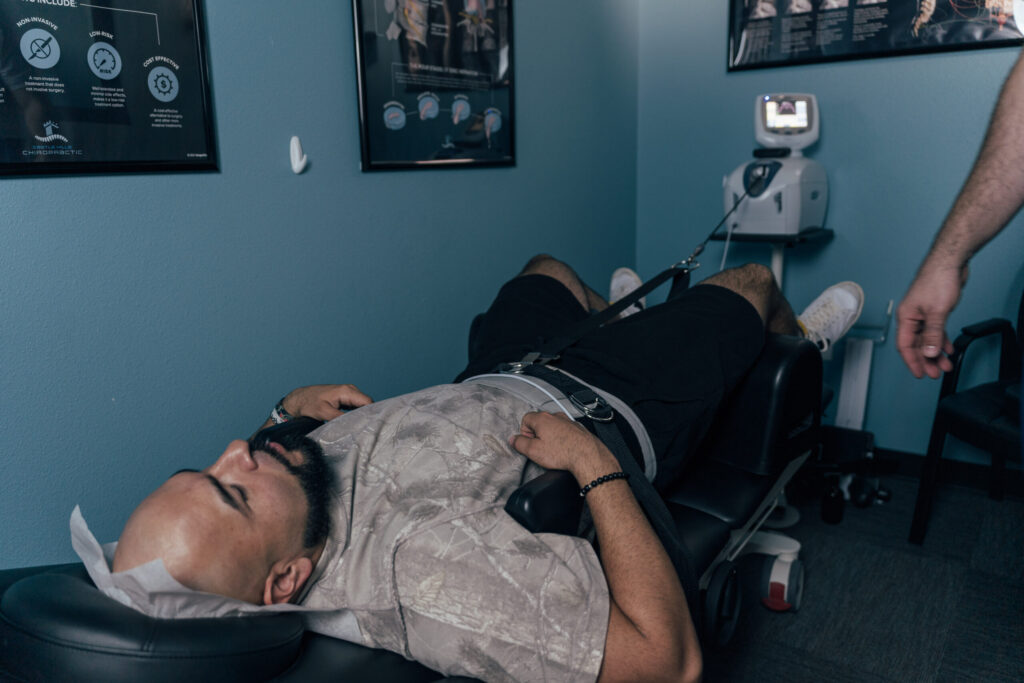

In 2026, we’re witnessing a remarkable shift towards a holistic approach for managing lower back pain, and as a local chiropractor, I want to highlight how chiropractic care plays a pivotal role in this movement. Integrating chiropractic adjustments with personalized exercise programs and mindfulness practices is becoming increasingly popular. You may be wondering how nutrition and ergonomics can further enhance your recovery journey, and I’m here to guide you through that.
Chiropractic care focuses on the health of your spine, which is crucial for overall well-being. Regular adjustments can alleviate pain and improve mobility, allowing your body to heal naturally. By aligning your spine, we not only reduce discomfort but also enhance the function of your nervous system, promoting better communication between your brain and body.
To support your recovery, consider these practical strategies:
- Stay Active: Engage in gentle exercises that strengthen your core and back muscles. Activities like walking, swimming, or yoga can be beneficial. Always consult with your chiropractor to tailor a program that suits your needs.
- Mindfulness Practices: Incorporating mindfulness techniques such as meditation or deep-breathing exercises can help manage stress, which often contributes to pain.
- Nutrition Matters: A balanced diet rich in anti-inflammatory foods—like fruits, vegetables, whole grains, and omega-3 fatty acids—can support your healing process.
- Ergonomics: Pay attention to your posture, especially if you spend long hours sitting. Investing in an ergonomic chair and taking regular breaks can make a significant difference in how you feel.
By embracing these strategies alongside regular chiropractic care, you can take significant steps toward alleviating chronic lower back pain naturally. Remember, your journey to wellness is unique, and I’m here to support you every step of the way. What innovative techniques are you curious about to further enhance your healing journey?
Key Takeaways
- Mindfulness meditation techniques are gaining traction as a powerful tool in managing lower back pain. By enhancing awareness and reducing pain perception, these practices can help you develop emotional resilience, making it easier to cope with discomfort. Consider trying short meditation sessions daily to promote relaxation and pain relief.
- Personalized exercise programs that incorporate yoga and Pilates are becoming increasingly popular. These routines focus on strengthening your core, improving flexibility, and supporting spinal health. As your chiropractor, I recommend integrating these exercises into your routine to help alleviate pain and prevent future issues. Remember to listen to your body and start slowly to avoid strain.
- Nutrition plays a vital role in managing lower back pain. Emphasizing an anti-inflammatory diet rich in omega-3 fatty acids and antioxidants can significantly support your healing journey. Foods like fatty fish, walnuts, leafy greens, and colorful fruits can help combat inflammation. I encourage you to explore these options in your meals to enhance your overall wellness.
- Staying hydrated is crucial for spinal disc health. Adequate fluid intake helps maintain the elasticity of your discs and facilitates nutrient transport throughout your body. Make it a habit to drink plenty of water throughout the day—your spine will thank you!
- Complementary therapies, including deep breathing exercises and gentle stretching, can provide relief from muscle tension and enhance your well-being. Incorporating these practices into your daily routine can be an excellent way to support your body naturally. As your chiropractor, I’m here to guide you on the best techniques to relieve tension and improve your overall health.
By focusing on these natural methods, you can take proactive steps toward managing your lower back pain effectively. Remember, chiropractic care is always here to support your journey toward optimal health and wellness!
The Rise of Mindfulness Meditation for Pain Relief
How can mindfulness meditation enhance your experience with lower back pain? As your local chiropractor, I believe that understanding your body and its signals is crucial in managing pain effectively. Mindfulness meditation encourages you to focus on the present moment, which helps you become more aware of how your body feels. Instead of fighting against discomfort, you learn to observe it without judgment. This change in perspective can significantly influence how you perceive pain, making it feel more manageable.
Incorporating mindfulness into your routine can be as simple as practicing deep breathing or performing body scans. These techniques promote relaxation and help reduce tension in your back. As you cultivate mindfulness, you may also notice an improvement in your ability to manage stress, which is a common trigger for muscle tightness and discomfort.
Moreover, regular mindfulness practice can boost your emotional resilience, allowing you to cope with pain more effectively. However, while mindfulness is a valuable tool, it’s essential to remember that chiropractic care is a proactive approach to addressing the root causes of pain. By aligning your spine and optimizing your nervous system function, chiropractic adjustments can complement your mindfulness practice, offering a comprehensive approach to healing.
To support your journey toward wellness, consider integrating these tips into your daily life:
- Set aside a few minutes each day for mindfulness practice, focusing on your breath and relaxing your body.
- Pay attention to your posture throughout the day; good spinal alignment can reduce strain on your back.
- Stay active with gentle exercises or stretches that promote flexibility and strength in your back.
- Prioritize regular chiropractic check-ups to ensure your spine is aligned and functioning properly.
Innovative Exercise Programs Tailored for Back Health
Innovative exercise programs tailored for back health can play a crucial role in your journey towards pain relief and overall wellness. These programs focus on core strengthening, enhancing flexibility, and improving posture—key elements that can help alleviate lower back pain effectively.
Activities like Pilates and yoga are particularly beneficial, as they promote controlled movements and breathing techniques that support spinal alignment, making them great complements to chiropractic care.
In addition to these practices, low-impact aerobic exercises, such as swimming or walking, can boost blood flow and aid in your recovery. Engaging in these exercise routines not only reduces pain but also empowers you to take charge of your healing process. Remember, chiropractic care works hand-in-hand with these activities by ensuring your spine is properly aligned, allowing you to move more freely and comfortably.
Working with a trained chiropractor can further enhance your experience. They can guide you through safe and effective exercises tailored to your specific needs, ensuring that you get the most benefit from your efforts.
By committing to these innovative exercise programs alongside chiropractic care, you’re likely to notice significant improvements in your strength, mobility, and overall back health.
Here are some simple tips to help you on your journey:
- Stay Consistent: Regular exercise is key to maintaining a healthy back. Aim for at least 30 minutes of activity most days of the week.
- Listen to Your Body: Pay attention to how your body responds to different exercises. If something doesn’t feel right, consult your chiropractor for guidance.
- Focus on Your Core: Strong core muscles support your spine. Incorporate exercises that target your abdominal and back muscles.
- Practice Good Posture: Being mindful of your posture throughout the day can reduce strain on your back. Remember to sit and stand tall, keeping your shoulders back and your spine aligned.
- Stay Hydrated: Drinking plenty of water helps keep your discs hydrated and supports overall spinal health.
The Role of Nutrition in Managing Inflammation
What you eat can significantly influence inflammation in your body, which is key for managing lower back pain. As a chiropractor, I believe that addressing inflammation through nutrition is a vital part of your overall health and wellness journey. Incorporating anti-inflammatory foods, staying well-hydrated, and ensuring you’re not missing out on important nutrients can greatly impact how you feel and function.
Let’s take a closer look at how these dietary choices can support your efforts to alleviate discomfort and enhance your well-being.
1. Anti-Inflammatory Foods: Foods rich in omega-3 fatty acids, such as salmon, walnuts, and flaxseeds, can help reduce inflammation. Additionally, fruits and vegetables like berries, spinach, and broccoli are packed with antioxidants that fight inflammation. Consider adding a rainbow of colors to your plate for a variety of nutrients.
2. Hydration: Staying properly hydrated is crucial for maintaining spinal health. Water supports all bodily functions, including nutrient transport and waste removal. Aim to drink plenty of water throughout the day, and consider herbal teas or infused water for added benefits.
3. Nutrient Deficiencies: Being aware of your nutrient intake can help you prevent deficiencies that may contribute to inflammation and pain. Ensure you get enough vitamins and minerals, particularly vitamin D, magnesium, and calcium, which are essential for bone and muscle health.
4. Chiropractic Care: Remember, chiropractic care plays a significant role in managing pain and promoting overall health. Regular adjustments can help improve spinal alignment, enhance mobility, and reduce inflammation in the body. It’s a natural, non-invasive approach to achieving pain relief and optimal wellness.
By making mindful dietary choices and incorporating chiropractic care into your routine, you can take significant steps toward reducing inflammation and improving your quality of life.
If you have questions about how nutrition and chiropractic care can work together to support your health, don’t hesitate to reach out. Your journey to better health starts with small, consistent changes!
Anti-Inflammatory Foods
When it comes to managing lower back pain, many people often overlook the impact of nutrition. As a local chiropractor, I want to emphasize that what you eat can play a significant role in reducing inflammation and discomfort. By incorporating anti-inflammatory foods into your diet, you can support your body’s natural healing processes and enhance your overall wellness.
Here’s a quick overview of some of the best anti-inflammatory foods to consider adding to your meals:
| Food | Benefits |
|---|---|
| Fatty Fish | Packed with omega-3 fatty acids, which help reduce inflammation and support joint health. |
| Leafy Greens | Rich in antioxidants that help combat oxidative stress and promote healing. |
| Berries | Full of vitamins and antioxidants, these sweet treats can help lower inflammation levels. |
| Nuts | Contain healthy fats and fiber, which not only nourish your body but also support digestive health. |
In addition to incorporating these foods into your diet, remember that regular chiropractic care can further enhance your wellness journey. Chiropractors focus on aligning the spine and improving overall function, which can help alleviate pain and support recovery.
Here are a few general tips to keep in mind:
- Stay Hydrated: Drinking plenty of water is essential for overall health and can aid in reducing inflammation.
- Balance Your Diet: Aim for a variety of colorful fruits and vegetables, whole grains, and healthy fats to ensure you’re getting a broad spectrum of nutrients.
- Listen to Your Body: Pay attention to how different foods make you feel. Keeping a food diary can help you identify any foods that may trigger inflammation or discomfort.
Hydration and Inflammation
Hydration is essential for managing inflammation and can be particularly beneficial when it comes to alleviating lower back pain. As your local chiropractor, I want to emphasize that staying properly hydrated allows your body to transport nutrients effectively and remove waste, which can significantly help reduce inflammation. When you drink enough water, you also help keep your spinal discs lubricated, which supports better mobility and can lead to less discomfort.
In addition to drinking water, incorporating hydrating foods into your diet can further boost your hydration levels and provide anti-inflammatory benefits. Consider adding refreshing options like watermelon, cucumbers, and oranges to your meals. These fruits and vegetables aren’t only hydrating but also packed with vitamins and minerals that support overall health.
Taking care of your body through hydration is a simple yet powerful way to promote natural healing and wellness. Along with regular chiropractic adjustments, which help align your spine and improve your body’s function, staying hydrated can enhance your recovery from pain.
Nutrient Deficiencies Impact
As a local chiropractor, I want to emphasize how nutrient deficiencies can significantly affect your body’s ability to manage inflammation, which is often a contributing factor to lower back pain. A well-balanced diet rich in essential nutrients is crucial for your recovery and pain management.
Here are three key nutrients to consider incorporating into your meals, along with some chiropractic tips for a healthier lifestyle:
- Omega-3 Fatty Acids: These powerful nutrients, found in fish like salmon and in flaxseeds, are known for their anti-inflammatory properties. Including them in your diet can support your body’s healing processes and help reduce pain. You might also consider discussing with your chiropractor how certain adjustments can enhance your body’s natural ability to combat inflammation.
- Vitamin D: This essential vitamin is important for muscle function and helps bolster your immune system, which can play a role in alleviating discomfort. You can get vitamin D from sunlight, fatty fish, and fortified foods. Additionally, regular chiropractic care can aid in improving your overall mobility and muscle coordination, supporting your body’s functions as you work on your nutrition.
- Magnesium: This mineral is key for muscle relaxation and can help prevent tension and spasms in your back. Foods rich in magnesium include leafy greens, nuts, and whole grains. Remember, along with a nutritious diet, chiropractic adjustments can help relieve tension and promote relaxation in your muscles, further aiding in pain relief.
Incorporating Yoga and Pilates Into Daily Routines
Incorporating yoga and Pilates into your daily routine can significantly improve your flexibility and strength, which is vital for alleviating lower back pain. Both practices emphasize core stability, an essential component for supporting your spine and maintaining overall health. As a chiropractor, I often recommend these gentle exercises alongside your chiropractic care for a more holistic approach to wellness.
Start with simple stretches like Cat-Cow or Child’s Pose in yoga to gently warm up your back. These poses can help increase blood flow and prepare your body for deeper movements. Following this, you can transition to Pilates exercises such as the Pelvic Curl, which focuses on strengthening your abdominal muscles and enhancing spinal support.
Aim for at least 20-30 minutes a day. You can easily follow online classes or use instructional apps to guide you through the process. Consistency is key, so find a time that suits your schedule—whether in the morning to kickstart your day or after work to unwind. Over time, you’re likely to notice improved posture and reduced tension in your lower back, complementing the benefits of your chiropractic care.
Always listen to your body and adjust poses as necessary to ensure you’re practicing safely and effectively. Remember, the ultimate goal is to foster a sense of well-being and promote natural healing through mindful movement. Combining these practices with regular chiropractic adjustments can lead you to achieve optimal health and a pain-free lifestyle.
The Benefits of Ergonomic Workspaces
Creating an ergonomic workspace isn’t just about comfort—it’s a vital step toward maintaining a healthy spine and overall wellness. As a local chiropractor, I want to share how a well-designed workspace can help alleviate lower back pain and promote natural healing during those long hours of sitting. By optimizing your environment, you’re not only investing in your health; you’re also setting yourself up for greater productivity. Here are three key benefits of an ergonomic workspace:
- Improved Posture: Using ergonomic furniture, such as adjustable chairs and desks, supports proper spinal alignment. This reduces strain on your back and can help prevent discomfort. Remember, good posture is essential for a healthy spine!
- Increased Comfort: When your workspace is set up correctly, you can work for longer periods without discomfort. This means fewer distractions and better focus on your tasks. Consider taking regular breaks to stretch and move around, as this can further enhance your comfort.
- Enhanced Well-being: A workspace tailored to your needs not only fosters a sense of well-being but can also help reduce stress levels. A comfortable environment promotes a healthier work-life balance, which is vital for your overall health.
Incorporating chiropractic care into your routine can also be a game changer for pain relief and achieving optimal health. Regular adjustments can help keep your spine aligned, reducing discomfort and improving your body’s natural healing process.
Exploring Acupuncture and Acupressure Techniques
As you seek natural remedies for lower back pain, it’s essential to consider the holistic benefits of chiropractic care. Chiropractic is a natural and effective approach that focuses on spinal health, which plays a crucial role in overall wellness. By addressing misalignments in the spine, chiropractors can help alleviate pain, improve mobility, and enhance your body’s ability to heal itself.
While acupuncture and acupressure are popular alternatives, they often serve as complementary therapies rather than replacements for chiropractic care. Chiropractic adjustments not only target the source of your lower back pain but also promote proper alignment and function of the nervous system, leading to more comprehensive relief.
For those looking to support their back health at home, here are a few simple tips:
- Maintain Good Posture: Be mindful of your posture while sitting, standing, and lifting. Keeping your spine aligned can prevent unnecessary strain.
- Stay Active: Engage in regular low-impact exercises like walking, swimming, or yoga to strengthen your back and core muscles, which provide essential support.
- Use Heat and Cold Therapy: Applying heat can relax tense muscles, while cold packs can reduce inflammation. Both methods can be beneficial for managing pain.
- Practice Stress Relief Techniques: Stress can contribute to muscle tension in your back. Techniques such as deep breathing, meditation, or gentle stretching can help you relax.
- Consider Regular Chiropractic Visits: Regular adjustments can help maintain spinal health, prevent future pain, and enhance your overall well-being.
Natural Supplements for Back Pain Relief
Chiropractic care is a powerful ally in the fight against lower back pain, serving as a vital component of your healing journey.
To further support your recovery, consider incorporating natural supplements into your routine. These supplements can enhance your body’s healing process and help reduce inflammation, allowing you to feel better more quickly. Here are three effective options to consider:
- Turmeric: This golden spice is celebrated for its strong anti-inflammatory properties. Turmeric can help alleviate pain and enhance your mobility, making it a fantastic complement to chiropractic adjustments.
- Magnesium: An essential mineral that plays a key role in muscle function, magnesium can help relax tense muscles in your back. Ensuring you have enough magnesium in your diet may contribute to a reduction in discomfort.
- Omega-3 Fatty Acids: Found abundantly in fish oil, these healthy fats help to reduce inflammation and could alleviate chronic pain. Integrating omega-3s into your diet can support overall wellness and enhance your recovery process.
Always remember to consult with your healthcare provider before introducing any supplement into your routine. They can help determine the right dosage and ensure that these natural remedies fit seamlessly with your chiropractic care plan.
By embracing these natural options alongside regular chiropractic adjustments, you’re taking meaningful steps toward a healthier, pain-free life.
In addition to supplements, don’t forget to maintain a healthy lifestyle. Staying active, practicing good posture, and managing stress can significantly improve your overall well-being.
Chiropractic care, combined with these natural approaches, paves the way for optimal health and lasting relief from back pain.
The Impact of Sleep Quality on Pain Management
When it comes to managing lower back pain, one of the most important factors to consider is the quality of your sleep. A good night’s rest is essential for your body to heal and recover, and poor sleep can lead to increased pain sensitivity. If you find yourself tossing and turning at night, it might be time to take a closer look at your sleep environment.
Make sure your mattress provides adequate support for your spine. A mattress that’s too soft or too firm can disrupt your spinal alignment and contribute to discomfort. Additionally, your pillow should support your neck in a way that keeps it aligned with your spine. Consider a pillow that maintains this alignment for maximum comfort.
Creating a calming bedtime routine can also significantly enhance your sleep quality. Techniques such as meditation, gentle stretching, or deep breathing exercises can help reduce tension and promote relaxation before bed. Limiting screen time and caffeine intake in the evening is also beneficial for achieving better rest.
Remember, chiropractic care is an excellent way to support your overall health and wellness. Regular adjustments can help improve your spinal alignment, reduce tension in your muscles, and enhance your body’s natural healing ability. By incorporating these tips into your routine and considering chiropractic care, you can take significant steps towards better sleep and pain management.
Prioritizing your sleep quality is an essential part of your journey to optimal health!
Community Support and Group Therapy Approaches
When you participate in a group therapy session focused on managing lower back pain, you’re not only gaining support but also discovering the benefits of natural healing through community.
Sharing your personal experiences and coping strategies with others can enhance your understanding of back health and help you explore chiropractic care as an effective solution for pain relief.
Engaging with a supportive group allows you to learn from the experiences of others and receive valuable insights on how to tackle your back pain.
This collaborative environment fosters a sense of community, where everyone is working together towards healing and resilience.
In addition to seeking chiropractic care, here are some general tips for managing lower back pain naturally:
- Maintain Good Posture: Be mindful of your posture throughout the day, especially when sitting or lifting heavy objects. Proper alignment can reduce strain on your spine.
- Stay Active: Regular low-impact exercises, like walking or swimming, can strengthen your back muscles and improve flexibility. Always consult with your chiropractor for tailored exercises that suit your needs.
- Use Hot and Cold Therapy: Applying heat can relax tight muscles, while cold packs can reduce inflammation. Alternating between the two can provide relief.
- Practice Stress Relief Techniques: Techniques such as deep breathing, meditation, or yoga can help manage stress, which may contribute to muscle tension and pain.
- Stay Hydrated: Drinking plenty of water supports overall health and helps maintain spinal disc hydration.
By integrating these simple practices into your routine alongside chiropractic care, you can enhance your journey toward optimal health and well-being.
Benefits of Group Therapy
Group therapy can be a powerful addition to your wellness journey, especially if you’re dealing with lower back pain. Connecting with others who share similar challenges can make you feel more supported and understood.
Here are three key benefits of group therapy that can complement your chiropractic care:
- Shared Experiences: Hearing from others who’ve faced similar struggles can provide you with valuable insights. You might discover new strategies that can work alongside your chiropractic treatment to help alleviate pain and improve mobility.
- Emotional Support: The encouragement you receive from peers can significantly boost your morale. Knowing that you’re not alone in your journey can help you stay positive and committed to your healing process.
- Accountability: Regular group meetings can help keep you motivated to stick to your treatment plan. This accountability encourages you to make healthier lifestyle choices that can enhance the benefits of chiropractic care and promote overall well-being.
Building Support Networks
Building a strong support network can significantly improve your journey toward alleviating lower back pain, especially when combined with the benefits of chiropractic care. Connecting with others who share similar experiences can provide not only emotional relief but also practical advice that complements your treatment. Consider looking for local support groups or community centers that focus on pain management and wellness. Participating in group therapy allows you to share your challenges and successes, creating a sense of belonging while reinforcing the importance of a healthy spine.
Additionally, online forums and social media groups can be valuable resources for exchanging tips and encouragement related to chiropractic care and natural healing methods. Don’t underestimate the uplifting power of friendship; a simple chat with someone who understands your situation can boost your spirits and keep you motivated.
Building these connections not only helps you feel less isolated but also encourages you to stay committed to your pain management goals through chiropractic treatment. Remember, regular chiropractic adjustments can help maintain spinal alignment and enhance your overall well-being, making it easier to engage with your support network. Embrace this journey towards optimal health, knowing that you’re not alone!
Sharing Coping Strategies
Sharing coping strategies with others can greatly enhance your journey toward managing lower back pain, and incorporating chiropractic care into your routine can be a vital part of that process. Connecting with a supportive community can provide you with valuable insights and emotional support, making a significant difference in your experience. Here are three effective coping strategies to consider that align with a holistic approach to wellness:
- Join a Support Group: Finding a group centered around back pain can offer emotional comfort and practical advice from others who share similar experiences. This connection can be empowering and help you realize you’re not alone in your journey.
- Engage in Group Therapy: Participating in professionally led sessions can give you the opportunity to discuss your pain in a safe and supportive environment. These sessions can introduce you to coping techniques and strategies that complement chiropractic care, helping you manage pain effectively.
- Share Your Experiences: Talking about your challenges can relieve stress and foster a sense of community. Sharing your journey can’t only help you feel less isolated, but it may also provide encouragement to others who are navigating similar issues.
Remember, incorporating chiropractic care into your wellness routine can help you achieve optimal health and alleviate pain naturally. By focusing on spinal health and overall wellness, you can improve your quality of life.
Always consult with your chiropractor about personalized strategies that work best for you!
Understanding the Mind-Body Connection in Pain Perception
While many individuals view pain as primarily a physical sensation, it’s essential to understand the powerful mind-body connection and how your thoughts and emotions significantly influence pain perception. For example, when you’re feeling stressed or anxious, your body may tighten up, which can worsen issues like lower back pain. On the flip side, maintaining a positive mindset can encourage healing and help lessen discomfort.
Recognizing that your mental state plays a role in how you experience pain can empower you to take proactive steps for relief. Chiropractic care is an excellent option for addressing pain naturally and promoting overall wellness. By aligning your spine and improving your body’s function, chiropractic adjustments can help reduce physical tension and enhance your capacity to cope with pain.
In addition to chiropractic care, incorporating techniques like mindfulness meditation and deep breathing into your daily routine can help calm your mind, thereby reducing the perception of pain. Finding joy in activities you love or practicing gratitude can also shift your focus away from discomfort, further supporting your healing journey.
To support your wellness at home, consider these simple tips:
- Stay active with gentle exercises like walking or stretching to support your spine and overall health.
- Prioritize good posture, whether sitting, standing, or lifting, to reduce strain on your back.
- Drink plenty of water and maintain a balanced diet to nourish your body.
- Make time for relaxation and self-care to help manage stress effectively.
Conclusion
In 2026, embracing a holistic approach to alleviating lower back pain can significantly enhance your quality of life. As your local chiropractor, I want to emphasize how chiropractic care stands out as a powerful method for achieving optimal health and natural healing. By focusing on spinal alignment and function, we’re not just addressing the pain; we’re also promoting overall wellness.
Incorporating mindfulness into your daily routine can help you manage stress, which often contributes to physical discomfort. Alongside this, tailored exercise routines designed to strengthen your core and improve flexibility can play a crucial role in preventing and alleviating back pain. Remember, every spine is unique, so it’s important to work with a chiropractor to develop a personalized exercise plan that suits your specific needs.
Nutrition also plays a vital role in your journey to wellness. Emphasizing anti-inflammatory foods can help reduce pain and promote healing. Think of colorful fruits, leafy greens, and healthy fats that nourish your body and support your spine.
Don’t overlook the importance of ergonomics in your daily life. Simple adjustments to your workspace, such as using a chair that supports your lower back, can make a significant difference. Ensuring you get quality sleep is equally essential; consider using a supportive mattress and pillows to maintain proper spinal alignment while you rest.
Community support can also enhance your healing journey. Engaging with groups focused on wellness and healthy living can provide motivation and encouragement as you take steps toward pain relief.
Lastly, remember the importance of the mind-body connection. Addressing both the physical and emotional aspects of pain is crucial for finding lasting relief. Chiropractic care is not just about treating symptoms; it’s about fostering a holistic approach that promotes a healthier and happier you.
If you’re struggling with lower back pain, consider making chiropractic care your go-to solution. Together, we can work towards a healthier spine and a more vibrant life.