
As a local chiropractor, I understand that lower back pain can be an incredibly frustrating and debilitating experience. However, I want to assure you that there are effective strategies to manage your pain without the need for surgery. By prioritizing core strengthening exercises, incorporating effective stretching routines, and making simple lifestyle adjustments, you can significantly reduce your discomfort.
In my practice, I often emphasize the importance of understanding how these elements work together to promote healing and provide lasting relief. Core strengthening helps support your spine, while stretching can improve flexibility and reduce tension in the surrounding muscles. Additionally, I encourage my patients to explore alternative therapies, such as chiropractic adjustments, which can help realign the spine and alleviate pain.
Taking control of your back pain is entirely possible, and I’m here to guide you through this journey toward improved health and well-being. Let’s work together to find a personalized approach that suits your needs and helps you regain your quality of life.
Understanding Lower Back Pain
As a local chiropractor, I understand that experiencing lower back pain can be both overwhelming and confusing for many of you. It’s natural to wonder what might be causing this discomfort and how you can find relief.
There are various factors that can contribute to lower back pain, such as muscle strain, herniated discs, or even poor posture. Perhaps you’ve lifted something heavy recently or spent long hours sitting in an awkward position, which can lead to inflammation and tightness in the muscles.
Gaining an understanding of the origin of your pain is crucial for finding effective relief. I encourage you to pay attention to when your pain occurs and notice any activities that seem to make it worse.
It’s important to realize that it’s not always a single incident that causes the issue; often, cumulative stress on your back can build up over time. By identifying patterns in your pain, you’ll be better equipped to address it.
As a chiropractor, I believe in taking a proactive approach to managing back pain. By seeking natural healing methods and chiropractic care, we can work together to not only alleviate your symptoms but also enhance your overall quality of life.
The Importance of Core Strengthening
As a local chiropractor, I want to emphasize the importance of strengthening your core for a healthy back and pain prevention. Your core muscles play a crucial role in supporting your spine, which is vital for your overall well-being. By enhancing your core strength, you can improve your ability to perform daily activities with greater ease and reduce the risk of injury.
Let’s take a moment to understand what core muscles are. These muscles include not just the abdominals, but also the muscles in your back, hips, and pelvis. Together, they create a strong foundation that supports your entire body.
Strengthening these muscles offers numerous benefits. It can improve your posture, enhance your balance, and even alleviate discomfort in your back and joints. Additionally, a strong core can make everyday movements—like lifting, bending, and twisting—more efficient, reducing strain on your body.
To help you get started, I’d like to share some effective exercises that can enhance your core stability. Simple movements like planks, bridges, and pelvic tilts can be incredibly beneficial. These exercises not only target your core muscles but also promote overall body strength and flexibility.
Incorporating core strengthening into your routine can be a key component of natural healing and maintaining your health. If you have any questions or would like personalized guidance, don’t hesitate to reach out.
Your journey to a stronger core and a healthier back starts here!
Core Muscles Defined
As a local chiropractor, I want to emphasize the vital role your core muscles play in maintaining stability and balance throughout your body.
Many people often associate core strength solely with the abdominal muscles, but it’s important to understand that your core is a complex network of various muscles that support your spine and pelvis.
Let’s explore the key components of your core:
- Rectus Abdominis: Often referred to as the “six-pack” muscle, this muscle is crucial for flexing your spine and plays a role in movements like bending forward.
- Transverse Abdominis: This deep muscle acts like a natural corset around your torso, providing essential stability that supports your spine during everyday activities.
- Obliques: These muscles are located on the sides of your abdomen and are responsible for assisting with rotation and side bending, which are important for many functional movements.
- Erector Spinae: This group of muscles runs alongside your spine and is fundamental in maintaining good posture, which can help prevent back pain and other issues.
Strengthening these core muscles isn’t just about aesthetics; it’s crucial for your overall body function and plays a significant role in injury prevention.
As your chiropractor, I encourage you to focus on building a strong core to support your spinal health and enhance your overall well-being.
Benefits of Core Strength
As a local chiropractor, I want to emphasize the importance of having a strong core for your overall health and wellbeing. Many people may not realize that your core muscles play a vital role in supporting your spine, which is crucial for maintaining good posture and preventing injuries.
When your core is strong, you’ll find that everyday activities become easier—whether it’s lifting objects or participating in sports, you’ll experience improved balance and stability.
A strong core not only enhances your athletic performance by allowing you to generate more power and endurance, but it can also help alleviate lower back pain. By providing better support to your spine, strong core muscles can significantly reduce discomfort and improve your quality of life.
Investing time in core strength is an essential part of a healthy, active lifestyle. It empowers you to move freely without discomfort or the fear of injury.
As your chiropractor, I’m here to guide you on your journey to better health through natural healing methods, including core strengthening exercises. Let’s work together to build a strong foundation for your body!
Exercises for Core Stability
As a local chiropractor, I want to emphasize the significance of core stability for your overall health and well-being. Strengthening your core is crucial not only for supporting your lower back but also for enhancing your balance and improving your posture.
Integrating specific exercises into your daily routine can be a great way to achieve this. Here are some recommendations that are easy to incorporate into your lifestyle:
- Planks: This exercise involves holding your body in a straight line while engaging your core muscles. It’s a fantastic way to build endurance and stability in your core.
- Bird-Dogs: In this exercise, you extend one arm and the opposite leg while keeping your core steady. This movement helps improve coordination and balance.
- Bridges: By lying on your back and lifting your hips while squeezing your glutes, you can effectively engage your core and strengthen your lower back.
- Russian Twists: Sitting with your knees bent, you can rotate your torso from side to side. This exercise is excellent for targeting your obliques and increasing your core strength.
Incorporating these exercises into your routine can have a positive impact on your spinal health and overall wellness.
Effective Stretching Techniques
As a local chiropractor, I want to share some effective stretching techniques that can help alleviate lower back pain and enhance your overall well-being. Incorporating these stretches into your daily routine can make a significant difference in your comfort and mobility.
One of the first stretches I recommend is the cat-cow stretch. This gentle movement helps to mobilize your spine and can be done easily at home. Begin by getting on all fours, then take a deep breath in as you arch your back, allowing your belly to drop towards the floor. As you exhale, round your back and tuck your chin to your chest. Hold each position for about five seconds, and repeat several times.
Another beneficial stretch is the seated forward bend. Sit on the floor with your legs extended in front of you. Slowly reach towards your toes, ensuring you maintain a straight back. This stretch targets your hamstrings and lower back, promoting flexibility and relief from tension. Hold this position for 15 to 30 seconds, breathing deeply.
The child’s pose is also an excellent option to release lower back tension. Start by kneeling on the floor, then sit back on your heels and stretch your arms forward on the ground. This position not only stretches the back but also provides a calming effect on the mind and body.
I encourage you to incorporate these stretches into your daily routine. Over time, you may notice improved flexibility and a reduction in discomfort.
Always remember to listen to your body; it’s important not to push yourself beyond your comfort zone. If you have any questions or need further guidance, feel free to reach out to me or another healthcare professional.
Lifestyle Modifications for Pain Relief
As a local chiropractor, I want to share some valuable insights on how simple lifestyle modifications can significantly enhance your efforts to alleviate lower back pain. By incorporating a few healthy habits into your daily routine, you can make a real difference in your overall comfort and well-being.
- Stay Active: Engaging in regular physical activity is crucial for strengthening your back and core muscles. I recommend low-impact exercises such as walking or swimming, which can be gentle yet effective in maintaining your mobility.
- Maintain Good Posture: It’s important to pay attention to your posture while sitting and standing. Good posture helps to align your spine correctly and reduces strain on your back. Consider using ergonomic furniture to provide support during long hours at your desk.
- Watch Your Weight: Carrying excess weight can put additional stress on your lower back. By maintaining a healthy weight through a balanced diet and regular exercise, you can alleviate some of that pressure and support your spine’s health.
- Get Enough Sleep: Quality sleep is vital for your body’s healing processes. Investing in a supportive mattress and practicing good sleep hygiene can help ensure that you wake up feeling refreshed and ready to tackle the day.
By making these lifestyle changes, you can complement your chiropractic care and enhance your journey towards pain relief naturally.
Alternative Therapies to Consider
As a local chiropractor, I want to share with you some valuable insights about managing lower back pain through alternative therapies.
If you’re experiencing discomfort, you might find relief through methods such as chiropractic adjustments, acupuncture, or even yoga. Each of these techniques offers unique benefits that can help you manage your pain naturally.
Chiropractic care focuses on aligning the spine and improving overall function, which can alleviate discomfort and enhance your quality of life.
Acupuncture can help by stimulating specific points in the body to reduce pain and promote healing.
Meanwhile, yoga not only increases flexibility and strength but also encourages relaxation, which can be beneficial for your mental and physical well-being.
I encourage you to explore these options and discover which combination works best for you.
Together, we can find a personalized approach to help you achieve lasting relief from your lower back pain.
Acupuncture for Pain Relief
As a local chiropractor, I want to share with you an effective and holistic approach to alleviating lower back pain: acupuncture. This ancient practice, rooted in traditional Chinese medicine, involves the insertion of thin needles at specific points on the body to stimulate its natural healing processes.
Many of my patients have found significant relief from their discomfort through acupuncture, and it could be beneficial for you as well. Here are some key benefits to consider:
- Reduced inflammation: Acupuncture is known to help decrease swelling in painful areas, which can lead to improved comfort and mobility.
- Improved circulation: By enhancing blood flow, acupuncture promotes healing in the affected areas, contributing to pain relief.
- Stress reduction: The relaxation response triggered by acupuncture can help relieve tension in your back muscles, making it easier for you to move and function.
- Enhanced overall well-being: Numerous patients report feeling a renewed sense of balance and vitality after their acupuncture sessions, which can positively impact your overall health.
I encourage you to explore acupuncture as a viable option for managing your lower back pain. It may just provide the relief you’ve been seeking!
Chiropractic Adjustments Benefits
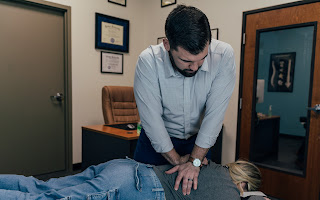
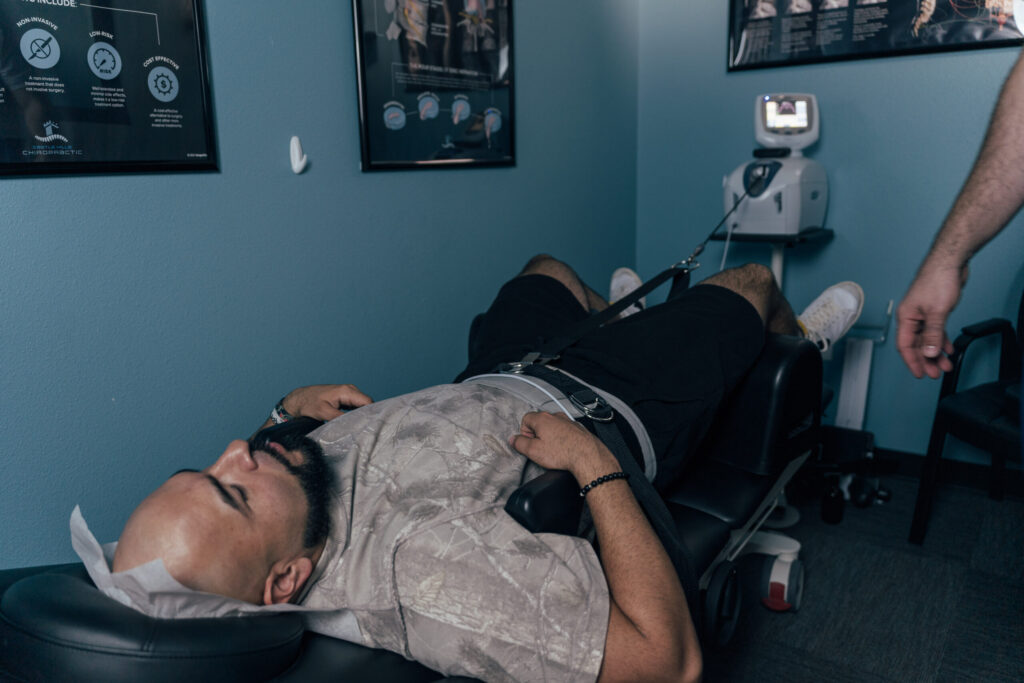
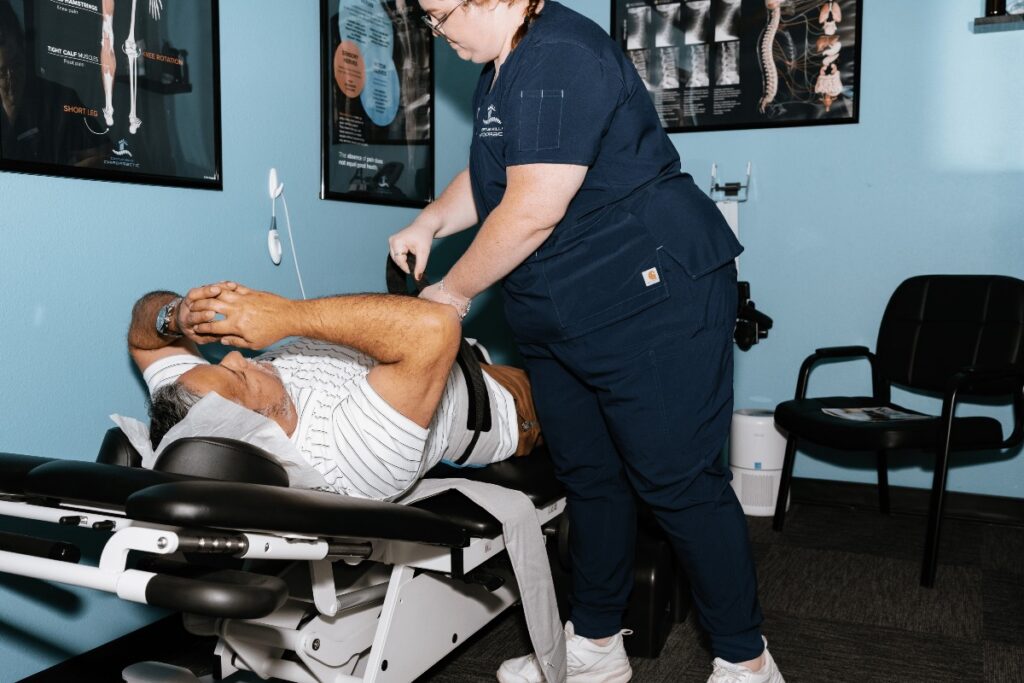
As a local chiropractor dedicated to helping our community, I want to share the benefits of chiropractic adjustments for those of you dealing with lower back pain. If you’re unfamiliar with our practice, chiropractic adjustments involve aligning your spine to alleviate discomfort and enhance your mobility. Many of my patients experience immediate relief after a session, as we specifically target misalignments that may be contributing to their pain.
In our practice, we utilize hands-on techniques to gently manipulate the spine and surrounding joints, which helps improve overall function. This method not only alleviates pain but also promotes better blood circulation and reduces inflammation, facilitating a quicker recovery.
Moreover, chiropractic care goes beyond just treating pain; it emphasizes your overall wellness. We encourage our patients to adopt healthier lifestyle habits that complement their treatment.
Regular adjustments are vital for maintaining proper spine alignment, which can help prevent future episodes of pain.
I invite you to consider chiropractic care as a safe and non-invasive option on your journey toward relief from lower back pain. Together, we can work towards improving your health and well-being.
Yoga and Stretching Techniques
As a local chiropractor, I want to share with you some natural healing techniques that can complement your chiropractic adjustments and provide significant relief for lower back pain.
While chiropractic care is effective in addressing misalignments and discomfort, incorporating yoga and stretching into your daily routine can greatly enhance your recovery process. These practices not only help improve your flexibility but also strengthen your core muscles, which play a vital role in supporting your back.
Here are some beneficial techniques to consider:
- Child’s Pose: This gentle stretch is perfect for lengthening your spine and relieving accumulated tension in your back.
- Cat-Cow Stretch: Engaging in this dynamic movement helps to increase flexibility while gently warming up your back muscles.
- Seated Forward Bend: This stretch targets the hamstrings and lower back, which can significantly reduce tightness and discomfort.
- Supine Spinal Twist: Practicing this pose can enhance spinal mobility and help alleviate lower back discomfort.
I encourage you to incorporate these stretches into your daily routine.
Not only will they support your chiropractic care, but they’ll also contribute to your overall well-being and comfort!
Creating a Long-Term Pain Management Plan
As a local chiropractor, I want to emphasize the importance of creating a long-term pain management plan, especially for those of you struggling with chronic lower back pain. Taking control of your health is crucial, and it starts with understanding your pain triggers.
I encourage you to keep a journal to note when your pain flares up and what activities might be contributing to it. This awareness can help you steer clear of behaviors that exacerbate your condition.
Incorporating regular exercise is vital, with a focus on strengthening your core and enhancing flexibility. These exercises support your back and can significantly alleviate discomfort.
Additionally, I recommend considering physical therapy, where a professional can provide personalized guidance tailored to your specific needs.
Complementary therapies, such as acupuncture and chiropractic care, are excellent options to explore for additional relief. Chiropractic adjustments can realign your spine, improve mobility, and reduce pain, while acupuncture can help with inflammation and promote healing.
Don’t underestimate the importance of your mental well-being either. Practicing mindfulness or meditation can help you manage stress, which in turn can improve how you perceive pain.
Lastly, it’s essential to establish a routine for monitoring your progress. Regular check-ins will allow you to adjust your plan as necessary.
Conclusion
As your local chiropractor, I want to share some effective strategies to help you manage and transform your lower back pain without the need for surgery. By focusing on core strengthening exercises, engaging in effective stretching routines, and making positive lifestyle changes, you can not only ease your discomfort but also enhance your overall well-being.
It’s important to understand that chiropractic care offers a holistic approach to healing. I encourage you to explore alternative therapies, such as spinal adjustments and massage, which can complement your pain management efforts. Additionally, we can work together to establish a long-term pain management plan that is tailored specifically to your needs.
With dedication and consistency, you can take control of your health and work towards a future that is not only pain-free but also vibrant and active. Remember, you don’t have to live with back pain – with the right support and strategies, a healthier life is within your reach.