
When you're sidelined by a sports injury, knowing how to approach your recovery can make all the difference. You might think rest is enough, but combining it with techniques like ice therapy and physical therapy could greatly enhance your healing process. Pain management strategies, such as medications and alternative therapies, also play an essential role. However, the effectiveness of these treatments can vary based on the type of injury you're dealing with. What's the best plan for your specific situation? Let's explore some top options that can guide you on your path to recovery.
Rest and Recovery
Rest and recovery play essential roles in healing from sports injuries. When you push your body hard, it's vital to give it the time it needs to heal. Ignoring this simple principle can lead to prolonged pain and even more serious injuries down the road. Your body has an incredible ability to repair itself, but it needs the right conditions to do so.
Start by recognizing the signs that your body needs rest. If you're feeling persistent pain, fatigue, or discomfort, it's a signal to slow down. Taking a break doesn't mean you're giving up; in fact, it's a smart strategy for a faster comeback. You'll want to avoid high-impact activities initially, allowing your body to focus on repairing the injured area.
During your recovery period, prioritize sleep. Quality sleep promotes healing by boosting your immune system and speeding up tissue repair. Aim for 7-9 hours of restful sleep each night, and consider creating a calming bedtime routine.
Nutrition also plays a significant role in recovery. Fuel your body with nutrient-rich foods, focusing on proteins, healthy fats, and plenty of fruits and vegetables.
Incorporating gentle stretching or low-impact activities like walking or yoga can also aid recovery. These activities help maintain flexibility and circulation without overexerting your injured area.
Ice Therapy
Ice therapy is a highly effective method for reducing pain and inflammation following a sports injury. Whether you've sprained an ankle or strained a muscle, applying ice can help you feel better faster. When you use ice, it constricts blood vessels, which reduces swelling and numbs the affected area, providing immediate relief from pain.
To get the most out of ice therapy, you'll want to apply ice for about 15 to 20 minutes at a time. Make sure to wrap the ice pack or ice cubes in a thin cloth to protect your skin from frostbite. You can repeat this process every couple of hours, especially during the first 48 hours after your injury.
Timing is key, so don't wait too long to start. The sooner you apply ice, the better your chances are of minimizing inflammation. This quick response can make a significant difference in your recovery time.
While ice therapy is great for immediate relief, remember that it's just one part of your recovery process. After the initial swelling goes down, you might consider shifting to other treatments, like gentle stretching or heat therapy, depending on your injury.
Always listen to your body, and if you feel increased pain or discomfort while icing, stop immediately.
Incorporating ice therapy into your routine can be a simple yet powerful way to enhance your recovery and get back to your favorite sports activities.
Compression Techniques
Compression techniques are essential for managing swelling and providing support after a sports injury. When you experience an injury, your body often responds with inflammation, which can lead to pain and reduced mobility. Using compression can help control this swelling and promote faster recovery.
One of the simplest ways to apply compression is by using elastic bandages. You can wrap the injured area snugly, but be careful not to wrap it too tightly, as this can restrict blood flow. Start at the furthest point from your heart and work your way up, overlapping the bandage by about half its width. This method is effective for various injuries, including sprains and strains.
Another option is compression sleeves or socks, which provide even pressure across the injured area. They're particularly useful for injuries in the limbs and can be more comfortable for extended wear. Just like bandages, make sure they fit well without being overly tight.
You might also consider using a compression wrap or device designed specifically for certain injuries. These products often combine cold therapy with compression, further aiding in reduction of swelling and pain.
Lastly, remember to monitor your symptoms. If you notice increased pain, numbness, or worsening of your injury, it's vital to remove the compression and consult a healthcare professional.
Compression techniques are a valuable tool in your recovery toolkit, helping you get back in the game more quickly and safely.
Physical Therapy
Engaging in physical therapy is an important step in your recovery journey after a sports injury. This specialized form of treatment helps you regain strength, improve mobility, and reduce pain. Your physical therapist will assess your condition, identify weaknesses, and develop a tailored program that meets your unique needs.
During your sessions, you'll engage in therapeutic exercises designed to strengthen the muscles surrounding your injury. These exercises not only help with recovery but also prevent future injuries by improving your overall physical condition. Your therapist will guide you through each movement, ensuring you maintain proper form and avoid further strain.
In addition to exercises, physical therapy often incorporates manual techniques. Your therapist may use hands-on methods to manipulate soft tissues and joints, alleviating pain and enhancing flexibility. These techniques can greatly speed up your recovery process.
Education is another important aspect of physical therapy. Your therapist will teach you about your injury, explaining the healing process and what to expect. You'll also learn strategies to modify your activities and avoid reinjury while you heal.
As you progress, your therapist will continuously adjust your program to challenge you appropriately and keep you motivated. It's important to communicate openly about any discomfort or concerns during your sessions.
Incorporating physical therapy into your recovery plan will empower you to take control of your rehabilitation process, helping you get back to your favorite sports and activities stronger than before.
Medication Options
When you're dealing with a sports injury, choosing the right medication can make all the difference.
You'll find that over-the-counter pain relievers can offer quick relief, while some injuries might require prescription medications for more serious pain management.
Additionally, topical treatments can provide localized relief, making them a valuable option to contemplate.
Over-the-Counter Pain Relievers
Managing pain from sports injuries often starts with over-the-counter pain relievers, which provide a quick and effective way to alleviate discomfort. These medications can help you get back to your routine sooner, allowing you to focus on recovery rather than pain.
Common options include nonsteroidal anti-inflammatory drugs (NSAIDs) like ibuprofen and naproxen. These can reduce inflammation, swelling, and provide pain relief. Acetaminophen is another popular choice, effective for pain relief but doesn't address inflammation directly.
Always follow the recommended dosages on the packaging to avoid potential side effects.
If you're unsure which medication is right for your specific injury, consult a healthcare professional. They can guide you in choosing the best option based on your symptoms and medical history.
It's also important to take into account any pre-existing conditions or allergies you may have before taking any medication.
Prescription Medications Overview
Prescription medications can play an essential role in treating sports injuries when over-the-counter options aren't sufficient. If you're dealing with severe pain or inflammation, your doctor might prescribe medications to help you recover more effectively.
Here are some common prescription options you might consider:
- Non-steroidal anti-inflammatory drugs (NSAIDs): These can help reduce pain and inflammation.
- Corticosteroids: Often prescribed for their potent anti-inflammatory properties, they're useful for more significant inflammation.
- Muscle relaxants: If you're experiencing muscle spasms, these medications can help ease discomfort.
- Opioids: For severe pain, your doctor may prescribe opioids, but they come with a risk of dependency and should be used cautiously.
Always communicate with your healthcare provider about your symptoms and concerns. They'll guide you toward the most appropriate medication based on your specific condition and history.
Topical Treatments Benefits
Topical treatments can be an effective way to target pain and inflammation directly at the site of an injury, offering relief without the systemic side effects often associated with oral medications.
These treatments come in various forms, including gels, creams, and patches, making them easy to apply and convenient for athletes like you.
One significant benefit of topical treatments is their ability to provide localized relief. When you apply a product directly to the affected area, you concentrate the medication where it's needed most. This targeted approach minimizes the risk of systemic issues, which can sometimes arise with oral pain relievers.
Additionally, many topical treatments contain anti-inflammatory ingredients such as NSAIDs or natural remedies like menthol and capsaicin. These components can help reduce swelling and discomfort effectively.
Using topical treatments can also complement other therapies. For instance, you can combine them with physical therapy or rest to enhance your recovery process.
Acupuncture
When it comes to treating sports injuries, acupuncture offers a unique approach that many athletes find beneficial. This ancient practice involves inserting thin needles into specific points on your body, promoting healing and reducing pain. If you're dealing with a sports-related injury, acupuncture could be the key to revealing faster recovery.
Here are some compelling reasons to evaluate acupuncture for your sports injuries:
- Pain Relief: Acupuncture can help alleviate acute and chronic pain, allowing you to return to your sport sooner.
- Reduced Inflammation: By promoting blood flow and reducing swelling, acupuncture aids in faster healing of injured tissues.
- Enhanced Recovery: Regular sessions can improve your overall recovery time, helping you bounce back from injuries more effectively.
- Improved Mobility: By addressing muscle tension and joint stiffness, acupuncture can enhance your range of motion.
Many athletes have turned to acupuncture not just for injury treatment but also as a preventive measure. By incorporating this technique into your routine, you may help reduce the likelihood of future injuries while enhancing performance.
Before starting acupuncture, it's wise to consult with a qualified practitioner who understands sports injuries. They'll tailor the treatment to your specific needs, ensuring you get the maximum benefit.
With its growing popularity among athletes, acupuncture could be the missing piece in your recovery strategy. Don't hesitate to explore how it can work for you!
Massage Therapy
Massage therapy can be a game-changer in your recovery process, using various techniques tailored to your needs.
Regular sessions not only help relieve tension but also enhance your overall performance.
Let's explore how these benefits can accelerate your healing journey.
Techniques for Recovery
For athletes recovering from injuries, integrating massage therapy into your rehabilitation routine can greatly improve healing. This hands-on technique helps alleviate muscle tension, promotes blood flow, and accelerates recovery.
Here are some effective massage techniques you might consider:
- Deep Tissue Massage: Targets deeper layers of muscle and connective tissue, breaking down knots and relieving chronic pain.
- Sports Massage: Specifically designed for athletes, this technique helps prepare muscles for performance and aids recovery after an event.
- Trigger Point Therapy: Focuses on specific tight areas within muscle tissue, helping to release tension and improve overall mobility.
- Myofascial Release: Involves gentle, sustained pressure on the fascia to eliminate pain and restore movement.
Incorporating these techniques into your recovery plan can lead to significant improvements in flexibility and functionality.
Always consult with a qualified massage therapist who understands sports injuries to guarantee you receive the best care tailored to your needs. Regular sessions can further enhance your recovery process, allowing you to return to your favorite activities as quickly as possible.
Benefits of Regular Sessions
Regular sessions of massage therapy offer numerous benefits that can enhance your recovery journey. By committing to regular appointments, you'll experience improved circulation, which accelerates healing by delivering essential nutrients to your injured tissues. This increased blood flow helps reduce inflammation and promotes faster recovery times.
Additionally, massage therapy reduces muscle tension and soreness, allowing you to regain flexibility and strength more quickly. You'll find that incorporating massage into your routine can also alleviate pain, making your rehabilitation process much more manageable. The soothing effects of massage can help decrease stress and anxiety, giving you a mental boost as you work through your injuries.
Moreover, regular sessions improve your overall body awareness, making it easier for you to identify areas of tension or tightness that could lead to future injuries. This proactive approach not only aids in your current recovery but also promotes long-term injury prevention.
Ultimately, by prioritizing regular massage therapy, you'll enhance your physical well-being and support your journey back to peak performance. Make it a part of your recovery plan, and you'll likely see significant improvements in both your physical and mental health.
Advanced Rehabilitation Technologies
Advanced rehabilitation technologies are revolutionizing the way athletes recover from injuries, offering innovative solutions that enhance healing and improve performance.
These cutting-edge tools and techniques help you get back in the game faster and with greater resilience. By incorporating these technologies into your recovery plan, you can experience a more efficient and effective rehabilitation process.
Here are some advanced rehabilitation technologies you might consider:
- Cryotherapy: This treatment uses extreme cold to reduce inflammation and pain, speeding up your recovery.
- Electrical Stimulation: This technique helps strengthen muscles and improve circulation, promoting faster healing.
- Ultrasound Therapy: Using sound waves, this method stimulates tissue repair and reduces swelling, making it easier for you to regain your mobility.
- Virtual Reality (VR) Training: VR can simulate real sports environments, allowing you to practice specific movements safely while recovering.
These technologies not only target the physical aspects of recovery but also address mental preparedness.
The integration of advanced rehabilitation methods into your regimen can lead to a more holistic healing approach. You'll find that combining these tools with traditional rehabilitation techniques can enhance your overall recovery experience.
As you explore these options, remember that working with a skilled therapist can help you choose the right technologies tailored to your specific injury and needs.
Embrace these advancements, and you'll be well on your way to a successful comeback.
Alternative Therapies
When it comes to recovering from sports injuries, alternative therapies can offer valuable support alongside conventional treatments. These approaches often focus on holistic healing, addressing not just the physical symptoms but also the emotional and mental aspects of recovery.
One popular alternative therapy is acupuncture. By stimulating specific points on the body, acupuncture can help alleviate pain and promote healing. You might find that just a few sessions considerably improve your range of motion and reduce discomfort.
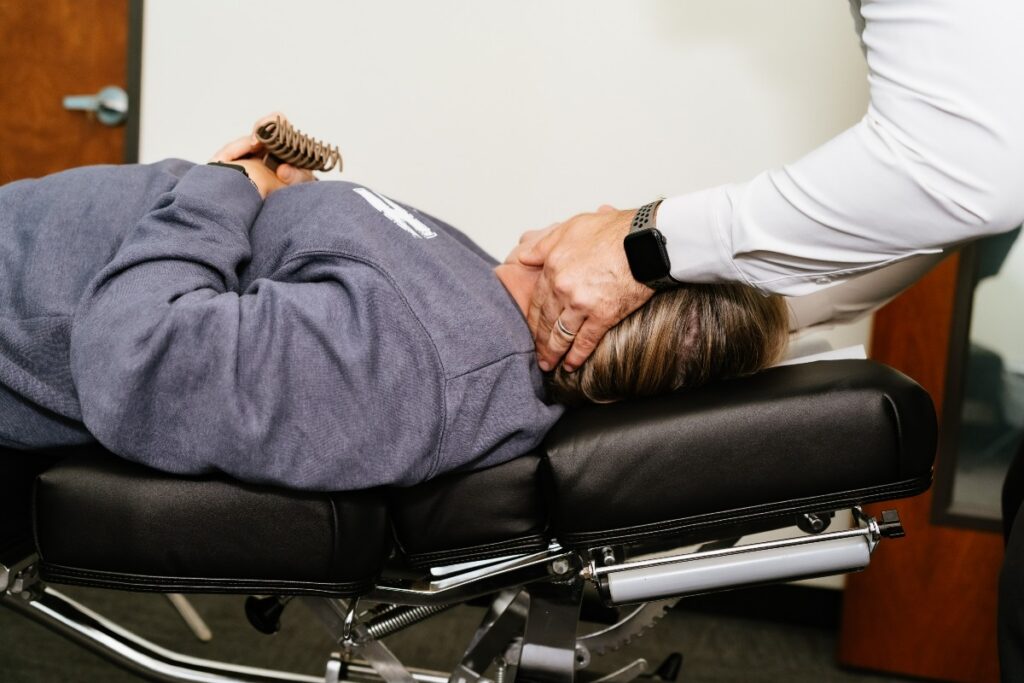
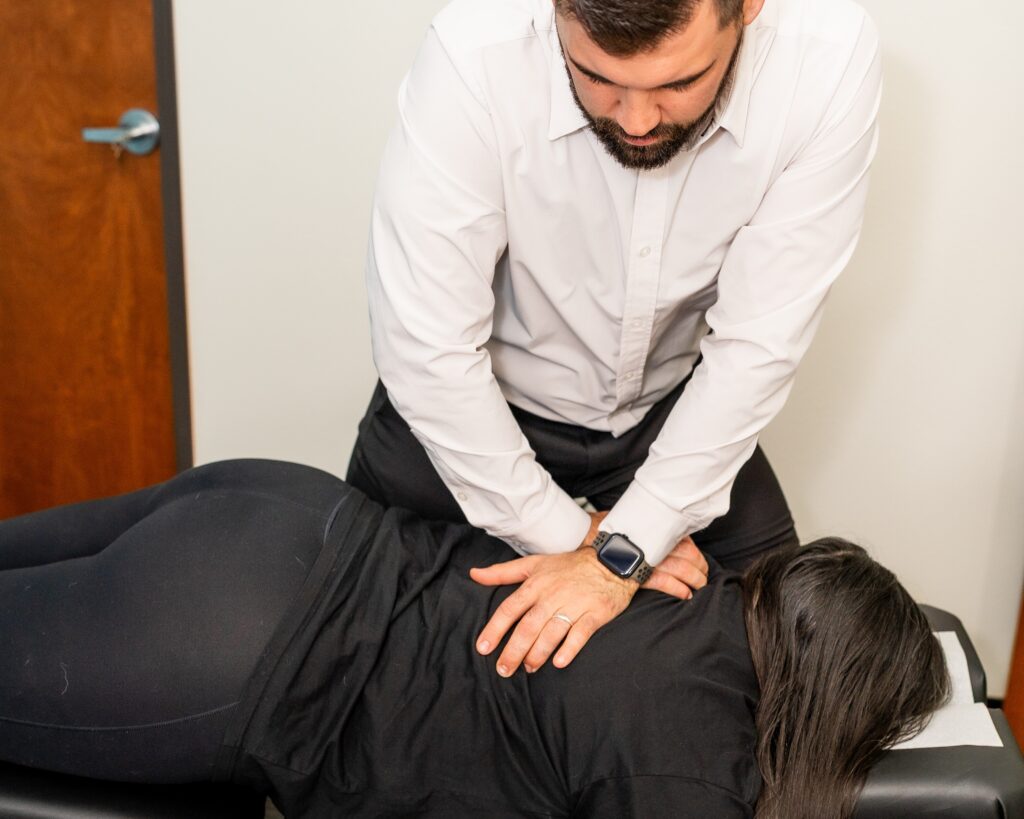
Another option is chiropractic care. Chiropractors use manual manipulation to realign the spine and joints, which can enhance your body's natural healing processes. If you're dealing with joint pain or muscle strain, this approach might provide the relief you need.
Massage therapy is also effective for sports injuries. It can help reduce muscle tension, improve circulation, and promote relaxation. Whether it's a deep tissue massage or a lighter touch, finding the right therapist can make a big difference in your recovery.
Additionally, practices like yoga and tai chi can enhance flexibility and strength while promoting mental well-being. These gentle movements can help you regain balance and coordination, essential after an injury.
Ultimately, integrating alternative therapies into your recovery plan can accelerate healing and improve your overall well-being.
Always consult with your healthcare provider before starting any new treatment, ensuring it aligns with your recovery goals. Embracing these alternative methods can empower you on your journey to full recovery.
Conclusion
Incorporating a mix of rest, physical therapy, and pain management strategies is key to overcoming sports injuries. By utilizing techniques like ice therapy, compression, and even acupuncture, you can speed up your recovery process. Don't forget the benefits of massage therapy and advanced rehabilitation technologies to enhance your healing. Remember, finding the right combination that works for you is essential. Take charge of your recovery, and get back to doing what you love!