Lower back pain can significantly disrupt your daily activities, but you don’t have to live with it. Understanding the causes and exploring effective relief techniques can help you regain your comfort and quality of life. As a chiropractor, I believe that chiropractic care is one of the best ways to address lower back pain naturally and promote overall wellness.
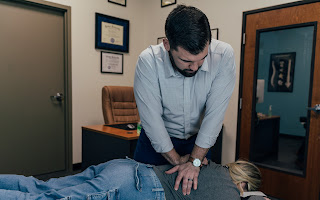
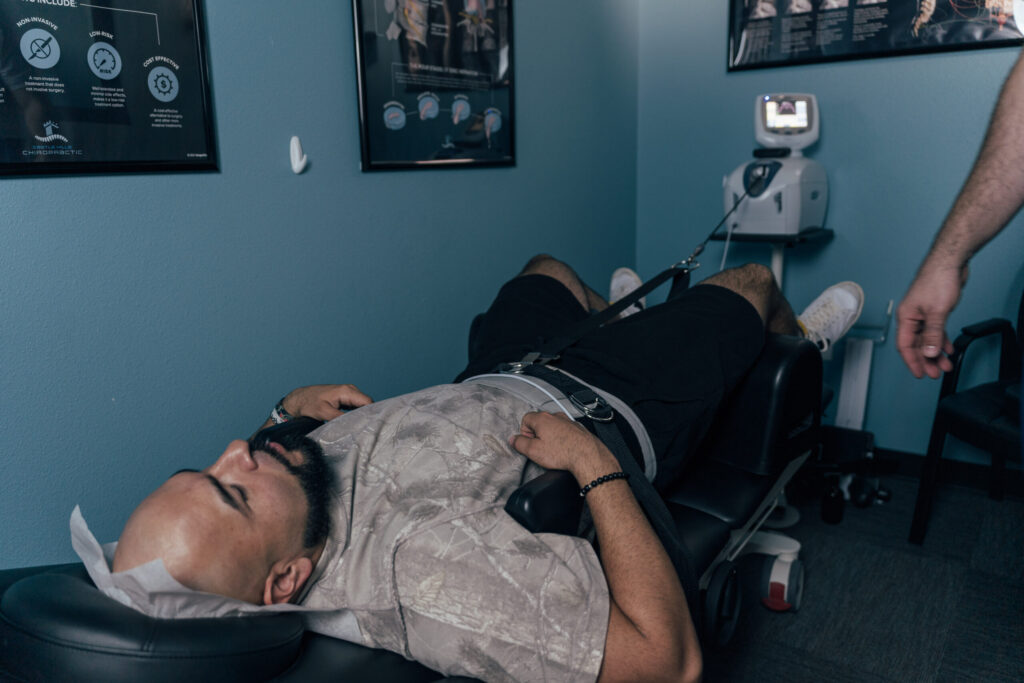
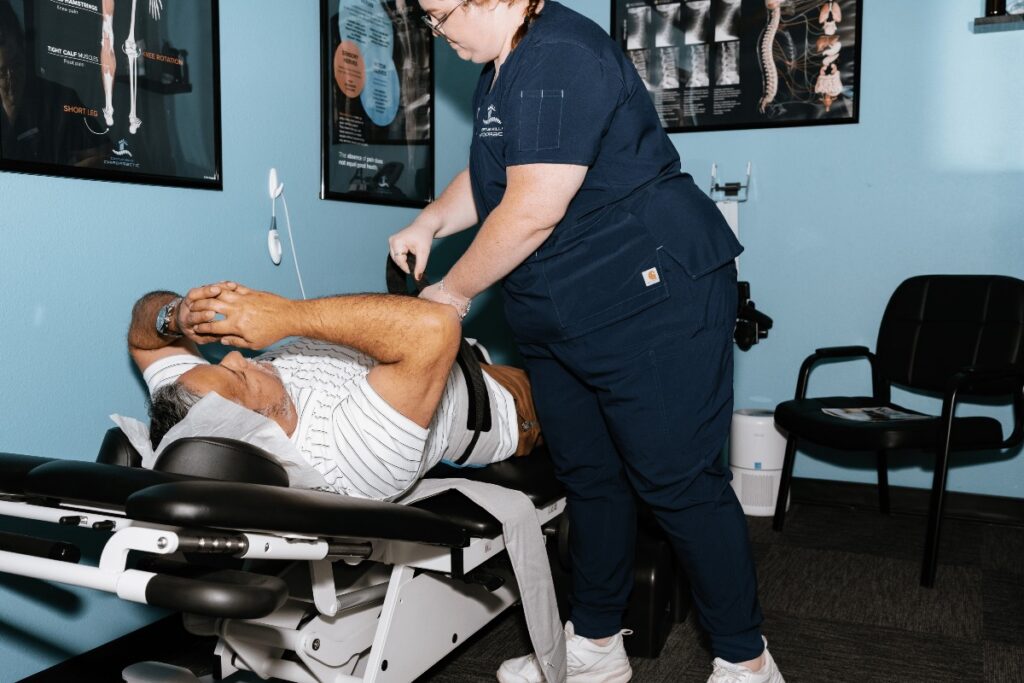
Chiropractic adjustments focus on correcting misalignments in the spine that can contribute to pain and discomfort. By restoring proper alignment, we can relieve pressure on nerves and improve your body’s ability to heal itself. Additionally, many patients experience significant relief through regular chiropractic care, which not only alleviates pain but also helps prevent future issues.
Aside from chiropractic adjustments, there are simple stretches and exercises you can incorporate into your daily routine to help ease lower back pain. Gentle stretches, like the cat-cow stretch or knee-to-chest stretch, can help increase flexibility and reduce tension. Remember to listen to your body and avoid any movements that cause discomfort.
Lifestyle changes can also play a crucial role in managing and preventing lower back pain. Maintaining a healthy weight, practicing good posture, and using ergonomic furniture can all contribute to a healthier spine. Incorporate physical activity into your daily life, such as walking or swimming, to strengthen your back muscles and improve overall health.
Curious about the best practices that can help you find relief? Here are some tips to consider:
- Stay Active: Engage in low-impact exercises to keep your back muscles strong and flexible.
- Practice Good Posture: Be mindful of your posture while sitting, standing, and lifting to minimize strain on your back.
- Incorporate Stretching: Take breaks during the day to stretch your back and reduce tension.
- Seek Chiropractic Care: Schedule regular visits to a chiropractor for tailored adjustments and advice.
By taking these steps and prioritizing chiropractic care, you can find relief from lower back pain and work towards achieving optimal health. Remember, your spine is the foundation of your well-being, and taking care of it is essential for a healthier, pain-free life.
Key Takeaways
- Emphasize the importance of maintaining good posture while sitting and standing. This simple practice can significantly reduce strain on your lower back and is a crucial part of a healthy lifestyle. Remember, proper alignment is key to spinal health!
- Incorporating gentle exercises such as yoga or walking into your routine can be incredibly beneficial. These activities not only strengthen your core muscles but also enhance flexibility, which is essential for a healthy back. Chiropractic care can help guide you on the best exercises tailored to your needs.
- Optimize your workspace with ergonomic adjustments. Ensuring your chair height and computer screen are positioned correctly can support your spine and prevent discomfort. A chiropractor can provide personalized recommendations to help you create a supportive work environment.
- Engage in gentle stretching techniques like hamstring stretches and the Cat-Cow pose. These stretches are excellent for relieving tension and improving mobility in your lower back. A chiropractor can teach you safe and effective stretches that align with your body’s needs.
- Consider seeking chiropractic care for spinal alignment. A chiropractor can identify and address the root causes of your lower back pain, helping you achieve lasting relief. Chiropractic adjustments not only alleviate pain but also promote overall wellness, allowing you to live a healthier, more active life.
By integrating these practices into your daily routine and considering chiropractic care, you can take significant steps toward a pain-free back and improved well-being. Remember, natural healing through chiropractic is a powerful path to optimal health!
Understanding Lower Back Pain
Lower back pain can be a frustrating and debilitating experience, particularly when it disrupts your daily activities.
You might feel a persistent ache or sharp discomfort that makes even simple tasks seem daunting. Understanding the underlying causes of your pain is crucial for finding relief. Often, lower back pain is the result of muscle strains, poor posture, or prolonged periods of sitting. Conditions like inflammation or herniated discs can also contribute to your discomfort.
Recognizing the symptoms and triggers of your pain is the first step toward effective relief. Pay attention to how your body reacts during different activities; this can help you identify patterns and make necessary adjustments. It’s also important to consider the role of stress, as it can lead to tension in your back.
As a chiropractor, I encourage you to explore natural healing options like chiropractic care. This approach not only targets the root cause of your pain but also promotes overall wellness. Regular chiropractic adjustments can help align your spine, improve your posture, and enhance your body’s ability to heal itself.
Here are some general tips to support your back health:
- Maintain good posture while sitting and standing to reduce strain on your back.
- Take regular breaks from sitting to stretch and move around.
- Incorporate gentle exercises, such as walking or yoga, into your routine to strengthen your back and improve flexibility.
- Manage stress through relaxation techniques, such as deep breathing or meditation.
By adopting these practices and seeking chiropractic care, you can take significant steps toward alleviating your lower back pain and achieving optimal health naturally.
Stretching Exercises for Relief
Stretching exercises can be a powerful tool for relieving lower back pain, and as a chiropractor, I want to emphasize their importance in maintaining spinal health and overall wellness.
Incorporating gentle stretches like hamstring stretches, the Cat-Cow pose, and Child’s pose into your routine can help ease tension, improve flexibility, and support your body’s natural healing processes.
Hamstring Stretches: Tight hamstrings can contribute to lower back pain by pulling on your pelvis.
By gently stretching your hamstrings, you can relieve some of this tension, allowing for better alignment and support of your spine.
It’s a simple yet effective way to keep your lower back feeling more comfortable.
Cat-Cow Pose: This dynamic stretch is fantastic for enhancing spinal mobility.
As you move between the Cat and Cow positions, you gently flex and extend your spine, promoting better circulation and relieving stiffness.
This movement can help you become more aware of your spinal alignment, which is key in preventing future discomfort.
Child’s Pose: This restorative pose is excellent for stretching the lower back and promoting relaxation.
It helps to release tension built up in your back and hips, providing a soothing stretch that encourages mindfulness and stress relief.
Regularly incorporating this pose can foster a sense of calm, which is essential for overall health.
Remember, these stretches aren’t a substitute for chiropractic care, but they can complement your treatment and support your journey to optimal health.
As a chiropractor, I recommend integrating these stretches into your daily routine, especially if you spend long hours sitting or engaging in repetitive movements.
Additionally, always listen to your body—if something doesn’t feel right, it’s best to consult with a chiropractor who can provide personalized guidance.
In conclusion, stretching is a simple yet effective way to enhance your well-being and support your spinal health.
Hamstring Stretch Benefits
When it comes to easing lower back pain, incorporating hamstring stretches into your daily routine can be incredibly beneficial. As a chiropractor, I often see how tight hamstrings can contribute to discomfort in the lower back by pulling on the pelvis. By regularly stretching these muscles, you not only improve your flexibility but also alleviate tension and promote better posture. This can significantly reduce strain on your lower back and help prevent future pain.
You don’t need to dedicate hours to stretching; just a few minutes each day can bring remarkable results. As your hamstrings loosen, you’ll likely notice improvements in your overall mobility, making everyday activities feel easier and more enjoyable.
Cat-Cow Pose Explained
Incorporating the Cat-Cow pose into your daily routine can significantly aid in relieving lower back pain. This gentle flow between two positions not only stretches and strengthens your spine but also enhances your overall mobility, which is essential for maintaining a healthy lifestyle.
To perform the Cat-Cow, get into a hands-and-knees position, making sure your wrists are directly under your shoulders and your knees are aligned under your hips. As you start, take a deep breath in and arch your back (Cow), lifting your head and tailbone towards the sky. This movement opens up your chest and stretches your spine, promoting better alignment. Then, as you exhale, round your spine (Cat) by tucking your chin and pelvis, which helps to relieve tension in your back. Repeat this flow for several breaths, focusing on the movement and how it makes your body feel.
| Step | Action | Benefits |
|---|---|---|
| Start | Hands and knees | Aligns spine and prepares body for movement |
| Inhale | Arch back (Cow) | Opens chest, stretches spine, promotes flexibility |
| Exhale | Round spine (Cat) | Relieves tension, encourages relaxation |
| Repeat | 5-10 times | Enhances spinal flexibility and mobility |
| Finish | Relax in child’s pose | Restores balance and encourages recovery |
Child’s Pose Technique
After practicing the Cat-Cow pose, transitioning into Child’s Pose can significantly enhance your lower back relief.
To begin, kneel comfortably on the floor, bringing your big toes together and sitting back gently on your heels. Slowly lower your torso forward, extending your arms in front of you or resting them alongside your body. As you settle into the pose, focus on taking deep breaths, allowing your abdomen to relax against your thighs.
Hold this position for 30 seconds to a minute, and pay attention to the gentle stretch along your lower back. You may feel a soothing release of tension as you let go and sink deeper into the pose. Remember to listen to your body; if you experience any discomfort, don’t hesitate to adjust your position.
Child’s Pose isn’t just a great stretch; it also promotes relaxation and can play a crucial role in alleviating lower back pain. Incorporating this pose into your routine can be a natural way to enhance your overall wellness. However, if you’re dealing with chronic pain or discomfort, it’s essential to consult with a chiropractor. Chiropractic care focuses on aligning the spine and improving overall function, which can lead to lasting relief and better health.
As you explore these gentle movements, remember that nurturing your body through mindful practices like Child’s Pose can complement your chiropractic care, helping you achieve optimal health and a more balanced life.
Strengthening Your Core
Strengthening Your Core for Better Health
As a chiropractor, I want to emphasize how essential strengthening your core is for alleviating lower back pain and enhancing your overall stability. A strong core is the backbone of a healthy spine, providing support that reduces strain on your lower back during everyday activities. By focusing on core-strengthening exercises, you can create a balanced support system that helps prevent pain and promotes overall wellness.
Exercises such as planks, bridges, and bird-dogs are excellent for building core strength. These movements not only engage your abdominal muscles but also involve your back and pelvic muscles, creating a cohesive unit that supports your spine. If you’re new to these exercises, don’t hesitate to start with modified versions. Gradually increase the intensity as you build strength, and remember, consistency is key! Aim to incorporate core workouts into your routine two to three times a week for the best results.
Proper breathing and maintaining good form during these exercises are crucial to avoid injury and maximize benefits. Focus on how your body feels and listen to its signals – this is an important part of your healing journey.
Incorporating these core-strengthening exercises into your lifestyle can significantly reduce the risk of future lower back pain and enhance your overall physical performance and comfort. By prioritizing your core and embracing natural methods of healing through chiropractic care, you can achieve optimal health and wellness. Remember, the foundation of a healthy body starts with a strong core!
Posture Correction Techniques
To effectively alleviate lower back pain, it’s essential to correct your posture, and as a chiropractor, I believe that proper alignment is key to your overall health and wellness.
Begin by creating an ergonomic workspace that supports your body and promotes healthy sitting habits. Simple adjustments, like ensuring your chair supports your lower back and your feet are flat on the ground, can significantly reduce strain on your spine.
In addition to setting up your workspace, consider incorporating regular chiropractic care into your routine. Chiropractic adjustments can help realign your spine, relieve tension, and enhance your body’s natural healing processes.
Remember, a healthy spine leads to a healthier you!
Here are some practical tips you can implement immediately:
- Mind Your Posture: Sit up straight with your shoulders relaxed and your back supported. Avoid slouching, which can exacerbate lower back pain.
- Take Breaks: Stand up and stretch every 30 minutes. This helps alleviate pressure on your spine and promotes better circulation.
- Strengthen Core Muscles: Engage in exercises that strengthen your core, as a strong core supports your spine and reduces the risk of injury.
- Stay Active: Regular physical activity is crucial for maintaining a healthy spine. Simple activities like walking or yoga can be incredibly beneficial.
- Consult a Chiropractor: Regular adjustments can help maintain spinal alignment and provide relief from pain. Your chiropractor can also offer personalized advice based on your specific needs.
By focusing on these posture correction techniques and considering chiropractic care, you can take significant steps towards achieving optimal health and wellness naturally.
Ergonomic Workspace Setup
Creating an ergonomic workspace not only helps in reducing lower back pain but also promotes overall spinal health and wellness. By focusing on proper posture and comfort, you can significantly improve your daily wellbeing. Here are some essential tips to optimize your workspace setup:
| Element | Recommendation | Benefits |
|---|---|---|
| Chair | Choose an adjustable chair | Supports lower back alignment, helping to maintain the natural curve of your spine and reduce discomfort. |
| Desk Height | Adjust so your elbows are at a 90-degree angle | This position minimizes strain on your back and encourages a more relaxed posture. |
| Computer Screen Height | Position the screen at eye level | Aligning the screen reduces neck strain and keeps your spine in a neutral position, preventing tension build-up. |
Proper Sitting Techniques
As a local chiropractor, I want to emphasize how important proper sitting techniques are for maintaining your spinal health and preventing lower back pain. Simple adjustments to how you sit can have a significant impact on your overall well-being.
First, make sure your chair is adjusted so that your feet rest flat on the floor, with your knees at or slightly below hip level. This position helps to align your spine and reduce strain. Consider using a small cushion or lumbar roll to support the natural curve of your lower back, which is vital for keeping your spine healthy.
It’s also important to sit up straight and engage your core muscles. Slouching or leaning forward can put unnecessary pressure on your spine, leading to discomfort and pain. If you spend a lot of time at a desk, ensure your computer screen is at eye level to avoid straining your neck.
Incorporating regular breaks into your routine is key. Stand up, stretch, and move around every so often to promote circulation and relieve tension. These simple changes can greatly enhance your posture and reduce strain on your lower back, allowing you to feel more comfortable and productive throughout the day.
Heat and Cold Therapy
When dealing with lower back pain, many people find relief through heat and cold therapy. As a chiropractor, I want to share how these methods can complement your journey to optimal health and wellness.
Applying heat can be particularly effective for soothing tight muscles and enhancing blood circulation, which helps to alleviate discomfort in your back. You can use simple tools like a heating pad, a hot water bottle, or even a warm towel. Just be sure the heat isn’t too intense to avoid any burns—comfort is key!
On the flip side, cold therapy is great for reducing inflammation and numbing sharp pain. You can easily use ice packs or a bag of frozen vegetables wrapped in a cloth. It’s best to apply cold for about 15-20 minutes at a time, allowing breaks in between to let your skin recover.
For many, alternating between heat and cold therapies can provide a balanced approach to pain management. This method can help reduce pain and promote healing, offering a natural way to support your body. Always listen to your body and adjust the temperature as needed for your comfort.
While these therapies are helpful, remember that chiropractic care is a fantastic option for treating lower back pain and enhancing your overall well-being. A chiropractor can provide personalized adjustments and treatments that address the root cause of your discomfort, rather than just masking the symptoms. By incorporating chiropractic care into your routine, you can work towards a healthier, pain-free life.
In addition to these therapies, consider gentle stretches and maintaining good posture throughout your day to support your spinal health. Small changes can lead to significant improvements in your quality of life!
Lifestyle Changes for Prevention
To effectively prevent lower back pain, it’s important to make some simple lifestyle changes that can benefit your overall health and wellness. As a chiropractor, I believe that incorporating regular exercise is one of the best ways to support your spine. Activities like yoga or Pilates are fantastic because they strengthen your core and improve flexibility, which in turn helps protect your back from injury.
Another key factor to consider is your posture. Whether you’re sitting at a desk, standing, or lifting objects, maintaining good posture can make a significant difference. Make sure your workspace is set up to support your body properly, and always lift heavy items using your legs instead of your back to avoid strain.
Keeping a healthy weight is also crucial, as extra weight can put additional pressure on your spine. Along with that, staying hydrated and getting quality sleep are essential for keeping your muscles healthy and aiding recovery.
If you smoke, I encourage you to consider quitting. Smoking can reduce blood flow and slow down healing processes, which isn’t ideal for a healthy back.
Alternative Therapies
Exploring alternative therapies can provide effective relief for lower back pain, and when paired with chiropractic care, they can significantly enhance your overall wellness.
As a chiropractor, I believe in the power of natural healing and holistic approaches. Here are four popular alternative therapies that can complement your chiropractic treatments:
- Acupuncture: This ancient practice involves inserting thin needles at specific points in the body. While acupuncture can help alleviate pain, chiropractic care addresses the root of the problem by focusing on spinal alignment and overall body function. Together, they can create a powerful synergy for pain relief.
- Chiropractic care: As your chiropractor, I focus on spinal manipulation to correct misalignments that may be causing your lower back pain. By restoring proper alignment, we can relieve pressure on nerves, improve mobility, and support your body’s natural healing processes. This is often the most effective way to achieve long-term relief and optimal health.
- Massage therapy: While I recommend regular chiropractic adjustments, combining them with massage therapy can further reduce muscle tension and enhance circulation. This combination promotes relaxation and may help you experience even greater relief from lower back pain.
- Yoga: Incorporating gentle stretches and postures can strengthen your core and improve flexibility. While yoga is beneficial on its own, practicing it under the guidance of your chiropractor can ensure that you’re doing the right movements for your body, enhancing your recovery and overall well-being.
Remember, the goal is to find a holistic approach to health that works for you. Always consult with your chiropractor about integrating these therapies into your pain management plan.
Together, we can help you achieve the relief and wellness you’ve been seeking!
When to Seek Professional Help
Alternative therapies can certainly aid in managing lower back pain, but it’s crucial to know when it’s time to seek professional help—specifically through chiropractic care. If your pain lingers for more than a few weeks, consider scheduling an appointment with a chiropractor who specializes in spinal health. Ignoring warning signs like numbness, tingling, or weakness in your legs can lead to more significant issues, and a chiropractor can help identify the root cause of these symptoms.
Additionally, if your discomfort is coupled with unexplained weight loss, fever, or changes in bowel and bladder function, these are signs that warrant a professional evaluation. A chiropractor can provide a thorough assessment to understand your condition better and offer effective natural treatment options tailored to your needs.
It’s vital to listen to your body. If at-home remedies aren’t providing relief or if your pain is affecting your daily activities, reaching out to a chiropractor can be a proactive step. Early intervention through chiropractic care not only helps alleviate pain but also supports your overall well-being, getting you back to doing the things you love faster.
Conclusion
Incorporating these techniques into your daily routine can significantly enhance your lower back health and overall well-being. As a chiropractor, I always emphasize the importance of a holistic approach to pain relief. By focusing on gentle stretching, strengthening your core muscles, maintaining good posture, and using heat or cold therapy, you can better manage discomfort in your lower back.
Here are some practical tips to consider:
- Stretch Regularly: Simple stretches can help alleviate tension in your back. Try to incorporate stretching into your daily routine, especially after long periods of sitting.
- Strengthen Your Core: A strong core supports your spine and reduces strain on your back. Incorporate exercises like planks or bridges to build strength.
- Posture Matters: Pay attention to your posture throughout the day. Whether sitting or standing, proper alignment can prevent undue stress on your back.
- Heat and Cold Therapy: Using a heating pad can help relax tight muscles, while a cold pack can reduce inflammation. Alternating between the two can be particularly effective.
- Lifestyle Adjustments: Engage in regular physical activity, maintain a healthy weight, and practice ergonomics at your workstation to prevent future pain.
- Explore Chiropractic Care: Regular chiropractic adjustments can help keep your spine aligned, relieve pain, and improve overall function. It’s a natural, non-invasive way to address back pain and enhance your health.
- Consider Alternative Therapies: Techniques such as massage or acupuncture can complement chiropractic care and provide additional relief.
Remember, your back health is vital, and taking proactive steps is crucial for lasting relief. If your pain persists, I encourage you to reach out for professional chiropractic care. Together, we can create a personalized plan that focuses on your health and wellness, paving the way for a pain-free life.