
If you’re experiencing low back pain, you’re certainly not alone. This discomfort can significantly impact your daily activities and overall quality of life. Thankfully, there are numerous effective techniques to help you find relief, and I’m here to guide you on your journey to wellness.
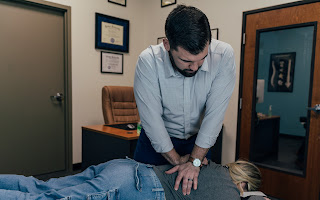
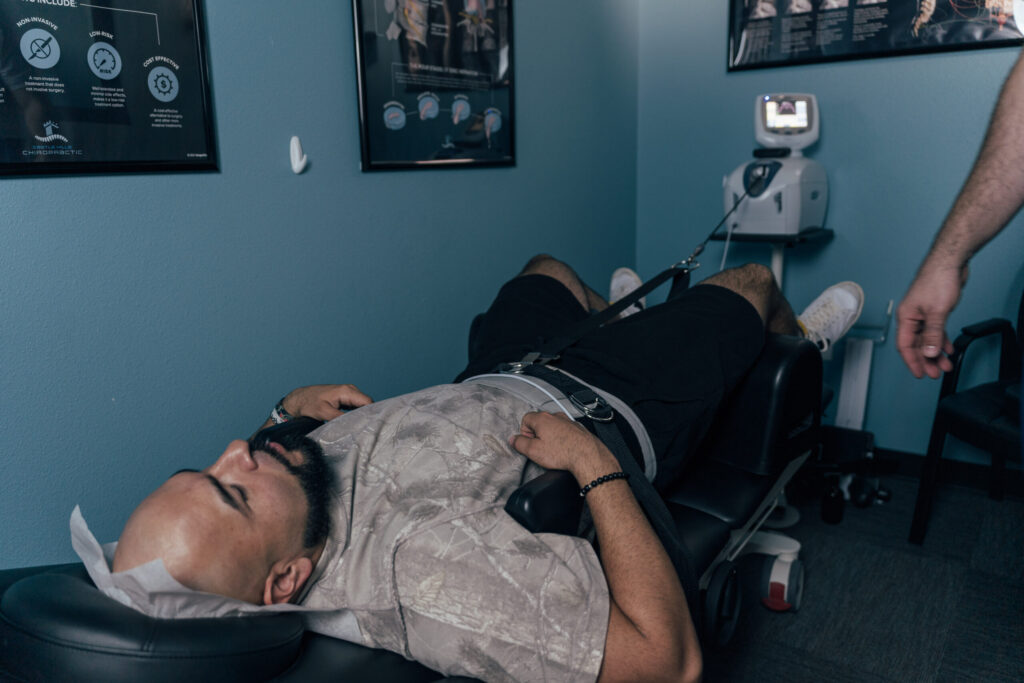
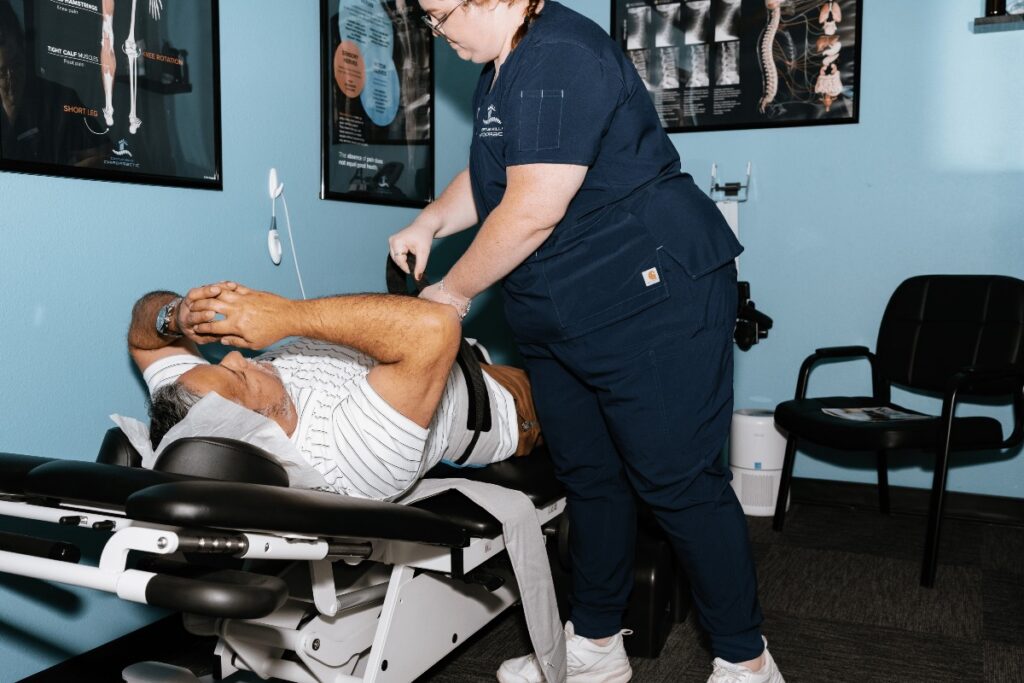
Chiropractic care is one of the best options for managing low back pain naturally. With a focus on spinal health, chiropractic adjustments can help restore proper alignment, reduce tension, and improve your body’s overall function. Regular visits to your chiropractor can provide ongoing support for your back, promoting healing and preventing future pain.
In addition to chiropractic adjustments, incorporating targeted stretching and strengthening exercises into your routine can be incredibly beneficial. Gentle stretches can help alleviate tightness in your back muscles, while strengthening exercises can support your spine and improve posture. Simple movements, such as knee-to-chest stretches or pelvic tilts, can be easily done at home.
Ergonomic adjustments in your workspace or home can also make a significant difference. Ensure that your chair provides proper lumbar support and that your computer screen is at eye level to prevent strain. Small changes in your daily environment can lead to lasting comfort.
Exploring alternative therapies, such as massage or acupuncture, can complement your chiropractic care. These methods can help relax tight muscles and enhance your overall sense of well-being, further supporting your healing process.
Remember, the journey to pain relief is personal and may take time. Staying proactive about your health and working closely with your chiropractor can lead to significant improvements. By prioritizing spinal health and natural healing, you can regain control of your life and enjoy a healthier, pain-free future.
Key Takeaways
- Engage in gentle stretching and strengthening exercises, like planks and bridges, at least three times a week to build core stability and support your spine.
- Always maintain proper posture! Sit with your feet flat on the ground and use supportive chairs to minimize strain on your back. Remember, good posture is key to spinal health.
- Try alternating heat and cold therapy at home. Heat can help relax tight muscles, while cold therapy is great for reducing inflammation. This combination can provide significant relief and support your recovery.
- Consider incorporating chiropractic care into your wellness routine. Regular adjustments can help align your spine, relieve tension, and improve your mobility naturally—without the need for medications or surgeries.
- Prioritize your sleep by investing in a supportive mattress and pillows that keep your spine aligned. Also, practicing mindfulness techniques can help manage stress and ease muscle tightness, promoting overall wellness.
Remember, your journey to a pain-free life can start with these simple tips and the support of chiropractic care for optimal health!
Stretching and Strengthening Exercises
Incorporating stretching and strengthening exercises into your routine can significantly alleviate low back pain and support your overall spinal health. These exercises not only increase flexibility but also improve muscle support and enhance stability, which are essential for a healthy spine.
Start with gentle stretches like the cat-cow stretch or child’s pose, which can help relieve tension in your back. Hold each position for 20-30 seconds, focusing on your breath to deepen the stretch. This mindful approach not only relaxes your muscles but also promotes a sense of well-being, which is a key component of natural healing.
Next, shift your focus to strengthening your core and back muscles. Exercises like bridges and planks are fantastic for engaging your abdominal and lower back muscles. Aim for 10-15 repetitions, gradually increasing as your endurance builds. Strong core muscles support your spine and can help prevent future pain, making them an important part of your wellness routine.
Consistency is crucial; strive to incorporate these exercises into your routine at least three times a week. Always listen to your body—if something feels uncomfortable, adjust the intensity. Remember, chiropractic care is also a wonderful complement to these exercises.
Regular visits to your chiropractor can help ensure your spine is aligned and functioning optimally, enhancing the effectiveness of your exercise routine.
Posture Correction Techniques
Good posture is crucial for preventing and alleviating low back pain, as it helps keep your spine in its natural alignment. By incorporating posture correction techniques into your daily routine, you can support your spine and enhance your overall well-being. Here are some straightforward techniques to help you improve your posture:
| Technique | Description | Benefits |
|---|---|---|
| Sit Correctly | Keep your feet flat on the floor and your back straight. | This reduces strain on your back and promotes comfort. |
| Stand Tall | Distribute your weight evenly on both feet while standing. | This enhances spinal alignment and helps you feel more confident. |
| Use Supportive Chairs | Choose chairs with good lumbar support to help maintain your spine’s curve. | This promotes a healthy sitting posture and reduces discomfort. |
| Adjust Your Workspace | Ensure your desk and computer screen are at eye level to maintain proper posture. | This minimizes neck and back strain, making your workday more comfortable. |
| Strengthen Core Muscles | Incorporate simple core exercises, like planks and bridges, into your routine. | A strong core provides stability and support for your spine. |
Implementing these posture correction techniques can significantly reduce your risk of low back pain and promote a healthier lifestyle. Remember, being mindful of your posture throughout the day is a small but powerful step toward creating a supportive environment for your spine.
Chiropractic care is an excellent option for those seeking natural pain relief and improved wellness. By working with a chiropractor, you can receive personalized guidance and adjustments that will help you achieve optimal spinal health. Prioritizing your posture and seeking chiropractic support will lead you on the path to a healthier, pain-free life.
Heat and Cold Therapy
After improving your posture, you might find that incorporating heat and cold therapy can significantly enhance your efforts to relieve low back pain.
Heat therapy is excellent for increasing blood flow, which helps relax tight muscles and soothe stiffness. Simple methods like using a heating pad, wrapping a warm towel around the affected area, or indulging in a warm bath can be effective. Aim to apply heat for about 15-20 minutes, but be sure to stay awake and alert during this time for your safety.
Conversely, cold therapy is useful for reducing inflammation and numbing sharp pain. An ice pack or a bag of frozen vegetables wrapped in a cloth can work wonders. Just apply it to the painful area for around 15-20 minutes, and remember to give your skin a break between applications to avoid frostbite.
Using both therapies together can be a powerful approach. Start with cold therapy to tackle inflammation, then switch to heat therapy to help relax your muscles afterward. Always listen to your body—adjust the temperature and duration based on what feels best for you.
While these therapies can be beneficial, remember that chiropractic care is your best ally for achieving optimal health and wellness. A local chiropractor can provide personalized adjustments and recommendations tailored to your unique needs, ensuring long-lasting relief and support for your spine and overall well-being. Embrace these natural methods, and combine them with regular chiropractic visits for the best outcomes in your journey toward a pain-free life.
Alternative Therapies and Treatments
When it comes to managing low back pain, exploring alternative therapies can open up new and effective pathways, with chiropractic care standing out as one of the best options for achieving optimal health and wellness. Chiropractic care focuses on realigning the spine, which not only improves mobility but also addresses the root causes of pain, allowing your body to heal naturally.
Acupuncture is another alternative therapy that many people find beneficial for pain relief and relaxation. It involves inserting thin needles into specific points on the body to stimulate healing. While acupuncture can be effective, chiropractic care often provides more comprehensive results by directly addressing spinal alignment.
Massage therapy is also a great complement to chiropractic treatment. It helps relieve tension in your back muscles, promotes blood flow, and enhances relaxation. Regular visits to your chiropractor can enhance the benefits of massage by ensuring that your spine is properly aligned.
Incorporating herbal remedies like turmeric or ginger may also support your healing journey by reducing inflammation and discomfort. However, remember that these should be used as complementary approaches alongside chiropractic care.
Practices like yoga and tai chi are wonderful ways to improve flexibility and strength while reducing stress. These gentle movements can be particularly beneficial when combined with chiropractic adjustments, helping your body maintain balance and harmony.
Before trying any new treatment, it’s essential to consult your chiropractor. They can guide you in choosing the best options tailored specifically to your needs. Embracing chiropractic care as a primary method for managing low back pain empowers you to take control of your health in a natural way.
Lifestyle Modifications for Prevention
Incorporating lifestyle modifications can greatly help in preventing low back pain, and as a chiropractor, I believe these changes can also enhance your overall wellness.
First and foremost, maintaining a healthy weight is crucial; excess weight can lead to additional strain on your spine.
Regular exercise is also key—focusing on strengthening your core muscles can provide significant support to your back. Activities like swimming, walking, and yoga not only boost your strength but also improve flexibility, which is essential for spinal health.
Paying attention to your posture is vital, especially if you find yourself sitting for long periods. Using ergonomic furniture can make a world of difference, and remember to take frequent breaks to stand up and stretch.
When lifting heavy objects, always bend your knees and keep the load close to your body to reduce the strain on your back.
Your sleep habits are another area to consider. A supportive mattress and the right sleep position can significantly impact how your back feels.
Also, managing stress is important; practicing mindfulness or relaxation techniques can help reduce muscle tension, which often contributes to discomfort.
Conclusion
Incorporating these top techniques into your daily routine can significantly alleviate low back pain and promote lasting relief. As a chiropractor, I emphasize the importance of spinal health in achieving overall wellness. By integrating stretching and strengthening exercises, correcting your posture, and utilizing heat or cold therapy, you are taking proactive steps toward a healthier back.
Chiropractic care is one of the best choices for addressing low back pain, as it focuses on the root cause of discomfort rather than just masking the symptoms. Regular chiropractic adjustments can help align your spine, improve mobility, and enhance your body’s natural healing abilities. Additionally, exploring alternative treatments such as massage therapy or acupuncture can complement your chiropractic care and further support your recovery.
Lifestyle modifications also play a key role in managing low back pain. Simple changes like maintaining a healthy weight, staying active, and practicing proper lifting techniques can make a big difference. Remember, consistency is key—stick with your routine, and you’ll be on your way to preventing future discomfort and enjoying a more active, pain-free life.
Always consult with your chiropractor for personalized advice and to create a tailored plan that suits your specific needs. Empower yourself with knowledge and take charge of your health through the natural, effective approach that chiropractic care offers.