
When you're dealing with a sports injury, knowing the right relief techniques can make all the difference in your recovery. From ice therapy that soothes pain to compression methods that enhance circulation, each approach has its unique advantages. Elevation plays an essential role in minimizing swelling, while active recovery keeps your body moving without risking further damage. Understanding how these techniques work together can help you bounce back more effectively, but there's more to explore about how to implement these methods properly and guarantee a safe return to your sport.
Understanding Sports Injuries
Sports injuries often occur when you push your body beyond its limits, whether during practice or competition. You might experience strains, sprains, fractures, or even overuse injuries like tendonitis. Understanding these injuries is vital to both prevention and recovery.
When you engage in physical activity, your muscles, tendons, and ligaments face significant stress. If you don't warm up properly or increase your activity level too quickly, you risk damaging these tissues. For example, a sudden increase in running distance can lead to shin splints, while improper lifting techniques can cause back strains.
Recognizing the signs of injury early can make a big difference. You may feel pain, swelling, or decreased range of motion. Ignoring these symptoms can lead to more severe injuries that require longer recovery times. Listening to your body is essential; if something feels off, it's better to rest than to push through the pain.
Additionally, understanding your body's limitations and maintaining proper form during activities can help prevent injuries. It's important to balance your training routine with adequate rest and recovery.
Cross-training can also reduce the risk of overuse injuries by distributing the physical stress across different muscle groups.
Ice Therapy Benefits
Using ice therapy is a simple yet effective way to manage pain and reduce inflammation after an injury. When you apply ice to the affected area, you constrict blood vessels, which helps limit swelling and bruising. This process can greatly alleviate discomfort, allowing you to return to your activities sooner.
One of the primary benefits of ice therapy is its ability to numb the area. This numbing effect can provide immediate relief from sharp pain, making it easier for you to move or perform everyday tasks. Ice therapy is particularly beneficial in the first 48 hours after an injury when inflammation is most pronounced. Applying ice for 15-20 minutes every hour can be particularly effective during this critical period.
Moreover, ice therapy can help reduce muscle spasms. When muscles are injured, they often tighten up, leading to more pain and discomfort. By applying ice, you can help relax these muscles, which can promote quicker healing.
Ice therapy is also easy to implement at home. You don't need specialized equipment; a simple ice pack or even a bag of frozen vegetables can work wonders. Just remember to wrap the ice in a cloth to protect your skin from frostbite.
Compression Techniques
When you're dealing with a sports injury, compression techniques can play an essential role in your recovery.
Understanding the types of compression wraps available and how to apply them properly can enhance the benefits of compression therapy.
Let's explore the essentials to help you get back in the game faster.
Types of Compression Wraps
Compression wraps come in various types, each tailored to meet specific needs for injury support and recovery. Choosing the right type can make a significant difference in how effectively you manage your injury.
Here are four common types of compression wraps you might consider:
- Elastic Bandages: These are versatile and can be adjusted to apply varying levels of compression. They're great for sprains and strains.
- Neoprene Wraps: Made from a stretchy material, neoprene wraps provide warmth and support while allowing for some movement. They're ideal for joint injuries.
- Compression Sleeves: These are designed to fit snugly around specific body parts, like the arm or leg. They're great for improving circulation and can be worn during activities.
- Foam Wraps: Often used for more serious injuries, foam wraps provide additional cushioning and support. They're particularly effective for stabilizing joints after surgery.
Benefits of Compression Therapy
Effective compression therapy offers numerous benefits that can markedly enhance your recovery process. By applying pressure to the affected area, it helps improve blood circulation, which is essential for delivering oxygen and nutrients to your injured tissues.
You'll find that enhanced circulation not only speeds up healing but also reduces swelling and inflammation, making you feel more comfortable as you recover.
Additionally, compression therapy can aid in pain management. It provides a gentle support that stabilizes the injured area, which can alleviate discomfort during movement. This support can also help prevent further injury by ensuring that you don't overexert yourself while healing.
Another significant benefit is the psychological boost it provides. Knowing that you're taking proactive steps to manage your injury can improve your mindset, making you more optimistic about your recovery journey.
Lastly, compression therapy is versatile; you can use it in conjunction with other treatments, like ice therapy or physical therapy, to maximize your recovery efforts.
Proper Application Techniques
To achieve ideal results from compression therapy, understanding proper application techniques is vital. When you apply compression, you need to guarantee it's effective without causing discomfort or cutting off circulation.
Here are four key techniques to keep in mind:
- Choose the Right Material: Use elastic bandages or compression sleeves specifically designed for injury treatment. They should provide adequate pressure while being breathable.
- Wrap from the Bottom Up: Start wrapping at the farthest point from your heart and work your way up. This promotes better blood flow and reduces swelling.
- Maintain Consistent Pressure: Apply even pressure throughout the wrap. It shouldn't feel too tight; you should still be able to move your fingers or toes comfortably.
- Monitor for Signs of Complications: Keep an eye on your skin for any discoloration or excessive swelling. If you notice any discomfort, loosen the wrap immediately.
Elevation Methods
When you elevate an injured area, it can greatly reduce swelling and promote faster healing. Elevation is a key component of the R.I.C.E. method—Rest, Ice, Compression, and Elevation. By raising the injured limb above the level of the heart, you're helping to decrease blood flow to the area, which in turn minimizes swelling and helps alleviate pain.
To effectively elevate, find a comfortable position where you can support the injured area. Use pillows, cushions, or any soft material to prop it up. Make sure the elevation is sustained for as long as possible, particularly during the first 48 hours after the injury. This is when swelling is most likely to occur, and consistent elevation can make a significant difference.
If the injury is to your leg or ankle, lying down with your leg elevated against a wall can be beneficial. For arm injuries, resting your arm on a pillow while seated or lying down works well. Remember, elevation should be comfortable; if you feel any increased pain, adjust the support accordingly.
It's also essential to combine elevation with other methods, like ice application, to enhance the healing process. Try to elevate for at least 15-20 minutes every hour, especially during the initial recovery phase.
Physical Therapy Options
When you're recovering from a sports injury, physical therapy can make a big difference.
You'll find that manual therapy techniques and exercise rehabilitation programs are effective ways to restore function and strength.
These options can help you get back to your favorite activities faster and with less pain.
Manual Therapy Techniques
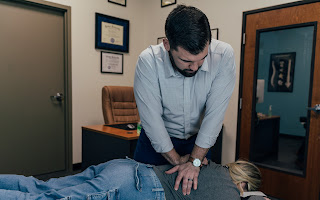
Manual therapy techniques are essential tools in physical therapy for addressing sports injuries and enhancing recovery. When you incorporate these methods into your rehabilitation, you can experience a range of benefits that help speed up healing and improve mobility.
Here's what you can expect from manual therapy:
- Pain Relief: Techniques like joint mobilization and soft tissue manipulation effectively reduce pain and discomfort.
- Improved Flexibility: Stretching tight muscles and fascia through manual techniques increases your range of motion.
- Enhanced Circulation: Techniques stimulate blood flow, which promotes healing by delivering essential nutrients to injured tissues.
- Reduced Muscle Tension: Manual therapy helps release tension in the muscles, allowing for better movement patterns and function.
Incorporating these techniques into your recovery plan not only aids in alleviating pain but also prepares you for a successful return to your sport.
Whether you're dealing with sprains, strains, or more chronic issues, manual therapy can make a significant difference in your overall rehabilitation journey.
Exercise Rehabilitation Programs
Building on the benefits of manual therapy, exercise rehabilitation programs play an essential role in your recovery from sports injuries. These programs are designed specifically for you, focusing on restoring strength, flexibility, and endurance. By engaging in targeted exercises, you can facilitate healing and regain the functionality you need to return to your sport.
One of the key aspects of exercise rehabilitation is personalization. Your therapist will assess your injury and create a tailored program that addresses your specific needs. This guarantees that you're not only recovering efficiently but also minimizing the risk of re-injury.
Incorporating strength training, stretching, and stability exercises, these programs help you rebuild the muscles and joints affected by your injury. You'll also learn proper techniques to enhance your performance and prevent future injuries.
Moreover, participating in a structured program can boost your confidence and motivation. You'll see measurable progress as you advance through various stages of recovery, which can be incredibly empowering.
Ultimately, exercise rehabilitation programs are essential for achieving peak recovery and getting you back in the game stronger than before. Embrace this opportunity to enhance your physical well-being and athletic performance.
Acupuncture for Pain Relief
Acupuncture offers a unique approach to pain relief, targeting specific points in the body to stimulate healing and reduce discomfort. This ancient practice, rooted in Traditional Chinese Medicine, involves inserting thin needles into precise areas to promote the flow of energy, or "Qi."
If you're dealing with sports injuries, acupuncture can be a valuable addition to your recovery plan.
Here are some key benefits of acupuncture for pain relief:
- Reduces Inflammation: Acupuncture can help decrease inflammation around injured areas, leading to quicker healing and less pain.
- Enhances Blood Circulation: The stimulation from acupuncture increases blood flow, which nourishes tissues and speeds up recovery.
- Releases Endorphins: This technique triggers the release of endorphins, your body's natural painkillers, making you feel more relaxed and comfortable.
- Improves Range of Motion: By targeting muscle tension and joint issues, acupuncture can help restore mobility and flexibility, allowing you to return to your sport sooner.
Incorporating acupuncture into your recovery routine can provide holistic pain relief and enhance your overall well-being.
Whether you're suffering from a recent injury or chronic pain, this technique might offer you the relief you've been searching for.
Make sure to consult a licensed acupuncturist who understands sports injuries to get the most out of your treatment.
With consistent sessions, you may find yourself back in the game, feeling better than ever.
Cryotherapy Advantages
Cryotherapy is rapidly gaining popularity among athletes for its impressive range of benefits in injury recovery and pain management. This technique involves exposing your body to extreme cold, typically in a cryo chamber, which helps reduce inflammation and speeds up the healing process. If you've been dealing with a nagging injury or soreness, cryotherapy could be a game-changer for you.
One of the primary advantages of cryotherapy is its ability to lower muscle soreness. After an intense workout or competition, the cold helps to numb pain and reduce muscle spasms, allowing you to recover faster. You'll find that you can return to your training routine with less downtime.
Another significant benefit is improved circulation. As your body warms up after exposure to the cold, blood flow increases, delivering oxygen and nutrients to your muscles. This boost in circulation enhances your overall recovery and can even improve your performance over time.
Additionally, cryotherapy can elevate your mood and reduce stress levels. The release of endorphins during the process can provide a natural high, helping you feel more energized and motivated.
If you're looking for a holistic approach to managing injuries, cryotherapy is worth considering. With its myriad benefits, you've got nothing to lose but the pain. Give it a try, and you might just find it becomes an essential part of your recovery routine.
Massage Therapy Benefits
When it comes to relieving sports injuries, few techniques are as effective as massage therapy. This hands-on approach not only alleviates pain but also promotes healing in multiple ways. You'll find that regular massage can be a game-changer in your recovery process.
Here are some key benefits of massage therapy for sports injuries:
- Improved Blood Circulation: Massage helps enhance blood flow to injured areas, which speeds up the delivery of oxygen and nutrients necessary for healing.
- Reduced Muscle Tension: By targeting tight muscles, massage therapy can relieve tension and stiffness, allowing you to regain mobility and flexibility.
- Pain Relief: The soothing effects of massage can considerably reduce pain levels, making it easier for you to engage in rehabilitation exercises without discomfort.
- Enhanced Recovery Time: Regular sessions can shorten your overall recovery time, enabling you to return to your sport faster and stronger.
Incorporating massage therapy into your injury recovery plan can lead to substantial benefits.
Whether you opt for deep tissue, sports, or relaxation massage, the key is to find a skilled therapist who understands your specific needs.
You'll notice improvements not just in your physical condition, but also in your overall well-being.
Taping and Bracing
Taping and bracing are effective methods you can use to support injured areas and prevent further damage during your recovery. These techniques help stabilize joints, reduce pain, and limit movement, allowing your body to heal properly.
When you use taping, you apply adhesive strips to the skin around the injured area. This provides additional support without restricting circulation. Taping can also help reduce swelling and offer proprioceptive feedback, which enhances your awareness of joint position. Many athletes find that tape helps them feel more secure while they perform, enabling them to continue competing even while managing an injury.
Bracing, on the other hand, involves using a supportive device that encases or wraps around the injured area. Braces can be particularly effective for more severe injuries or those requiring extra stabilization. They come in various types, from soft supports to rigid braces, catering to different needs.
With a brace, you can limit movement in a way that promotes healing while still allowing for some functionality in your daily activities.
Both taping and bracing can be invaluable tools in your recovery toolkit. They're easy to use and can be tailored to your specific injury. However, remember to consult with a healthcare professional before using these techniques to guarantee you're applying them correctly and effectively.
Active Recovery Strategies
Active recovery strategies are essential for your healing process after a sports injury.
Incorporating gentle movement exercises, stretching, and low-impact cardio activities can help maintain your mobility and improve flexibility.
Gentle Movement Exercises
Gentle movement exercises are essential for promoting recovery and maintaining mobility, especially after a sports injury. Engaging in these low-impact activities can help you regain strength and range of motion without placing excessive strain on your body.
Here are four effective gentle movement exercises you can incorporate into your recovery routine:
- Walking: Take short walks to encourage circulation and prevent stiffness. Start with a few minutes and gradually increase the duration as your comfort level improves.
- Swimming: The buoyancy of water reduces impact on your joints, making swimming an excellent choice for a full-body workout while you recover.
- Cycling: Use a stationary bike to gently work your legs and improve cardiovascular fitness without stressing your injury. Adjust the resistance to suit your comfort level.
- Tai Chi: This ancient practice emphasizes slow, controlled movements and can enhance balance, flexibility, and relaxation, all of which are beneficial during recovery.
Incorporating these gentle movement exercises into your daily routine can notably aid your healing process, allowing you to return to your favorite sports more quickly and safely.
Stretching and Flexibility Work
As you continue your recovery with gentle movement exercises, incorporating stretching and flexibility work can further enhance your healing process. Stretching helps maintain and improve your range of motion, which is essential for getting back to your regular activities. By regularly stretching your muscles, you can also reduce stiffness, alleviate tension, and promote blood flow to the affected areas.
Focusing on flexibility not only aids recovery but also prepares your body for future physical activities. You'll want to include both dynamic stretches—like leg swings and arm circles—and static stretches, such as hamstring and quadriceps stretches, in your routine. Pay attention to how each stretch feels; you should feel slight tension, but never pain.
Incorporating these practices into your daily regimen can also help you develop better body awareness, making you more attuned to your limits and reducing the risk of re-injury. Aim for sessions of 10-15 minutes, ensuring you stretch all major muscle groups.
Consistency is key, so be sure to make stretching a regular part of your recovery plan. Your body will thank you for it!
Low-Impact Cardio Activities
Incorporating low-impact cardio activities into your recovery routine can greatly boost your healing process while keeping you engaged. These activities allow you to maintain your fitness levels without putting excessive strain on your injured areas.
Here are four effective low-impact cardio options you can try:
- Swimming: The buoyancy of water reduces stress on your joints, making swimming an excellent full-body workout.
- Cycling: Whether on a stationary bike or outdoors, cycling helps improve cardiovascular health while being gentle on your muscles and joints.
- Elliptical Trainer: This machine provides a smooth, gliding motion that mimics running without the impact, perfect for maintaining endurance.
- Walking: A simple yet effective way to stay active, walking at a comfortable pace can enhance circulation and promote healing.
These activities not only keep you physically fit but also help in reducing stiffness and alleviating pain.
By integrating low-impact cardio into your recovery plan, you'll find it easier to bounce back stronger and faster.
Always listen to your body and consult with a healthcare professional before starting any new routine to guarantee it aligns with your recovery goals.
Conclusion
Incorporating these top sports injury relief techniques can considerably enhance your recovery process. By using ice therapy, compression, elevation, and active recovery, you'll not only alleviate pain and reduce swelling but also improve your mobility and overall healing. Don't forget the benefits of physical therapy and massage, as they can further support your recovery journey. Stay proactive about your rehabilitation, and you'll get back to your sport safely and stronger than ever.