
When it comes to preventing low back pain, incorporating the right exercises into your routine can make a significant difference. As a chiropractor, I believe that enhancing your core strength and stability through natural movement is one of the best ways to support your spine and overall wellness. You don’t need to be a fitness expert to engage in simple yet effective exercises like planks and bridges, which can help you build a resilient core that supports your back.
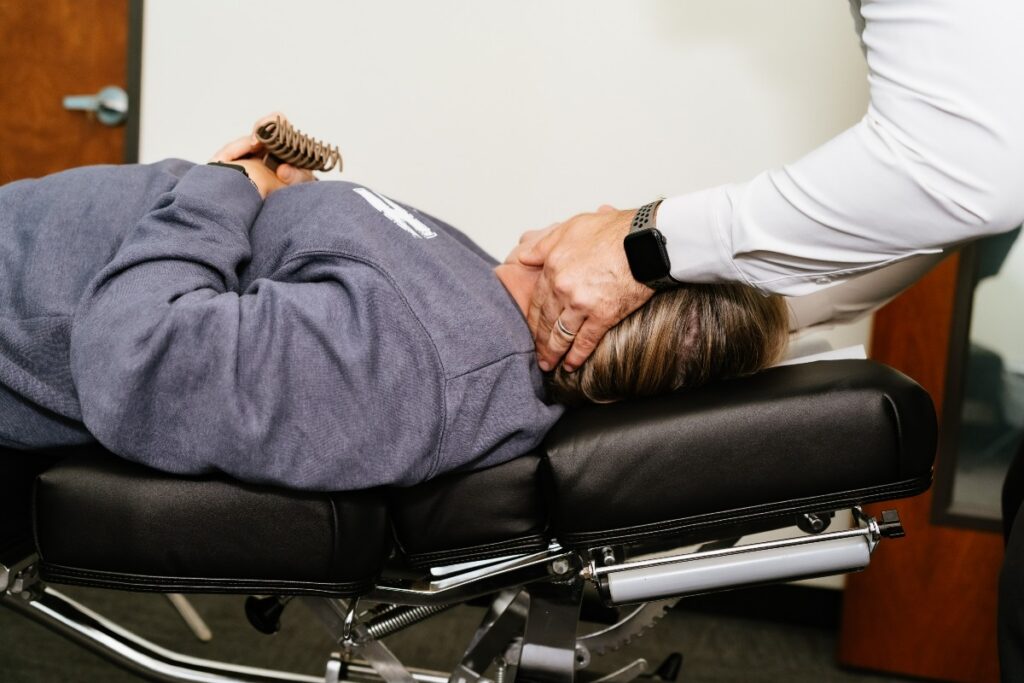
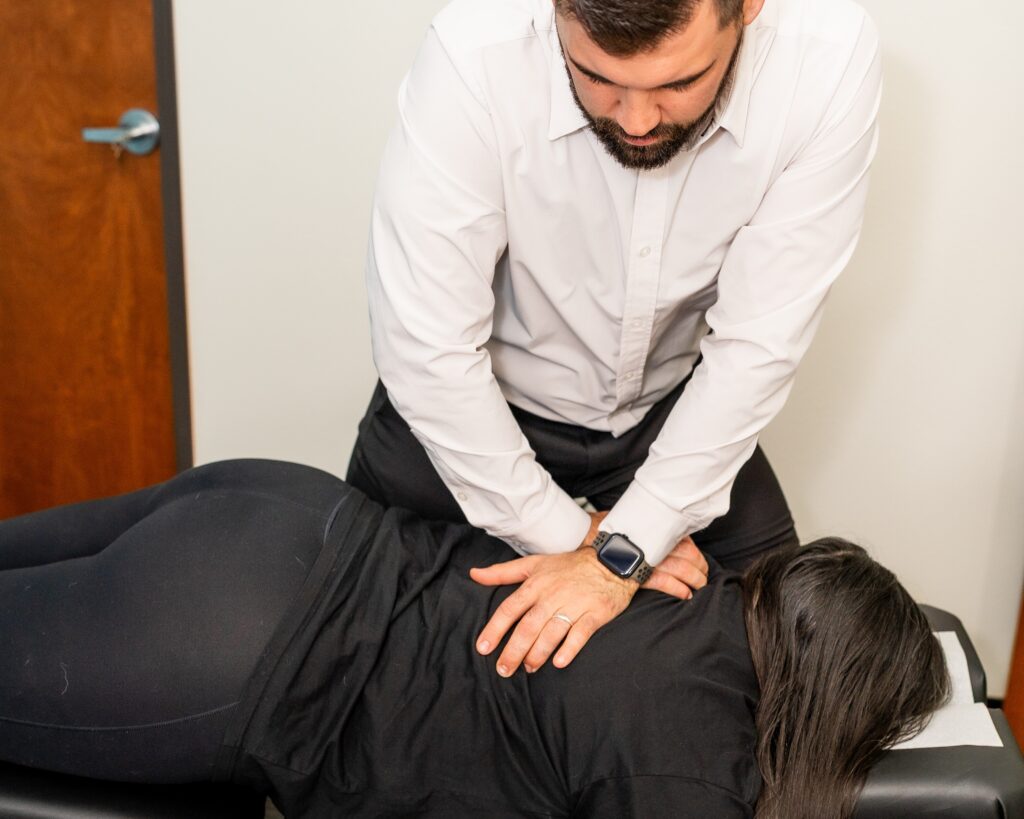
In addition to these exercises, it’s essential to remember that chiropractic care plays a crucial role in maintaining your spine’s health and preventing pain. Regular adjustments can ensure that your spine is aligned and functioning optimally, allowing your body to heal naturally and stay active.
Here are the top seven exercises to focus on for optimal back support:
- Planks: These help strengthen your core without straining your back. Start with short durations and gradually increase your hold time.
- Bridges: Great for targeting your glutes and lower back. They can improve your overall stability.
- Bird-Dog: This exercise enhances balance and coordination while strengthening your core and lower back.
- Cat-Cow Stretch: This gentle movement helps in maintaining spine flexibility and reducing stiffness.
- Knees-to-Chest Stretch: A simple stretch that can relieve tension in your lower back.
- Seated Forward Bend: This stretch helps elongate the spine and alleviate tightness in your back.
- Wall Sits: Engaging your legs and core with wall sits can provide stability and strength that supports your back.
Remember, while these exercises can be beneficial, they should complement regular chiropractic adjustments for the best results. Chiropractic care not only helps relieve pain but also promotes natural healing and overall well-being. Make sure to consult with your chiropractor before starting any new exercise routine, especially if you’re currently experiencing pain. Together, you can develop a plan that suits your individual needs, leading to a healthier, pain-free life.
Key Takeaways
- Strengthening your core is essential for spinal health. Simple exercises like Plank and Dead Bug can be incredibly effective in supporting your back and reducing the risk of low back pain. Remember, a strong core helps stabilize your spine and can prevent discomfort.
- Enhancing the strength of your posterior chain is another key factor in supporting your lower back. Exercises such as Bridge and Wall Sit engage your glutes and hamstrings, providing crucial support for your spine. These movements can help alleviate pressure on your lower back and promote better posture.
- Consider adding Bird Dog to your routine. This exercise not only improves coordination but also promotes spinal alignment and balance. By practicing this movement, you are training your body to function more harmoniously, which is vital for preventing injuries.
- Don’t forget the importance of spinal mobility and relaxation. Incorporating stretches like Cat-Cow and Child’s Pose into your routine can help release tension in the lower back. These gentle movements promote flexibility and can provide immediate relief.
- Consistency is key when it comes to these exercises. Aim to practice them 3 to 4 times a week to see the best results. Maintaining a regular routine will help you achieve optimal benefits and keep your back healthy.
As a chiropractor, I encourage you to consider these exercises as part of a holistic approach to wellness. Chiropractic care can be a powerful ally in your journey toward a pain-free life, helping to align your spine and support your body’s natural healing processes. Embrace these tips, and you’ll be on your way to a healthier, happier you!
Plank
The plank is a fantastic exercise for strengthening your core and stabilizing your spine, which can play a crucial role in preventing low back pain.
As a chiropractor, I often emphasize the importance of core stability for maintaining a healthy spine and overall wellness.
When you engage in a plank, you’re activating several muscle groups, including your abdominal muscles, back, and shoulders, which helps support your spine.
To perform a plank, start by lying face down.
Then, lift your body off the ground, balancing on your forearms and toes while keeping your body in a straight line from your head to your heels.
It’s important to hold this position for 20 to 60 seconds, ensuring you maintain proper form to avoid strain.
If you’re looking to challenge yourself further, consider incorporating side planks or variations that include leg lifts.
Remember to breathe steadily throughout the exercise, as holding your breath can lead to unnecessary tension and discomfort.
Incorporating planks into your routine three to four times a week can significantly enhance your overall stability and strength, which is vital for a healthy spine.
Consistency is key, so focus on gradual progress.
By adding planks to your exercise regimen, you’re not only building a stronger core but also supporting your spinal health, which can help prevent low back pain.
As always, it’s essential to listen to your body and consult with a chiropractor for personalized advice and adjustments that can enhance your wellness journey.
Bird Dog
The Bird Dog exercise is a fantastic tool for enhancing your spinal health and overall well-being. As a local chiropractor, I can’t emphasize enough the importance of maintaining proper form in this exercise, as it plays a crucial role in preventing low back pain. When you focus on alignment and balance while performing the Bird Dog, you not only improve your stability but also strengthen your core, which is vital for supporting your spine.
Mastering this move can significantly benefit your back health. Here’s why: a strong core helps to stabilize your spine, reducing the risk of injury and discomfort. By incorporating the Bird Dog into your routine, you’re taking a proactive step towards a healthier back.
Here are some tips to help you get the most out of this exercise:
- Start Slow: If you’re new to the Bird Dog, take your time to master the movement. Focus on your form before increasing repetitions.
- Engage Your Core: Keep your abdominal muscles tight throughout the exercise. This will help support your spine and enhance stability.
- Breathe: Don’t forget to breathe! Inhale as you extend your arm and leg, and exhale as you return to the starting position. This helps to maintain a steady rhythm and keeps you relaxed.
- Consult Your Chiropractor: If you experience any discomfort while performing the Bird Dog, it’s essential to consult with your chiropractor. They can provide personalized advice and adjustments to ensure you’re practicing safely.
Incorporating the Bird Dog exercise into your routine is just one of the many ways you can promote spinal health naturally. Remember, chiropractic care is an excellent choice for achieving optimal health and wellness.
Proper Form Importance
When you perform the Bird Dog exercise, maintaining proper form is crucial not only for maximizing its benefits but also for protecting your spine and overall health.
Begin by getting into a position on all fours, ensuring your hands are directly beneath your shoulders and your knees are aligned under your hips. Engaging your core is key; this helps to stabilize your spine, which is essential for both strength and injury prevention.
As you extend one arm forward, keep your back flat and your hips level. It’s important to avoid twisting your torso—maintaining alignment is vital for supporting your spinal health.
When you extend your opposite leg, aim to create a straight line from your hand to your foot. Hold this position briefly, then return to the starting point. Remember to breathe steadily throughout the movement, as proper breathing can enhance your overall experience and effectiveness of the exercise.
Incorporating the Bird Dog exercise into your routine can enhance your strength and balance, while also promoting a healthy spine. As a chiropractor, I encourage you to make this exercise a regular part of your wellness regimen. It’s a natural way to strengthen your body and support your spinal health without the need for medications or invasive procedures.
Benefits for Stability
Engaging in the Bird Dog exercise can significantly enhance your stability, ultimately supporting your spinal health and overall well-being. This simple yet effective movement focuses on strengthening your core, which is vital for maintaining balance and proper spinal alignment. By targeting your abdominal muscles, back, and glutes, you create a solid foundation that helps protect your spine from injury during daily activities.
As you extend one arm and the opposite leg in the Bird Dog position, your body works hard to stabilize itself. This not only improves your coordination but also encourages a natural alignment of the spine, which can help alleviate discomfort and reduce the risk of lower back pain. Regularly practicing this exercise can lead to better posture, making it easier to move throughout your day without strain.
Incorporating the Bird Dog exercise into your routine is a great way to promote natural healing and enhance your body’s functionality. Remember, a strong core supports your spine, and when your spine is well-supported, you’re on the path to optimal health.
For those seeking pain relief and wellness, chiropractic care can further complement your efforts, helping to ensure your spine is aligned and functioning at its best. Embrace this exercise, and consider regular chiropractic visits to maintain your health and vitality.
Bridge
The Bridge exercise is a fantastic way to strengthen your core and lower back, which is essential for overall spinal health. At my chiropractic practice, I often recommend this exercise to my patients to enhance stability and prevent low back pain.
To get the most out of the Bridge exercise, it’s important to focus on maintaining proper form. Aim for 10-15 repetitions and 2-3 sets, ensuring that you engage your core throughout the movement. This won’t only help in building strength but also support your spine, reducing the risk of discomfort and injury.
Incorporating the Bridge into your routine can greatly enhance your overall wellness. Remember, regular movement and exercise play a crucial role in maintaining a healthy spine. If you experience any pain or discomfort while performing this exercise, don’t hesitate to reach out for a chiropractic consultation. We can help you align your body properly and guide you through safe practices to achieve optimal health naturally.
Always listen to your body and give it the care it deserves. Together, we can work towards a stronger, healthier you!
Proper Form Techniques
Mastering proper form techniques is crucial for performing the bridge exercise effectively and safely, which can contribute to your overall health and wellness. As a local chiropractor, I emphasize the importance of maintaining a strong, flexible spine and a robust core, both of which can be enhanced through exercises like the bridge.
To begin, lie on your back with your knees bent and your feet flat on the floor, keeping them hip-width apart. Place your arms at your sides, palms facing down to provide stability. As you engage your core and gently squeeze your glutes, lift your hips toward the ceiling. It’s important to keep your shoulders relaxed and your neck in a neutral position to avoid any unnecessary tension.
Ensure your body forms a straight line from your shoulders to your knees at the peak of the movement. Hold this position for a moment to feel the benefits before lowering your hips back down slowly. Throughout this exercise, remember to breathe—exhale as you lift your hips and inhale as you lower them. This breathing technique not only aids in relaxation but also helps you maintain focus on your form.
Practicing this exercise can significantly enhance your strength and stability, which are essential for a healthy spine and overall well-being. Incorporating the bridge into your routine can also help alleviate back pain and improve posture, making it a wonderful addition to your wellness journey. Remember, maintaining proper form is key to maximizing the benefits of any exercise and ensuring your body is supported naturally.
For those looking to further their health and wellness, chiropractic care can be an excellent choice. It helps align the spine, which can improve your body’s function and reduce pain. If you have any questions or need personalized advice, don’t hesitate to reach out to your local chiropractor for guidance on achieving optimal health through natural means.
Repetitions and Sets
To effectively incorporate the bridge exercise into your wellness routine, aim for 10 to 15 repetitions per set, adjusting based on your comfort and fitness level.
If you’re just starting, it’s perfectly fine to begin with fewer reps and gradually increase as your strength develops.
Remember, it’s essential to listen to your body and ensure that you maintain proper form throughout the exercise to avoid unnecessary strain.
Here are some helpful tips to keep in mind while performing the bridge:
- Engage Your Glutes and Core: This not only strengthens these areas but also supports your spine, promoting better alignment and posture.
- Relax Your Shoulders: Keep them relaxed and away from your ears to help alleviate tension in your neck and upper back.
- Breathe Steadily: Consistent breathing is crucial; avoid holding your breath to maintain a steady flow of oxygen that supports your muscles.
- Maintain a Straight Line: Aim for a straight line from your knees to your shoulders at the top of the bridge. This alignment is important for spinal health.
- Rest Between Sets: Take 30 to 60 seconds to rest between sets. This allows your muscles to recover and prepares you for the next round.
Incorporating exercises like the bridge can be a simple yet effective way to enhance your overall health and well-being.
As you build strength and stability, you’ll likely notice improvements in your posture and reduce the risk of pain or injury.
Always consider consulting with a chiropractor for personalized advice and strategies to optimize your health, ensuring your spine stays aligned and healthy for a vibrant life.
Benefits for Stability
Strengthening your core and glutes through the bridge exercise offers significant benefits for stability and overall well-being.
By engaging these key muscle groups, you not only enhance your balance and posture, but you also support your spine—an essential component of maintaining a healthy body. A strong core is your body’s natural protector, reducing the risk of injury during everyday movements like lifting and bending.
The bridge exercise is particularly effective because it also activates your hamstrings and lower back, creating a solid foundation for your body. This stability is crucial for maintaining proper alignment and preventing discomfort.
As you incorporate bridges into your routine, you may notice improved control and coordination, making it easier to perform various physical tasks throughout your day.
Additionally, practicing bridges can help relieve tension in your lower back and enhance flexibility, contributing to your overall health. Remember, a healthy spine is key to a healthy life, and chiropractic care can play a vital role in ensuring your spine is properly aligned and functioning well.
As you work on strengthening your core and glutes, consider visiting your local chiropractor for personalized advice and adjustments that can further support your journey to optimal health. They can guide you in incorporating exercises like bridges into your wellness routine, helping you achieve greater stability and reduced low back pain naturally. Always listen to your body and consult with a chiropractic professional to ensure you’re practicing movements safely and effectively.
Cat-Cow Stretch
Regularly practicing the Cat-Cow stretch can significantly enhance your flexibility and relieve tension in your lower back, making it a great addition to your wellness routine. This gentle flow between two positions not only warms up your spine but also helps you connect with your breath, promoting relaxation and reducing stress. Here’s how to do it effectively:
- Begin on all fours, ensuring your wrists are directly under your shoulders and your knees are aligned under your hips.
- Inhale deeply as you arch your back, lifting your head and tailbone toward the ceiling (this is the Cat position).
- Exhale slowly as you round your back, tucking your chin and tailbone (this is the Cow position).
- Repeat this flowing motion for 5-10 cycles, making sure to sync each movement with your breath.
- Pay attention to the sensations in your lower back and abdomen, allowing yourself to fully experience the stretch.
Incorporating the Cat-Cow stretch into your daily routine can be a simple yet effective way to support your spine’s health and overall well-being.
Remember, chiropractic care is an excellent option for achieving optimal health and addressing any underlying issues. It focuses on natural healing and can provide lasting relief from pain, enhancing your quality of life.
Additionally, maintaining good posture and staying active are important components of a healthy lifestyle. If you experience persistent discomfort, consider reaching out to a chiropractor who can provide personalized care and guidance tailored to your needs.
Wall Sit
After warming up your spine with the Cat-Cow stretch, let’s strengthen your lower body with an exercise that perfectly complements your chiropractic care: the Wall Sit. This movement is excellent for building strength in your quadriceps, hamstrings, and glutes, all of which play a crucial role in supporting your lower back.
To perform the Wall Sit, start by finding a flat wall. Stand with your back against it and gently slide down until your knees form a 90-degree angle, as if you were sitting in an invisible chair. Ensure your feet are shoulder-width apart and firmly planted on the ground. Hold this position for 20 to 60 seconds while breathing steadily. Remember to keep your back straight against the wall—this alignment is key for spinal health.
If you begin to feel discomfort, don’t hesitate to adjust your position or shorten the time. As your strength improves, gradually increase the duration.
Incorporating Wall Sits into your routine can significantly enhance your lower body strength, which in turn provides better support for your spine and may help reduce the risk of low back pain. Always listen to your body and consider consulting your chiropractor for personalized advice on how to integrate this exercise safely into your wellness routine.
Child’s Pose
Child’s Pose is a fantastic stretch for anyone looking to relieve lower back tension and promote overall spinal health. As a chiropractor, I often recommend this gentle pose to my patients for its ability to lengthen the spine and relax tight muscles. Incorporating Child’s Pose into your daily routine can be an effective way to support natural healing and enhance flexibility. Here’s how to do it properly:
- Start by kneeling on the floor, ensuring your big toes are touching and your knees are hip-width apart.
- Gently sit back on your heels and lower your torso forward, allowing for a deep stretch in your back.
- You can choose to extend your arms in front of you or let them rest comfortably by your sides.
- Focus on your breath—take deep, calming breaths and concentrate on releasing any tension in your lower back.
- Hold the pose for as long as feels comfortable, ideally between 30 seconds to a minute.
Practicing Child’s Pose regularly can help alleviate discomfort and improve your flexibility, making it a valuable addition to your wellness routine. This simple stretch not only eases tension but also fosters a sense of calm, making it a great remedy for the stress of everyday life.
Dead Bug
Incorporating the Dead Bug exercise into your routine is an excellent way to strengthen your core and enhance stability, which can significantly reduce the risk of low back pain. As a chiropractor, I emphasize the importance of a strong core for maintaining spinal health and overall wellness.
To perform the Dead Bug, start by lying on your back with your arms extended towards the ceiling and your knees bent at a 90-degree angle. Engage your core muscles to create a solid foundation. Slowly lower your right arm and left leg towards the floor while keeping your back flat against the surface. This movement is key to ensuring your spine remains in a neutral position, reducing stress on your lower back. After returning to the starting position, switch sides by lowering your left arm and right leg.
As you do the Dead Bug, focus on maintaining control throughout the movement. Avoid any arching in your lower back—this is crucial for preventing discomfort and maintaining proper alignment. Aim for three sets of 10-15 repetitions on each side. Not only does this exercise target your abdominal muscles, but it also improves coordination and balance, both essential for preventing low back issues.
Regularly practicing the Dead Bug can lead to a stronger core, which supports your spine and promotes better posture. Remember, a healthy spine is vital for overall well-being, and chiropractic care can play a significant role in your journey to optimal health. Consistency is key; make the Dead Bug a part of your routine, and consider visiting your chiropractor for personalized advice and adjustments that can further enhance your health and wellness. Together, we can work towards a pain-free, healthier life!
Conclusion
Incorporating these seven exercises into your daily routine can significantly reduce your risk of low back pain and improve your overall spinal health. By focusing on core stability, mobility, and strength, you’ll not only enhance your posture but also promote natural healing and well-being. Remember to maintain proper form and breathing during each movement. If you ever feel unsure, don’t hesitate to consult with your chiropractor for personalized guidance.
Staying consistent with these exercises can help you build a resilient back capable of withstanding the challenges of everyday life. Remember, the goal is to nurture your spine and support your body without the need for medications or surgical interventions. Making these movements a regular part of your life can lead to a lasting, pain-free back. Embrace chiropractic care as a cornerstone of your health journey, and enjoy the benefits of a strong, healthy spine!