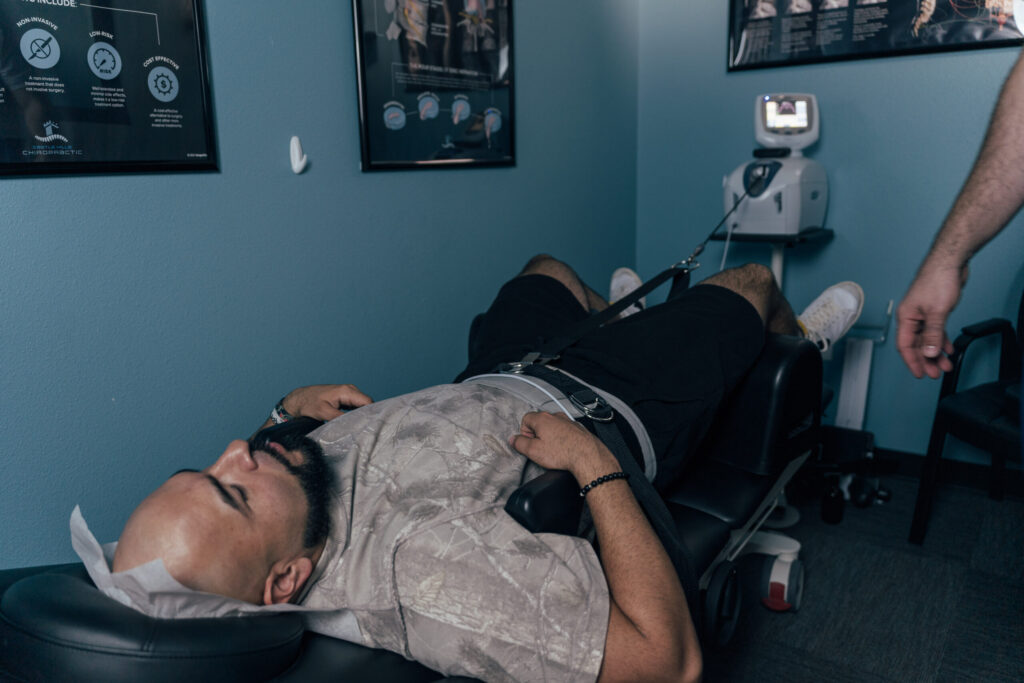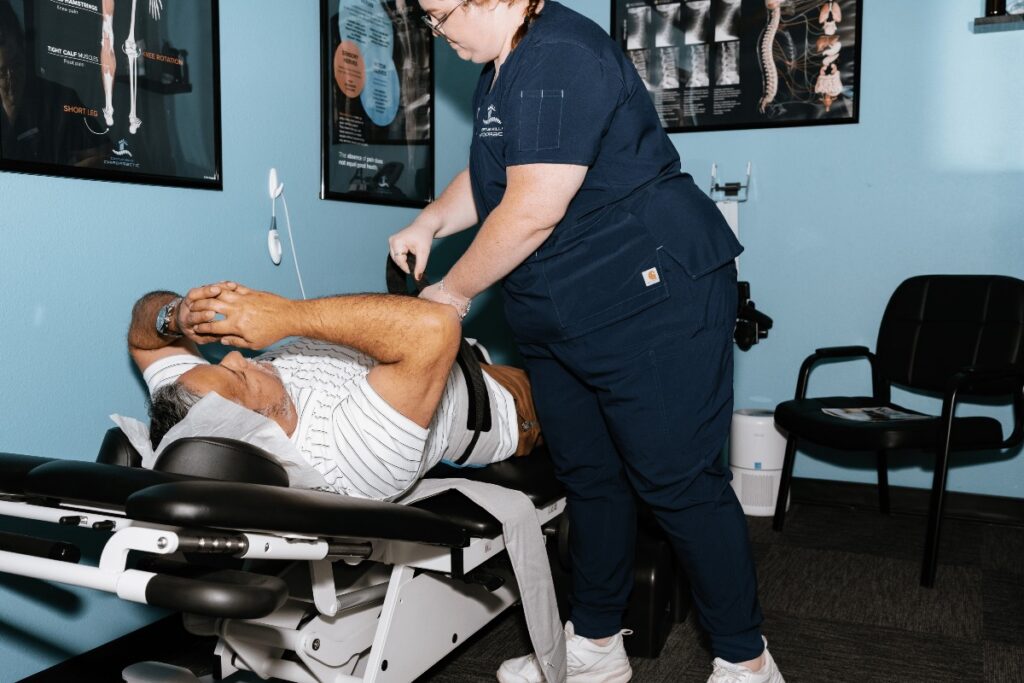

Low back pain is a common issue that many people face at some point in their lives. It can arise from various factors, such as poor posture or muscle strain, which may not seem serious initially. However, it’s crucial to understand the root causes to find effective relief. Conditions like herniated discs or sciatica can significantly impact your well-being, but chiropractic care offers a natural path to healing.
As a local chiropractor, I want to shed light on the top causes of low back pain and how chiropractic care can help you achieve optimal health. Here are some common culprits behind this ailment and tips for managing them:
- Poor Posture: Slouching at your desk or hunching over your phone can lead to unnecessary strain on your back. To promote better posture, remember to sit up straight, keep your shoulders back, and take regular breaks to stretch.
- Muscle Strain: Lifting heavy objects or sudden movements can strain your muscles. If you’re working out or doing yard work, always warm up before and cool down afterward. Proper technique is key in preventing injuries.
- Herniated Discs: When the cushioning discs in your spine bulge or rupture, they can press on nerves and cause pain. Chiropractic adjustments can help realign the spine and relieve pressure, promoting healing without the need for invasive procedures.
- Sciatica: This condition occurs when the sciatic nerve is compressed, often causing pain that radiates down the leg. Chiropractic care can alleviate the pressure on the nerve and restore proper function, helping you get back to your daily activities.
- Sedentary Lifestyle: Lack of physical activity can weaken your back muscles, increasing the risk of pain. Incorporate regular exercise into your routine, focusing on core-strengthening and flexibility exercises to support your spine.
- Stress: Emotional stress can lead to muscle tension in the back. Engage in stress-reducing activities like yoga, meditation, or deep-breathing exercises to promote relaxation and ease tension.
Remember, chiropractic care is a holistic approach that not only addresses pain but also supports overall wellness. Regular chiropractic adjustments can help maintain spinal alignment, improve mobility, and prevent future issues. If you’re experiencing low back pain, consider visiting your local chiropractor to explore a personalized treatment plan that suits your needs. Together, we can work towards a healthier, pain-free life!
Key Takeaways
Low back pain is a common issue that many people face, and understanding its causes is the first step toward finding relief. As a chiropractor, I want to share some insights about the top causes of low back pain and how chiropractic care can help you achieve optimal health and wellness.
- Poor Posture and Prolonged Sitting: Many of us spend long hours sitting, whether at a desk or on the couch. This can lead to poor posture, which puts strain on your spine and muscles, causing discomfort in the lower back. To combat this, make sure to take regular breaks, stand up, and stretch. Consider incorporating ergonomic furniture that supports your spine’s natural curve.
- Muscle Strains: Lifting heavy objects or moving in awkward ways can easily lead to muscle strains, which often result in sharp pain and can disrupt your daily routine. To avoid these strains, always use proper lifting techniques—bend your knees, keep the object close to your body, and avoid twisting your back. Regular chiropractic adjustments can also help keep your muscles balanced and reduce the risk of strains.
- Herniated Discs: When the discs in your spine herniate, they can press on nearby nerves, causing radiating pain. This discomfort can make sitting, standing, or lifting very challenging. Chiropractic care focuses on realigning the spine, which can alleviate nerve pressure and help restore normal function.
- Arthritis: As we age, arthritis can develop in the joints of the spine, leading to inflammation, chronic pain, and decreased mobility. Chiropractic adjustments can enhance joint function and reduce pain by improving circulation and promoting healing. Additionally, gentle exercises and stretches can help maintain flexibility and strength in the back.
- Infections: Although less common, infections such as kidney or spinal infections can present as lower back pain. If you suspect an infection, it’s important to seek medical attention promptly. Chiropractic care can support your overall health and immune system, helping you recover more effectively.
Takeaway Tips:
- Maintain good posture, especially when sitting for long periods.
- Use proper lifting techniques to protect your back.
- Take breaks to stretch and move throughout the day.
- Consider regular chiropractic visits to keep your spine healthy and balanced.
- Stay active with gentle exercises to strengthen your back and improve flexibility.
By prioritizing spinal health and considering chiropractic care, you can find natural relief from low back pain and enhance your overall well-being. Remember, taking proactive steps toward your health is always the best choice!
Poor Posture
Poor posture is a common yet significant contributor to low back pain, which many of my patients experience. When you slouch or hunch over, it strains your spine and the surrounding muscles. This misalignment results in tension that can lead to discomfort and persistent pain.
If you spend long hours sitting at a desk, your lower back often bears the brunt of this improper posture, causing stiffness or a dull ache that doesn’t seem to go away.
As a chiropractor, I want to emphasize the importance of maintaining good posture throughout your day to alleviate and prevent low back pain. Here are some simple tips you can incorporate into your daily routine:
- Feet Flat on the Ground: When sitting, ensure your feet are flat on the floor. This helps support your spine and promotes proper alignment.
- Back Straight: Keep your back straight and shoulders relaxed. Consider using a chair that supports the natural curve of your spine.
- Ergonomic Furniture: If possible, invest in ergonomic furniture that can help maintain your spine’s natural position while you work or relax.
- Regular Check-ins: Make it a habit to check in with yourself throughout the day. Are you sitting, standing, or walking with good posture? Small adjustments can make a big difference.
- Movement Breaks: Take regular breaks to stand, stretch, and move around. This can help relieve tension in your back and encourage better posture.
By making these small adjustments, you can significantly reduce your risk of low back pain and enhance your overall comfort and well-being.
Remember, chiropractic care is an excellent option for addressing posture-related issues and achieving optimal health. Regular visits can help ensure your spine stays aligned and your body functions at its best.
Your journey to a healthier, pain-free life starts with taking care of your posture!
Muscle Strain
Muscle strain can catch you by surprise, often resulting in unexpected low back pain that can disrupt your daily life.
Many people don’t realize they’re straining their muscles until the discomfort becomes noticeable. This type of pain frequently stems from common activities like lifting heavy objects, twisting in an awkward direction, or even sitting for prolonged periods.
As a local chiropractor, I want to share some valuable tips to help you prevent muscle strain and promote a healthier lifestyle:
- Warm Up: Before engaging in any physical activity, take a few minutes to warm up your muscles. Gentle stretching or light exercise can prepare your body for movement and reduce the risk of strain.
- Proper Lifting Techniques: When lifting heavy objects, always keep your back straight and use your legs to lift. This technique not only protects your back but also engages your core muscles, which provide essential support.
- Take Breaks: If you find yourself sitting for long periods or performing repetitive tasks, make it a habit to take regular breaks. Stand up, stretch, and move around to alleviate tension and keep your muscles relaxed.
- Strengthen Your Core: A strong core supports your spine and helps maintain proper posture. Incorporate exercises that target your abdominal and back muscles into your routine for better stability.
Chiropractic care is an excellent way to address muscle strain and promote overall wellness.
Regular adjustments can help align your spine, improve mobility, and relieve pain naturally. If you’re experiencing discomfort or want to learn more about how to maintain a healthy spine, don’t hesitate to reach out. Together, we can work towards achieving optimal health through natural healing and wellness practices.
Herniated Discs
Herniated discs can creep up on you, leading to uncomfortable sensations that may radiate through your lower back and legs. This occurs when the gel-like center of a disc pushes through a tear in the outer layer, which can then press on nearby nerves. You might notice that this discomfort intensifies when you sit for long periods, stand, or lift heavy objects.
As a chiropractor, I believe that taking a natural approach to managing a herniated disc is key to achieving optimal health. One of the best steps you can take is to seek chiropractic care. A chiropractor can help assess your situation and provide gentle adjustments and treatments that support your spine’s health, alleviate pain, and restore function.
In addition to chiropractic adjustments, there are several tips you can incorporate into your daily routine for better spinal health:
- Stay Active: Regular, low-impact exercises like walking, swimming, or cycling can help strengthen your back muscles and improve flexibility.
- Practice Good Posture: Whether you’re sitting or standing, maintaining proper posture can help reduce strain on your spine. Ensure your back is straight and your shoulders are relaxed.
- Use Proper Lifting Techniques: Always bend at the knees and keep your back straight when lifting heavy objects to avoid unnecessary stress on your spine.
- Incorporate Stretching: Gentle stretching exercises can help relieve tension in the back and improve mobility. Consider adding a few minutes of stretching to your daily routine.
- Listen to Your Body: If you start to feel persistent pain or any unusual symptoms, it’s essential to consult with a healthcare professional who understands the value of natural healing.
Arthritis
As you prioritize your spinal health, it’s essential to consider other conditions that may impact your lower back, such as arthritis. This degenerative condition can cause inflammation and pain in your joints, including those in your spine. When arthritis affects your lower back, you may experience stiffness and reduced mobility, which can make everyday activities feel more challenging.
Here are some important points to understand about arthritis and its relation to lower back pain:
- Types of Arthritis: The most common types that can affect the spine are osteoarthritis and rheumatoid arthritis. Understanding these can help you recognize if you might be experiencing symptoms.
- Symptoms: Keep an eye out for signs such as persistent pain, swelling, and stiffness in your lower back. These may indicate the presence of arthritis.
- Risk Factors: Factors such as age, genetics, and prior joint injuries can increase your likelihood of developing arthritis. Being aware of these can help you take proactive steps for your spinal health.
- Chiropractic Care for Management: Chiropractic care is a natural and effective way to manage arthritis-related pain. Regular adjustments can help improve spinal alignment, reduce inflammation, and enhance mobility. By addressing the underlying issues, chiropractic care not only relieves pain but also promotes overall wellness.
- Tips for a Healthier Back: In addition to chiropractic care, consider incorporating gentle exercises like stretching or walking into your routine. Staying active can help maintain flexibility and strength in your back. Additionally, practicing good posture and using ergonomic furniture can support your spine during daily activities.
Sciatica
If you’ve ever felt a sharp pain shooting down your leg, you might be experiencing sciatica. This condition occurs when the sciatic nerve, which runs from your lower back through your hips and buttocks down to each leg, becomes compressed or irritated. Common causes include herniated discs, spinal stenosis, or even tight muscles in your buttocks.
You may notice pain that varies in intensity, along with tingling or numbness, often affecting just one side of your body. This can make it difficult to sit or stand comfortably.
As a chiropractor, I want to emphasize that managing sciatica can be effectively achieved through chiropractic care. By addressing misalignments in your spine and pelvis, we can help relieve pressure on the sciatic nerve, promoting natural healing and improving your overall wellness. Regular adjustments can restore proper function, enhance mobility, and reduce discomfort.
In addition to chiropractic adjustments, there are simple strategies you can incorporate into your daily routine to ease sciatica symptoms. Stretching exercises focused on your lower back and hips can help alleviate tension. Maintaining good posture while sitting or standing is crucial, as it minimizes strain on your spine. Additionally, applying heat or ice to the affected area can provide temporary relief.
Remember to listen to your body and consult with a chiropractor when symptoms persist. Early intervention through chiropractic care can help you regain mobility and improve your quality of life. Embrace a healthier lifestyle and discover the benefits of natural healing through chiropractic!
Osteoporosis
While sciatica can arise from various issues in the spine, another common condition that many people face is osteoporosis. This bone disease weakens your bones, making them more fragile and increasing the risk of fractures. Often, you may not notice any symptoms until a fracture occurs, which can lead to sudden back pain.
To help you better understand osteoporosis and how to manage it, here are some key points to keep in mind:
- Osteoporosis frequently affects older adults, especially postmenopausal women. Understanding your risk is essential for early intervention.
- Common risk factors include a family history of bone issues, low calcium intake, and a lack of physical activity. By addressing these factors, you can take charge of your bone health.
- A bone density test is typically used to assess your bone health. However, regular check-ups with your chiropractor can help monitor your overall well-being and identify any concerns before they become serious.
- Preventive measures like regular weight-bearing exercises and a nutritious diet rich in calcium and vitamin D can strengthen your bones. Incorporating activities such as walking, dancing, and resistance training can be beneficial.
As a chiropractor, I emphasize the importance of maintaining strong bones and a healthy spine. Chiropractic care can help alleviate pain and improve your overall health by focusing on natural healing methods. It’s a gentle way to support your body in staying strong and injury-free.
Stay proactive about your health by consulting with your chiropractor. They can provide personalized advice and techniques to help you maintain strong bones and reduce the risk of injuries, ultimately leading to better spinal health and overall wellness.
Infections
Infections can sometimes be a surprising cause of low back pain, so it’s important to be aware of how they might affect your body. Symptoms like fever or unusual discomfort can be signs that something more serious is happening. If you’re experiencing these symptoms, it’s crucial to take action.
As a chiropractor, I want to emphasize the importance of understanding your body and the natural healing processes it possesses. While infections can be concerning, chiropractic care can play a vital role in your overall wellness and pain relief.
Regular chiropractic adjustments can help to maintain a healthy spine and nervous system, which supports your body’s ability to fight off infections and heal more effectively.
Here are some general tips to keep in mind for maintaining your spinal health and overall wellness:
- Stay Active: Gentle exercises and stretches can help keep your spine flexible and strong. Movement promotes circulation, which is essential for healing.
- Maintain Good Posture: Pay attention to your posture when sitting, standing, or lifting. Good alignment can reduce strain on your back and enhance your overall health.
- Hydration is Key: Drinking plenty of water helps to keep your discs hydrated and supports overall bodily functions.
- Listen to Your Body: If you notice persistent pain or discomfort, it’s always best to consult with a chiropractor. They can assess your condition and provide personalized care to help you recover naturally.
- Stress Management: High stress can impact your immune system and overall health. Incorporate relaxation techniques like deep breathing, meditation, or yoga into your routine.
If you suspect an infection or are experiencing symptoms related to low back pain, it’s essential to seek the guidance of a healthcare professional who can support your natural healing journey. Chiropractic care offers a holistic approach to health, ensuring your body is functioning optimally. Remember, taking care of your spine is foundational to your overall health and well-being!
Types of Infections
Low back pain can sometimes arise from various types of infections affecting the spine, kidneys, or surrounding tissues. These infections may lead to inflammation and discomfort, which can significantly impact your daily life. Understanding the underlying causes of your pain is essential for effective treatment.
Here are some common types of infections that may be involved:
- Spinal infections: Conditions like discitis or osteomyelitis can affect the spine, leading to pain and discomfort.
- Kidney infections: Often caused by bacteria, these infections can result in pain that radiates to the lower back.
- Urinary tract infections (UTIs): These can cause referred pain, meaning the discomfort may be felt in your back.
- Soft tissue infections: Issues such as abscesses or cellulitis in the lower back area can also lead to pain.
While it’s important to be aware of these potential issues, chiropractic care can play a vital role in addressing back pain and promoting overall wellness. Chiropractors focus on spinal health and help restore proper alignment, which can alleviate discomfort caused by various conditions, including infections.
In addition to seeking chiropractic care, here are some general tips to help manage low back pain:
- Stay Active: Gentle movement and stretching can help maintain flexibility and reduce stiffness.
- Maintain Good Posture: Pay attention to your posture throughout the day, especially if you sit for extended periods.
- Stay Hydrated: Proper hydration supports overall health and can help keep your muscles and tissues functioning optimally.
- Warm Compress: Applying a warm compress to the lower back can help soothe discomfort and relax tight muscles.
- Listen to Your Body: If you experience persistent pain or discomfort, seek guidance from your chiropractor to explore suitable treatment options.
Being informed about your health and the potential causes of your pain can empower you to make better choices for your well-being. Chiropractic care is a natural and effective approach to achieving optimal health and wellness.
Symptoms to Watch
If you suspect that an infection might be causing your low back pain, it’s important to recognize certain symptoms that could indicate a more serious issue. Keep an eye out for signs like fever or chills, as these may suggest your body is battling an infection. You may also notice unexplained weight loss or fatigue, which can occur with systemic infections.
If your back pain intensifies over time and isn’t relieved by rest or natural remedies like gentle stretches or heat therapy, this could be a warning sign. Additionally, if you observe any swelling, redness, or tenderness in your lower back, these may indicate inflammation that needs attention.
It’s essential to trust your instincts—if something doesn’t feel right, seeking guidance from a qualified healthcare professional can help you get the right evaluation. Remember, chiropractic care is a fantastic option for addressing back pain and promoting overall wellness.
Regular adjustments can help align your spine, relieve tension, and support your body’s natural healing processes.
Here are some general tips to support your back health:
- Maintain good posture while sitting and standing.
- Incorporate regular physical activity, such as walking or gentle yoga, into your routine.
- Stay hydrated and eat a balanced diet rich in nutrients to support your body’s healing.
- Consider chiropractic adjustments to keep your spine in alignment and improve your overall well-being.
Taking these steps can help you feel your best and support your journey towards optimal health.
Treatment Options Available
When you notice low back pain that might be linked to an infection, it’s important to get the right care as soon as possible.
While infections can be serious, there are natural and holistic approaches to support your healing journey. As a chiropractor, I believe in the body’s ability to heal itself, and I want to share some tips to help you manage your discomfort.
Here are some natural strategies you can consider:
- Chiropractic Care: A chiropractor can assess your spine and overall alignment. Adjustments may help reduce pain and improve your body’s function, supporting your immune system as it works to fight off infection.
- Gentle Movement: While resting is important, gentle stretching and movement can help maintain mobility in your lower back. Activities like walking or yoga can promote blood flow and aid recovery.
- Heat Therapy: Applying a warm compress to your lower back can soothe muscle tension and alleviate discomfort. Just be sure to use heat cautiously and avoid applying it directly to inflamed areas.
- Hydration and Nutrition: Staying hydrated and eating a balanced diet rich in whole foods can support your body’s healing processes. Foods high in antioxidants, like fruits and vegetables, are particularly beneficial.
- Mind-Body Techniques: Practices like meditation, deep breathing, or even light massage can help reduce stress and promote relaxation, which is essential while your body is healing.
Remember, it’s always best to consult with a healthcare professional if you’re experiencing persistent pain or symptoms.
Kidney Issues
Kidney issues can sometimes show up as low back pain, catching many people off guard. When your kidneys become inflamed or infected, you may feel discomfort in your lower back, often on one side. This pain can vary from mild to severe, and it might be accompanied by other symptoms like fever, nausea, or changes in urination.
If you’re experiencing persistent low back pain without a clear cause, it’s important to consider the possibility of kidney problems. Conditions such as kidney stones or urinary tract infections can lead to significant discomfort. While it’s essential to seek a proper diagnosis, chiropractic care can offer natural relief for the pain you might be feeling.
Chiropractic care focuses on the alignment and function of your spine, which can help alleviate discomfort in your back. By addressing any misalignments, chiropractors can support your body’s natural ability to heal itself. Here are some helpful tips to keep in mind:
- Stay Hydrated: Drinking plenty of water supports kidney function and can help in preventing issues like kidney stones.
- Maintain Good Posture: Proper posture can reduce strain on your back and improve overall spinal health.
- Incorporate Gentle Stretching: Simple stretches can relieve tension in your back and improve flexibility.
- Regular Check-ups: Consider visiting your chiropractor regularly to maintain spinal health and catch any issues early.
Conclusion
Understanding the top causes of low back pain is crucial for taking charge of your health and well-being. Many people suffer from low back pain due to factors like poor posture, muscle strains, and underlying conditions such as herniated discs and arthritis. By focusing on these areas, you can significantly lower your risk of experiencing pain.
As a chiropractor, I want to emphasize that chiropractic care is one of the best natural solutions for pain relief and promoting overall wellness. Regular adjustments can help align your spine, improve your posture, and reduce the strain on your muscles and joints. This approach not only addresses current pain but also helps prevent future issues.
Here are some practical tips you can incorporate into your daily routine to support a healthy back:
- Maintain Good Posture: Whether sitting at a desk or standing, make sure your posture is aligned. Keep your shoulders back and your spine straight to reduce stress on your back.
- Stay Active: Engage in regular exercise that strengthens your core muscles. Activities like walking, swimming, or yoga can improve flexibility and support your spine.
- Listen to Your Body: Pay attention to any signs of discomfort. If you experience persistent pain, it’s important to consult a chiropractor who can provide a proper diagnosis and treatment plan tailored to your needs.
- Use Proper Lifting Techniques: When lifting heavy objects, bend at your knees and keep the load close to your body to avoid unnecessary strain on your back.
- Stay Hydrated: Drinking plenty of water can help keep your discs hydrated and healthy, which is essential for spinal health.
By incorporating these tips and seeking chiropractic care, you can take proactive steps toward managing low back pain and enhancing your overall health in a natural way. Remember, your spine is the foundation of your body’s health, and a well-aligned spine can lead to a happier, healthier life!