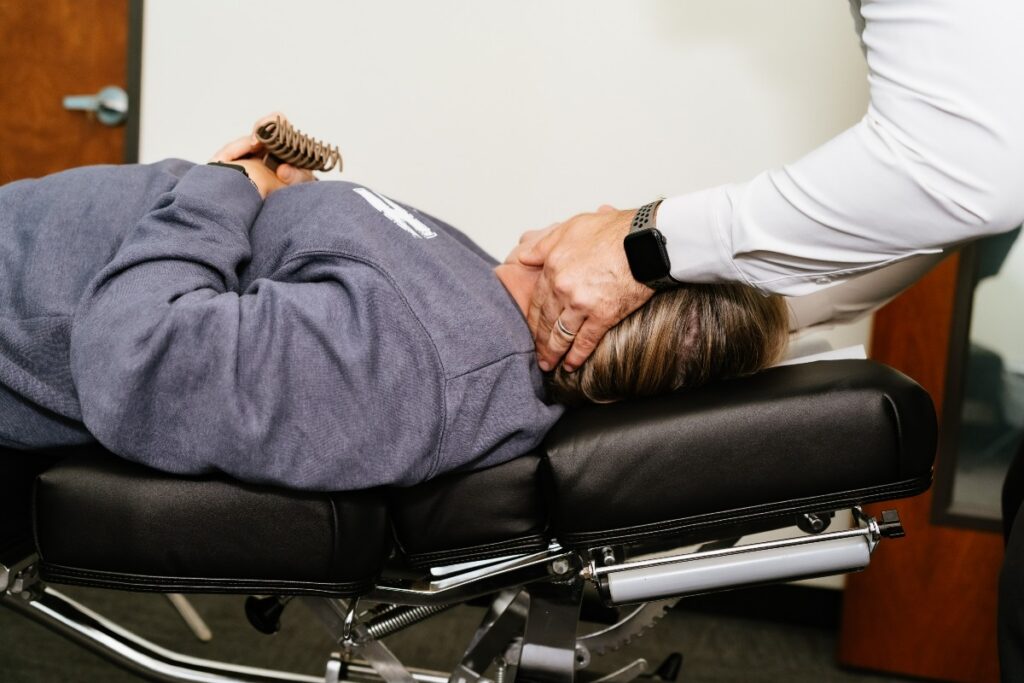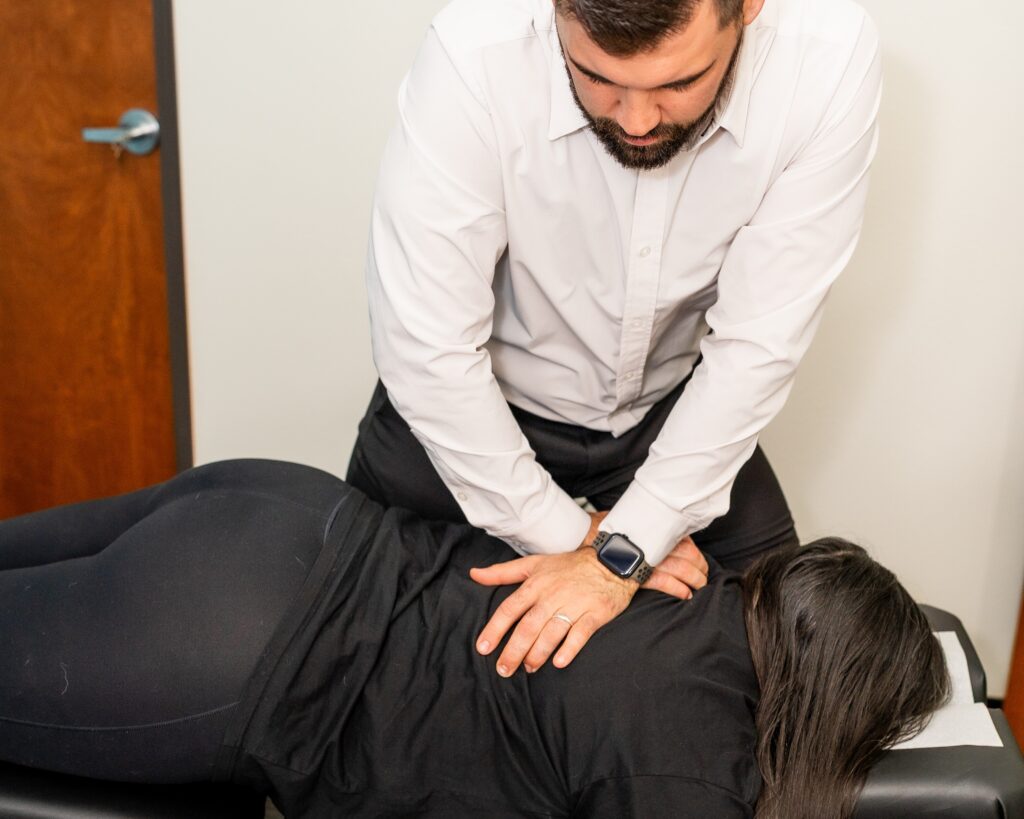

As a local chiropractor, I want to shed light on the common causes of chronic back pain that many of my patients experience. It’s important to recognize that this pain often arises from everyday habits and lifestyle choices that might not seem significant at first. For instance, poor posture while sitting or standing, along with a sedentary lifestyle, can greatly contribute to your discomfort.
Additionally, as we age, our spines undergo changes that can lead to pain, and certain medical conditions can exacerbate these issues. Understanding these underlying causes is essential for effective management and relief. By addressing these factors through natural healing methods, we can work together to develop a personalized approach to alleviate your pain and improve your overall well-being. Have you considered how your daily habits might be influencing your back pain? Let’s explore this together!
Sedentary Lifestyle and Poor Posture
As a local chiropractor, I often see patients who spend long hours sitting, whether at a desk or on the couch, and I want to help you understand how this can impact your posture and overall health. Prolonged sitting can lead to poor posture, which is a common contributor to chronic back pain.
When you slouch or hunch over, it puts unnecessary strain on your muscles and compresses your spine, leading to discomfort. Many of you may notice tightness in your shoulders and stiffness in your lower back as a result of these habits.
To address these concerns, it’s crucial to focus on maintaining proper posture while seated. Aim to keep your back straight, shoulders relaxed, and feet flat on the floor. I recommend considering ergonomic furniture that can support your spine effectively.
Furthermore, I encourage you to take regular breaks—stand up, stretch, and move around every so often. This simple practice can alleviate tension and enhance circulation.
Incorporating physical activity into your daily routine is another key aspect of maintaining a healthy spine. Engaging in exercises that strengthen your core muscles can provide better support for your back and help prevent discomfort.
Age-Related Changes in the Spine
As you age, it’s important to understand that your spine undergoes certain natural changes that can lead to chronic back pain. One of the key factors is that the discs between your vertebrae start to lose hydration and elasticity. This means they provide less cushioning and become stiffer over time. As a result, you may experience a loss of height, and in some cases, these changes can compress the nerves, leading to discomfort.
Additionally, bone density tends to decrease as we get older, which increases the risk of conditions like osteoporosis. This condition can make your bones more fragile and susceptible to fractures. You might also notice that ligaments in your spine thicken and lose flexibility, which restricts your range of motion.
Another common issue that can arise is spinal stenosis, where the spinal canal narrows and puts pressure on the nerves. These age-related changes can create a cycle of pain and decreased mobility, which can be frustrating.
However, understanding these factors is the first step toward taking control of your spine’s health. As a chiropractor, I encourage you to engage in regular exercise and maintain a healthy weight.
These proactive steps can significantly help manage your spine’s health as you age, allowing you to maintain an active and fulfilling lifestyle.
Musculoskeletal Injuries and Strains
As a chiropractor, I often see patients who are struggling with chronic back pain, and one of the primary causes I encounter is musculoskeletal injuries and strains.
Many people don’t realize how easy it’s to strain your back during everyday activities—simple actions like bending down to pick something up or twisting your body awkwardly can lead to significant discomfort. When we push our bodies too hard or use improper lifting techniques, the muscles and ligaments in our backs can become overstretched or even torn, resulting in pain that lingers.
To help you avoid these types of injuries, I emphasize the importance of practicing good body mechanics. Always remember to lift with your legs instead of your back, and try to avoid heavy lifting whenever possible. Incorporating regular strength and flexibility exercises into your routine can greatly support your back and overall health.
If you do experience pain from a strain, it’s crucial to take a proactive approach. Rest, apply ice, and engage in gentle stretching to aid your recovery process. Ignoring these discomforts can lead to chronic pain down the line, so it’s vital to listen to your body.
If you have any concerns or would like to learn more about how chiropractic care and natural healing can benefit you, I’m here to help guide you on your path to recovery.
Underlying Medical Conditions
As a local Chiropractor, I want to emphasize how crucial it’s to consider any underlying medical conditions when addressing chronic back pain.
Conditions such as arthritis, herniated discs, and osteoporosis can significantly affect your spine and overall well-being.
By identifying these issues, we can tailor a more effective treatment plan that aligns with your unique needs and helps you find relief.
Understanding these factors is an essential step in your journey toward natural healing and improved quality of life.
Arthritis and Back Pain
As a local chiropractor, I want to help you understand how arthritis can significantly contribute to chronic back pain, which can impact your daily life and overall mobility.
Arthritis leads to inflammation in the joints, causing stiffness and discomfort that can make routine activities challenging. You may find that certain movements or tasks exacerbate your back pain, making it difficult to enjoy life fully.
The wear and tear on your spine from arthritis can decrease flexibility and heighten pain levels, but there’s hope. Chiropractic care offers a natural approach to managing these symptoms. A combination of spinal adjustments, therapeutic exercises, and lifestyle modifications can enhance your joint function and alleviate pain.
Staying active is crucial, and I can guide you through safe exercises tailored to your condition. Additionally, incorporating heat or cold therapy can provide temporary relief and support your healing process.
It’s important to work together to create a personalized treatment plan that addresses both your arthritis and back pain. Remember, you don’t have to live with discomfort—there are effective, natural solutions available to help you feel better.
Let’s take this journey towards improved health together!
Herniated Disc Issues
As a local chiropractor, I want to help you understand one of the common causes of chronic back pain: herniated discs. This condition occurs when the soft inner material of a spinal disc protrudes through a crack in its tougher outer layer, putting pressure on nearby nerves.
If you’re experiencing sharp pain, numbness, or weakness, especially in your arms or legs, it could be due to a herniated disc that’s compressing a nerve root. Herniated discs can be triggered by activities such as heavy lifting or sudden twisting movements. Additionally, age-related wear and tear can make these issues more likely to occur.
It’s important to recognize that if you’ve been struggling with persistent back pain, seeking the guidance of a healthcare professional—like a chiropractor—can be incredibly beneficial.
At our practice, we focus on natural healing methods. We can help diagnose your condition and develop a personalized treatment plan tailored to your needs. This may include chiropractic adjustments, physical therapy, and lifestyle changes to promote healing and alleviate pain.
Osteoporosis and Fractures
As your local chiropractor, I want to emphasize the importance of bone health and the role that osteoporosis can play in your overall well-being. Many people are unaware that osteoporosis can quietly weaken your bones over time, making them more vulnerable to fractures.
These fractures can lead to chronic back pain and significantly affect your quality of life.
Consider the following:
- You might suddenly feel an intense jolt of pain in your back that wasn’t there before.
- Simple tasks like bending or lifting even light objects could become challenging.
- The fear of falling can start to creep in, prompting you to limit your activities and become more sedentary.
- You may find yourself relying on others for help with daily tasks, which can be frustrating.
Recognizing the signs of osteoporosis early is crucial. As a chiropractor, I encourage you to take proactive steps to protect your bone health.
Regular check-ups can help identify any issues before they escalate, and a balanced diet rich in calcium and vitamin D is essential for strong bones.
Incorporating chiropractic care into your health routine can also support your body’s natural healing processes.
Together, we can work on improving your overall strength and mobility, helping you maintain an active lifestyle and prevent debilitating fractures.
Let’s prioritize your bone health and well-being!
Obesity and Weight-Related Stress
As a local chiropractor, I want to help you understand the strong connection between obesity and chronic back pain. Carrying excess weight can significantly increase the strain on your spine and the muscles that support it. When you have extra pounds, your body has to exert more effort to stay balanced, which can lead to poor posture and heightened pressure on your back. Over time, this added stress can result in inflammation and discomfort.
Additionally, being overweight may restrict your mobility, making it more challenging to participate in physical activities that are essential for strengthening your back and core muscles. Without regular exercise, these muscles can weaken, intensifying the pain you experience.
That’s why managing your weight is crucial for alleviating back pain. By adopting a balanced diet and engaging in regular physical activity, you can start shedding those extra pounds, which will ultimately lessen the load on your spine.
Prioritizing weight management not only enhances your overall health but also plays a vital role in achieving long-term relief from chronic back pain. As your chiropractor, I’m here to support you on this journey toward better health and wellness!
Psychological Factors and Stress
As your local chiropractor, I want to highlight an important aspect of back pain management that often goes overlooked: the influence of psychological factors and stress.
While many people tend to focus solely on physical causes of back pain, it’s vital to understand how your mental state can significantly affect your perception of pain and your overall recovery process.
Stress can lead to muscle tension, which can aggravate existing back problems or even create new ones. Here are some key psychological factors to consider:
- Anxiety: If you’re constantly worried about your back pain, that anxiety can intensify your discomfort.
- Depression: A low mood can sap your motivation to stay active, which is essential for maintaining a healthy back.
- Fear-avoidance: You might find yourself avoiding activities you once enjoyed due to fear of pain, which can restrict your movement and flexibility.
- Chronic stress: Ongoing stress can result in persistent muscle tension, putting additional strain on your back.
It’s crucial to recognize the connection between your mental health and back pain.
By addressing these psychological factors, you can take a more holistic approach to managing your discomfort.
Chiropractic care not only focuses on physical adjustments but also encourages a healthier mindset, which can enhance your healing process.
Let’s work together to address both the physical and psychological aspects of your back pain for a more effective recovery.
Nutritional Deficiencies
As your local chiropractor, I want to take a moment to discuss how nutritional deficiencies can play a significant role in chronic back pain. Many people may not realize that lacking essential vitamins and minerals can affect not just your overall health, but also the health of your spine and surrounding muscles.
For instance, vitamin D is crucial for maintaining strong bones and muscles. If your body is low on this vitamin, it could weaken these structures, leading to increased discomfort in your back.
Similarly, magnesium is vital for proper muscle function. A deficiency in magnesium can result in muscle tension and heightened levels of pain.
By addressing these nutritional gaps, we can work together to enhance your healing process and alleviate some of that persistent back pain.
Vitamin D Deficiency
As your local chiropractor, I want to take a moment to discuss something that often goes unnoticed but can significantly impact your overall health—vitamin D deficiency. Many people aren’t aware of how this essential nutrient is linked to the health of your spine and muscles, which can contribute to chronic back pain.
When your body lacks sufficient vitamin D, it can lead to several issues that affect your back:
- Weak bones that struggle to provide the necessary support for your spine, potentially leading to misalignments.
- Muscles that may cramp and strain, resulting in discomfort that can limit your mobility and quality of life.
- Increased inflammation, which can exacerbate any existing pain you might be experiencing.
- Slower healing processes, making it difficult for your body to recover from injuries or strains.
Understanding how vitamin D plays a role in your health is crucial. By ensuring you’re getting enough of this vitamin, you may enhance your body’s ability to heal and function properly.
If you’re experiencing chronic back pain, let’s discuss how we can incorporate natural healing strategies to address not just the symptoms, but the underlying causes, including potential deficiencies. Your journey to wellness is a collaborative effort, and I’m here to guide you every step of the way.
Magnesium’s Role in Pain
As your chiropractor, I want to share with you the vital role that magnesium plays in managing pain, especially when it comes to chronic conditions like back pain. This essential mineral is crucial for regulating nerve function and muscle contraction, both of which are key to maintaining a healthy spine.
If your body is low in magnesium, you may experience increased muscle tension and spasms, which can worsen your discomfort.
To support your healing process, I recommend incorporating magnesium-rich foods into your diet. Foods such as leafy greens, nuts, seeds, and whole grains can make a significant difference in how your body responds to pain.
Additionally, if you suspect you might be deficient in magnesium, considering supplements could be beneficial.
By ensuring you have adequate magnesium levels, you may find relief from persistent back pain and be able to engage in a more active, pain-free lifestyle.
It’s important to pay attention to your magnesium intake as it could greatly impact your overall well-being. If you have questions about how to incorporate magnesium into your diet or need guidance on supplements, feel free to ask during your next visit!
Occupational Hazards and Repetitive Movements
As a local chiropractor, I want to highlight an often-overlooked factor contributing to chronic back pain: the impact of occupational hazards and repetitive movements. Many of my patients are surprised to learn how their daily work activities can place significant strain on their backs, leading to discomfort and pain.
Whether you’re sitting at a desk for long periods or lifting heavy objects, your daily routine could be doing more harm than good to your spine.
Let’s take a closer look at some common scenarios:
- Desk Jobs: If you find yourself slouching over your computer for hours, this posture can weaken your back muscles over time, leading to pain.
- Manual Labor: Lifting heavy items repeatedly, especially without proper form, can result in injuries that may require chiropractic care.
- Assembly Line Work: Performing the same motions day in and day out can put undue stress on specific muscle groups, which can contribute to chronic discomfort.
- Poor Ergonomics: An improperly set up workstation can exacerbate existing issues and create new ones, leading to ongoing pain.
Being aware of these occupational hazards is the first step toward protecting your back.
I encourage you to incorporate regular breaks into your workday, stretch frequently, and ensure your workspace is ergonomically designed to support good posture.
By taking these proactive steps, you can significantly reduce your risk of developing chronic back pain and enhance your overall well-being.
Conclusion
As a local chiropractor, I want to highlight the importance of understanding the top causes of chronic back pain. This knowledge can empower you to take proactive steps towards better spinal health. Many of my patients find that factors such as a sedentary lifestyle, poor posture, and excess weight can significantly contribute to their discomfort. By making small changes in these areas, you can greatly reduce your risk of experiencing chronic pain.
Moreover, it’s essential to consider the role of psychological stress in your overall health. Stress can manifest physically, leading to tension in your back and neck. A balanced diet is also crucial; the right nutrients support not just your body, but your spine as well.
By recognizing these issues and addressing them with natural healing approaches, you can find effective relief and improve your overall well-being. Remember, it’s about taking those first steps toward a healthier you, and I’m here to guide you on that journey.