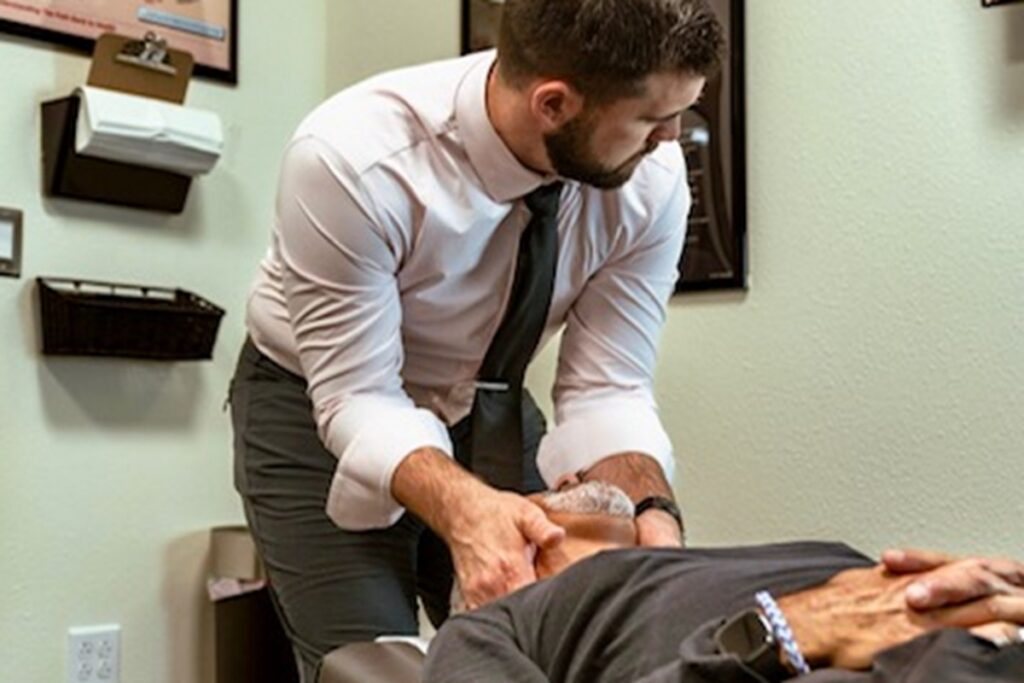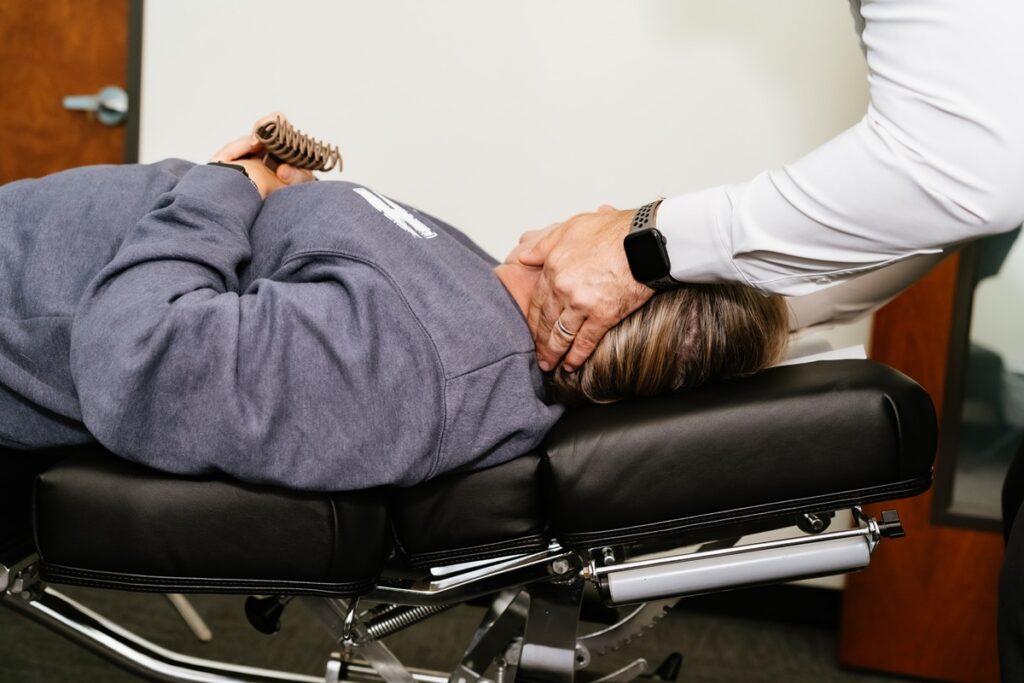

As a local chiropractor, I often see patients dealing with the aftermath of whiplash, which can lead to ongoing neck pain. Understanding how to manage this discomfort effectively is crucial for your recovery. Fortunately, there are several natural strategies you can integrate into your daily routine to promote healing and alleviate your pain. From simple methods like applying ice and heat to your neck, to incorporating gentle stretching exercises, there are various approaches that can significantly improve your comfort. I invite you to explore these ten practical tips with me, as they can help guide you toward a more comfortable and holistic recovery process.
Apply Ice and Heat Therapy
As a local chiropractor, I want to share some effective techniques for managing neck pain, particularly if you’re experiencing discomfort from whiplash. One of the most beneficial methods is the application of ice and heat therapy, which can significantly alleviate your pain and promote healing.
Initially, I recommend starting with ice packs. Ice is excellent for reducing inflammation and numbing the affected area. To use ice safely, wrap it in a cloth to protect your skin, and apply it for about 15-20 minutes at a time, several times throughout the day. This technique is particularly helpful in the immediate aftermath of an injury as it can help ease acute pain and swelling.
After a few days, once the initial inflammation has subsided, transitioning to heat therapy can be very beneficial. A warm compress or heating pad can work wonders by relaxing tight muscles and enhancing blood circulation to the area, promoting healing. When using heat, aim for 15-20 minutes of application, allowing your body to soak in the warmth.
Practice Gentle Stretching Exercises
As a local chiropractor, I want to share the benefits of gentle stretching exercises, especially for those of you dealing with neck pain after a whiplash injury.
These stretches can significantly enhance your recovery by improving flexibility, reducing stiffness, and promoting better circulation in the affected area.
Incorporating gentle stretching into your routine can make a world of difference. It’s essential to understand that these exercises aren’t just about relieving pain—they’re also about fostering overall healing and wellness in your neck and spine.
Let’s go over some effective stretching techniques that you can easily integrate into your daily life.
I’ll also guide you on how often you should practice these stretches to achieve the best results.
Benefits of Stretching
As a local chiropractor, I want to emphasize the importance of stretching in your recovery from neck pain, especially after experiencing whiplash. Stretching isn’t just about flexibility; it plays a crucial role in relieving tension in the muscles and improving blood circulation to the affected areas, which is vital for healing.
Incorporating gentle stretches into your daily routine can significantly enhance your neck’s mobility, helping to alleviate stiffness and discomfort. As you stretch, your body releases endorphins—natural pain relievers that can boost your mood and overall sense of well-being.
Additionally, regular stretching can be a proactive measure to prevent future injuries. It keeps your neck strong and resilient, so you can maintain a healthy range of motion.
I encourage you to listen to your body during these movements. It’s important to approach stretching gently, as overextending could lead to further discomfort.
Recommended Stretching Techniques
As a local chiropractor, I want to share some effective stretching techniques that can significantly aid your recovery from neck pain following a whiplash injury.
Gentle stretching can improve flexibility and alleviate tension in your neck, which is crucial for your healing process. Here are three simple stretches I recommend incorporating into your routine:
- Neck Tilt: Find a comfortable seated or standing position. Gently tilt your head towards one shoulder, ensuring you feel a light stretch in the opposite side of your neck. Hold this position for 15-30 seconds, then switch to the other side. This stretch helps to release tightness and improve range of motion.
- Chin Tucks: While sitting, engage in this exercise by gently pulling your chin back towards your throat. It’s important to keep your head level—avoid tilting it. Hold this position for a few seconds before releasing. Aim to repeat this exercise 5-10 times. Chin tucks are particularly effective for strengthening the muscles that support the neck.
- Shoulder Shrugs: Raise your shoulders up towards your ears, holding for a brief moment, then relax them back down. This movement helps to relieve tension in the shoulders and upper neck area. Repeat this exercise 10 times to promote relaxation.
Incorporating these stretches into your daily routine can help alleviate discomfort and enhance your overall recovery, making the healing process smoother.
Frequency and Duration
As your local chiropractor, I want to emphasize the importance of a consistent stretching routine to help alleviate neck pain, especially after experiencing whiplash.
I recommend practicing these gentle stretches three to four times a week. Consistency is crucial for your healing process. Each session should ideally last about 10 to 15 minutes, allowing you to focus on controlled and mindful movements.
Listen to your body—if you feel any discomfort while stretching, it’s important to ease back. Additionally, consider incorporating a few stretches into your daily routine. Simple breaks during work or while enjoying your favorite show can help keep your muscles flexible and improve blood circulation.
Remember, it’s not just about how often you stretch, but also how well you do it. Proper technique is essential to prevent further injury and to support your recovery.
With dedication and the right approach, you’ll likely start to see improvements in your neck pain over time. Your journey to healing is important to us, and we’re here to support you every step of the way.
Maintain Proper Posture
As a local chiropractor, I want to emphasize the importance of maintaining proper posture, especially if you’re dealing with neck pain following a whiplash injury. One of the first steps you can take is to set up an ergonomic workstation that provides adequate support for your neck and back. This means adjusting your chair, computer monitor, and desk height to promote a more natural alignment of your spine.
Additionally, it’s crucial to be mindful of your sitting habits throughout the day. Poor posture can lead to unnecessary strain on your muscles, exacerbating your discomfort.
Remember, small adjustments can make a significant difference in how you feel. By prioritizing proper posture, you’re not just alleviating pain; you’re also supporting your overall health and well-being.
If you’re unsure how to achieve this, don’t hesitate to reach out for guidance on chiropractic care and natural healing methods that can help you on your journey to recovery.
Ergonomic Workstation Setup
As your local chiropractor, I want to emphasize the importance of setting up your workstation ergonomically, especially if you’ve experienced neck pain or whiplash in the past.
An ergonomic setup not only enhances your comfort but also plays a crucial role in your overall spinal health. Here are three key tips to consider as you create your workspace:
- Monitor Height: It’s vital to position your monitor at eye level and about an arm’s length away. This alignment helps keep your neck in a neutral position, reducing the strain that can lead to discomfort and pain.
- Chair Support: Choose a chair that offers proper support for your lower back. Adjust the height so that your feet rest flat on the ground, with your knees forming a right angle. This posture supports your spine’s natural curvature and helps prevent further issues.
- Keyboard and Mouse Placement: Place your keyboard and mouse within easy reach to avoid unnecessary stretching. Your elbows should stay close to your body at a 90-degree angle; this minimizes tension in your shoulders and neck.
By following these guidelines, you can create a more supportive work environment that aids in your recovery and promotes better health.
Mindful Sitting Habits
As your local chiropractor, I want to emphasize the importance of mindful sitting habits for your neck health, particularly if you’ve experienced issues like whiplash.
When you’re seated at your desk, maintaining proper posture is crucial. Keep your back straight and your shoulders relaxed, ensuring that your feet are flat on the floor. It’s essential to adjust your chair so that your knees form a right angle and your hips sit slightly higher than your knees.
Positioning your computer screen at eye level can help you avoid unnecessary strain by preventing you from looking down or up for extended periods. Additionally, I encourage you to take regular breaks to stretch and move around; this practice can significantly reduce stiffness and promote better circulation.
Lastly, be mindful not to cradle your phone between your neck and shoulder, as this can lead to further strain.
Use Supportive Pillows
As a local chiropractor, I want to share how the right pillow can significantly impact your recovery from whiplash. A supportive pillow is essential for maintaining proper neck alignment, which can help reduce strain and discomfort during your healing process.
A good night’s sleep is crucial for recovery, and the right pillow can make all the difference. Here are three important tips to consider when selecting a pillow:
- Firmness: Look for a medium-firm pillow that provides adequate support for your neck. It should neither push your head too far forward nor tilt it too far back. This balance is key to preventing additional strain on your neck muscles, which is vital for your recovery.
- Shape: Consider using a contour or cervical pillow that’s specifically designed for neck support. These pillows can cradle your neck effectively, allowing your head to rest comfortably. This design promotes better alignment of your spine while you sleep, which is essential for healing.
- Material: Pillows made from memory foam or latex are often excellent choices because they provide outstanding support and adapt to your unique shape. This personalized comfort can help alleviate pain and enhance your overall recovery experience.
Investing in a supportive pillow is a simple yet effective step you can take to assist in your recovery journey after experiencing whiplash.
Stay Active With Low-Impact Activities
As a local chiropractor, I want to emphasize the importance of staying active, especially if you’re dealing with neck pain following a whiplash injury.
Engaging in gentle stretching exercises, taking walks, and swimming are excellent low-impact activities that can significantly enhance your mobility and provide relief from discomfort.
By incorporating these types of movements into your daily routine, you not only support your recovery process but also contribute to your overall well-being.
Gentle Stretching Exercises
As a local chiropractor, I want to emphasize the importance of gentle stretching exercises during your recovery from whiplash.
These movements are essential for enhancing flexibility and alleviating stiffness, which can significantly aid in restoring your neck’s mobility.
Here are three effective stretches that I recommend incorporating into your routine:
- Neck Tilts: Begin by slowly tilting your head towards one shoulder. Hold this position for 15-30 seconds, then gently switch to the other side. This stretch can help release tension in the neck muscles.
- Chin Tucks: For this exercise, gently pull your chin back towards your neck while keeping your spine aligned. Hold for 5 seconds and repeat this motion 10 times. This stretch promotes proper posture and strengthens the muscles that support your neck.
- Shoulder Rolls: To promote relaxation and enhance blood flow, roll your shoulders in a circular motion. Perform 10 repetitions forward, followed by 10 backward. This exercise can help release tightness in the shoulders and neck.
Remember to always listen to your body and stop any stretch if you experience pain.
These simple yet effective stretches can play a vital role in your recovery journey.
If you have any questions or need further assistance, feel free to reach out during your visits. Your health and well-being are our priority!
Walking for Mobility
As your local chiropractor, I want to emphasize the importance of walking as a simple yet highly effective low-impact activity for your recovery from whiplash. This natural movement not only enhances your mobility but also promotes vital blood circulation, which is essential for healing your injuries.
I recommend starting with short, gentle walks throughout your day. Aim for about 5 to 10 minutes at first, and as you feel more comfortable, gradually increase your walking duration.
It’s important to be mindful of your posture while walking—keeping your head aligned with your spine can help minimize strain on your neck.
If you encounter any discomfort during your walks, please slow down or take breaks as necessary. Walking can also significantly boost your mood and help alleviate stress, both of which are beneficial during your recovery journey.
Remember, staying active is crucial for regaining your strength and flexibility without placing unnecessary pressure on your neck.
Incorporating walking into your daily routine can be a key step toward achieving better health and well-being. If you have any questions or concerns about your recovery or how to integrate walking into your routine, please feel free to reach out. Your healing journey is important to me!
Swimming for Relief
As a local chiropractor, I often emphasize the importance of incorporating gentle exercises into your recovery process, especially if you’re dealing with whiplash. One such activity I highly recommend is swimming. It’s an excellent low-impact exercise that can support your healing journey while minimizing stress on your neck.
Here are three key benefits of swimming that can aid in your recovery:
- Increased Flexibility: When you’re in the water, the buoyancy allows for a greater range of motion, helping to improve neck flexibility without putting unnecessary strain on your muscles. This gentle movement can be incredibly beneficial for your recovery.
- Muscle Strengthening: Swimming engages multiple muscle groups, which is crucial for building strength and stability in your neck and upper back. Strengthening these areas can help prevent further injury and support your overall posture.
- Pain Relief: The soothing properties of water can provide immediate relief from discomfort. Swimming promotes relaxation, which can help reduce tension in your muscles and alleviate pain.
By incorporating swimming into your routine, you may experience significant improvements in your recovery process.
Consider Physical Therapy
If you’ve recently experienced whiplash, seeking chiropractic care can be a vital step in your recovery journey. As a chiropractor, my focus is on evaluating your condition and developing a personalized treatment plan that caters to your unique needs.
I’ll assist you with specific exercises aimed at strengthening your neck muscles, enhancing flexibility, and restoring your range of motion.
During our sessions, we’ll explore various techniques, including spinal adjustments and targeted stretches. These methods can significantly alleviate pain and facilitate your healing process.
Additionally, I’ll provide guidance on proper posture and ergonomics, which are crucial in preventing future injuries and maintaining your overall well-being.
Don’t overlook the benefits of chiropractic care; it not only supports your recovery but also equips you with the knowledge and tools to manage your neck pain effectively in the long run.
Explore Massage Therapy
As a local chiropractor, I want to share the benefits of massage therapy for those dealing with neck pain following whiplash.
Integrating massage into your recovery plan can be a powerful tool for healing. This hands-on technique not only alleviates muscle tension but also fosters relaxation and enhances blood flow to the injured area.
Here are three important advantages of adding massage therapy to your recovery journey:
- Pain Alleviation: Massage therapy targets tight muscles, helping to reduce pain and discomfort. It also stimulates the release of endorphins, which are your body’s natural pain relievers.
- Enhanced Mobility: Regular massage sessions can significantly improve your flexibility and range of motion, making it easier to engage in daily activities without discomfort.
- Stress Management: The soothing nature of massage helps to lower stress levels, which is crucial for both physical and mental healing. Managing stress effectively can contribute to a more comprehensive recovery process.
Incorporating massage therapy into your treatment plan can greatly support your journey to recovery and overall well-being.
Utilize Over-the-Counter Pain Relief
As a local chiropractor, I want to help you understand how to effectively manage neck pain following a whiplash injury. One practical option is to utilize over-the-counter (OTC) pain relief, which can provide you with some immediate comfort. Nonsteroidal anti-inflammatory drugs (NSAIDs) such as ibuprofen or naproxen are commonly recommended.
These medications work by blocking the chemicals in your body that lead to inflammation, helping to alleviate both pain and swelling.
Before you decide to take any OTC medication, it’s essential to carefully read the label for dosage instructions and be aware of potential side effects. Following the recommended dosage is crucial, as taking more than advised can result in complications.
If you have any existing medical conditions or are currently taking other medications, please consult with your healthcare provider to ensure safety.
In addition to NSAIDs, acetaminophen can also be an effective option for pain relief, particularly if NSAIDs aren’t suitable for you.
It’s important to remember that while OTC pain relief can help manage your symptoms, it’s equally vital to address the root causes of your pain. This is where chiropractic care can play a significant role.
Through tailored therapies and professional guidance, we can work together to promote healing and restore your neck’s function for long-term relief.
Try Mindfulness and Relaxation Techniques
As a local chiropractor, I want to share some valuable insights on how you can support your recovery from neck pain beyond just relying on over-the-counter medications. Integrating mindfulness and relaxation techniques into your routine can significantly enhance your healing process and overall well-being.
- Deep Breathing: Take a few moments each day to focus on your breath. Inhale deeply through your nose, hold it for a moment, and then exhale slowly through your mouth. This simple practice not only calms your mind but also helps release muscle tension in your neck and shoulders.
- Progressive Muscle Relaxation: Try tensing and then relaxing each muscle group, starting from your toes and working your way up to your neck. This technique allows you to become more aware of areas where you may be holding tension, and it promotes a deeper state of relaxation.
- Mindfulness Meditation: Set aside 5-10 minutes to sit quietly, concentrating on the present moment. If you notice any pain, acknowledge it without judgment, and gently redirect your focus back to your breath or your surroundings. This practice can help you cultivate a sense of peace and reduce stress, which is essential for healing.
By incorporating these mindfulness and relaxation techniques into your recovery routine, you can greatly enhance your experience and support your natural healing process.
If you have any questions or would like personalized guidance on how to incorporate these practices into your life, please feel free to reach out. Your journey to better health is important to us!
Consult a Healthcare Professional
As a local chiropractor, I want to emphasize the importance of seeking professional help if you’re dealing with persistent neck pain following a whiplash injury. Our goal is to evaluate your condition thoroughly, assess the severity of your injury, and recommend natural, effective treatments that can promote healing.
Ignoring ongoing neck pain can lead to complications and extended discomfort, so it’s crucial to take action. During your visit, we may perform a detailed examination and might recommend imaging tests like X-rays or MRIs to uncover any underlying issues affecting your neck.
Based on our findings, we can create a personalized treatment plan for you, which may include chiropractic adjustments, physical therapy, and guidance on exercises that can help strengthen your neck and improve mobility.
It’s essential to understand the root cause of your pain so we can manage it effectively and support your body’s natural healing processes.
Additionally, I can provide you with valuable education on maintaining proper posture and ergonomics to prevent further strain and discomfort.
You don’t have to face this alone—working with a chiropractor can significantly enhance your recovery journey. Prioritizing your health and well-being is crucial, so don’t hesitate to make that appointment and take the first step toward relief and a healthier future.
Conclusion
As your local chiropractor, I want to share some effective strategies for managing neck pain that often follows whiplash. First and foremost, it’s essential to understand the importance of combining ice and heat therapy to alleviate discomfort. Gentle stretches can also play a crucial role in restoring mobility, so I encourage you to incorporate them into your daily routine.
Maintaining good posture is key to preventing further strain on your neck, so be mindful of how you sit and stand throughout the day. Supportive pillows can help you maintain proper alignment while you sleep, contributing to your overall recovery. Staying active with low-impact exercises is beneficial as well—movement promotes healing and keeps your muscles engaged.
If you’re considering additional options for pain relief, massage therapy can be an excellent complement to chiropractic care, and over-the-counter pain medications may provide temporary relief. However, I always recommend consulting with a healthcare professional for tailored advice that suits your individual needs.
With a little commitment and the right approach, you can find relief from neck pain and support your healing journey naturally. Remember, I’m here to help guide you through this process and ensure you achieve optimal health and wellness.