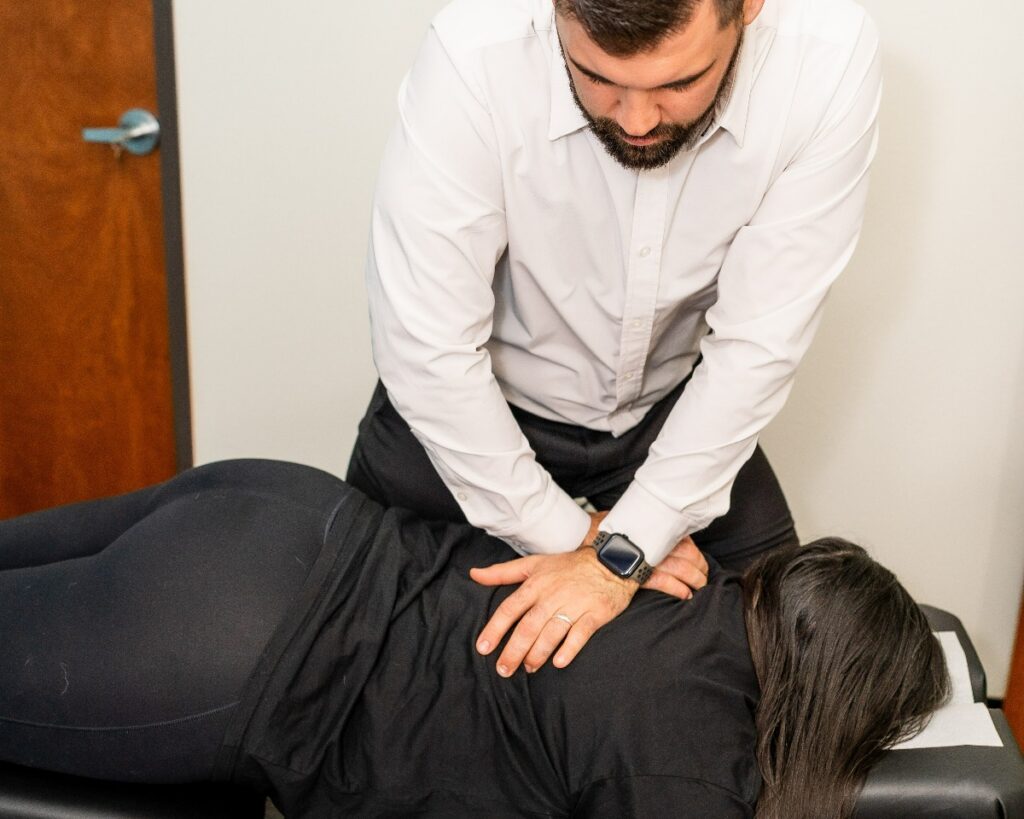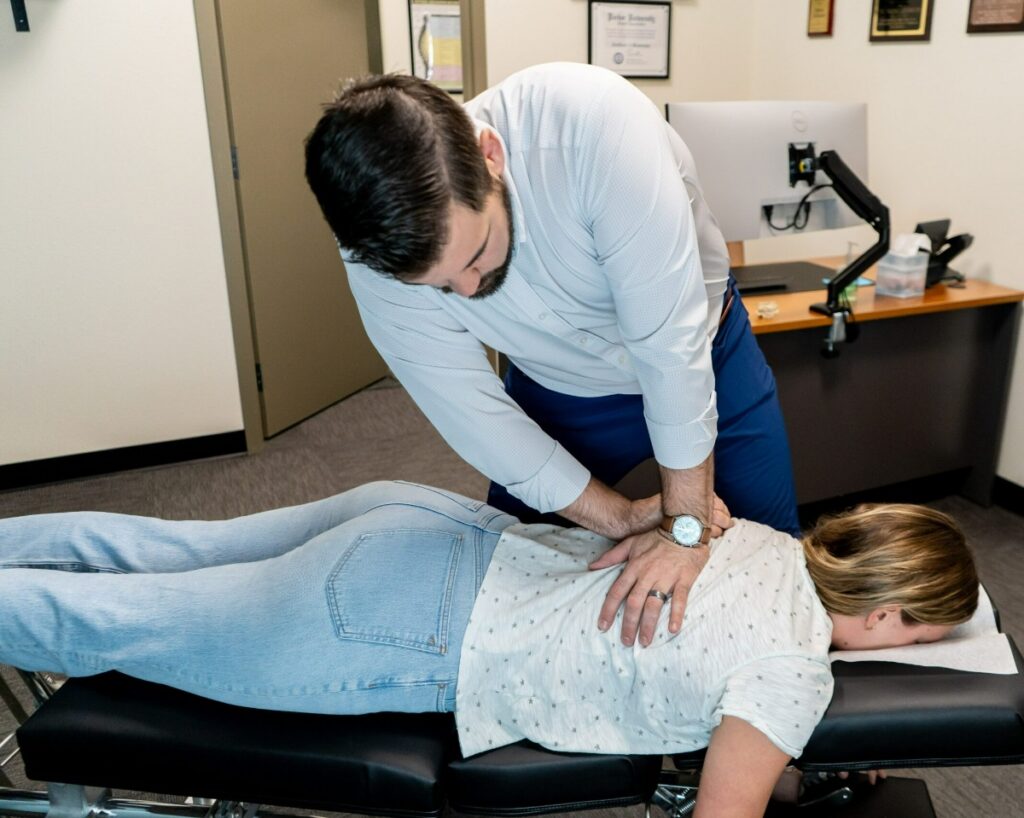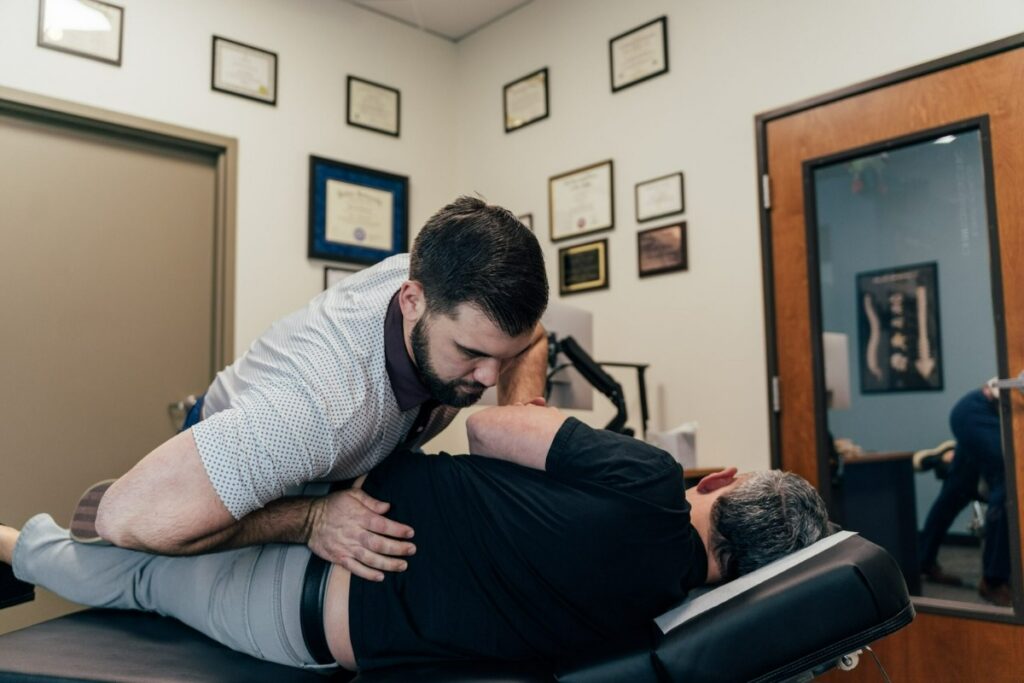

If you’ve ever dealt with tension-related head pain, you understand just how much it can disrupt your life. Fortunately, there are effective ways to alleviate this discomfort, and one of the best paths to relief is through chiropractic care. By addressing spinal health, you can not only reduce pain but also improve your overall well-being.
Chiropractic adjustments help align the spine, which can relieve tension in the muscles and nerves that contribute to headaches. This natural approach promotes healing without the need for medications or invasive treatments. In addition to regular chiropractic visits, there are several strategies you can incorporate into your daily routine to help manage and prevent tension-related head pain.
Here are a few simple tips:
- Practice Good Posture: Ensure your workstation is ergonomic. Keep your back straight and shoulders relaxed to minimize strain on your neck and spine.
- Stretch Regularly: Gentle neck and shoulder stretches can help release built-up tension. Try tilting your head to each side and holding for a few seconds to ease tightness.
- Stay Hydrated: Dehydration can contribute to headaches. Make sure you’re drinking enough water throughout the day.
- Incorporate Mindfulness Practices: Techniques such as deep breathing or meditation can reduce stress levels, which may help prevent tension build-up.
- Get Adequate Rest: Ensure you’re getting enough sleep each night. A well-rested body is less likely to experience tension headaches.
- Regular Chiropractic Care: Regular visits to your chiropractor can keep your spine in alignment, reducing the frequency and intensity of tension-related head pain.
By focusing on these natural strategies, you can take significant steps towards achieving optimal health and wellness. Remember, chiropractic care is a powerful tool in your journey to a pain-free life. If you’re struggling with tension-related head pain, don’t hesitate to reach out to your local chiropractor for personalized care and support. Together, we can work towards a healthier, happier you!
Key Takeaways
- Regularly practicing neck and shoulder stretches is essential for releasing muscle tightness that can lead to tension-related head pain. These simple stretches can help keep your muscles flexible and reduce discomfort.
- Maintaining good posture is crucial in preventing head pain. By aligning your head with your spine and keeping your shoulders relaxed, you can significantly reduce the strain on your neck and upper back, promoting better spinal health.
- If you spend long hours in front of screens, be sure to take frequent breaks. This can help prevent eye strain and muscle tension, both of which can contribute to headaches. A quick stretch or a short walk can do wonders for your overall well-being.
- Staying hydrated throughout the day is another key factor in preventing headaches. Dehydration can worsen symptoms, so make it a habit to drink plenty of water and keep your body well-hydrated.
- As a chiropractor, I recommend considering chiropractic care for spinal adjustments. These adjustments can relieve muscle tension, improve your overall wellness, and help you achieve optimal health naturally. By focusing on the root cause of your discomfort, chiropractic care offers a holistic approach to pain relief and wellness that can enhance your quality of life.
Understanding Tension-Related Head Pain
When you experience tension-related head pain, it often feels like a tight band is squeezing your head. This discomfort usually stems from muscle tension and stress, leading to a dull, aching sensation that can vary in intensity. You might notice it creeping in after a long day at work or during periods of anxiety. Unlike migraines, tension headaches don’t typically involve nausea or sensitivity to light, which makes them distinct.
You may also feel the pain radiating from your neck or shoulders, highlighting the close connection between muscle strain and headache. It’s essential to recognize this pain; it’s your body’s way of signaling that something isn’t right. Understanding the nature of tension headaches is the first step toward addressing them effectively.
Chiropractic care can be a powerful tool for managing and alleviating tension-related head pain. By focusing on spinal health, chiropractors can help relieve muscle tension and improve overall alignment, which may reduce the frequency and intensity of your headaches. Regular adjustments can restore proper function to the nervous system and promote relaxation throughout your body.
In addition to chiropractic care, consider incorporating some simple relaxation techniques into your daily routine. Deep breathing exercises, gentle stretching, and mindfulness practices can help reduce stress and tension. Maintaining good posture while working and taking regular breaks to move around can also make a significant difference.
Identifying Triggers and Causes
To effectively manage tension headaches, it’s essential to identify your specific triggers and causes, as this knowledge can significantly enhance your well-being. Many individuals find that lifestyle factors, such as stress and poor posture, play a crucial role in their pain levels. By becoming aware of these patterns, you can take proactive steps to alleviate their effects and find relief.
One of the best ways to address these issues is through chiropractic care. A chiropractor can help you improve your posture, which is vital since poor alignment can lead to increased tension in your neck and shoulders, resulting in headaches. Additionally, regular chiropractic adjustments can help reduce stress and promote overall spinal health, which is fundamental for optimal wellness.
Here are some simple tips to help manage tension headaches naturally:
- Maintain Good Posture: Be mindful of your posture, especially when sitting for long periods. Keep your back straight, shoulders relaxed, and your screen at eye level.
- Stay Hydrated: Dehydration can contribute to headaches, so ensure you’re drinking enough water throughout the day.
- Practice Relaxation Techniques: Incorporate stress-reducing activities into your routine, such as deep breathing exercises, yoga, or meditation.
- Limit Screen Time: Take breaks from screens to reduce eye strain, which can be a significant trigger for headaches.
- Schedule Regular Chiropractic Visits: Regular adjustments can help align your spine, reduce tension, and promote better overall health.
By focusing on these strategies and incorporating chiropractic care into your wellness routine, you can take significant steps toward reducing tension headaches and achieving a healthier, pain-free life.
Common Tension Triggers
Tension headaches can sometimes catch you off guard, but understanding common triggers is an essential step in managing and potentially preventing them. By identifying what sparks your headaches, you can take proactive measures to find relief. As a chiropractor, I believe that addressing the underlying causes of tension is crucial for achieving optimal health. Here are some common tension triggers to keep an eye on, along with tips on how chiropractic care can help:
- Stress: Work demands or personal challenges can heighten tension in your body. Chiropractic adjustments can help alleviate stress by improving spinal alignment, which promotes relaxation and better overall function.
- Poor Posture: Slouching at your desk or while using devices can lead to strain in your neck and shoulders. Regular chiropractic visits can help correct your posture and provide guidance on ergonomic practices to keep your spine healthy.
- Eye Strain: Spending long hours on screens without taking breaks can lead to discomfort and tension headaches. Remember to practice the 20-20-20 rule: every 20 minutes, take a 20-second break to look at something 20 feet away. Chiropractic care can also help by addressing any underlying neck tension that may contribute to eye strain.
- Dehydration: Not drinking enough water can lead to headaches and increased tension. Staying well-hydrated is essential for overall health. Along with hydration, chiropractic adjustments support your body’s natural healing processes, helping to reduce tension and promote wellness.
Lifestyle Factors Impacting Pain
Recognizing tension triggers is just the beginning of your journey to relief; the lifestyle choices you make daily play a crucial role in the pain you experience. By understanding how your habits can either contribute to or relieve tension headaches, you can take proactive steps toward better health. As a chiropractor, I want to share how adjustments in your lifestyle can enhance your well-being and work harmoniously with chiropractic care for optimal results.
Here’s a simple breakdown of common lifestyle influences on your pain:
| Factor | Impact on Pain |
|---|---|
| Poor Posture | Strains the neck and shoulders, leading to discomfort. Regular chiropractic adjustments can help correct posture and alleviate these strains. |
| Inadequate Sleep | Reduces your ability to cope with stress and recover from daily activities. Make sleep a priority and consider chiropractic care to help align your spine for better rest. |
| High Stress | Increases muscle tension throughout the body. Chiropractic adjustments can help reduce stress and promote relaxation, making it easier to manage daily pressures. |
| Dehydration | Can trigger headache symptoms. Staying hydrated is essential, and regular chiropractic visits can support overall health and wellness. |
Relaxation Techniques for Immediate Relief
Finding immediate relief from tension headaches is essential for maintaining overall wellness, and incorporating relaxation techniques can be a natural way to soothe both your mind and body. As a chiropractor, I encourage you to explore these simple yet effective methods that can help ease your discomfort and promote a healthier lifestyle:
- Deep Breathing: Start by closing your eyes and taking a deep breath in through your nose. Hold it for a moment, then gently release the air through your mouth. Repeat this process for a few minutes. Deep breathing helps to reduce tension, allowing your body to relax and restore balance.
- Progressive Muscle Relaxation: This technique involves tensing and then relaxing each muscle group in your body, starting from your toes and moving up to your head. By consciously relaxing each muscle, you can release built-up tension and promote a sense of well-being. This practice not only helps alleviate headaches but also enhances your overall body awareness.
- Visualization: Imagine a peaceful scene, such as a serene beach or a tranquil forest. Spend a few moments immersing yourself in this calming imagery. Visualization can help shift your focus away from pain, reducing stress and creating a more relaxed state of mind.
- Mindfulness Meditation: Take a moment to focus on the present, letting go of any distracting thoughts. Mindfulness can help bring clarity and calmness, making it easier to manage pain and tension. By practicing mindfulness regularly, you can enhance your overall mental and physical health.
In addition to these techniques, consider visiting your chiropractor regularly. Chiropractic care is an effective natural treatment for tension headaches and can help address the underlying causes of your discomfort.
Stretching Exercises to Alleviate Tension
To alleviate tension headaches, incorporating specific stretching exercises can significantly enhance your overall comfort and well-being. As a chiropractor, I often recommend focusing on neck stretches, shoulder relaxation exercises, and upper back stretches. These simple yet effective movements are designed to release tightness in the muscles, promoting relaxation and reducing headache symptoms.
By engaging in these stretches regularly, you can help improve your posture and spinal alignment, which are essential for preventing tension headaches in the first place. For instance, gently tilting your head to one side while extending the opposite arm can stretch the muscles in your neck effectively. Similarly, shoulder rolls can help release built-up tension in the shoulders and upper back.
Remember, proper spinal health plays a crucial role in your overall wellness. Incorporating chiropractic care into your routine not only aids in pain relief but also supports your body’s natural healing process. By addressing the root causes of tension headaches, chiropractic adjustments can help restore balance and promote a healthier lifestyle.
For those looking for quick relief, consider taking short breaks throughout your day to perform these stretches. Staying hydrated and maintaining good posture while working or using your phone can also make a significant difference. Embrace these natural methods, and you’ll be on your way to feeling more relaxed and enjoying a pain-free life.
Neck Stretch Techniques
While tension headaches can be quite uncomfortable, incorporating neck stretch techniques into your daily wellness routine can offer significant relief. As a chiropractor, I believe in the power of natural healing and the importance of maintaining a healthy spine to alleviate pain.
Regularly practicing these stretches can help reduce muscle tightness, improve blood flow, and promote overall neck health, which may ease your discomfort. Here are a few effective neck stretches to consider:
- Chin Tucks: This simple stretch helps align your spine. Gently tuck your chin towards your chest and hold for a few seconds before releasing. Repeat a few times to feel the benefits.
- Side Neck Stretch: To relieve tightness, tilt your head to one side, bringing your ear towards your shoulder. You can enhance the stretch by gently pressing down on your opposite shoulder with your hand. After a few seconds, switch sides.
- Neck Rotation: This stretch promotes mobility. Slowly turn your head to one side and hold for a few seconds. Then, gently rotate to the other side and hold. This can help relieve stiffness and improve range of motion.
- Forward Neck Stretch: While sitting or standing, lower your head forward, allowing your chin to approach your chest. You’ll feel a gentle stretch in the back of your neck, which can help alleviate tension.
Incorporating these stretches into your daily routine can be a simple yet effective way to manage tension headaches and enhance your overall well-being.
Shoulder Relaxation Exercises
Incorporating shoulder relaxation exercises into your daily routine can significantly help alleviate tension and discomfort often associated with tension headaches. As a chiropractor, I believe that addressing these issues naturally is key to achieving optimal health.
To start, find a comfortable position, whether sitting or standing. Raise your shoulders toward your ears, hold that position for a few seconds, and then let them drop back down. Repeat this movement five times to help release built-up tension.
Next, gently roll your shoulders in a circular motion. Begin by rolling them forward for about 30 seconds, then switch to rolling them backward for another 30 seconds. This not only helps to loosen tight muscles but also improves blood circulation, which is essential for reducing headache frequency and intensity.
For a deeper stretch, extend one arm across your body. Use your opposite hand to gently pull that arm closer to your chest. Hold this stretch for 15-30 seconds, then switch sides. This simple stretch can be a great way to relieve tightness that may be contributing to your discomfort.
Incorporating these exercises into your daily habit can offer significant relief. However, for long-term wellness, consider regular chiropractic care. Chiropractic adjustments can help align your spine and improve your overall posture, which plays a crucial role in reducing tension headaches.
Upper Back Stretches
As a chiropractor, I understand how debilitating tension headaches can be, and I often see patients who are seeking natural ways to find relief. One effective method is incorporating upper back stretches into your daily routine.
These stretches not only help release tightness but also improve your posture, which can significantly reduce the strain that contributes to headaches. Here are a few simple stretches you can easily try at home:
- Cat-Cow Stretch: This gentle movement involves alternating between arching and rounding your back. It helps to loosen up the spine and relieve tension in the upper back.
- Child’s Pose: Begin by kneeling and then stretch forward, allowing your arms to extend in front of you. This position helps elongate the spine and provides a soothing stretch for your back.
- Thoracic Extension: Sit or stand tall, clasp your hands behind your head, and gently arch your upper back. This stretch is particularly beneficial for counteracting the slouched posture many of us adopt during our daily activities.
- Seated Twist: While sitting, twist your torso to one side and hold the position for a few breaths. This helps to increase mobility in the upper back and relieve tension.
Incorporating these stretches into your daily routine can be a great way to complement your chiropractic care. Remember, regular chiropractic adjustments are crucial for maintaining spinal health and preventing headaches in the first place.
By combining these stretches with chiropractic treatment, you can work towards optimal health and natural wellness.
Always listen to your body and make these stretches a part of your wellness journey. You’ll likely notice a reduction in tension-related pain and an overall improvement in how you feel.
If you have any questions or need personalized advice, don’t hesitate to reach out to your chiropractor for guidance.
The Role of Good Posture
Good posture is essential for preventing tension headaches, as it ensures proper spinal alignment and reduces muscle strain. When you maintain good posture, your muscles function more efficiently, which helps alleviate tension in your neck and shoulders. This alignment is key in preventing the pressure that can lead to headaches.
To enhance your posture, remember to keep your shoulders back and relaxed, align your head with your spine, and keep your feet flat on the ground. If you spend a lot of time at a desk, it’s important to adjust your chair and computer screen to support this alignment throughout your day. Regularly checking in on your posture, especially during extended periods of sitting or standing, can make a significant difference.
As a chiropractor, I encourage you to consider the benefits of chiropractic care for maintaining good posture and overall wellness. Chiropractic adjustments can help correct misalignments in your spine, reduce tension, and promote a healthier, more comfortable lifestyle. By prioritizing your posture and seeking chiropractic support, you can achieve optimal health and well-being naturally.
Breathing Exercises to Reduce Stress
Even with proper posture, stress can still lead to tension headaches, which can be quite uncomfortable. As your local chiropractor, I want to emphasize how important it’s to manage stress not just for your overall well-being, but also for the health of your spine.
Incorporating breathing exercises into your daily routine can be a powerful way to relax and alleviate the tension that contributes to headaches, ultimately supporting your spinal health. Here are some effective breathing techniques you can easily try:
- Deep Belly Breathing: Sit comfortably and inhale deeply through your nose, allowing your belly to expand fully. Then, exhale slowly through your mouth. This helps calm your nervous system and promote relaxation.
- 4-7-8 Breathing: Inhale through your nose for 4 seconds, hold your breath for 7 seconds, and then exhale through your mouth for 8 seconds. This technique is great for calming your mind and reducing anxiety.
- Box Breathing: Inhale for 4 seconds, hold for 4 seconds, exhale for 4 seconds, and pause for 4 seconds before repeating. This rhythmic pattern can help create a sense of balance and focus.
- Alternate Nostril Breathing: Gently close one nostril with your finger, inhale through the other, switch nostrils, and exhale. This technique can help balance your energy and promote a sense of calm.
Whenever you feel stress creeping in, try these exercises. They not only help with relaxation but also complement the benefits of chiropractic care by promoting better posture and spinal alignment.
Remember that stress management is an integral part of achieving optimal health. By focusing on natural techniques like breathing exercises and chiropractic adjustments, you can find relief and enhance your overall well-being.
Lifestyle Changes for Long-Term Relief
To achieve long-term relief from tension headaches, it’s essential to focus on lifestyle changes that promote spinal health and overall wellness. Incorporating stress management techniques and a regular exercise routine can make a significant difference. Not only can these habits reduce the frequency of headaches, but they also enhance your overall well-being.
As a chiropractor, I emphasize the importance of maintaining a healthy spine, as it plays a crucial role in how our bodies function. Regular adjustments can help align your spine, alleviate tension, and promote better nerve function, which can lead to fewer headaches.
Here are some simple tips to incorporate into your daily routine:
- Stay Active: Engage in regular physical activity, such as walking, yoga, or swimming. These exercises can help reduce stress and tension in your body.
- Practice Relaxation Techniques: Techniques such as deep breathing, meditation, or gentle stretches can help ease stress and tension, leading to fewer headaches.
- Maintain Good Posture: Pay attention to your posture, especially if you spend long hours at a desk. Proper alignment can help prevent tension buildup in your neck and shoulders.
- Stay Hydrated: Drink plenty of water throughout the day. Dehydration can contribute to headaches, so keeping hydrated is essential.
- Get Enough Sleep: Prioritize restful sleep each night. A well-rested body is better equipped to handle stress and reduce headache occurrences.
- Regular Chiropractic Care: Consider regular visits to your chiropractor. Chiropractic adjustments can help keep your spine in alignment, which may alleviate tension headaches and improve your overall health.
Stress Management Techniques
Incorporating stress management techniques into your daily routine can significantly alleviate the frequency and intensity of tension headaches, which can often stem from misalignments in the spine. As a chiropractor, I want to share effective strategies that not only help manage stress but also complement chiropractic care for achieving optimal health and wellness. Here are some practical tips:
- Mindfulness Meditation: Allocate a few minutes each day to sit comfortably, focus on your breath, and let your mind settle. This practice can help reduce tension in your body and promote a sense of calm.
- Deep Breathing Exercises: Engage in deep breathing by inhaling through your nose, holding for a few seconds, and exhaling slowly through your mouth. This technique can help release tension from your muscles, including those in your neck and back.
- Time Management: Organize your tasks by prioritizing them and breaking them into smaller, manageable steps. This can prevent feelings of overwhelm, allowing you to maintain a more relaxed state, which is beneficial for your spine and overall health.
- Social Support: Reach out to friends or family to share your feelings and experiences. Connecting with others can lighten your emotional burden and promote a supportive network, which is essential for mental and physical well-being.
Regular Exercise Routine
Regularly engaging in an exercise routine can be a game changer for managing tension headaches and promoting overall wellness, especially when combined with chiropractic care. As a chiropractor, I emphasize the importance of a holistic approach to health, and exercise plays a vital role in that equation. When you prioritize physical activity, not only do you enhance your mood, but you also significantly reduce stress levels – key triggers for tension headaches.
Aim for at least 30 minutes of moderate exercise most days. This can include activities like brisk walking, cycling, or even gentle yoga. These exercises help improve blood circulation and naturally release endorphins, which can act as effective pain relievers. However, it’s essential to listen to your body. Choose exercises that you enjoy and that feel good for your spine and overall well-being to keep yourself motivated.
Incorporating regular exercise into your lifestyle, alongside chiropractic adjustments, can build resilience against headaches and foster a healthier, more balanced life. Remember, chiropractic care focuses on aligning your spine and optimizing your nervous system, which can enhance your body’s ability to heal itself and respond to exercise more effectively.
The Benefits of Regular Physical Activity
Engaging in regular physical activity can significantly help reduce the occurrence and severity of tension headaches. When you keep your body active, it releases endorphins—natural pain relievers that can alleviate discomfort. Plus, exercise is known to boost your mood and lower stress levels, which are common triggers for tension headaches.
Here are some specific benefits of incorporating physical activity into your routine, especially when combined with chiropractic care:
- Increased Blood Flow: Regular exercise enhances circulation, delivering more oxygen and nutrients to your brain, which is essential for overall health.
- Tension Relief: Physical activity helps relax tight muscles in your neck and shoulders. However, for lasting relief, consider visiting your chiropractor, who can provide targeted adjustments to ease tension and promote better alignment.
- Better Sleep: Staying active can improve the quality of your sleep, leading to a reduction in headache occurrences. A well-rested body is better equipped to handle stress.
- Improved Posture: Strengthening your core and back muscles through exercise can help alleviate strain that contributes to headaches. A chiropractor can also give you personalized exercises to improve your posture and support spinal health.
In addition to regular physical activity, here are a few tips for managing tension headaches:
- Stay Hydrated: Drink plenty of water throughout the day to avoid dehydration, which can trigger headaches.
- Mind Your Posture: Be conscious of your posture, especially if you spend long hours at a desk. Try to take breaks and stretch every so often.
- Incorporate Relaxation Techniques: Practices such as yoga or deep breathing can complement your exercise routine and help reduce stress.
- Consult with a Chiropractor: If you experience frequent tension headaches, consider scheduling a visit with a chiropractor who can assess your spinal alignment and provide care tailored to your needs.
Incorporating Mindfulness and Meditation
In addition to maintaining regular chiropractic care, incorporating mindfulness and meditation into your daily routine can significantly help you manage tension headaches. These practices encourage you to stay present, which can lower stress and anxiety—two common triggers for headaches.
Start by dedicating just a few minutes each day to sit in a quiet space and focus on your breathing. As you inhale, notice how your body feels, and with each exhale, consciously let go of any tension you might be holding. Picture a serene scene that brings you peace; this can help divert your mind from discomfort.
Many find guided meditation apps to be a great way to establish a consistent practice. Regular mindfulness can enhance your emotional resilience, making it easier for you to handle the stressors that lead to headaches.
Additionally, try to incorporate mindfulness into everyday activities such as eating or walking; this can boost your overall awareness and promote relaxation.
Remember, while mindfulness and meditation are beneficial, they work best in conjunction with the chiropractic care you receive. By addressing the root causes of tension through chiropractic adjustments, you’ll be on a path to not only alleviate headache pain but also achieve optimal health and wellness naturally.
Over time, blending these practices can be a powerful way to enhance your overall well-being and manage tension-related head pain effectively.
When to Seek Professional Help
While many tension headaches can be managed with self-care strategies, there are times when it’s essential to seek professional help, especially from a chiropractor. If you’re experiencing any of the following signs, don’t hesitate to consult with a chiropractor:
- Frequent headaches that occur more than twice a week
- Intense pain that interferes with your daily activities
- Symptoms that continue to worsen despite your home remedies
- New headaches that begin after age 50
Recognizing these signs is crucial for preventing further complications. A chiropractor can work with you to identify the underlying causes of your headaches, often related to spinal health, posture, or muscle tension, and recommend natural, drug-free treatment options.
This may include spinal adjustments, which can alleviate tension and improve overall function, or guidance on exercises and lifestyle adjustments that promote better health.
Don’t ignore your body’s signals—seeking help early can lead to effective management of your headaches and enhance your overall wellness. Remember, prioritizing your health through chiropractic care is a proactive step toward a pain-free life and improved quality of living.
Embrace natural healing and consider chiropractic as your first choice for achieving optimal health.
Conclusion
Incorporating chiropractic care into your daily routine can significantly alleviate tension-related head pain. By identifying your pain triggers, practicing relaxation techniques, and maintaining proper posture, you can experience immediate relief while promoting long-term wellness. Regular chiropractic adjustments not only help realign your spine but also enhance your overall health, making it a powerful tool in your wellness journey.
Don’t forget to stay active and consider mindfulness practices, as these can further improve your well-being. Remember, if your head pain persists or worsens, it’s essential to consult with a chiropractor who can assess your situation and provide tailored solutions. Take control of your health today by embracing chiropractic care for a happier, pain-free life!