
Have you ever dealt with a headache? You might be surprised to learn that your spinal alignment plays a significant role in that discomfort. When your spine is misaligned, it can create tension in your neck and shoulders, which often worsens headache symptoms. Understanding this vital connection is essential for finding natural and effective relief.
So, how can you enhance your spinal health and potentially alleviate those persistent headaches? Here are some simple tips to consider:
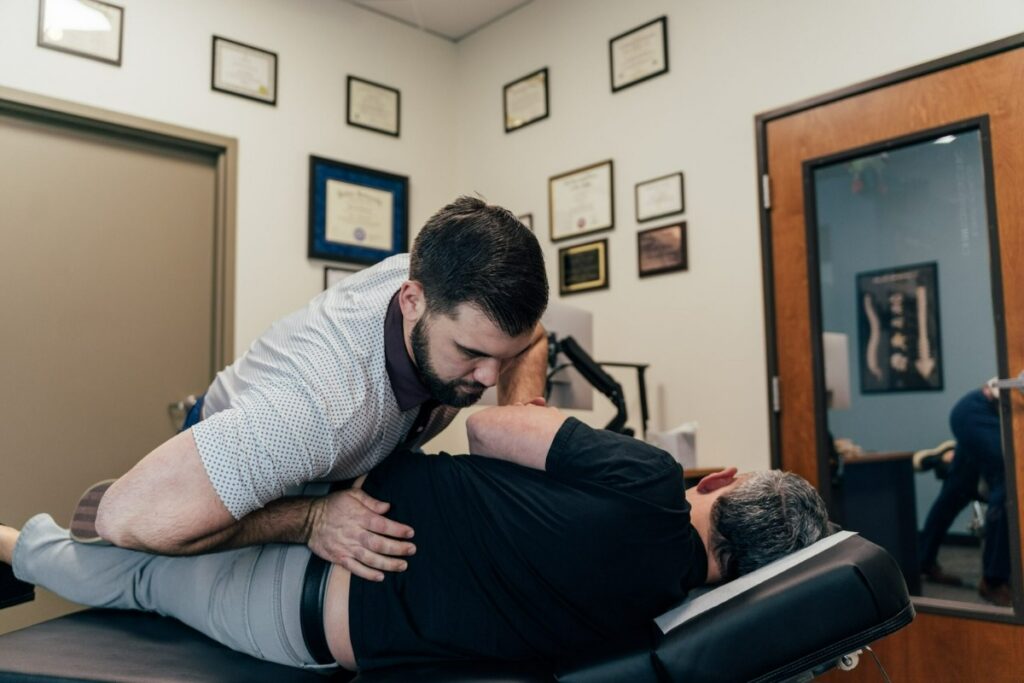
- Regular Chiropractic Care: Visiting a chiropractor can help correct spinal misalignments, reducing tension and improving overall well-being. Regular adjustments can keep your spine in optimal shape and might just be the key to headache relief.
- Maintain Good Posture: Being mindful of your posture, especially when sitting for long periods, can prevent strain on your spine. Make sure to sit up straight, keep your shoulders back, and take breaks to stretch.
- Stay Hydrated: Dehydration can lead to headaches, so ensure you’re drinking plenty of water throughout the day. Proper hydration supports spinal health and overall bodily function.
- Incorporate Stretching: Gentle neck and shoulder stretches can relieve tension and promote better spinal alignment. Consider adding some simple stretches to your daily routine, especially if you sit for long hours.
- Manage Stress: Stress can contribute to muscle tension, leading to headaches. Techniques like deep breathing, meditation, or yoga can help keep stress levels in check and support a healthy spine.
By prioritizing your spinal health through chiropractic care and these simple lifestyle adjustments, you may find significant relief from headaches and improve your overall wellness. Remember, a healthy spine is key to a pain-free life!
Key Takeaways
Spinal alignment plays a crucial role in headache management, and as a chiropractor, I want to share how maintaining a healthy spine can lead to a more comfortable life. When your spine is properly aligned, it helps reduce muscle tension, a common culprit behind headaches. This not only enhances your overall comfort but also improves your body’s function.
On the flip side, misalignments in your spine can irritate nerves, which may result in pain that shows up as headaches. This is where regular chiropractic adjustments come in. These gentle, targeted adjustments help keep your spine aligned, leading to fewer headaches and less intense pain when they do occur.
Moreover, good spinal alignment improves blood flow to your brain, which can be a game-changer in alleviating headache symptoms. It’s amazing how something as simple as proper alignment can have such a profound effect on your health!
To further support your spinal health and prevent headaches, it’s important to be aware of your posture and incorporate ergonomic practices into your daily routine. Simple tips like sitting up straight, using supportive chairs, and taking breaks to stretch can make a big difference.
Remember, chiropractic care is a natural and effective way to achieve optimal health. By focusing on your spinal health, you can take proactive steps toward headache relief and overall wellness. If you’re experiencing headaches, consider scheduling a visit to your chiropractor to explore how spinal adjustments can help you feel your best.
Understanding Headaches: Types and Triggers
When you experience a headache, understanding the different types and their triggers can be essential for effective management—especially when considering the benefits of chiropractic care.
Tension headaches are the most common type and often arise from stress, poor posture, or muscle tension in the neck and shoulders. If you feel a dull, aching pain wrapping around your head, it may be time to assess your posture and consider how chiropractic adjustments can help relieve that tension and promote better alignment.
Migraines, on the other hand, can be more intense and are frequently accompanied by symptoms such as nausea and sensitivity to light or sound. Common triggers for migraines include certain foods, hormonal changes, or lack of sleep. Chiropractic care can play a significant role in managing these triggers by promoting relaxation, improving spinal alignment, and enhancing overall body function.
Cluster headaches, while less common, occur in cyclical patterns and can lead to severe pain around one eye. Identifying your specific triggers is vital, and chiropractic care can help by addressing spinal misalignments that may contribute to headache frequency and intensity.
To manage headaches more effectively, consider keeping a headache diary. Track when they occur and note any potential triggers. This information can be valuable when discussing your symptoms with your chiropractor, who can develop a tailored approach to alleviate and prevent future headaches naturally.
In addition to chiropractic adjustments, there are several tips you can incorporate into your daily routine to enhance your wellness and reduce headache occurrences:
- Maintain good posture—whether sitting, standing, or sleeping—to reduce muscle strain.
- Stay hydrated; dehydration can contribute to headache pain.
- Practice stress-relief techniques such as deep breathing, meditation, or gentle stretching.
- Ensure you’re getting adequate sleep each night to help your body recover.
Understanding your headaches is the first step toward finding relief, and chiropractic care can be a powerful ally in your journey to optimal health and wellness.
The Role of Spinal Alignment in Headache Development
Your spinal alignment is crucial when it comes to headaches, as misalignments can lead to discomfort and pain. By paying attention to your posture and ensuring your spine is properly aligned, you can take proactive steps to prevent those pesky headaches from occurring.
As a chiropractor, I want to emphasize the importance of maintaining good spinal health. Regular chiropractic adjustments can help keep your spine aligned, reducing the frequency and intensity of headaches.
Not only does chiropractic care provide effective pain relief, but it also promotes overall wellness by addressing the root cause of your discomfort rather than just masking the symptoms.
Here are some simple tips you can incorporate into your daily routine to support your spinal health and reduce headache occurrences:
- Mind Your Posture: Whether you’re sitting at a desk or standing, keep your shoulders back and your head aligned over your spine. This helps reduce unnecessary strain on your neck.
- Take Breaks: If you spend long hours at a computer or doing repetitive tasks, make sure to take regular breaks. Stand up, stretch, and move around to relieve tension.
- Stay Hydrated: Dehydration can contribute to headaches, so make sure you’re drinking enough water throughout the day.
- Get Adjusted: Regular chiropractic visits can help maintain your spinal alignment, prevent headaches, and promote a healthier lifestyle.
Misalignment and Headache Triggers
When it comes to headache triggers, many people may not immediately think of spinal alignment, but it plays a crucial role in your overall wellness. Misalignment in your spine can lead to tension in your neck and upper back, which often results in discomfort and headaches.
Here’s what you should know about how spinal health can impact headaches:
- Blood Flow: Poor spinal alignment can limit blood flow to the brain, which is essential for proper function and comfort.
- Nerve Health: Misaligned vertebrae can irritate surrounding nerves, leading to pain that often feels like a headache.
- Muscle Tension: Imbalances in your spine can cause muscles to tighten, contributing to overall discomfort and headache pain.
- Referred Pain: Strain on the spine can result in referred pain that manifests in your head, making headaches more likely.
By understanding the connection between spinal alignment and headaches, you can take proactive steps towards managing your pain naturally. Chiropractic care is an excellent choice for addressing these issues, as it focuses on restoring proper alignment to relieve tension and improve overall health.
Here are some tips you can incorporate into your daily routine to support spinal health and reduce headache triggers:
- Posture Check: Pay attention to your posture, especially when sitting for long periods. Ensure your back is straight and shoulders are relaxed.
- Regular Movement: Take breaks to stretch and move around, especially if you work at a desk. This can help reduce tension in your neck and back.
- Stay Hydrated: Drink plenty of water to keep your body hydrated, which can help prevent headaches.
- Chiropractic Adjustments: Regular visits to your chiropractor can help maintain proper spinal alignment and relieve pain naturally.
Importance of Posture Awareness
Improper posture can significantly disrupt your spinal alignment, which may lead to the onset of headaches. When you slouch or lean your head forward, it places extra strain on your neck and upper back, creating tension that can trigger headaches. As a chiropractor, I can’t overstate the importance of being mindful of your posture for maintaining spinal health.
Simple adjustments can make a big difference. Try sitting up straight with your shoulders relaxed, and make a habit of checking in with your posture throughout the day. This awareness can help prevent misalignment and discomfort. Strengthening your core and neck muscles is also beneficial, as these muscles support your spine and promote good posture.
Incorporating chiropractic care into your wellness routine can provide you with the tools to maintain proper alignment and prevent issues like headaches. Regular chiropractic adjustments can help enhance your posture, alleviate tension, and improve your overall well-being. By prioritizing posture awareness and seeking chiropractic care, you’re taking a proactive step towards reducing headache risk and achieving optimal health naturally.
How Poor Posture Contributes to Head Pain
How Poor Posture Contributes to Head Pain and the Role of Chiropractic Care
As a chiropractor, I often see how poor posture can lead to a variety of health issues, including headaches. When you slouch or hunch over for extended periods, it places unnecessary strain on your neck and spine, which can trigger tension headaches. This strain can lead to tight muscles and imbalances that not only cause discomfort but also contribute to chronic head pain. By neglecting your posture, you’re essentially paving the way for headaches that can disrupt your daily life.
Here are a few ways poor posture can impact your health:
- Tight neck and shoulder muscles: Spending long hours sitting with poor posture can cause these muscles to become tense and fatigued.
- Increased pressure on spinal discs and nerves: Misalignment can put extra pressure on the discs and nerves in your spine, leading to pain and discomfort.
- Reduced blood flow and oxygen to the brain: Poor posture can restrict blood flow, which may lead to headaches and decreased cognitive function.
- Strain on supporting muscles: The muscles that support your head can become overworked and strained due to improper alignment.
Addressing your posture is vital, not just for looking good, but also for preventing headaches and enhancing your overall well-being. Chiropractic care is a natural and effective way to correct posture and relieve the tension that causes headaches. With gentle adjustments, we can help realign your spine, reduce muscle tightness, and improve your body’s function.
Here are some simple tips you can incorporate into your daily routine to help improve your posture and reduce the risk of headaches:
- Be Mindful of Your Sitting Position: Keep your back straight and shoulders relaxed while sitting. Your feet should be flat on the ground, and your knees should be at a right angle.
- Take Regular Breaks: If you sit for long periods, make sure to stand up, stretch, and move around every 30-60 minutes to relieve tension.
- Strengthen Core Muscles: Engaging in exercises that strengthen your core can provide better support for your spine and improve your posture over time.
- Use Ergonomic Furniture: Invest in an ergonomic chair and desk setup to support proper alignment while working.
- Practice Good Sleep Posture: Choose a supportive pillow and mattress that help maintain the natural curve of your spine while you sleep.
Remember, good posture plays a crucial role in headache management and your overall health. If you’re struggling with headaches, consider visiting a chiropractor. Together, we can develop a personalized plan to improve your posture and promote your natural healing.
Don’t underestimate the power of chiropractic care in achieving optimal health!
Chiropractic Care: A Pathway to Relief
Chiropractic care is an excellent pathway to relief for those struggling with headaches, especially when caused by poor posture. By correcting spinal misalignments, chiropractors can help restore proper function to your nervous system, alleviating tension in the neck and shoulders. This realignment not only helps reduce headache pain but also promotes overall wellness.
During your chiropractic visits, I’ll evaluate your posture and spinal alignment, crafting a personalized treatment plan that suits your unique needs. Techniques like spinal adjustments and soft tissue therapy can improve circulation, support healing, and boost your overall health. As your spinal alignment enhances, many patients report a noticeable decrease in both the frequency and intensity of their headaches.
Moreover, I emphasize the importance of posture correction and ergonomic adjustments to help prevent future headaches. Simple changes, like being mindful of your sitting posture, using supportive chairs, and taking regular breaks from screens, can make a significant difference in your daily comfort.
Exercises to Improve Spinal Alignment and Reduce Headaches
To enhance your overall well-being and complement the benefits of chiropractic care, incorporating specific exercises into your routine can significantly improve your spinal alignment and help reduce headaches. Engaging in these targeted movements not only strengthens your muscles but also promotes better posture, which is key to alleviating headache triggers. Here are some simple exercises that you can easily integrate into your daily life:
- Chin Tucks: This exercise helps strengthen the muscles in your neck and improve alignment. To perform a chin tuck, gently pull your chin back towards your neck while keeping your shoulders relaxed. Hold for a few seconds and repeat several times.
- Cat-Cow Stretch: This dynamic stretch enhances flexibility and relieves tension in the spine. Start on your hands and knees. Inhale as you arch your back (Cat), and exhale as you round your spine (Cow). Repeat this flow to help release tightness and promote spinal health.
- Wall Angels: This exercise opens up your shoulders and encourages better posture. Stand with your back against a wall, and raise your arms to form a “W” shape, then slide them up to form a “Y”. Keep your back and arms in contact with the wall to maximize the benefits.
- Bridges: Strengthening your lower back and core is essential for supporting spinal alignment. Lie on your back with your knees bent and feet flat on the ground. Lift your hips towards the ceiling, holding for a few seconds before lowering back down. This will help build strength in your lower body and support your spine.
Incorporating these exercises into your routine can complement the effective care you receive from chiropractic treatments. Remember, the goal of chiropractic isn’t just to relieve pain but to support your journey towards optimal health through natural methods.
Lifestyle Changes for Better Spinal Health and Headache Prevention
Making simple lifestyle changes can greatly improve your spinal health and help reduce headaches. One of the first steps you can take is to be mindful of your posture, whether you’re working at a desk or moving around. Consider using ergonomically designed furniture that offers proper support for your spine. This makes a big difference in how your back feels throughout the day.
Engaging in regular physical activity is also very beneficial. Activities like walking, yoga, or even gentle stretching can help strengthen your core muscles and increase your flexibility. A strong core supports your spine and can prevent pain and discomfort.
Don’t underestimate the power of nutrition for your overall well-being. Staying hydrated and eating a balanced diet filled with anti-inflammatory foods can help alleviate tension and discomfort. It’s also wise to take regular breaks from screens to avoid straining your neck and shoulders.
Prioritizing sleep is essential too. A supportive mattress and pillow can make a world of difference in helping you wake up refreshed. Establishing a calming bedtime routine can enhance the quality of your sleep, allowing your body to restore itself overnight.
Lastly, managing stress is crucial since it can contribute significantly to headaches and other discomforts. Mindfulness practices, deep breathing exercises, or relaxation techniques can be great tools to help you unwind.
Incorporating these changes into your daily life not only promotes better spinal health but also leads to fewer headaches. And remember, regular visits to your chiropractor can further support your journey to optimal health by ensuring your spine stays aligned and functioning properly. Embrace these natural approaches for a healthier, pain-free lifestyle!
Conclusion
Maintaining good spinal alignment is vital for effectively managing headaches. As a chiropractor, I can tell you that proper posture, regular chiropractic care, and simple strengthening exercises can significantly lessen the frequency and intensity of headaches.
Here are some easy tips to help you support your spinal health every day:
- Mind Your Posture: Whether you’re sitting at a desk or standing, keep your shoulders back and your head aligned over your spine. Consider using ergonomic chairs and adjusting your workspace to promote better posture.
- Stay Active: Incorporate gentle exercises like stretching or yoga into your routine. These can strengthen your back and neck muscles, which helps keep your spine aligned.
- Hydration is Key: Drinking enough water throughout the day can help maintain spinal health. Dehydration can lead to tension headaches, so make it a habit to sip water regularly.
- Manage Stress: Stress can contribute to headaches, so find ways to unwind. Deep breathing, meditation, or even a short walk can help reduce stress levels.
- Chiropractic Care: Regular visits to your chiropractor can help keep your spine in alignment and relieve headache pain. We focus on natural healing methods to address the root cause of your discomfort.
Remember, small adjustments in your daily routine can lead to significant improvements in how you feel. Take charge of your health today and enjoy the relief that comes from maintaining a well-aligned spine!