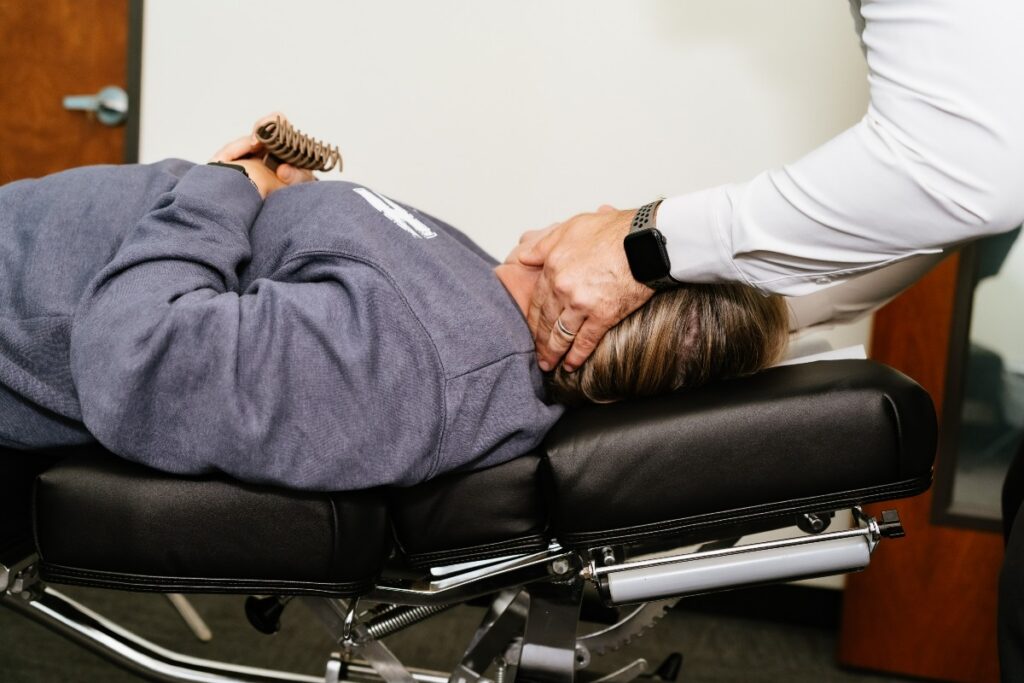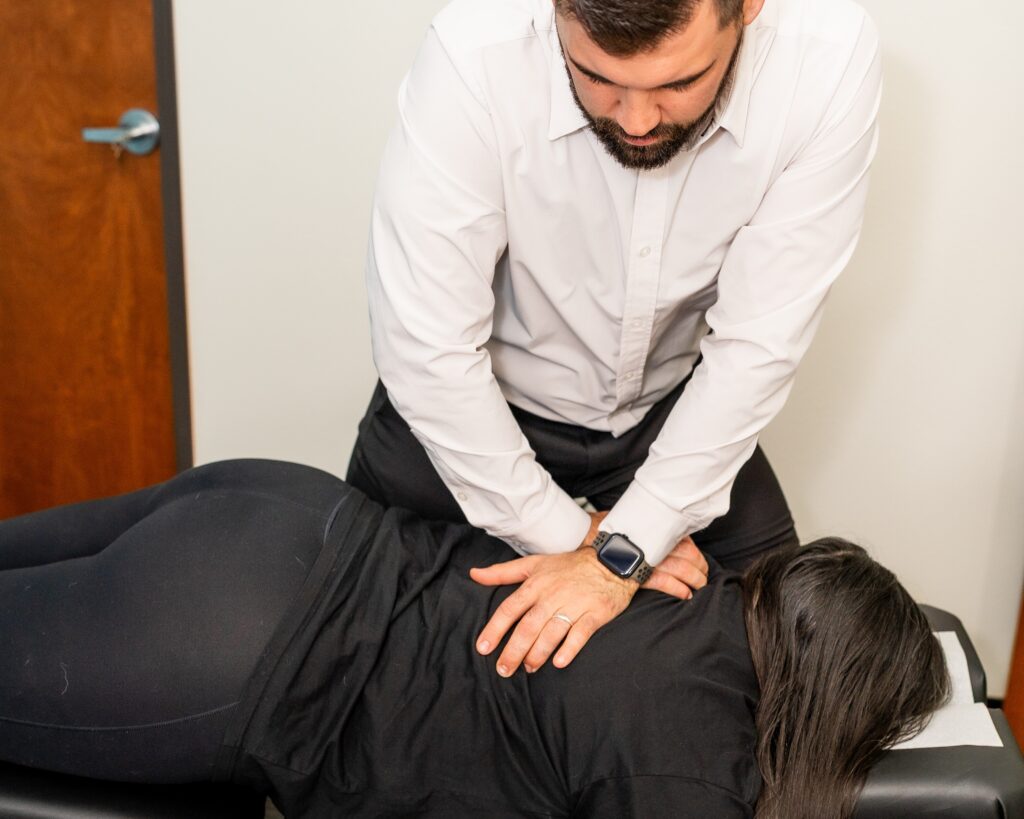

As a local chiropractor, I see many patients who are struggling with neck discomfort, and you’re certainly not alone in this. With the rise of prolonged screen time in our daily lives, tension in the neck area has become increasingly common. The good news is that there are simple home exercises you can incorporate into your routine to help alleviate this discomfort.
By integrating specific stretches and strengthening movements, you can not only promote relaxation but also improve your overall neck health. If you’re curious about which exercises can specifically make a difference and how to seamlessly fit them into your day-to-day activities, I’m here to guide you through some effective options that can help you feel better and enhance your well-being naturally.
Understanding Neck Discomfort
As a local chiropractor, I want to shed light on something you may not often consider: your neck. Discomfort in this area can significantly impact your daily life, and understanding its causes is crucial for finding relief. Many people experience neck pain due to poor posture, muscle strain, or even emotional stress.
For example, if you find yourself spending long hours hunched over a computer, you may notice stiffness when turning your head or a persistent ache that distracts you from your daily activities. This is often a result of tension in your neck muscles, which can lead to headaches and limit your range of motion.
Additionally, emotional stress can further exacerbate this muscle tension, contributing to your discomfort.
By recognizing how your daily habits influence your neck health, you can start to make positive changes. Simple adjustments to your posture or incorporating regular breaks during work can make a significant difference.
As your chiropractor, I encourage you to be aware of these factors, as this awareness is the first step toward effective solutions for your neck discomfort.
Through chiropractic care, we can work together to restore balance and alleviate your symptoms naturally. Let’s explore how we can improve your neck health and overall well-being.
The Importance of Stretching
As a local chiropractor, I want to emphasize the vital role that stretching plays in maintaining neck health, especially if you’re experiencing discomfort. Stretching isn’t just about flexibility; it significantly enhances your range of motion, making daily activities much easier and more enjoyable.
When you engage in stretching, you’re promoting increased blood flow to your muscles, which can accelerate recovery and alleviate tension. This is particularly important if you find yourself spending long hours at a desk or frequently looking down at your phone.
Incorporating stretching into your daily routine can also be a proactive step towards preventing future issues. By strengthening the muscles surrounding your neck, you may notice a reduction in tension and stiffness, leading to improved posture and a greater sense of overall well-being.
If you’re new to chiropractic care, consider integrating these simple stretches into your life—your neck will thank you!
Basic Neck Stretches
As a chiropractor, I often see patients who struggle with neck discomfort, and I want to share some insights on how basic neck stretches can help alleviate this issue naturally.
Incorporating gentle side stretches into your routine can effectively loosen tight muscles that contribute to discomfort. Following that, practicing forward neck flexion can significantly enhance your flexibility.
These simple yet effective movements can lead to greater comfort and relaxation, supporting your overall well-being.
Gentle Side Stretches
As a local chiropractor, I often see patients struggling with neck discomfort, especially after spending long hours sitting or staring at screens. One simple yet effective way to alleviate this tension is through gentle side stretches.
To perform these stretches, you can either sit or stand comfortably with your back straight. Begin by slowly tilting your head to one side, bringing your ear toward your shoulder. Hold this position for 15-30 seconds, and you should feel a gentle stretch along the opposite side of your neck.
Afterward, return your head to the center and repeat the stretch on the other side. For an added benefit, you can gently apply pressure with your hand to enhance the stretch. Throughout this exercise, remember to breathe deeply and keep your shoulders relaxed.
Incorporating these gentle side stretches into your daily routine can significantly help alleviate tension and improve the flexibility of your neck. I encourage my patients to perform these stretches a few times a day, as they can be a great way to support natural healing and enhance overall well-being.
Forward Neck Flexion
As a local chiropractor, I want to share a simple yet effective stretch that can help relieve neck discomfort—forward neck flexion. This is particularly beneficial for those of you who may not be familiar with chiropractic care or natural healing methods.
To perform this stretch, find a comfortable chair and sit with your back straight. Gently lower your chin towards your chest. You should feel a pleasant stretch along the back of your neck. Hold this position for 15 to 30 seconds while taking deep breaths to enhance relaxation.
For an added benefit, you can place your hands on the back of your head and apply gentle pressure to deepen the stretch. It’s important to keep your shoulders relaxed and to avoid any sudden or jerky movements during this exercise.
I recommend repeating this stretch three to five times, ensuring that you listen to your body and don’t push yourself too hard. Incorporating forward neck flexion into your daily routine can significantly alleviate tension and improve flexibility in your neck, making it a valuable addition to your self-care practices.
Strengthening Exercises for Neck Support
As your local chiropractor, I want to emphasize the importance of strengthening exercises for enhancing neck support. Many patients are unaware that incorporating specific exercises can significantly improve stability and alleviate discomfort in the neck area.
Two particularly effective methods are neck isometric exercises and shoulder blade retraction. By practicing these simple movements regularly, you can promote better posture and reduce strain on your neck throughout your daily activities.
It’s essential to take proactive steps in caring for your neck, and I’m here to guide you on how these exercises can fit into your routine for optimal health and well-being. Let’s work together to strengthen your neck and improve your overall quality of life!
Neck Isometric Exercises
As your local chiropractor, I want to help you find relief from neck discomfort through natural and effective methods. One approach I recommend is incorporating isometric exercises, which can significantly strengthen the muscles that support your neck.
These exercises are unique because they engage your neck muscles without requiring any movement of your head, making them both safe and effective for all fitness levels. Let’s explore how to get started:
- Forward Resistance: Begin by placing your palms on your forehead. Gently push your forehead against your palms while keeping your head still. Hold this position for 5-10 seconds, then relax. This exercise helps strengthen the muscles at the front of your neck.
- Backward Resistance: For this exercise, place your hands at the back of your head. Push your head backward against your hands, creating resistance. Hold for 5-10 seconds before relaxing. This movement targets the muscles at the back of your neck.
- Side Resistance: To work the sides of your neck, press your head against your hand on each side. Hold for 5-10 seconds on each side. This will help enhance stability and strength in your neck.
By incorporating these simple isometric exercises into your daily routine, you can help alleviate neck discomfort and build strength over time.
If you have any questions or need further guidance, feel free to reach out during your next visit. Your journey to better neck health starts here!
Shoulder Blade Retraction
As a local chiropractor, I want to emphasize the importance of not just focusing on neck exercises, but also on strengthening your shoulder blades. This is vital for providing comprehensive support to your neck and overall spinal health.
One effective technique I recommend is shoulder blade retraction, which not only enhances your posture but also alleviates strain on your neck muscles.
To perform this exercise, find a comfortable position—either sitting or standing—with your back straight. Gently pull your shoulder blades back and together, as if you’re trying to pinch a pencil between them. Hold this position for five seconds, then relax. Aim to repeat this movement 10 to 15 times.
For those looking to increase the intensity, incorporating resistance bands can be a great option.
By strengthening your shoulder blades, you may notice a significant reduction in neck discomfort and an overall improvement in your posture. Incorporating this simple yet effective exercise into your daily routine can play a crucial role in your journey toward better health and wellness.
The Role of Posture in Neck Pain
As a local chiropractor, I want to emphasize the vital role that good posture plays in preventing and alleviating neck pain. Proper posture is essential for maintaining the natural alignment of your spine, which can significantly impact your overall health.
Many of you may not realize that slouching or hunching over can put unnecessary strain on your neck muscles, leading to discomfort and tension. Here are three important aspects of posture that I encourage you to consider:
- Head Position: It’s crucial to keep your head aligned directly over your shoulders. Avoid jutting your head forward, as this can place additional strain on your neck. Imagine a string gently pulling the crown of your head towards the ceiling—this visual can help you maintain proper alignment.
- Shoulder Alignment: Ensure that your shoulders are relaxed and gently pulled back, rather than rounded forward. This posture not only helps alleviate overexertion in your neck but also promotes better overall spinal alignment.
- Sitting and Standing: When sitting, make sure your feet are flat on the ground and your back is straight. Utilize a chair that supports your lower back. When standing, aim to distribute your weight evenly between both feet. This simple adjustment can help reduce tension in your neck and back.
By being mindful of these aspects of posture, you can take significant steps towards reducing neck pain and enhancing your overall well-being.
If you have any questions about improving your posture or need personalized guidance, don’t hesitate to reach out. Your journey to a pain-free life starts with understanding the importance of good posture!
Incorporating Movement Breaks
As a chiropractor, I often see patients who experience neck discomfort due to prolonged periods of sitting, even when they maintain good posture. One effective way to alleviate this discomfort is by incorporating regular movement breaks into your daily routine.
I recommend setting a timer to remind yourself to stand up and stretch or move around every 30 to 60 minutes. Simple movements such as rolling your shoulders, gently tilting your head side to side, or taking a brief walk can create significant relief.
When you’re working at a desk, take a moment to stand up, shake out your arms, and perform a few neck stretches. These actions not only help to release built-up tension but also promote better blood circulation throughout your body.
If you’re on a phone call, consider pacing or standing rather than remaining seated. By proactively integrating these short breaks into your day, you can significantly reduce the risk of neck discomfort and feel more energized as a result.
Movement is a powerful tool for maintaining neck health, and it’s essential to recognize its importance.
Breathing Techniques for Relaxation
As a chiropractor, I often emphasize the importance of holistic approaches to health, including the power of breathing techniques to promote relaxation and alleviate neck discomfort.
Many of my patients are surprised to learn that focusing on your breath can’t only calm your mind but also help release tension buildup in your neck and shoulders.
Here are three effective breathing techniques that I recommend incorporating into your daily routine:
- Diaphragmatic Breathing: Find a comfortable seated or lying position. Begin by inhaling deeply through your nose, allowing your diaphragm to fully expand. As you exhale slowly through your mouth, feel the tension melt away. Practice this for several minutes to experience its calming effects.
- Box Breathing: This technique is excellent for centering your thoughts and relaxing your body. Inhale for a count of four, hold your breath for another count of four, exhale for four, and hold again for four. Repeat this cycle to help reduce stress and promote a sense of tranquility.
- 4-7-8 Breathing: Inhale through your nose for four seconds, hold your breath for seven seconds, then exhale slowly through your mouth for eight seconds. This method can significantly enhance relaxation and lower stress levels, making it a valuable tool for managing discomfort.
I encourage you to try these techniques daily. They can complement your chiropractic care and help ease any neck discomfort you may be experiencing, leading to a more relaxed and balanced state of being.
Using Heat and Cold Therapy
As your local chiropractor, I want to share some effective methods for managing neck discomfort, specifically through the use of heat and cold therapy. Many people may not be familiar with how these natural healing techniques can provide quick relief.
Heat therapy is a wonderful way to soothe tight muscles in your neck. By applying warmth, you can encourage blood flow to the area, helping to relax those tense muscles and alleviate stiffness. This can be particularly beneficial if you’re experiencing chronic discomfort or muscle tension.
On the other hand, cold therapy plays a crucial role in reducing inflammation and numbing sharp pain. If you’ve recently experienced an injury or have swelling in your neck, applying a cold compress can help minimize these symptoms and promote healing.
Incorporating both heat and cold therapy into your self-care routine can be a powerful approach to managing neck issues. I encourage you to explore these methods and see how they can complement your overall wellness journey.
If you have any questions or would like more guidance on how to use these therapies effectively, feel free to reach out during your next visit!
Benefits of Heat Therapy
As your local chiropractor, I understand that you might be hesitant to incorporate heat therapy into your routine for managing neck discomfort. However, I want to emphasize how beneficial it can be for alleviating pain and stiffness.
Here are some key advantages of using heat therapy that can aid in your recovery:
- Increases Blood Flow: Applying heat encourages better circulation, which means more oxygen and essential nutrients reach the affected muscles. This boost in blood flow plays a crucial role in the healing process.
- Relaxes Muscles: Heat therapy is excellent for loosening tight muscles. By relaxing these muscles, you can significantly reduce tension and discomfort in your neck, making it easier for you to engage in daily activities.
- Improves Flexibility: When your muscles are warm, they become more flexible and pliable. This enhanced flexibility allows for improved range of motion, which can help prevent future strains and injuries.
Incorporating heat therapy into your daily routine can’t only help you feel more comfortable but also enhance your overall well-being.
Just a gentle reminder—it’s essential to use heat safely. Avoid prolonged application to prevent burns, and if you have any concerns, don’t hesitate to reach out for guidance.
Your journey to better health is important, and I’m here to support you every step of the way!
Cold Therapy Techniques
As a local chiropractor, I’m here to help you understand the importance of both heat and cold therapy in managing neck discomfort. While many are familiar with the soothing effects of heat, incorporating cold therapy techniques can also play a vital role in alleviating pain and reducing inflammation.
Using a cold pack or even a bag of frozen peas wrapped in a cloth can be very effective. Applying this to your neck for about 15-20 minutes can help numb the area, diminish swelling, and ease sharp pain sensations.
If you prefer a more gentle approach, a cold compress soaked in cold water can provide a refreshing, soothing effect. Just remember to always wrap ice packs or frozen items in a cloth to protect your skin from frostbite.
In instances of flare-ups, alternating between heat and cold therapy can maximize your relief. It’s important to listen to your body; if cold therapy feels uncomfortable, please discontinue use.
Your comfort is key, and if you’re ever unsure or need more personalized advice, don’t hesitate to reach out to me or a healthcare professional. Together, we can find the best approach to support your healing journey.
When to Seek Professional Help
As a local chiropractor, I want to help you understand when neck discomfort might warrant professional attention.
It’s crucial to be in tune with your body and recognize when at-home remedies just aren’t cutting it. Here are three key indicators that it’s time to visit a chiropractor:
1. Persistent Pain: If your neck pain lingers for several days despite trying self-care methods, it may be time to seek the expertise of a healthcare professional like a chiropractor.
We can assess your condition and provide targeted treatments to alleviate your discomfort.
2. Radiating Symptoms: Experiencing numbness, tingling, or weakness in your arms or hands?
These symptoms could suggest that nerves are being affected, and it’s important to get evaluated promptly. Chiropractic care can help address these issues and restore better function.
3. Severe Headaches or Fever: If your neck discomfort is accompanied by severe headaches, fever, or other systemic symptoms, don’t wait to seek medical attention.
These could be signs of a more serious condition, and our chiropractic team can help guide you on the best course of action.
If you notice any of these signs, I encourage you to reach out to a professional like me.
Early intervention through chiropractic care can assist in preventing further complications and help you return to optimal health.
Tips for Maintaining Neck Health
As a local chiropractor dedicated to your well-being, I want to share some essential tips for maintaining neck health and preventing discomfort. It’s important to develop proactive habits in your everyday life.
Begin by being mindful of your posture, especially when you’re sitting at a desk or using your phone. Ensure your workspace is ergonomically set up, with your screen at eye level to avoid unnecessary strain on your neck.
Regular movement is key, so be sure to take breaks throughout the day to stand up, stretch, and walk around. Incorporating neck-strengthening exercises and gentle stretches into your routine can significantly enhance flexibility and alleviate tension in the muscles surrounding your neck.
Don’t underestimate the power of hydration and a balanced diet; proper nutrition is vital for maintaining healthy muscles.
When it comes to sleep, choose a supportive pillow that aligns your neck with your spine, promoting optimal rest and recovery.
If you find yourself lifting heavy items, remember to use your legs rather than putting the strain on your back or neck.
It’s also crucial to listen to your body. If you experience discomfort, seek help rather than ignoring it. Early intervention can prevent more significant issues down the line and keep your neck feeling great.
As your chiropractor, I’m here to support you on your journey to better health through natural healing.
Conclusion
As a local chiropractor, I want to share some simple exercises that can significantly alleviate neck discomfort and enhance your overall well-being. It’s important to incorporate gentle stretching and strengthening exercises for your neck muscles, while also focusing on maintaining good posture throughout your day-to-day activities.
Additionally, I encourage you to explore the benefits of deep breathing techniques and the application of heat or cold therapy to provide extra relief. Prioritizing your neck health is essential—it can lead to a more relaxed and pain-free life.
If you find that your discomfort persists despite these efforts, I urge you to seek professional chiropractic care. We can work together to address any underlying issues and develop a personalized plan for your health and wellness. Remember, taking care of your neck can have a profound impact on your overall quality of life.