

Disc injuries are among the most common reasons people seek relief from back pain. Whether it’s a sudden sharp pain that stops you in your tracks or a persistent ache that builds over time, disc-related issues can significantly impact your quality of life. The good news? Surgery isn’t always necessary, and many people find meaningful relief through conservative, non-surgical approaches. Here in Castle Hills, TX, we see patients every week who are concerned about disc injuries and wondering what their options are beyond invasive procedures. This article will walk you through what disc injuries really are, how they happen, and most importantly, how non-surgical care—including chiropractic treatment—can help you get back to the activities you love.
What Are Disc Injuries? Disc injuries occur when the cushioning structures between your vertebrae (called intervertebral discs) become damaged, herniated, bulging, or degenerated. These discs act as shock absorbers for your spine, and when they’re compromised, they can cause pain, nerve irritation, and reduced mobility.
Table of Contents
- Understanding Disc Anatomy and Function
- Common Types of Disc Injuries
- Causes and Risk Factors
- Signs and Symptoms to Watch For
- Non-Surgical Approaches to Disc Injury Management
- How Chiropractic Care Fits In
- Practical Tips for Supporting Disc Health
- When to See a Chiropractor
- Treatment Approaches Comparison
- Myths vs. Facts About Disc Injuries
- Final Thoughts
Understanding Disc Anatomy and Function
Before we dive into treatment options, it helps to understand what spinal discs actually do. Your spine has 23 intervertebral discs stacked between your vertebrae. Each disc has two main parts: a tough outer ring called the annulus fibrosus and a gel-like center called the nucleus pulposus. Think of them like jelly donuts—firm on the outside with a softer, more fluid interior.
These discs serve several critical functions. They absorb shock when you walk, run, or jump. They allow your spine to bend and twist. They maintain proper spacing between vertebrae so nerves can exit the spinal column without being compressed. When discs are healthy, you probably don’t give them much thought. But when they’re injured, suddenly every movement can become a reminder of their importance.
As we age, discs naturally lose some water content and become less flexible. This is normal degeneration, not necessarily a “disease.” However, injuries can accelerate this process or cause sudden changes that lead to pain and dysfunction. Understanding this helps frame why conservative, non-surgical care can be so effective—we’re working with the body’s natural healing processes rather than against them.
Common Types of Disc Injuries
Not all disc injuries are the same, and understanding the differences can help you make sense of your diagnosis and treatment options. Here at Castle Hills Chiropractic, we commonly see patients with these types of disc conditions:
Bulging Discs: This occurs when the disc extends beyond its normal boundary but the outer layer remains intact. Think of it like a tire bulging out slightly. Bulging discs are extremely common and don’t always cause symptoms. Many people have them without even knowing it.
Herniated Discs: Also called a “slipped disc” or “ruptured disc,” this happens when the outer layer tears and the inner gel-like material pushes out. When this material contacts or compresses a nerve root, it can cause significant pain, numbness, or weakness that radiates down an arm or leg.
Degenerative Disc Disease: Despite the name, this isn’t really a disease but rather a natural wear-and-tear process. The discs lose height and hydration over time, which can lead to instability, inflammation, and pain. It’s progressive but manageable with the right approach.
Disc Protrusion: This is similar to a herniation but less severe. The disc material extends beyond the vertebral space but hasn’t fully ruptured through the outer layer.
The specific type of disc injury you have influences treatment approach, but many respond well to conservative care regardless of classification.
Causes and Risk Factors
Disc injuries don’t always happen from one dramatic event. Yes, lifting something heavy with poor form can cause immediate injury, but more often, disc problems develop gradually from cumulative stress. Understanding the causes helps with both treatment and prevention.
Repetitive Stress: Jobs or activities that involve frequent bending, twisting, or lifting put consistent strain on discs. Over time, this can weaken the disc structure. We see this regularly in Castle Hills with patients who work in construction, healthcare, or warehouse settings.
Poor Posture: Sitting for long hours, especially with slouched posture, increases pressure on the lumbar discs. Research suggests that sitting actually puts more load on your lower back than standing does.
Sudden Trauma: Car accidents, falls, or sports injuries can cause immediate disc damage. The force compresses or torques the spine beyond its normal range.
Age-Related Changes: While not exactly a “cause,” aging makes discs more vulnerable. After age 30, discs receive less blood supply and heal more slowly from minor injuries.
Excess Body Weight: Additional weight increases mechanical load on the spine, particularly the lower back. This constant extra pressure can accelerate disc degeneration.
Smoking: Nicotine reduces blood flow to spinal tissues, limiting nutrient delivery to discs and impairing their ability to repair minor damage.
Genetic Factors: Some people are simply more prone to disc problems due to inherited factors affecting disc structure or spinal mechanics.
Signs and Symptoms to Watch For
Disc injuries can present differently depending on which disc is affected and whether nerves are involved. Being aware of the warning signs helps you seek appropriate care before a minor issue becomes a major problem.
Localized Back or Neck Pain: This might be the most common symptom. The pain often feels deep and achy, and may worsen with certain movements like bending forward or prolonged sitting.
Radiating Pain: When disc material compresses a nerve, pain can travel down your arm (if it’s a cervical disc) or leg (if it’s a lumbar disc). This is often described as sharp, burning, or electric in nature. In the lower back, this is commonly called sciatica.
Numbness or Tingling: Nerve compression doesn’t just cause pain—it can also create sensations of numbness, pins and needles, or a “falling asleep” feeling in your extremities.
Muscle Weakness: If nerve compression is significant, you might notice weakness when trying to lift your foot, grip objects, or perform other movements controlled by the affected nerve.
Pain That Changes With Position: Disc-related pain typically varies based on your position and activity. You might feel better standing or lying down, but worse when sitting or bending.
Morning Stiffness: Many people with disc injuries report that symptoms are worst first thing in the morning, improving somewhat as they move throughout the day.
Not everyone experiences all these symptoms, and symptom severity doesn’t always correlate with injury severity. This is why proper evaluation is so important.
Non-Surgical Approaches to Disc Injury Management
Here’s the encouraging news: most disc injuries respond well to conservative, non-surgical treatment. Evidence indicates that the majority of herniated discs improve significantly within 6-12 weeks with appropriate conservative care. Let’s explore the main non-surgical approaches available.
Active Rest and Modified Activity: Notice we said “active rest” not complete bed rest. While severe flare-ups might require a day or two of rest, prolonged inactivity can actually slow healing. The key is modifying activities to avoid aggravating movements while staying gently active within pain-free ranges.
Physical Therapy and Therapeutic Exercise: Specific exercises can strengthen muscles that support your spine, improve flexibility, and reduce pressure on affected discs. A structured exercise program, especially when supervised initially, helps retrain movement patterns and build resilience against future injury.
Chiropractic Care: Chiropractic adjustments and manipulations can help restore proper spinal alignment and motion, reduce nerve irritation, and facilitate the body’s natural healing response. We’ll discuss this more in the next section.
Manual Therapy Techniques: Beyond chiropractic adjustments, techniques like soft tissue work, myofascial release, and mobilization can address muscle tension and restrictions that often accompany disc injuries.
Anti-Inflammatory Approaches: Reducing inflammation is crucial for healing. This includes both natural approaches (like omega-3 fatty acids, turmeric, and proper hydration) and over-the-counter anti-inflammatory medications when appropriate.
Heat and Cold Therapy: Ice reduces inflammation and numbs pain, especially in the acute phase. Heat increases blood flow and relaxes tight muscles, typically more helpful after the initial inflammatory stage passes.
Ergonomic Modifications: Adjusting your workspace, sleep position, and daily movement patterns can significantly reduce stress on injured discs and prevent re-injury.
Spinal Decompression Therapy: This technique uses traction to gently stretch the spine, creating negative pressure that may allow bulging or herniated disc material to retract and promote nutrient flow into the disc.
Nutritional Support: Proper nutrition supports tissue healing. Adequate protein, vitamin D, calcium, magnesium, and antioxidants all play roles in musculoskeletal health.
The most effective approach typically combines several of these methods in a coordinated treatment plan tailored to your specific situation.
How Chiropractic Care Fits In
At Castle Hills Chiropractic, we take a comprehensive approach to disc injuries that goes beyond simply “adjusting your back.” Chiropractic care for disc problems is gentle, specific, and evidence-informed, with techniques adapted to your individual condition and comfort level.
Initial Assessment: Your first visit involves a thorough evaluation including history, examination, and often imaging review. We need to understand not just what hurts, but why it happened and what factors are contributing to the problem. This helps us determine if chiropractic care is appropriate for your specific disc injury.
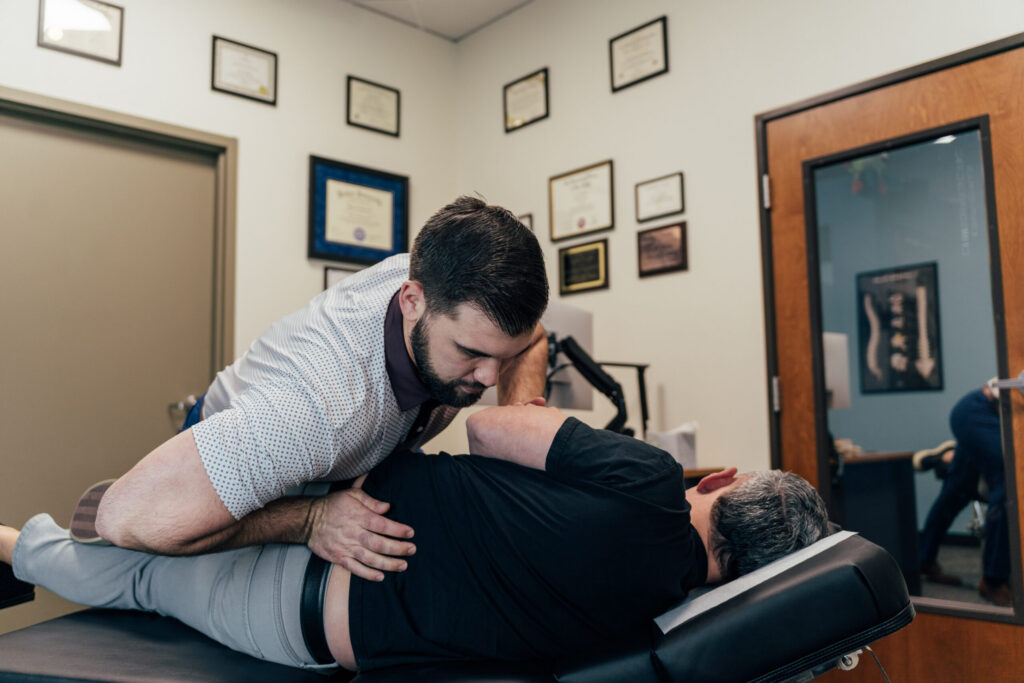
Gentle Adjustments: We use low-force techniques specifically designed for disc conditions. Contrary to popular belief, aggressive manipulation isn’t necessary or appropriate for most disc injuries. Methods like flexion-distraction, side-posture adjustments, and instrument-assisted techniques allow us to restore motion and reduce nerve irritation without excessive force.
Addressing the Whole Picture: Disc injuries rarely exist in isolation. We also address muscle imbalances, joint restrictions above and below the injured level, postural issues, and movement patterns that may have contributed to the problem.
Education and Empowerment: Understanding your condition reduces fear and helps you participate actively in your recovery. We explain what’s happening, what to expect during healing, and how to avoid re-injury.
Home Care Guidance: We provide specific exercises, stretches, and ergonomic recommendations you can implement between visits to accelerate healing and prevent recurrence.
Research suggests that manual therapy approaches, including chiropractic care, can be effective for certain types of disc-related pain when combined with exercise and lifestyle modifications. The American College of Physicians now recommends non-pharmacologic treatments, including spinal manipulation, as a first-line approach for low back pain.
Treatment frequency and duration vary based on severity and chronicity. Acute disc injuries might require more frequent initial visits, then gradually taper as you improve. Chronic conditions might benefit from periodic maintenance care to manage symptoms and maintain function.
Practical Tips for Supporting Disc Health
Whether you’re currently dealing with a disc injury or trying to prevent one, these practical strategies can make a real difference. These are the same recommendations we share with patients here in Castle Hills who want to take an active role in their spinal health.
Master the Hip Hinge: When bending to pick something up, learn to hinge at your hips rather than rounding your spine. Keep your back in a neutral position and let your hips and legs do the work. This single technique can prevent countless disc injuries.
Optimize Your Workstation: If you sit for work, ensure your monitor is at eye level, your feet are flat on the floor, and your lower back is supported. Consider a standing desk converter to alternate between sitting and standing throughout the day.
Move Regularly: The worst position for your discs is the one you hold too long. Set a timer to stand, stretch, or walk every 30-45 minutes if you have a desk job.
Sleep Smart: Your sleeping position matters. Side sleeping with a pillow between your knees or back sleeping with a pillow under your knees helps maintain neutral spine alignment. Your mattress should support your spine without being too soft or too firm.
Stay Hydrated: Discs are about 80% water when we’re young, but this decreases with age. Proper hydration throughout the day supports disc health and height.
Core Strength Matters: Your core muscles (abdominals, back extensors, and hip muscles) act like a natural back brace. Strengthening these muscles reduces strain on your discs. Focus on exercises like planks, bird dogs, and bridges rather than traditional crunches.
Avoid Prolonged Flexion: Extended periods of forward bending put maximum pressure on discs. This includes slouched sitting, repetitive bending, and prolonged positions like gardening or working under a car.
Maintain a Healthy Weight: Every extra pound of body weight adds roughly four pounds of pressure to your lower back. Even modest weight loss can significantly reduce disc stress.
Quit Smoking: If you smoke, this is one of the best things you can do for your spine. Smoking impairs disc nutrition and healing capacity.
Listen to Your Body: Pain is a signal. Pushing through significant pain during exercise or daily activities can worsen disc injuries. Learn the difference between discomfort from healing and pain from harm.
When to See a Chiropractor
Knowing when to seek professional help can prevent a minor issue from becoming a major problem. Consider seeing a chiropractor at Castle Hills Chiropractic if you experience any of the following:
Persistent Back or Neck Pain: If pain lasts more than a few days without improvement, or if it’s interfering with daily activities, sleep, or work, it’s time for an evaluation. Don’t wait until it’s unbearable.
Radiating Pain or Numbness: Any symptoms that travel down your arms or legs warrant professional assessment, especially if accompanied by numbness or tingling.
Recurrent Episodes: If you’ve had multiple episodes of back pain, even if they resolve on their own, there’s likely an underlying issue that could benefit from treatment and prevention strategies.
Pain That Changes Behavior: When you find yourself avoiding activities you normally enjoy, limiting movement, or compensating with awkward postures, it’s time to address the root cause.
Morning Stiffness: Waking up stiff and sore regularly suggests your spine isn’t getting proper rest and recovery during sleep.
However, certain “red flag” symptoms require immediate medical attention rather than chiropractic care as a first step. Seek emergency care if you experience sudden loss of bowel or bladder control, progressive weakness in legs or arms, numbness in the saddle region, or pain following significant trauma. These could indicate serious neurological compromise requiring urgent intervention.
Most disc injuries fall somewhere between these extremes—not emergencies, but definitely worthy of professional evaluation and treatment. Chiropractic care offers a conservative, non-surgical option that can be initiated promptly without the wait times often associated with specialist referrals.
Treatment Approaches Comparison
| Approach | Best For | Timeline | Key Benefits |
|---|---|---|---|
| Chiropractic Care | Mechanical disc issues, nerve irritation, joint dysfunction | 2-12 weeks typically | Non-invasive, restores function, addresses root causes |
| Physical Therapy | Weakness, mobility issues, post-acute rehabilitation | 4-12 weeks typically | Strengthens supporting muscles, improves movement patterns |
| Medication | Acute pain and inflammation management | Days to weeks (short-term) | Quick symptom relief, reduces inflammation |
| Spinal Decompression | Bulging/herniated discs with nerve compression | 4-8 weeks typically | Creates space for disc healing, reduces pressure |
| Lifestyle Modifications | Prevention, long-term management | Ongoing | Sustainable, addresses lifestyle factors, prevents recurrence |
| Surgery | Severe cases, progressive neurological loss, failed conservative care | Months (including recovery) | Direct decompression, stabilization when necessary |
Myths vs. Facts About Disc Injuries
Myth: A Herniated Disc Always Requires Surgery
Fact: The vast majority of herniated discs respond well to conservative treatment. Research indicates that most herniated discs improve significantly within 6-12 weeks with non-surgical approaches. Surgery is typically reserved for cases with progressive neurological loss or when conservative care has been unsuccessful after an appropriate trial period.
Myth: Bed Rest Is the Best Treatment for Disc Injuries
Fact: While severe acute pain might require a day or two of modified activity, prolonged bed rest actually slows healing and can lead to muscle weakening and stiffness. Evidence supports staying as active as tolerable and gradually increasing activity as symptoms improve. Movement promotes healing by maintaining disc nutrition and preventing muscle atrophy.
Myth: Once You Have a Disc Injury, You’ll Always Have Problems
Fact: Many people fully recover from disc injuries and return to all their normal activities without recurrence. The key is addressing contributing factors, building spinal stability through proper exercise, and maintaining good movement habits. Your spine is remarkably resilient when given appropriate care and conditions for healing.
Myth: You Shouldn’t Exercise With a Disc Injury
Fact: While certain high-impact or extreme movements should be avoided during acute phases, appropriate exercise is actually crucial for disc injury recovery. Specific exercises that strengthen core muscles, improve flexibility, and enhance spinal stability help both healing and prevention. The key is doing the right exercises at the right time in your recovery.
Myth: Chiropractic Adjustments Are Dangerous for Disc Injuries
Fact: When performed by a trained chiropractor who properly evaluates your condition, chiropractic care for disc injuries uses gentle, specific techniques adapted to your individual situation. We don’t use aggressive manipulation on acute disc injuries. Modern chiropractic approaches include low-force methods specifically designed for disc-related conditions.
Final Thoughts
Living with a disc injury can be frustrating and sometimes frightening, especially when you’re unsure about what options are available beyond surgery. The good news is that conservative, non-surgical approaches—including chiropractic care—offer real hope for recovery and lasting relief. Here in Castle Hills, we’ve seen countless patients regain their quality of life through thoughtful, patient-centered care that addresses not just symptoms but underlying causes.
Remember that every disc injury is unique, and what works best often involves a combination of approaches tailored to your specific situation. The sooner you address disc-related problems with appropriate care, the better your chances of complete recovery and preventing chronic issues down the road.
At Castle Hills Chiropractic, we’re committed to helping our Castle Hills, TX community understand their options and make informed decisions about their spinal health. Whether you’re currently dealing with disc injuries or want to prevent them, we’re here to provide evidence-based, compassionate care that puts your needs first. You don’t have to simply live with the pain or assume surgery is inevitable. Conservative care works, and it might be exactly what you need to get back to living life on your terms.
Frequently Asked Questions
How long does it take for a herniated disc to heal with conservative care?
Most herniated discs show significant improvement within 6-12 weeks with appropriate conservative treatment, though individual timelines vary based on severity, location, and contributing factors. Some people experience relief within a few weeks, while others may take several months to achieve optimal recovery.
Can disc injuries heal on their own without treatment?
Some disc injuries do improve spontaneously, particularly minor bulges or small herniations. However, without addressing underlying causes like poor posture, weak core muscles, or movement pattern issues, recurrence is more likely. Professional treatment typically speeds recovery and reduces the risk of future problems.
Is it normal for disc pain to be worse in the morning?
Yes, morning stiffness and pain are common with disc injuries. Discs absorb fluid overnight when you’re lying down, which can temporarily increase pressure and symptoms. As you move throughout the day, excess fluid disperses and symptoms often improve somewhat.
Will I need ongoing chiropractic care after my disc injury heals?
Treatment needs vary by individual. Some people achieve complete resolution with a focused treatment period and maintain results through home exercises and lifestyle modifications. Others benefit from periodic maintenance care to address underlying factors and prevent recurrence, especially if they have risk factors like physically demanding jobs or prior injuries.
Can I prevent disc injuries from happening in the first place?
While some risk factors like age and genetics can’t be changed, many disc injuries are preventable through proper lifting technique, good posture, regular exercise focusing on core strength, maintaining healthy body weight, staying hydrated, and avoiding prolonged positions that stress the spine. Being proactive about spinal health significantly reduces your risk.
Are certain exercises bad for disc injuries?
During acute phases, avoid exercises that involve heavy spinal loading, excessive flexion (forward bending), or twisting movements. High-impact activities like running or jumping may also need to be temporarily modified. However, as healing progresses, gradually reintroducing activities under professional guidance helps rebuild tolerance and prevent deconditioning.
TL;DR – Key Takeaways
- Most disc injuries respond well to conservative, non-surgical treatment approaches including chiropractic care, physical therapy, and lifestyle modifications.
- Disc injuries occur when the cushioning structures between vertebrae become damaged, which can cause localized pain, radiating symptoms, numbness, or weakness.
- Chiropractic care uses gentle, specific techniques adapted for disc conditions to restore proper spinal function, reduce nerve irritation, and support natural healing.
- Practical strategies like proper lifting technique, ergonomic workstation setup, regular movement, core strengthening, and hydration support disc health and prevent injuries.
- Surgery is rarely the first option—evidence supports trying conservative care for 6-12 weeks in most cases, with the majority of patients experiencing significant improvement during this timeframe.