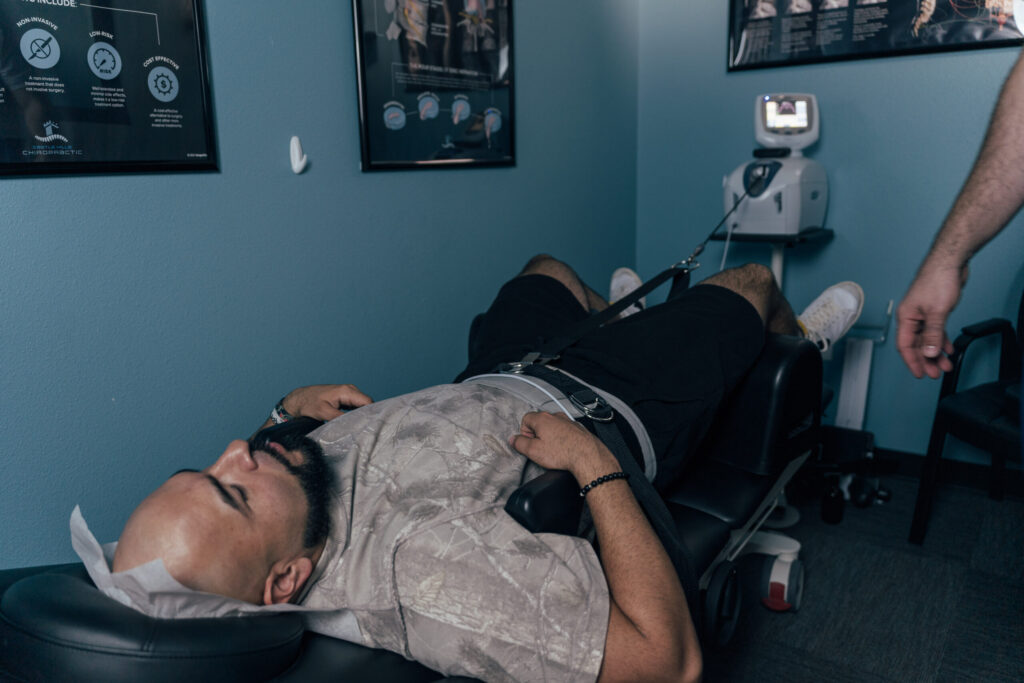

If you’re experiencing an achy back, you likely know that quick fixes seldom provide lasting relief. Instead, focusing on proven remedies—especially chiropractic care—can make a significant difference in your recovery. Understanding the underlying causes of your discomfort is crucial, and making simple adjustments to your daily routine can promote healing and overall wellness.
Chiropractic care is a natural and effective way to address back pain. By realigning the spine and improving joint function, we can help alleviate discomfort and enhance your body’s ability to heal itself. Regular chiropractic adjustments not only relieve pain but also improve mobility and prevent future issues.
In addition to chiropractic care, here are some practical strategies you can incorporate into your daily life to help alleviate your back pain:
- Stay Active: Gentle exercises like walking, swimming, or stretching can strengthen your back muscles and improve flexibility. Aim for at least 30 minutes of activity most days.
- Practice Good Posture: Whether sitting at a desk or lifting heavy objects, maintaining proper posture can prevent strain on your back. Keep your back straight and shoulders relaxed.
- Use Ergonomic Furniture: If you spend long hours at a desk, consider using ergonomic chairs and desks. They support your back and promote a healthier sitting position.
- Apply Heat or Cold: Using a heating pad or a cold pack can help reduce inflammation and soothe sore muscles. Apply for about 15-20 minutes at a time.
- Stay Hydrated: Drinking plenty of water helps maintain spinal health by keeping the discs in your spine hydrated and functioning properly.
- Get Enough Sleep: A good night’s sleep is crucial for recovery. Ensure your mattress provides adequate support and consider sleeping on your side with a pillow between your knees.
- Manage Stress: Chronic stress can lead to muscle tension in your back. Incorporate relaxation techniques like deep breathing, meditation, or yoga into your routine.
By prioritizing chiropractic care and these simple lifestyle adjustments, you can take significant steps toward alleviating your back pain and achieving optimal health. Are you ready to embrace these natural and effective strategies for better well-being?
Key Takeaways
- Regular stretching, such as gentle hamstring and lower-back stretches, is essential for easing tightness and enhancing flexibility in your back. Incorporating these stretches into your daily routine can help maintain a healthy spine and reduce discomfort.
- Core strengthening exercises, like planks and bridges, are vital for providing your spine with the support it needs. A strong core helps stabilize your body and reduces the risk of injury, making chiropractic care even more effective.
- Maintaining good posture during your daily activities and while sitting is crucial. Good posture alleviates strain on your back muscles and promotes spinal health, which can be supported further with regular chiropractic adjustments.
- Utilizing heat therapy before activity can help relax your muscles, while cold therapy after can reduce inflammation and support recovery. These simple practices complement chiropractic care, enhancing your overall healing process.
- Staying active with low-impact exercises, such as walking or swimming, not only strengthens your spine but also helps prevent stiffness. Regular movement is a key component of a healthy lifestyle, and chiropractic care can help ensure your body is functioning optimally.
By integrating these practices into your daily life and seeking chiropractic care, you can achieve lasting relief from back pain and promote natural wellness. Remember, a healthy spine is the foundation of a healthy life!
Understanding the Causes of Back Pain
When you experience back pain, understanding its causes is essential to finding relief and achieving optimal health. As a chiropractor, I want to help you recognize the various factors that contribute to your discomfort, so you can take proactive steps toward healing.
Common causes of back pain include muscle strains from lifting heavy objects or pushing yourself too hard during exercise. Poor sleeping positions can also lead to stiffness, while injuries from falls or accidents may create ongoing issues. Additionally, chronic conditions like arthritis or herniated discs can result in persistent pain that affects your daily activities.
If you find yourself sitting for long hours without breaks, your back may suffer from a lack of movement and support. Remember, our spines thrive on motion! Stress and tension can also play a role, causing your muscles to tighten and resulting in discomfort.
Recognizing these causes is the first step toward finding relief. Chiropractic care focuses on restoring alignment and function to your spine, which can alleviate pain and improve your overall well-being. By addressing the specific issues behind your back pain, you can work toward effective, natural remedies that promote healing and prevent future discomfort.
Here are some general tips to consider for maintaining a healthy spine:
- Practice Good Posture: Whether sitting or standing, ensure your spine is aligned. Use ergonomic chairs or supports if you work at a desk.
- Stay Active: Incorporate gentle exercises like walking, stretching, or yoga into your routine to keep your back muscles strong and flexible.
- Use Proper Lifting Techniques: Bend your knees and keep objects close to your body to avoid straining your back.
- Prioritize Sleep: Invest in a good mattress and pillow that support your spine during sleep.
- Manage Stress: Take time for relaxation techniques such as deep breathing, meditation, or mindfulness to help reduce muscle tension.
If you’re struggling with back pain, consider visiting a chiropractor for a personalized assessment. Together, we can create a plan to restore your spine’s health and enhance your overall wellness naturally. Remember, your back deserves the best care possible!
The Importance of Posture
Good posture is crucial for maintaining a healthy spine and preventing back pain. When you sit or stand correctly, you’re aligning your body in a way that reduces strain on your muscles and ligaments. You may not realize it, but your everyday habits can significantly impact how your back feels.
Here are some ways that good posture can benefit you:
- Boost Your Confidence: Standing tall not only enhances your appearance but also projects strength and assurance. Good posture can make you feel more self-assured in social situations and at work.
- Ease Tension: Maintaining good posture can help alleviate tension in your body, allowing you to breathe easier and feel more relaxed. This relaxation can improve your overall mood and mental clarity.
- Reduce Fatigue: When your body is properly aligned, you’ll experience less fatigue throughout the day. This means you can engage in your daily activities without being distracted by discomfort or pain.
As a chiropractor, I encourage you to be mindful of your posture throughout the day.
Here are some simple tips to help you maintain good posture:
- Sit Right: When seated, ensure your back is supported, and your feet are flat on the floor. Use a cushion if necessary to maintain the natural curve of your spine.
- Stand Tall: Keep your shoulders back and your head aligned over your spine. Imagine a string pulling you up from the top of your head to maintain an upright position.
- Take Breaks: If you’re sitting for long periods, stand up and stretch every 30 minutes. This helps relieve tension and keeps your muscles engaged.
- Engage Your Core: Strengthening your core muscles can provide additional support to your spine. Simple exercises like planks or gentle yoga can be very beneficial.
- Practice Mindfulness: Pay attention to your posture throughout the day, whether you’re at your desk, driving, or even watching TV. Adjust as needed to keep your spine aligned.
By focusing on these posture tips and considering chiropractic care, you can achieve optimal health naturally.
Chiropractic adjustments can help enhance your posture and alleviate pain, allowing your body to function at its best. Remember, a healthy spine is key to a healthier you!
Stretching and Strengthening Exercises
To ease your achy back, incorporating stretching and strengthening exercises is essential for your overall well-being. As a chiropractor, I often see how these practices can significantly relieve tension and promote spinal health.
Essential stretching techniques can help release tightness in your muscles, while core strengthening exercises support your spine and improve your posture.
Here are some simple tips to help you incorporate these practices into your daily routine:
- Gentle Stretches: Try incorporating gentle stretches like the cat-cow stretch or child’s pose into your morning routine. These stretches can help warm up your spine and reduce stiffness.
- Core Strengthening: Simple exercises like planks or bridges can strengthen your core muscles, which play a vital role in supporting your spine. Aim for a few sets a couple of times a week.
- Mind Your Posture: Be mindful of your posture throughout the day, especially if you spend long hours sitting. Adjust your workspace to ensure that your back is supported and your computer is at eye level.
- Stay Active: Regular physical activity is crucial. Even short walks or light stretching breaks during your day can make a big difference in how your back feels.
Remember, chiropractic care is an excellent choice for achieving optimal health. It not only focuses on relieving your pain but also addresses the underlying issues related to your spine and overall wellness.
Essential Stretching Techniques
Incorporating essential stretching techniques into your daily routine can significantly alleviate back pain and enhance your overall flexibility. By dedicating just a few minutes each day to stretch, you’ll experience notable improvements in how your back feels and functions.
As a chiropractor, I believe that these stretches complement the natural healing process and can be a valuable part of your journey to optimal health.
Here are some impactful stretches to consider:
- Cat-Cow Stretch: This gentle movement not only increases spinal flexibility but also helps to release tension throughout your back. It encourages the natural flow of spinal movement, which is essential for maintaining a healthy spine.
- Child’s Pose: A restorative posture that calms the mind while elongating your spine. This stretch can help relieve stress and tension, which often contribute to back pain. Taking a moment to breathe deeply in this pose can enhance its benefits.
- Seated Forward Bend: This stretch targets tight hamstrings, which can often lead to lower back discomfort. By easing the tension in your hamstrings, you can help alleviate pressure on your lower back and promote better posture.
In addition to these stretches, here are some general tips for maintaining a healthy spine:
- Stay Active: Regular physical activity is key to a healthy back. Consider low-impact exercises like walking or swimming to keep your spine strong and flexible.
- Practice Good Posture: Be mindful of your posture throughout the day. Whether you’re sitting at a desk or lifting something heavy, maintaining good alignment can help prevent back pain.
- Listen to Your Body: Pay attention to any discomfort or pain signals. If something doesn’t feel right, don’t push through it. Seeking chiropractic care can help address underlying issues and promote natural healing.
- Stay Hydrated: Proper hydration supports spinal health by maintaining the elasticity of spinal discs, which can help prevent injuries.
- Regular Chiropractic Care: Regular visits to a chiropractor can help keep your spine aligned and functioning optimally. Chiropractic adjustments can relieve pain and enhance your body’s natural ability to heal.
Incorporating these stretches and tips into your routine can lead to a healthier, pain-free back. Remember, achieving optimal health is a journey, and chiropractic care is a powerful ally in that process.
Core Strengthening Exercises
While stretching is vital for maintaining a healthy back, strengthening your core plays an equally crucial role. A strong core not only supports your spine but also helps reduce strain and prevent discomfort. As a chiropractor, I believe that incorporating core-strengthening exercises into your routine can greatly enhance your overall well-being and spinal health. Here are a few effective exercises to consider:
| Exercise | Description |
|---|---|
| Plank | Maintain a straight line from your head to your heels for 30 seconds, engaging your core throughout. |
| Bird-Dog | Start on all fours, extend one arm and the opposite leg while keeping your balance; hold for a few seconds. |
| Dead Bug | Lie on your back with your legs raised. Lower one leg and the opposite arm down towards the floor, then alternate sides. |
Aim to incorporate these exercises two to three times a week. Building core strength will not only help you maintain proper posture but will also contribute to reducing back discomfort. Remember, consistency is essential for seeing results!
In addition to these exercises, don’t forget the benefits of regular chiropractic care. A chiropractor can enhance your core strengthening efforts by ensuring that your spine is aligned and functioning optimally. This natural approach to health can lead to improved mobility, reduced pain, and overall wellness. Embrace these tips, and you’ll be on your way to a healthier, pain-free life!
Heat and Cold Therapy
Heat and cold therapy can be a great addition to your wellness routine for relieving an achy back. As a chiropractor, I often recommend these methods to my patients for their natural healing properties. Applying heat or cold packs to the affected areas can provide much-needed relief.
Heat therapy promotes increased blood flow, which helps to relax tight muscles and ease stiffness. This is a wonderful way to prepare your muscles before engaging in activities. Cold therapy, on the other hand, is fantastic for reducing inflammation and numbing sharp pain, making it an excellent choice after an active day.
To make the most of these therapies, here are some tips you can easily incorporate into your routine:
- Use a heating pad: This is a simple way to apply soothing warmth that can help melt away tension in your back. Aim for 15-20 minutes to allow your muscles to relax.
- Try ice packs: Wrap ice packs in a cloth to protect your skin. This can provide revitalizing numbness to ease swelling and discomfort. Apply it for about 15-20 minutes as needed.
- Alternate between heat and cold: Using both techniques can offer a balanced approach to healing. For instance, try applying heat before activity and cold afterward to help manage pain and promote recovery.
Remember, while heat and cold therapy can be beneficial, they work best when combined with regular chiropractic care. Chiropractic adjustments can address the root causes of back pain, ensuring that your spine is aligned and functioning optimally. This holistic approach not only alleviates pain but also promotes overall health and wellness.
If you find yourself struggling with back pain, consider scheduling an appointment to explore how chiropractic care can help you achieve natural, lasting relief.
Mindfulness and Stress Management
Managing stress and practicing mindfulness can greatly benefit your spinal health and overall well-being, especially when it comes to alleviating back pain. Emotional tension often manifests physically, and by focusing on the present moment, you can reduce anxiety and muscle tension that contribute to discomfort. One of the simplest ways to start is with deep breathing exercises: inhale deeply through your nose, hold for a few seconds, and then exhale slowly through your mouth. This technique not only calms your mind but also helps relax the muscles around your spine.
Incorporating mindfulness meditation into your daily routine can also be highly effective. Find a quiet space, sit comfortably, and observe your thoughts without judgment. This practice helps you respond to stressors with greater ease, which can relieve strain on your back and improve your overall posture.
Gentle yoga or stretching can work wonders for your body awareness and help release built-up tension in your back. These activities are great complements to chiropractic care, as they promote flexibility and strength, which are essential for maintaining a healthy spine.
Ergonomic Adjustments in Your Workspace
Adjusting your workspace can significantly impact your spinal health and overall comfort throughout the day. As a chiropractor, I want to share some simple yet effective tips to help you create an ergonomic environment that supports your well-being.
First, ensure that your chair height is appropriate. Your feet should rest flat on the ground, and your knees should be at a right angle. This positioning helps maintain the natural curve of your spine. A supportive chair can reduce tension in your back, making it easier to sit for longer periods without discomfort.
Next, position your monitor at eye level. This prevents you from leaning forward or straining your neck, both of which can lead to pain and stiffness. Ideally, the top of your screen should be at or just below eye level, allowing you to gaze slightly downward while keeping your head aligned with your spine.
Incorporate regular breaks into your routine. Stand up, stretch, and move around every hour to keep your muscles engaged and blood flowing. Gentle stretching can also alleviate tension in your back and neck.
Remember, chiropractic care is an excellent way to support your spinal health. Regular adjustments can help maintain proper alignment and alleviate pain, allowing you to enjoy a healthier, more active lifestyle.
Chair Height Adjustment
Adjusting the height of your office chair is a simple yet impactful way to enhance your comfort and productivity throughout the day.
When your chair is set to the right height, you’ll likely notice an improvement in how your back feels. An improperly adjusted chair can lead to unnecessary strain and discomfort, making it difficult to concentrate on your work.
As a chiropractor, I encourage you to pay attention to how you feel as you adjust your chair:
- Relief: Proper chair height can help alleviate nagging back pain, allowing you to focus better on your tasks without constant distractions.
- Empowerment: Taking control of your workspace by adjusting your chair height puts you in charge of your comfort and well-being.
- Satisfaction: Finding that ideal height can lead to improved posture, which can enhance your overall health.
Take a few moments to experiment with your chair’s height. Here are some general tips to help you find the perfect fit:
- Feet Flat on the Floor: When seated, ensure your feet are flat on the ground, with your knees at a 90-degree angle. This position supports proper spinal alignment.
- Elbows at 90 Degrees: Your elbows should rest comfortably at your sides and be bent at about 90 degrees when typing or using your mouse. This helps reduce tension in your shoulders and neck.
- Monitor at Eye Level: Your computer screen should be at eye level to prevent straining your neck. Adjust your chair height accordingly to maintain this alignment.
- Support Your Lower Back: If your chair has lumbar support, make sure it’s positioned to support the natural curve of your lower back.
Taking the time to adjust your chair correctly can lead to a healthier workspace, reducing the risk of discomfort and pain.
Remember, regular chiropractic care can also play a crucial role in maintaining your spinal health and overall wellness.
By prioritizing your comfort and making small adjustments to your environment, you’ll not only feel better but also enhance your productivity throughout the day.
Your back will thank you!
Monitor Positioning Tips
As a chiropractor dedicated to promoting health and wellness, I understand that positioning your monitor correctly is essential for reducing strain on your neck and back, ultimately leading to a healthier spine. Here are some simple tips to help you set up your workspace for optimal comfort and productivity.
First, ensure that the top of your monitor screen is at or just below eye level. This alignment helps keep your head straight and prevents hunching, which can lead to neck pain and discomfort. It’s important to maintain a neutral posture to support your spine’s natural curvature.
Next, adjust the distance between your eyes and the screen to about an arm’s length. This distance helps reduce eye strain, allowing you to work more comfortably for longer periods. Remember, a relaxed gaze can also contribute to overall wellness.
Tilting the monitor slightly back—around 10 to 20 degrees—can help maintain a comfortable viewing angle. This small adjustment can make a big difference in preventing neck tension.
If you use multiple screens, position them at the same height. This way, you won’t need to twist your neck to see each screen. A straight and aligned spine is crucial for overall health, and keeping your workspace organized can support that.
Lastly, don’t forget to take regular breaks. Stand up, stretch, and reset your posture to give your body a chance to recover from prolonged sitting. Incorporating these small changes into your daily routine can significantly enhance your workspace ergonomics and contribute to your overall well-being.
Nutrition and Hydration for Back Health
Maintaining proper nutrition and hydration is essential for your back health. What you eat and drink significantly impacts your body’s ability to heal and function properly. A well-balanced diet rich in nutrients not only supports your muscles but also plays a vital role in reducing inflammation and promoting a healthy spine. Staying hydrated is just as important, as it keeps your spinal discs lubricated, which helps prevent stiffness and discomfort.
Here are some simple dietary tips to support your back health:
- Omega-3 Fatty Acids: These powerful nutrients, found in fish like salmon and in walnuts, can help reduce inflammation and alleviate pain. Incorporating these foods into your diet is a great way to support your back naturally.
- Calcium and Vitamin D: Strong bones are key to a healthy spine. Make sure to include sources of calcium, such as dairy products or leafy greens, and consider getting enough vitamin D from sunlight or fortified foods. These nutrients work together to keep your bones strong and healthy.
- Hydration: It’s essential to drink enough water throughout the day. Proper hydration keeps your spinal discs healthy and supports your overall well-being. Aim for at least 8 glasses a day, and remember that staying hydrated can help reduce discomfort in your back.
In addition to these dietary considerations, incorporating chiropractic care into your wellness routine can greatly enhance your overall health. Regular adjustments can help align your spine, improve posture, and relieve tension, allowing your body to function optimally.
When to Seek Professional Help
Knowing when to seek professional help for back pain is essential, especially if your discomfort persists or worsens despite your best efforts at home. As a chiropractor, I believe that understanding your body’s signals is key to achieving optimal health and wellness. If you’re experiencing severe pain that radiates down your legs, it’s crucial to consult a chiropractor. This could indicate nerve involvement, and a chiropractic assessment can help identify the root cause of your discomfort.
Look out for symptoms like numbness, tingling, or weakness in your limbs. These signs could suggest that your nervous system is affected, and chiropractic care is designed to address these issues naturally. If your pain follows a traumatic injury, don’t hesitate to reach out for immediate chiropractic care. Remember, persistent muscle spasms, fever, or unexplained weight loss can signal underlying issues that require a professional evaluation.
If your daily activities are impacted or you can’t find relief after a few weeks of self-care, it’s wise to schedule an appointment with a chiropractor. We can provide a thorough examination, a proper diagnosis, and recommend effective, natural treatment options tailored to your specific situation.
In the meantime, here are a few tips to help manage your back pain at home:
- Stay Active: Gentle movement can prevent stiffness. Activities like walking or stretching can be very beneficial.
- Practice Good Posture: Pay attention to how you sit, stand, and lift. Proper alignment can reduce strain on your back.
- Use Heat or Ice: Applying heat or ice to the affected area can provide temporary relief.
- Stay Hydrated: Drinking plenty of water keeps your spinal discs healthy and can help reduce discomfort.
Trust your instincts; don’t let back pain linger without seeking the guidance of a chiropractor. Your health is important, and natural, holistic care can lead you back to comfort and wellness.
Conclusion
Taking care of your back shouldn’t feel like a daunting task filled with quick fixes or magic tricks. As a chiropractor, I believe that the best approach to alleviating back pain is through natural methods that promote overall wellness. Focus on maintaining good posture throughout your day, as this sets the foundation for a healthy spine. Incorporate regular movement into your routine—simple activities like walking or stretching can make a significant difference.
Strengthening exercises tailored to your needs can help support your spine and prevent future discomfort. Don’t underestimate the power of heat and cold therapy; these simple techniques can soothe sore muscles and reduce inflammation.
Managing stress is equally important, as it can contribute to tension in your back. Make ergonomic adjustments to your workspace to ensure that your body is well-supported during daily activities. Remember, what you eat and how much water you drink play crucial roles in your overall spinal health, so prioritize proper nutrition and hydration.
If you find that your pain persists or intensifies, seeking professional chiropractic care can make a world of difference. Chiropractic adjustments are a natural and effective way to relieve pain, restore function, and promote optimal health. Your back deserves the best care, and I’m here to help you achieve that!