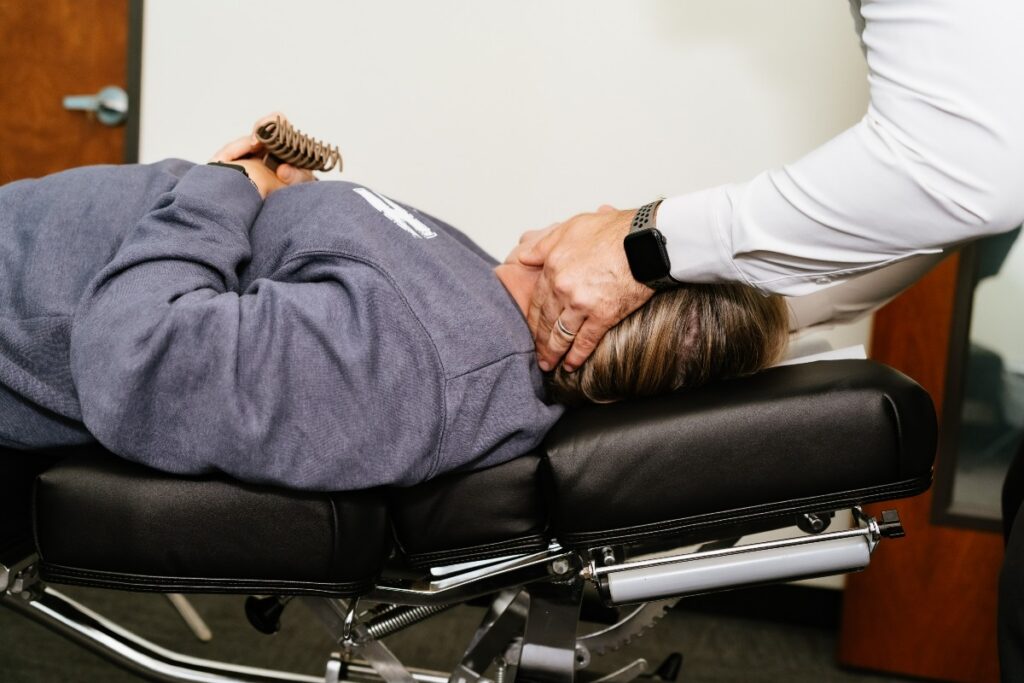

Tension headaches can be a persistent nuisance, often linked to daily habits and stress. You might not realize how crucial factors like posture, hydration, and sleep are in managing these headaches. As a chiropractor, I believe that understanding these connections can empower you to alleviate discomfort naturally.
Let’s explore some proven strategies that not only help reduce tension headaches but also promote overall wellness. By focusing on maintaining good posture, staying hydrated, and ensuring a good night’s sleep, you can significantly enhance your comfort and well-being.
- Posture Awareness: Poor posture, especially while sitting at a desk or using a smartphone, can strain your neck and back, leading to tension headaches. Pay attention to your alignment—keep your shoulders back and your head in line with your spine. Consider ergonomic adjustments to your workspace to support a healthier posture.
- Stay Hydrated: Dehydration can contribute to headaches. Make it a habit to drink plenty of water throughout the day. Carry a water bottle with you as a reminder to stay hydrated.
- Prioritize Sleep: Quality sleep is essential for recovery and overall health. Aim for a consistent sleep schedule, ensuring you get enough rest each night. Creating a relaxing bedtime routine can enhance your sleep quality.
- Chiropractic Care: Regular chiropractic adjustments can help address underlying spinal issues that may contribute to tension headaches. By improving spinal alignment and function, chiropractic care not only provides immediate relief but also promotes long-term wellness.
- Stress Management: Incorporate stress-relief techniques into your daily routine. Practices such as deep breathing, meditation, or gentle yoga can help reduce tension in your body and mind, leading to fewer headaches.
By integrating these strategies into your lifestyle, you can take proactive steps toward alleviating tension headaches and enhancing your overall health. Remember, chiropractic care is a natural, effective solution for pain relief and wellness. If headaches persist, consulting with a chiropractor can provide personalized care and support on your journey to optimal health.
Key Takeaways
- Maintain good posture while sitting and standing to support your spine and reduce muscle tension, which can help prevent headaches. Chiropractic adjustments can ensure your spine is aligned, enhancing your posture naturally.
- Keep your body well-hydrated by drinking water throughout the day. Dehydration can trigger headaches, and regular hydration supports your overall health, making chiropractic care even more effective.
- Explore natural relaxation techniques like deep breathing, yoga, or meditation. These practices not only manage stress but also complement chiropractic care, promoting relaxation and tension relief.
- Engage in regular low-impact exercises, such as walking or yoga. These activities improve circulation and relieve tension, making your chiropractic adjustments even more beneficial for your overall well-being.
- Prioritize consistent sleep patterns and create a comfortable sleeping environment. Quality rest helps reduce headache frequency and enhances the effectiveness of chiropractic care in achieving optimal health.
Incorporating these tips, along with regular chiropractic visits, can help you achieve a pain-free, healthy lifestyle naturally. Remember, your spine is the foundation of your health, and chiropractic care is the best choice for maintaining it.
Understanding Tension Headaches
When you experience a tension headache, it can feel like a tight band is squeezing your head. This common type of headache is often linked to muscle tension in your neck, shoulders, and scalp. You may notice discomfort or pressure, which can also bring about feelings of fatigue or irritability. Unlike migraines, tension headaches typically don’t come with nausea or sensitivity to light, but they can last from a few hours to several days.
Understanding the root causes of tension headaches is essential. Stress, poor posture, and lack of sleep play significant roles in triggering these headaches. As a chiropractor, I encourage you to consider how your daily habits may contribute to this discomfort. For instance, if you’re sitting at a desk for long periods or not maintaining a healthy posture, it can lead to increased muscle tension.
One of the best ways to manage and reduce the frequency of tension headaches is through chiropractic care. Regular chiropractic adjustments can help relieve muscle tension, improve spinal alignment, and promote better overall health. This natural approach focuses on restoring balance to your body and alleviating pain without the need for medications or invasive procedures.
In addition to chiropractic care, here are some general tips to help you manage tension headaches:
- Practice Good Posture: Be mindful of your posture while sitting or standing. Use ergonomic chairs and take breaks to stretch your neck and shoulders.
- Stay Hydrated: Drink plenty of water throughout the day, as dehydration can contribute to headaches.
- Manage Stress: Incorporate relaxation techniques into your routine, such as deep breathing, yoga, or meditation.
- Get Enough Sleep: Aim for 7-9 hours of quality sleep each night to help your body recover.
- Regular Exercise: Engage in physical activity regularly to relieve tension and boost your overall wellbeing.
Identifying Triggers
To effectively manage your tension headaches, it’s crucial to identify the triggers that might be contributing to your discomfort. Many times, these triggers stem from everyday lifestyle choices and stress levels that you may not even be aware of. Common culprits can include poor posture, lack of hydration, tension in the neck and shoulders, and even stress from daily activities.
Recognizing these factors is the first step toward relief. Chiropractic care can play a vital role in helping you address these underlying issues. A qualified chiropractor can assess your spine and posture, providing adjustments that may alleviate tension and promote better alignment. This not only helps relieve headache pain but also supports overall wellness.
In addition to chiropractic adjustments, here are some general tips you can incorporate into your daily routine to help manage tension headaches:
- Stay Hydrated: Drink plenty of water throughout the day to keep your body well-hydrated. Dehydration can often trigger headaches.
- Practice Good Posture: Be mindful of your posture, especially if you spend long hours at a desk. Keeping your back straight and your shoulders relaxed can help reduce tension.
- Manage Stress: Incorporate stress-relieving activities into your day, such as deep breathing exercises, yoga, or gentle stretching. These practices can help ease muscle tension and lower stress levels.
- Regular Chiropractic Visits: Regular check-ups with your chiropractor can help maintain your spinal health, address any misalignments, and provide ongoing support for your overall well-being.
By taking these proactive steps and utilizing the benefits of chiropractic care, you can reduce the frequency and intensity of tension headaches, leading to a healthier, more balanced life.
Common Triggers Overview
Identifying common triggers for tension headaches can greatly enhance your ability to manage and prevent them, leading to a healthier, more comfortable life.
As a chiropractor, I understand the importance of recognizing these triggers, as they often relate to your overall spinal health and well-being. By paying attention to what sets off your headaches, you can make necessary adjustments to your routine, promoting natural healing and optimal health.
Here are some common triggers to be aware of:
- Stress: Emotional or physical stress can lead to muscle tension, especially in the neck and shoulders. Regular chiropractic adjustments can help alleviate this tension and promote relaxation.
- Poor posture: Slouching or having an improper desk setup can strain your neck and shoulders, contributing to headaches. Maintaining good posture not only supports spinal health but can also help prevent headaches. Consider ergonomic adjustments to your workspace, and remember to take breaks to stretch and realign your body.
- Dehydration: Not drinking enough water can contribute to headache development. Staying hydrated is essential for overall health, including the health of your spine. Aim to drink plenty of water throughout the day.
- Sleep issues: Inconsistent sleep patterns or insufficient rest can increase headache frequency. Prioritize good sleep hygiene by establishing a regular sleep schedule and creating a restful environment. A well-aligned spine supports better sleep quality, so regular chiropractic care can also enhance your rest.
By being mindful of these triggers and incorporating chiropractic care into your wellness routine, you can take proactive steps toward preventing tension headaches and achieving optimal health.
Lifestyle Impact Factors
Understanding how lifestyle factors can influence your chances of experiencing tension headaches is crucial for effective management. By identifying your personal triggers, you can make beneficial adjustments that promote better health and wellness. Common factors to consider include your diet, sleep habits, and screen time.
| Factor | Impact on Headaches | Suggestions |
|---|---|---|
| Diet | Dehydration can lead to headaches | Make sure to drink plenty of water throughout the day and limit caffeine consumption. Staying hydrated is essential for overall health and can help reduce headache occurrences. |
| Sleep Patterns | Irregular sleep can lead to tension and discomfort | Aim for a consistent sleep schedule to support your body’s natural rhythms. Quality sleep can significantly improve your well-being and reduce headache frequency. |
| Screen Time | Extended screen use may strain your eyes and contribute to headaches | Remember to take regular breaks when using screens. Try the 20-20-20 rule: every 20 minutes, look at something 20 feet away for at least 20 seconds. Adjusting your lighting can also help reduce eye strain. |
In addition to these lifestyle adjustments, consider how chiropractic care can play a vital role in your journey to optimal health. Regular chiropractic adjustments can help alleviate tension, improve spinal alignment, and enhance overall wellness. By addressing the root causes of your discomfort, chiropractic care offers a natural and effective way to manage headaches and improve your quality of life. Remember, taking care of your body is key to living a healthier, pain-free life!
Stress Management Techniques
While many factors contribute to tension headaches, recognizing your personal stress triggers is essential for effective management and overall wellness. As a chiropractor, I understand the impact that stress can have on your spine and overall health. By keeping a journal to track your headaches and note any patterns you observe, you can gain valuable insights into how stress affects your body.
Pay attention to situations, environments, or emotional states that seem to precede your headaches. Identifying these triggers can help you develop strategies to cope and promote natural healing.
Here are some common stress triggers to consider:
- Work-related pressures: Deadlines, heavy workloads, or challenging relationships at work can lead to tension. Regular chiropractic adjustments can help alleviate physical stress and improve your resilience.
- Life changes: Major events like moving, marriage, or experiencing loss can create emotional strain. Chiropractic care supports your nervous system, helping your body adapt to these changes more smoothly.
- Poor sleep: Inconsistent sleep patterns or insomnia can exacerbate tension headaches. A well-aligned spine contributes to better sleep quality, making chiropractic adjustments an integral part of your wellness routine.
- Caffeine and alcohol: Excessive consumption can heighten stress levels and lead to discomfort. By focusing on hydration and nutrition in conjunction with chiropractic care, you can foster a healthier lifestyle.
Incorporating chiropractic care into your routine can be a natural and effective way to manage stress and relieve pain. Regular adjustments not only help align your spine but also promote better communication between your brain and body, enhancing your overall health and well-being.
Practicing Good Posture
Practicing good posture is not just a habit; it’s a vital part of maintaining your overall health and wellness. As a chiropractor, I can tell you that proper posture is key to preventing tension headaches and ensuring your spine stays healthy. When you sit or stand correctly, you reduce strain on your neck and shoulders, which can significantly lower the chances of headache triggers.
Here’s a straightforward guide to help you maintain good posture throughout your day:
| Position | Tips |
|---|---|
| Sitting | Make sure your feet are flat on the ground, and your back is firmly against the chair. This alignment supports your spine and helps prevent discomfort. |
| Standing | Distribute your weight evenly on both feet and keep your shoulders relaxed. This position allows your spine to maintain its natural curve. |
| Using Devices | Hold your device at eye level. This prevents you from leaning forward, which can lead to neck strain and headaches. |
Incorporating Regular Exercise
Incorporating regular exercise into your routine can significantly help alleviate tension headaches. As a chiropractor, I understand the importance of physical activity in enhancing overall well-being and promoting a healthy spine. Exercise not only boosts your mood but also improves blood circulation, both of which are essential for relieving headache discomfort.
When it comes to the best types of exercises for headache relief, consider low-impact activities such as walking, swimming, or yoga. These exercises not only help to reduce tension but also promote flexibility and strength in the muscles that support your spine. Additionally, practicing mindfulness through yoga can improve your mental well-being, further aiding in headache prevention.
Creating a sustainable exercise routine that fits your lifestyle is key. Start by setting small, achievable goals. Aim for at least 30 minutes of physical activity most days of the week. You can break this into shorter sessions if needed. Remember to listen to your body—if something doesn’t feel right, it’s important to adjust your routine.
In addition to exercise, I encourage you to consider chiropractic care as a natural and effective way to support your health. Regular chiropractic adjustments can help align your spine, relieve tension, and enhance overall body function. This holistic approach not only addresses headache pain but also promotes a healthier, more balanced lifestyle.
To summarize, make exercise a regular part of your routine, focus on activities that relieve tension, and consider chiropractic care for optimal health. Simple changes can lead to significant improvements in how you feel. Prioritize your well-being, and you may find that tension headaches become a thing of the past.
Benefits of Physical Activity
Regular exercise is a powerful ally in managing tension headaches, and it can significantly improve your overall well-being. By incorporating physical activity into your daily routine, you not only help alleviate headache symptoms but also support your spine and nervous system health.
Here are some key benefits of exercise that complement chiropractic care:
- Improved Circulation: Engaging in regular movement enhances blood flow, which delivers more oxygen to your brain and muscles. This increased circulation can help reduce the frequency and severity of headaches.
- Stress Relief: Physical activity stimulates the release of endorphins, the body’s natural mood lifters. By reducing stress, exercise can minimize tension in your neck and shoulders, common headache triggers.
- Better Sleep: Regular exercise contributes to better sleep quality, which is vital for preventing headaches. A well-rested body is less likely to experience tension and discomfort.
- Enhanced Flexibility: Incorporating stretching and mobility exercises can relieve tightness in your neck and shoulders. This not only reduces headache triggers but also supports spinal health, which is crucial for overall wellness.
As a chiropractor, I encourage you to make physical activity a part of your lifestyle. Pairing regular exercise with chiropractic adjustments can amplify your health benefits, helping you achieve optimal wellness naturally.
Remember to listen to your body and choose activities that feel good for you. Simple changes, like taking short walks or practicing gentle stretches, can have a profound impact on your health and help keep headaches at bay.
Recommended Exercise Types
Finding the right type of exercise can significantly aid in managing tension headaches, and incorporating chiropractic care into your wellness routine can enhance your results. I recommend focusing on low-impact activities such as walking, swimming, or cycling. These exercises help release endorphins, which can naturally alleviate pain and improve your mood, all without putting excessive strain on your body.
Yoga is another fantastic option. It combines gentle physical movement with breathing techniques, fostering relaxation and reducing tension. Many of my patients have found that yoga not only helps with headaches but also improves overall spinal health.
Don’t overlook the importance of stretching exercises as well. These can specifically target tight muscles in your neck and shoulders, which are often contributors to tension headaches. As a chiropractor, I stress the importance of maintaining flexibility and proper muscle function to support your spine.
Incorporating strength training can also be beneficial, especially focusing on your core and upper body. A stronger core can improve your posture, reducing the strain on your neck and head, which is crucial for headache relief.
Even activities like tai chi can make a difference. This gentle form of exercise enhances your body awareness and promotes relaxation, which can be incredibly beneficial for stress reduction.
Creating a Routine
Creating a consistent routine that includes exercise can significantly enhance your ability to manage tension headaches and improve your overall well-being. Integrating physical activity into your daily life not only promotes better health but also helps to reduce stress, which is a common trigger for headaches.
As a chiropractor, I believe that a holistic approach to health is vital, and establishing a routine can play a key role in achieving optimal wellness. Here are some helpful tips to get you started:
- Set a specific time each day for your workouts. This helps create a habit and builds consistency, aligning with the chiropractic principle of maintaining a balanced lifestyle.
- Choose activities you enjoy, whether it’s walking, yoga, or dancing. Enjoyable activities keep you motivated and engaged, making it easier to stick with your routine.
- Start slowly. If you’re new to exercise, begin with shorter sessions and gradually increase the intensity and duration. This approach respects your body’s limits and helps prevent injury.
- Incorporate relaxation techniques like deep breathing or gentle stretching along with your workouts. Combining these practices with exercise can enhance stress relief and support your spine’s health.
Remember, regular chiropractic care can also play a vital role in managing tension headaches. It aligns your spine, improves nerve function, and promotes overall body harmony, which can lead to better health outcomes.
Utilizing Relaxation Techniques
When you’re grappling with tension headaches, incorporating relaxation techniques can significantly enhance your well-being. As a chiropractor, I want to emphasize that managing these headaches naturally can often lead to better outcomes than relying on medications or invasive procedures.
First, let’s focus on deep breathing exercises. Take a moment to inhale slowly through your nose, allowing your abdomen to expand fully. Then, exhale gently through your mouth. Repeat this process several times, concentrating on calming your mind. This simple practice can help reduce tension and promote relaxation.
Another effective method is progressive muscle relaxation. Start at your toes and work your way up to your head, tensing each muscle group tightly for a few seconds before releasing it. This technique can help alleviate the physical tension that contributes to your headaches, promoting a sense of overall relaxation.
Meditation can also be a powerful tool in your wellness toolkit. Find a quiet space, close your eyes, and focus on your breath or a calming mantra. Even dedicating just a few minutes to this practice can help lower your stress levels, which is often a significant trigger for tension headaches.
In addition, gentle yoga or stretching can work wonders. These movements are excellent for releasing built-up tension in your neck and shoulders, areas that commonly harbor stress. Incorporating these practices into your daily routine can be a natural way to manage and reduce tension headaches.
Exploring Essential Oils
Essential oils can be a wonderful complement to your overall health and wellness routine, especially when it comes to managing tension headaches. These natural remedies offer soothing properties that can help ease discomfort and promote relaxation, aligning perfectly with the principles of chiropractic care.
While chiropractic adjustments target the root causes of pain and discomfort, essential oils can provide additional relief.
Here are some essential oils that you might consider incorporating into your wellness routine:
- Lavender: This oil is well-known for its calming effects and can help reduce anxiety and promote restful sleep. Adequate rest is essential for spinal health and overall well-being.
- Peppermint: Known for its cooling sensation, peppermint oil may help relieve headache symptoms and enhance circulation. Improved circulation can support spinal health and reduce tension.
- Eucalyptus: This oil is excellent for clearing your mind and aiding in breathing, which may alleviate tension. Proper breathing can impact your posture and spinal alignment, making eucalyptus a great choice.
- Chamomile: Renowned for its soothing properties, chamomile can help you unwind and reduce stress. Lower stress levels can lead to less tension in your body, positively influencing your spinal health.
To incorporate these essential oils into your routine, you can either inhale them directly or apply them topically. However, remember to dilute them with a carrier oil before applying to your skin to avoid irritation.
As you explore these oils, keep in mind that regular chiropractic care is a fantastic way to address the underlying causes of tension headaches. By maintaining proper spinal alignment and reducing nerve interference, chiropractic adjustments can alleviate pain and promote a healthier lifestyle.
Take the time to experiment with different oils and find what works best for you. Integrating both chiropractic care and natural remedies like essential oils can lead to a balanced approach to your health. Enjoy the calming benefits and embrace a pain-free life!
Applying Cold or Heat Therapy
As a local chiropractor, I understand how tension headaches can impact your daily life. While essential oils can provide soothing effects, incorporating cold or heat therapy can also be a great way to alleviate discomfort and promote natural healing. Choosing between cold packs and heat pads depends on your personal comfort level.
If you decide to use cold therapy, consider placing a cold pack on your forehead or the back of your neck for 15-20 minutes. This method can help reduce inflammation and numb the pain, offering a quick relief option. Conversely, if you prefer heat therapy, applying a warm compress or heating pad to your neck or shoulders can help relax tense muscles, providing a soothing sensation.
It’s important to listen to your body; some individuals find cold more relieving, while others may lean towards heat. I encourage you to experiment with both methods to discover what works best for you. Remember to take breaks between applications to prevent skin irritation.
In addition to these therapies, regular chiropractic care plays a vital role in maintaining spinal health and overall well-being. By addressing the root causes of your tension headaches, chiropractic adjustments can help restore balance to your body, allowing for better function and less discomfort. Consider incorporating chiropractic care into your routine for optimal health and wellness, as it supports your body’s natural healing processes.
Staying Hydrated
Staying hydrated is essential for overall health and can significantly help in preventing tension headaches. Dehydration can lead to increased muscle tension and discomfort, which may contribute to headache pain. As a chiropractor, I emphasize the importance of maintaining proper hydration to support your body’s natural healing processes and promote overall wellness.
Here are some simple tips to help you stay hydrated and feel your best:
- Carry a water bottle: Keeping a water bottle with you encourages you to sip throughout the day, which is an easy way to ensure you’re getting enough fluids.
- Set reminders: Utilize your phone or apps to remind you to drink water regularly. Staying mindful about your fluid intake can help keep dehydration at bay.
- Infuse your water: Adding slices of fruits or herbs to your water not only enhances the flavor but also makes hydration more enjoyable. This small change can encourage you to drink more.
- Monitor your intake: Aim for at least eight 8-ounce glasses of water daily, but feel free to adjust this based on your activity level and personal needs. Proper hydration supports your body’s functions, including muscle health.
Remember, staying hydrated is just one piece of the puzzle when it comes to maintaining your health. Regular chiropractic care also plays a significant role in relieving tension, improving spinal health, and enhancing overall wellness.
Ensuring Adequate Sleep
Getting enough sleep is essential for preventing tension headaches and promoting overall wellness. As a chiropractor, I believe that quality sleep is a key component of a healthy spine and body. To help you achieve a more restful night, consider these simple yet effective tips:
- Stick to a Consistent Schedule: Going to bed and waking up at the same time each day can help regulate your body’s internal clock. This consistency not only improves your sleep quality but also supports spinal health by allowing your body to recover properly.
- Create a Comfortable Environment: Your sleep space should be inviting and comfortable. Make sure your mattress and pillows provide the right support for your spine. A well-aligned spine during sleep can prevent tension in your neck and back, reducing the risk of headaches.
- Practice Relaxation Techniques: Incorporating relaxation techniques such as deep breathing, gentle stretching, or even a short chiropractic adjustment before bed can help ease tension in your muscles and prepare your body for sleep.
This not only helps you fall asleep faster but also contributes to a more restorative sleep.
By focusing on these strategies, you can enhance your sleep quality and, in turn, support your overall health and wellness. Remember, chiropractic care can also play a vital role in achieving optimal health by addressing any underlying issues that may be affecting your sleep.
Prioritize your sleep, and your body will thank you!
Sleep Schedule Consistency
Maintaining a consistent sleep schedule is essential for overall health and can significantly reduce the frequency and intensity of tension headaches. By going to bed and waking up at the same time every day, you help regulate your body’s internal clock.
This consistency not only enhances your sleep quality but also supports your body’s natural healing processes, which can be further complemented by chiropractic care.
Here are some simple tips to help you establish a solid sleep routine that contributes to your well-being:
- Set a Bedtime: Aim for 7-9 hours of sleep. This is crucial for your body to repair and rejuvenate itself, including your spine and nervous system.
- Avoid Screens Before Bed: Try to stay away from screens at least an hour before you sleep. The blue light emitted can interfere with your natural sleep patterns.
- Create a Pre-Sleep Ritual: Establish a calming routine before bed. This could include gentle stretches or deep breathing exercises, which can also help alleviate tension that may lead to headaches.
- Limit Caffeine and Heavy Meals: Avoid these in the evening. Heavy foods and stimulants can disrupt your sleep and may exacerbate headache occurrences.
Remember, chiropractic care can also play a vital role in your wellness journey. Regular adjustments can improve spinal health, enhance relaxation, and support better sleep, all while helping to manage and prevent headaches naturally.
Embrace these tips, and consider incorporating chiropractic care into your routine for optimal health and pain relief!
Comfortable Sleep Environment
Creating a comfortable sleep environment is essential for achieving optimal health and can significantly help reduce tension headaches. As a chiropractor, I understand how crucial it’s to support your spine and overall well-being, especially during rest.
Start by maintaining a cool, dark, and quiet bedroom. This environment signals to your body that it’s time to wind down and prepare for restful sleep. A good mattress and supportive pillows play a vital role in keeping your spine aligned while you sleep. When your neck and spine are properly supported, it can lead to improved sleep quality and reduce the risk of tension headaches.
Eliminate distractions in your sleep space. This means removing electronics and bright lights that can interrupt your rest. If outside noise is an issue, consider investing in blackout curtains to block out light and a white noise machine to mask disruptive sounds.
Establishing a calming bedtime routine is another key aspect. Activities such as gentle stretching or deep breathing can help prepare your mind and body for sleep, enhancing relaxation and promoting better spinal health.
Relaxation Techniques Before Sleep
Incorporating relaxation techniques before sleep can significantly improve the quality of your rest and help prevent tension headaches, which often stem from spinal misalignments.
By properly winding down, you not only prepare your body for a restful night but also support your overall spinal health. Here are some effective techniques you can try, alongside the benefits of chiropractic care:
- Deep Breathing: Focus on slow, deep breaths to calm both your mind and body. This practice not only reduces stress but can also help alleviate tension built up in your spine.
- Progressive Muscle Relaxation: Tense and then relax each muscle group, starting from your toes to your head. This method helps release built-up tension, which can also benefit your spinal alignment.
- Mindfulness Meditation: Spend a few minutes practicing mindfulness to bring your awareness to the present moment. This technique can enhance your mental clarity and contribute to a healthier mindset, which is essential for maintaining spinal health.
- Gentle Stretching: Perform light stretches to relieve muscle tightness and promote relaxation. Stretching can also improve flexibility and support the proper alignment of your spine.
By incorporating these relaxation techniques into your nightly routine, you can enhance your sleep quality and support your body’s natural healing processes.
Seeking Professional Help
While many tension headaches can be managed at home, it’s important to seek out chiropractic care if your symptoms persist or worsen. A chiropractor can help identify the root causes of your headaches, such as stress, poor posture, or muscle tension in the neck and spine. Through gentle adjustments and holistic techniques, they can create a tailored treatment plan to address your specific needs.
If your headaches are affecting your daily life or becoming more frequent, don’t hesitate to reach out to a chiropractor. They can provide valuable guidance on natural methods for stress management and relaxation techniques that fit your lifestyle. Additionally, chiropractors can offer advice on improving your ergonomics and body mechanics, which can significantly reduce the likelihood of future headaches.
Remember, it’s not just about relieving pain; it’s about understanding your body and nurturing your overall well-being. By choosing chiropractic care, you’re investing in a natural path to health that promotes healing from within.
Here are a few general tips to help manage tension headaches:
- Practice Good Posture: Be mindful of how you sit and stand. Keeping your spine aligned can help prevent tension buildup.
- Stay Hydrated: Drink plenty of water throughout the day. Dehydration can contribute to headaches.
- Incorporate Stretching: Gentle neck and shoulder stretches can help relieve muscle tension.
- Manage Stress: Try relaxation techniques such as deep breathing, meditation, or yoga to help keep stress levels in check.
- Get Regular Adjustments: Regular chiropractic visits can keep your spine aligned and reduce tension that may lead to headaches.
Conclusion
As a local chiropractor, I believe in the power of natural healing and the importance of spinal health in alleviating tension headaches. By incorporating these proven methods into your daily routine, you can effectively manage your headaches and enhance your overall well-being.
First, start by identifying your headache triggers, whether they be stress, poor posture, or certain activities. Maintaining good posture is essential; make sure your workspace is ergonomically set up to support your spine. Regular exercise is another key component. Engaging in activities like walking, yoga, or stretching can help reduce tension and improve your overall health.
In addition to physical activity, don’t underestimate the benefits of relaxation techniques such as deep breathing, meditation, or gentle massage. These practices can help ease muscle tension and promote relaxation.
Staying hydrated is crucial as well; drinking plenty of water can help prevent headaches caused by dehydration. Also, ensure you’re getting enough restorative sleep each night, as a good night’s rest can work wonders for your body and mind.
If you find that your headaches persist, consider seeking chiropractic care. A chiropractor can assess your spinal alignment and provide adjustments that may alleviate headache pain and improve your overall health. Remember, taking proactive steps towards better spinal health and wellness can significantly impact your ability to manage tension headaches and enhance your quality of life. Embrace these natural methods and make chiropractic care your go-to solution for pain relief and wellness!