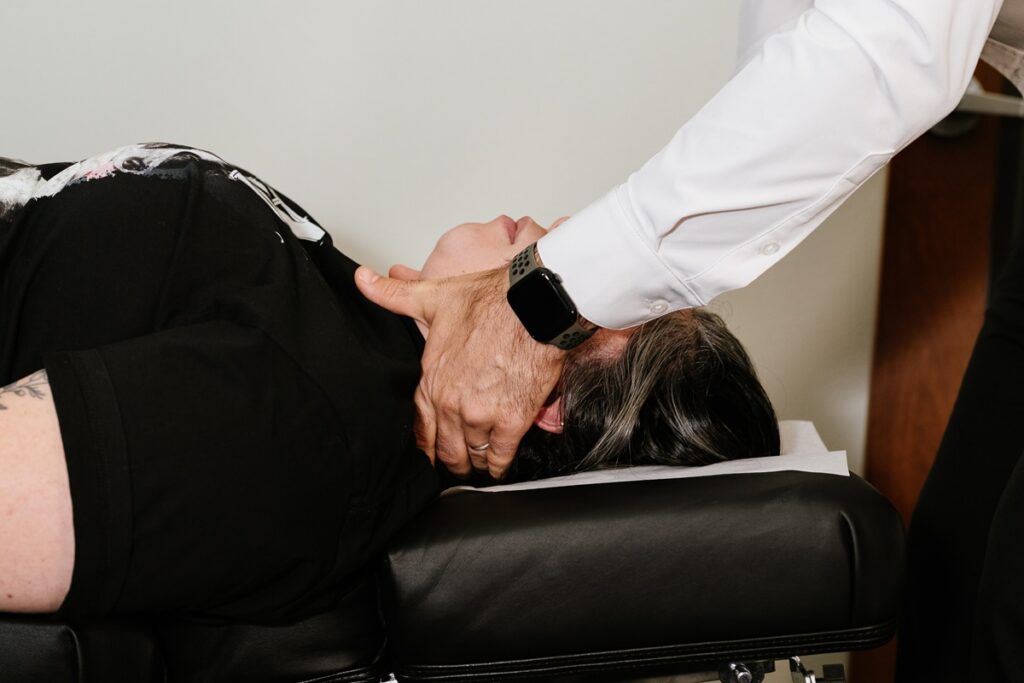

You can take control of your health by implementing a few key strategies to prevent chronic diseases. Start by focusing on a balanced diet and incorporating regular physical activity into your routine. It's also essential to manage stress and prioritize regular check-ups. But there's more to reflect on—certain habits can either support or undermine your efforts. Understanding these nuances might just be the key to a healthier future. Curious about what specific actions you can take to make a meaningful difference?
Adopt a Balanced Diet
Adopting a balanced diet is one of the most effective steps you can take to prevent chronic diseases. By focusing on a variety of foods, you'll guarantee that your body receives the essential nutrients it needs to function at its best. A balanced diet typically includes fruits, vegetables, whole grains, lean proteins, and healthy fats. When you fill your plate with these food groups, you're not only nourishing your body but also lowering your risk of conditions like heart disease, diabetes, and obesity.
Start by incorporating a rainbow of fruits and vegetables into your meals. Each color represents different vitamins and minerals, so the more variety, the better. Aim for at least five servings a day, whether fresh, frozen, or canned.
Whole grains are another essential component. Switch from white bread to whole grain options, and consider adding brown rice or quinoa to your meals for added fiber.
Don't forget about protein. Choose lean sources such as chicken, fish, beans, or legumes. These options provide essential amino acids without the added saturated fats found in red meats.
Healthy fats, like those from avocados, nuts, and olive oil, also play an important role in brain health and hormone regulation.
Lastly, be mindful of portion sizes and limit added sugars and sodium. By making these conscious choices, you'll create a sustainable eating pattern that not only prevents chronic diseases but also enhances your overall well-being.
Stay Physically Active
Staying physically active is essential for preventing chronic diseases and improving your overall well-being.
You can reap the benefits of regular exercise by finding activities you enjoy and setting realistic goals that fit your lifestyle.
Let's explore how you can make movement a fun and achievable part of your daily routine.
Benefits of Regular Exercise
Regular exercise offers a myriad of benefits that can greatly enhance your overall health and well-being. First and foremost, it helps maintain a healthy weight. By burning calories and building muscle, you can manage your body composition effectively.
Regular physical activity also strengthens your heart, improving cardiovascular health and reducing the risk of heart disease.
In addition, exercise boosts your mood. When you work out, your body releases endorphins, which are natural mood lifters. This can help alleviate feelings of stress, anxiety, and depression, leading to a more positive outlook on life.
Additionally, consistent exercise enhances your energy levels, allowing you to tackle daily tasks with greater enthusiasm.
You'll also notice improvements in your sleep quality. Engaging in physical activity can help you fall asleep faster and enjoy deeper sleep cycles.
Furthermore, regular exercise improves your muscle strength and flexibility, reducing the risk of injuries and enhancing your overall mobility.
Lastly, staying active fosters stronger bones and joints, making you less susceptible to osteoporosis and arthritis.
Finding Enjoyable Activities
Finding enjoyable activities is key to maintaining an active lifestyle. When you engage in exercises that you genuinely enjoy, it becomes easier to stay consistent. Think about what you love—whether it's dancing, hiking, swimming, or playing a sport. These activities not only keep you moving but also boost your mood and overall well-being.
Try out different options until you find what makes you excited. Join a local team, sign up for classes, or explore new hobbies that get your heart rate up. You might discover a passion for yoga, martial arts, or even gardening, which can be surprisingly physical. The more fun you have, the more likely you're to stick with it.
Don't forget to involve friends or family in your activities. Exercising with others can enhance motivation, accountability, and enjoyment. Create social events around physical activities, like group hikes or dance-offs.
Setting Realistic Goals
Setting realistic goals is essential for maintaining your physical activity levels over time. When you set achievable targets, you're more likely to stay motivated and committed. Start by evaluating your current fitness level and identify what you want to accomplish. Instead of aiming to run a marathon right away, consider starting with a 10-minute walk each day and gradually increasing your duration.
Break down your larger goals into smaller, manageable steps. For example, if you want to exercise three times a week, schedule specific days and times in your calendar. This structure makes it easier to stick to your routine.
Don't forget to celebrate your progress, no matter how small. Recognizing your achievements boosts your confidence and keeps you on track.
Also, be flexible. Life can be unpredictable, so if you miss a workout, don't beat yourself up. Adjust your goals if needed, and remember that consistency is key.
The more you incorporate physical activity into your daily life, the more natural it will feel. Setting realistic goals isn't just about reaching a destination; it's about creating a sustainable, healthy lifestyle you can maintain for years to come.
Manage Stress Effectively
Managing stress effectively is essential for your overall health and well-being.
By incorporating mindfulness and meditation techniques, you can find calm in your daily routine.
Plus, staying physically active and prioritizing healthy sleep habits will further enhance your ability to cope with life's challenges.
Mindfulness and Meditation Techniques
Numerous studies highlight the effectiveness of mindfulness and meditation techniques in managing stress and improving overall well-being. By incorporating these practices into your daily routine, you can cultivate a deeper awareness of your thoughts and feelings, leading to greater emotional resilience.
Start with simple mindfulness exercises. Take a few minutes each day to focus on your breath. Inhale deeply through your nose, hold for a moment, then exhale slowly through your mouth. This practice helps ground you in the present moment, reducing anxiety and promoting relaxation.
You can also try guided meditation apps or videos to help you get started. These resources often provide structured sessions that can ease you into meditation, making it less intimidating. Aim for just 5 to 10 minutes a day, gradually increasing the duration as you become more comfortable.
Additionally, practicing gratitude can enhance your mindfulness journey. Take a moment each day to reflect on what you're thankful for. This shift in focus can help you cultivate a positive mindset, further reducing stress.
Physical Activity Benefits
Engaging in physical activity offers significant benefits for managing stress effectively. When you incorporate regular exercise into your routine, you not only boost your mood but also improve your overall well-being.
Physical activity helps release endorphins, which are natural mood lifters. This makes it easier to combat daily stressors.
Here are some key benefits of physical activity for stress management:
- Reduces anxiety: Exercise lowers levels of stress hormones and increases relaxation.
- Improves sleep: Regular physical activity can help you fall asleep faster and deepen your sleep.
- Enhances self-esteem: Achieving fitness goals boosts your confidence and sense of accomplishment.
- Provides social interaction: Joining a class or team can foster connections and reduce feelings of isolation.
- Increases resilience: Regular exercise helps you develop coping mechanisms, making it easier to face life's challenges.
Healthy Sleep Habits
Sleep plays an essential role in stress management and overall health. When you prioritize quality sleep, you equip your body to handle stress more effectively. Aim for 7 to 9 hours of restful sleep each night. Establishing a consistent sleep schedule helps regulate your body's internal clock, making it easier to fall asleep and wake up refreshed.
Create a calming bedtime routine to signal to your mind that it's time to wind down. Consider activities like reading, meditating, or taking a warm bath. Avoid screens and bright lights at least an hour before bed, as they can disrupt your natural sleep cycle.
Your sleep environment matters too. Keep your bedroom dark, quiet, and cool to promote better sleep quality. If you're struggling to sleep, try techniques like deep breathing or progressive muscle relaxation to ease tension.
Lastly, don't overlook the importance of physical activity. Regular exercise can improve sleep quality, but try not to work out too close to bedtime.
Prioritize Regular Check-Ups
Regular check-ups are essential for maintaining your health and preventing chronic diseases. These appointments allow you to monitor your health status, catch potential issues early, and receive professional guidance tailored to your needs.
Skipping these visits can lead to unnoticed problems escalating into serious health concerns.
Here are some key reasons why you should prioritize regular check-ups:
- Early Detection: Catching diseases like diabetes or hypertension in their early stages can dramatically improve treatment outcomes.
- Preventive Screenings: Regular check-ups often include necessary screenings that can identify risk factors before they become serious issues.
- Vaccination Updates: Staying up-to-date with vaccinations helps protect you from preventable diseases.
- Health Education: Your healthcare provider can offer valuable advice on nutrition, exercise, and lifestyle changes tailored to your specific situation.
- Building a Relationship: Regular visits foster a relationship with your healthcare provider, making it easier to discuss sensitive health matters.
Avoid Tobacco and Excessive Alcohol
Avoiding tobacco and excessive alcohol is essential for maintaining your overall health and preventing chronic diseases. Both tobacco and alcohol can have severe consequences on your body, leading to conditions like heart disease, cancer, and liver disease. By steering clear of these substances, you're making a significant investment in your long-term well-being.
When it comes to tobacco, there's no safe level of use. Smoking not only harms your lungs but also affects nearly every organ in your body. If you currently smoke, consider seeking support to quit. Numerous resources are available, from counseling to medication, that can help you break free from nicotine addiction. Each day you stay tobacco-free, you reduce your risk of developing serious health issues.
Excessive alcohol consumption also poses serious risks. It can impair your liver function, increase your blood pressure, and contribute to weight gain, all of which elevate your risk for chronic diseases.
Moderation is key; if you choose to drink, stick to recommended guidelines—up to one drink per day for women and two for men. If you find it hard to limit your drinking, it might be time to reevaluate your relationship with alcohol.
Stay Informed on Health Trends
Staying informed on health trends can greatly enhance your ability to make positive lifestyle choices. In today's fast-paced world, new research and guidelines emerge regularly, shaping our understanding of health and wellness.
By keeping up with these trends, you can better navigate the complex landscape of nutrition, fitness, and disease prevention.
You don't have to become an expert, but a few simple strategies can help you stay on top of health trends:
- Follow reputable health organizations: Websites like the CDC, WHO, and NIH provide trustworthy information.
- Subscribe to health newsletters: Many organizations offer newsletters that summarize the latest research and advice.
- Listen to health podcasts: These can be a convenient way to stay informed while multitasking.
- Engage in social media: Follow experts and reliable pages to receive updates and discussions in real-time.
- Attend health workshops or webinars: These events often highlight the latest findings and practical advice.
Conclusion
By adopting these key strategies, you can markedly reduce your risk of chronic diseases. Focus on a balanced diet, stay active, and manage stress effectively. Don't forget to prioritize regular check-ups and steer clear of tobacco and excessive alcohol. Staying informed on health trends empowers you to make better choices for your well-being. Taking these steps not only fosters a healthier lifestyle but also enhances your overall quality of life. Start today—your future self will thank you!