
If you’ve recently experienced a whiplash injury, it’s crucial to understand how chiropractic care can significantly enhance your recovery process. As a local chiropractor, I want to emphasize the importance of early intervention and effective pain management, which are key components of healing.
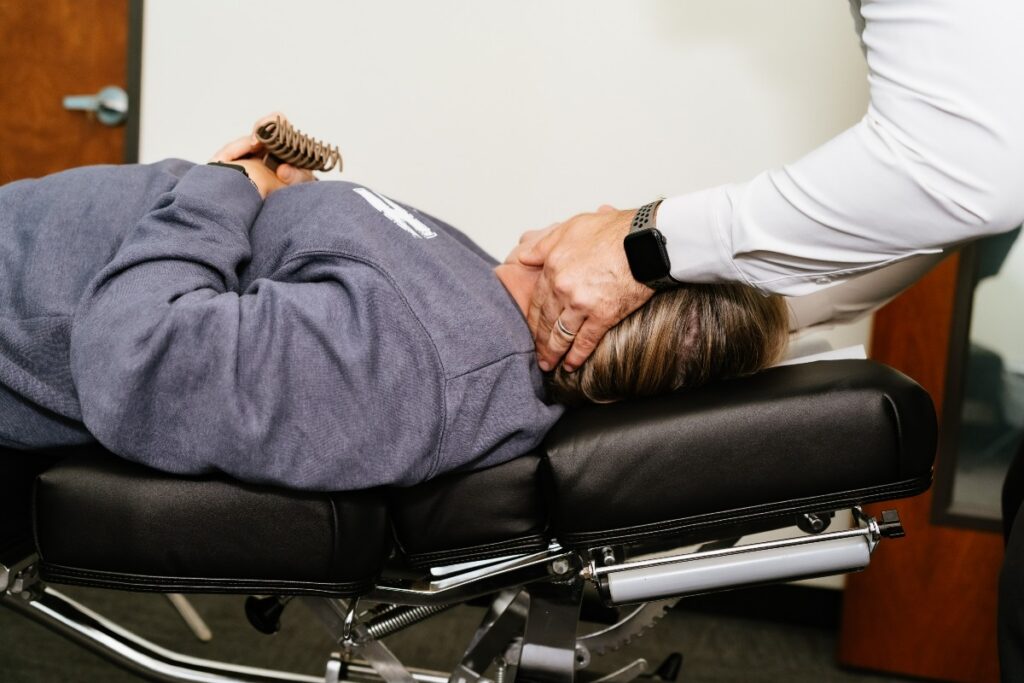
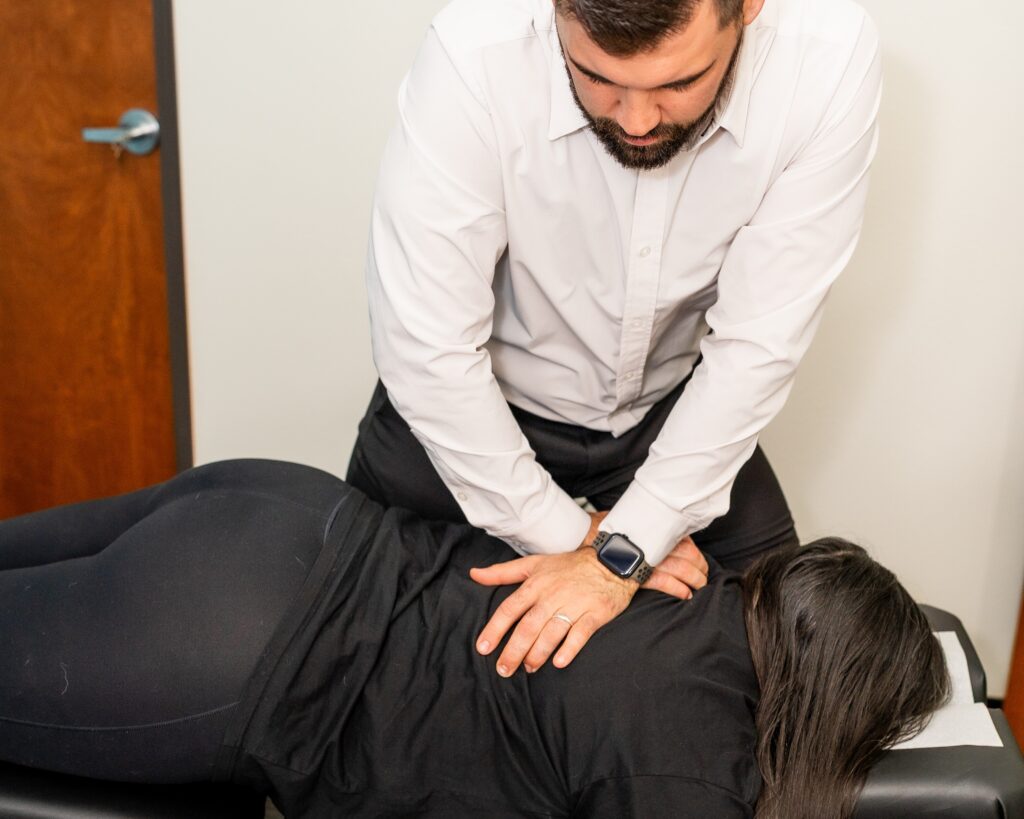
Incorporating chiropractic adjustments can help restore proper alignment to your spine and neck, relieving pressure on nerves and reducing pain. Additionally, physical therapy may be recommended alongside adjustments to strengthen the muscles that support your neck and improve mobility.
Lifestyle adjustments, such as ergonomic modifications at your workspace and gentle stretching exercises, also play a vital role in your recovery. By prioritizing these holistic techniques, you can promote healing in a natural way and ensure the best possible outcome. Let’s work together to explore these essential strategies that can aid your healing journey.
Understanding Whiplash Injuries
Whiplash injuries, commonly associated with car accidents, can cause significant pain and discomfort that many people may underestimate. When your head is suddenly jerked forward and then backward, the soft tissues in your neck can stretch and tear, leading to a range of symptoms. You might find yourself dealing with neck stiffness, headaches, or even bouts of dizziness.
Understanding the mechanics of whiplash is crucial because it highlights the impact this injury can have on your overall well-being.
As a chiropractor, I want to emphasize that whiplash is much more than just a sore neck; it can affect your daily life in profound ways. You may struggle to perform simple tasks or participate in social activities due to the discomfort.
This is where chiropractic care can play a vital role in your recovery. By recognizing the signs and symptoms of whiplash, you empower yourself to seek the appropriate care that can aid in your healing process.
Chiropractic adjustments and natural healing techniques can help restore your neck’s range of motion and alleviate pain. Together, we can work towards regaining your quality of life and ensuring that you can return to your normal activities without limitation.
Don’t hesitate to reach out if you have questions or concerns about your recovery from whiplash—I’m here to help guide you on your path to healing.
The Importance of Early Intervention
When you experience whiplash, it’s crucial to seek a prompt assessment from a chiropractor.
Early intervention is key to managing your pain effectively and developing a personalized rehabilitation plan that caters to your specific needs.
By addressing your injuries right away, you can significantly enhance your chances of a full recovery.
Chiropractic care offers natural healing methods that focus on restoring your body’s alignment and function, helping you regain your strength and mobility more efficiently.
Don’t wait—taking action early can make a world of difference in your healing journey.
Prompt Medical Assessment
As a local chiropractor, I want to emphasize the importance of recognizing the signs of injury, particularly when it comes to whiplash. Symptoms such as neck pain, stiffness, or headaches are signals from your body that shouldn’t be ignored.
Seeking a medical assessment as soon as you notice these symptoms is crucial for your recovery. Early intervention allows us, as chiropractic professionals, to assess your condition thoroughly and recommend natural treatment options that can facilitate your healing process.
Our proactive approach not only helps to prevent complications but also ensures that you’re on the right track to recovery more quickly. By addressing your injuries promptly, you’ll gain a clearer understanding of your situation, which can alleviate anxiety and empower you to make informed choices about your care.
Pain Management Strategies
As a local chiropractor, I want to emphasize the importance of seeking prompt medical assessment for your whiplash symptoms. Once you’ve done that, the next crucial step is to incorporate effective pain management strategies that align with natural healing principles.
Begin by discussing with me the benefits of over-the-counter pain relievers like ibuprofen or acetaminophen, which can help reduce inflammation and alleviate discomfort.
In addition to medication, I encourage you to explore heat and cold therapy. Applying a cold pack can help minimize swelling, while heat therapy is excellent for relaxing tight muscles.
I also recommend gentle stretching and mobility exercises tailored to your needs; these can enhance circulation and promote healing in your body.
Don’t overlook the importance of rest; giving your body the time it needs to recover is vital.
Remember, early intervention in pain management not only alleviates your current discomfort but can also prevent chronic issues down the line.
By staying proactive in your recovery journey, you’ll be on the path to achieving optimal health and well-being.
Let’s work together to ensure you experience the best results from your healing process!
Rehabilitation Program Initiation
As your local chiropractor, I want to emphasize the importance of early intervention in your rehabilitation program, especially when it comes to recovering from whiplash.
Starting your rehabilitation journey as soon as possible can significantly alleviate pain and stiffness, paving the way for a quicker recovery. It’s crucial to work with a healthcare professional who understands how to create a personalized plan that suits your specific needs.
In chiropractic care, this might include gentle adjustments, physical therapy techniques, and exercises designed to improve your posture and movement.
Engaging in rehabilitation early on is key to preventing long-term complications and chronic pain. You’ll also learn valuable strategies for coping with your symptoms in a natural and effective way.
Remember, the sooner you take action, the better your chances are for a complete recovery.
Don’t wait for your symptoms to become more severe—take control of your health and start your rehabilitation journey with us today.
We’re here to support you every step of the way!
Physical Therapy Techniques
As your local chiropractor, I want to share how effective physical therapy techniques can aid in your recovery from whiplash. Many people aren’t aware of the benefits of chiropractic care and natural healing, but these methods can truly make a difference in your healing journey.
Through manual therapy approaches, we can help restore proper alignment and movement in your spine and neck. This is crucial for reducing pain and promoting healing.
Additionally, we offer customized exercise rehabilitation programs that are designed to strengthen your muscles and improve mobility.
By combining these approaches, we can work together to help you regain your strength and get back to your daily activities.
If you have questions about how chiropractic care can support your recovery, I’m here to help guide you through the process.
Manual Therapy Approaches
At our chiropractic clinic, we understand that recovery from whiplash can be challenging, and we want to help you navigate this journey. Manual therapy approaches, which are central to our practice, can significantly aid in your recovery by alleviating pain, enhancing mobility, and restoring function.
These hands-on techniques, such as joint mobilization and soft tissue manipulation, target the areas affected by whiplash directly. You may notice a reduction in muscle tension and an increase in blood flow, both of which are crucial for healing.
During your initial visit, we’ll thoroughly assess your symptoms and create a personalized treatment plan tailored to your unique needs. One effective technique we use is cervical traction, which can relieve nerve pressure that often accompanies whiplash injuries.
Additionally, we incorporate stretching and manual resistance exercises to improve your range of motion. We encourage you to communicate openly with us about any discomfort you experience and your progress throughout your treatment.
Exercise Rehabilitation Programs
As a local chiropractor, I want to emphasize the importance of incorporating exercise rehabilitation programs into your recovery plan, especially if you’ve experienced whiplash.
These programs are designed to help restore strength, flexibility, and range of motion in your neck and upper back, which can significantly enhance your healing process.
In our sessions, we’ll guide you through specific exercises tailored to your individual needs. This may include gentle stretches and resistance training that you can practice regularly, even as you start to feel better.
Consistency is crucial for optimal recovery.
Moreover, we may introduce techniques like proprioceptive training, which helps improve your body awareness and coordination.
As you progress, we’ll incorporate functional movements that will assist you in returning to your daily activities with ease.
It’s essential to listen to your body throughout this process, and I encourage you to communicate openly with me about any discomfort you may encounter.
Together, we’ll create a collaborative approach that will greatly support your journey towards recovery and overall wellness.
Pain Management Strategies
As a local chiropractor, I understand that managing pain after a whiplash injury can be daunting, but there are natural strategies that can help you regain both comfort and mobility. One of the first steps I recommend is to consider over-the-counter pain relievers, such as ibuprofen or acetaminophen. These can provide quick relief while also helping to reduce inflammation in the affected area.
Another effective approach is applying ice or heat to your neck. Ice is beneficial for minimizing swelling, whereas heat can promote blood flow and relax tight muscles. Incorporating gentle stretching and mobility exercises into your routine can also be very helpful. These exercises enhance flexibility and reduce stiffness without putting additional strain on your injury.
In addition to physical care, don’t underestimate the power of relaxation techniques. Practices like deep breathing or meditation can help alleviate stress and improve your pain tolerance, making it easier to cope with discomfort.
Remember, staying hydrated and eating a balanced diet are crucial for your body’s healing process. These lifestyle choices can significantly influence how well you recover from your injury.
Most importantly, listen to your body and reach out to your healthcare provider for personalized advice tailored to your specific needs. You’re on the road to recovery, and with these natural strategies, we can work together to make a significant difference in your healing journey.
Role of Massage Therapy
As a local chiropractor, I want to share how massage therapy can significantly aid in your recovery from whiplash. This type of therapy is invaluable for easing tension and promoting healing in the neck and surrounding muscles. By effectively targeting the soft tissues, massage can help reduce pain and improve circulation, which is crucial for delivering essential nutrients to the injured areas.
Many of my patients have found that regular sessions with a qualified massage therapist not only alleviate discomfort but also enhance their overall mobility. It’s an important part of a comprehensive recovery plan.
Beyond physical relief, massage therapy can also help release built-up stress and emotional tension that often accompany injuries. This holistic approach fosters a sense of well-being, making it easier for you to navigate the recovery process.
I encourage you to communicate openly with your massage therapist about your specific needs and any areas of pain you may be experiencing. This collaboration allows for tailored sessions that address your unique concerns, maximizing the benefits of treatment.
Incorporating Exercise and Stretching
As your local chiropractor, I want to emphasize the importance of incorporating exercise and stretching into your recovery from whiplash. These practices can play a crucial role in your healing process.
Start with gentle range-of-motion exercises, which are essential for maintaining flexibility in your neck. Simple movements, such as tilting your head side to side or gently rotating it, can significantly help reduce stiffness and improve mobility.
As you progress, we can introduce strengthening exercises to support the muscles around your neck. Isometric exercises are particularly beneficial; these involve pushing against your hand without moving your neck, which helps to build stability without straining your muscles.
Stretching is equally important. I encourage you to include stretches for your neck, shoulders, and upper back to relieve tension. Aim to hold each stretch for 15-30 seconds and remember to breathe deeply to enhance relaxation.
Consistency is key—try to incorporate these exercises several times a week. Always listen to your body; if you experience pain while doing any of these exercises, it’s essential to stop and consult with me or another healthcare professional.
Lifestyle Adjustments for Recovery
As a local chiropractor, I want to share with you some essential lifestyle adjustments that can significantly aid your recovery from whiplash.
First and foremost, it’s crucial to prioritize rest. Your body needs this time to heal, so ensure you create a comfortable sleep environment, as quality sleep plays a vital role in your recovery process.
I recommend avoiding activities that may put strain on your neck, such as heavy lifting or spending long hours in front of screens. Instead, consider integrating gentle movements and stretches into your daily routine. These activities can help maintain your mobility without putting you at risk of overexertion.
Nutrition is another key factor in your healing journey. Embrace a balanced diet that includes plenty of anti-inflammatory foods—fruits, vegetables, and omega-3 fatty acids are excellent choices.
Staying hydrated is equally important; proper hydration promotes tissue elasticity and helps reduce stiffness.
Lastly, managing stress is essential for recovery. Techniques such as deep breathing exercises or meditation can help lower your stress levels, which in turn minimizes muscle tension—a critical element in your healing process.
By making these thoughtful adjustments to your lifestyle, you’ll create a supportive environment that fosters healing and accelerates your recovery from whiplash.
When to Seek Additional Medical Attention
As a local chiropractor, I want to help you understand when it’s important to seek additional medical attention following a whiplash injury. It’s crucial to listen to your body. If you find that your pain is worsening or not improving after a few days, I encourage you to reach out to a healthcare professional.
Pay close attention to any new sensations, such as numbness, tingling, or weakness in your arms or legs, as these could indicate nerve involvement that requires further evaluation. Persistent headaches or dizziness that interfere with your daily activities are also significant signs that you should consult with a doctor.
Additionally, if you’re having trouble sleeping or focusing, it might be beneficial to reassess your condition and explore natural healing options, such as chiropractic care, to support your recovery.
Emotional well-being is just as important as physical health. If you’re experiencing feelings of anxiety or depression after your injury, I encourage you to seek help. Early intervention can prevent long-term complications and support your healing journey.
Trust your instincts—if something feels off, it’s always wise to get checked out. Remember, chiropractic care can be a valuable part of your recovery process, helping to restore balance and promote natural healing.
Conclusion
As a local chiropractor, I want to share some important insights on recovering from whiplash. It’s crucial to take a proactive approach to your healing journey. Early intervention is key, so don’t hesitate to seek care as soon as you experience symptoms. Tailored rehabilitation programs are essential; we can work together to develop a plan that suits your individual needs.
Incorporating gentle exercises into your routine can significantly aid your recovery. These exercises help to strengthen the muscles around your neck and improve mobility. Additionally, making lifestyle adjustments—such as maintaining good posture and avoiding heavy lifting—can support your healing process.
Regular massage therapy can also be beneficial, as it helps to relieve muscle tension and promote circulation. Remember, it’s important to listen to your body. If your symptoms persist or worsen, please reach out for further medical attention.
With dedication to these natural healing techniques and our collaborative effort, you can look forward to a smooth recovery and the restoration of your well-being. Together, we will help you get back to your active life in no time!