
When it comes to chronic back pain, you might find yourself weighing the benefits of non-invasive solutions against more traditional treatment methods. You've likely heard about options like physical therapy and acupuncture, which aim to address the root causes of pain rather than just masking symptoms. But how do these approaches stack up regarding effectiveness? As you explore these alternatives, you may uncover insights that challenge your current understanding of pain relief. The question remains: Are these non-invasive methods truly the answer you've been searching for?
Understanding Chronic Back Pain
Chronic back pain affects millions of people worldwide, making it a prevalent health issue. You may find that this condition can stem from various causes, including injury, poor posture, or underlying medical conditions. When you experience persistent discomfort in your back for more than three months, it can be classified as chronic pain. This ongoing pain might limit your daily activities, affect your mood, and diminish your overall quality of life.
Understanding chronic back pain means recognizing its complexity. It's not just about the physical sensation; emotional and psychological factors play a significant role. You might notice that stress or anxiety exacerbates your pain, making it essential to address both the physical and mental aspects of your condition.
Additionally, the experience of pain can vary widely from person to person. What feels unbearable to one individual may be manageable for another, which can complicate treatment options.
You might also encounter different types of back pain, such as radicular pain, which radiates down your legs, or localized pain that stays in the back. Identifying where and how your pain manifests can help you communicate effectively with healthcare providers.
This understanding allows you to take proactive steps toward relief and recovery. By recognizing the multifaceted nature of chronic back pain, you can better equip yourself to seek appropriate support and strategies to improve your situation.
Overview of Non-Invasive Solutions
Finding relief from chronic back pain can often start with non-invasive solutions that prioritize your comfort and well-being. These methods aim to alleviate pain without the need for surgery or invasive procedures. You've got a variety of options to explore, and many of them can be tailored to fit your lifestyle and preferences.
Physical therapy is one popular non-invasive treatment. A trained therapist can guide you through exercises that strengthen your back and core muscles, improve flexibility, and promote proper posture. By working closely with a professional, you can learn techniques that help you manage pain effectively.
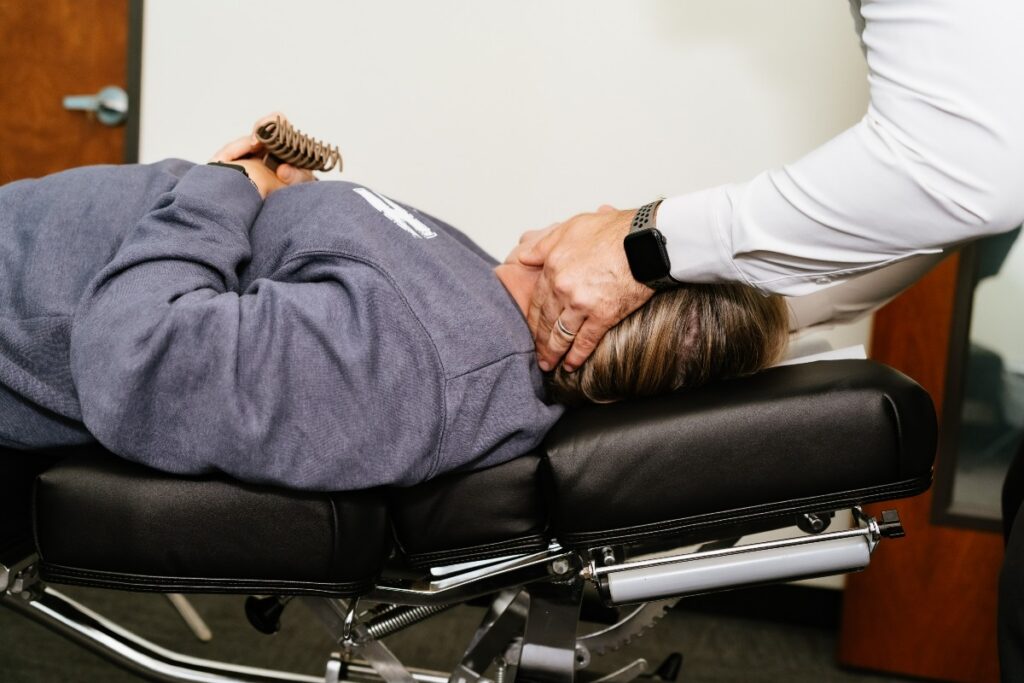
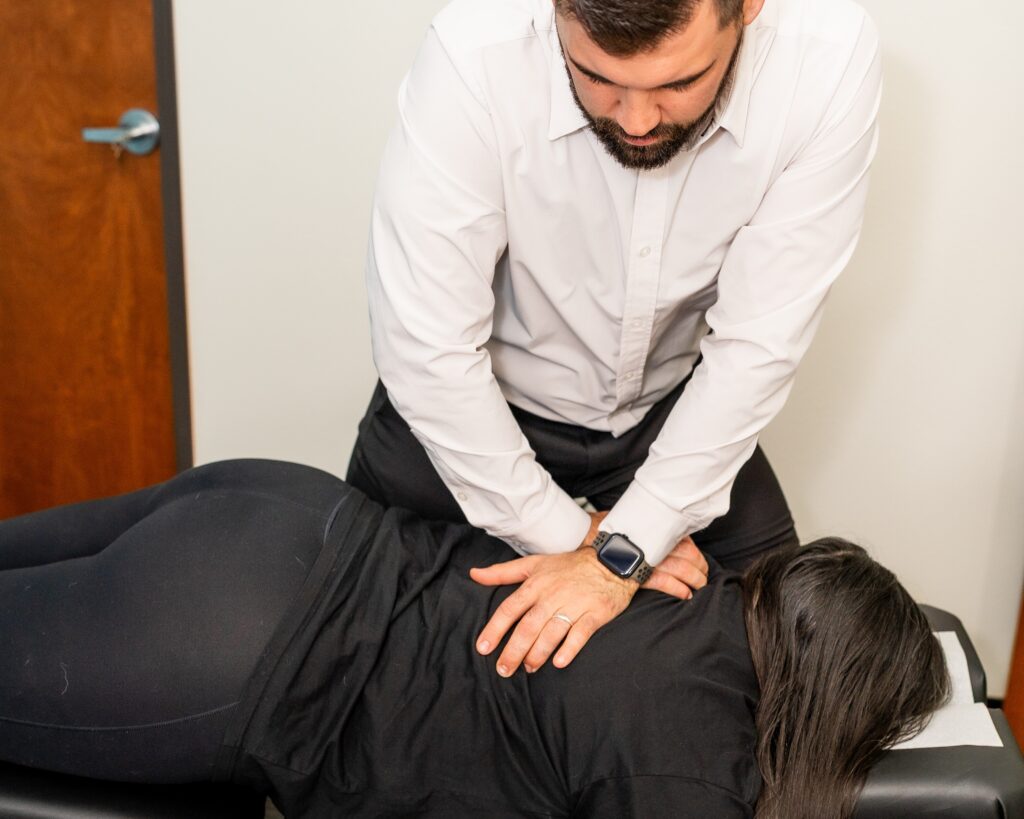
Another effective option is chiropractic care. Chiropractors focus on spinal alignment, and they can perform adjustments that may relieve pressure on nerves and improve mobility. Regular sessions can lead to significant improvements in your back pain over time.
You might also consider acupuncture. This ancient practice involves inserting thin needles into specific points on your body to stimulate healing and reduce pain. Many people report positive results after just a few sessions.
Additionally, lifestyle changes such as maintaining a healthy weight, practicing good ergonomics at work, and incorporating regular exercise into your routine can make a substantial difference.
Mindfulness techniques, including yoga and meditation, can also help you manage stress and reduce the perception of pain.
Traditional Treatment Methods
When exploring traditional treatment methods for back pain, many people turn to medications and injections as primary options. Over-the-counter pain relievers like ibuprofen or acetaminophen can provide temporary relief, but they often come with side effects.
Some individuals may require prescription medications, including stronger analgesics or muscle relaxants, depending on the severity of their pain. It's crucial to consult with a healthcare professional to determine the most effective medication for your specific condition.
Injections, such as corticosteroid injections or nerve blocks, are another traditional approach. These procedures can help reduce inflammation and alleviate pain by delivering medication directly to the affected area.
While these injections can provide significant relief, their effects may be temporary, and they often require repeated treatments.
Physical therapy is also a staple in traditional back pain management. A physical therapist can design a customized program focusing on strengthening your core, improving flexibility, and enhancing overall mobility.
This approach not only addresses immediate pain but also aims to prevent future episodes by teaching you proper body mechanics and posture.
Chiropractic care is another common method, where practitioners use spinal manipulation to relieve pain and improve function. Many people find this hands-on approach beneficial, but it's vital to choose a qualified chiropractor to guarantee safety and effectiveness.
While traditional treatment methods can be effective for many, they're often part of a broader strategy that includes lifestyle changes and preventive measures.
Comparing Effectiveness of Approaches
Many people frequently wonder how different treatment methods stack up against each other regarding effectiveness for back pain relief. When you're considering options, it's essential to evaluate both traditional and non-invasive solutions.
Traditional approaches like medication, physical therapy, or surgery often focus on immediate pain relief but mightn't address the underlying causes of your back pain. In contrast, non-invasive methods, such as chiropractic care, acupuncture, or yoga, aim to promote overall spinal health and may provide longer-lasting benefits.
Research shows that non-invasive methods can be as effective, if not more so, than conventional treatments for certain types of back pain. Chiropractic adjustments, for example, can improve spinal alignment and reduce pain, often leading to better mobility.
Similarly, acupuncture has gained traction for its ability to stimulate healing and alleviate discomfort without the side effects of medications.
You might find that a combination of treatments yields the best results. For instance, integrating physical therapy techniques with chiropractic care can enhance your recovery process. Additionally, lifestyle changes like regular exercise and proper posture can greatly impact your pain management journey.
Ultimately, the effectiveness of these approaches may vary based on individual circumstances, including your specific condition and how your body responds to different treatments.
Choosing the Right Option
In steering through the maze of treatment options for chronic back pain, it's crucial to reflect on your unique needs and preferences. You might feel overwhelmed by the various non-invasive solutions available, like physical therapy, acupuncture, or chiropractic care. Each option has its strengths, and understanding what resonates with you can guide your decision.
Start by evaluating the severity and nature of your pain. Is it a sharp, acute sensation, or a dull, persistent ache? This information can help you determine whether you need immediate relief or a long-term management plan.
Next, consider your lifestyle and how much time you can dedicate to treatment. If you're busy, you might prefer quicker solutions or therapies that require fewer visits.
Consulting with healthcare professionals can also provide valuable insight. A physical therapist can recommend exercises tailored to your condition, while a chiropractor might focus on alignment issues. Don't hesitate to ask questions about each option's effectiveness and potential side effects.
You should also take your comfort level into account. If you're wary of needles, acupuncture mightn't be your best choice. On the other hand, if you're open to trying new methods, exploring holistic approaches could yield surprising benefits.
Ultimately, the right option for you'll align with your pain relief goals, daily routine, and personal preferences. Remember, it's about finding what works best for you and your body.
Conclusion
To sum up, tackling chronic back pain doesn't have to mean invasive procedures. By exploring non-invasive solutions like physical therapy, chiropractic care, and acupuncture, you can address the root causes of your pain while promoting long-term spinal health. Remember, the right approach may vary for each person, so consider your options carefully. With the right combination of treatments and lifestyle changes, you can achieve sustainable relief and improve your overall well-being.