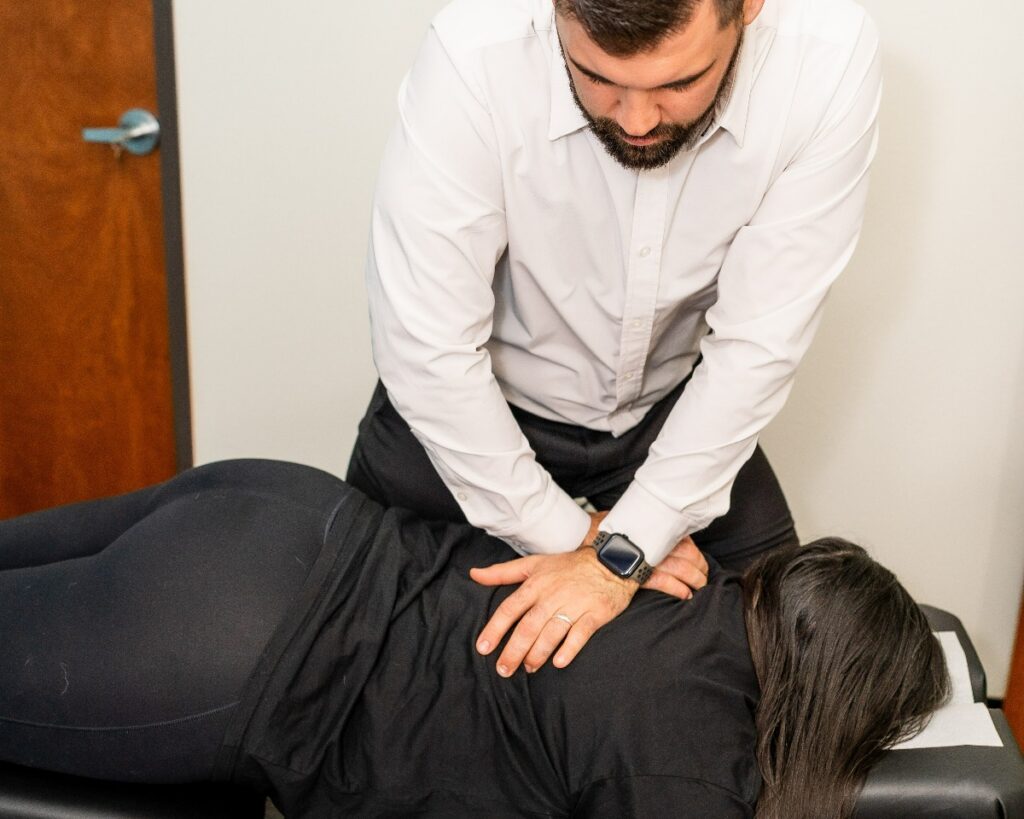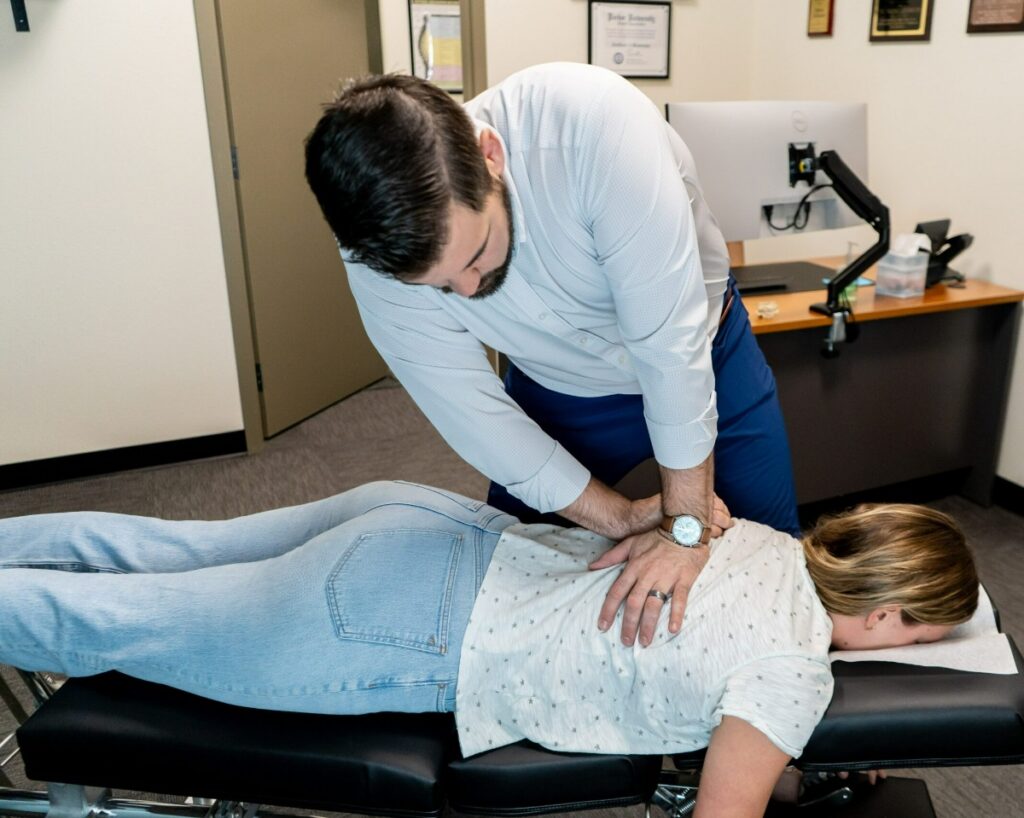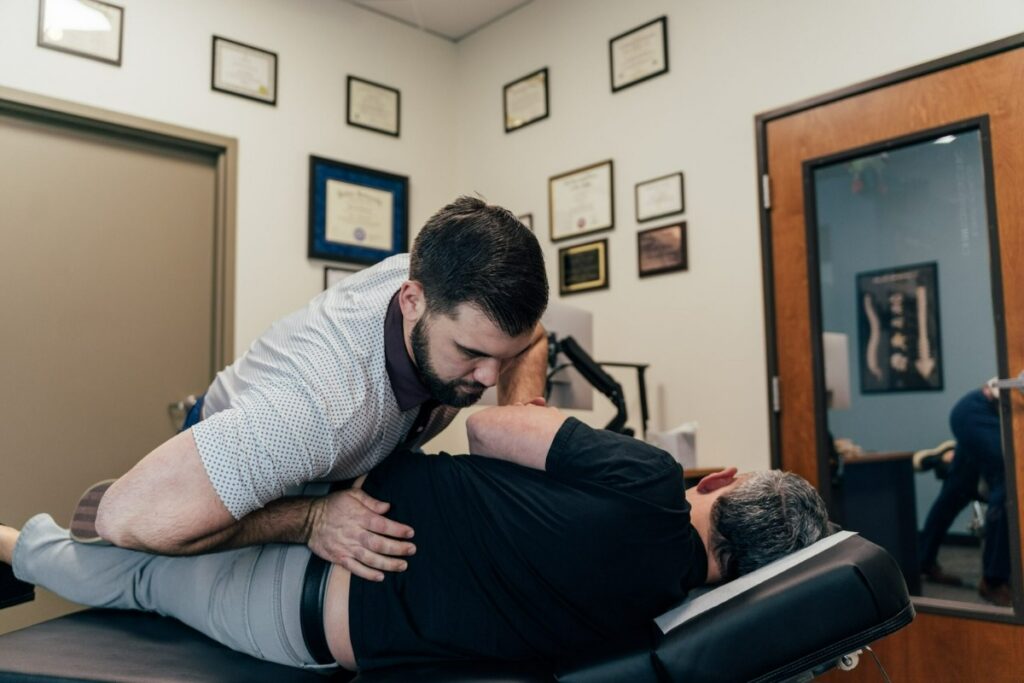

As a local chiropractor, I want to share with you how neck pain can significantly impact those who suffer from migraines. If you’ve ever had a migraine, you understand just how overwhelming and debilitating they can be. What many don’t realize is that neck discomfort is often closely linked to these intense headaches. By addressing this neck pain, you may find considerable relief from migraine symptoms.
Instead of seeking temporary solutions, I encourage you to focus on practical and holistic approaches that can lead to lasting changes. Have you considered how your posture might be affecting your neck and contributing to your headaches? Simple adjustments, along with specific exercises designed to strengthen and stretch your neck muscles, can make a world of difference.
Additionally, incorporating mindfulness practices can help you manage stress, which is a common trigger for migraines. Let’s work together to explore these effective strategies to not only alleviate your neck pain but also improve your overall quality of life. Your journey to feeling better starts with understanding how these elements are interconnected.
Understanding the Connection Between Neck Pain and Migraines
As a local chiropractor, I often see patients who are unaware of the strong connection between neck pain and migraines. Many of you may not realize that discomfort or tightness in your neck can be a significant trigger for those debilitating headaches.
If you’ve experienced neck tension and then found yourself dealing with a migraine, this isn’t just a coincidence—it’s a physiological response. When the muscles in your neck are strained or the nerves running through this area become irritated, it can send distress signals to your brain, ultimately resulting in a migraine.
Several factors can aggravate neck pain, including stress, poor posture during sleep, or extended hours spent at a computer. These issues can create a cycle where neck discomfort leads to more frequent migraines.
Understanding this relationship is crucial for your well-being. By addressing and alleviating neck pain, you can significantly reduce both the frequency and intensity of migraines.
As a chiropractor, I focus on promoting neck health through natural healing techniques. By incorporating chiropractic care into your routine, you can take an important step toward reducing headaches and enhancing your overall quality of life.
Let’s work together to find relief and improve your health naturally!
The Role of Posture in Neck Pain and Migraines
As a local chiropractor, I want to emphasize the significant impact that your posture has on neck pain and migraines.
Many people may not realize that poor alignment can create tension and discomfort, intensifying your symptoms.
By making simple adjustments to your posture and incorporating ergonomic solutions into your daily life, you can experience relief and enhance your overall well-being.
Understanding the connection between posture and pain is an important step towards natural healing, and I’m here to guide you on this journey.
Poor Posture Consequences
As a local chiropractor, I want to help you understand the impact of poor posture on your overall health, particularly when it comes to neck pain and migraines.
When you slouch or hunch over, you may not realize that you’re putting unnecessary strain on your neck. This can lead to discomfort and, in many cases, trigger migraines. Poor posture creates excessive pressure on your cervical spine, which tightens the surrounding muscles and can lead to tension headaches.
Moreover, the misalignment caused by poor posture can restrict blood flow and nerve function, intensifying migraine symptoms. Over time, this can result in chronic neck pain, which can further worsen your discomfort.
If you find yourself sitting for long periods without proper support, you may be making these issues even more pronounced.
It’s essential to recognize this connection between posture and pain management. By becoming aware of your posture and making adjustments, you can take significant steps toward alleviating your neck pain and reducing the frequency of migraines.
Improving your posture isn’t just about comfort; it’s a vital part of your overall well-being. In our chiropractic practice, we focus on natural healing methods that can help realign your spine, relieve tension, and promote better posture for a healthier lifestyle.
Ergonomic Solutions for Relief
As a local chiropractor dedicated to your well-being, I want to share some valuable insights on how to manage neck pain and reduce the frequency of migraines through ergonomic solutions. It’s essential to integrate these practices into your daily life for lasting relief.
First and foremost, let’s talk about your workspace. Ensure that your computer monitor is positioned at eye level. This simple adjustment can prevent unnecessary strain on your neck, which is often a contributing factor to discomfort and headaches.
Additionally, selecting a chair that provides proper support for your lower back is key. Your feet should rest flat on the floor to maintain a stable and comfortable posture.
When it comes to using your phone, I encourage you to hold it at eye level rather than bending your neck down. This small change can make a significant difference in how your neck feels throughout the day.
Don’t forget the importance of taking regular breaks. Stand up, stretch, and move around to release tension built up in your neck and shoulders.
Being mindful of your posture is also critical; aim to sit up straight with your shoulders relaxed.
Stretching Exercises to Alleviate Neck Discomfort
As a local chiropractor, I want to share with you the transformative power of stretching exercises for alleviating neck discomfort, which often contributes to migraine headaches.
Many of my patients have experienced significant relief by incorporating specific stretches into their daily routines. These techniques not only enhance your neck’s flexibility but also help to reduce muscle tension and improve overall well-being.
Let’s discuss some effective stretches that you can easily integrate into your day-to-day life. By committing just a few minutes each day, you can take proactive steps toward managing your neck discomfort naturally and enhancing your quality of life.
Whether you’re at home, at work, or on the go, these stretches can be a simple yet impactful addition to your self-care regimen.
Neck Stretches Overview
As a local chiropractor, I want to emphasize the importance of addressing neck discomfort, especially if it contributes to your migraines. Incorporating targeted neck stretches into your routine can provide significant relief. These simple exercises are designed to improve flexibility, reduce tension, and enhance blood flow, helping to alleviate your pain.
Many of us experience neck strain due to poor posture or long hours spent at a desk, which can lead to discomfort and even exacerbate migraine symptoms. The good news is that you don’t need any special equipment—just a quiet space where you can concentrate on your movements.
Start with gentle neck stretches, gradually increasing the intensity as your comfort level improves. Consistency is key; I encourage you to incorporate these stretches into your daily routine.
Always listen to your body and avoid pushing yourself too hard, as this will help you achieve the best results without causing further discomfort.
Effective Stretching Techniques
As a local chiropractor dedicated to your well-being, I understand that many of you may feel uncertain about trying new exercises. However, I want to emphasize the importance of incorporating effective stretching techniques into your routine, as they can significantly alleviate neck discomfort and help reduce the frequency of migraines.
Let’s start with some simple yet effective stretches. First, try gentle neck rotations: slowly turn your head to one side, hold for a few seconds, and then switch to the other side. This movement helps to increase mobility and reduce tension in the neck muscles.
Next, consider incorporating side bends into your stretching regimen. By tilting your ear toward your shoulder and holding that position, you can effectively stretch the muscles on the side of your neck. This can help release built-up tension that may contribute to discomfort and headaches.
Chin tucks are another beneficial exercise. Pull your chin back toward your neck, creating a double chin effect. Although it might feel a bit awkward at first, this movement is excellent for strengthening the neck muscles and improving posture.
Lastly, don’t overlook the benefits of shoulder shrugs. Simply lift your shoulders toward your ears, hold for a moment, and then release. This exercise can help relieve tension in the shoulders and upper back, areas that often contribute to neck pain and migraines.
By regularly practicing these stretches, you can enhance your flexibility and relieve tension in your neck. Over time, you may notice a substantial improvement in your neck health and a reduction in the frequency of migraines.
Daily Routine Suggestions
As a local chiropractor, I want to share some valuable insights on how incorporating stretching exercises into your daily routine can greatly alleviate neck discomfort and even help in preventing migraines.
Starting each day with gentle neck rolls can be incredibly beneficial; this simple movement allows your head to relax and helps release built-up tension.
Additionally, incorporating chin tucks into your morning routine can strengthen your neck muscles. To do this, gently pull your chin towards your chest while keeping your shoulders relaxed. This exercise is easy to perform and can make a noticeable difference in your neck strength over time.
Throughout the day, it’s essential to take short breaks to care for your body. You can do this by performing shoulder shrugs—just lift your shoulders towards your ears and then let them relax back down. This simple practice can relieve tension accumulated from long periods of sitting or working.
At the end of your day, don’t forget to give your neck some attention. Stretch it by tilting your head side to side, holding each position for a few seconds. This not only feels good but also helps in reducing stiffness and discomfort.
Remember, consistency is key! Aim to dedicate at least 10 minutes each day to these stretches. By doing so, you may notice a significant reduction in discomfort and a decrease in the frequency of migraines.
Taking these small steps can lead to a healthier, more comfortable life. If you have any questions or need further guidance, don’t hesitate to reach out!
Strengthening Your Neck and Shoulder Muscles
As a local chiropractor, I want to share with you how strengthening your neck and shoulder muscles can significantly improve your well-being and potentially alleviate migraine symptoms. Many people are unaware of the connection between muscle strength and pain relief, but incorporating specific exercises into your routine can build resilience in these crucial areas, reduce tension, and help prevent discomfort.
To get started, I recommend gentle neck stretches, such as tilting your head side to side. This simple exercise can increase flexibility in your neck. Following that, shoulder shrugs and rolls are excellent for releasing tightness in the shoulder area.
For those looking to strengthen their muscles further, resistance exercises like seated rows or shoulder presses are great options. I suggest aiming for 2-3 sets of 10-15 repetitions, focusing on maintaining proper form to avoid any strain.
Consistency is key when it comes to these exercises, so it’s important to dedicate time each week to work on them. As you strengthen your neck and shoulders, you may notice a reduction in the frequency and intensity of your migraines.
The Benefits of Heat and Cold Therapy
As a local chiropractor, I want to share some valuable techniques that can enhance your relief from migraines, especially after you’ve been working on strengthening your neck and shoulder muscles.
Incorporating heat and cold therapy into your routine can be incredibly effective.
Heat therapy is a great way to increase blood flow to your muscles, which helps relax tightness and ease stiffness. Simple methods like using a warm towel, a heating pad, or even enjoying a warm shower can provide soothing relief.
On the flip side, cold therapy can be just as beneficial. It works by numbing the area, reducing inflammation, and slowing down the nerve signals that send pain messages to your brain. You can achieve this by applying an ice pack or a bag of frozen vegetables wrapped in a cloth to the affected area for immediate relief.
For optimal results, I recommend alternating between heat and cold therapy. Aim to apply heat for about 15-20 minutes, followed by the same duration of cold therapy.
This combination can significantly help reduce muscle tension and alleviate migraine symptoms, allowing you to manage your discomfort more effectively.
Massage Techniques for Neck Pain Relief
If you’re experiencing neck pain, incorporating massage techniques into your routine can be a fantastic way to find relief and promote better overall health.
As a chiropractor, I often recommend the following methods to help alleviate discomfort:
- Kneading: This technique involves using your fingers to apply pressure in circular motions on areas that feel tense. It can be highly effective in releasing tightness in the neck and surrounding muscles.
- Trigger Point Therapy: This method focuses on specific tight spots, known as trigger points, which can form muscle knots. By applying pressure to these points, you can help release the tension and improve your range of motion.
- Stretching: Gentle neck stretches can be incredibly beneficial. While massaging, try to softly pull your head to the side to help elongate and relax the neck muscles.
- Hot Stone Massage: Using heated stones can deeply soothe tight muscles and enhance blood circulation. This technique can be particularly comforting for those with chronic neck pain.
- Self-Massage: For hard-to-reach areas, consider using a tennis ball against a wall. This allows you to target specific spots that may be causing discomfort, providing a simple yet effective way to relieve tension.
By integrating these massage techniques into your self-care routine, you can support your body’s natural healing processes and improve your neck health.
If you’re interested in learning more or exploring chiropractic care, feel free to reach out for guidance tailored to your needs.
The Importance of Ergonomics in Daily Activities
As a chiropractor, I often see the effects of poor ergonomics in my patients.
It’s crucial to consider how your desk and chair support your body while you work. By maintaining good posture throughout the day, you can significantly reduce the risk of developing neck pain and migraines.
Paying attention to your ergonomics not only enhances your comfort but also boosts your productivity.
Remember, a well-organized workspace can lead to a healthier spine and overall well-being.
Taking these simple steps can make a world of difference in your daily life and help you feel your best.
Proper Desk Setup
As a local chiropractor, I want to emphasize the importance of a well-organized desk setup for your overall health. A proper ergonomic workspace can significantly reduce the risk of neck pain and migraines, which many of my patients experience.
Here are some key tips to help you create a comfortable and supportive environment:
- Monitor Height: It’s crucial to position your computer screen at eye level. This simple adjustment can prevent unnecessary strain on your neck and spine.
- Chair Support: Choose a chair that offers good lumbar support. This helps maintain the natural curve of your spine, encouraging good posture while you work.
- Keyboard and Mouse Positioning: Ensure that your keyboard and mouse are at elbow height. This keeps your arms relaxed and minimizes tension in your shoulders and wrists.
- Proper Lighting: Make sure your workspace is well-lit. Adequate lighting can help reduce eye strain, which is essential for maintaining focus and comfort during long hours at your desk.
- Take Frequent Breaks: Remember to take regular breaks to stretch and reset your posture. Step away from your desk to give your body a chance to recover and prevent stiffness.
By following these guidelines, you’ll not only create a more comfortable workspace but also promote better overall health, which is something we focus on in chiropractic care.
If you have any questions or need further advice, feel free to reach out!
Posture Awareness Techniques
As a chiropractor dedicated to your wellbeing, I want to emphasize the importance of maintaining proper posture in your everyday activities to help prevent issues like neck pain and migraines.
It’s all about being conscious of how you sit, stand, and move throughout the day.
When you’re sitting, ensure your feet are flat on the floor, your shoulders are relaxed, and your back is straight. If you find yourself frequently using your phone, try to hold it at eye level. This simple adjustment can significantly reduce strain on your neck.
During activities like typing or reading, remember to take regular breaks. Use these moments to stretch and realign your body, which is crucial for maintaining good posture.
I recommend setting reminders—whether it’s sticky notes around your workspace or alerts on your phone—to prompt you to check your posture throughout the day.
Additionally, engaging in exercises that strengthen your core and neck muscles can greatly support better alignment and overall spinal health.
By adopting these posture awareness techniques, you’re not only investing in your comfort but also promoting a healthier, pain-free lifestyle.
Mindfulness and Relaxation Techniques
As a local chiropractor, I understand that managing neck pain is essential for reducing the frequency of migraines. However, I want to emphasize that incorporating mindfulness and relaxation techniques can significantly enhance your overall well-being.
These practices not only help you reconnect with your body but also play a vital role in lowering stress levels, which can be a common trigger for migraines. Here are some techniques I recommend for you to explore:
- Deep Breathing: Take a moment to focus on your breath. Inhale deeply through your nose and exhale slowly through your mouth. This simple practice can help calm your nervous system.
- Progressive Muscle Relaxation: Try tensing each muscle group for a few seconds before releasing them. This technique allows you to experience the contrast between tension and relaxation in your body.
- Meditation: Dedicate a few minutes each day to sit quietly and clear your mind. This practice can help center your thoughts and promote mental clarity.
- Guided Imagery: Visualize a peaceful scene, such as a serene beach or a tranquil forest. This mental escape can relieve stress and tension in your body.
- Yoga or Stretching: Gentle movements and stretches can alleviate neck tension while promoting relaxation throughout your body.
By integrating these mindfulness and relaxation techniques into your daily routine, you can work towards creating a more balanced and pain-free life.
When to Seek Professional Help
As a local chiropractor, I want to emphasize the importance of knowing when to seek professional help for your neck pain and migraines. If you’re experiencing neck pain that lasts for more than a few days or if it seems to worsen despite your efforts at home, it’s a good idea to consult with a healthcare provider like myself.
It’s particularly important to reach out if you notice any numbness, tingling, or weakness in your arms or legs, as these symptoms may indicate a more serious underlying issue.
Additionally, if your headaches come with symptoms such as fever, changes in vision, or severe nausea, please don’t hesitate to seek medical attention.
In our chiropractic practice, we focus on identifying the root causes of your discomfort and recommending natural, effective treatments.
Early intervention is key in preventing complications and enhancing your overall quality of life. Remember, your health is a priority—if something feels off, trust your instincts and reach out for the support you need.
We’re here to help guide you on your journey to wellness.
Lifestyle Changes for Long-Term Relief
As a local chiropractor, I want to share with you some simple lifestyle changes that can have a profound impact on reducing neck pain and migraines over time.
By incorporating these healthier habits into your daily routine, you can create a supportive environment for your neck and overall health. Here are some key changes to consider:
- Stay Hydrated: It’s essential to drink plenty of water throughout the day. Dehydration is a common trigger for migraines, so keeping hydrated can help lessen their frequency and severity.
- Improve Posture: Many of us spend long hours sitting, which can lead to poor posture and increased neck strain. Be mindful of your posture and consider using ergonomic furniture to support your spine and neck.
- Exercise Regularly: Gentle exercises, such as yoga or stretching, are excellent for strengthening your neck muscles and improving flexibility. Regular movement can also promote better circulation and reduce tension.
- Manage Stress: Stress can significantly contribute to both neck pain and migraines. Incorporating relaxation techniques, such as deep breathing exercises or meditation, can help lower your stress levels and alleviate pain.
- Get Enough Sleep: Quality sleep is vital for your body’s recovery process. Aim for 7-9 hours of restful sleep each night to help minimize the occurrence of migraines and support your overall well-being.
By implementing these lifestyle changes, you may experience significant long-term relief from neck pain and migraines.
As your chiropractor, I’m here to support you on your journey to better health and to provide guidance on how chiropractic care can further assist in your healing process.
Conclusion
As a local chiropractor, I want to share some effective strategies for managing neck pain that can significantly reduce the frequency and intensity of migraines. By integrating these remedies into your daily routine, you can take proactive steps toward achieving relief.
First and foremost, maintaining proper posture is crucial. Poor posture can lead to unnecessary strain on your neck, which may trigger migraines. I encourage you to be mindful of your positioning, especially when sitting for extended periods.
Incorporating stretching and strengthening exercises into your routine can also be beneficial. Gentle neck stretches can alleviate tension, while strengthening exercises can improve support for your cervical spine.
Heat and cold therapy are practical methods to ease discomfort. Applying heat can relax tight muscles, while cold therapy can reduce inflammation. Finding what works best for you can make a significant difference.
Don’t overlook the importance of ergonomics in your workspace. Setting up your environment to support your body can help prevent strain and discomfort.
Additionally, practicing mindfulness and relaxation techniques can enhance your overall well-being and help manage stress, which is often a contributing factor to migraines.
If you find that neck pain persists despite these efforts, seeking professional help is a wise decision. A chiropractor can provide tailored treatment options that address the root cause of your discomfort.
By embracing these natural strategies, you can pave the way for a healthier, more comfortable life, free from the burden of neck pain and migraines. Remember, you don’t have to navigate this journey alone; I’m here to support you every step of the way.