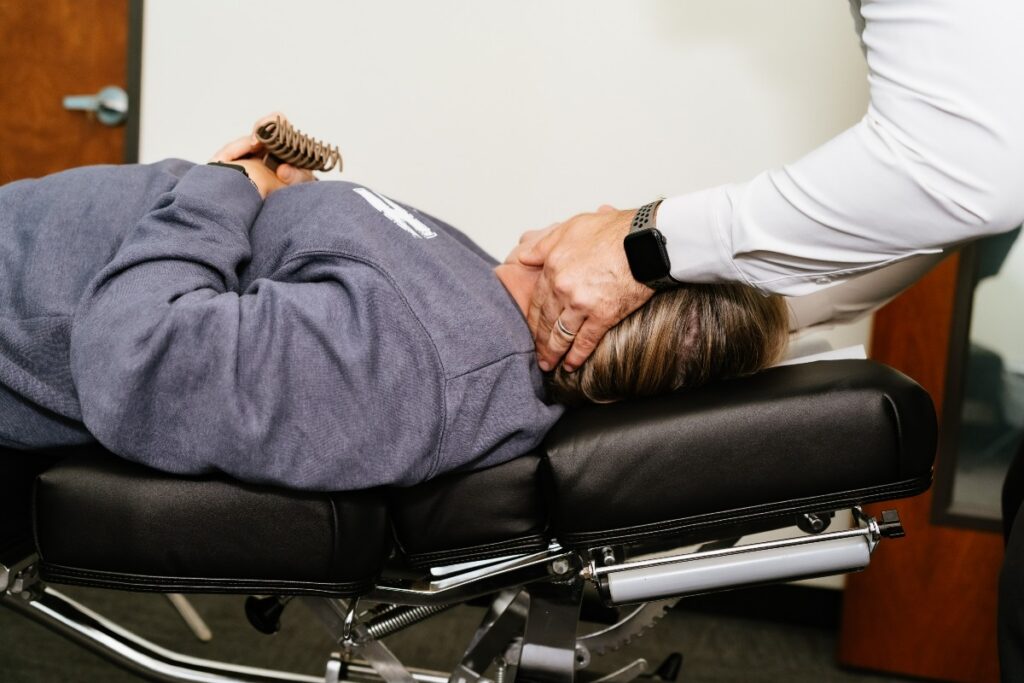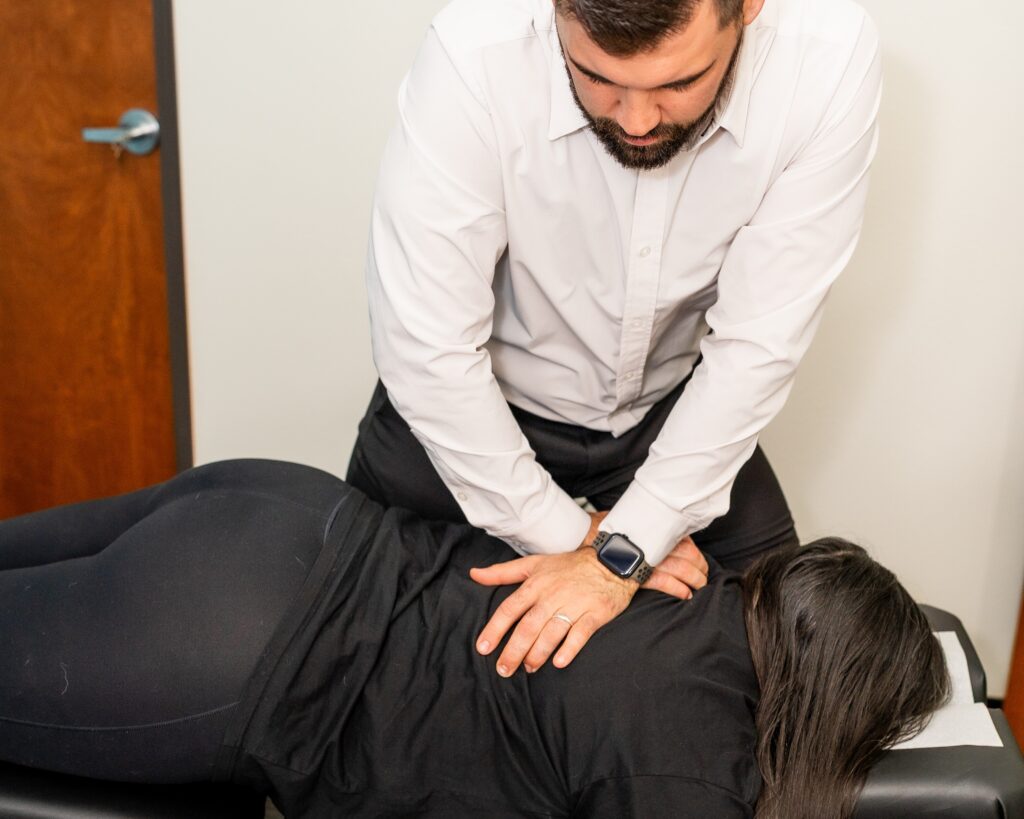

If you’re experiencing back pain, I understand how challenging it can be to manage discomfort in your daily life. As a local chiropractor, I want to share some effective and natural approaches that can help you find relief without relying solely on medication. There are various methods available, from mindful movement techniques to dietary adjustments, each offering distinct benefits for your overall well-being. Are you interested in learning how these strategies can not only alleviate your back pain but also enhance your daily routine? Let’s delve into these seven natural approaches that have the potential to make a significant difference in your life.
Mindful Movement and Stretching
As a local chiropractor, I want to emphasize the importance of incorporating mindful movement and stretching into your daily routine for optimal back health and overall well-being. Many patients are unaware that these practices can significantly alleviate back pain and enhance your quality of life.
Mindful movement is all about being aware of your body and breath. This heightened awareness helps you tune into your physical sensations, allowing you to pinpoint areas of tension and discomfort. By identifying these areas, you can address them intentionally, which is a key part of natural healing.
Gentle stretching exercises, such as cat-cow or child’s pose, are particularly effective in increasing flexibility and relieving tightness in your back. I encourage you to focus on your breath while stretching, as this can deepen the experience, promote relaxation, and reduce stress.
Even dedicating just a few minutes each day to these practices can lead to significant improvements. As you learn to listen to your body, you’ll become more adept at recognizing discomfort before it escalates into pain.
Strengthening Core Muscles
As a local chiropractor, I want to emphasize the importance of strengthening your core muscles for overall health and well-being. A robust core is essential for maintaining stability and can significantly help in preventing back pain.
When your core is strong, it provides better support for your spine, which in turn enhances your posture and makes everyday activities much easier.
In my practice, I often see patients who underestimate the role of core strength in their overall health. By incorporating effective exercises into your routine, you can build this crucial strength and improve your quality of life.
Let’s discuss some practical exercises that can aid in strengthening your core and support your journey towards better health through natural healing methods.
Importance of Core Stability
As a local chiropractor, I want to emphasize the crucial role that core stability plays in maintaining a healthy back and alleviating pain. Your core muscles act as a support system for your spine. When these muscles are strong and stable, they help you maintain proper posture and alignment, which can significantly reduce the strain on your back.
Think of your core as a natural brace for your spine. It helps protect you during everyday activities and movements, allowing you to go about your day without discomfort. On the other hand, if your core strength is lacking, it can lead to increased pressure on your lower back, resulting in pain and discomfort.
By focusing on improving your core stability, you not only enhance your overall functional strength but also make it easier to perform daily tasks without the risk of injury. Prioritizing core strength can greatly increase your body’s resilience, enabling you to engage in physical activities with greater confidence and comfort.
In essence, a strong core is vital for a healthy, pain-free back. As part of your journey towards better health, I encourage you to consider the importance of core stability and how it can positively impact your well-being.
Together, we can explore natural healing methods that focus on strengthening your core and supporting your spine.
Effective Core Exercises
As a local chiropractor, I want to emphasize the critical role of core stability in your overall health. Integrating effective core exercises into your routine can significantly enhance your strength and provide essential support for your spine. One of the best starting points is the plank exercise, which engages multiple muscle groups and helps improve your overall stability.
Another beneficial exercise is the bridge, which focuses on strengthening your lower back and glutes—key areas that support your spine. Additionally, incorporating bird-dogs into your regimen can enhance your balance and coordination while effectively targeting your core.
And let’s not overlook the dead bug exercise; it’s fantastic for reinforcing proper movement patterns, which is crucial for daily activities.
I recommend practicing these exercises consistently, aiming for two to three times a week. Remember, maintaining proper form and breathing throughout each movement is vital for maximizing the benefits.
As you strengthen your core, you may experience a reduction in back pain, improved posture, and enhanced overall performance in your daily activities. Embracing these natural methods can be a powerful step towards better health and wellness.
Incorporating Yoga and Pilates
As a local chiropractor, I often encounter patients seeking quick fixes for their back pain. However, I want to emphasize the importance of incorporating practices like yoga and Pilates into your routine for lasting relief and enhanced flexibility.
These practices not only strengthen your core but also improve posture and increase your overall body awareness, which are essential in alleviating pain.
In yoga, you’ll discover various poses specifically designed to stretch and strengthen the muscles that support your spine, which can lead to better alignment. For example, poses like Child’s Pose and Cat-Cow are particularly effective in promoting spinal health.
Pilates, on the other hand, focuses on controlled movements that target your core, back, and hips, fostering balanced strength throughout your body. Exercises like the Hundred or the Roll-Up are excellent for improving stability and supporting your chiropractic care.
Utilizing Heat and Cold Therapy
As your local chiropractor, I want to share some valuable insights on managing back pain through natural methods like heat and cold therapy. Many patients aren’t familiar with how these techniques can provide significant relief, so let’s break it down.
Heat therapy is a fantastic way to help relax tight muscles and enhance blood circulation in your back. By applying heat, you can promote healing and alleviate discomfort.
On the other hand, cold therapy plays a crucial role in reducing inflammation and numbing sharp pain, which can be especially beneficial after an injury or during flare-ups.
To get the most out of these therapies, consider alternating between heat and cold. Start with heat to ease muscle tension, followed by cold therapy to address inflammation.
Remember to use a barrier, like a towel, when applying heat or cold to avoid any skin damage.
Incorporating these techniques into your routine can be a powerful addition to your overall treatment plan.
If you have any questions or need personalized advice, don’t hesitate to reach out during your next visit. Together, we can work towards a pain-free life!
Benefits of Heat Therapy
As a local chiropractor, I want to share with you the benefits of heat therapy, particularly for alleviating back pain. Many individuals may not be familiar with how natural healing methods like this can make a difference in your overall well-being.
When used in conjunction with cold therapy, heat therapy provides a balanced approach to pain management. Here are some key benefits you might experience:
- Increased Blood Flow: Applying heat to your back helps to dilate blood vessels, which promotes better circulation. This process delivers vital nutrients to the affected area, aiding in recovery and healing.
- Muscle Relaxation: The warmth from heat therapy works wonders in relaxing tight muscles and reducing stiffness. This relaxation can lead to improved flexibility and greater ease of movement, which is crucial for maintaining an active lifestyle.
- Pain Relief: Heat has the ability to decrease the pain signals sent to your brain, providing a soothing effect that can significantly help in managing discomfort. It’s a natural method to find relief without relying solely on medication.
Integrating heat therapy into your daily routine can be a game-changer. It may help you regain mobility and enjoy your everyday activities without the constant distraction of back pain.
If you’re curious about how to incorporate this into your care plan, feel free to ask during your next visit!
Benefits of Cold Therapy
As a local chiropractor, I want to share how cold therapy can be a valuable addition to your pain management strategy, especially when dealing with back pain. When you apply cold to an affected area, it causes blood vessels to constrict, which helps reduce inflammation and numb the pain. This can offer you quick relief, particularly following a strain or injury. You may notice less swelling and a reduction in muscle spasms, which can make movement more comfortable.
Moreover, cold therapy isn’t just for acute pain; it can also be beneficial for chronic discomfort. By disrupting the pain signals that travel to your brain, it can help you manage ongoing issues without resorting to medications. If you’re seeking a natural, drug-free approach to healing, cold therapy is an excellent option to consider.
Incorporating cold therapy into your routine can complement other treatments, such as heat therapy, to create a well-rounded approach to your pain management. Together, these methods can help you feel your best and support your journey toward wellness.
If you have any questions about how to effectively use cold therapy or other natural healing techniques, I’m here to help!
Application Techniques Explained
As a local chiropractor, I want to share some effective techniques for managing back pain using natural methods. Combining cold and heat therapy can significantly enhance your pain relief strategy. Here’s how you can apply these therapies in a way that promotes healing and comfort:
- Cold Application: Start with cold therapy to help reduce inflammation and numb the pain. You can use an ice pack wrapped in a cloth, applying it to the affected area for about 15-20 minutes. This can be done every hour as needed, especially within the first couple of days after experiencing pain.
- Heat Application: After the initial 48 hours, it’s time to switch to heat therapy. This helps relax tight muscles and improves blood flow to the area. You can use a heating pad or a warm towel, applying it for 15-20 minutes to help ease discomfort.
- Alternating Methods: For optimal results, consider alternating between cold and heat therapies. Begin with cold therapy, then follow it up with heat. Be sure to allow at least a 30-minute gap between each application to give your body time to respond.
I encourage you to experiment with these techniques to discover what provides you with the most relief.
Exploring Acupuncture and Acupressure
As a local chiropractor, I want to introduce you to some effective natural methods for managing back pain that you may not be familiar with, such as acupuncture and acupressure.
Unlike conventional treatments that often rely on medication or surgery, these approaches draw from traditional Chinese medicine and focus on specific points in your body to promote healing and relieve discomfort.
Acupuncture involves the insertion of thin needles into designated points, which can help to stimulate your body’s energy flow and alleviate tension. Many individuals experience a noticeable reduction in pain and an improved sense of well-being after just a few sessions.
If needles aren’t your preference, acupressure could be an excellent alternative. This technique applies finger pressure to similar points, allowing you to experience the benefits without the use of needles.
What’s particularly appealing about acupressure is that you can practice it on yourself, applying pressure to targeted areas to relieve tension and discomfort whenever you need.
Whether you opt for acupuncture or acupressure, both methods can serve as effective, natural solutions for managing back pain, offering a holistic approach to your overall health.
I encourage you to explore these techniques and see how they might complement your chiropractic care. They could be the key to finding the relief you’ve been searching for!
Adopting an Anti-Inflammatory Diet
As a local chiropractor dedicated to helping you manage your back pain naturally, I want to share how an anti-inflammatory diet can significantly improve your well-being.
By making some simple dietary adjustments, you can help reduce inflammation and alleviate discomfort in your body. Here are three key changes to consider:
1. Incorporate Omega-3 Fatty Acids: Adding fatty fish like salmon or plant-based sources such as walnuts to your meals can be incredibly beneficial. Omega-3 fatty acids are known to combat inflammation and support joint health, which is essential for your overall mobility and comfort.
2. Boost Your Antioxidant Intake: Focus on including a variety of colorful fruits and vegetables in your diet. Foods like berries, spinach, and kale are rich in antioxidants that help fight oxidative stress and inflammation.
A vibrant plate not only looks appealing but also nourishes your body and aids in recovery.
3. Reduce Processed Foods: Be mindful of your consumption of refined sugars and unhealthy fats found in many processed foods. These can contribute to inflammation and may exacerbate your back pain.
Opting for whole, natural foods will support your healing process.
By adopting these dietary changes, you can enhance your chiropractic care and take proactive steps towards managing your back pain effectively.
Let’s work together towards a healthier, pain-free life!
Practicing Stress Management Techniques
As a local chiropractor, I want to emphasize the importance of managing stress as part of your journey toward alleviating back pain. Many people are unaware that stress can lead to muscle tension, which often contributes to discomfort in the back. By incorporating effective stress management techniques, you can help your body relax and reduce that tension.
One technique I recommend is mindfulness meditation. Just dedicating a few minutes each day to focused breathing can significantly calm your mind and ease physical tension.
Additionally, yoga is a fantastic practice that not only promotes relaxation but also enhances flexibility and strength in your back through gentle movements.
Regular exercise is another vital component in managing stress. Activities such as walking, swimming, or cycling can elevate your endorphin levels and help diminish feelings of stress, which can be beneficial for your overall well-being.
Lastly, it’s crucial to prioritize sleep. A well-rested body can better cope with stress and is more resilient against pain.
By integrating these techniques into your daily life, you won’t only manage your stress more effectively but also support a healthier and more comfortable back.
Conclusion
As a local chiropractor, I want to emphasize the importance of incorporating natural approaches to alleviate back pain and improve your overall well-being. By embracing mindful movement and focusing on strengthening your core, you can take proactive steps toward finding relief. Additionally, therapies such as acupuncture can offer significant benefits in managing pain.
It’s crucial to nourish your body with anti-inflammatory foods, as they can play a key role in reducing discomfort. I also encourage prioritizing stress management techniques, as stress can contribute to muscle tension and exacerbate pain.
With consistency and care in your daily practices, you can regain flexibility, enhance your strength, and ultimately enjoy a more comfortable life. I invite you to explore these natural methods and discover what works best for you in your journey toward better health. Remember, small changes can lead to significant improvements in your quality of life.