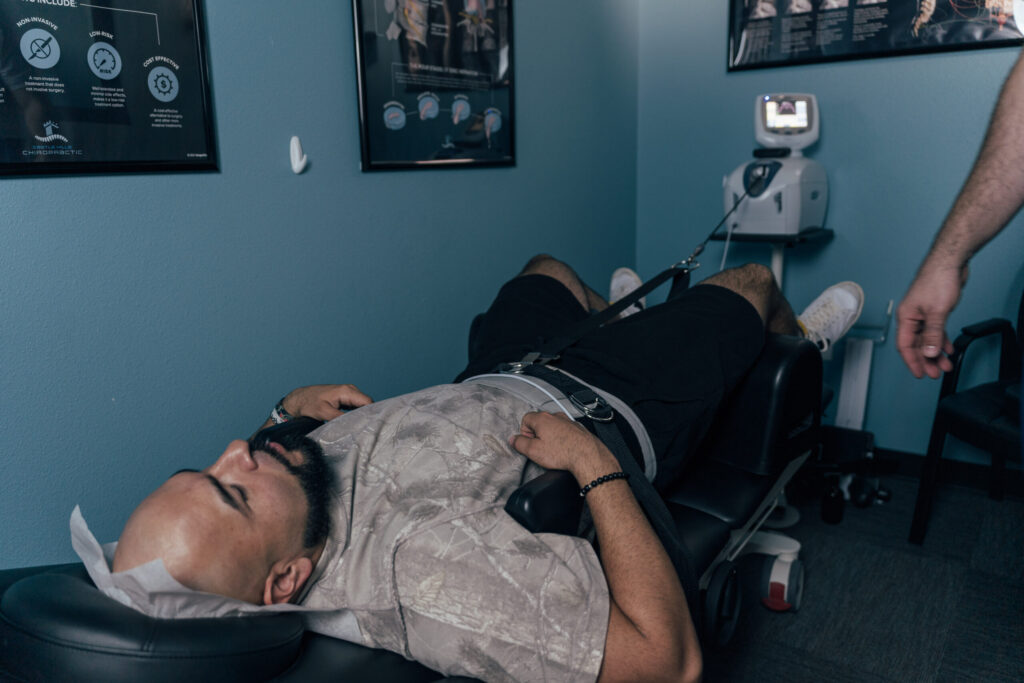

You might not realize it, but everyday habits could be setting you up for low back pain. As a local chiropractor, I want to help you understand how your daily routine can affect your spine and overall well-being. Poor posture at your desk, leading a sedentary lifestyle, and using improper lifting techniques are all common culprits. Additionally, your sleep environment and stress levels can play significant roles in your spinal health.
Recognizing these factors is essential for maintaining a healthy back. So, what can you do to break this cycle and protect your spine? Here are some key lifestyle choices that might be impacting your comfort, along with tips to promote healing and wellness:
- Improve Posture: When sitting at your desk, make sure your chair supports your lower back and that your feet are flat on the floor. Consider using a lumbar support cushion. Regularly check in on your posture throughout the day.
- Stay Active: A sedentary lifestyle can lead to weak muscles, which can strain your back. Incorporate regular physical activity into your routine—simple exercises like walking, stretching, or yoga can help strengthen your core and improve flexibility.
- Lift Properly: When lifting heavy objects, always bend at the knees, not at the waist. Keep the object close to your body, and use your legs to lift, not your back.
- Create a Comfortable Sleep Environment: Ensure you have a supportive mattress and use pillows that keep your spine aligned while you sleep. Finding the right sleeping position can make a big difference in how you feel.
- Manage Stress: High-stress levels can lead to muscle tension in your back. Consider relaxation techniques such as deep breathing, meditation, or even chiropractic adjustments to help ease tension and promote overall wellness.
- Chiropractic Care: Regular visits to a chiropractor can greatly enhance your spinal health. Chiropractic adjustments help realign your spine, alleviate pain, and improve your body’s natural ability to heal.
Remember, taking care of your back is an essential part of overall health. By making these small changes and incorporating chiropractic care into your wellness routine, you can achieve a healthier, pain-free life. If you’re experiencing discomfort, don’t hesitate to reach out to your local chiropractor for personalized guidance and support. Together, we can work towards optimal health and a pain-free future!
Key Takeaways
As a local chiropractor, I want to share some key lifestyle choices that can lead to low back pain and how chiropractic care can help you achieve optimal health.
- Posture Matters: Poor posture during prolonged sitting can put a strain on your spine, contributing to low back pain. To combat this, make a conscious effort to sit up straight, keep your feet flat on the floor, and use a chair that supports your lower back. Regular chiropractic adjustments can help align your spine and improve your posture.
- Strengthen Your Core: A lack of core strength can lead to instability, which increases the risk of back injuries. Incorporating exercises that strengthen your core muscles, like planks and bridges, can provide better support for your spine. Remember, chiropractic care can also enhance your strength and flexibility, reducing the risk of pain.
- Lift Smart: Improper lifting techniques, such as bending at the waist instead of using your legs, can place excessive strain on your lower back. Always bend your knees and keep your back straight when lifting heavy objects. If you’re unsure about your lifting technique, a chiropractor can provide guidance to ensure you’re protecting your back.
- Watch Your Weight: Excess body weight can add pressure on the structures of your lower back, exacerbating discomfort. Maintaining a healthy weight through a balanced diet and regular exercise can alleviate this pressure. Chiropractic care can also assist in your overall wellness journey, helping you stay active and motivated.
- Sleep Support: Inadequate sleep support from mattresses and pillows can misalign your spine, leading to morning pain. Investing in a supportive mattress and pillow is crucial for spinal health. A chiropractor can offer personalized advice on the best sleeping positions and supports for your individual needs.
By making these simple adjustments in your daily life and incorporating chiropractic care, you can take significant steps towards reducing low back pain and achieving a healthier, more balanced lifestyle. Remember, chiropractic care is here to support your journey to optimal health and wellness!
Poor Posture at Work
Many individuals unwittingly adopt poor posture at work, which can lead to significant low back pain over time. When you slouch or lean forward, it disrupts your spine’s natural curve, placing additional strain on your muscles and ligaments. You may start to feel discomfort after hours of sitting at your desk, especially if your chair isn’t providing adequate support for your lower back.
As a chiropractor, I want to emphasize the importance of maintaining good posture to promote spinal health. To improve your posture, consider making some simple adjustments to your workstation. Keep your feet flat on the floor with your knees at a 90-degree angle. Position your computer monitor at eye level to prevent unnecessary neck strain.
Incorporating regular breaks into your work routine is also essential. Stand up, stretch, and take short walks throughout the day to help reset your posture and alleviate tension. These small changes can make a world of difference in how you feel.
Chiropractic care is an excellent option for addressing discomfort and promoting natural healing. Regular adjustments can help restore your spine’s alignment, relieve pain, and improve your overall well-being. By prioritizing your spinal health, you can achieve a more comfortable and productive work life. Remember, taking care of your posture is a key step towards a healthier lifestyle!
Sedentary Lifestyle
Poor posture at work isn’t the only factor contributing to low back pain; a sedentary lifestyle plays a significant role as well. When you spend hours sitting, whether at a desk or in front of a screen, your muscles weaken, and your spine can lose its natural alignment. This lack of movement can lead to stiffness and discomfort, making you more susceptible to injury.
Incorporating regular physical activity into your routine is essential for maintaining a healthy spine. Strengthening your core and back muscles is crucial, as these muscles support your spine and help prevent pain. Even simple actions, like taking short breaks to stretch or walk, can significantly benefit your back health. I recommend standing up and moving around every hour. This small change can help keep your muscles engaged and your spine aligned.
Additionally, consider adding exercises that promote flexibility and strength to your daily routine. Gentle stretches and strengthening exercises can be easily done at home or even in your workspace. Remember, breaking up long periods of sitting not only reduces your risk of low back pain but also enhances your overall well-being.
As a chiropractor, I believe in the power of movement and the body’s ability to heal naturally. Chiropractic care can also play a vital role in your journey to optimal health. Regular adjustments can help restore proper alignment to your spine, alleviate pain, and improve your body’s overall function.
Don’t underestimate the importance of taking care of your spine! By prioritizing movement and seeking chiropractic care, you’re making a proactive choice for your health and wellness.
Improper Lifting Techniques
When you lift heavy objects without using the proper techniques, you risk causing low back pain and other injuries. Common mistakes, such as bending at the waist instead of using your knees, can place significant strain on your back. As a chiropractor, I want to share some safe lifting techniques that not only help you avoid injury but also promote spinal health and wellness.
- Bend Your Knees: Always squat down to lift heavy objects. This engages your legs, which are much stronger than your back, reducing the risk of injury.
- Keep the Load Close: Hold the object as close to your body as possible. This minimizes the strain on your back and helps you maintain better balance.
- Use Your Core: Engage your abdominal muscles while lifting. A strong core supports your spine and helps prevent injuries.
- Avoid Twisting: When lifting or setting down an object, turn your entire body instead of twisting at your waist. This keeps your spine aligned and reduces the risk of strain.
- Take Your Time: Don’t rush the process. Lifting slowly and deliberately can help you maintain control and prevent accidents.
Incorporating these techniques into your daily routine can significantly reduce the risk of back pain. Remember, maintaining a healthy spine is crucial for overall wellness.
If you do experience discomfort, chiropractic care can provide effective pain relief and guide you on the path to natural healing. By prioritizing your spinal health and practicing safe lifting techniques, you can lead a healthier, more active life.
Common Lifting Mistakes
Improper lifting techniques can easily lead to low back pain, especially if you’re not aware of how you handle heavy objects. One of the most common mistakes is bending at the waist instead of using your knees. This puts unnecessary strain on your lower back, potentially leading to discomfort. Instead, always remember to squat down and lift with your legs.
Another error is twisting your body while lifting. This can create muscle imbalances and increase your risk of injury. To avoid this, turn your whole body instead of just your torso when moving an object.
When lifting with your arms extended, you may overexert yourself, making your lower back more vulnerable to pain. Try to keep the load close to your body, which decreases the effort needed to lift and helps protect your spine.
It’s also crucial to recognize when a load is too heavy. Don’t hesitate to ask for help when you need it; it’s a smart choice that can prevent serious injuries.
In addition to these tips, consider visiting a chiropractor for guidance on safe lifting techniques and to maintain a healthy spine. Chiropractic care can help alleviate pain and promote overall wellness, allowing you to lift safely and live life to its fullest. Remember, being mindful of your lifting habits is an essential step toward protecting your back and enhancing your health!
Safe Lifting Techniques
Mastering safe lifting techniques is essential for protecting your lower back and preventing pain, which is something I emphasize in my chiropractic practice. When you lift, always remember to stand close to the object and bend your knees instead of your waist. This simple adjustment can make a big difference in how your body handles the strain of lifting.
Keep your feet shoulder-width apart for stability, which helps to create a strong base. Grip the object firmly with both hands and maintain a straight back as you lift. Engaging your core muscles is crucial as they support your spine during this process. As you lift, focus on pushing through your legs rather than straining your back.
Avoid twisting your torso, as this can lead to injury. Instead, pivot your feet to change direction safely. If you find the load feels too heavy, don’t hesitate to ask for help or consider using tools like dollies or straps to assist you.
Incorporating these safe lifting techniques into your routine can greatly reduce your risk of low back pain and injury. Remember, maintaining proper form not only protects your back but also contributes to overall spinal health. And if you ever do experience discomfort or pain, chiropractic care is an excellent natural solution that can help you find relief and promote wellness without the need for medication or surgery. By prioritizing your spine and practicing safe lifting, you’ll be taking important steps toward a healthier, pain-free life.
Inadequate Sleep Support
Sleeping on a mattress that doesn’t offer adequate support can lead to discomfort and low back pain, which is something I often see in my practice as a chiropractor. When your mattress is either too soft or too firm, it can throw your spine out of alignment. This misalignment puts stress on your muscles and ligaments, leading to discomfort that can leave you feeling stiff and achy in the morning.
To support your spine properly while you sleep, it’s essential to choose a mattress that promotes its natural curvature. Look for one that supports your weight without allowing your body to sink too deeply. Your sleeping position plays a crucial role as well; for instance, side sleepers may require a mattress with more cushioning to cradle their hips and shoulders, while back sleepers typically benefit from a firmer surface to keep their spine aligned.
Don’t overlook the importance of pillows, either! A good pillow can support your neck and help maintain proper spinal alignment while you sleep. By prioritizing sleep support, not only can you enhance your sleep quality, but you can also improve your overall well-being and reduce the risk of low back pain.
As a chiropractor, I encourage everyone to pay attention to their sleep environment. If you’re experiencing persistent discomfort, consider scheduling a chiropractic consultation. We can work together to assess your posture, provide personalized care, and develop a holistic approach to enhance your sleep and overall health. Remember, taking care of your spine is a crucial step toward a pain-free life!
Lack of Core Strength
When your core isn’t strong, it can lead to instability and low back pain, which many people experience. As a chiropractor, I want to emphasize the importance of building core strength for not only supporting your spine but also enhancing your overall posture. A strong core is vital for maintaining balance and stability in your daily activities, and it plays a significant role in reducing discomfort.
One of the best ways to improve your core strength is through specific exercises that focus on the muscles that support your spine. Incorporating these exercises into your routine can help alleviate pain and promote natural healing.
Here are a few effective exercises to consider:
- Planks: This exercise engages your entire core. Start by lying face down, then lift your body off the ground, resting on your forearms and toes. Keep your body in a straight line from head to heels. Hold this position for 20-30 seconds, gradually increasing the duration as you build strength.
- Bridges: Lie on your back with your knees bent and feet flat on the floor. Raise your hips towards the ceiling, squeezing your glutes and engaging your core. Hold for a few seconds before lowering back down. Repeat this 10-15 times.
- Bird-Dogs: Start on your hands and knees. Extend one arm forward and the opposite leg back while keeping your core engaged. Hold for a moment, then switch sides. This exercise helps improve balance and stability while strengthening the core.
In addition to these exercises, here are some general tips to promote a healthier lifestyle and support your core strength:
- Maintain good posture throughout your day, whether sitting or standing. This helps reduce strain on your spine.
- Stay active with regular physical activity, which can include walking, swimming, or cycling.
- Consider incorporating yoga or Pilates into your routine, as they focus on core strength and flexibility.
Remember, chiropractic care is an excellent way to support your journey towards optimal health. Regular adjustments can enhance your spinal health, alleviate pain, and improve your overall well-being.
If you’re experiencing discomfort or want to learn more about how to strengthen your core effectively, don’t hesitate to reach out to your local chiropractor for personalized guidance. Your path to a healthier, pain-free life starts with a strong core!
Importance of Core Stability
While many individuals tend to focus solely on stretching or strengthening their back muscles to alleviate low back pain, it’s essential not to overlook the importance of core stability. Your core muscles are vital in supporting your spine and maintaining proper posture. When these muscles are weak, it can create an unstable base, making your back work harder and increasing your risk of injury.
Here’s a simple breakdown of the core muscle groups, their importance, and the effects of weakness:
| Core Muscle Group | Importance | Effects of Weakness |
|---|---|---|
| Abdominals | Stabilizes the spine | Poor posture |
| Obliques | Supports rotation | Increased back strain |
| Erector Spinae | Maintains spinal alignment | Chronic pain |
Focusing on core stability not only protects your back but also enhances your overall physical performance. Incorporating chiropractic care into your wellness routine is an excellent way to strengthen your core and improve spinal health naturally.
Here are some tips to help you boost your core stability:
- Consult with a Chiropractor: Regular chiropractic adjustments can help align your spine and support your core muscles, allowing them to function better.
- Practice Good Posture: Be mindful of your posture while sitting, standing, or lifting. Proper alignment helps engage your core muscles effectively.
- Incorporate Core Exercises: Simple exercises like planks, bridges, and pelvic tilts can strengthen your core. Start slow and gradually increase intensity.
- Stay Active: Engage in activities that promote core strength, such as yoga or Pilates. These practices not only strengthen the core but also enhance flexibility and balance.
- Listen to Your Body: Pay attention to any discomfort you may feel during activities or exercises, and consult with your chiropractor for personalized guidance.
Exercises to Strengthen Core
Strengthening your core is a key step in preventing low back pain and enhancing overall stability, and as a chiropractor, I want to emphasize its importance for your spinal health. A strong core supports your spine, improves your posture, and helps reduce strain on your back, promoting a healthier, more active lifestyle.
To get started, consider incorporating some simple exercises into your routine. Planks are a fantastic way to build core strength. Begin by holding your body in a straight line from head to heels for 30 seconds, and as you gain strength, you can gradually increase your hold time.
Another effective exercise is the bridge. Lie on your back with your knees bent, lift your hips off the ground, and squeeze your glutes. This not only strengthens your core but also helps stabilize your lower back.
Sit-ups and leg raises are great options for targeting your abdominal muscles and can be easily added to your routine. Additionally, don’t overlook the value of rotation exercises like Russian twists to engage your obliques, which play a crucial role in maintaining balance and stability.
I recommend aiming for at least two to three core workouts each week. Consistency is key! Over time, you’ll notice improvements that can help you avoid low back pain and make daily activities more comfortable.
Remember, while these exercises are beneficial, they work best in conjunction with regular chiropractic care. Chiropractic adjustments can help ensure that your spine is aligned properly, allowing your core exercises to be more effective. By choosing a natural approach to health and wellness through chiropractic care, you’re taking a proactive step towards maintaining optimal health and preventing pain.
Excessive Weight
Carrying excess weight can put significant strain on your lower back, often leading to discomfort and pain. When your body carries additional weight, it has to work harder to support and move, placing extra stress on your spine and the muscles around it. This added pressure can lead to muscle fatigue and, over time, contribute to chronic pain.
As you may have noticed, everyday tasks can become more challenging when your back struggles to support your weight. Poor posture often accompanies excess weight, which further increases the strain on your lower back. By focusing on strengthening your core and maintaining a healthy weight, you can help relieve some of this pressure and reduce your risk of injury.
Chiropractic care is an excellent option for managing pain and promoting overall wellness. Regular visits to your chiropractor can help align your spine, improve your posture, and support your efforts in maintaining a healthy weight. Your chiropractor can also provide tailored exercises and tips to strengthen your core, helping to alleviate the burden on your lower back.
Consider making gradual lifestyle changes, such as adopting a balanced diet and incorporating regular physical activity. These steps can help you shed excess pounds and enhance your overall well-being. Remember, every small change can lead to significant improvements in your comfort and quality of life.
Incorporating chiropractic care into your wellness routine can be a powerful ally in your journey toward a healthier back and a more active lifestyle. By choosing natural healing methods, you can achieve optimal health and enjoy a more comfortable life.
High-Impact Activities
High-impact activities can significantly stress your lower back, especially if your body isn’t well-prepared. Engaging in sports like running, basketball, or high-intensity aerobics can put extra strain on your spine. Jumping or landing improperly can further increase your risk of back injuries.
Before jumping into these activities, it’s vital to establish a strong foundation of strength and flexibility. One of the best ways to support your spine and help absorb impact is by strengthening your core. Incorporating simple core exercises into your routine can make a big difference. Additionally, being mindful of your movements and maintaining proper form is essential for preventing injuries.
If you experience any discomfort while participating in high-impact exercises, it’s important to listen to your body. Taking breaks, incorporating lower-impact activities like walking or swimming, and gradually increasing your intensity can help protect your lower back.
Chiropractic care can also play a crucial role in your overall wellness and spinal health. Regular visits to a chiropractor can help keep your spine aligned, reduce discomfort, and enhance your body’s ability to handle high-impact activities safely. Remember, smart training habits and chiropractic care can keep you active and healthy without compromising your spinal well-being. Prioritizing your health today can lead to a more active and fulfilling tomorrow!
Stress and Tension
While you mightn’t realize it, stress and tension can significantly contribute to low back pain. When you’re feeling stressed, your body tends to tense up, which can lead to muscle strain and discomfort, especially in your lower back. This tightness mightn’t be obvious at first, but over time, chronic stress can create persistent tension in your muscles.
Moreover, stress can negatively impact your posture. When anxious or overwhelmed, you may find yourself hunching your shoulders or leaning forward. This poor posture puts extra strain on your spine, leading to discomfort and pain.
As a chiropractor, I encourage you to consider incorporating stress-reduction techniques into your daily routine. Simple practices like regular exercise, deep breathing, and mindfulness can help ease tension and promote relaxation. Not only do these methods support your mental well-being, but they also play a crucial role in maintaining a healthy spine.
Chiropractic care is an excellent option for addressing low back pain caused by stress and tension. By focusing on spinal alignment and overall wellness, chiropractic adjustments can help alleviate discomfort and improve your body’s ability to cope with stress.
Ignoring Pain Signals
Ignoring pain signals can have serious consequences for your back health, and as a chiropractor, I want to emphasize the importance of listening to your body.
When you push through discomfort, you risk making existing issues worse, potentially leading to chronic pain or injury. It’s crucial to be attentive and address any pain you may experience. Here are four reasons why you shouldn’t ignore those signals:
- Early Detection: By recognizing and addressing discomfort early on, you can prevent it from developing into a more significant problem. Regular chiropractic check-ups can help identify issues before they escalate.
- Increased Risk of Injury: If you continue with your daily activities despite feeling pain, you can cause further damage to your spine and surrounding muscles. This can result in longer recovery times, which is something we want to avoid.
- Chronic Pain Development: Ignoring pain can lead to chronic conditions that are harder to treat and manage. Chiropractic care focuses on finding the root cause of your pain and addressing it naturally, promoting long-term wellness.
- Reduced Quality of Life: Ongoing pain can interfere with your daily activities and limit your enjoyment of life. Chiropractic care not only helps relieve pain but also enhances your overall well-being, allowing you to engage fully in the things you love.
Take charge of your back health by being proactive. Don’t ignore those signals; they’re your body’s way of telling you to seek help.
Chiropractic care can provide the natural relief you need, helping you to maintain a healthier, pain-free lifestyle. Remember, your well-being is worth it!
Conclusion
To summarize, making mindful lifestyle choices can significantly lower your risk of experiencing low back pain, and chiropractic care plays a vital role in this process. By improving your posture at work and ensuring your spine is properly aligned, you can protect your back from unnecessary strain. Staying active is essential, and regular chiropractic adjustments can help keep your body moving freely and effectively.
When lifting heavy objects, always remember to bend at your knees and keep your back straight—this is where chiropractic guidance can be invaluable. Additionally, getting enough sleep on a supportive mattress is crucial for your spine’s health, and your chiropractor can recommend the best sleeping positions for you.
Strengthening your core muscles is another key component. Simple exercises can be highly effective, and your chiropractor can provide tailored exercises to help you build strength safely. Managing your weight and addressing any stress in your life are also important factors to consider—chiropractic care can help with stress relief through spinal adjustments and relaxation techniques.
Always pay attention to the signals your body is sending. If you experience pain, it’s important to listen and consult with your chiropractor, who can help identify the root cause and create a personalized plan for recovery. By prioritizing these healthy habits and incorporating regular chiropractic care into your routine, you’ll be on your way to enjoying a healthier, pain-free back for years to come.