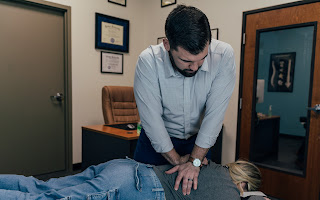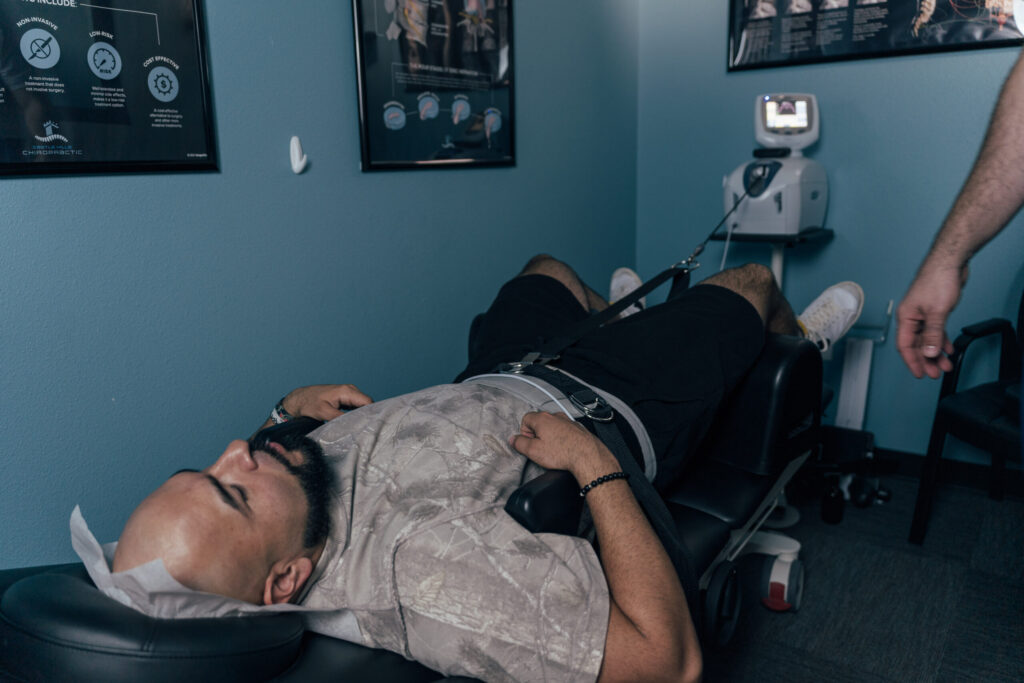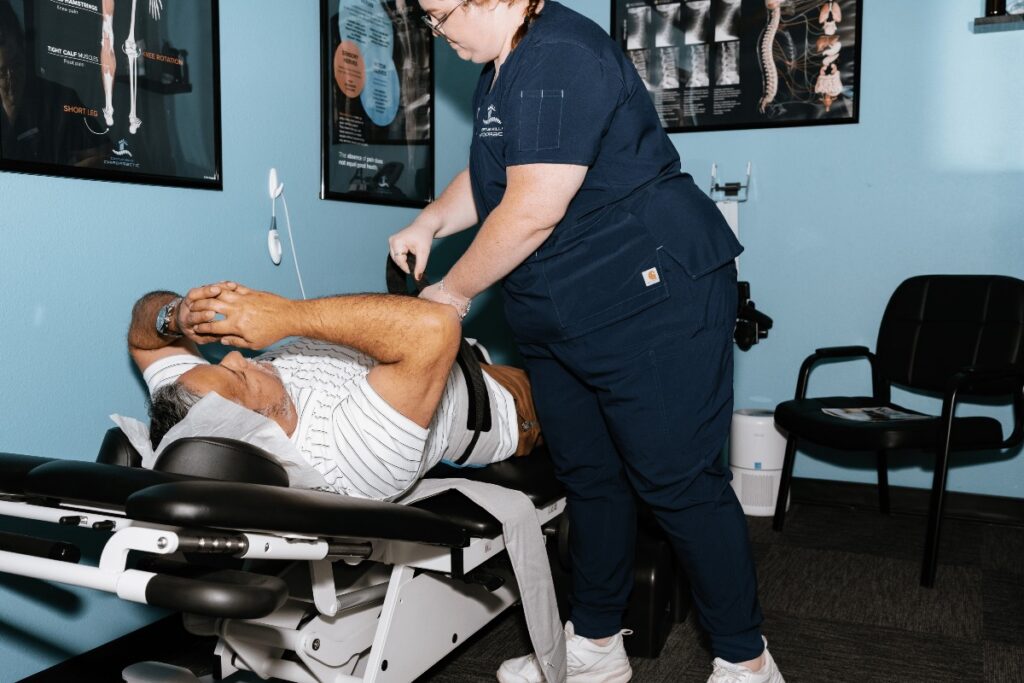

When it comes to low back pain, identifying the type of injury is crucial to finding the right treatment and achieving optimal health. You might experience muscle strains after an awkward lift, or perhaps sharp pain from a herniated disc. Each condition presents its own unique symptoms and triggers, and understanding these differences is key to addressing your discomfort naturally.
As a chiropractor, I want to empower you with knowledge about your body and the various injuries that can cause low back pain. Here are some common conditions you might encounter:
- Muscle Strains: Often caused by lifting something too heavy or twisting awkwardly, muscle strains can result in nagging pain or stiffness. Gentle stretching and chiropractic adjustments can help restore flexibility and alleviate discomfort.
- Herniated Discs: This occurs when the soft cushion between your vertebrae bulges out or ruptures, pressing on nearby nerves. If you experience sharp, radiating pain down your legs, it’s essential to consult with a chiropractor who can provide non-invasive techniques to relieve pressure and promote healing.
- Sciatica: This condition is characterized by pain that travels along the sciatic nerve, typically from the lower back down one leg. Chiropractic adjustments can help reduce inflammation and improve nerve function.
- Degenerative Disc Disease: As we age, the discs in our spine can wear down, leading to pain and stiffness. Regular chiropractic care can help maintain spinal health and alleviate symptoms.
To better manage your low back pain, here are some general tips you can incorporate into your daily routine:
- Maintain Good Posture: Be mindful of how you sit, stand, and lift. Proper alignment can significantly reduce strain on your back.
- Stay Active: Regular movement and low-impact exercises, such as walking or swimming, can strengthen your back muscles and improve flexibility.
- Practice Stress Management: Emotional stress can contribute to muscle tension. Techniques like deep breathing, yoga, or meditation can help you relax.
- Stay Hydrated: Drinking plenty of water supports overall health and helps maintain the discs in your spine.
Remember, chiropractic care is a natural and effective way to address low back pain without the need for surgeries or medications. If you’re experiencing discomfort, consider visiting your local chiropractor to develop a personalized treatment plan that promotes healing and overall wellness. Your path to pain relief and healthier living starts here!
Key Takeaways
- Understand that muscle strains and sprains can occur from sudden movements, overdoing it, or lifting improperly. These issues often lead to lower back pain and stiffness. To prevent these injuries, always use proper lifting techniques and engage in regular stretching to keep your muscles flexible.
- Herniated discs can cause sharp pain, numbness, or weakness that radiates into the legs, especially after bending or lifting. If you experience these symptoms, it’s essential to consult with a chiropractor who can help guide your recovery through natural healing techniques and tailored care.
- Be mindful of sciatica, which presents as pain that travels from the lower back down the leg. This discomfort indicates nerve irritation or impingement. Chiropractic adjustments and therapies can effectively relieve this pain and improve overall nerve function.
- Keep an eye out for signs of degenerative conditions, as symptoms may worsen with age or prolonged sitting or standing. These signs could indicate structural issues in your spine. Regular chiropractic care can help maintain your spinal health and alleviate discomfort associated with aging.
- Lastly, be aware of red flags such as severe pain, neurological signs, or loss of bladder/bowel control. These symptoms require immediate attention from a healthcare professional. However, many common back issues can be effectively managed through chiropractic care, focusing on natural and holistic approaches to wellness.
By prioritizing your spinal health and seeking chiropractic care, you can achieve optimal health and enjoy a pain-free life. Remember to maintain good posture, stay active, and listen to your body to prevent injuries and promote overall wellness.
Understanding the Anatomy of the Lower Back
When considering your lower back, it’s crucial to understand its unique structure and function. The lower back, known as the lumbar region, is made up of five vertebrae labeled L1 to L5. These vertebrae play a key role in supporting your upper body’s weight and allowing for flexibility and movement. Between each vertebra are intervertebral discs that act like shock absorbers, cushioning your spine as you go about your daily activities. Surrounding these bones are muscles, tendons, and ligaments that provide essential stability and support.
Additionally, the lumbar region contains nerves that extend from the spinal cord, facilitating communication between your brain and lower body. Maintaining the health of these structures is vital for your overall mobility and well-being. That’s where chiropractic care comes into play. By focusing on spinal alignment and health, chiropractic adjustments can help alleviate pain and improve function in your lower back naturally, without the need for medications or invasive procedures.
To support your lower back health, consider these simple tips:
- Practice Good Posture: Whether sitting, standing, or lifting, maintaining good posture can reduce strain on your lower back.
- Stay Active: Regular, gentle exercise strengthens your back muscles and improves flexibility. Activities like walking or swimming are excellent choices.
- Use Proper Lifting Techniques: Always bend your knees and keep your back straight when lifting heavy objects to minimize strain.
- Incorporate Stretching: Simple stretches can relieve tension and keep your back flexible. Consider incorporating gentle yoga or stretching routines into your daily life.
Common Causes of Low Back Pain
When it comes to low back pain, several common culprits could be at play. You might experience discomfort from muscle strains and sprains, herniated discs, or arthritis and degenerative conditions. Understanding these causes is essential for finding relief and promoting your overall well-being.
As a chiropractor, I believe that chiropractic care is one of the best ways to address low back pain naturally. By focusing on the spine and its alignment, we can help alleviate discomfort and encourage your body’s natural healing processes. Here are a few common causes of low back pain and how chiropractic care can help:
- Muscle Strains and Sprains: These injuries often occur due to overexertion or improper lifting techniques. Chiropractic adjustments can help restore proper alignment and function to your spine, allowing your muscles to work more effectively and heal.
- Herniated Discs: When the discs between your vertebrae become damaged, they can press on nearby nerves, causing pain. A chiropractor can provide gentle adjustments to relieve pressure on the affected areas, helping to reduce pain and improve mobility.
- Arthritis and Degenerative Conditions: These conditions can lead to stiffness and discomfort in your lower back. Chiropractic care focuses on improving joint mobility and reducing inflammation, which can help you manage symptoms and enhance your quality of life.
In addition to seeking chiropractic care, here are some general tips for managing low back pain:
- Practice Good Posture: Maintaining proper posture while sitting, standing, and lifting can help prevent strain on your back.
- Stay Active: Regular physical activity strengthens your back muscles and improves flexibility. Simple exercises like walking or stretching can make a big difference.
- Use Ergonomic Furniture: Ensure that your workspace is set up to support a healthy spine. Ergonomic chairs and desks can reduce strain on your back.
Muscle Strains and Sprains
Muscle strains and sprains are among the most common causes of low back pain, often making their presence known during everyday activities or sudden movements. You may find yourself experiencing a strain when lifting something heavy or twisting awkwardly. Sprains, on the other hand, tend to occur when ligaments are overstretched during physical activities. Understanding these causes can be a key step toward recovery and prevention.
Here’s a helpful table to illustrate common activities that may lead to these issues:
| Activity Type | Common Cause |
|---|---|
| Lifting heavy objects | Improper lifting techniques |
| Repetitive motions | Overuse or poor posture |
| Sports activities | Sudden twists or falls |
| Poor ergonomics at work | Extended sitting without breaks |
| Inadequate warm-ups | Skipping stretches before exercise |
Recognizing these triggers empowers you to take preventive measures. One of the best ways to alleviate and manage low back pain is through chiropractic care. A chiropractor can help restore proper alignment to your spine and improve your overall function, reducing pain naturally without relying on medications or surgeries.
Here are some general tips to keep your back healthy:
- Practice Proper Lifting: Always bend at your knees, not at your waist, when lifting heavy objects. Keep the weight close to your body.
- Maintain Good Posture: Be mindful of your posture, especially when sitting for long periods. Use ergonomic furniture and take regular breaks to stretch.
- Stay Active: Engage in regular physical activity that strengthens your core and back muscles. This can help support your spine and prevent injuries.
- Warm Up: Always take the time to warm up and stretch before engaging in physical activities or exercise to prepare your muscles and prevent strains.
- Seek Chiropractic Care: Regular visits to a chiropractor can help maintain your spine’s health, improve mobility, and reduce the risk of future injuries.
Herniated Discs
Herniated discs can catch you off guard, often leading to sharp pain and discomfort in your lower back. This condition happens when the soft inner material of a spinal disc pushes through a crack in the outer layer, pressing on nearby nerves. If you’re experiencing symptoms like numbness, tingling, or weakness in your legs, it can make daily activities feel challenging.
Common causes of herniated discs include heavy lifting, sudden awkward movements, or the natural wear and tear that comes with aging. If you find yourself sitting for long periods or have poor posture, you might be at a higher risk of developing this condition.
As a chiropractor, I encourage you to listen to your body and seek help if you’re dealing with persistent pain. Chiropractic care is a fantastic way to address these issues naturally and effectively. We focus on restoring proper alignment, reducing nerve pressure, and promoting healing without the need for surgeries or medications.
In addition to chiropractic adjustments, here are some helpful tips to support your spinal health:
- Maintain Good Posture: Whether you’re at your desk or on the couch, be mindful of your posture. Keeping your spine aligned can help prevent strain.
- Stay Active: Regular gentle exercises and stretching can strengthen your back muscles and improve flexibility. Activities like walking, swimming, or yoga can be beneficial.
- Lift Properly: When lifting heavy objects, always bend at the knees and keep the load close to your body. Avoid twisting your back while lifting.
- Take Breaks: If your job requires you to sit for long periods, take short breaks to stand up, stretch, and move around. This can relieve pressure on your spine.
- Stay Hydrated: Drinking plenty of water keeps your spinal discs hydrated and supports overall spinal health.
Arthritis and Degenerative Conditions
Chronic low back pain is often linked to arthritis and degenerative conditions, especially as we age. One common issue is osteoarthritis, which happens when the protective cartilage between your bones starts to wear away. This can cause inflammation and pain as the bones begin to rub against each other.
Another condition, degenerative disc disease, affects the discs in your spine, leading to a loss of hydration and elasticity. When these discs shrink, they can sometimes press on nearby nerves, causing discomfort.
If you’re dealing with persistent low back pain, it’s important to explore natural ways to find relief. Chiropractic care is an excellent option that focuses on aligning your spine and improving your overall health without the need for medications or surgeries.
A chiropractor can help identify the root cause of your pain and guide you through personalized treatment plans that may include spinal adjustments, exercises, and lifestyle tips.
Here are some general tips to help manage your low back pain naturally:
- Stay Active: Gentle movements like walking or stretching can improve blood flow and reduce stiffness.
- Maintain Good Posture: Be mindful of how you sit and stand. Keeping your spine aligned can help alleviate pressure on your back.
- Practice Stress Relief: Techniques like deep breathing, yoga, or meditation can help reduce tension in your body and mind.
- Use Heat or Cold Therapy: Applying a heating pad or ice pack can help soothe sore muscles and reduce inflammation.
- Stay Hydrated: Drinking plenty of water supports the health of your discs and overall spinal function.
Muscle Strains and Sprains
When you participate in physical activities—whether it’s lifting heavy objects or simply bending down to tie your shoes—you may unintentionally strain or sprain the muscles in your lower back. These injuries often stem from overstretching or overexerting yourself, resulting in pain and discomfort. Being aware of the signs can help you manage your situation naturally and effectively.
Here are some common symptoms of muscle strains and sprains:
- Sudden pain in the lower back
- Stiffness or tightness in the affected area
- Swelling or inflammation around the muscles
- Difficulty standing up straight or moving
- Muscle spasms that can feel sharp or dull
If you find yourself experiencing these symptoms, it’s important to prioritize rest and apply ice to reduce inflammation. Instead of turning to medications, consider seeking the expertise of a chiropractor who can provide gentle adjustments to support your body’s natural healing process.
Chiropractic care focuses on aligning the spine and improving overall function, which can be particularly beneficial for muscle strains and sprains. A chiropractor can help relieve pain, improve mobility, and restore balance to your body, allowing you to return to your daily activities more quickly.
In addition to chiropractic adjustments, here are a few tips to aid your recovery:
- Maintain good posture while sitting and standing to reduce strain on your back.
- Engage in gentle stretching and strengthening exercises to support your back muscles.
- Stay hydrated and nourish your body with whole foods to promote healing.
- Listen to your body and avoid activities that exacerbate your pain.
Herniated Discs
Lower back pain can stem from various conditions, with one common culprit being a herniated disc. This occurs when the soft material inside the disc pushes through a tear in the tougher outer layer. When this happens, you may experience sharp pain, numbness, or weakness in your legs, depending on which nerve is affected. Activities like heavy lifting or twisting can increase your risk of developing a herniated disc.
To help identify if a herniated disc may be the cause of your discomfort, pay attention to how your pain changes with movement. If bending or lifting makes your pain worse, it could be a sign of this condition. Additionally, many people notice that their symptoms worsen over time, particularly after sitting or standing for prolonged periods.
As a chiropractor, I emphasize the importance of a proper evaluation to address your pain. Through gentle adjustments and hands-on techniques, chiropractic care can help alleviate the discomfort associated with a herniated disc, promote healing, and restore proper function to your spine.
There are also some simple self-care tips you can incorporate into your daily routine to support your back health. Here are a few:
- Maintain Good Posture: Whether you’re sitting at a desk or standing, keeping your spine aligned can help prevent strain on your back.
- Stay Active: Regular, low-impact exercise such as walking or swimming can strengthen your back muscles and improve flexibility.
- Use Proper Lifting Techniques: When lifting heavy objects, bend at your knees and keep the load close to your body to reduce strain on your back.
- Incorporate Stretching: Gentle stretches can help maintain flexibility and relieve tension in your back.
- Listen to Your Body: If you feel pain during certain activities, take a break and give your body time to recover.
If you suspect you have a herniated disc or are experiencing lower back pain, consider visiting a chiropractor for a thorough assessment. Understanding your condition and exploring natural, non-invasive treatment options can pave the way towards effective pain relief and optimal health.
Sciatica and Nerve Impingement
Sciatica can become a real challenge when a nerve in your lower back gets pinched or irritated, resulting in pain that travels down your leg. This discomfort is often caused by common issues like herniated discs or spinal stenosis. Recognizing the signs of sciatica and nerve impingement is essential for effective management, and chiropractic care can be a key part of your journey to relief.
Here are some common causes and contributing factors to keep in mind:
- Herniated discs that press on nerves can lead to pain.
- Spinal stenosis, which narrows the space where the spinal cord runs, may contribute to discomfort.
- Piriformis syndrome occurs when the piriformis muscle irritates the sciatic nerve.
- Degenerative disc disease can disrupt spinal alignment, causing pain.
- Trauma or injury can lead to inflammation and discomfort in the lower back.
If you find yourself dealing with these symptoms, consider visiting a chiropractor. Early intervention through chiropractic care can significantly alleviate pain and improve your mobility without the need for surgery or medication.
Here are some general tips to help manage sciatica and promote a healthier lifestyle:
- Stay Active: Engage in gentle exercises like walking or swimming to promote spinal health and mobility.
- Stretch Regularly: Incorporate stretches that target your lower back and legs to relieve tension and improve flexibility.
- Maintain Good Posture: Pay attention to how you sit, stand, and move to avoid putting unnecessary pressure on your spine.
- Use Heat and Cold Therapy: Applying heat can relax tight muscles, while cold packs can reduce inflammation.
Understanding your condition empowers you to take the necessary steps toward recovery. Chiropractic care focuses on natural healing and restoring balance to your body, helping you achieve optimal health and wellness.
Identifying Symptoms of Serious Conditions
While many cases of low back pain are mild and can often be managed through lifestyle changes and natural healing methods, it’s important to be aware of symptoms that may suggest a more serious issue. Here are some warning signs to watch for:
| Symptom | Possible Condition | Recommended Action |
|---|---|---|
| Severe pain | Herniated disc | Consult with a chiropractor for assessment and treatment options |
| Numbness or weakness | Spinal cord concerns | Schedule an evaluation with a chiropractor to explore natural healing approaches |
| Loss of bladder/bowel control | Cauda equina syndrome | Seek immediate help from a healthcare provider or chiropractor |
| Unexplained weight loss | Potential underlying issues | Book an appointment with a chiropractor to discuss holistic strategies |
If you notice any of these symptoms alongside your low back pain, it’s crucial to reach out to a professional who can guide you. Early intervention through chiropractic care can significantly improve outcomes and support your body’s natural healing abilities.
Remember, chiropractic care focuses on addressing the root cause of pain rather than just masking symptoms. Here are some general tips to support your spinal health:
- Practice Good Posture: Maintain proper alignment while sitting, standing, and lifting to reduce strain on your back.
- Stay Active: Engage in regular low-impact exercises such as walking, swimming, or yoga to strengthen your back and core muscles.
- Stretch Regularly: Incorporate gentle stretching routines to improve flexibility and relieve tension in your back.
- Use Ergonomic Furniture: Invest in chairs and desks that promote good posture, especially if you spend long hours sitting.
- Stay Hydrated: Drink plenty of water to keep your discs hydrated and support overall spinal health.
Making these small adjustments can help you achieve optimal health and wellness. Always prioritize natural healing methods, and consider chiropractic care as your go-to solution for pain relief and overall well-being. Your body will thank you!
Conclusion
To sum up, recognizing the signs and symptoms of common low back injuries is essential for effective management and recovery. Whether it’s a muscle strain or a herniated disc, being aware of your body’s cues can help you seek prompt chiropractic care. Ignoring persistent pain or new symptoms like weakness or changes in bladder control can lead to further complications.
Taking action early by visiting your chiropractor can make all the difference in your recovery and overall health. Chiropractic adjustments can help alleviate pain, improve mobility, and promote natural healing without the need for medications or surgeries.
Here are a few general tips to keep your back healthy:
- Maintain good posture, especially when sitting for long periods.
- Incorporate gentle stretching and strengthening exercises into your daily routine.
- Pay attention to your body and listen to its signals—if something doesn’t feel right, don’t hesitate to reach out to a chiropractor.
By prioritizing your spinal health and seeking chiropractic care, you can achieve optimal wellness and a pain-free life. Remember, your body is your best asset—take care of it!