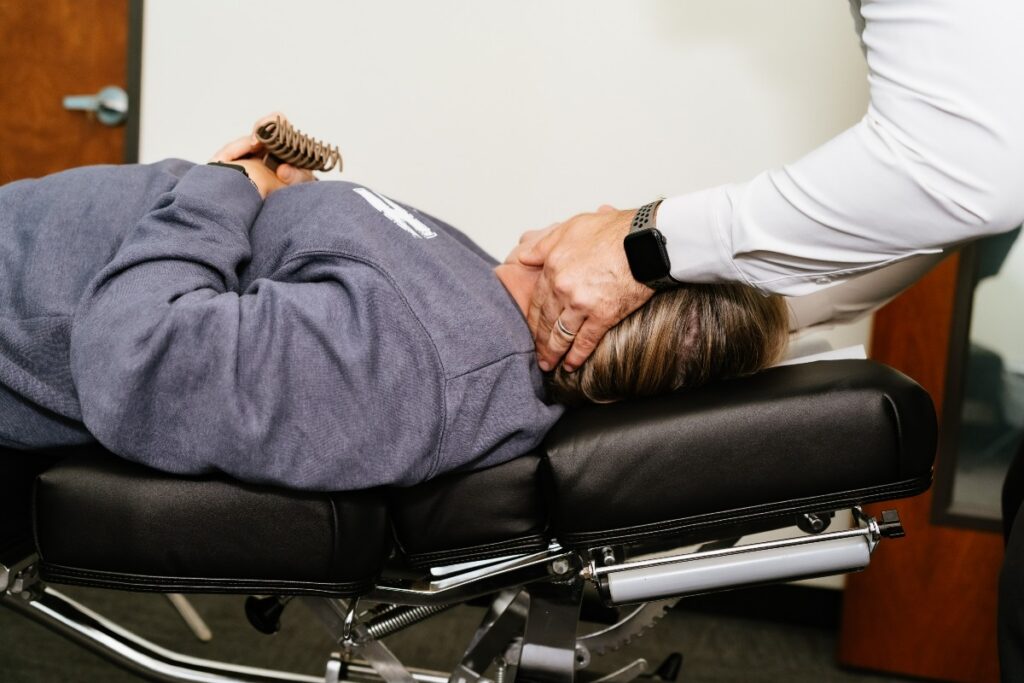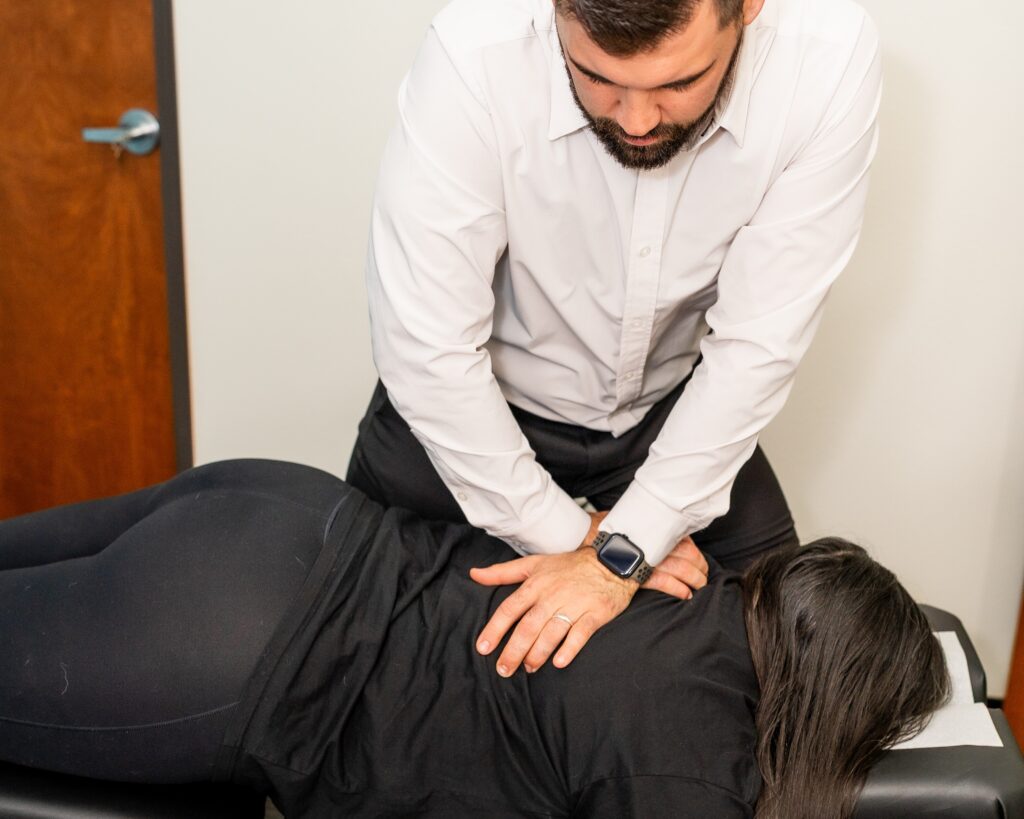

As a local chiropractor, I understand that experiencing whiplash can be incredibly challenging. It’s not just the pain you feel; whiplash can disrupt your daily activities and overall quality of life. However, I want to reassure you that there are effective techniques available to help alleviate those persistent symptoms.
Chiropractic care focuses on restoring balance and function to your body, and it can be particularly beneficial for whiplash recovery. We utilize gentle spinal adjustments to relieve tension and improve mobility in your neck. Additionally, I recommend incorporating specific stretches and exercises to strengthen your neck muscles and support healing.
Beyond chiropractic adjustments, we can explore alternative therapies such as massage and acupuncture, which have been shown to provide relief from pain and tension. Together, we can develop a personalized recovery plan that may enhance your comfort and mobility. Remember, you don’t have to navigate this journey alone—let’s work together to help you feel better.
Understanding Whiplash and Its Symptoms
As a local chiropractor, I want to help you understand whiplash and its symptoms, especially if you’ve recently experienced a rear-end collision or any type of forceful impact. Whiplash occurs when your neck is subjected to a sudden jolt, leading to rapid movement that strains the muscles and ligaments in your neck.
Initially, you mightn’t notice any symptoms; however, they can gradually emerge within a few days after the incident. Common signs of whiplash include neck pain, stiffness, and difficulty moving your head. Additionally, you might experience headaches, fatigue, or even dizziness, all of which can significantly impact your daily life.
As you go about your routine, you may find that activities you once enjoyed become increasingly difficult. It’s crucial to listen to your body and take these symptoms seriously. If you’re experiencing any of these signs, don’t hesitate to reach out for medical advice. Early intervention is vital in preventing long-term complications.
Understanding your whiplash symptoms is the first step on the path to recovery. By recognizing what you’re going through, you can take proactive steps toward relief.
As your chiropractor, I’m here to support you in this journey. You’re not alone; many individuals face similar challenges after such incidents, and together we can explore natural healing options that promote your well-being and restore your quality of life.
Gentle Stretches to Relieve Neck Tension
As a local chiropractor, I want to share some gentle stretches that can greatly aid in relieving neck tension, especially if you’ve experienced an injury. It’s important to approach these stretches with care and attention to your body’s signals.
Begin by finding a comfortable position, whether seated or standing, ensuring your back is straight. Start by slowly tilting your head to one side, letting your ear move towards your shoulder. Hold this position for 15-30 seconds before switching to the other side. This simple motion can help ease tightness in your neck.
Next, gently rotate your head to the right, allowing yourself to look over your shoulder. Hold this stretch for a moment, then switch to the left side. This rotation can help improve your neck’s range of motion.
To deepen the stretch, clasp your hands behind your head and gently pull downwards while keeping your elbows wide. You should feel a soothing stretch along the back of your neck.
Remember, it’s crucial to breathe deeply throughout each stretch and to listen to your body—avoid pushing yourself into any pain.
I recommend practicing these stretches a few times a day, particularly when you notice tension starting to build. By regularly incorporating these stretches into your routine, you can help alleviate discomfort and enhance your neck’s flexibility.
If you have any questions or need further guidance, please feel free to reach out!
Strengthening Exercises for Neck Support
As a local chiropractor, I want to emphasize the importance of strengthening exercises for supporting your neck. These exercises can play a crucial role in maintaining a strong and healthy neck, which is essential for overall well-being.
Let’s start with some basic neck isometric exercises. A simple yet effective method is to press your forehead against your palms while resisting the motion. Hold this position for about five seconds before relaxing.
It’s beneficial to perform this exercise in all directions—forward, backward, and side-to-side—to ensure balanced strength development.
Next, I recommend shoulder shrugs. This exercise involves lifting your shoulders up towards your ears and holding them there for a few seconds before letting them drop back down. This movement is great for strengthening the upper trapezius muscles, which are vital for neck support.
Another excellent exercise to incorporate is the chin tuck. This involves gently pulling your chin back while keeping your eyes looking forward, which creates a double chin effect. Hold this position for about five seconds and repeat.
It’s an effective way to engage the muscles that support your neck.
For those looking to increase the intensity of their exercises, using resistance bands can be very beneficial. Secure a band behind you, grasp it with one hand, and pull it towards your shoulder. Focus on feeling the engagement in your neck and shoulder area.
Incorporating these exercises into your routine can help you build strength and stability in your neck, ultimately reducing the risk of discomfort and promoting overall health.
The Benefits of Heat and Cold Therapy
As a local chiropractor committed to your well-being, I want to share the importance of heat and cold therapy for alleviating whiplash symptoms. Many of you may not be familiar with how these natural methods can aid in pain relief and recovery, so let’s break it down.
When you apply heat to the affected area, it promotes increased blood circulation. This is crucial for relaxing tight muscles and reducing stiffness, especially after the initial inflammation has subsided. I often recommend using a warm compress or a heating pad for about 15-20 minutes. This simple practice can bring soothing relief and support your healing process.
Conversely, cold therapy plays a vital role in managing your symptoms right after an injury occurs. Applying ice packs or cold compresses in the first few days can significantly help reduce swelling and numb sharp pain. For optimal results, I suggest using cold therapy for 10-15 minutes at a time. This helps to lessen inflammation and provides immediate relief to the area.
By combining both heat and cold therapies, you can maximize your comfort and enhance your healing journey. Understanding how to effectively manage your whiplash symptoms is an essential step towards recovery, and I’m here to guide you through it.
If you have any questions or need further assistance, don’t hesitate to reach out!
Exploring Alternative Therapies for Pain Relief
As a local chiropractor, I want to share some valuable insights for those seeking relief from whiplash symptoms.
Many patients may not be familiar with the benefits of chiropractic care and how it can complement alternative therapies. Techniques such as chiropractic adjustments can effectively alleviate pain and improve your range of motion.
Additionally, therapies like acupuncture and massage can further support your healing process by addressing muscle tension and promoting relaxation.
Herbal remedies may also serve as a beneficial adjunct to your treatment.
Acupuncture for Pain Management
When it comes to managing pain, especially from conditions like whiplash, many people often think of traditional treatments first.
However, as a local chiropractor, I want to introduce you to a powerful alternative: acupuncture. This ancient healing technique involves the insertion of thin needles at specific points on your body, which can stimulate natural healing processes and provide significant pain relief.
Acupuncture can be particularly beneficial for whiplash symptoms, as it may help relieve muscle tension and reduce inflammation, making your recovery journey much more comfortable.
I’ve seen many patients experience improvements in their pain levels and overall well-being after just a few sessions of acupuncture.
If you’re interested in exploring this option, I encourage you to consult with a licensed acupuncturist who specializes in treating whiplash.
They can customize the treatment to fit your unique needs and circumstances, ensuring you achieve the best possible results.
By incorporating acupuncture into your pain management strategy, you can take an active role in your healing process and enhance your recovery.
Massage Therapy Benefits
As a local chiropractor, I want to share how massage therapy can be incredibly beneficial for those suffering from whiplash symptoms. This gentle approach focuses on the muscles and soft tissues in your neck, helping to alleviate tension and promote healing.
Regular massage sessions can significantly enhance your overall well-being. Here are some key benefits you can expect from incorporating massage therapy into your care plan:
- Increased blood circulation: By improving blood flow, massage therapy accelerates recovery and helps reduce inflammation in the affected areas.
- Muscle relaxation: Targeting tension in the neck muscles not only eases pain but also helps reduce stiffness, allowing for greater comfort.
- Improved range of motion: Through gentle manipulation, massage can help restore mobility and flexibility in your neck, making daily activities easier to perform.
- Stress relief: The relaxation techniques used in massage therapy can help lower anxiety levels, contributing to an overall sense of well-being.
Herbal Remedies Overview
As a local chiropractor, I often see patients seeking relief from whiplash symptoms, and I want to share some natural remedies that may complement your recovery.
In addition to chiropractic adjustments, many individuals find that herbal remedies can provide significant relief. For instance, herbs like turmeric and ginger are well-known for their anti-inflammatory properties. These can help alleviate pain and swelling associated with whiplash. One effective way to incorporate these herbs is by making a soothing tea or adding them to your meals for an extra health boost.
You might also consider other natural options like devil’s claw and willow bark, which serve as natural pain relievers. If you prefer topical treatments, arnica gel is another excellent choice for easing muscle soreness and discomfort.
However, it’s crucial to remember that while these herbal remedies can be beneficial, it’s always best to consult with a healthcare professional—like myself—before starting any new herbal regimen, especially if you’re currently taking other medications.
Self-Care Practices to Enhance Recovery
As a local chiropractor, I want to share some valuable self-care practices that can significantly enhance your recovery from whiplash.
Understanding how to care for your body can alleviate pain and promote healing, which is vital for your well-being. Here are some effective strategies you can easily incorporate into your daily routine:
- Gentle Stretching: Engaging in gentle neck stretches can help improve your flexibility and reduce stiffness. It’s a simple way to support your neck and relieve tension.
- Heat Therapy: Applying a warm compress to your neck can work wonders. It soothes sore muscles and increases blood flow, which is essential for healing.
- Rest and Sleep: Never underestimate the power of restorative sleep. Prioritizing quality rest gives your body the time it needs to heal properly.
- Hydration and Nutrition: Staying well-hydrated and consuming a balanced diet rich in anti-inflammatory foods is crucial for your recovery. Drinking plenty of water and nourishing your body with wholesome foods can significantly support your healing process.
By incorporating these self-care practices into your life, you can take proactive steps toward recovery and enhance your overall well-being.
Conclusion
As a local chiropractor, I want to share some effective ways to alleviate whiplash symptoms that you might not be familiar with. First and foremost, gentle stretches and strengthening exercises can play a crucial role in your recovery. These techniques help to restore mobility and build strength in the neck area.
In addition to exercises, I highly recommend incorporating heat and cold therapy into your routine. These simple self-care practices can significantly reduce pain and inflammation. Staying hydrated and ensuring you get restorative sleep are also key components of the healing process.
Furthermore, don’t overlook the benefits of alternative therapies such as massage and acupuncture. These treatments can complement your recovery and provide additional relief from whiplash symptoms.
It’s essential to stay consistent with these practices and always listen to your body. Remember, you are in control of your healing journey, and with the right approach, you’ll be on the path to feeling better in no time. If you have any questions or need guidance, I’m here to help!