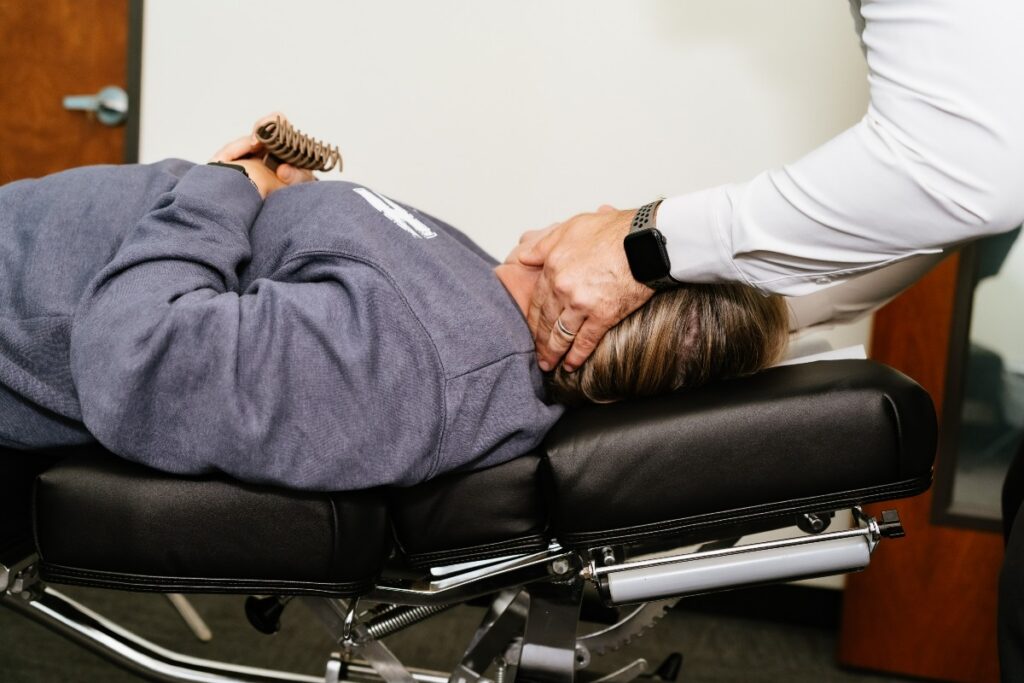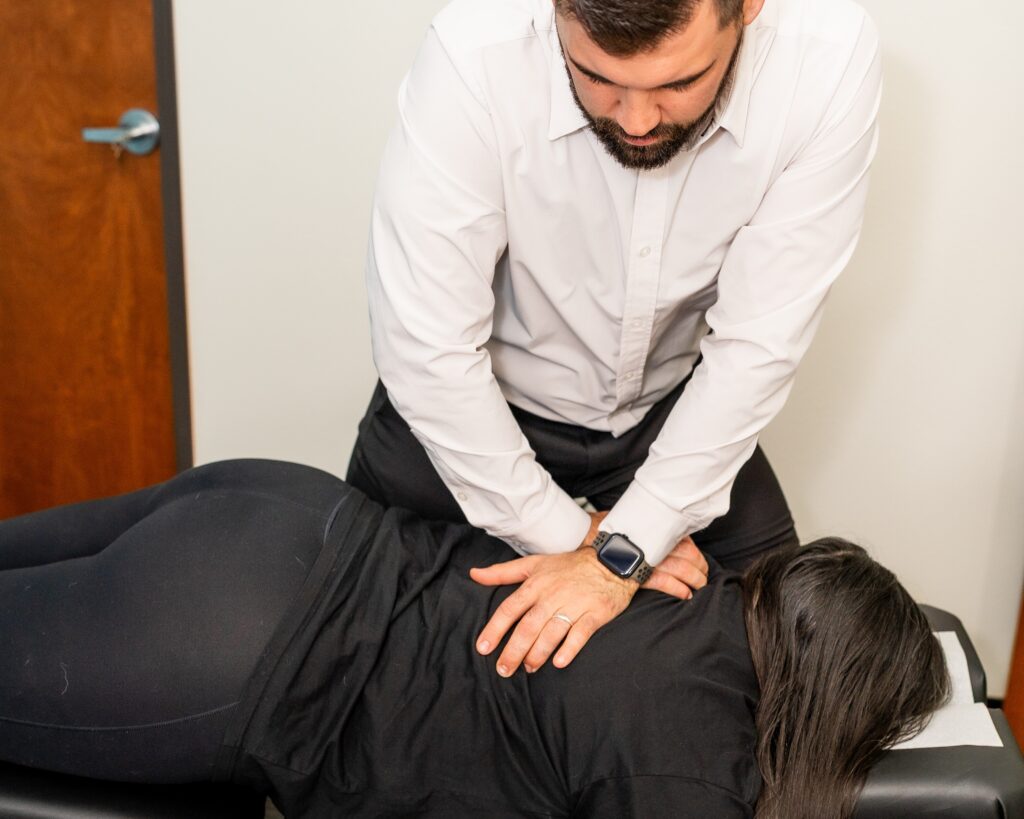

If you’re experiencing ongoing back pain, I encourage you to consider the benefits of chiropractic care and holistic approaches for long-term relief. Unlike traditional methods that often focus solely on alleviating symptoms, chiropractic care aims to treat the root causes of your discomfort by recognizing the intricate connections between your body, mind, and nutrition.
As a local chiropractor, my goal is to help you understand how these elements work together to affect your overall health. By incorporating a variety of techniques—such as spinal adjustments, therapeutic exercises, and nutritional counseling—you can develop a comprehensive plan that addresses your unique needs.
So, what specific strategies can we explore together to truly enhance your well-being and transform your experience with back pain? Let’s work together to create a pathway to lasting relief.
Understanding the Root Causes of Back Pain
As your local chiropractor, I want to help you understand the various root causes of back pain and how we can work together towards effective relief. One of the most common culprits is poor posture. If you find yourself slouching or sitting for extended periods, this can put unnecessary strain on your back muscles, leading to discomfort.
Another frequent cause of back pain is muscle strains, which can happen when lifting heavy objects incorrectly or making sudden movements without proper support. It’s also important to recognize that underlying health conditions, such as herniated discs or arthritis, can contribute to ongoing pain and discomfort.
Additionally, emotional factors like stress and anxiety play a significant role in back pain. These conditions can lead to increased muscle tension, which can exacerbate your discomfort.
Your lifestyle choices are equally important. A sedentary lifestyle can weaken your core muscles, making your back more vulnerable to pain. Furthermore, issues such as obesity can add extra pressure to your spine, increasing your risk of back pain.
By identifying these root causes, we can take proactive steps towards relief. Chiropractic care, combined with adjustments to your daily habits, can significantly improve your overall well-being.
The Role of Physical Therapy in Pain Management
As a local chiropractor, I want to help you understand how chiropractic care can be a vital component in finding relief from back pain. Many people don’t realize that addressing back pain often requires a comprehensive approach, and chiropractic therapy is a natural, effective way to support your journey toward wellness.
When you visit my practice, I’ll conduct a thorough assessment of your condition to create a personalized treatment plan tailored specifically to your needs. Through chiropractic adjustments, we can realign your spine, which not only alleviates pain but also enhances your overall function and mobility. This hands-on technique can relieve tension, improve circulation, and promote healing in the affected areas.
In addition to adjustments, I’ll teach you exercises designed to strengthen your muscles and improve your flexibility. These exercises are essential in preventing future issues and ensuring that your body remains balanced. I’ll also provide guidance on proper posture and body mechanics to help you move more efficiently in your daily activities.
A significant part of our work together will focus on empowering you with self-management strategies. Understanding your body’s mechanics will enable you to make informed choices and take control of your recovery. By actively participating in your healing process, you’ll gain valuable insights into managing back pain and building resilience.
Choosing chiropractic care is a proactive step toward achieving long-lasting relief and enhancing your quality of life. Together, we can work towards a healthier, pain-free future.
Nutritional Approaches to Support Spine Health
As a local chiropractor, I want to emphasize how important nutrition is for maintaining a healthy spine. Many people may not realize that the foods we eat can significantly impact our back health. By incorporating anti-inflammatory foods into your diet, you can help alleviate pain and promote healing in your spine.
Additionally, certain essential nutrients play a crucial role in recovery and overall spinal health.
Let’s delve into how making mindful dietary choices can support your back health. Not only can the right nutrition enhance your chiropractic care, but it can also empower you to take control of your well-being.
Together, we can explore how a balanced, nutrient-rich diet can be an integral part of your journey toward a healthier spine.
Anti-inflammatory Foods Benefits
As a local chiropractor, I want to share with you the incredible benefits of incorporating anti-inflammatory foods into your diet, especially when it comes to supporting your spine health.
Many people may not realize that inflammation is a significant contributor to back pain, and the right nutrition can play a crucial role in alleviating this discomfort.
Foods such as leafy greens, fatty fish, nuts, and berries are rich in antioxidants and omega-3 fatty acids, which are known for their ability to combat inflammation. By including these foods in your regular meals, you can support your body’s natural healing processes, potentially leading to decreased pain and stiffness in your back.
Don’t overlook the power of spices either! Ingredients like turmeric and ginger not only add flavor to your dishes but also pack a punch with their anti-inflammatory properties.
Staying hydrated is another essential aspect; proper hydration helps maintain the health of your spinal discs, which is vital for overall spine function.
By making these dietary adjustments, you’re not just addressing your back pain—you’re also investing in your overall health and promoting long-term spine wellness.
Essential Nutrients for Recovery
As a local chiropractor, I want to share with you the vital role that specific nutrients play in your recovery and overall spine health, especially if you’re experiencing back pain.
First, let’s talk about Omega-3 fatty acids, which you can find in fish and flaxseeds. These healthy fats are known for their ability to reduce inflammation, which is crucial when you’re dealing with discomfort.
Next, Vitamin D is essential for your body’s ability to absorb calcium, which helps keep your bones strong. Make sure you’re getting enough of this vitamin, either through sunlight or dietary sources.
Then there’s magnesium, found in leafy greens and nuts, which supports muscle function and relaxation—both important for a healthy spine.
Protein is another key player in your recovery process. It’s necessary for tissue repair, so think about incorporating lean meats, legumes, and dairy into your meals.
Additionally, antioxidants, particularly vitamin C found in various fruits and vegetables, can protect your cells from damage and promote healing.
Lastly, let’s not forget about hydration. Drinking enough water is vital for maintaining the health of your spinal discs, which act as cushions between your vertebrae.
By focusing on these essential nutrients, you can create a strong foundation for lasting relief from back pain and promote overall spine wellness.
Mindfulness and Meditation for Pain Relief
As a chiropractor dedicated to helping you manage pain, I want to share how incorporating mindfulness and meditation into your daily routine can be a powerful complement to your chiropractic care.
Back pain can often feel overwhelming, but these practices can help you gain better control over your discomfort and improve your overall well-being.
Mindfulness and meditation encourage you to focus on the present moment, allowing you to disconnect from the pain and reduce stress. By setting aside just a few minutes each day for these practices, you can cultivate a sense of calm that helps diminish your perception of pain.
To start, find a quiet space where you won’t be disturbed. Sit comfortably, close your eyes, and take deep, intentional breaths. You can focus on your breath or repeat a soothing mantra, gently guiding your mind back whenever it wanders.
As you engage in this practice, you may start to notice that your body feels more relaxed, and the intensity of your back pain can lessen.
Over time, this connection between your mind and body can empower you to face pain with greater resilience. Coupled with chiropractic adjustments, mindfulness and meditation can enhance your body’s natural healing processes and contribute positively to your overall health.
I’m here to support you on this journey to wellness and help you explore these effective, natural approaches to pain relief.
The Benefits of Yoga and Stretching Exercises
As a local chiropractor dedicated to your well-being, I want to share the benefits of incorporating yoga and stretching exercises into your routine, especially if you’re dealing with back pain. These practices aren’t just about physical movement; they play a crucial role in enhancing your overall health by improving flexibility, strength, and balance while fostering a sense of relaxation.
Integrating yoga into your daily life can significantly alleviate tension in your muscles, improve your posture, and boost circulation—all of which are essential for finding relief from pain. When you practice yoga regularly, you’re not only engaging your body but also nurturing your mind, creating a holistic approach to healing.
Complementing yoga with targeted stretching exercises can help you focus on specific muscle groups that may be contributing to your discomfort. These stretches can prevent stiffness and enhance your awareness of bodily tension, empowering you to recognize and address areas of tightness that may be causing issues.
Moreover, the deep breathing techniques learned in yoga can be transformative. They help calm your mind and reduce stress, which is often intertwined with chronic pain.
By embracing both yoga and stretching, you’re not just supporting your physical health; you’re also nurturing your emotional well-being. This comprehensive approach is key to achieving lasting relief from back pain and enhancing your quality of life.
If you’re curious about how to get started or want personalized guidance, I’m here to help you on your journey to better health.
Incorporating Massage Therapy Into Your Routine
Incorporating massage therapy into your wellness routine can significantly enhance your efforts in managing back pain, particularly when combined with chiropractic adjustments, yoga, and stretching. As a local chiropractor, I often see how regular massage can alleviate muscle tension, improve circulation, and boost flexibility—all of which are vital for reducing discomfort.
To begin, consider scheduling a session with a licensed massage therapist who’s experience in treating back pain. Their expertise can complement your chiropractic care, helping to release tight muscles and improve your overall function.
Additionally, self-massage techniques can be beneficial at home. Tools like foam rollers or massage balls can effectively target tight areas, especially after your yoga or stretching sessions. Dedicating just a few minutes to self-massage can make a noticeable difference in how your body feels.
I recommend aiming for consistency in your massage therapy routine—ideally, once a month or more often if your schedule and finances allow. Pay close attention to how your body responds and adjust the frequency as necessary.
Exploring Acupuncture as a Treatment Option
If you’re looking for alternative ways to manage back pain, I encourage you to consider acupuncture as a potential option. This ancient Chinese practice involves the careful insertion of thin needles into specific points on your body, which can promote healing and alleviate discomfort.
Many patients report that these targeted needle placements help stimulate the release of endorphins—your body’s natural pain relievers—and enhance blood circulation to the affected areas.
Research indicates that acupuncture can be beneficial for various types of back pain, whether it stems from muscle strain, injury, or chronic conditions. Typically, acupuncture sessions last between 30 to 60 minutes, and many individuals start to experience relief after just a few visits.
While acupuncture is generally considered safe, it’s essential to seek treatment from a licensed acupuncturist who adheres to proper techniques and hygiene practices.
I also recommend discussing this therapy with your healthcare provider to ensure it aligns with your specific needs and health conditions.
With a bit of patience and commitment, acupuncture could become an effective component of your overall pain management strategy, complementing other natural healing methods like chiropractic care.
Lifestyle Modifications for Long-Term Relief
As a local chiropractor, I want to share some valuable insights on how you can achieve long-term relief from back pain through simple lifestyle modifications.
First and foremost, it’s crucial to create an ergonomic workspace. This means ensuring that your desk, chair, and computer setup are designed to support your posture and reduce strain on your back.
In addition to your workspace, incorporating regular stretching into your routine can greatly benefit your spine and overall well-being. Stretching helps to maintain flexibility and can alleviate tension that contributes to discomfort.
I also encourage you to practice mindful movements in your daily activities—being aware of your posture and how you lift objects can prevent unnecessary strain.
These lifestyle changes not only help relieve your back pain but also promote a healthier spine in the long run.
Ergonomic Workspace Setup
As a local chiropractor dedicated to helping you understand the importance of your workspace, I want to emphasize how creating an ergonomic environment can significantly alleviate back pain and contribute to your long-term health.
First and foremost, it’s crucial to adjust your chair to provide proper support for your lower back. This means ensuring that your feet rest flat on the floor, which helps maintain proper posture. Your computer screen should be positioned at eye level; this adjustment will prevent unnecessary strain on your neck, a common issue I see in patients.
When it comes to your keyboard and mouse, they should be arranged so that your elbows remain at a comfortable 90-degree angle. This positioning can help reduce tension in your shoulders, which often contributes to discomfort. Additionally, make sure your desk is at a height that allows you to sit up straight and avoid slouching.
A tidy workspace is also essential. Keeping your environment clutter-free can help minimize stress, which can have a positive impact on your overall well-being.
Lastly, I encourage you to consider investing in ergonomic accessories like lumbar support pillows or standing desks. These tools not only enhance your comfort but also promote better posture throughout your workday.
Regular Stretching Routine
As a local chiropractor, I want to emphasize the significant benefits of incorporating a regular stretching routine into your daily life. This practice can greatly enhance your back health and overall mobility, which is essential for maintaining a pain-free lifestyle.
By dedicating just a few minutes each day to stretching, you can effectively alleviate tension in your muscles, improve your flexibility, and strengthen the key muscles that support your spine.
It’s particularly important to focus on stretches that target the hamstrings, hip flexors, and lower back, as these areas are commonly associated with back pain. I recommend holding each stretch for at least 15-30 seconds while practicing deep, relaxed breathing. This won’t only help your muscles release tension but also promote relaxation throughout your body.
Ideally, you should aim to stretch at least five times a week. You might find it beneficial to include stretching in either your morning or evening routine, creating a consistent habit that supports your overall health.
Mindful Movement Practices
As your local chiropractor, I want to emphasize the powerful role that mindful movement practices can play in your journey toward back pain relief. You may already understand the importance of physical activity, but incorporating mindful movement into your daily routine can truly transform your approach to wellness.
Activities such as yoga, tai chi, and Pilates are excellent choices, as they focus on being aware of your body and breath, fostering a deeper connection to your physical self. These practices help you tune in to your body’s signals, allowing you to avoid movements that might worsen your pain.
Furthermore, engaging in mindful movement can significantly reduce stress—an often overlooked contributor to tension and discomfort in the body. As you integrate these practices into your life, you’ll build strength, flexibility, and balance, all of which are essential for a healthy spine.
I encourage you to be consistent with your practice. By making mindful movement a regular part of your routine, you may begin to notice significant improvements in your back pain over time.
The Importance of Emotional Wellbeing in Healing
As a local chiropractor, I want to emphasize the crucial role that emotional wellbeing plays in your healing journey. Many patients may not realize that stress and anxiety can significantly exacerbate physical pain. When you achieve emotional balance, you become more capable of managing discomfort and actively participating in your recovery process.
Negative emotions often manifest in physical ways, such as muscle tension and inflammation, which can make back pain worse. That’s why fostering a positive mindset is key to enhancing your body’s healing process. Incorporating practices like meditation, journaling, or even speaking with a therapist can help you process your emotions in a healthy manner.
By addressing your mental state, you not only alleviate stress but also cultivate a supportive environment that aids your physical recovery.
In chiropractic care, we take a holistic approach, recognizing that emotional and physical health are interconnected. By prioritizing your emotional wellbeing, you can help facilitate a more effective healing process, allowing you to feel better both emotionally and physically.
Together, we can create a comprehensive plan that supports your overall health and recovery.
Conclusion
As a local chiropractor, I want to share how incorporating holistic solutions into your daily routine can lead to lasting relief from back pain. Many people are unaware that understanding the root causes of their discomfort is crucial. By embracing practices such as chiropractic care, physical therapy, yoga, and mindfulness, you can take proactive steps towards healing.
It’s also important to consider nutrition and emotional wellbeing, as both significantly contribute to your recovery process. When you make these adjustments, you’re not just managing pain; you’re nurturing a healthier, more resilient version of yourself. I encourage you to start your journey today and discover the benefits of a comprehensive approach to back pain relief through natural healing methods. Together, we can work towards achieving a pain-free life.