
As a local chiropractor, I want to shed some light on how our understanding of whiplash recovery has evolved over the years, especially for those who may not be familiar with chiropractic care and natural healing. In the past, many medical practitioners struggled to fully understand the mechanics and symptoms of whiplash, which often led to misdiagnoses. Early treatments primarily focused on rest and immobilization, but we now know that these methods can actually hinder recovery.
Through my experience and ongoing education in chiropractic care, I’ve witnessed firsthand how new approaches to treating whiplash have transformed recovery outcomes. Instead of merely resting the injured area, we now emphasize the importance of gentle movement, spinal alignment, and holistic healing. This shift in perspective has allowed us to better support the body’s natural healing processes, leading to improved recovery and a more comprehensive understanding of whiplash. By embracing these modern techniques, we can help guide you towards a healthier, pain-free future.
The Early Understanding of Whiplash Injuries
As a local chiropractor, I want to help you understand the history and nature of whiplash injuries, especially if you’re unfamiliar with chiropractic care and natural healing.
When whiplash injuries were first documented, medical professionals faced a significant challenge in grasping the mechanics and symptoms associated with these injuries. You may be curious about why there was such confusion. Early practitioners encountered a variety of symptoms—neck pain, headaches, and dizziness—that didn’t align with the usual patterns of injuries they were accustomed to seeing. The link between these symptoms and the sudden movements of the neck wasn’t immediately obvious.
Throughout the years, many doctors mistakenly attributed these injuries to psychological factors rather than recognizing the physical aspects involved. This misunderstanding resulted in inconsistent diagnoses and treatment methods. The initial emphasis was placed on patients’ stories and their subjective experiences, which made it difficult to arrive at accurate diagnoses.
As research progressed, experts began to uncover the biomechanical forces at work during whiplash incidents. With this new knowledge, they started to connect the dots, leading to the development of more effective treatment strategies. This foundational understanding is crucial for how we view whiplash injuries today and aligns with the principles of chiropractic care.
As we continue to advance our knowledge about whiplash and its treatment, my goal is to provide you with natural healing options that address the root causes of your discomfort.
Initial Treatment Approaches: Rest and Immobilization
After experiencing a whiplash injury, many individuals instinctively turn to rest and immobilization as their first response. As a chiropractor, I want to emphasize the importance of rest during this healing phase. Rest allows your body to initiate the recovery process, minimizing strain on your neck and surrounding muscles.
It’s wise to take a break from strenuous activities and avoid movements that may exacerbate your discomfort. In some cases, immobilization through a cervical collar can provide necessary support and restrict excessive neck movement, which is crucial for preventing further injury.
However, it’s important to note that relying on immobilization for an extended period can lead to stiffness and weakness in the neck muscles. This is why I encourage my patients to use it judiciously.
Listening to your body is essential during this initial phase. While rest and immobilization play significant roles in your recovery, it’s equally important to pay attention to your pain levels and any changes in your condition. Our goal is to find a balance that promotes healing while allowing for some level of mobility.
In addition to these approaches, consider integrating chiropractic care into your recovery plan. Chiropractic adjustments can help restore proper alignment and function to your spine, facilitating a more effective healing process.
Together, we can work towards a healthier, pain-free future!
The Rise of Physical Therapy in Whiplash Recovery
As you move beyond rest and immobilization, I want to share how chiropractic care can play a vital role in your whiplash recovery. This holistic approach emphasizes active participation in your healing journey, focusing on restoring mobility, strength, and overall function of your body.
As a chiropractor, I’ll assess your condition and create a personalized treatment plan tailored to your specific symptoms, aiding in the recovery of flexibility and pain reduction.
You can expect to engage in various techniques, including spinal adjustments, manual therapy, and targeted exercises. These methods not only help alleviate discomfort but also enhance your posture and alignment, which are crucial for long-term healing.
Moreover, chiropractic care encourages a better understanding of body mechanics, equipping you to be more resilient against future injuries.
Throughout your recovery, I’ll closely monitor your progress, making necessary adjustments to your treatment plan to ensure the best outcomes. This individualized approach empowers you to take charge of your healing process, facilitating a faster return to your daily activities.
Embracing chiropractic care can truly make a significant difference in your journey towards recovery from whiplash.
The Role of Chiropractic Care in Treatment
As a local chiropractor, I want to share how chiropractic care can be a vital part of your recovery from whiplash. Whiplash often results in misalignments in your spine and neck, which can lead to pain and restricted movement. Our goal is to restore your body’s natural alignment and function through specialized techniques.
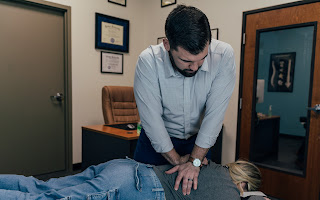
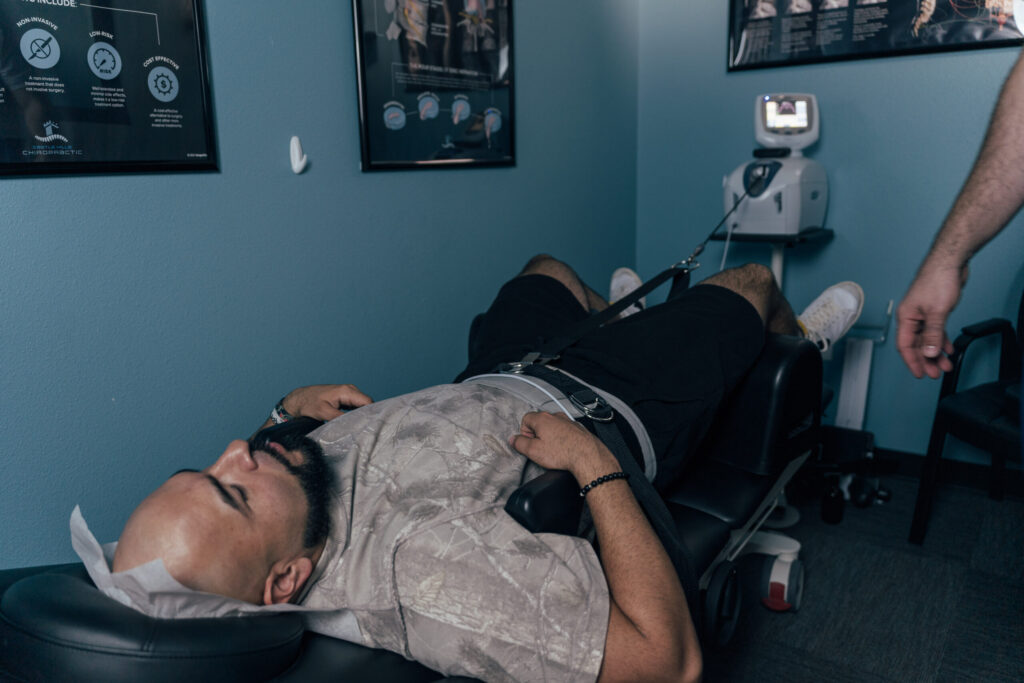
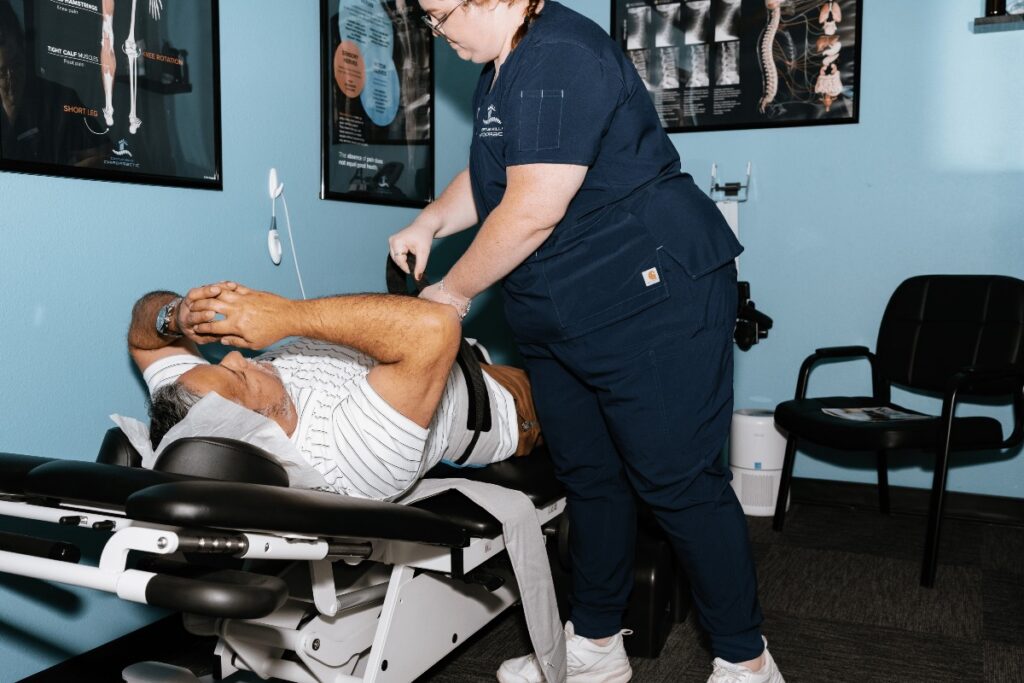
When you come in with whiplash, I’ll perform manual adjustments to help realign your spine. This process alleviates tension and enhances your range of motion, which is crucial for your recovery.
But chiropractic care goes beyond just adjustments. I also incorporate other techniques like soft tissue therapy and personalized exercise recommendations to address muscle imbalances and promote proper movement patterns.
By focusing on these areas, we can facilitate your healing process more effectively. Regular chiropractic visits not only help alleviate immediate pain but can also prevent chronic pain from developing in the future, allowing you to regain full functionality.
Throughout your treatment, we’ll work together to manage your symptoms and improve your overall well-being. Embracing chiropractic care as a part of your recovery journey empowers you to take an active role in your health and significantly enhances your chances of achieving a complete recovery.
If you have any questions or concerns about how chiropractic care can help you, please feel free to ask.
Integrating Psychological Support Into Recovery
Recovering from whiplash involves more than just addressing physical symptoms; it’s crucial to consider your mental and emotional well-being as well. Many patients overlook the psychological effects of an injury like this, but stress, anxiety, and even depression can significantly impact your recovery journey.
As your local chiropractor, I want to emphasize the importance of integrating psychological support into your healing process. Engaging with a mental health professional who understands the intricacies of injury recovery can be incredibly beneficial.
Cognitive-behavioral therapy (CBT) is one effective approach that can help you develop coping strategies and challenge any negative thought patterns that may arise during your recovery.
Additionally, support groups can offer a sense of community, where you can share experiences and glean insights from others who are on similar paths. This connection can be incredibly uplifting and help alleviate feelings of isolation.
Incorporating relaxation techniques, such as mindfulness and meditation, can also enhance your recovery process. These practices not only help reduce stress but also promote overall well-being.
Advances in Diagnostic Techniques for Whiplash
As a local chiropractor dedicated to helping our community understand the benefits of natural healing, I want to share some exciting advancements in diagnosing whiplash that go beyond traditional methods.
In the past, diagnosing whiplash often relied on physical examinations and the symptoms you report. However, the latest diagnostic techniques are changing the game for how we approach this common injury.
You may have heard about advanced imaging technologies like MRI and CT scans. These tools are invaluable because they provide detailed images of soft tissue damage that standard X-rays simply can’t show. With these scans, we can better identify injuries to your muscles, ligaments, and discs, which leads to more accurate diagnoses and better treatment plans tailored specifically to your needs.
In addition to imaging, new advancements in biomechanical assessments give us a clearer picture of how whiplash affects your posture and movement patterns. Understanding these changes is crucial for effective treatment.
Researchers are even investigating the use of biomarkers through blood tests to identify underlying injuries.
By integrating these innovative diagnostic techniques, we can offer you a more precise assessment of your condition. This means that together, we can create a personalized treatment plan that not only addresses your specific injury but also enhances your overall recovery experience.
These advancements in diagnosis are designed to improve your journey to wellness and ensure that your unique needs are met.
Contemporary Multimodal Treatment Strategies
As your local chiropractor, I want to help you understand how a contemporary multimodal treatment strategy can significantly enhance your recovery from whiplash.
By combining chiropractic adjustments, physical therapy, pain management techniques, and support for emotional well-being, we create a comprehensive approach tailored to your needs.
Chiropractic care focuses on aligning your spine and improving your body’s function, which can alleviate pain and promote healing.
When we integrate these methods, we address both the physical discomfort and the emotional challenges that often accompany your healing journey.
This holistic approach ensures you’re not just managing symptoms but actively working towards a complete recovery.
Let’s work together to get you back to feeling your best!
Physical Therapy Approaches
As a local chiropractor, I want to share with you the vital role chiropractic care can play in your recovery from whiplash. Our approach is holistic, focusing on both the physical and psychological aspects of healing.
During your visits, we’ll work on personalized exercises designed to enhance the strength, flexibility, and range of motion in your neck. We also utilize hands-on techniques to relieve pain and restore function.
Additionally, we may employ various natural modalities, such as heat or cold therapy, to support your recovery process. Understanding the importance of good posture and ergonomics is crucial, as this knowledge can help you prevent future injuries.
Moreover, we recognize that whiplash can sometimes lead to anxiety or stress, so we may incorporate cognitive-behavioral strategies to help you manage these feelings effectively.
By actively engaging in your treatment plan, you empower yourself to take charge of your healing journey, promoting not just physical restoration but also emotional well-being.
Medication and Pain Management
As a local chiropractor, I want to emphasize how effective medication and pain management strategies are essential for your recovery from whiplash. While over-the-counter pain relievers like ibuprofen or acetaminophen can provide some relief from discomfort and inflammation, there are also holistic approaches that can be incredibly beneficial.
If you’re experiencing significant pain, it’s important to consult with your healthcare provider. They may suggest stronger medications, such as muscle relaxants or opioids, but these should be approached with caution due to potential side effects.
In addition to medication, I encourage you to explore non-pharmacological methods, such as topical analgesics, heat therapy, and chiropractic adjustments. These treatments can work synergistically to enhance pain relief and improve mobility.
A multimodal approach, where we combine chiropractic care with other treatments, often results in better outcomes for patients.
Always communicate openly with your healthcare team about your pain levels and any medications you’re using. By adopting a personalized strategy that includes natural healing methods, you can significantly enhance your recovery experience and improve your overall quality of life.
Psychological Support Techniques
As a local chiropractor, I want to emphasize that while managing the physical symptoms of whiplash is crucial, it’s equally important to address the psychological aspects of your recovery. Many patients may not realize that feelings of anxiety, depression, or fear stemming from their injury can significantly impact their healing process.
That’s why incorporating psychological support techniques can be incredibly beneficial. One effective method is cognitive-behavioral therapy (CBT), which can help you reframe negative thoughts and develop coping strategies that support your recovery.
Additionally, mindfulness practices such as meditation or deep-breathing exercises are excellent tools for reducing stress and enhancing your emotional well-being.
Consider group therapy as well—this provides a supportive environment where you can connect with others who are navigating similar challenges. Working alongside a psychologist who’s familiar with whiplash can also offer tailored strategies to further enhance your recovery journey.
By prioritizing your mental health alongside your physical treatment, you’ll be taking a holistic approach to healing that can lead to more effective and sustainable results.
Future Directions in Whiplash Recovery Treatments
As a local chiropractor, I’m excited to share with you some of the innovative approaches we’re exploring in whiplash recovery that can greatly enhance your healing journey.
One of the most promising developments is the creation of personalized rehabilitation programs tailored specifically to your unique symptoms and recovery patterns. By utilizing advanced imaging techniques, we can gain a clearer understanding of your injury, which allows us to design targeted interventions that address your individual needs.
Another exciting advancement is the use of virtual reality therapy. This emerging technology provides immersive environments that can aid in pain management and rehabilitation exercises. By engaging in these interactive experiences, you may find the recovery process to be both effective and enjoyable, encouraging you to participate more fully in your healing.
Furthermore, we’re increasingly integrating complementary therapies such as acupuncture and mindfulness into our treatment plans. These holistic approaches address not just the physical aspects of healing, but also the psychological factors that can impact your recovery.
As these advancements continue to evolve, you can anticipate a more comprehensive and personalized approach to whiplash recovery. This means better outcomes and an improved quality of life for you.
I encourage you to stay informed and remain open to these emerging options, as they could significantly benefit your journey toward recovery. Your health is our priority, and we’re here to support you every step of the way.
Conclusion
As your local chiropractor, I want to share with you how far we’ve come in the journey of whiplash recovery treatments. Gone are the days when rest and immobilization were the only options available. Today, we embrace a more dynamic and personalized approach to healing.
Chiropractic care plays a significant role in this process, working hand-in-hand with physical therapy and even psychological support to ensure a comprehensive recovery. With the advancements in diagnostic techniques, we can better understand your specific condition and tailor a treatment plan that addresses your unique needs.
By using a multimodal strategy—combining adjustments, exercises, and other natural healing methods—you can experience a more effective recovery. My goal is to empower you to embrace these innovative developments, leading you toward a healthier and more resilient version of yourself. Remember, your journey to recovery is not just about alleviating pain; it’s about restoring your overall well-being.