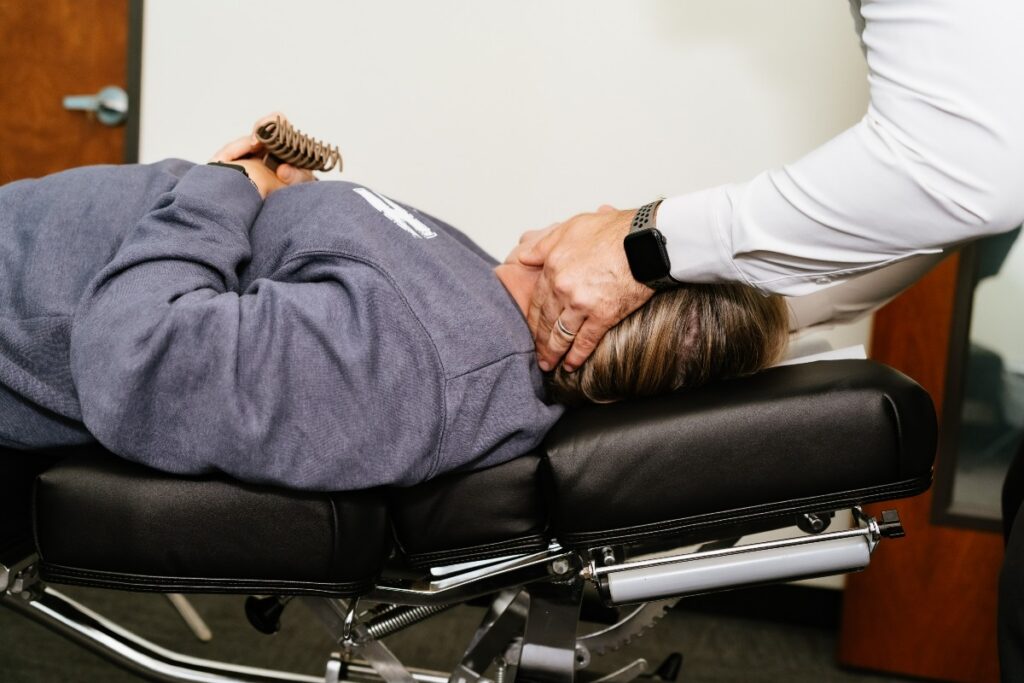

If you’re experiencing headaches, know that you’re not alone—many individuals face this common issue. Fortunately, there are effective, natural strategies to help manage and alleviate headache discomfort. As a chiropractor, I believe that caring for your spine plays a crucial role in overall health and wellness, including headache relief. Simple changes in your daily routine can lead to significant improvements in how you feel. Let’s explore some essential tips that could transform your approach to handling headaches, while also emphasizing the benefits of chiropractic care.
- Stay Hydrated: Dehydration is a common trigger for headaches. Make sure to drink plenty of water throughout the day, as proper hydration supports spinal health and overall wellness.
- Maintain Good Posture: Poor posture can strain your neck and back, leading to headaches. Be mindful of how you sit, especially if you work at a desk. Regular chiropractic adjustments can help align your spine and improve posture.
- Practice Relaxation Techniques: Stress is a significant contributor to headaches. Incorporate relaxation practices such as deep breathing, meditation, or gentle yoga into your routine. These techniques can help calm your mind and body, reducing headache frequency.
- Get Regular Chiropractic Care: Chiropractic adjustments can help relieve tension in the neck and shoulders, which may be contributing to your headaches. Regular visits to a chiropractor can support your overall spinal health and provide lasting relief.
- Exercise Regularly: Physical activity is crucial for maintaining a healthy spine and reducing stress. Aim for regular exercise, such as walking, swimming, or yoga, to keep your body and mind in balance.
- Monitor Your Diet: Certain foods can trigger headaches for some individuals. Keep a food diary to identify any potential culprits and opt for a balanced diet rich in fruits, vegetables, and whole grains to nourish your body.
- Create a Sleep Routine: Lack of quality sleep can lead to headaches. Establish a consistent sleep schedule and create a relaxing bedtime routine to ensure you get restorative rest.
- Limit Screen Time: Staring at screens for extended periods can strain your eyes and neck. Take breaks and practice the 20-20-20 rule: every 20 minutes, look at something 20 feet away for at least 20 seconds.
- Use Heat or Cold Therapy: Applying a warm compress or an ice pack to your head or neck can provide relief. Experiment with both to see which works best for you.
- Seek Supportive Care: If you find that headaches persist, consider consulting with a chiropractor. They can assess your spine and provide personalized care to help alleviate your symptoms naturally.
By implementing these strategies and prioritizing your spinal health through chiropractic care, you can take proactive steps towards managing headaches effectively and enhancing your overall quality of life. Remember, small changes can lead to significant improvements in how you feel!
Key Takeaways
10 Essential Tips for Managing Headaches with Chiropractic Care
- Stay Hydrated: Drinking enough water—aim for at least eight 8-ounce glasses a day—can help prevent headaches and keep your body functioning at its best. Proper hydration supports spinal health and overall wellness, making it a key component of headache management.
- Prioritize Sleep: A consistent sleep schedule is crucial for your health. Create a relaxing bedtime routine to help you wind down. Quality rest can reduce headache triggers, and chiropractic care can enhance your sleep quality by promoting spinal alignment and reducing tension.
- Manage Stress: Incorporate stress reduction techniques into your daily routine. Mindful breathing and physical activities like walking or yoga can help alleviate tension. Chiropractic adjustments can also help relieve stress by improving spinal function and promoting relaxation.
- Identify Food Triggers: Keep a food diary to pinpoint any dietary triggers for your headaches. Focus on whole foods, including plenty of fruits, vegetables, and healthy fats. Chiropractic care can support your digestive health, which may help reduce food-related headaches.
- Practice Relaxation Techniques: Techniques like progressive muscle relaxation and guided imagery can help ease muscle tension that contributes to headaches. Regular chiropractic adjustments can also assist in reducing muscle tightness and enhancing your body’s natural ability to relax.
By incorporating these tips into your routine and considering chiropractic care as a holistic approach to health, you can effectively manage headaches and enhance your overall well-being. Remember, a well-aligned spine is key to optimal health!
Stay Hydrated
Staying hydrated is a key factor in maintaining overall wellness and can significantly help in preventing headaches. When your body lacks sufficient water, it can lead to dehydration, which may result in tension and discomfort. To support your body and keep those pesky headache symptoms away, aim to drink at least eight 8-ounce glasses of water each day. If you’re physically active or live in a warmer climate, you might need even more to stay properly hydrated.
Listen to your body—it often gives you signals when it’s time to hydrate. Feeling thirsty is your body’s way of saying it needs more water. Additionally, consider adding hydrating foods like fruits and vegetables to your diet, as they can also help increase your overall fluid intake.
To make hydration easier, keep a water bottle with you throughout the day as a reminder to sip regularly. You might even set reminders on your phone to help encourage consistent drinking. By making hydration a priority, you’re not only taking a crucial step in managing headaches but also supporting your spinal health and overall well-being.
As a chiropractor, I want to emphasize that proper hydration can aid in spinal health and enhance your body’s natural healing processes. When your body is well-hydrated, it can function more effectively, which is essential for maintaining optimal health. Remember that chiropractic care is an excellent way to address pain and promote wellness naturally. By staying hydrated and seeking regular chiropractic adjustments, you can significantly improve your quality of life and reduce the occurrence of headaches.
Maintain a Regular Sleep Schedule
To manage your headaches effectively, maintaining a regular sleep schedule is crucial. A consistent bedtime routine signals to your body that it’s time to relax and prepare for rest. This is particularly important for spinal health, as a well-rested body can better support the alignment of your spine, which plays a key role in headache prevention.
Additionally, try to limit the length of your daytime naps. While a short nap can be refreshing, long naps can interfere with your nighttime sleep and may lead to increased tension in your neck and shoulders, contributing to headaches. By prioritizing these habits, you’re not only setting yourself up for better rest but also supporting your overall wellness.
Establish Consistent Bedtime Routine
Establishing a consistent bedtime routine is an essential step towards achieving optimal health and alleviating headaches. As a chiropractor, I understand how interconnected our body’s systems are, and a regular sleep schedule can significantly improve your overall well-being. By setting a specific time to go to bed and wake up—yes, even on weekends—you’re sending a clear signal to your body that it’s time to relax and recharge.
Incorporating a calming pre-sleep ritual can also enhance your sleep experience. Consider activities such as reading a good book, practicing meditation, or indulging in a warm bath to help your body unwind. It’s crucial to limit screen time at least an hour before bedtime, as the blue light emitted by devices can interfere with your natural sleep patterns.
Creating a comfortable sleep environment is equally important. Ensure your bedroom is dark, quiet, and cool to promote better sleep quality. By committing to this bedtime routine, you’ll not only improve your sleep but also reduce the frequency and intensity of headaches, which can stem from tension and stress.
Limit Naps Duration
While establishing a consistent bedtime routine is crucial for better sleep, managing your daytime rest is equally important for overall wellness and headache management. Limiting naps can help you maintain a regular sleep schedule, which is essential for optimal health.
Here are some simple tips to keep those naps in check:
- Keep it Short: Aim for naps of just 20-30 minutes to avoid feeling groggy afterward. Short power naps can actually help refresh your mind without disrupting your nighttime sleep.
- Timing Matters: Try to nap earlier in the day, ideally before 3 PM. This helps ensure that your daytime rest won’t interfere with your ability to fall asleep at night, allowing your body to heal and recover as it should.
- Listen to Your Body: If you notice that napping leaves you feeling worse, it may be best to skip it entirely. Everyone’s body reacts differently, and tuning in to how you feel is key to finding what works for you.
- Stay Active: Instead of napping, consider light physical activity to boost your energy levels. A quick walk or some gentle stretches can invigorate you without the need for a nap.
Manage Stress Effectively
To manage stress effectively and promote overall well-being, it’s essential to incorporate relaxation techniques into your daily routine. One of the most beneficial approaches to achieving this is through chiropractic care, which focuses on spinal health to enhance your body’s natural ability to heal. A properly aligned spine can significantly reduce stress levels, improve your mood, and alleviate tension that often leads to headaches.
In addition to chiropractic adjustments, setting healthy boundaries in your life plays a crucial role in maintaining your mental well-being. This means learning to say no when necessary and prioritizing self-care. By doing this, you can create a more balanced life, which can further help minimize stress and its physical manifestations.
Here are some simple tips to help you manage stress and promote a healthier lifestyle:
- Stay Active: Regular physical activity, such as walking or yoga, can help release endorphins and reduce stress.
- Mindful Breathing: Take a few moments each day to practice deep breathing exercises. This can calm your mind and reduce anxiety.
- Stay Hydrated: Drinking plenty of water is vital for maintaining energy levels and reducing fatigue, which can contribute to stress.
- Chiropractic Care: Regular visits to your chiropractor can help keep your spine aligned, alleviate discomfort, and improve your overall health, making it easier to cope with stress.
- Connect with Nature: Spend time outdoors to rejuvenate your spirit and reduce stress levels.
Practice Relaxation Techniques
Relaxation techniques are a vital part of achieving optimal health and wellness, especially when it comes to managing stress and reducing headaches. As a chiropractor, I believe that a calm mind and body can significantly enhance your overall well-being.
By incorporating these natural techniques into your daily routine, you can complement your chiropractic care and foster a healthier lifestyle. Here are four effective relaxation practices to consider:
- Deep Breathing: Focus on taking slow, deep breaths. This technique helps to calm your nervous system and alleviate tension, making it a perfect complement to chiropractic adjustments.
- Progressive Muscle Relaxation: This involves tensing and then relaxing each muscle group in your body, starting from your toes and working up to your head. It can help release any physical stress that may be contributing to discomfort in your spine and overall body.
- Meditation: Spending just a few minutes each day focusing on your breath or a calming mantra can help center your thoughts and reduce stress, which is beneficial for maintaining a healthy spine and nervous system.
- Yoga: Gentle yoga not only promotes relaxation but also helps relieve physical tension. This practice can enhance your flexibility and strengthen your body, supporting the benefits of chiropractic care.
Incorporating these relaxation techniques into your daily routine can work wonders for your health and well-being. They not only help manage stress but also complement the natural healing process that chiropractic care provides.
Establish Healthy Boundaries
Establishing healthy boundaries is a crucial step in managing stress and promoting overall wellness, especially when it comes to your spinal health. By prioritizing your well-being, you can alleviate tension and discomfort that may be affecting your spine and overall health. Start by identifying your limits—whether it’s learning to say no to extra work or setting aside dedicated time for relaxation and self-care. Being assertive about your boundaries protects your energy and helps maintain a healthy spine.
Make sure to carve out personal time for activities that bring you joy, such as hobbies or relaxation techniques. This time away from daily responsibilities is essential for your mental and physical health. Additionally, take a moment to evaluate your relationships—surrounding yourself with supportive individuals can significantly reduce stress levels, which in turn benefits your spinal health.
Identify and Avoid Triggers
Identifying and avoiding headache triggers is essential for managing your pain effectively and can also complement your chiropractic care. By understanding what sparks your headaches, you can take proactive steps to minimize discomfort and enhance your overall wellness.
Here are some common triggers to be aware of:
- Food and Drink: Certain items, such as aged cheese, chocolate, and alcohol, may contribute to your headaches. Consider keeping a food diary to identify any correlations between what you eat and when your headaches occur.
- Stress: High-stress levels can lead to tension headaches. It’s crucial to find ways to manage your daily stressors. Techniques like deep breathing, yoga, or gentle stretches can help promote relaxation and may reduce headache frequency.
- Sleep Patterns: Irregular sleep can be a significant headache trigger. Aim for a consistent sleep schedule to help regulate your body. Quality sleep is vital for recovery and overall health, so creating a calming bedtime routine can be beneficial.
- Environmental Factors: Bright lights, strong smells, or loud noises can intensify headaches. Creating a calming environment can help—consider using soft lighting, minimizing noise, and incorporating soothing scents.
In addition to these tips, regular chiropractic care can play a pivotal role in reducing headache frequency and intensity. A chiropractor can help align your spine, relieve tension in your muscles, and improve your overall nervous system function, which may contribute to headache relief.
Start tracking your headaches and their possible triggers in a journal. This can help you recognize patterns and collaborate with your chiropractor to develop a tailored plan that focuses on avoiding those pesky pain-inducing situations. Remember, your journey to wellness is unique, and proactive steps combined with chiropractic care can lead to lasting relief and improved quality of life.
Practice Relaxation Techniques
To effectively manage headaches, incorporating relaxation techniques into your daily routine can be incredibly beneficial. As a local chiropractor, I encourage patients to explore methods such as deep breathing exercises, progressive muscle relaxation, and mindfulness meditation. These techniques help ease tension and promote a sense of calm, which can be particularly helpful for those suffering from headaches.
Additionally, chiropractic care is an excellent way to address the underlying causes of headaches by ensuring proper spinal alignment and relieving nerve pressure. Regular chiropractic adjustments can enhance your overall well-being and reduce the frequency and intensity of headaches.
Here are some simple tips to incorporate relaxation techniques into your daily life:
- Deep Breathing: Take a few moments each day to focus on your breath. Inhale deeply through your nose, hold for a few seconds, and exhale slowly through your mouth. This can help reduce stress and tension.
- Progressive Muscle Relaxation: While sitting or lying down, tense each muscle group in your body for a few seconds, then release. Start from your toes and work your way up to your head. This practice can help you become more aware of physical tension and promote relaxation.
- Mindfulness Meditation: Set aside a few minutes each day to sit quietly and focus on the present moment. Pay attention to your thoughts, feelings, and sensations without judgment. This practice can help reduce stress and improve your overall mental well-being.
Deep Breathing Exercises
Practicing deep breathing exercises can be a powerful ally in alleviating headache symptoms by promoting relaxation and reducing muscle tension, which is often linked to spinal issues.
These techniques not only help calm your mind and body but also complement chiropractic care by enhancing your overall well-being. Here’s how to incorporate deep breathing exercises into your routine:
- Find a Quiet Space: Choose a comfortable and peaceful area where you can sit or lie down without interruptions. This helps create the right environment for relaxation.
- Inhale Deeply: Take a slow, deep breath in through your nose for a count of four. Focus on allowing your abdomen to rise as you fill your lungs with air. This encourages proper oxygen flow, which is crucial for muscle recovery.
- Hold Your Breath: Keep the air in your lungs for a count of four. This brief pause can enhance relaxation and helps your body absorb more oxygen.
- Exhale Slowly: Gently release your breath through your mouth for a count of six. As you exhale, visualize letting go of any tension or discomfort, particularly in your neck and shoulders, which are often affected by spinal misalignments.
Repeat this cycle several times.
You may find that it not only helps ease your headache but also promotes a sense of calm and balance throughout your body.
Remember, integrating deep breathing with regular chiropractic adjustments can lead to even greater relief and support your journey to optimal health.
Always listen to your body and consult your chiropractor for personalized advice and techniques that cater to your specific needs.
Progressive Muscle Relaxation
Progressive muscle relaxation (PMR) can be a valuable tool for managing headaches and reducing tension throughout your body, complementing the benefits of chiropractic care. This technique involves tensing and then relaxing different muscle groups, which can increase your awareness of physical sensations and promote a sense of calm.
To get started, find a quiet space where you can sit or lie down comfortably. Begin with your toes—tense them for a few seconds, then release. Gradually move up through your legs, abdomen, arms, and face, allowing each muscle group to relax fully. As you do this, visualize the tension melting away, just like how a chiropractic adjustment can relieve pressure and restore balance in your body.
Incorporating PMR into your daily routine for just 10 to 15 minutes can significantly ease stress and promote relaxation, making it easier to manage headache symptoms and overall discomfort. Remember, regular practice is key to achieving the best results, just as consistent chiropractic care can lead to long-term wellness benefits.
While PMR is an excellent technique, never forget the importance of maintaining spinal health through chiropractic adjustments. A well-aligned spine can enhance your body’s natural healing abilities and reduce the frequency and intensity of headaches. By combining PMR with regular chiropractic care, you can create a holistic approach to pain relief and wellness.
Here’s a quick tip: try to practice PMR at the same time each day so it becomes a part of your routine, just like your visits to your chiropractor. Together, these practices can help you achieve optimal health and a greater sense of well-being.
Mindfulness Meditation Practices
Mindfulness meditation can be a valuable tool in your journey towards optimal health and wellness, especially when dealing with headaches. As a chiropractor, I emphasize the importance of a holistic approach to health, which includes managing stress and tension that can lead to pain.
By incorporating mindfulness techniques into your daily routine, you can naturally alleviate headaches and promote overall well-being. Here are four simple techniques to consider:
- Breath Awareness: Find a comfortable seated position and take a moment to focus on your breath. Inhale deeply through your nose, allowing your abdomen to expand, hold for a brief moment, then exhale slowly through your mouth. This practice can help calm your nervous system and reduce tension in your body, which is essential for headache relief.
- Body Scan: Close your eyes and mentally scan your body from head to toe. Notice any areas of tightness or discomfort, especially in your neck and shoulders, which are common tension spots for headaches. With each exhale, consciously relax these areas to release built-up stress.
- Guided Imagery: Picture a serene environment, such as a tranquil beach or a quiet forest. Engage your senses by imagining the sounds, smells, and sights of this peaceful place. This visualization can help distract from pain and promote relaxation, which can be beneficial for managing headaches.
- Loving-Kindness Meditation: Take a moment to send positive thoughts and well-wishes not only to yourself but also to those around you. This practice fosters compassion and helps reduce stress, creating a more positive mindset that can contribute to pain relief.
Integrating these mindfulness practices into your routine can complement your chiropractic care, helping you achieve a more balanced and pain-free life. Remember, chiropractic adjustments can address the root causes of headaches by improving spinal alignment and relieving tension.
Together, mindfulness and chiropractic care can lead you to a healthier, more vibrant life.
Use Over-the-Counter Pain Relievers Wisely
Headaches can be uncomfortable and disruptive, but there are natural ways to manage them effectively without relying on over-the-counter pain relievers. As a chiropractor, I encourage you to explore holistic approaches to alleviate discomfort and promote overall wellness.
First, it’s important to understand the type of headache you’re experiencing. Tension headaches often stem from muscle tension in the neck and shoulders, while migraines can be triggered by various factors, including stress and posture. Addressing these underlying issues through chiropractic care can provide long-lasting relief.
Regular chiropractic adjustments can help realign the spine, reduce muscle tension, and improve overall nervous system function. This can lead to a decrease in headache frequency and intensity. Additionally, practicing good posture and ergonomic habits throughout your day can significantly reduce strain on your body.
Incorporating relaxation techniques such as deep breathing exercises, yoga, or meditation can also be beneficial. These practices help reduce stress, which is a common trigger for headaches. Staying hydrated and maintaining a balanced diet rich in fruits, vegetables, and omega-3 fatty acids can support your body in managing pain naturally.
If you find yourself experiencing headaches frequently, it’s a good idea to consult with a chiropractor. They can provide personalized care and guidance tailored to your specific needs. Remember, managing headaches is a journey, and opting for natural methods like chiropractic care can be a key step toward achieving optimal health and wellness.
Incorporate Regular Physical Activity
Incorporating regular physical activity into your daily routine is essential for managing headaches and boosting your overall health. As a chiropractor, I understand how vital it’s to maintain not just a healthy spine but also a healthy lifestyle to achieve optimal well-being.
Engaging in regular exercise can improve circulation, release those feel-good endorphins, and significantly reduce stress—key factors that help alleviate headache symptoms. Here are some practical tips to help you integrate physical activity into your life:
- Select Enjoyable Activities: Whether it’s dancing, swimming, or hiking, choosing activities you love makes it easier to stay motivated. When you enjoy what you’re doing, it becomes a natural part of your routine.
- Start Small: If you’re new to exercise, it’s perfectly okay to start with short sessions. Gradually increase the duration and intensity as your body adapts. This approach not only prevents injury but also helps you build confidence.
- Establish a Routine: Setting a consistent schedule for your workouts helps make physical activity a priority. Treat your exercise time just like any important appointment—your health depends on it!
- Mix It Up: Incorporate a variety of exercises, including cardio, strength training, and flexibility workouts. This diversity keeps your routine exciting and ensures that you’re not only strengthening your muscles but also supporting your spine’s health.
Remember, regular physical activity complements chiropractic care beautifully. Together, they can help you achieve lasting pain relief and enhance your natural wellness.
Consider Dietary Adjustments
When it comes to managing headaches, considering dietary adjustments can significantly enhance your overall well-being and complement the benefits of chiropractic care. Many individuals experience headaches due to specific foods, while others may find relief by adjusting their diet. Keeping a food diary can be a helpful tool in identifying potential headache triggers and making better choices for your health.
Here’s a simple guide to some common foods that can affect headaches:
| Food Type | Trigger Foods | Helpful Foods |
|---|---|---|
| Beverages | Alcohol, Caffeine | Herbal teas, Water |
| Dairy | Aged cheese, Yogurt | Almond milk, Coconut |
| Additives | MSG, Aspartame | Fresh herbs, Spices |
| Snacks | Chocolate, Processed snacks | Nuts, Seeds |
| Meals | Fast food, Fried food | Whole grains, Vegetables |
As a chiropractor, I encourage you to consider these dietary adjustments alongside your regular chiropractic care. Proper nutrition can support your body’s natural healing processes, helping you achieve optimal health and pain relief.
Here are some tips to help you along the way:
- Stay Hydrated: Drinking plenty of water throughout the day can help prevent headaches and maintain your body’s overall health.
- Limit Known Triggers: If you’ve identified specific foods that trigger your headaches, try to minimize or avoid them.
- Incorporate Whole Foods: Focus on whole grains, fresh vegetables, and healthy fats, which can provide your body with the nutrients it needs to function properly.
- Mind Your Portions: Eating smaller, more frequent meals can help stabilize blood sugar levels and potentially reduce headache occurrences.
- Consult with Your Chiropractor: As part of your wellness journey, discuss your dietary habits with your chiropractor. They can offer additional insights on how nutrition and spinal health work together for your overall wellness.
Explore Natural Remedies
As a local chiropractor, I understand how debilitating headaches can be and how important it’s to find effective relief. While chiropractic care is a fantastic option for addressing the root causes of headaches, incorporating natural remedies can enhance your overall wellness journey.
Here are some simple yet effective approaches to complement your chiropractic adjustments:
- Peppermint Oil: This natural oil can be a wonderful ally when you’re feeling the pressure of a headache. Simply dilute some peppermint oil and gently massage it onto your temples. Its soothing aroma and properties can help improve circulation and ease tension.
- Ginger Tea: Enjoying a warm cup of ginger tea isn’t only comforting but can also aid in reducing inflammation and nausea that often accompany headaches. Plus, it keeps you hydrated, which is essential for overall health.
- Acupressure: You may be surprised to learn that applying pressure to certain points on your body can alleviate headache pain. A popular spot to try is the area between your thumb and index finger. Pressing on this point can provide quick relief and is easy to do anywhere.
- Cold Compress: Using a cold pack on your forehead for about 15 minutes can work wonders by numbing the pain and reducing inflammation. It’s a simple method that can provide immediate comfort.
Incorporating these natural remedies into your routine can help manage headaches effectively and support your journey toward optimal health. Remember, regular chiropractic care not only addresses the immediate pain but also promotes long-term wellness by aligning your spine and improving your body’s function.
Embrace these tips and take proactive steps towards a healthier, pain-free life!
Seek Professional Help When Necessary
While natural remedies can provide some relief, it’s essential to know when it’s time to seek professional help. If your headaches are intense, occur frequently, or are accompanied by unusual symptoms like changes in vision or other neurological signs, it’s important to consult a healthcare professional. They can help determine if there are underlying issues and guide you towards the best treatments, including the benefits of chiropractic care.
When to Seek Help
| Symptoms | Recommended Action |
|---|---|
| Severe head pain | Consult a chiropractor or healthcare provider immediately |
| Headaches lasting longer than 3 days | Schedule an appointment with your chiropractor |
| Occurring with nausea or vision issues | Visit a healthcare provider for evaluation and advice |
It’s crucial not to ignore these warning signs. Keeping a headache diary can be a helpful tool for your chiropractor, allowing them to better understand your condition and develop a tailored care plan. Remember, chiropractic care focuses on natural healing and can lead to significant improvements in pain management and overall well-being. By addressing spinal alignment and function, you may find relief from headaches and enhance your quality of life.
In addition to seeking chiropractic care, consider these general tips for managing headaches:
- Stay hydrated by drinking plenty of water throughout the day.
- Practice good posture, especially if you spend long hours at a desk.
- Incorporate regular physical activity into your routine to reduce stress and tension.
- Ensure you’re getting enough sleep and maintaining a consistent sleep schedule.
Chiropractic care can be a powerful ally in your journey towards optimal health and wellness.
Conclusion
By following these ten essential tips, you can take control of your headache management and enhance your overall wellness through natural means. Staying hydrated is crucial, as dehydration can lead to increased headache frequency. Maintaining a consistent sleep schedule helps your body regulate and recover, reducing the likelihood of headaches. Incorporating relaxation techniques, such as deep breathing or gentle yoga, can also alleviate tension that contributes to headaches.
Identifying your triggers is key. Common triggers include stress, poor posture, and certain foods, so being mindful can help you avoid them. Chiropractic care is an excellent option for addressing headaches, as it focuses on spinal health and proper alignment, which can relieve nerve pressure and reduce headache symptoms. Regular adjustments from a chiropractor can help keep your spine in optimal condition, promoting overall wellness.
Additionally, exploring natural remedies like essential oils or herbal teas may provide relief. If headaches persist, it’s essential to seek professional help, and a chiropractor can guide you on the best course of action tailored to your needs. Remember, managing headaches is a journey, and with chiropractic care and these proactive steps, you’re on your way to achieving a healthier, pain-free life.