
If you've ever faced a sports injury, you know the journey to recovery can feel overwhelming. It's not just about resting and waiting; it involves understanding the science behind healing and implementing a strategic plan. You'll need to address not only your physical rehabilitation but also your nutrition and mental resilience. By grasping these elements, you can enhance your recovery process considerably. But what specific strategies will make the biggest difference in your path to healing? Let's explore the key components that could transform your experience.
Understanding Sports Injuries
Understanding sports injuries is essential for any athlete looking to stay active and competitive. You need to recognize that injuries can happen to anyone, whether you're a seasoned pro or a weekend warrior. Common injuries like sprains, strains, and fractures can sideline you if you don't know how to prevent them.
First, familiarize yourself with the risk factors. Overtraining, inadequate warm-ups, and poor technique can increase your chances of getting hurt. Pay attention to your body; listen for signs of fatigue or pain. Ignoring these signals can lead to more severe injuries down the line.
Next, consider the different types of injuries. Acute injuries occur suddenly, like a twisted ankle during a game. Chronic injuries develop gradually, often due to repetitive stress on your body, such as tendonitis from running too much without proper rest. Identifying the type of injury can help you and your coach decide on the best course of action.
Lastly, understand the importance of proper equipment. Wearing the right shoes for your sport can make a significant difference. Additionally, verify that your gear is in good condition to provide the support you need.
The Science of Healing
When you experience a sports injury, understanding the science of healing is essential for your recovery.
Your body goes through biological processes to repair itself, and what you eat plays a significant role in this journey.
Resting is just as important, as it allows your body to focus on healing and getting you back to the game.
Biological Healing Processes
The biological healing processes your body undergoes after a sports injury are complex yet fascinating. When you injure yourself, your body immediately springs into action. The first phase involves inflammation, where blood flow increases to the affected area, bringing essential nutrients and immune cells to kickstart recovery. You might notice swelling and warmth; that's your body's way of signaling it's working hard to heal.
Next comes the proliferation phase, where new tissue forms. Your body produces collagen, which acts like scaffolding to support the healing process. This phase can last several days to weeks, depending on the severity of your injury. You might feel some discomfort, but it's a sign that your body is rebuilding.
Finally, the remodeling phase takes place. This stage can last for months or even years, as your body strengthens the new tissue and restores functionality. It's vital to stay patient during this time, as rushing back into activity can hinder your recovery.
Understanding these biological processes helps you appreciate the effort your body puts into healing. By respecting this timeline, you optimize your chances of a successful recovery and return to your favorite sports.
Role of Nutrition
Nutrition plays an essential role in your recovery after a sports injury, as the right nutrients can greatly accelerate the healing process. When you're healing, your body needs an abundance of vitamins, minerals, and macronutrients to repair tissues and reduce inflammation.
Focus on consuming protein-rich foods like lean meats, fish, eggs, and legumes, as protein is critical for muscle repair and growth.
Incorporate plenty of fruits and vegetables into your diet, too. They provide antioxidants that help combat oxidative stress and promote healing. Vitamins C and E, found in citrus fruits and nuts, are particularly important for collagen formation and skin repair.
Don't forget about healthy fats from sources like avocados, olive oil, and nuts, which can help reduce inflammation.
Stay hydrated as well; water is essential for overall cellular function and recovery. Aim to drink plenty of fluids throughout the day.
Finally, consider consulting a nutritionist or dietitian, who can help tailor a meal plan specific to your needs. By prioritizing your nutrition, you'll give your body the best chance to bounce back stronger and quicker.
Importance of Rest
Resting is essential for your recovery after a sports injury, as it allows your body to heal and rebuild. When you rest, you give your muscles and tissues the chance to repair themselves. This process is vital because injuries create inflammation and damage that need time to mend.
During rest, your body releases growth hormones that promote tissue repair and regeneration. You mightn't realize it, but sleep is also a powerful healer. It's during deep sleep that your body goes into overdrive, repairing damaged cells and enhancing immune function.
If you push yourself too soon, you risk aggravating your injury or even causing new ones. It's tempting to get back in the game, but remember that each day of rest contributes to your long-term performance.
Listen to your body and don't underestimate the power of taking a break. Incorporating active recovery methods, like gentle stretching or low-impact activities, can also keep your body engaged without overexerting it.
Prioritizing rest now means you'll come back stronger and more resilient. So, take a step back, allow your body to heal, and set yourself up for a successful comeback.
Importance of Early Intervention
Early intervention plays an essential role in sports injury recovery, greatly influencing the outcome and duration of the healing process. When you address an injury promptly, you're not just alleviating pain; you're also preventing further damage. Ignoring early signs of an injury can lead to complications that prolong your recovery and even affect your overall performance.
Recognizing symptoms like swelling, pain, or limited range of motion is vital. When you act quickly, you provide your body with the best chance for a swift recovery. Seeking professional help early on allows for proper diagnosis and tailored treatment plans. This could involve physical therapy, rest, or even medical intervention if necessary. By getting ahead of the problem, you can avoid chronic issues that might sideline you for longer periods.
Moreover, early intervention can help you maintain your mental health during recovery. The longer you wait to address an injury, the more frustration and anxiety you may feel about your performance and fitness levels. By taking action right away, you regain a sense of control over your recovery journey.
It's also essential to communicate with your coach or teammates about your injury. They can support you in modifying your training regimen, ensuring you don't push yourself too hard while you heal.
Holistic Recovery Techniques
A holistic approach to recovery encompasses various techniques that address not just the physical aspects of an injury, but also the mental and emotional components. You might find that integrating these methods can greatly enhance your recovery process and overall well-being.
One effective technique is mindfulness meditation. By focusing on your breath and bringing awareness to your body, you can reduce stress and anxiety that often accompany injuries. This practice helps you cultivate a positive mindset, which is essential for healing.
Incorporating yoga into your routine can also be beneficial. Gentle stretches and poses not only improve flexibility and strength but also promote relaxation and mental clarity. Listen to your body; adapt your practice as needed and avoid pushing through pain.
Nutritional support plays an important role as well. Eating a balanced diet rich in anti-inflammatory foods, such as fruits, vegetables, and healthy fats, can aid in healing. You might also consider supplements like omega-3 fatty acids or turmeric, known for their anti-inflammatory properties.
Consider seeking therapies like acupuncture or massage. These can help alleviate pain, improve circulation, and promote relaxation. Both techniques address physical discomfort while providing emotional comfort through touch.
Lastly, don't underestimate the importance of social support. Connecting with friends, family, or support groups can lift your spirits and motivate you to stay engaged in your recovery process.
Tailored Rehabilitation Plans
Integrating holistic recovery techniques sets a strong foundation for your journey, but a tailored rehabilitation plan takes it a step further. This personalized approach considers your unique injury, physical condition, and lifestyle, guaranteeing you're not just recovering but thriving.
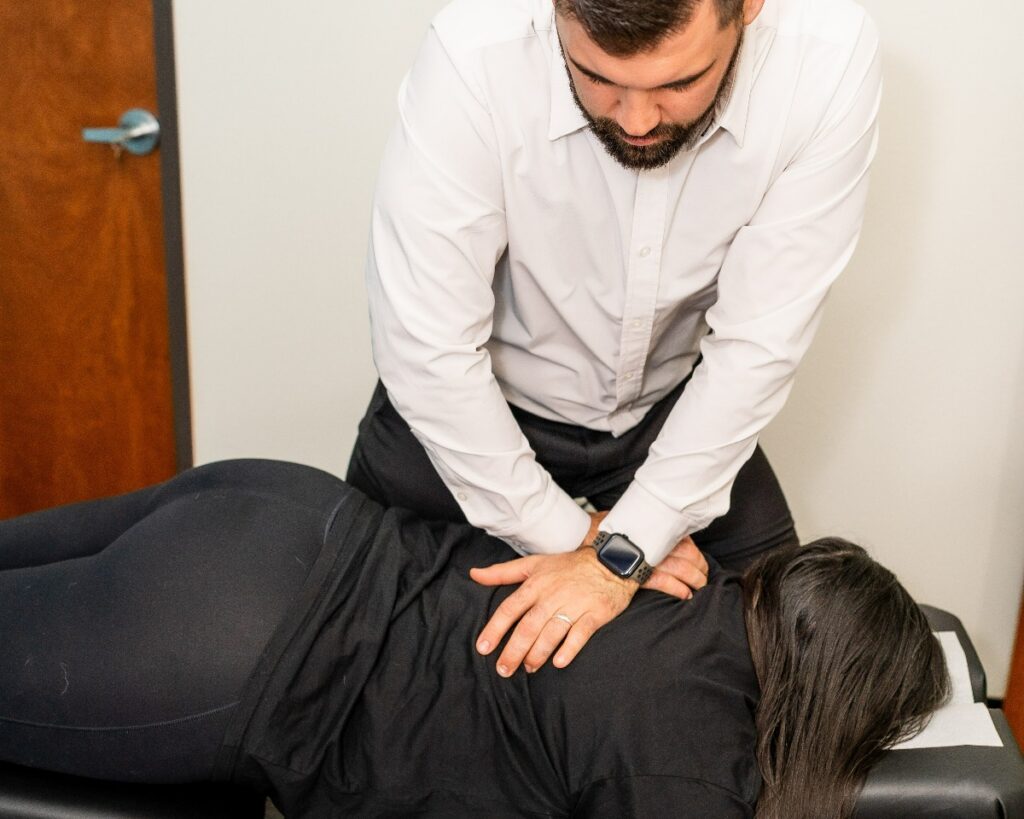
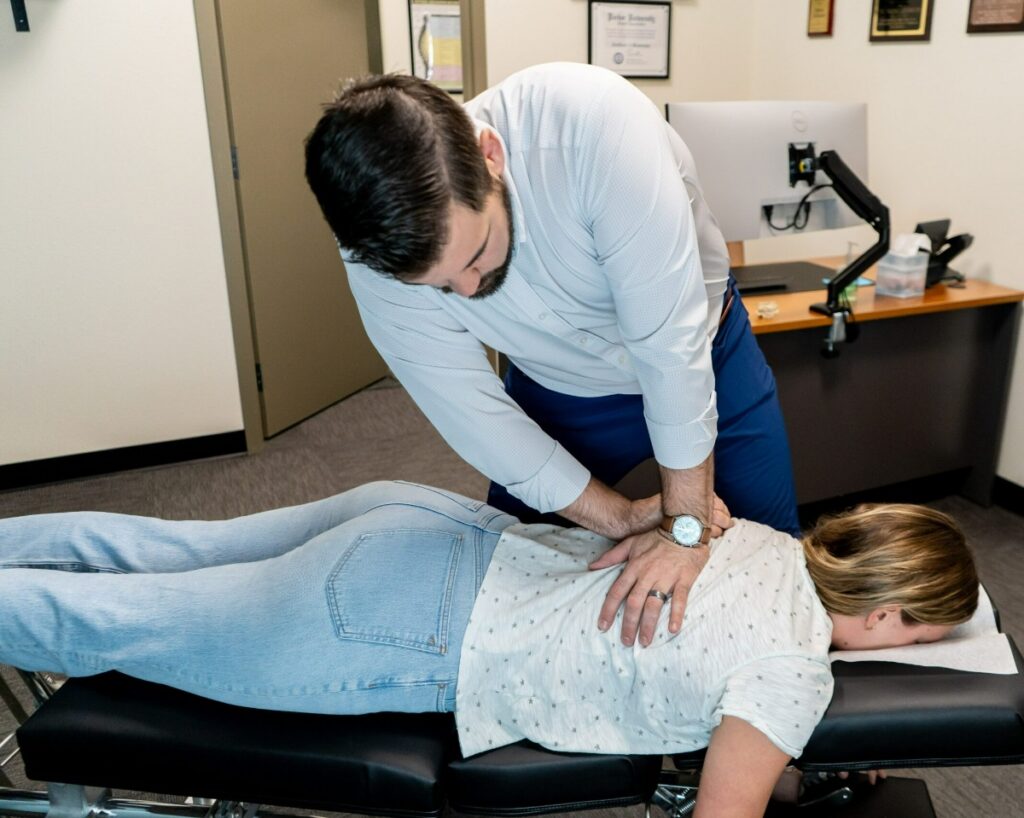
When you develop a tailored rehabilitation plan, you start by evaluating your specific needs. Meet with a qualified professional who can analyze your injury and create a strategy that addresses your individual goals. This could include exercises to strengthen affected areas, flexibility routines to enhance mobility, and modalities such as physical therapy or chiropractic care.
As you progress, your plan should adapt to your evolving condition. Regular evaluations help track your recovery, allowing for modifications that keep you on the right path. If you're not seeing improvement, your plan can be adjusted to incorporate new techniques or focus on areas that need more attention.
Don't underestimate the importance of setting realistic milestones along the way. Celebrating these small victories keeps you motivated and engaged in your recovery. A tailored rehabilitation plan isn't a one-size-fits-all solution; it's a dynamic process that evolves with you.
Finally, communication is key. Keep an open dialogue with your healthcare providers, and don't hesitate to express concerns or setbacks. This collaborative approach guarantees your rehabilitation plan remains effective and aligns with your ultimate goal: returning to your sport stronger than ever.
Nutrition for Optimal Recovery
After an injury, fueling your body with the right nutrients is fundamental for a speedy recovery. Proper nutrition can greatly impact how quickly you heal, so it's important to focus on what you eat.
Start by incorporating plenty of protein into your diet. Protein helps repair tissues and build muscle, which is essential after an injury. Aim for lean sources like chicken, fish, beans, and legumes.
Don't forget about carbohydrates! They're your body's primary energy source and are necessary for maintaining strength during recovery. Whole grains, fruits, and vegetables provide the energy you need while also offering essential vitamins and minerals. These foods help reduce inflammation, which is crucial for healing.
Healthy fats also play a role in recovery. Incorporate sources like avocados, olive oil, and nuts into your meals. Omega-3 fatty acids, in particular, can help reduce inflammation and support joint health. Consider adding fatty fish like salmon or walnuts to your diet.
Stay hydrated too. Water is vital for every bodily function, including healing. Aim for at least eight glasses a day, but adjust based on your activity level and climate.
Finally, consider consulting with a nutritionist who can tailor a meal plan to your specific needs. They can help guarantee you're getting the right balance of nutrients to support your recovery.
Mental Resilience in Recovery
Nutrition plays an essential role in recovery, but mental resilience is just as important when bouncing back from a sports injury. Your mindset can greatly influence how you handle the pain, setbacks, and frustrations that come with the healing process. Cultivating mental resilience helps you stay focused on your goals and maintain a positive outlook, even on tough days.
Start by acknowledging your feelings. It's normal to experience frustration and sadness after an injury. Instead of pushing those emotions aside, face them head-on. Writing in a journal can help you process your thoughts and track your progress, allowing you to see how far you've come.
Set realistic short-term goals that keep you motivated. Celebrate small victories, whether it's regaining range of motion or completing a workout without pain. These milestones can boost your confidence and reinforce your commitment to recovery.
Visualization techniques can also play an essential role in building mental resilience. Picture yourself returning to your sport, feeling strong and capable. This mental imagery can help condition your mind for success and keep your spirits high.
Surround yourself with a support network. Friends, family, and teammates can provide encouragement and accountability during your recovery journey. Sharing your experiences with others can foster a sense of connection and remind you that you're not alone.
Finally, practice patience. Remember that recovery takes time, and everyone's journey is different. Embrace the process, and you'll emerge stronger both physically and mentally.
Preventing Future Injuries
To keep injuries at bay, you need to focus on strengthening the muscles around your joints.
Incorporating proper warm-up techniques and cross-training can make a big difference in your performance and safety.
Strengthening Surrounding Muscles
Regularly strengthening the muscles surrounding an injury is essential for preventing future setbacks. When you focus on building strength in these areas, you create a more stable environment for your joints and reduce the risk of re-injury.
Here's how you can effectively strengthen those muscles:
- Targeted Exercises: Incorporate exercises that specifically target the muscles around the injured area. For example, if you're recovering from a knee injury, focus on your quadriceps, hamstrings, and calves.
- Balanced Training: Confirm that you're strengthening opposing muscle groups. If one side of your body is stronger, it can lead to imbalances that increase the risk of injury.
- Consistency: Make strengthening a regular part of your routine. Aim for at least two to three sessions per week, gradually increasing the intensity as your body adapts.
Proper Warm-Up Techniques
Strengthening surrounding muscles sets the foundation for injury prevention, but it's just as important to incorporate proper warm-up techniques into your routine. A well-structured warm-up prepares your body for the demands of physical activity, increasing blood flow to your muscles and enhancing flexibility.
Start with dynamic stretches, like arm circles or leg swings, to loosen up your joints and activate your muscles. Aim for at least 5 to 10 minutes of these movements. Following that, engage in sport-specific drills that mimic the actions you'll perform during your activity. For example, if you're running, include high knees or butt kicks.
Don't forget to pay attention to your body. If you feel any tightness or discomfort, adjust your warm-up accordingly. Gradually increase the intensity of your movements to avoid shock to your system.
Finally, remember to cool down after your activity. This helps your body shift back to a resting state and can aid recovery.
Cross-Training Benefits
Cross-training offers a smart approach to injury prevention by diversifying your workout routine. By incorporating different types of exercises, you can strengthen various muscle groups, improve flexibility, and reduce the risk of overuse injuries.
Instead of focusing solely on one sport or activity, mixing it up helps keep your body balanced and resilient.
Here are three key benefits of cross-training for preventing future injuries:
- Enhanced Muscle Balance: Engaging in multiple activities helps develop a more balanced body. This balance reduces the strain on specific muscles and joints, lowering the risk of injury.
- Improved Flexibility and Range of Motion: Cross-training often includes activities like yoga or swimming, which can enhance your flexibility and range of motion. Increased flexibility can help prevent strains and sprains during your primary sport.
- Mental Break: Switching up your routine can alleviate mental fatigue and boredom. A refreshed mindset can lead to better performance and less likelihood of pushing through pain, which often results in injuries.
Incorporating cross-training into your regimen is a proactive step toward staying healthy and injury-free.
Conclusion
In your journey to recovery, remember that a holistic approach is key. Embrace tailored rehabilitation, prioritize nutrition, and cultivate mental resilience to boost your healing process. Don't underestimate the power of a strong support network—lean on others to keep you motivated. By understanding your injuries and actively engaging in your recovery, you're setting yourself up for success. Stay committed, and you'll not only heal but also be better prepared to prevent future injuries.